On Rue de Florence in Ixelles, Frasca occupies a corner of Brussels where Italian tradition meets the technical rigor that Belgium's dining scene increasingly demands. The kitchen operates at the intersection of imported methods and local sourcing, placing it among Ixelles restaurants that reward attention rather than footfall. A reservation here is an argument for the kind of cooking that doesn't announce itself loudly.
Pearl is the En Primeur Club membership app — saves, bookings, and concierge access live there. Same editors, same standards.
- Address
- Rue de Florence 21, 1050 Ixelles, Belgium
- Phone
- +3227355065
- Website
- frasca.be
- Directions
- Get directions
 Saves & bookings on Pearl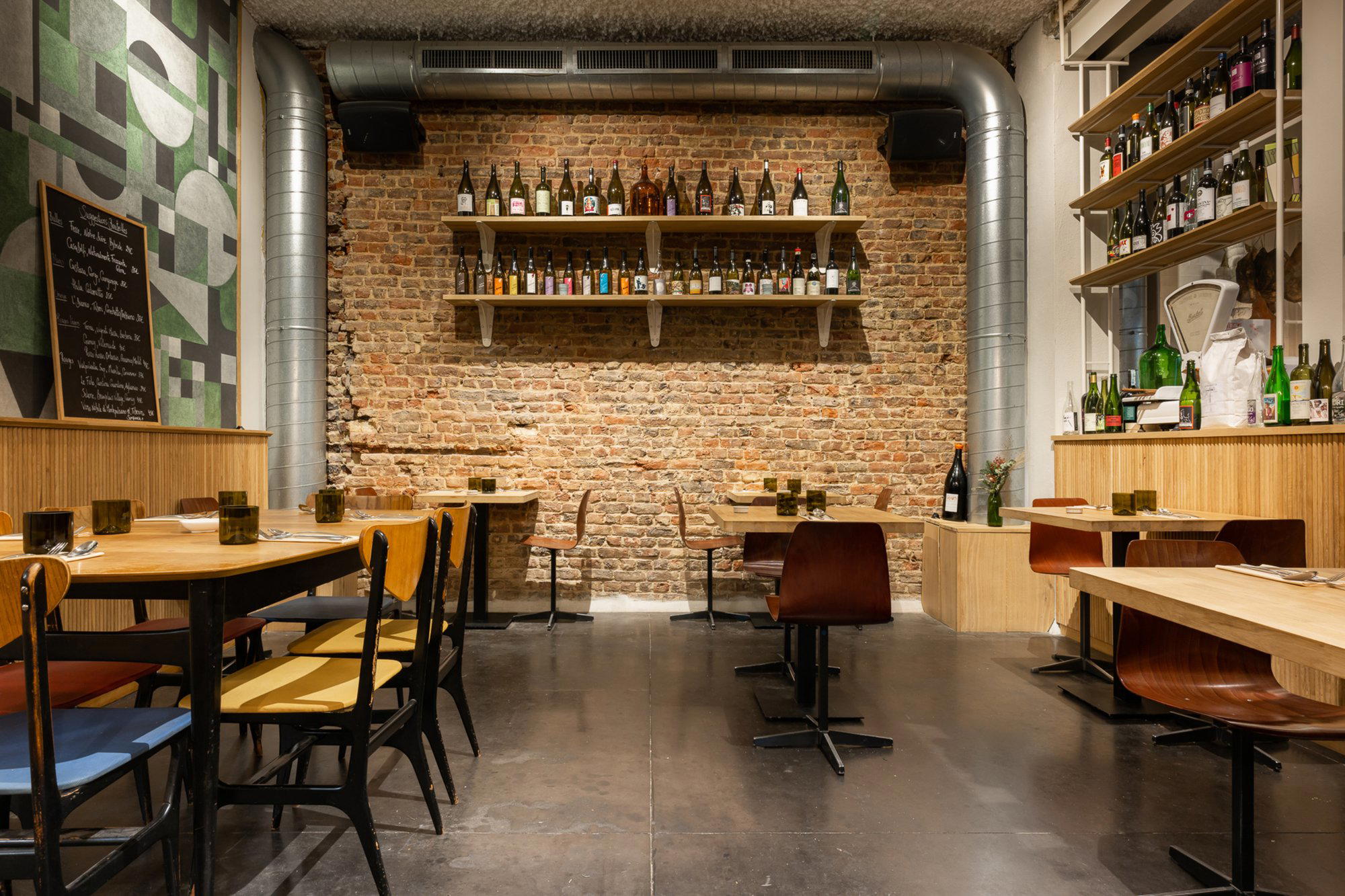
Rue de Florence and the Italian Question in Brussels
Ixelles has a particular relationship with Italian cooking. The commune sits dense with trattorias of varying seriousness, from quick pasta stops to more considered rooms, but the most instructive comparison is not between Italian restaurants themselves — it is between how different kitchens interpret what Italian cooking can mean when practised far from its source. Frasca, at Rue de Florence 21, occupies that interpretive space. The address is residential and unhurried, the kind of street in Ixelles that asks you to slow down before you arrive. That pacing matters. The room signals intention before a dish is served.
For context on how Ixelles positions itself within the wider Brussels dining conversation, the full Ixelles restaurants guide maps the commune's range from neighbourhood bistros to technically ambitious kitchens. Frasca sits in a cohort that rewards attention: not a high-volume operation, but a room built around the premise that Italian cooking, done carefully, is a serious enterprise.
Where Local Ingredients Meet Imported Method
The editorial angle that defines Frasca's position in Ixelles is the one that increasingly defines serious Italian cooking outside Italy: what happens when classical Italian technique encounters the produce rhythms of a northern European market. Belgium's soil and coast deliver an entirely different set of raw materials than Emilia-Romagna or Lazio. How a kitchen responds to that difference is the measure of its seriousness.
Italian cooking at its foundation is about restraint and precision — the number of ingredients is low, the handling decisive. That discipline travels well, but it requires honest engagement with what is available locally rather than a reflexive import dependency. The kitchens that succeed with this approach, whether in Brussels or farther afield, treat Belgian ingredients not as substitutes but as the actual material. Amen, also in Ixelles, operates a farm-to-table logic that pushes this idea in a different direction; Humus x Hortense does so with creative intensity at the higher end of the price tier. Frasca's version is quieter but no less deliberate.
The Italian tradition that travels most effectively to northern kitchens is pasta. The technical demands, hydration ratios, resting times, the geometry of cut, are portable in a way that, say, the specific mineral quality of San Marzano tomatoes is not. A kitchen that has absorbed those techniques and then sources its vegetables, dairy, and protein from Belgian producers is working in a genuinely hybrid register. That is the argument Frasca makes with its cooking.
The Room and the Pace
The physical environment at Rue de Florence 21 follows a pattern recognisable in Ixelles's more considered Italian rooms: modest scale, the focus directed at the table rather than any theatrical element. This is not the theatrical register of Kamo two kilometres away, where the Japanese counter format commands the entire spatial logic of the evening. At Frasca, the room recedes and the cooking advances. Atmosphere here is built through pacing and service weight rather than design intervention.
That restraint connects Frasca to a broader pattern in how serious Italian cooking presents itself in European cities. Compare this to the posture of destination restaurants elsewhere in Belgium: Boury in Roeselare or Zilte in Antwerp operate with the full apparatus of fine-dining signalling, tasting menus, elaborate service choreography, architectural room presence. Frasca does not compete in that register. Its competitive set is the neighbourhood restaurant that happens to cook with real rigour, a category that is both less visible and often more useful to the person who eats out frequently rather than ceremonially.
Ixelles in the Wider Belgian Dining Context
Belgium's restaurant culture has an unusual structure. The density of technically accomplished kitchens relative to population is high, and the concentration is not entirely in Brussels. Hof van Cleve in Kruishoutem, Willem Hiele in Oudenburg, and Vrijmoed in Gent represent the distributed seriousness of Belgian cooking, where ambition does not cluster only in the capital. Within Brussels itself, Bozar Restaurant anchors a more institutional fine-dining register.
Ixelles within that context is the commune where you find cooking that operates between institution and informality. Restaurants like Au Savoy and Amore, Pasta e Gioia serve the neighbourhood's appetite for Italian cooking at different price and formality registers. Frasca sits between them in spirit, with more technical intention than a casual pasta room but without the formal apparatus that would push it into destination-dining territory.
For reference beyond Belgium, the international framing for Italian cooking that applies global technique to local ingredients appears at the serious end of the market: Le Bernardin in New York City is the canonical example of a European culinary tradition transplanted and recalibrated through American produce, and Lazy Bear in San Francisco demonstrates what happens when fine-dining technique is deliberately applied in an informal register. Frasca's position in Ixelles draws on a related logic at a smaller, more local scale.
Planning a Visit
Rue de Florence 21 sits in the quieter residential stretch of Ixelles, accessible from the Porte de Namur axis and well within walking distance of the commune's denser restaurant strip. For a room of this scale and register, advance booking is advisable for weekend evenings; mid-week slots tend to carry more flexibility. Further details on current hours and reservations are best confirmed directly with the venue at its Rue de Florence address.
Readers who are building a Belgian itinerary around technically serious cooking across multiple cities should also consider La Durée in Izegem, Cuchara in Lommel, Ralf Berendsen in Neerharen, and d'Eugénie à Emilie in Baudour as part of a country-wide pattern where ambition in the kitchen is not correlated with address in Brussels.
City Peers
A quick peer list to put this venue’s basics in context.
| Venue | Cuisine | Price |
|---|---|---|
| FrascaThis venue — the venue you are viewing | Not listed | Not listed |
| Kamo | Japanese | €€€ |
| Humus x Hortense | Creative | €€€€ |
| Le Tournant | Home Cooking | €€ |
| Osteria Bolognese | Italian | €€ |
| Savage | Organic | €€ |
Continue exploring
More in Ixelles
Restaurants in Ixelles
Browse all →
Bars in Ixelles
Browse all →
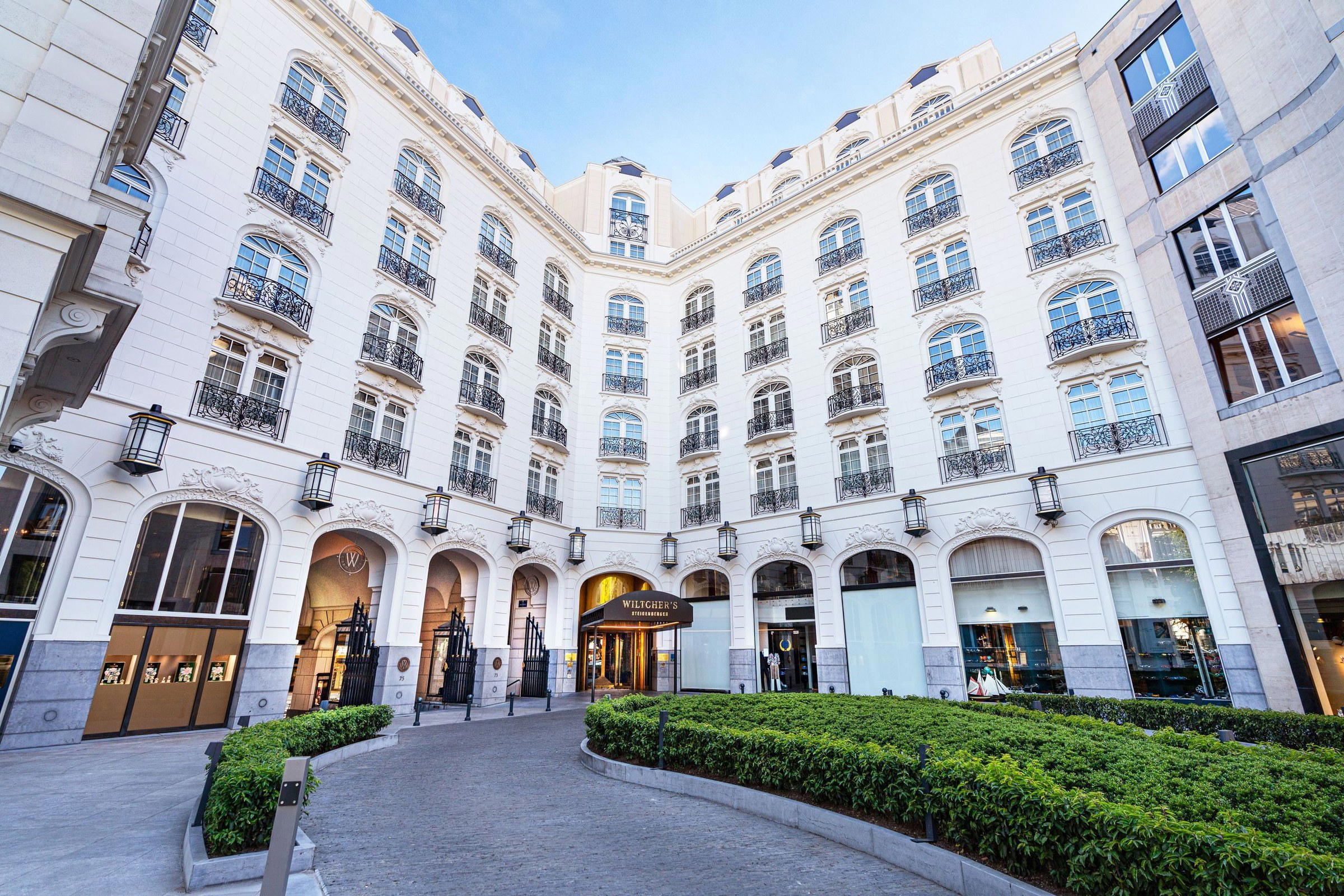
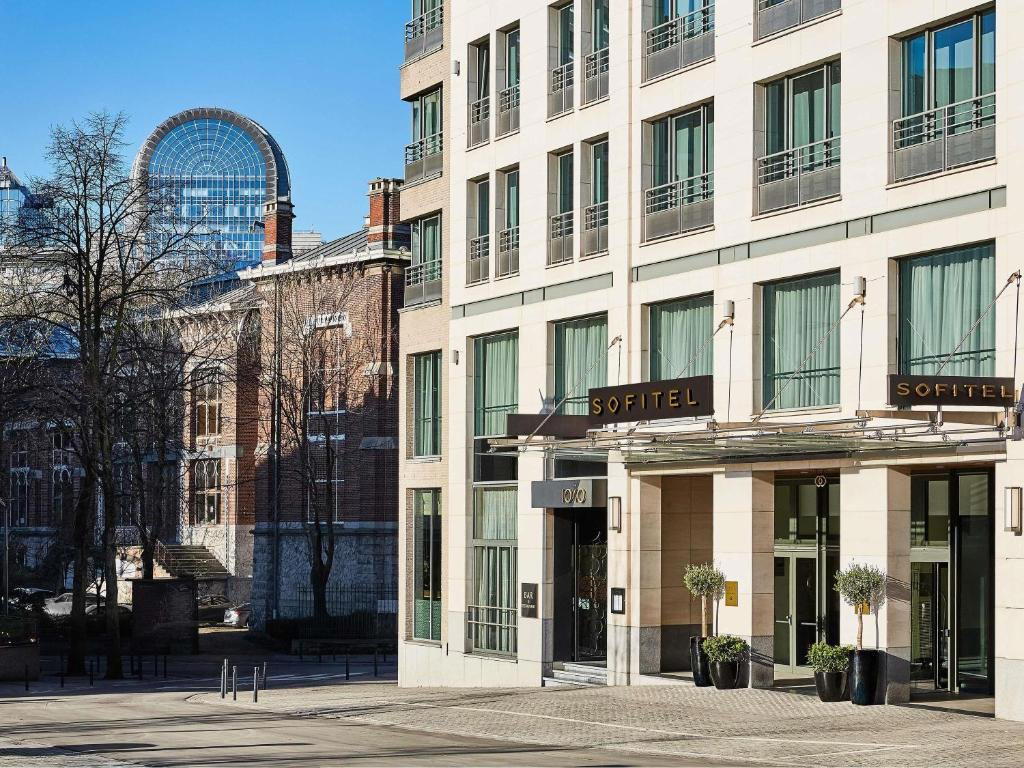
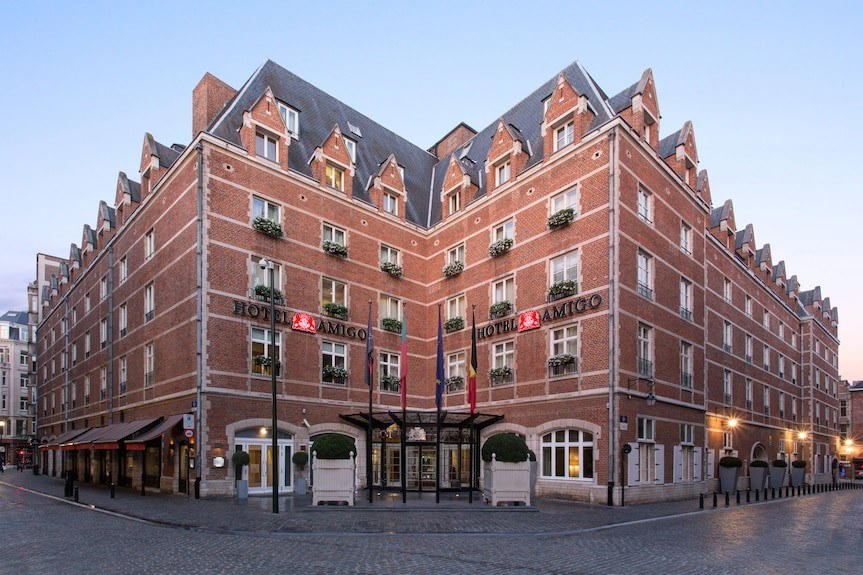
Hotels in Ixelles
Browse all →
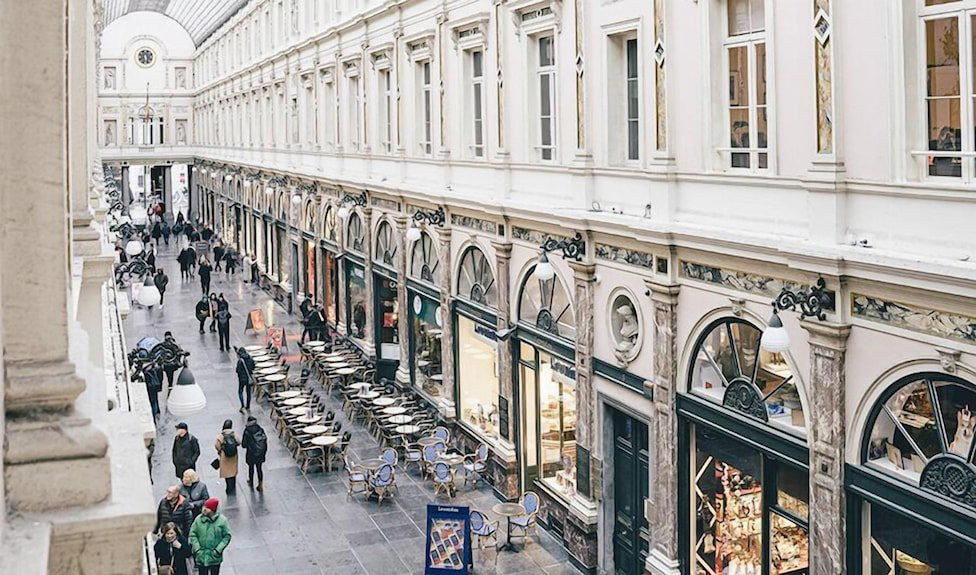
Wineries in Ixelles
Browse all →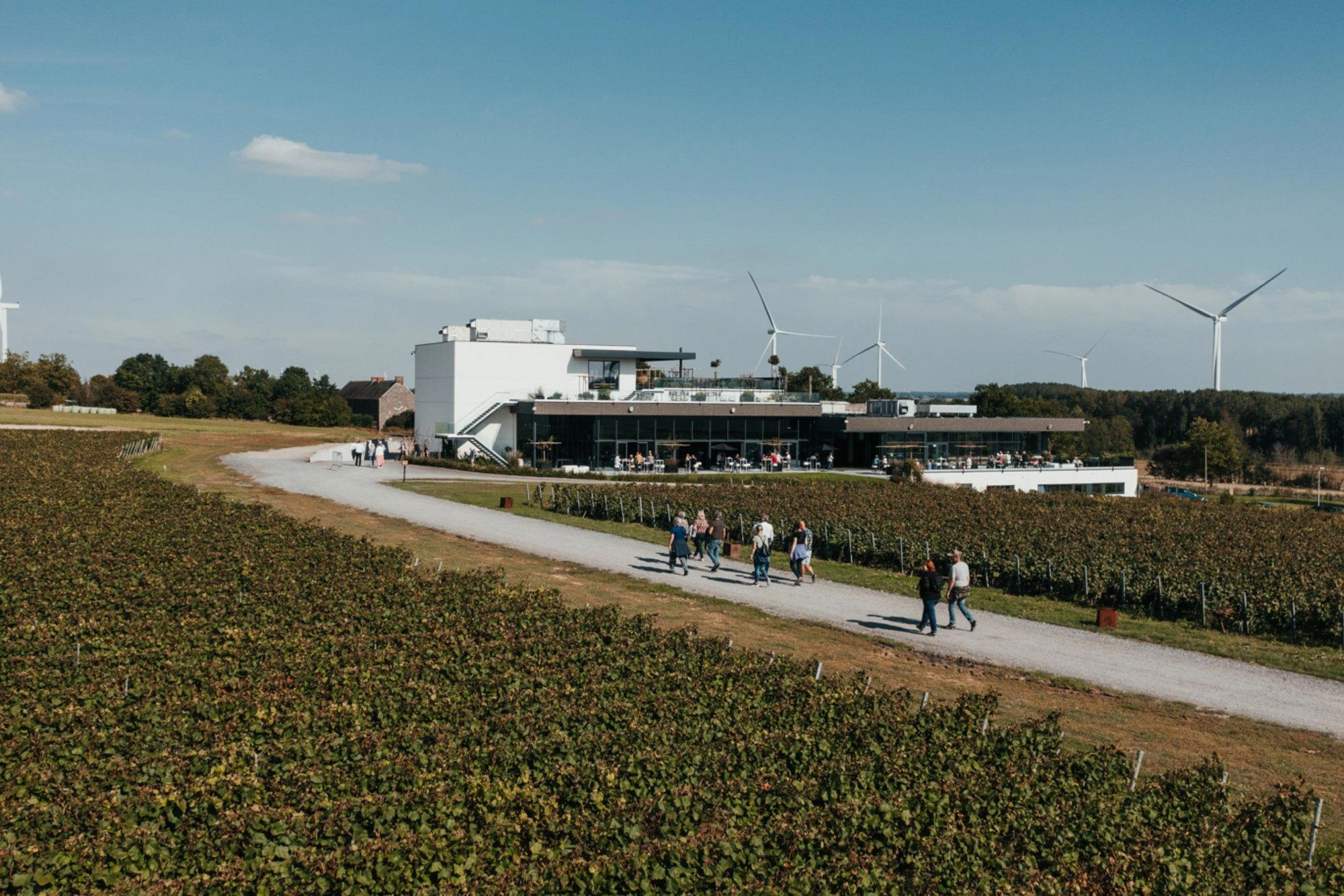
At a Glance
- Cozy
- Elegant
- Intimate
- Date Night
- Casual Hangout
- Open Kitchen
- Natural Wine
- Local Sourcing
- Organic
Current opening hours
- Monday
- 7–10 PM
- Tuesday
- 7–10 PM
- Wednesday
- 12–2:30 PM, 7–10 PM
- Thursday
- 12–2:30 PM, 7–10 PM
- Friday
- 12–2:30 PM, 7–10 PM
- Saturday
- 12–2:30 PM, 7–10 PM
- Sunday
- Closed
Hours can change for holidays and private events. Last verified .
Convivial and charming interior with wood and bare brick walls creating a warm, cozy atmosphere.
Know Before You Go
- Getting there
- Rue de Florence 21, 1050 Ixelles, Belgium