On Rue Washington in Ixelles, CŎCĪNA occupies a stretch of the commune where independent dining rooms have quietly displaced the area's older brasserie stock. The name, rendered in stylised diacritics, signals a self-conscious approach to space and identity that positions it within Ixelles's emerging tier of design-attentive restaurants, distinct from both the neighbourhood's casual Italian trattorias and its higher-ticket creative tasting menus.
Pearl is the En Primeur Club membership app — saves, bookings, and concierge access live there. Same editors, same standards.
- Address
- Rue Washington 149, 1050 Bruxelles, Belgium
- Phone
- +3228505990
- Website
- squadracocina.com
- Directions
- Get directions
 Saves & bookings on Pearl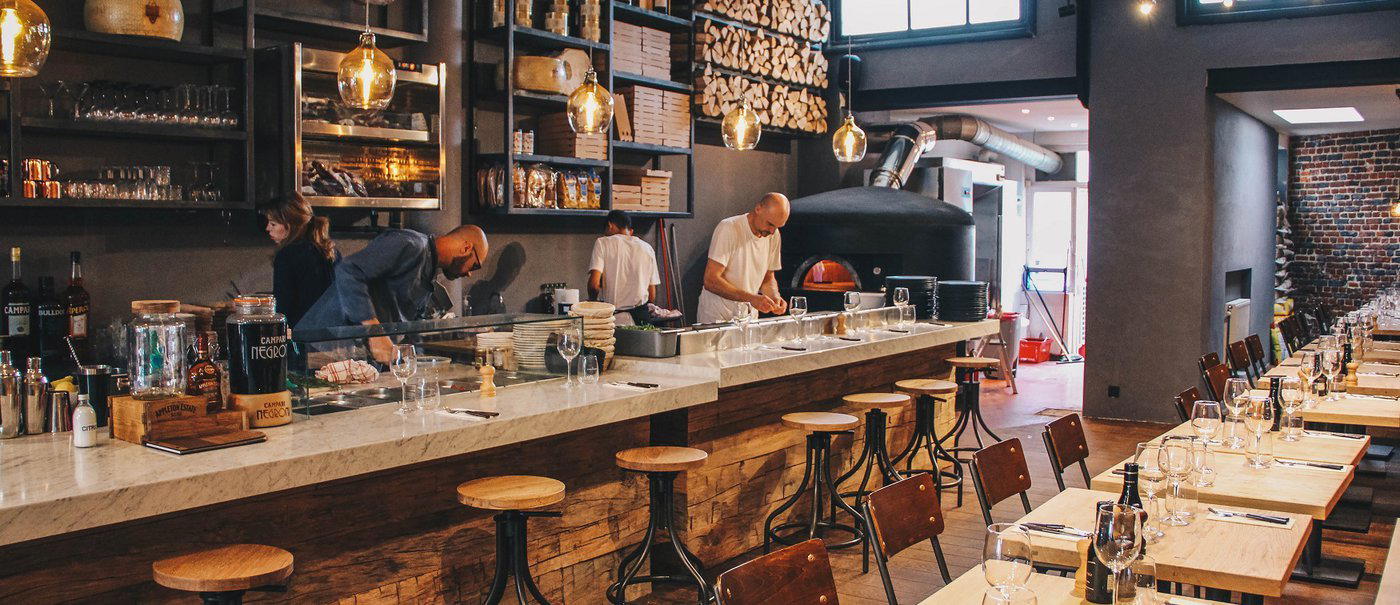
The Space Before the Food
CŎCĪNA is an Italian Trattoria in Ixelles, Brussels, at Rue Washington 149, with a casual dress code and reservations recommended. The commune's residential streets, especially those radiating from Place du Châtelain and the Washington corridor, have become a testing ground for restaurants that treat the physical environment as an argument in itself. CŎCĪNA, at Rue Washington 149, enters that conversation through its name alone: the diacritical styling, the caron over the C, the macron over the I, announces a deliberate curatorial sensibility before a guest crosses the threshold. In a neighbourhood where the difference between a room that works and one that merely exists can determine a restaurant's longevity, that signal matters.
This is characteristic of a broader pattern across Ixelles. Properties in the €€€ to €€€€ bracket have increasingly invested in spatial identity as a competitive differentiator, understanding that a well-considered interior communicates seriousness of intent to an audience fluent in reading these signals. The dining room is not backdrop; it is position statement. CŎCĪNA's address on Rue Washington places it within walking distance of some of the commune's more established creative kitchens, which means it competes for the same mid-week dinner decision. The design register of the space is, in effect, its first editorial.
Where CŎCĪNA Sits in Ixelles's Current Dining Tier
Ixelles's restaurant scene has stratified with unusual clarity over the past decade. At one end, you have the approachable neighbourhood formats: affordable Italian tables like Amore, Pasta e Gioia, legacy bistros like Au Savoy, and organic-minded rooms that trade on produce provenance over technical ambition. At the other end sits the small cohort of creative tasting menus, led by operations like Humus x Hortense, where the format is fixed and the price point reflects it. Between those poles, the mid-tier has grown more interesting and more contested.
CŎCĪNA occupies that contested middle space. It is not a casual neighbourhood table, nor is it presenting a full tasting-menu proposition in the mode of the commune's most awarded rooms. What it represents is Ixelles's appetite for restaurants with a clearly articulated point of view expressed through space, cuisine identity, and curation, without the formality or price ceiling of the tasting-menu format. That is a commercially sensible position in a commune where dining-out frequency is high and the audience for mid-serious restaurants is well-developed.
Comparative context is useful here. Kamo, the Japanese room with a €€€ price architecture, and Amen, operating in the farm-to-table register, both demonstrate that Ixelles diners will commit to a defined cuisine identity and a considered room when the proposition is coherent. CŎCĪNA draws from that same appetite.
The Architecture of the Room
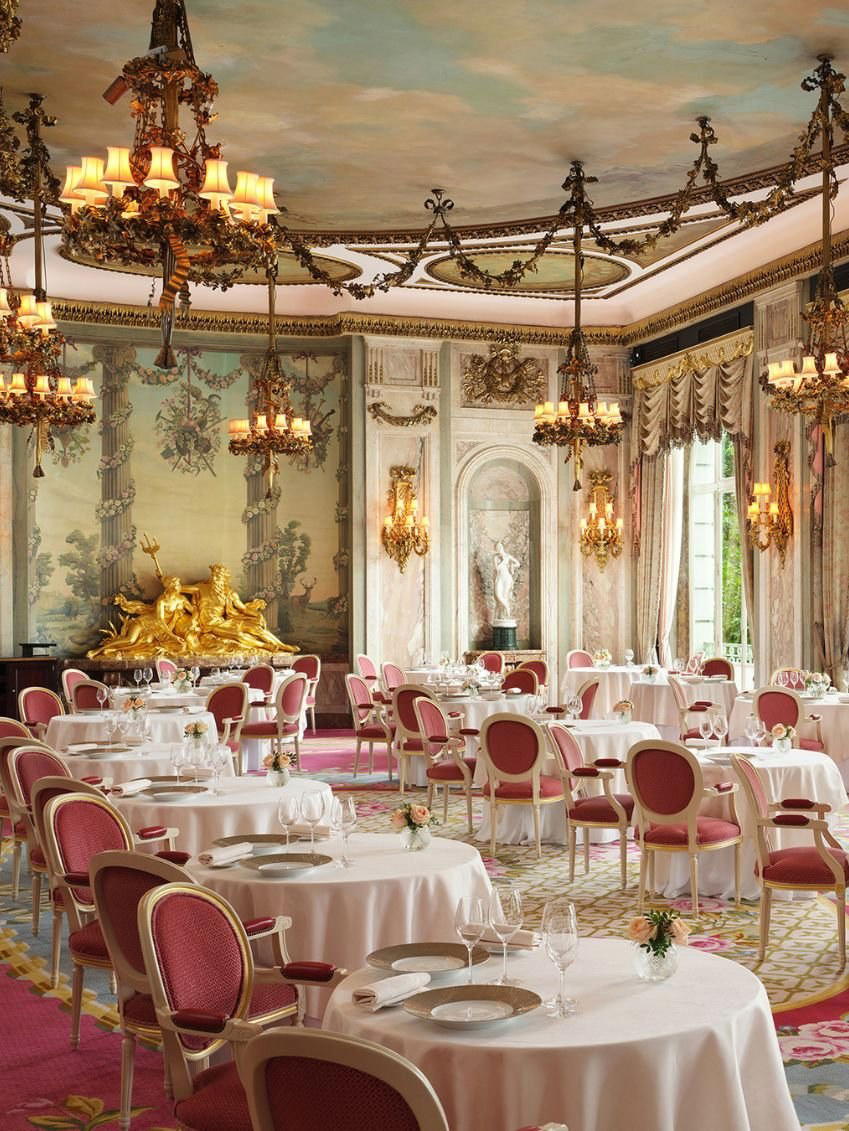
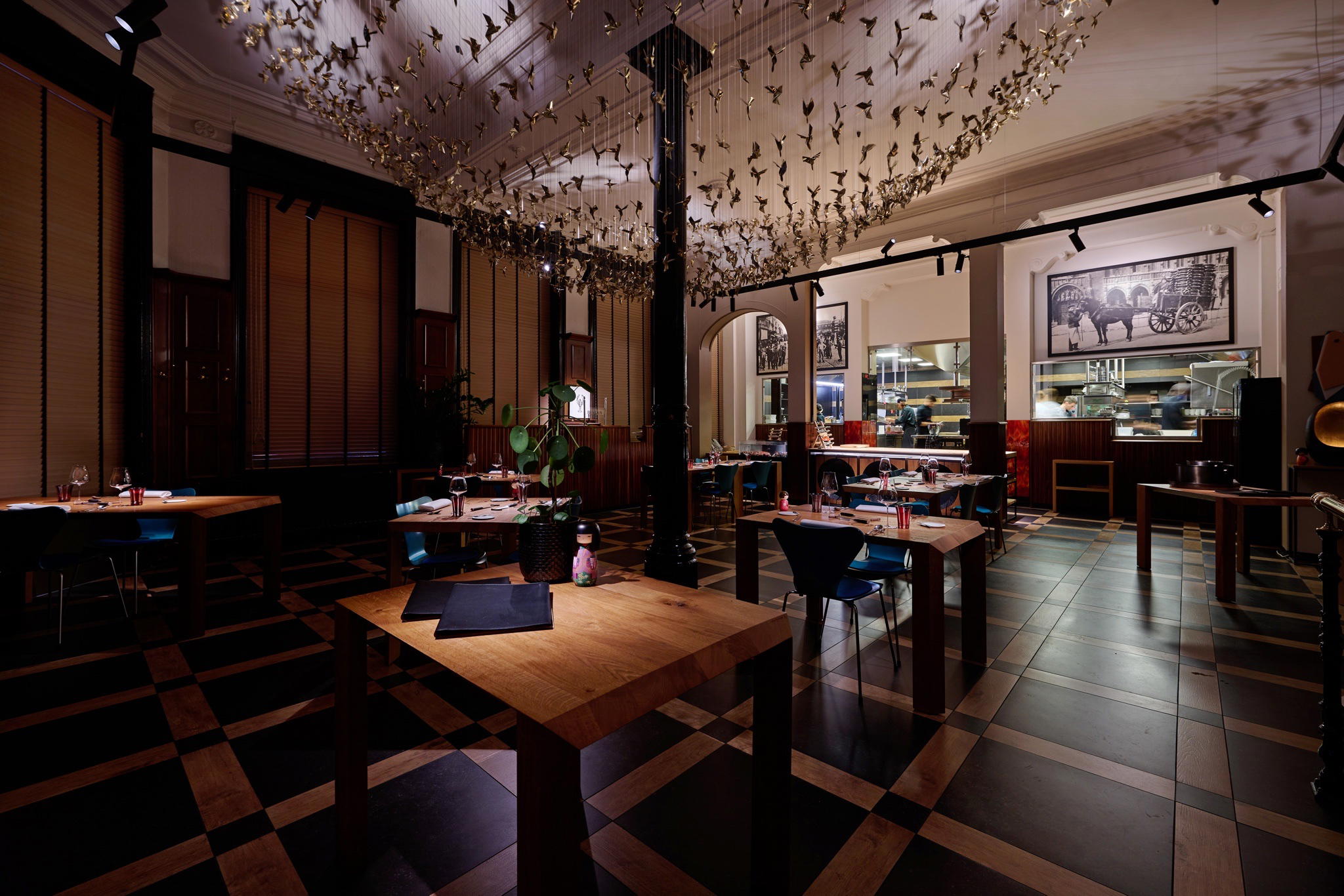
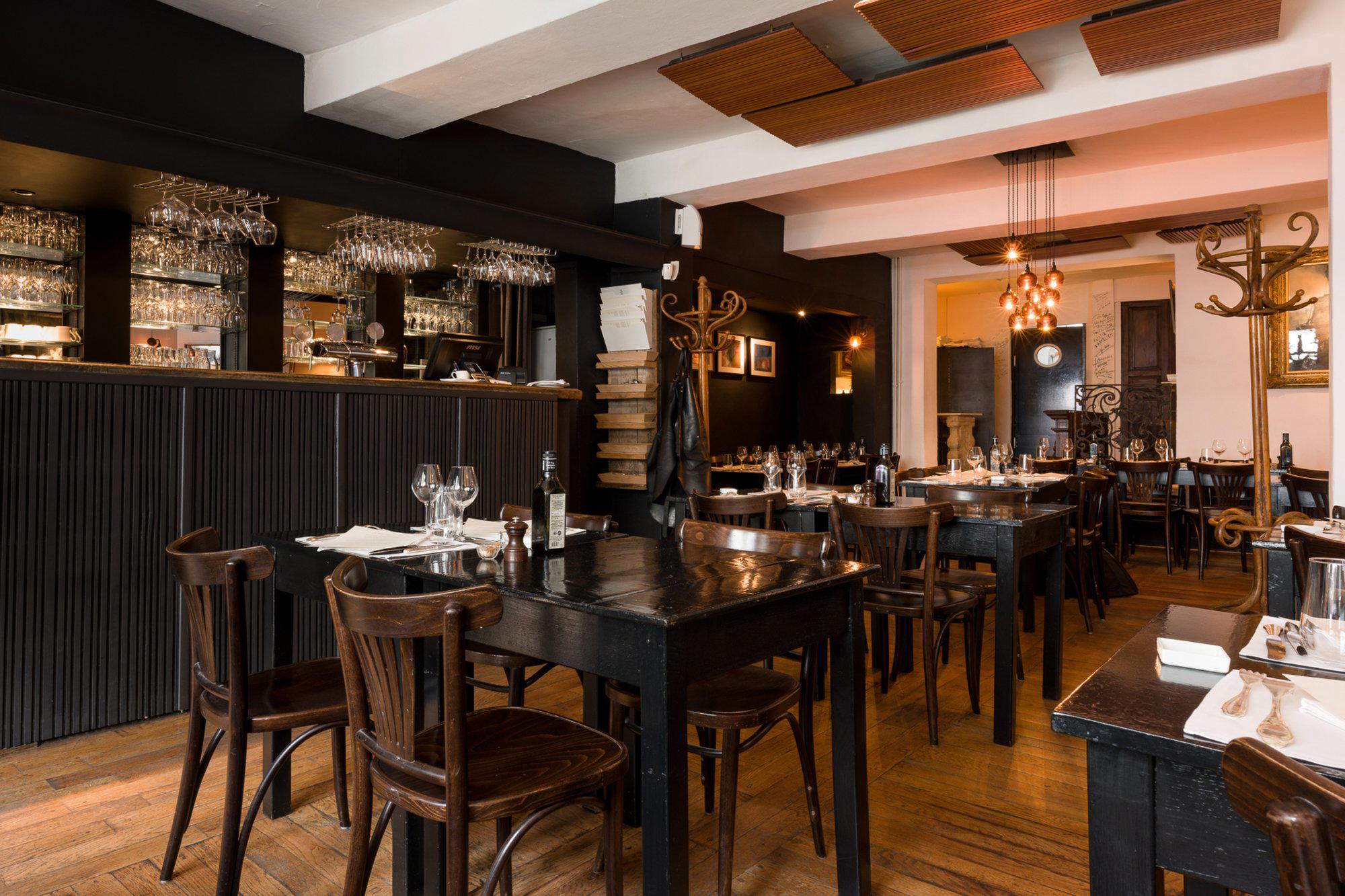
The editorial angle most relevant to CŎCĪNA is not the menu, about which confirmed public data is limited, but the physical container and what it communicates. Restaurants in Ixelles that have successfully moved from opening to institution share a common characteristic: their interior logic is readable. A guest can walk in and understand immediately what kind of experience is on offer: the formality level, the noise tolerance, the intended duration of a meal. Rooms that fail this test tend to signal confusion early and correct late.
The diacritical name branding, CŎCĪNA rather than simply Cocina, suggests a team alert to the semiotics of presentation. That kind of naming decision typically corresponds to equivalent care in the physical environment: lighting considered as mood rather than function, materials chosen for texture and patina rather than durability alone, seating arrangements that acknowledge the social geometry of how people actually use a dining room. Whether the execution matches the intention is something that direct experience would need to confirm, but the framing is deliberate.
In the broader Belgian fine-dining context, spatial intelligence has become as much a competitive marker as kitchen technique. Properties like Boury in Roeselare and Zilte in Antwerp demonstrate that Belgian restaurants at the serious end of the market have absorbed the lesson that room and plate must speak the same language. Hof van Cleve in Kruishoutem and Vrijmoed in Gent have each built spatial identities that reinforce rather than contradict their culinary register. CŎCĪNA, in choosing a name with that degree of visual specificity, is working within that same logic.
Ixelles as Context
Understanding why a restaurant like CŎCĪNA makes sense requires understanding the neighbourhood. Ixelles is one of Brussels's most residentially dense communes, with a high proportion of EU and international professional residents alongside a longstanding local Francophone dining culture. That mix creates a dining audience with international reference points, people who have eaten at Le Bernardin in New York or Lazy Bear in San Francisco and return to Ixelles expecting restaurants that hold their own against those reference points.
Rue Washington in particular has developed a small cluster of independently owned restaurants that draw from this audience. The street sits at a comfortable remove from the tourist circuits centred on the Grand Place and the EU district, which means the clientele skews local and self-selecting rather than transient. Restaurants that succeed here tend to do so through neighbourhood loyalty built over repeat visits, which rewards consistency of room and kitchen over novelty. For a restaurant with a designed identity like CŎCĪNA, that is a favourable structural condition.
For a wider view of what Ixelles offers across price points and cuisine types, the full Ixelles restaurants guide maps the commune's dining character in more detail. Elsewhere in Belgium, restaurants like Willem Hiele in Oudenburg, La Durée in Izegem, d'Eugénie à Emilie in Baudour, Cuchara in Lommel, and Ralf Berendsen in Neerharen show how spatially and culinarily specific restaurants have found audiences well outside Brussels. In the capital, Bozar Restaurant demonstrates the same principle at an institutional scale.
Planning a Visit
CŎCĪNA is located at Rue Washington 149, 1050 Bruxelles. The address is in the heart of Ixelles, accessible by tram from the centre of Brussels and walkable from several of the commune's key residential streets.
Compact Comparison
Comparable venues nearby, for context on price, style, and recognition.
At a Glance
- Trendy
- Lively
- Cozy
- Casual Hangout
- Date Night
- Open Kitchen
- Extensive Wine List
- Local Sourcing
- Street Scene
Current opening hours
- Monday
- 12–2 PM, 7–10 PM
- Tuesday
- 12–2 PM, 7–10 PM
- Wednesday
- 12–2 PM, 7–10 PM
- Thursday
- 12–2 PM, 7–10 PM
- Friday
- 12–2 PM, 7–10 PM
- Saturday
- 12–2 PM, 7–10 PM
- Sunday
- 12–2 PM, 7–10 PM
Hours can change for holidays and private events. Last verified .
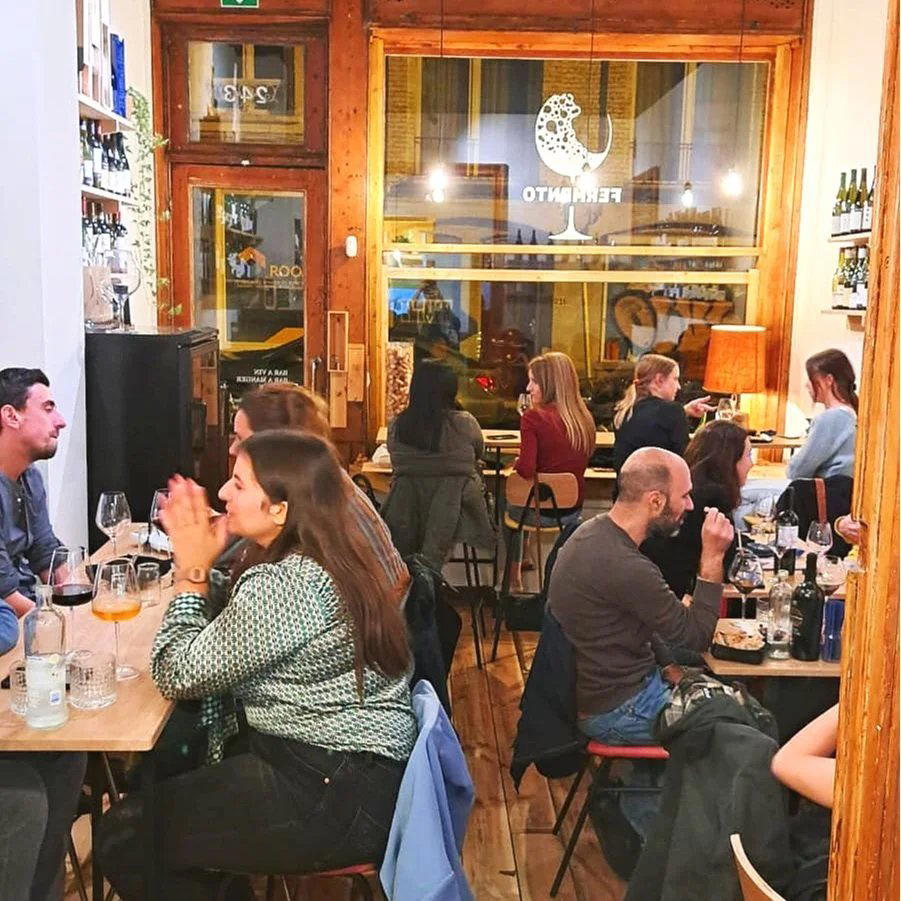
Lively atmosphere with an up-close open kitchen and cozy trattoria feel.