Spitzbuam


Michelin Plate · Star Wine List
Our verdict
Holding a Michelin Plate in both 2024 and 2025, Spitzbuam brings European Contemporary cooking to the Tyrolean village of Brixen im Thale with a seriousness that punches above the alpine resort baseline. The kitchen works within a regional ingredient tradition that anchors the cooking in its surroundings. This is a serious dinner option for visitors working through the Kitzbühel Alps.

Pearl is the En Primeur Club membership app, where members save venues, book tables and use the concierge.
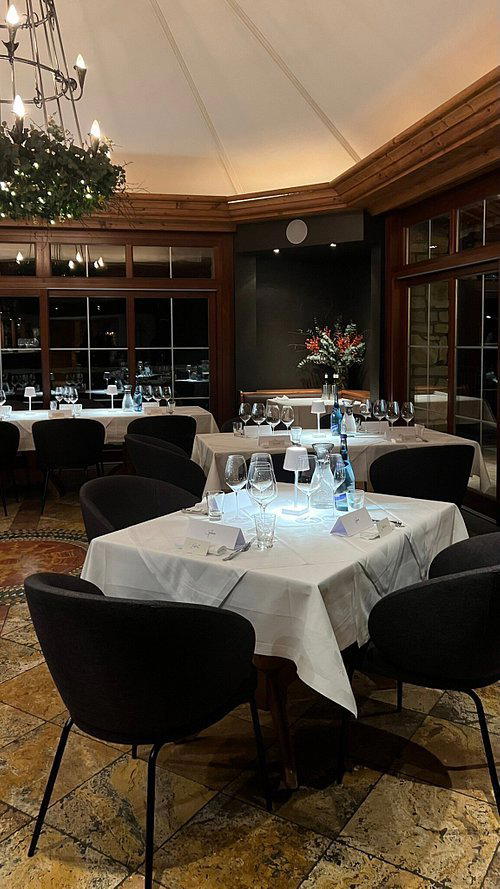
Where the Alps Meet the Table
The village of Brixen im Thale sits in the Brixental valley, a few kilometres from the Kitzbühel ski circuit, at an altitude where the air is cold enough to concentrate flavour in everything grown or raised nearby. The setting shapes the dining culture: this is not a resort strip of après-ski platters, but a quiet agricultural valley where the relationship between land and kitchen remains close. Spitzbuam, on Ahornweg, operates within that tradition rather than against it, bringing a European Contemporary frame to an address that most visitors reach by car after a day on the mountain.
The broader pattern in Austrian alpine dining has shifted noticeably over the past decade. Kitchens that once relied on regional clichés, the Wiener Schnitzel for the ski crowd, the fondue for everyone else, have increasingly turned toward ingredient provenance as a differentiator. The Tyrolean valleys supply some of Austria's most consistent raw material: high-altitude hay-fed dairy, mountain herbs with a concentration you rarely find at lower elevations, cold-water streams, and small-scale livestock operations that have not scaled toward industrial uniformity. Restaurants that connect directly to these sources are working with ingredients that their urban counterparts in Vienna or Salzburg must source with considerably more effort. Our full Brixen im Thale restaurants guide covers the wider dining picture in the valley.
The Michelin Signal and What It Means Here
In the Austrian alps, a Michelin Plate is a meaningful calibration point rather than a consolation prize. The Plate signals that inspectors found cooking at or above a consistent standard of preparation and ingredient quality, without the additional formal architecture that a star requires. Spitzbuam has held the Michelin Plate in both 2024 and 2025, which tells you two things: the kitchen is stable, and the quality threshold is being met without variation across visits. That kind of consecutive recognition in a small village restaurant is harder to sustain than the award itself suggests, because the supply chains that feed a rural kitchen are less forgiving than urban ones.
For context on where this sits in the regional hierarchy, the starred end of Austrian alpine cooking includes names like Gourmetrestaurant Tannenhof in Sankt Anton am Arlberg and Griggeler Stuba in Lech, both operating at the €€€€ tier with full tasting formats. Spitzbuam at €€€ occupies the tier below that in price, but the Michelin recognition places it in a different bracket from the generic resort kitchens that surround it. Further afield, Döllerer in Golling an der Salzach and Obauer in Werfen represent what the top end of Austrian regional cooking looks like with a longer runway and a full-star apparatus behind it. Spitzbuam reads as a younger, leaner version of that tradition.
European Contemporary in an Alpine Context
European Contemporary as a cuisine classification covers a wide range of approaches, from Nordic-influenced minimalism to French technique applied to local produce. In the Tyrolean context, the relevant question is how much of the menu is genuinely anchored in what grows or grazes nearby versus how much borrows from a cosmopolitan playbook. The better Tyrolean kitchens treat the alpine pantry as a starting point: mountain cheese aged on-site by local producers, game from the surrounding forests, dairy from valley farms operating at scales where the animals' diet shows directly in the flavour. The European Contemporary label at Spitzbuam signals that the kitchen is not simply reproducing Tyrolean classics but working with that regional ingredient base through a more technically considered lens.
That approach connects Spitzbuam to a broader movement in Austrian fine dining, one represented at the national level by Steirereck im Stadtpark in Vienna and explored with an herb-led specificity by Kräuterreich by Vitus Winkler in Sankt Veit im Pongau. At Spitzbuam, the €€€ price range suggests a tighter menu format rather than the extended tasting sequences those heavier-investment kitchens employ. The result is a more direct experience: fewer courses, but each one expected to carry its own weight without the scaffolding of a lengthy progression.
For readers interested in European Contemporary cooking in other contexts, Zén in Singapore and Ad Astra in Taipei show how the same classification operates when transplanted entirely outside its source geography, which makes the comparison with Spitzbuam's rooted alpine approach an instructive one.
The Guest Experience and Practical Considerations
The 4.8 figure suggests that guests are arriving with appropriately calibrated expectations and finding them met. The €€€ price range in a Tyrolean village context implies a serious dinner spend without reaching the per-head levels of the starred resort kitchens nearby. Brixen im Thale is accessible from Kitzbühel by road, roughly within the same valley system, making Spitzbuam a realistic dinner destination for guests staying across the wider Kitzbühel Alps area.
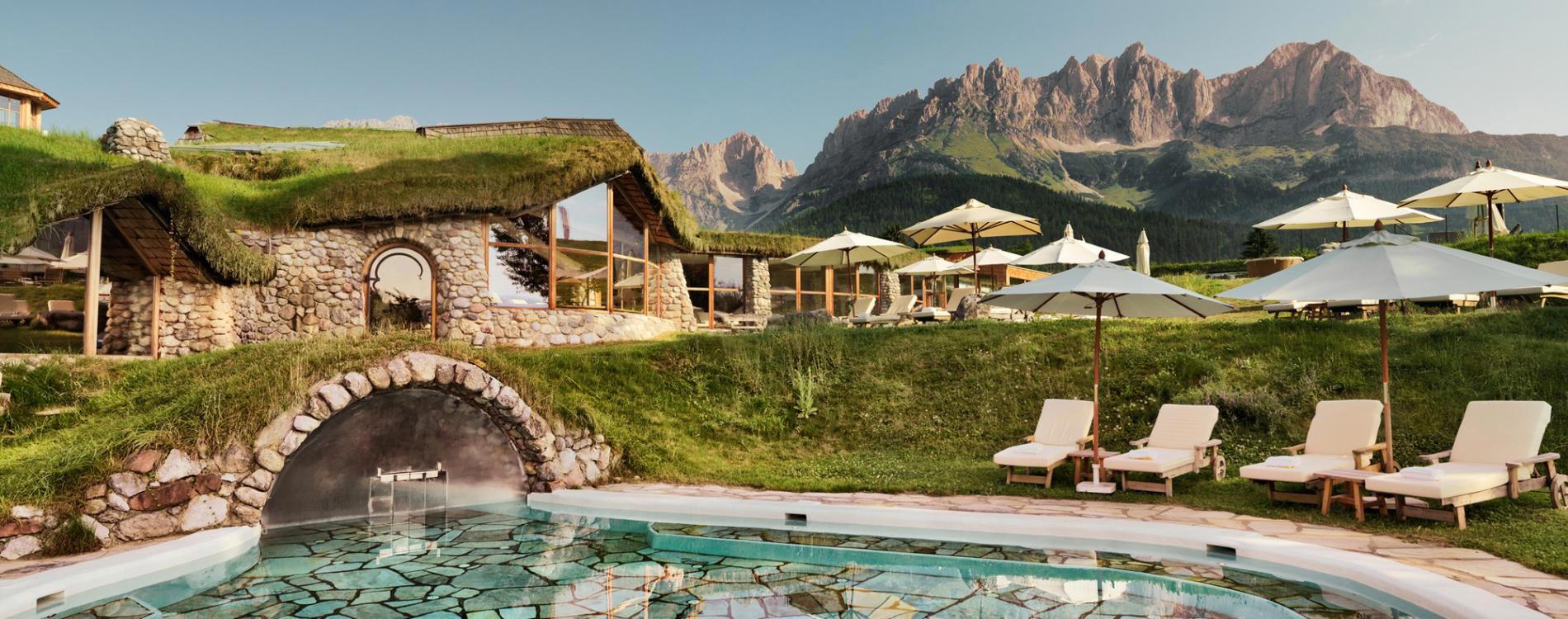
For planning the wider trip, our full Brixen im Thale hotels guide, bars guide, wineries guide, and experiences guide cover the surrounding area in detail. Reservations at this tier of Tyrolean dining are worth securing in advance, particularly during peak ski season from December through March when the valley's accommodation runs at capacity.
For comparable kitchens in the broader Austrian alpine and rural context, Schwarzer Adler in Hall in Tirol, Stüva in Ischgl, Restaurant 141 by Joachim Jaud in Mieming, Ois in Neufelden, and Ikarus in Salzburg offer a sense of how the contemporary Austrian dining conversation plays out at different price points and formats across the country.
Frequently asked questions
Would Spitzbuam be comfortable with kids?
Is Spitzbuam formal or casual?
What should I order at Spitzbuam?
| Venue | Cuisine | Price | Awards | Notes |
|---|---|---|---|---|
| SpitzbuamThis venue (the venue you are viewing) | Modern French-Asian Fusion | Not listed | Michelin Plate · Star Wine List | Not listed |
| Steirereck im Stadtpark | Modern Austrian Fine Dining | $200–300 | 3 Michelin Stars · World's 50 Best #33 | Creative |
| Döllerer | Modern Alpine Cuisine | $100–150 | 2 Michelin Stars · La Liste Top Restaurants | Contemporary Austrian, Innovative |
| Ikarus | Guest Chef Fine Dining | $200–300 | 2 Michelin Stars · La Liste Top Restaurants | Modern European, Creative |
| Mraz & Sohn | Contemporary Austrian Fusion | $150–200 | 2 Michelin Stars · La Liste Top Restaurants | Modern Austrian, Creative |
| Obauer | Modern Austrian Fine Dining | $50–100 | 2 Michelin Stars · La Liste Top Restaurants | Classic Cuisine |
Recognition history
Dated appearances from independent guides and award organizations, with the underlying list record or original source where available.
Michelin Plate
Michelin
Star Wine List
Star Wine List
Full recognition history (4 entries)
Michelin Plate
Michelin
Michelin Plate
Michelin
Continue exploring
More in Brixen im Thale
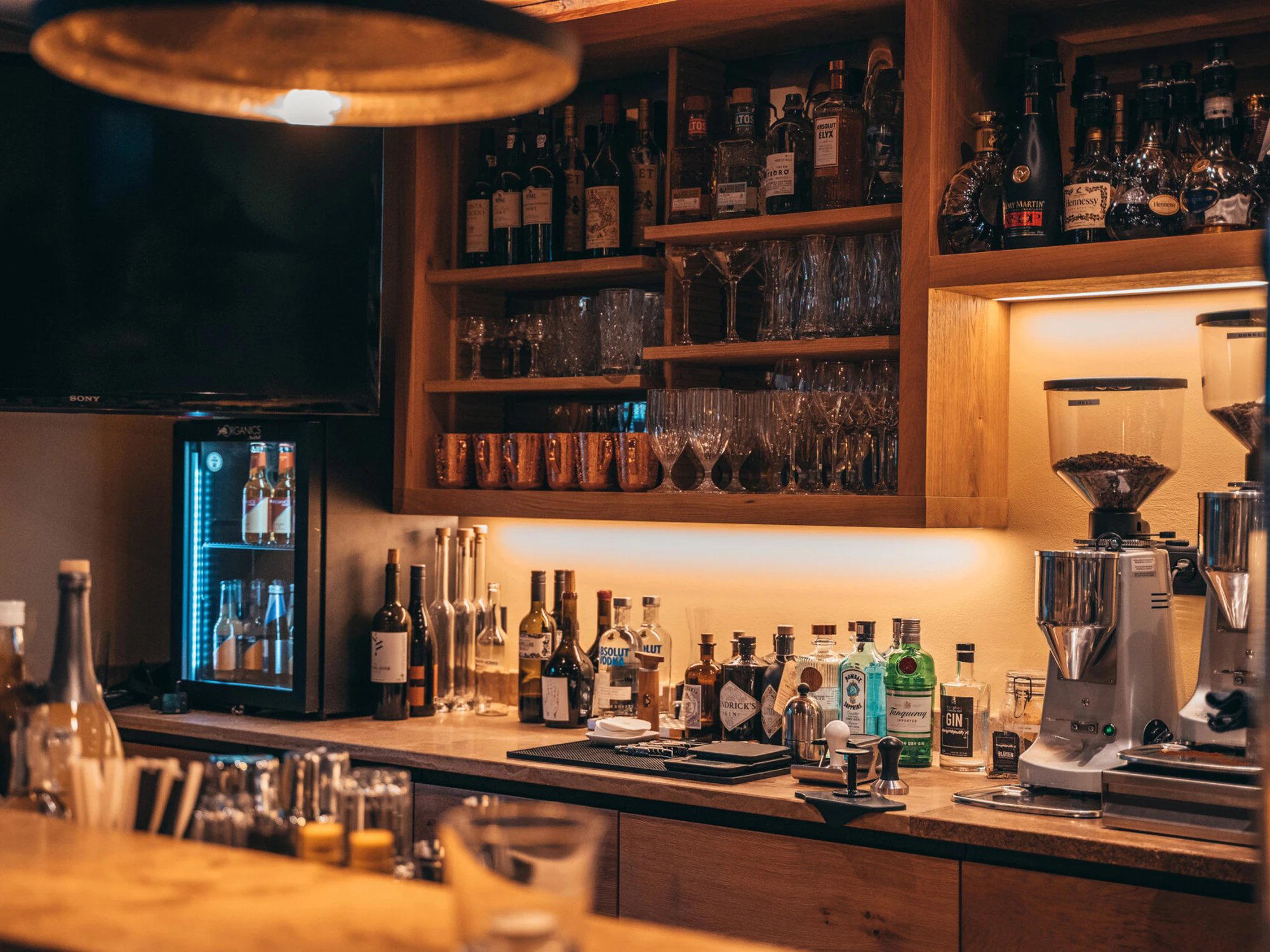
Restaurants in Brixen im Thale
All restaurants in Brixen im Thale →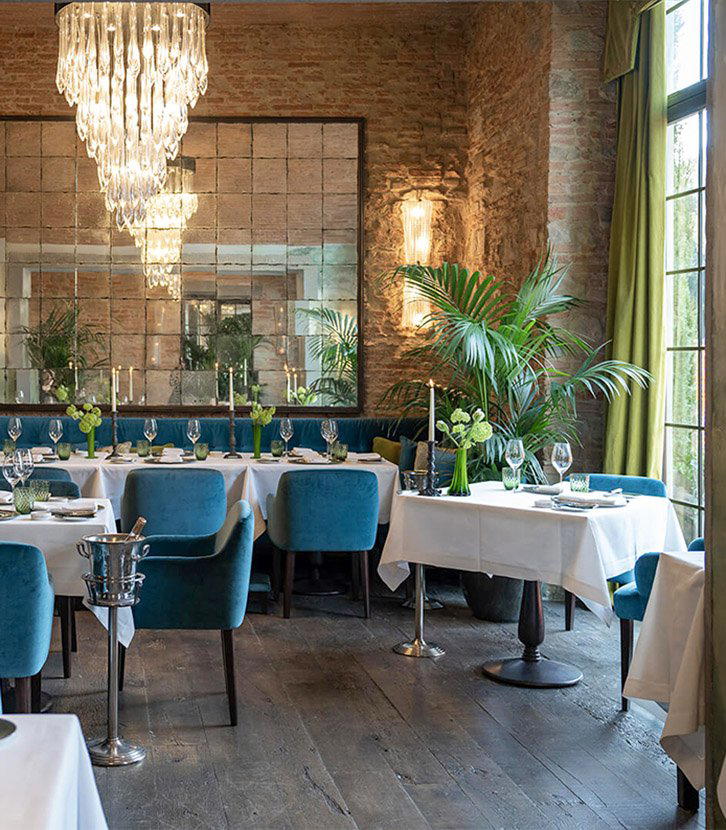
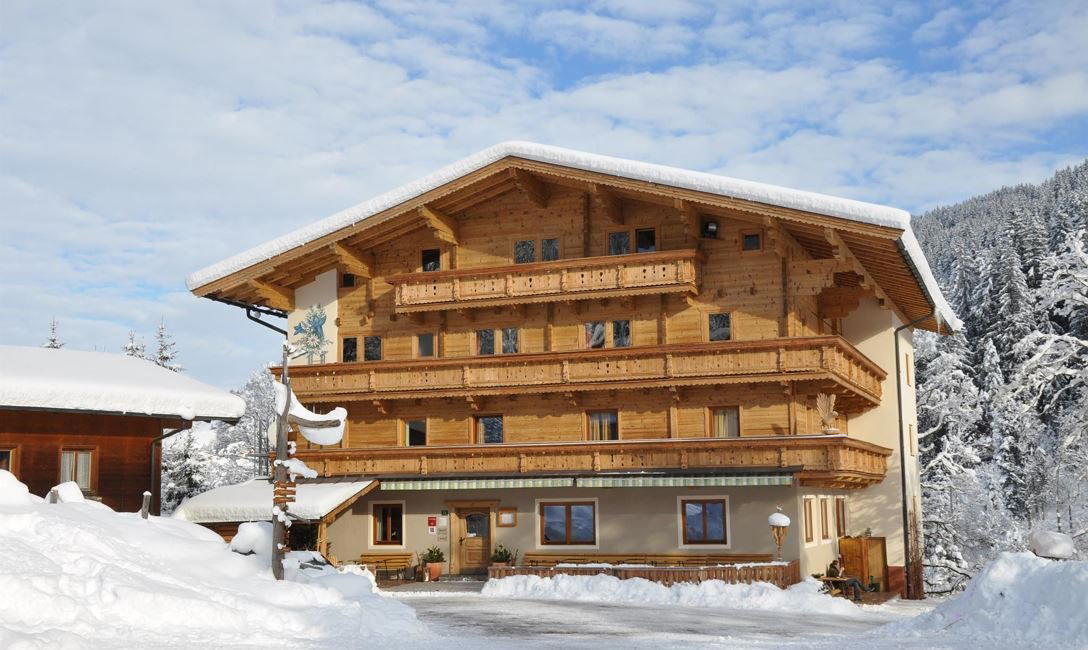
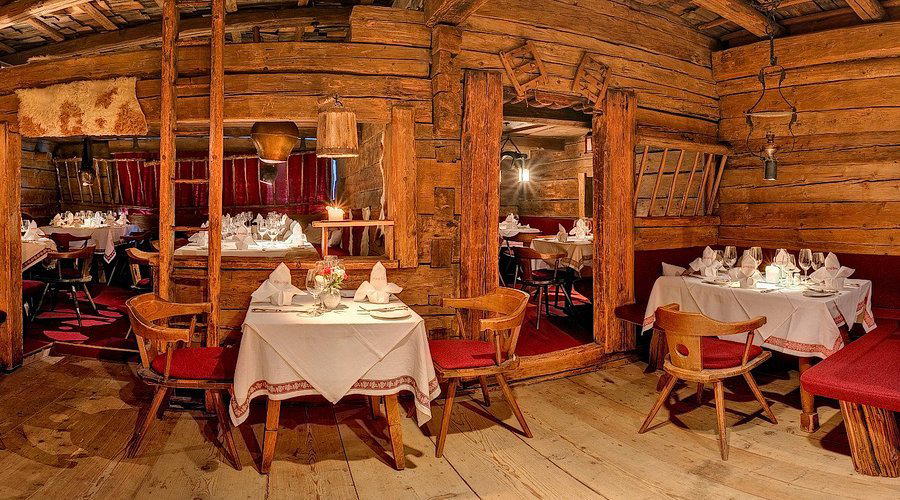
Bars in Brixen im Thale
Browse all →
Hotels in Brixen im Thale
Browse all →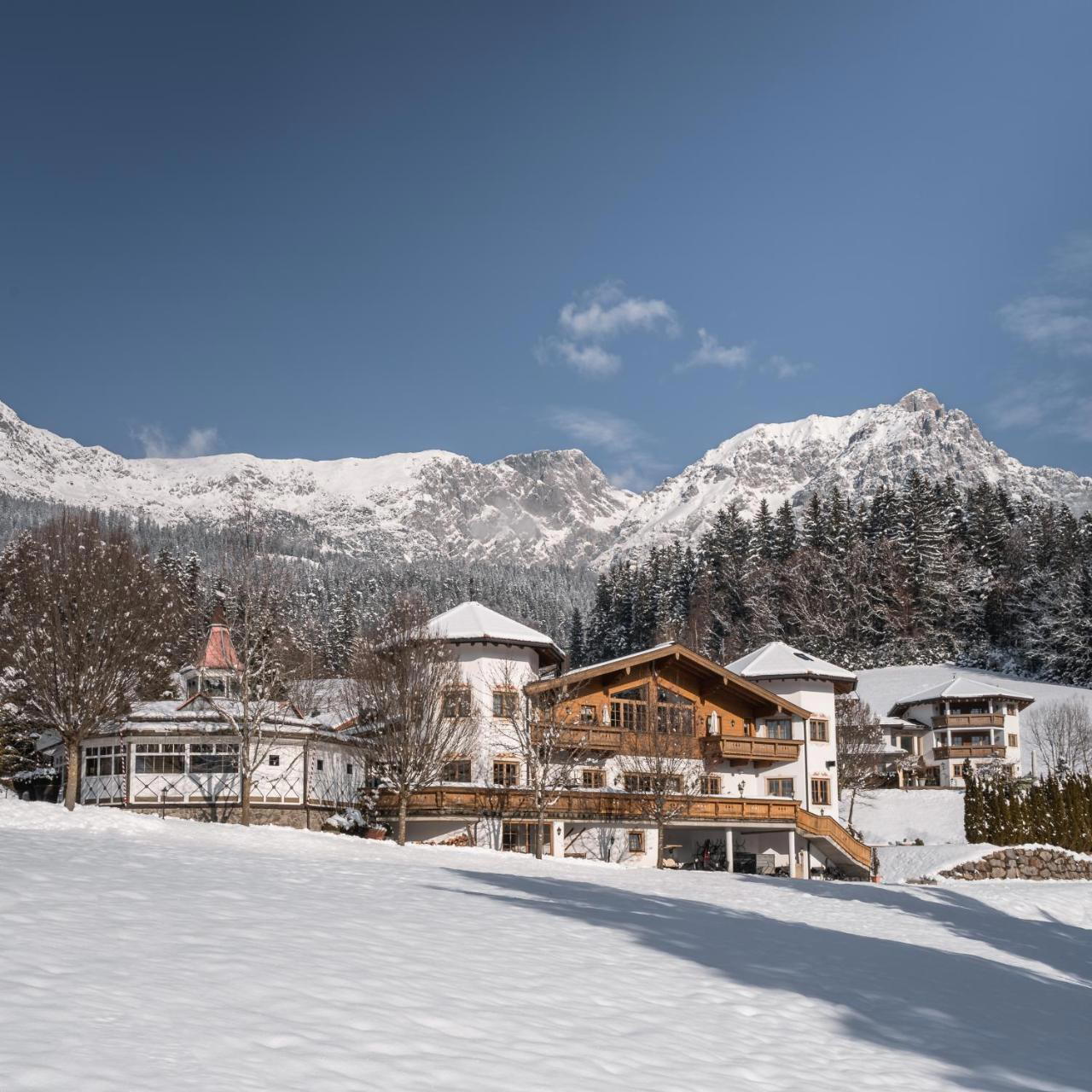
Wineries in Brixen im Thale
Browse all →
Details
- Modern
- Cozy
- Intimate
- Sophisticated
- Date Night
- Special Occasion
- Hotel Restaurant
- Open Kitchen
- Extensive Wine List
- Local Sourcing
- Mountain
- Garden
- A La Carte
- Tasting Menu
Current opening hours
- Monday
- Closed
- Tuesday
- 6–11 PM
- Wednesday
- 6–11 PM
- Thursday
- 6–11 PM
- Friday
- 6–11 PM
- Saturday
- 6–11 PM
- Sunday
- Closed
Hours can change for holidays and private events. Hours as of .
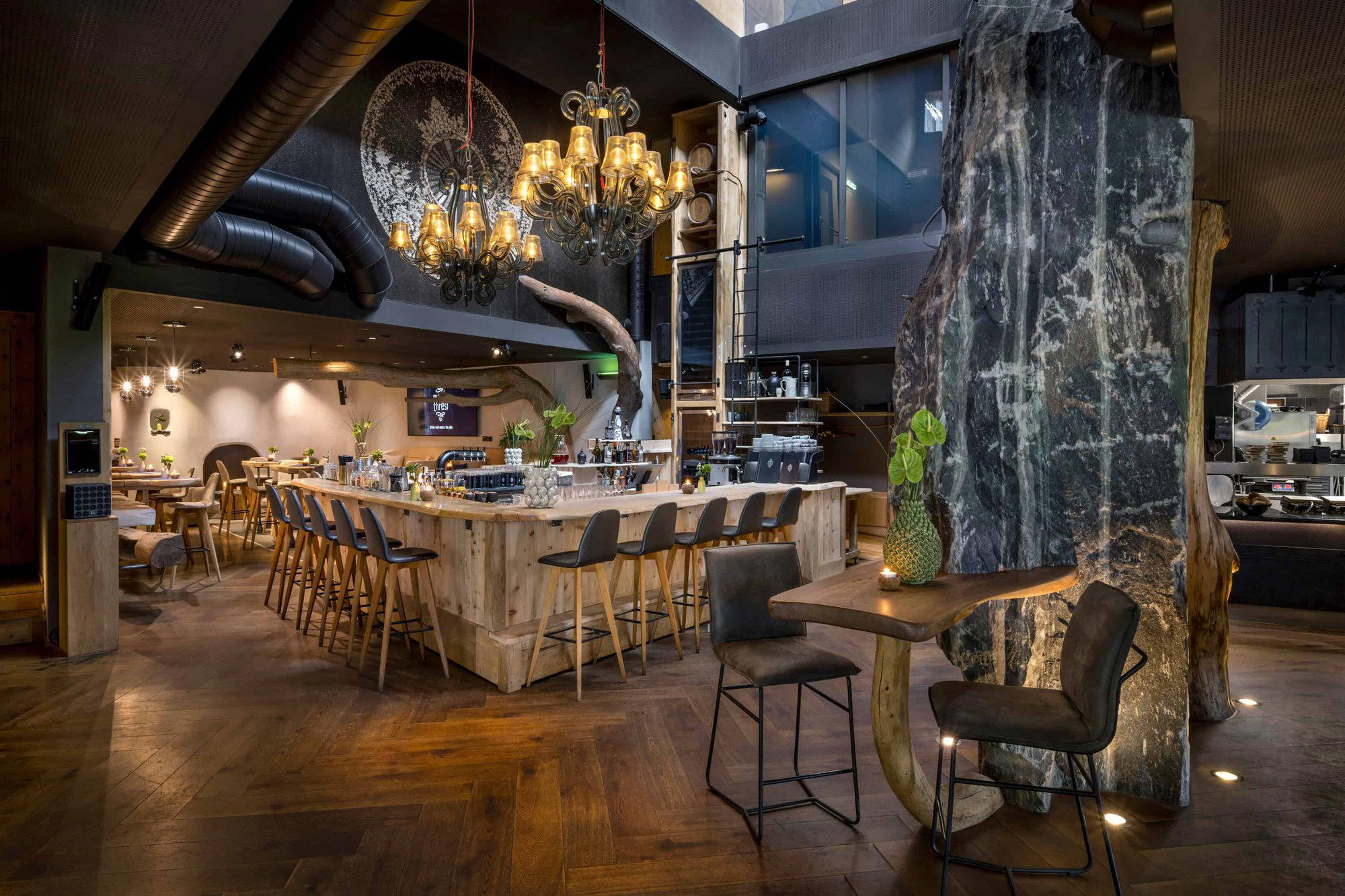
Casual yet distinctly dark and cozy atmosphere with friendly, professional service.