Franco's Ristorante
Franco's Ristorante on West 31st Street sits in Chicago's Bridgeport neighbourhood, a corner of the city where Italian-American dining traditions have run deep for generations. The restaurant occupies a specific tier in Chicago's Italian dining conversation, positioned between the white-tablecloth formality of the Loop and the neighbourhood joints of the Near South Side. For visitors curious about the city's southern dining corridors, it represents a starting point worth examining.
Pearl is the En Primeur Club membership app — saves, bookings, and concierge access live there. Same editors, same standards.
- Address
- 300 W 31st St, Chicago, IL 60616
- Phone
- +13122259566
- Website
- francoschicago.com
- Directions
- Get directions
 Saves & bookings on Pearl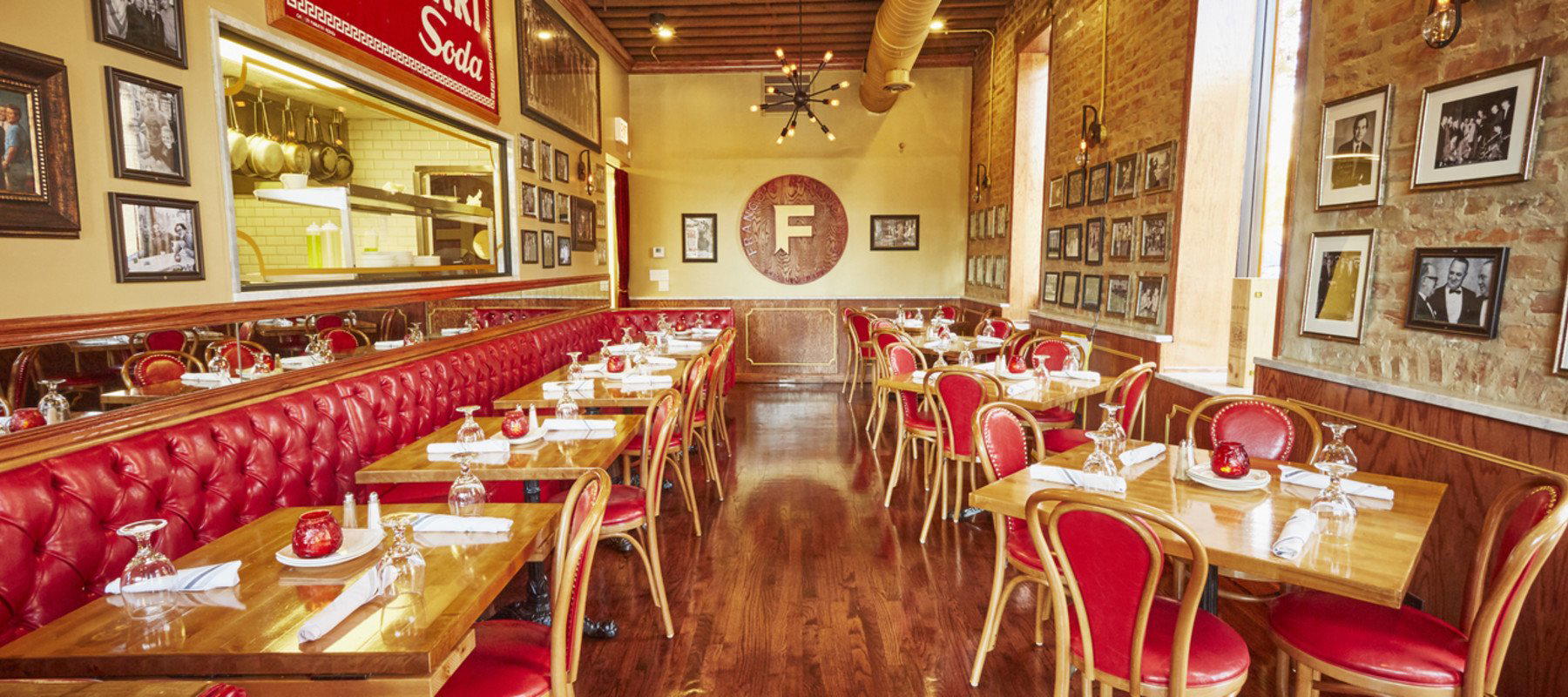
Bridgeport's Table: Italian-American Dining on the Near South Side
Chicago's Italian-American restaurant tradition did not consolidate in one neighbourhood. It spread across the city's working-class corridors, from the Taylor Street strip in Little Italy to the south side blocks around Bridgeport, each pocket developing its own rhythm and regulars. West 31st Street, where Franco's Ristorante sits at number 300, belongs to the Bridgeport chapter of that story. This is a part of Chicago that locals treat as a known quantity: a neighbourhood with a strong civic identity, a deeply rooted demographic history, and dining rooms that have outlasted trends by serving people who actually live nearby.
In a city where Alinea and Smyth anchor one end of the dining spectrum and Kasama and Next Restaurant represent the creative middle, the Italian-American neighbourhood restaurant occupies a quieter register. It does not rotate menus seasonally or cultivate a reservation waitlist. It holds its ground by being reliable, by knowing its guests, and by maintaining a coherent sense of place that tasting-menu formats, almost by design, cannot replicate. Franco's sits in that category.
The Room and the Atmosphere
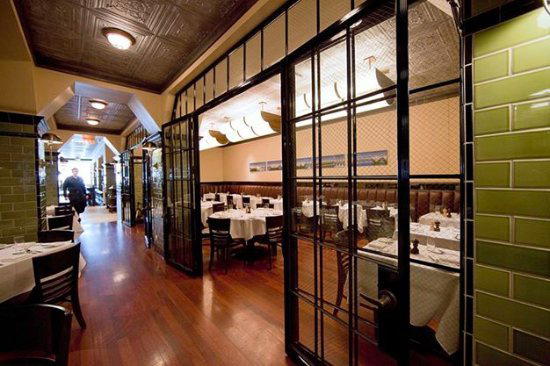
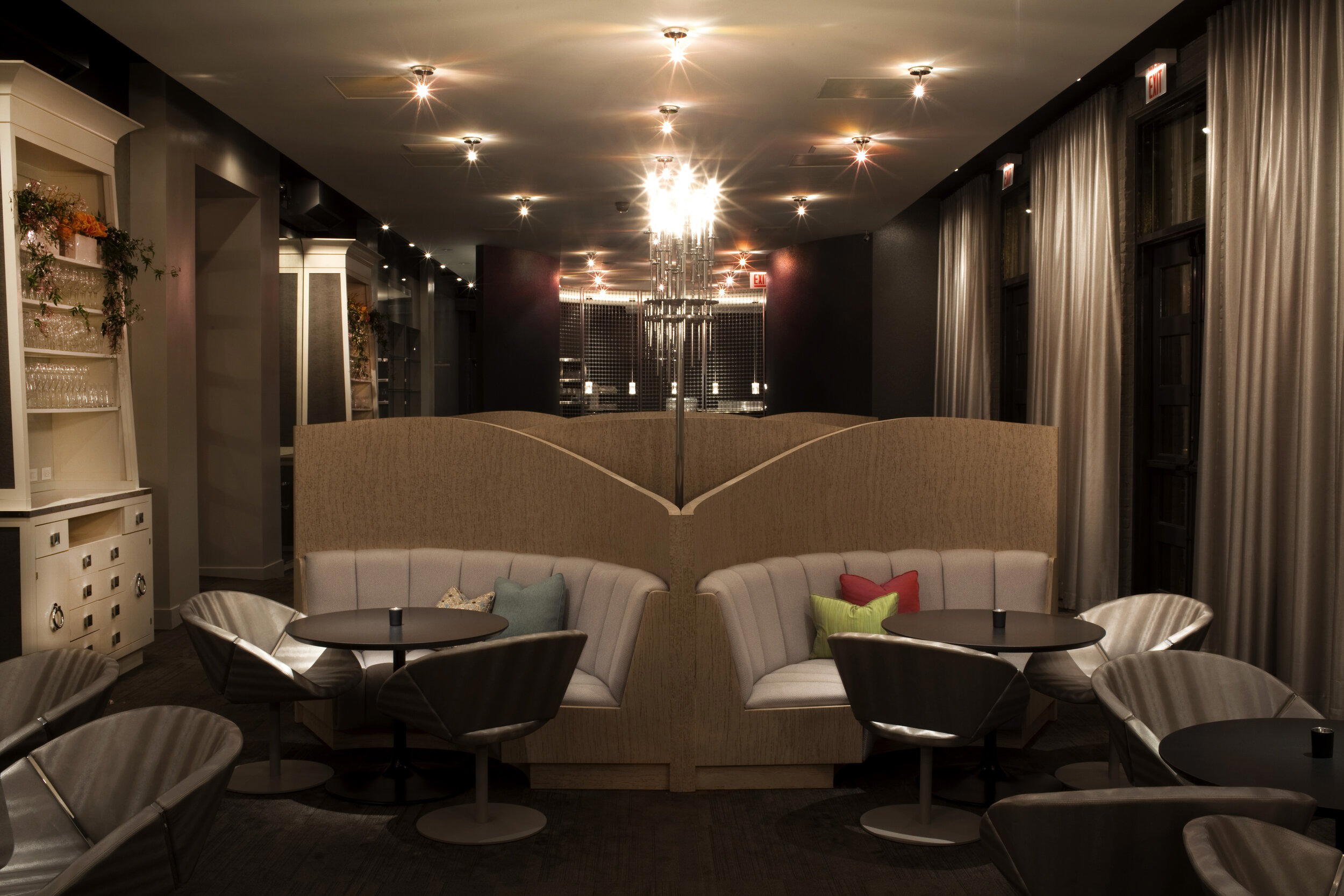
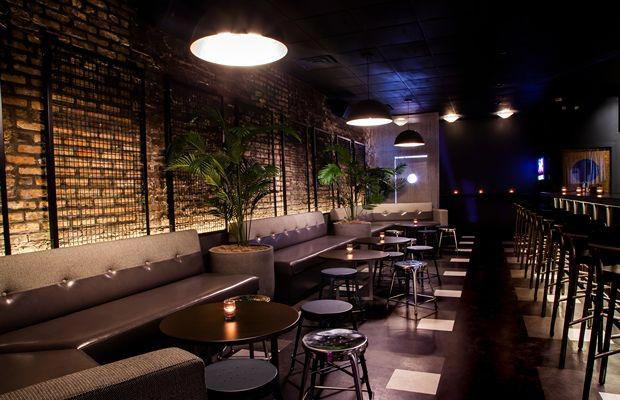
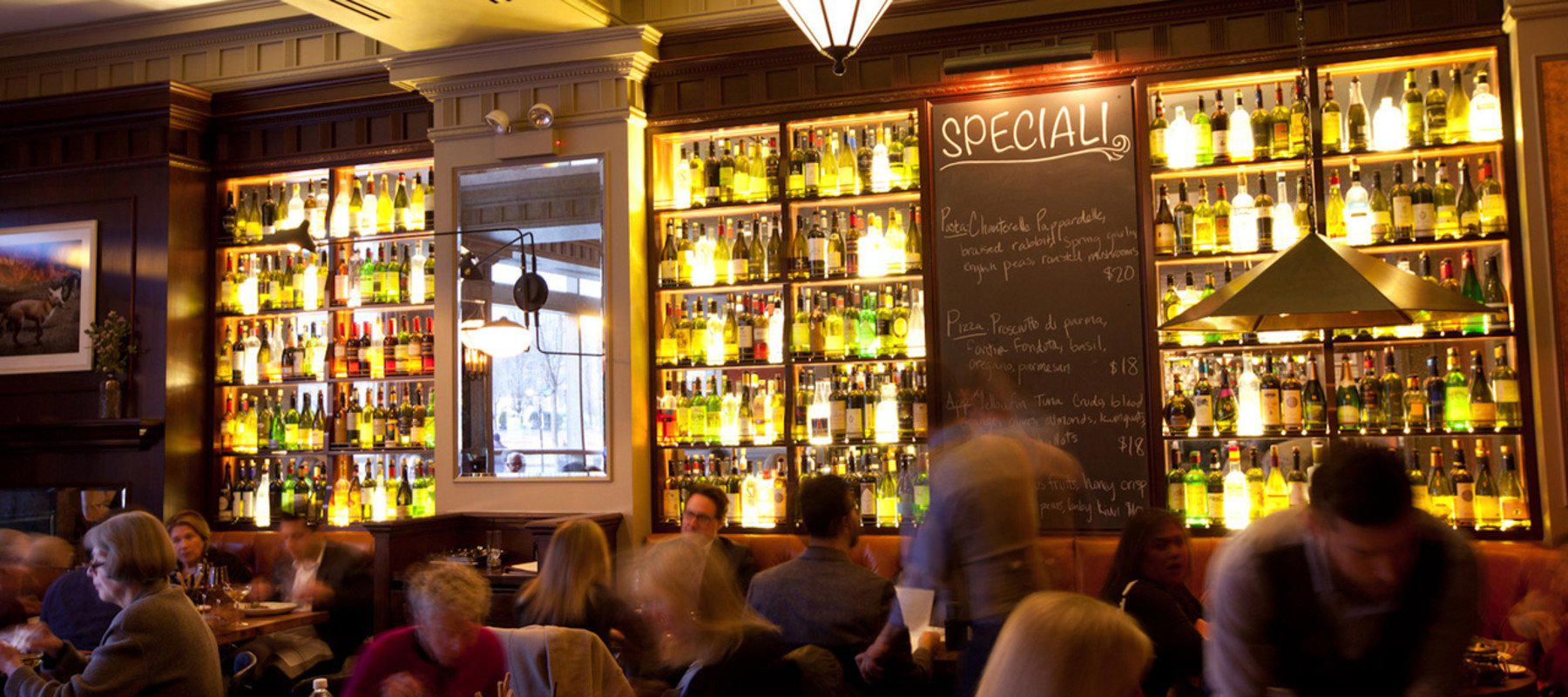
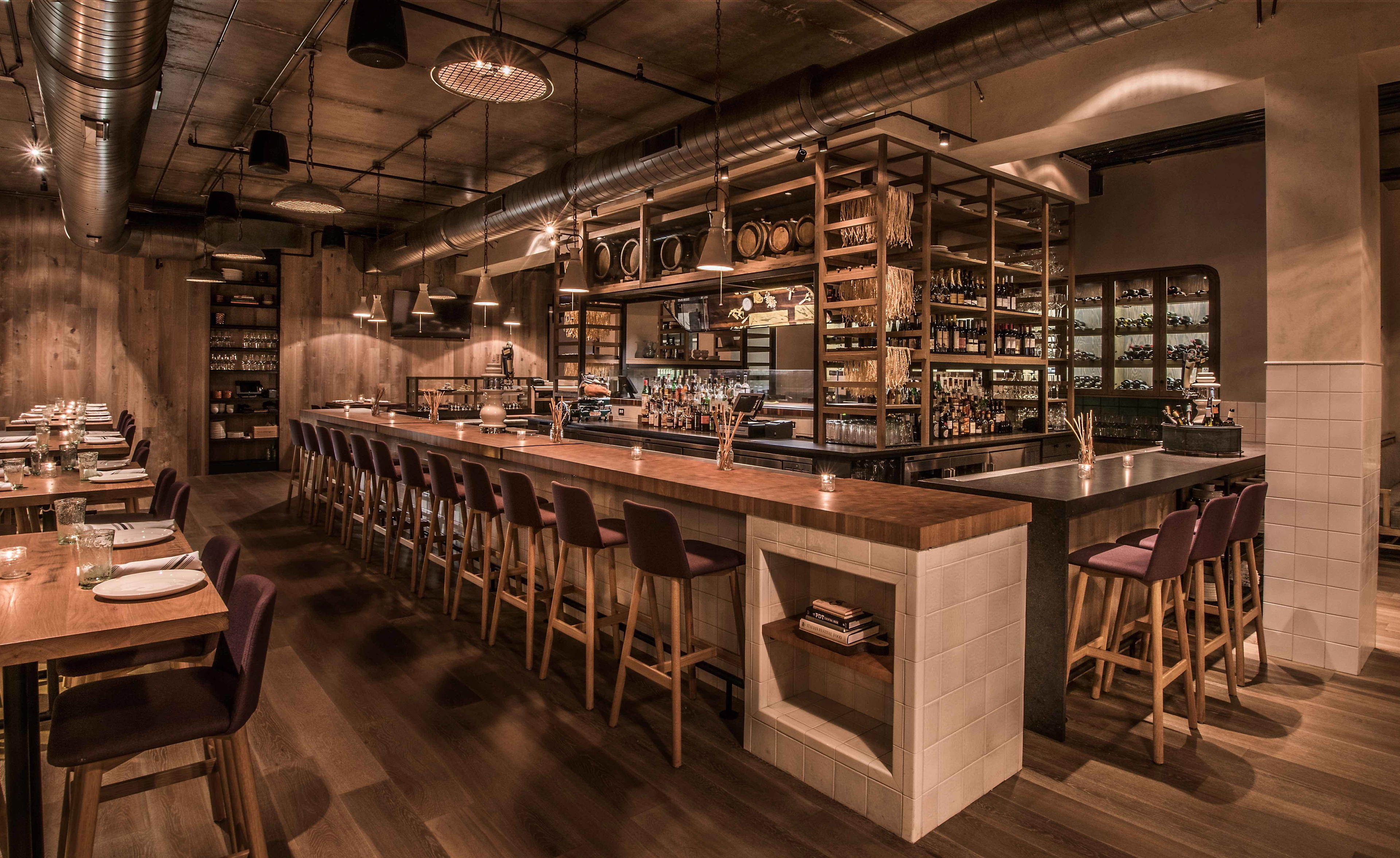
Approaching a neighbourhood Italian restaurant on a South Side block tells you something before you walk through the door. The exteriors in Bridgeport tend toward the practical, brick facades and lit signage rather than the considered design gestures you find in the West Loop. Inside, the Italian-American dining room of this type typically runs to tablecloths, dim overhead lighting, framed photographs, and a bar section that serves as a social hub as much as a service station. These are rooms built for longevity, not photography. The regulars who have been coming for decades are the ambient backdrop, and that familiarity is the atmosphere.
Chicago's neighbourhood Italian rooms differ from their counterparts in, say, New York or New Orleans in one consistent way: they are quieter about themselves. A comparable institution in New York carries decades of press clippings. Something like Emeril's in New Orleans operates under the weight of its own celebrity. In Chicago's south side Italian corridor, the cultural currency is local loyalty rather than external recognition, and the dining room temperature reflects that. Conversations carry at normal volume. Tables turn at a reasonable pace. The transaction is dinner, not an event.
Where the Wine Fits In
The editorial angle that matters most for a restaurant of this type, and the one that most distinguishes serious neighbourhood Italian rooms from casual ones, is what they do with Italian wine. At the premium end of the Italian-American category nationally, wine programs have become a point of differentiation. Frasca Food and Wine in Boulder built an entire identity around Friulian wine depth. Le Bernardin in New York and The French Laundry in Napa demonstrate what cellar investment signals about a kitchen's seriousness. In a neighbourhood Italian context, the wine list is rarely the headline, but it is often one reliable indicator of how seriously the kitchen takes itself.
A restaurant operating on West 31st Street in Bridgeport is unlikely to carry the deep Barolo verticals or allocated Brunello bottlings you might find at Oriole or at a destination property like Single Thread Farm in Healdsburg. The category competes on different terms. What matters here is whether the list supports the food, whether it offers genuine Italian regional options beyond the handful of recognisable export names, and whether staff can make a useful recommendation. Those are the markers of a wine program that earns its place at the table, even without a sommelier title on the staff card.
Italian-American dining rooms that invest in their wine lists, even modestly, tend to have kitchens that take the same incremental approach to ingredient sourcing and technique. The correlation is not well-suited, but it is consistent enough to function as a signal. For visitors accustomed to the wine depth of a Providence in Los Angeles or the curated list at Addison in San Diego, the scale will be different, but the logic of reading the list as evidence of kitchen philosophy applies regardless of category.
Bridgeport in the Broader Chicago Dining Map
Bridgeport does not appear in most Chicago dining itineraries built around national recognition. The neighbourhood sits south of the Museum Campus and west of the Dan Ryan, outside the geographic radius that most visitors draw around the Loop and the North Side. That distance is partly why the dining rooms here have maintained their neighbourhood character while areas like the West Loop have been substantially reshaped by the restaurant industry's past decade of investment.
Nationally, the Italian-American neighbourhood restaurant as a category is experiencing a quieter version of the reassessment that farm-to-table formats went through a decade ago. Restaurants that once seemed straightforwardly unfashionable are being re-examined for what they preserved: long menus, generous portions, multigenerational clientele, and wine lists chosen for compatibility rather than collecting. The equivalent conversation in fine dining is playing out at properties like Blue Hill at Stone Barns and The Inn at Little Washington, where heritage and continuity have become as legible as novelty. In the neighbourhood context, the stakes are smaller but the underlying question is the same: what does a restaurant that has been doing the same thing for decades actually know?
For visitors who approach Chicago's dining scene through its internationally recognised addresses, Bridgeport represents a different register entirely. The same curiosity that sends a traveller to Atomix in New York for technical precision or to Atelier Moessmer in Brunico for hyper-regional specificity can, with a recalibrated frame, find something worth examining in a Bridgeport Italian room on a Tuesday night. The criteria shift, but the attention to place and continuity does not.
Planning Your Visit
Franco's Ristorante is located at 300 W 31st Street in Chicago's Bridgeport neighbourhood. Current pricing, hours, and booking details are best confirmed directly with the restaurant before visiting, as neighbourhood Italian rooms of this type do not always maintain updated third-party listings.
| Venue | Category | Price Tier | Format |
|---|---|---|---|
| Franco's Ristorante | Italian-American, Neighbourhood | Confirm locally | Walk-in / traditional dining room |
| Smyth | Progressive American | $$$$ | Tasting menu, reservation required |
| Alinea | Progressive American | $$$$ | Tasting menu, advance booking |
| Kasama | Filipino | $$$$ | Tasting menu, reservation required |
| Next Restaurant | American | $$$$ | Ticketed, advance booking |
A Credentials Check
Comparable venues nearby, for context on price, style, and recognition.
| Venue | Cuisine | Price | Notes |
|---|---|---|---|
| Franco's RistoranteThis venue — the venue you are viewing | Classic Italian Trattoria | $$ | Not listed |
| Mano a Mano | Contemporary Italian Trattoria | $$ | Logan Square |
| Franconello | Classic Italian | $$ | Beverly |
| Labriola Italian Specialties | Chicago-Style Italian Pizza and Pasta | $$ | Magnificent Mile |
| Barra Rossa | Italian Pizza & Pasta with Strong Gluten-Free Options | $$ | .null |
| Bruna's Ristorante | Classic Italian Trattoria | $$ | West Side |
At a Glance
- Classic
- Cozy
- Family
- Group Dining
- Casual Hangout
- Historic Building
- Extensive Wine List
Current opening hours
- Monday
- 11 AM–9 PM
- Tuesday
- 11 AM–9 PM
- Wednesday
- 11 AM–9 PM
- Thursday
- 11 AM–9 PM
- Friday
- 11 AM–10 PM
- Saturday
- 4–10 PM
- Sunday
- 3–9 PM
Hours can change for holidays and private events. Last verified .
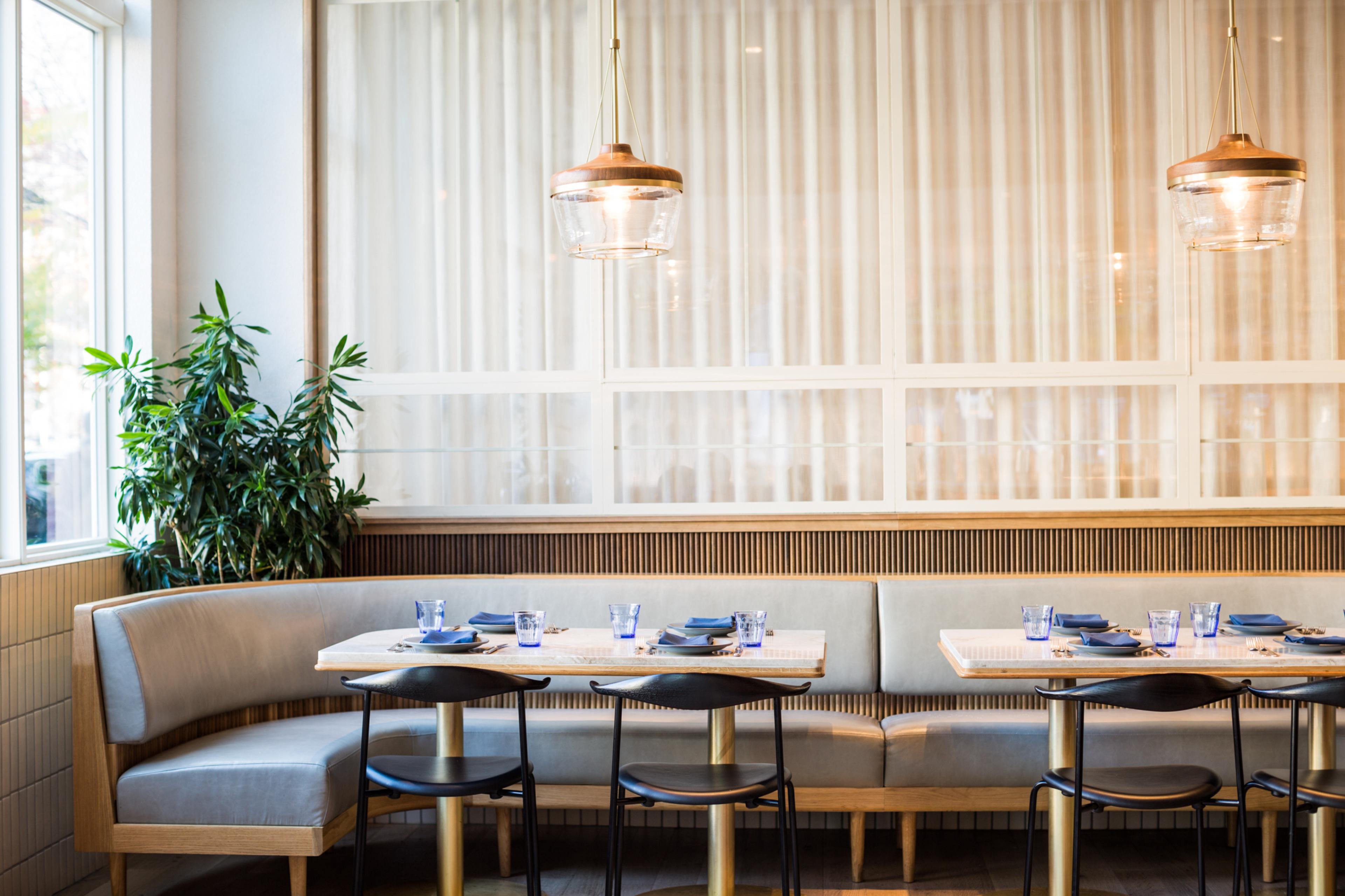
Nostalgic atmosphere with modern wood furniture, Edison lights, exposed ductwork, vintage posters, and black-and-white photos evoking old-school Italian charm.