Our verdict
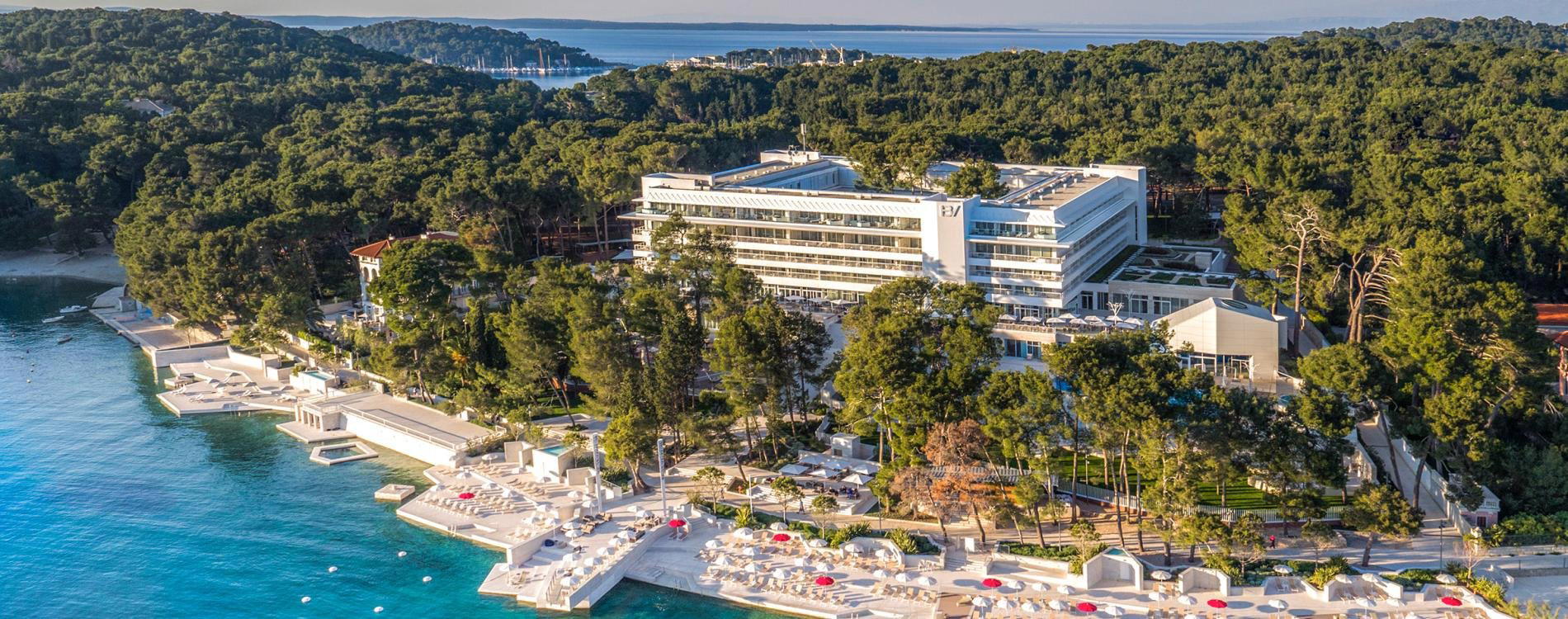
Francesca sits on Zvonimirova in Baška, a small Kvarner town where the cooking tradition is shaped by the Adriatic directly offshore and the karst interior behind. The address places it within a dining culture defined by seasonal catch, local olive oils, and the kind of unhurried hospitality that the island of Krk has practised for generations. For visitors working through Croatia's coastal restaurant circuit, Baška represents the quieter, less-produced end of that spectrum.

Pearl is the En Primeur Club membership app, where members save venues, book tables and use the concierge.
The menu
What to order
- Seafood Platter for Two
- Black Squid Ink Risotto with Prunes and Raisins
- Fried Figs with Ice Cream
- Lamb Chops with Honey Sauce
- Rib Eye with Truffle Sauce
Baška and the Kvarner Coastal Table
The island of Krk sits at the northern reach of the Adriatic, where the Kvarner Gulf channels cold, clear water down from the Istrian peninsula toward the warmer Dalmatian coast. Baška, at Krk's southern tip, has historically been one of the island's quietest fishing settlements, separated from the more commercial north by a ridge of limestone karst that shapes both the landscape and, over generations, the local food culture. The cooking tradition here draws from two sources: the sea immediately in front, and the sparse, herb-scented hinterland behind. That combination produces a style of table that sits apart from the more tourist-facing restaurants of the Dalmatian coast further south.
Francesca, at Zvonimirova ul. 56, occupies a position within this local context. Baška's restaurant scene is small by design rather than by oversight. The town's geographic isolation from Krk's main ferry hub at Valbiska, combined with its own distinctive bay and beach, has meant that its hospitality culture developed on its own terms, serving a mix of returning Croatian visitors and a smaller international contingent who sought out the bay specifically. Restaurants here tend to reflect local supply more directly than venues in larger coastal cities, where sourcing is more diversified and menus more standardised.
The Kvarner Culinary Tradition as Context
To understand what a restaurant in Baška is working within, it helps to map the broader Kvarner culinary inheritance. The gulf has historically produced some of Croatia's most prized seafood, including the Kvarner scampi (škoiji) that appear on menus at Michelin-recognised venues elsewhere in the region. At Nebo by Deni Srdoč in Rijeka, the city's most formally recognised restaurant, Kvarner ingredients are treated with a contemporary technical framework. At Alfred Keller in Mali Lošinj, the island setting shapes a menu that balances Adriatic produce with Central European hospitality conventions inherited from the Austro-Hungarian period. Baška operates in neither of those registers. Its dining culture is more rooted in the domestic tradition, the kind of cooking that preceded the formal restaurant circuit.
That domestic register matters because it represents the longest-running strand of Croatian coastal cuisine. Before Dalmatia's top tier developed the modern tasting-menu format visible at Pelegrini in Sibenik or Restaurant 360 in Dubrovnik, the Adriatic coast was fed by konoba kitchens and family-run trattorias that sourced by season and proximity. The vegetables came from stone-walled gardens. The fish came in that morning. The olive oil came from trees on the same hillside. What survives of that model in towns like Baška is worth attention precisely because it has not been standardised.
Placing Francesca in the Local Set
Within Baška's small restaurant circuit, Francesca sits on a residential street address that signals a neighbourhood orientation rather than a tourist-strip positioning. The Zvonimirova address places it away from the waterfront promenade, which typically means a local clientele weighting and a more direct relationship with the surrounding community. For context on how Croatia's broader coastal restaurant culture stratifies, our full Baska restaurants guide maps the town's options across format and price tier. Nearby, Bag represents another point of reference within the same town.
The comparison set for Francesca is not the Michelin-tier venues of the Dalmatian coast, where LD Restaurant in Korčula and Boskinac in Novalja operate with cellar programs and formal tasting formats. Nor is it the Istrian table that venues like San Rocco in Brtonigla, EatIstria in Pluj, and Humska Konoba in Hum represent, where truffle, Malvazija, and a longer Italian-influenced tradition shape the cooking. Baška's culinary point of reference is Kvarner specifically: simpler preparations, shorter supply chains, and a hospitality culture that has not been restructured around a premium-visitor economy to the same degree as Hvar or Dubrovnik.
For visitors who have spent time at Agli Amici Rovinj in Rovinj or Korak in Jastrebarsko, the shift from those technically ambitious kitchens to a Baška neighbourhood address represents a deliberate gear change. The interest here lies not in innovation but in continuity: the persistence of a local table that has not been curated for outside consumption.
How to Approach the Adriatic Seasonal Calendar
The Kvarner coast is most accessible between May and September, with July and August representing peak capacity across the island. Baška's bay draws a concentrated summer season, which means that restaurants working with local supply see their highest demand precisely when fishing boats face the most recreational traffic and garden yields are most consistent. Visiting in late May or early September shifts the dynamic: the supply is at its most productive, the crowds are thinner, and restaurants tend to be operating at a pace that reflects more careful kitchen attention. For venues at the neighbourhood end of the spectrum, that seasonal timing matters more than it does at larger operations with diversified sourcing. The mainland comparison at Dubravkin Put in Zagreb or the urban coastal format at Krug in Split can absorb off-season visits differently; a smaller island address is tied more directly to the rhythm of the local year.
For reference on what the highest tier of Adriatic seafood cooking looks like in a formal setting, Le Bernardin in New York City and Lazy Bear in San Francisco offer transatlantic benchmarks for precision seafood and chef-driven tasting formats, the contrast with a Baška neighbourhood restaurant clarifies what each end of the spectrum is actually optimised for. And Restaurant Filippi in Curzola represents a closer Dalmatian island parallel worth considering for itinerary planning.
Planning Your Visit
Francesca is located at Zvonimirova ul. 56, 51523 Baška, Croatia. Given the limited database information currently, visitors are advised to confirm hours, booking requirements, and current menu format through local enquiry on arrival in Baška or via the town's tourism infrastructure. The seasonal nature of Kvarner island hospitality means operational hours can shift substantially between May and October, and smaller neighbourhood restaurants often have no formal online booking system. Arriving early in the evening or asking at your accommodation about current practice is the most reliable approach for a venue at this address level.
Frequently asked questions
Where is Francesca located?
Francesca is located at Zvonimirova ul. 56, 51523, Baška, Croatia, Baska.
Is Francesca a good option for visitors who want to eat like a local rather than at a tourist-facing restaurant in Baška?
Francesca's address on Zvonimirova ul. 56 places it on a residential street in Baška rather than along the waterfront promenade where tourist-oriented venues concentrate. That street positioning is a reliable signal of neighbourhood orientation in Croatian coastal towns, where the distinction between a local's table and a visitor's terrace is often a matter of which block you're on. Baška sits outside the Michelin-tracked fine-dining circuit that runs through Rovinj, Rijeka, and Dubrovnik, which means restaurants here operate within a more grounded, regional register.
What's the signature dish at Francesca?
Baška sits on the Kvarner coast of Krk island, a region historically defined by locally caught fish, Kvarner scampi, and lamb raised on the island's karst terrain, the raw ingredients that neighbourhood restaurants in this area tend to anchor their menus around. Cross-reference directly with the restaurant at Zvonimirova ul. 56 for current offerings.
Do I need a reservation for Francesca?
Arriving without a reservation during peak summer months carries real risk; contacting the venue directly ahead of your stay is the safer approach regardless of formal booking requirements.
Pricing, Compared
Comparable venues nearby, for context on price, style, and recognition.
| Venue | Cuisine | Price | Awards | Notes |
|---|---|---|---|---|
| FrancescaThis venue (the venue you are viewing) | Mediterranean Fine Dining | $50–100 | Not listed | Not listed |
| Bag | Croatian Seafood Mediterranean | $20–30 | Not listed | Baška, Croatian Seafood Mediterranean |
| Ganeum | Modern Istrian-Mediterranean Seafood | $50–100 | Not listed | Stari Grad, Modern Istrian-Mediterranean Seafood |
| Tinel | Traditional Mediterranean & Dalmatian | $30–50 | Not listed | Old Town, Traditional Mediterranean & Dalmatian |
| Restaurant Mediterraneo | Mediterranean & Croatian Fine Dining | $50–100 | Falstaff Restaurant - 93 Falstaff Points | Rovinj Old Town, Mediterranean & Croatian Fine Dining |
| Tutto Bene | Mediterranean Seafood | $50–100 | Not listed | old town, Mediterranean Seafood |
Continue exploring
More in Baska
Restaurants in Baska
All restaurants in Baska →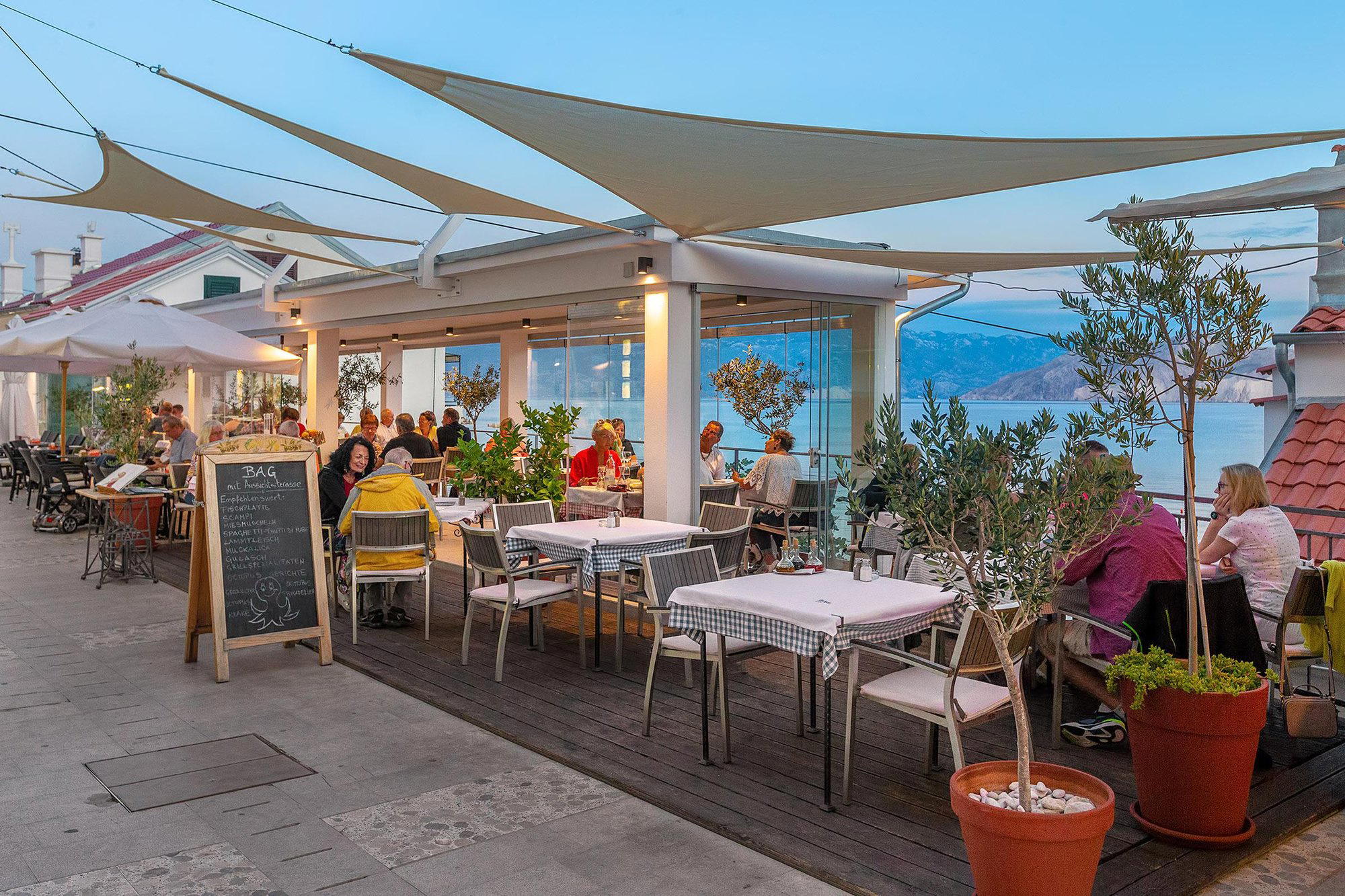

Details
- Romantic
- Intimate
- Cozy
- Elegant
- Date Night
- Special Occasion
- Celebration
- Courtyard
- Live Music
- Terrace
- Extensive Wine List
- Local Sourcing
- A La Carte
- Croatian Wine
- Wine Selection
- Vegetarian Friendly
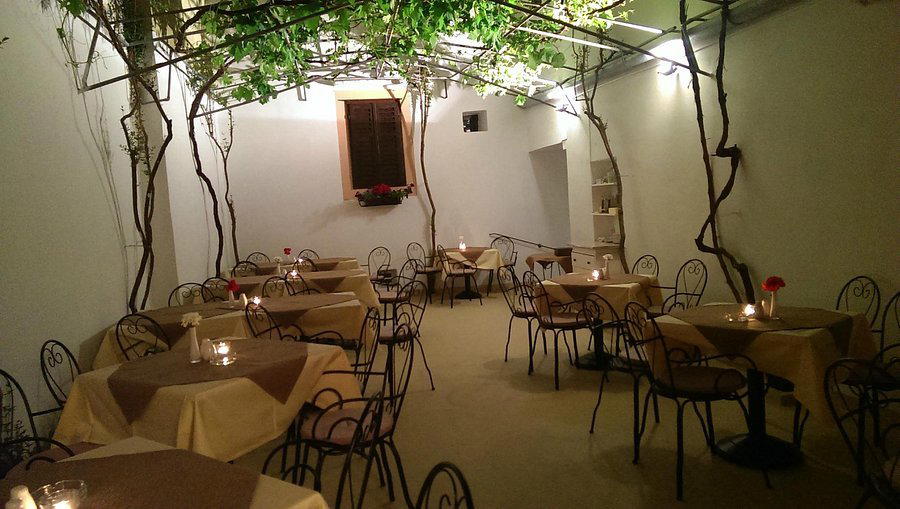
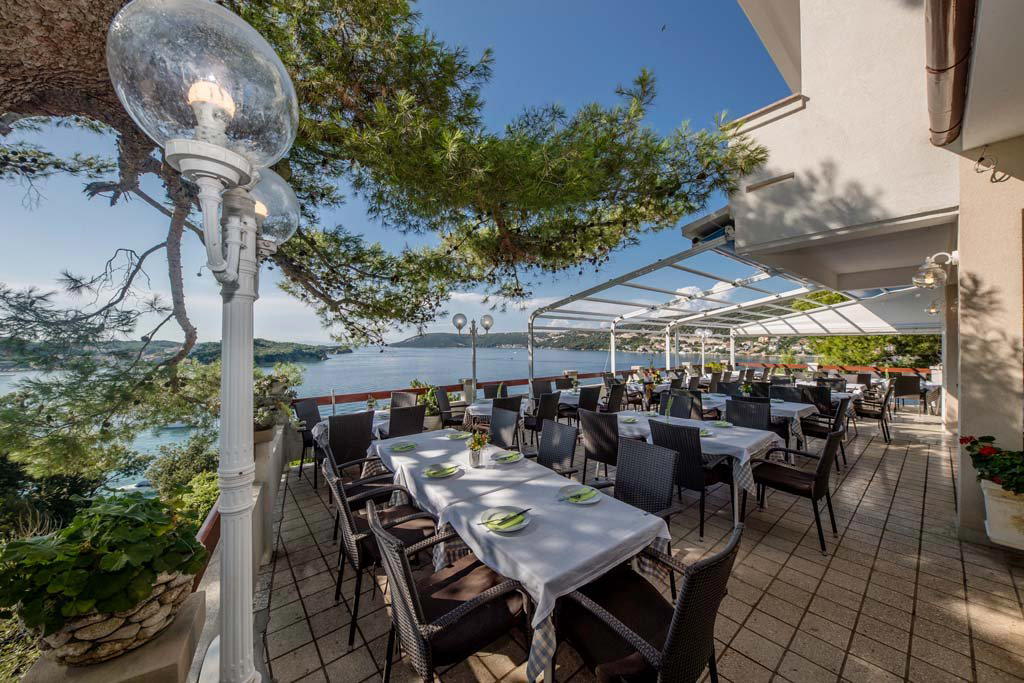
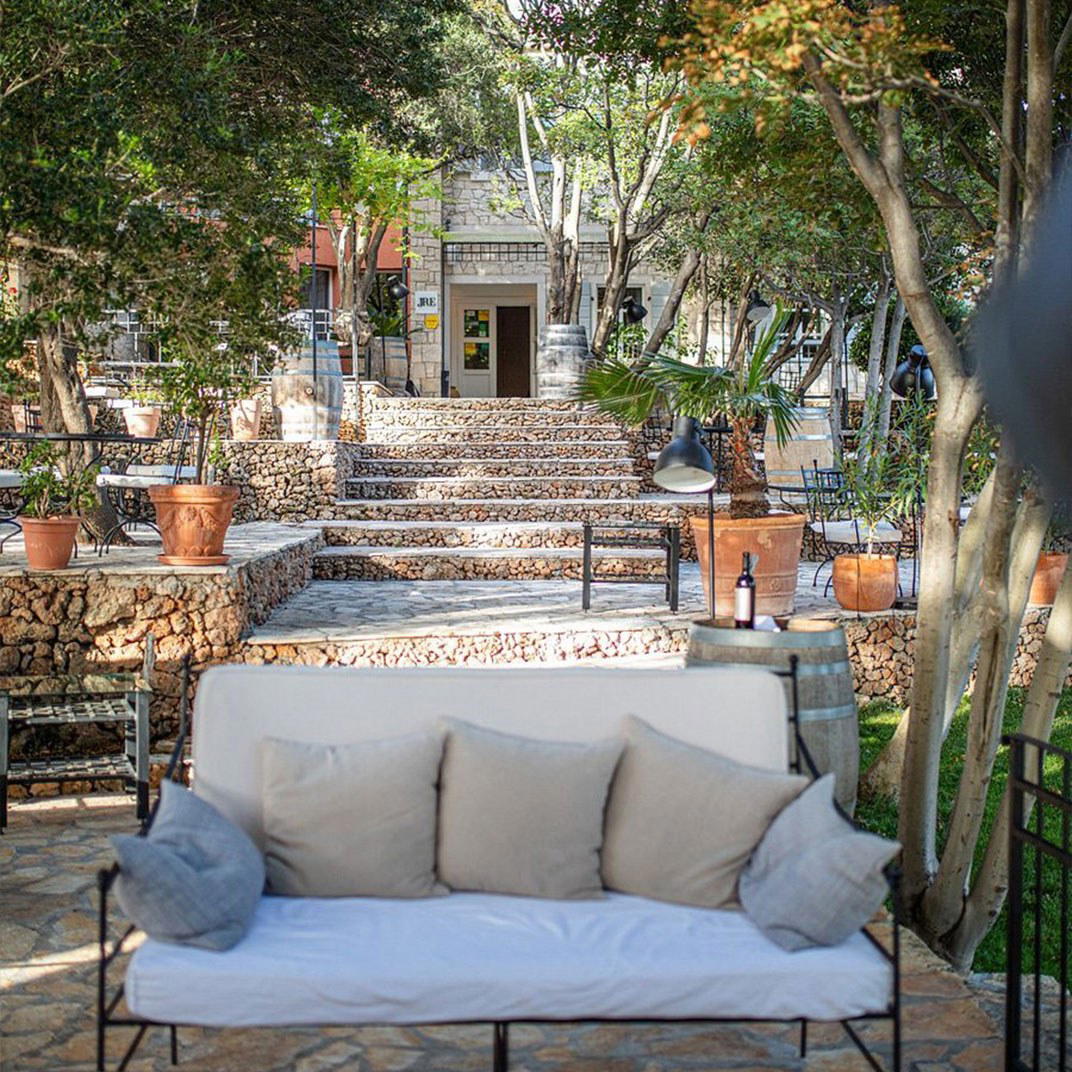
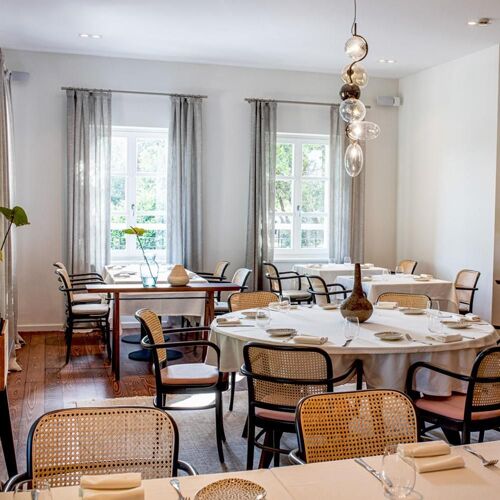
Soft candlelit courtyard under an open vine-covered pergola with intimate lighting, jazz music, and a peaceful atmosphere away from the bustling beachfront.