Our verdict
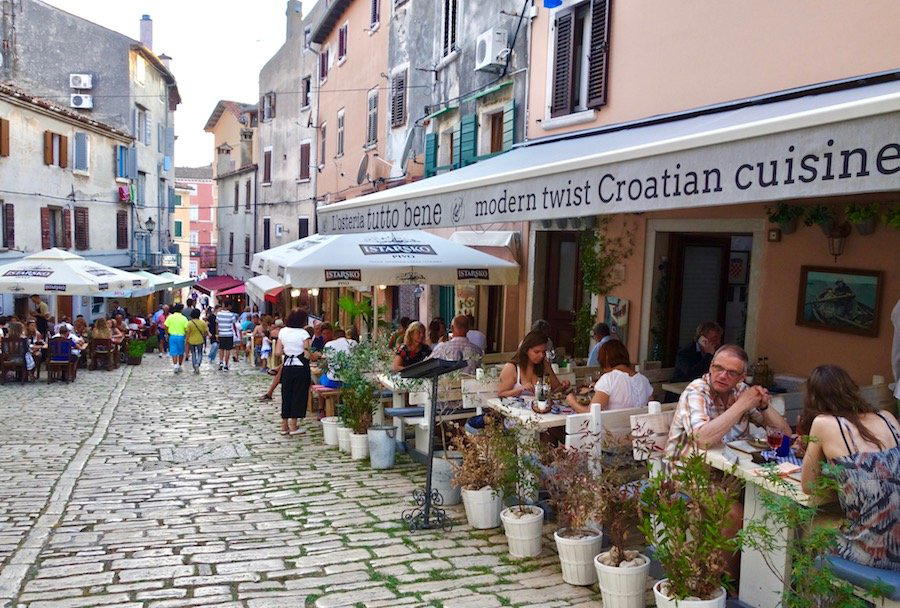
On a narrow lane in Rovinj's old town, Tutto Bene sits within a dining scene shaped by Istrian ingredients and Italian coastal tradition. The address on Ulica E. de Amicis places it among a cluster of restaurants where local seafood and olive oil define the plate. Visitors looking for a straightforward entry point into Rovinj's restaurant offering will find this a practical option in a city with no shortage of ambitious kitchens.

Pearl is the En Primeur Club membership app, where members save venues, book tables and use the concierge.
The menu
What to order
- Trio of tuna
- Seafood tagliatelle
Stone Lanes and Seaside Tables: Rovinj's Restaurant Context
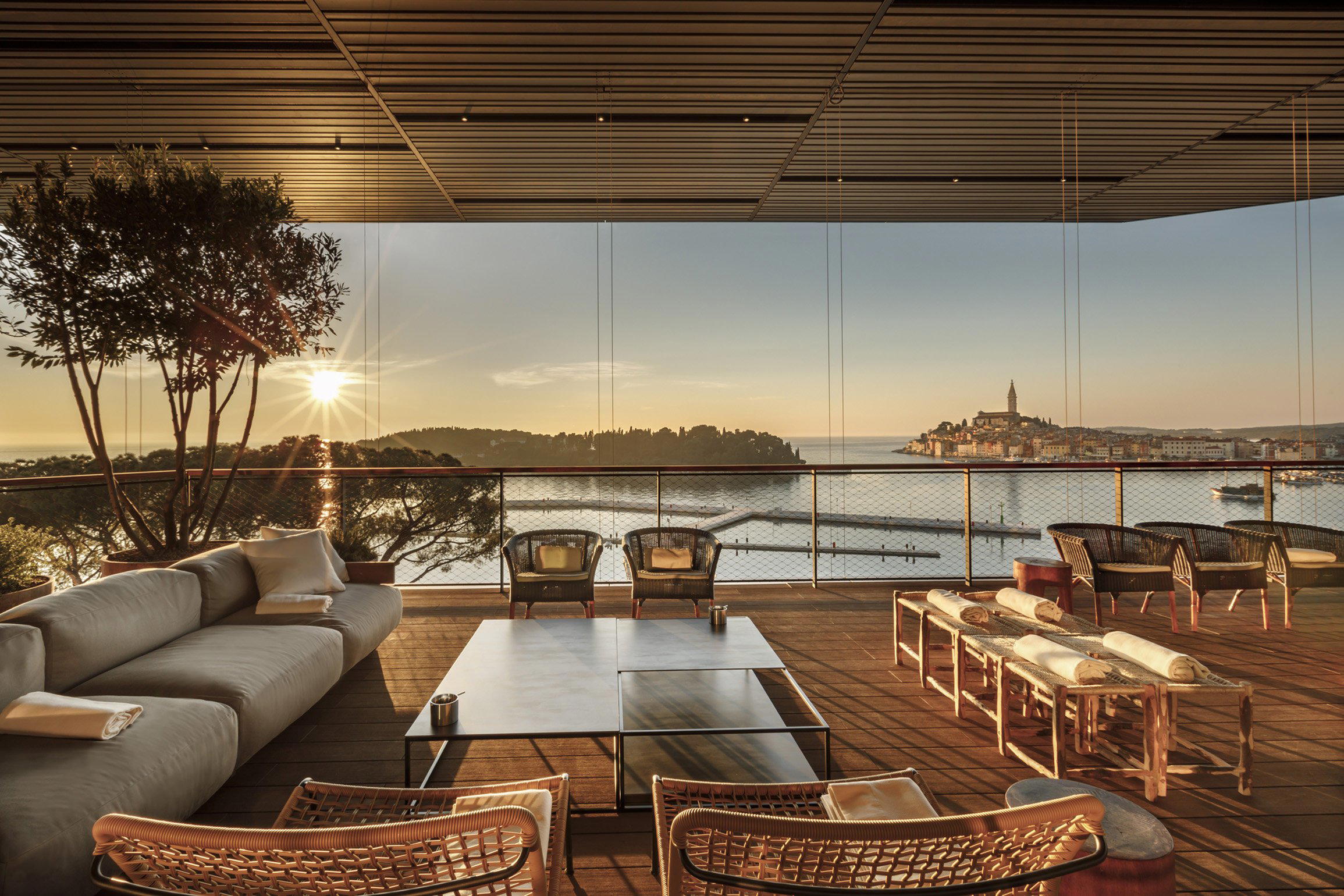
Approaching the old town of Rovinj from the harbour, the city's restaurant geography becomes quickly legible. The refined peninsula, with its cobbled lanes too narrow for vehicles, concentrates a dense cluster of dining rooms that range from casual fish konobas to some of the Adriatic's most formally structured tasting menus. Tutto Bene sits on Ulica E. de Amicis, a address that places it within this walled residential-and-restaurant quarter, where the proximity of the sea to the kitchen is not a marketing point but a physical fact.
Rovinj's dining identity has been shaped by the double inheritance of Istrian ingredient culture and Italian coastal cooking. Istria's position at the historical crossroads of the Habsburg, Venetian, and Yugoslav spheres produced a table that is neither straightforwardly Croatian nor Italian, but draws from both. Truffle from the Motovun forest, olive oil pressed from indigenous Buža and Istarska Bjelica varieties, and Adriatic fish landed at the morning market have long been the raw materials around which local kitchens organise themselves. That grounding in high-quality local produce is what distinguishes Rovinj's better restaurants from the generic Mediterranean tourist offer found elsewhere along the Croatian coast.
Where Tutto Bene Sits in the Rovinj Offer
Rovinj's restaurant tier has widened considerably over the past decade. At one end, Monte and Cap Aureo operate at the creative fine-dining level, with structured menus that position themselves against regional peers rather than local casual dining. Agli Amici Rovinj anchors Italian contemporary cooking in the city with a pedigree that extends to the original Agli Amici in Friuli. Cave Lab By Monte and Dream have added format variety to the scene. Tutto Bene occupies a different register within this spread, one where the emphasis falls on accessibility and the kind of direct Istrian-Italian cooking that made Rovinj a dining destination in the first place, before the city's fine-dining tier drew most of the critical attention.
That positioning matters because Rovinj genuinely needs restaurants at multiple levels of formality. A city this heavily visited in summer generates demand across a wide range of occasions, from long post-beach lunches to pre-concert suppers, and not every meal requires a multi-course tasting sequence. The old town's konoba tradition, where uncomplicated grilled fish, house wine, and a terrace table in the evening represent a complete and satisfying proposition, is the foundation on which the more ambitious kitchens have built. Tutto Bene's address on Ulica E. de Amicis places it within reach of that tradition.
The Istrian Table: Cultural Roots of What Lands on the Plate
Understanding what Rovinj restaurants serve well requires a short detour through Istrian culinary geography. The peninsula is small, roughly triangular, and produces an unusual concentration of ingredient types within a compact area. The interior, centred on Motovun and Grožnjan, provides truffles, game, and inland wines from Teran and Malvazija grapes. The coast delivers the Adriatic's characteristic white fish, cephalopods, and shellfish. The two zones have historically fed each other's tables, which is why a coastal restaurant in Rovinj might plate truffle over seafood pasta without it reading as a contrivance.
The Italian dimension is equally embedded. Until 1947, Rovinj was an Italian-speaking city, and the culinary memory of that period persists in ways that go beyond tourist-facing pasta menus. Certain preparations, wine preferences, and the general architecture of a meal follow a northern Italian Adriatic logic: antipasto built on preserved and cured fish, a primi course of pasta or risotto, secondi centred on grilled or baked whole fish, and a dessert that references both Italian tradition and local fruit. This is the structure that most of Rovinj's restaurants, at various price points, work within or consciously depart from. For visitors coming from Le Bernardin or Atomix in New York, the contrast is instructive: Istrian coastal cooking operates from a completely different set of reference points, rooted in agricultural and fishing economy rather than haute cuisine lineage.
Planning Your Visit
Tutto Bene's address at Ulica E. de Amicis 16 in the old town places it in the pedestrianised core of Rovinj, reachable on foot from the harbour in a few minutes. As with most restaurants in this quarter, the summer months compress availability considerably, and arriving without a reservation during July and August is a gamble. The shoulder seasons, May through June and September through October, offer more flexibility and, in the view of many regulars, better produce conditions and more comfortable temperatures for outdoor seating.
Rovinj's wider restaurant scene rewards planning. Visitors who want to map the city's full dining range should consult our full Rovinj restaurants guide, which covers the spectrum from creative fine dining through to neighbourhood konobas. For those extending into broader Istrian and Croatian territory, the reference points worth knowing include Alfred Keller in Mali Lošinj, Boskinac in Novalja, and Nebo by Deni Srdoč in Rijeka for the northern Adriatic corridor, while the Dalmatian coast offers strong alternatives at Pelegrini in Šibenik, Krug in Split, LD Restaurant in Korčula, and Restaurant 360 in Dubrovnik. Inland, Dubravkin Put in Zagreb and Korak in Jastrebarsko represent the capital region's stronger kitchens, and BioMania Bistro Bol in Bol extends the map to Brač island.
Frequently asked questions
Is Tutto Bene okay with children?
The old-town setting at Ulica E. de Amicis 16 is pedestrianised, which removes traffic concerns and gives families room to move between the harbour and the restaurant. Rovinj's dining culture is generally accommodating to children, particularly at mid-tier trattorias that follow a traditional Istrian format. Confirm specific seating arrangements directly with the venue before visiting with young children.
What's the vibe at Tutto Bene?
Tutto Bene sits inside the cobbled pedestrian core of Rovinj's old-town peninsula, which sets a particular tone before you reach the door: stone lanes, no cars, proximity to the Adriatic. That geography places it firmly in the relaxed, neighbourhood-restaurant register that defines this part of Rovinj, distinct from the creative fine-dining approach of venues like Monte or Cap Aureo higher up the hill.
Is Tutto Bene a good choice for a first meal in Rovinj's old town?
The address at Ulica E. de Amicis 16 puts Tutto Bene within easy walking distance of the harbour, making it a practical first stop for arrivals orienting themselves around the old-town peninsula. Rovinj's restaurant tier has expanded significantly over the past decade, so this location offers an accessible entry point into Istrian cooking without committing to a longer reservation-only tasting format.
What's the best thing to order at Tutto Bene?
Istria's larder is the strongest frame for any ordering decision here: the peninsula produces truffle, pršut, sheep's cheese, olive oil, and some of the Adriatic's most consistent seafood catches. Rovinj restaurants at this address tier tend to anchor their menus to those regional ingredients. For current dish specifics, check directly with the restaurant, as menus shift with season and supply.
Cost Snapshot
Comparable venues nearby, for context on price, style, and recognition.
| Venue | Cuisine | Price | Awards | Notes |
|---|---|---|---|---|
| Tutto BeneThis venue (the venue you are viewing) | Mediterranean Seafood | $50–100 | Not listed | Not listed |
| Konoba Jure | Traditional Croatian Seafood | $20–30 | Not listed | Cademia, Traditional Croatian Seafood |
| Male Madlene | Istrian Tapas & Fine Finger Food | $30–50 | Not listed | Santa Croce, Istrian Tapas & Fine Finger Food |
| Laurel & Berry Restaurant | Istrian-Mediterranean Fusion | $50–100 | Not listed | Rovinj, Istrian-Mediterranean Fusion |
| La Vela | Mediterranean Seafood & Pizza | $20–30 | Not listed | Old Town, Mediterranean Seafood & Pizza |
| Restaurant Mediterraneo | Mediterranean & Croatian Fine Dining | $50–100 | Falstaff Restaurant - 93 Falstaff Points | Rovinj Old Town, Mediterranean & Croatian Fine Dining |
Continue exploring
More in Rovinj
Restaurants in Rovinj
All restaurants in Rovinj →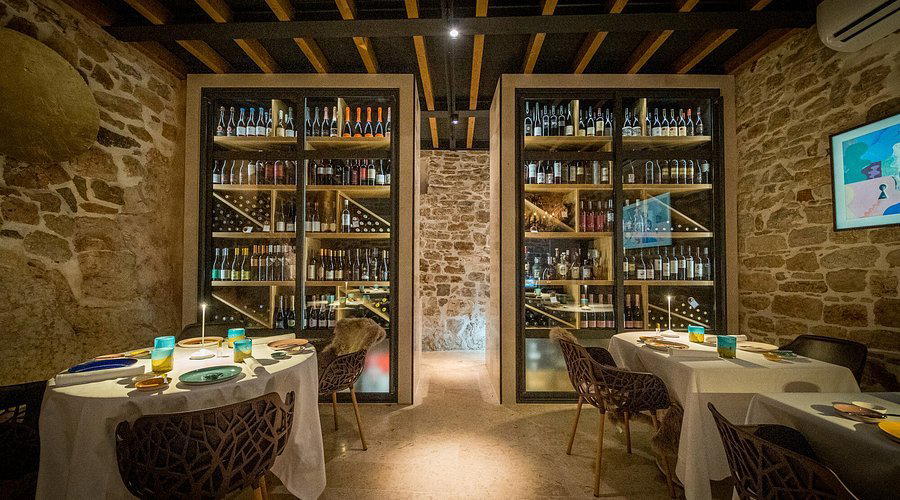
Bars in Rovinj
All bars in Rovinj →

Details
- Cozy
- Intimate
- Rustic
- Date Night
- Special Occasion
- Terrace
- Extensive Wine List
- Local Sourcing
- Street Scene
- A La Carte
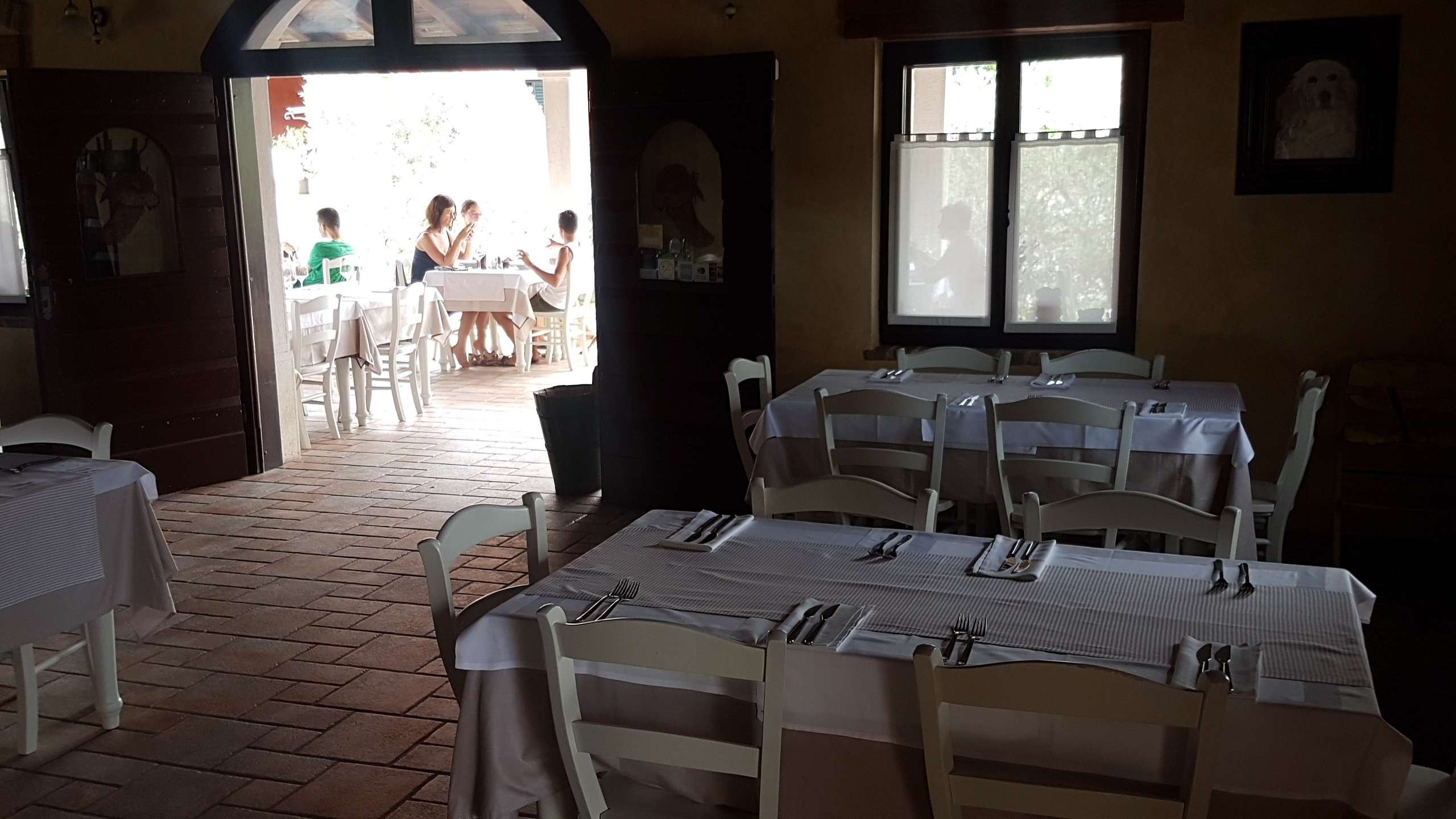
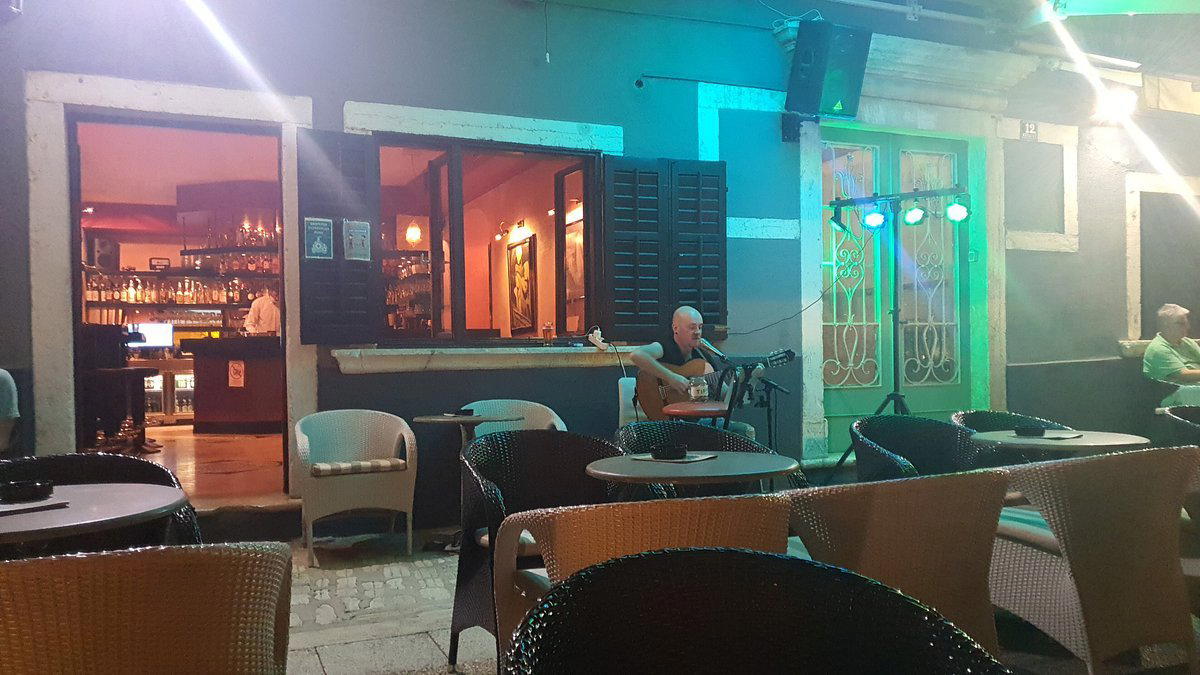
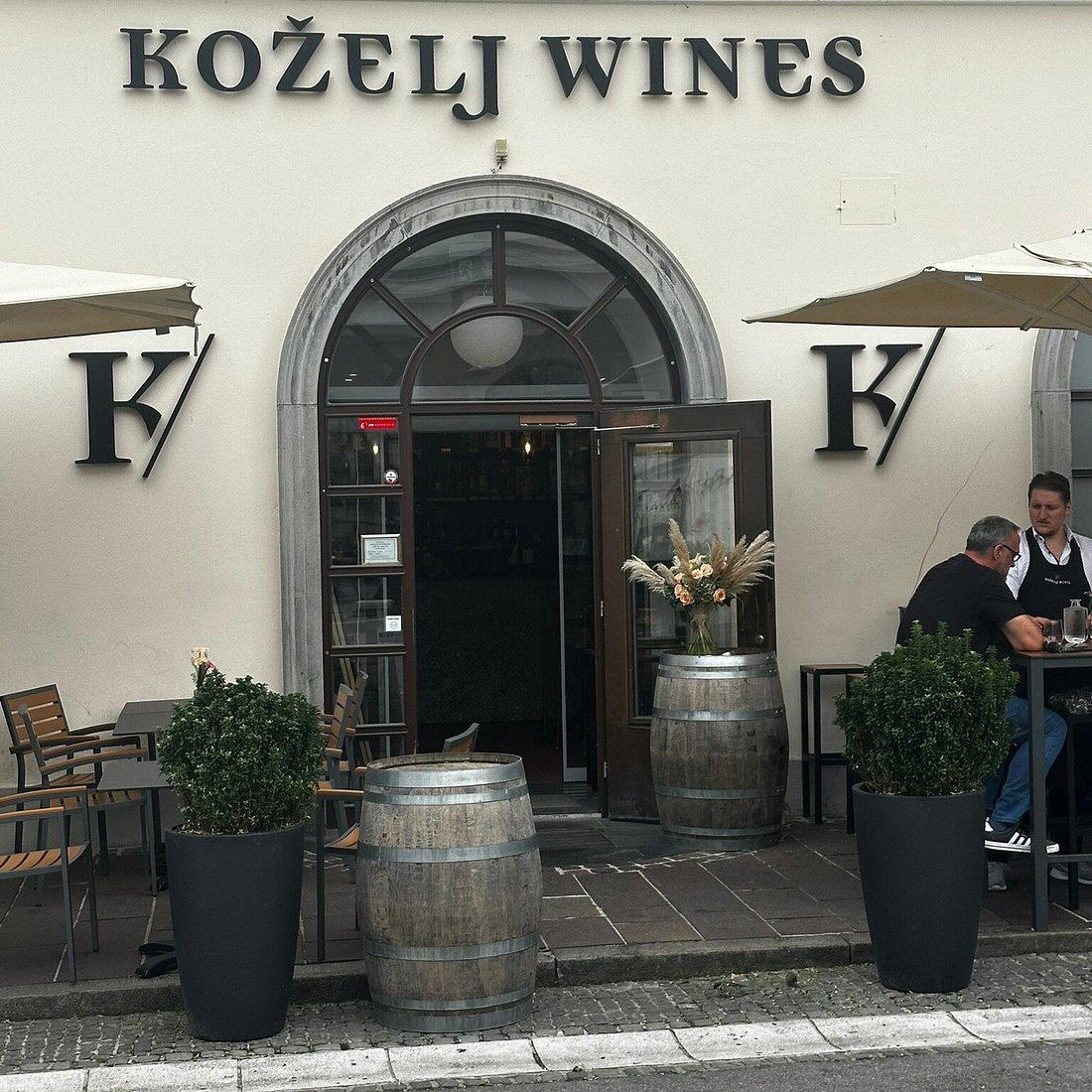
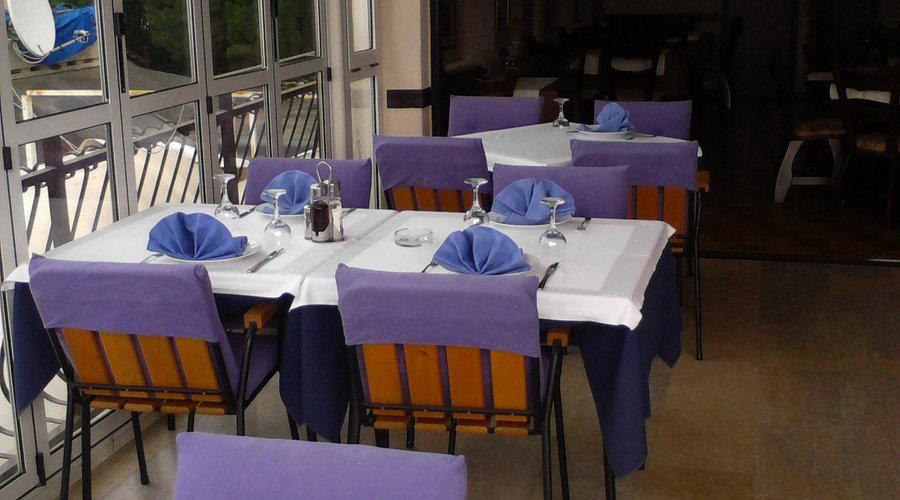
Cozy atmosphere with rough natural stone walls, tasteful decor, and warm welcoming service creating a family-like dining experience.