Ganeum occupies a centuries-old address in Lovran's Stari Grad, a walled medieval quarter that shapes Croatian Kvarner Gulf dining as much as any single kitchen does. The restaurant sits within a category of Istrian-peninsula dining where old-town setting and local ingredient culture carry as much weight as technique. Practical details including hours and booking method are best confirmed directly with the venue.
Pearl is the En Primeur Club membership app — saves, bookings, and concierge access live there. Same editors, same standards.
- Address
- Stari Grad 5, 51415, Lovran, Croatia
- Phone
- +38551294444
- Website
- ganeum.hr
- Directions
- Get directions
 Saves & bookings on Pearl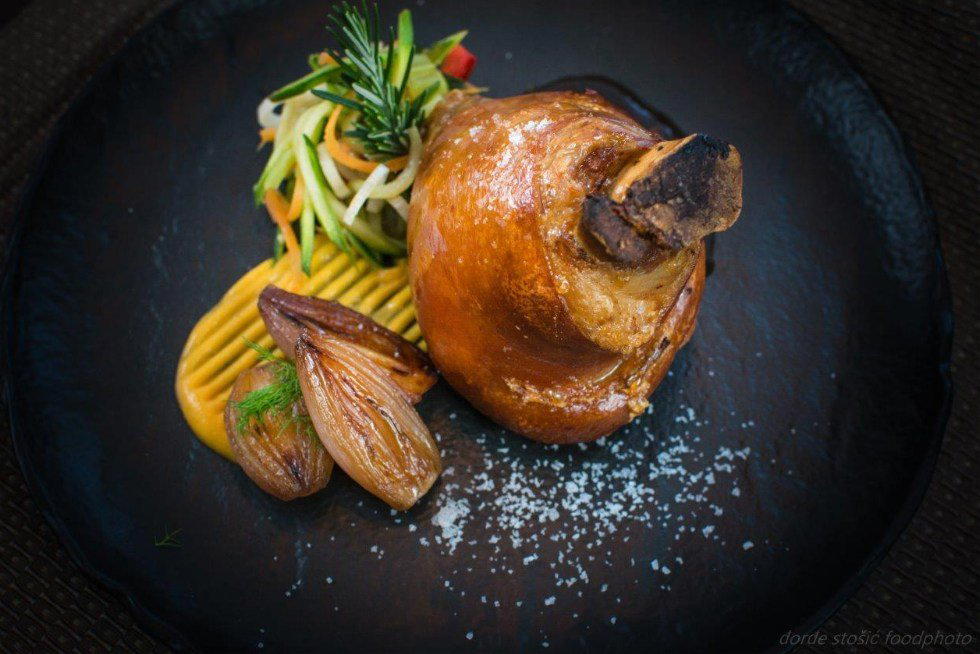
Lovran's Old Town and the Weight of Place
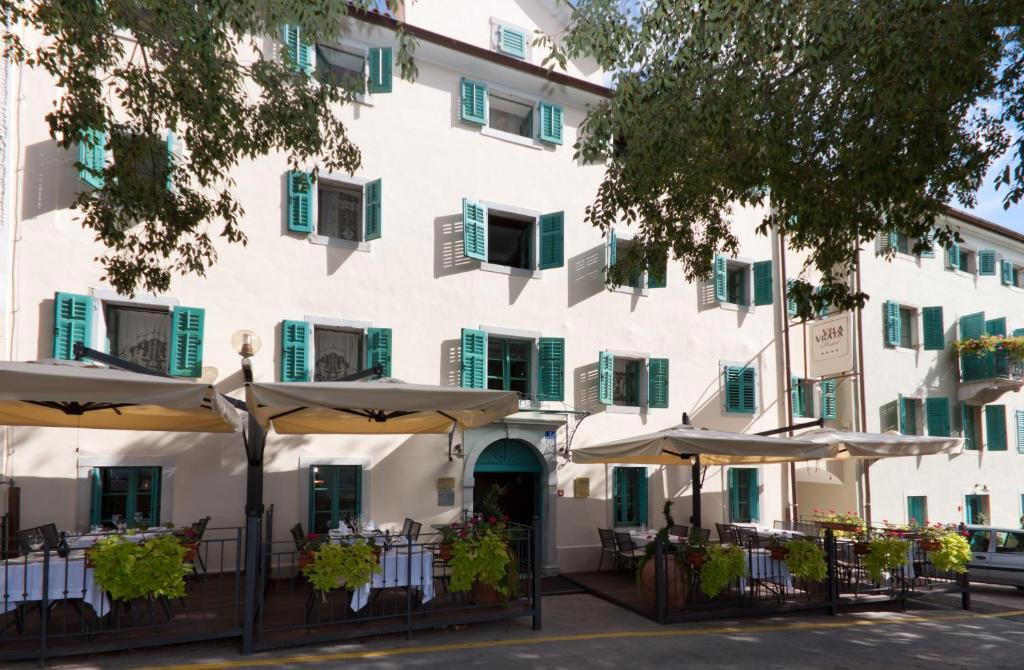
Before any dish arrives, Lovran makes its argument through stone. Stari Grad, the walled old town that climbs the hillside above the Kvarner Gulf, is one of the smaller but better-preserved medieval quarters on Croatia's northern Adriatic coast, and it sets a particular kind of expectation for any restaurant operating within it. The address at Stari Grad 5 puts Ganeum inside that fabric: narrow lanes, salt air off the water, and architecture that predates any modern Croatian dining scene by several centuries. In a country where coastal restaurants often compete on terrace views and seasonal volume, a position inside the old town reads differently, it signals a relationship to place over throughput.
That relationship matters because Lovran itself has a culinary identity that is easy to underestimate. The town is known across the Kvarner region for its chestnut festival, held each autumn when the forests above the town produce the fruit that has been central to local cooking since well before tourism arrived. Asparagus, truffles, and the seafood pulled from the Gulf's relatively cold, clear waters complete a pantry that connects Lovran to a broader Istrian and Kvarner tradition, one that sits at the intersection of Central European, Venetian, and Balkan influences accumulated over centuries of shifting territorial control. Restaurants operating in this setting inherit that complexity whether they choose to foreground it or not.
Where Ganeum Sits in the Lovran Dining Scene
Lovran's restaurant options cover a range from waterfront seafood konobas to more considered dining rooms that engage with the town's seasonal produce calendar. Within that spread, several addresses have attracted sustained local and regional attention. Draga di Lovrana, Knezgrad, Lovranska Vrata, Najade, and Restaurant Riviera each represent a distinct take on what dining in a small Kvarner town can mean. Ganeum, positioned in the old town rather than along the waterfront promenade, occupies a physical and conceptual niche within this group, the setting itself is part of what the restaurant offers, and that setting is not interchangeable with a Gulf-facing terrace. For a fuller picture of how these addresses compare, the full Lovran restaurants guide maps the town's dining options across styles and settings.
Across a wider Croatian coastal frame, the Kvarner Gulf has been gaining ground relative to Dalmatia as a serious dining region. Nebo by Deni Srdoč in Rijeka, the region's main city, roughly 30 kilometres south of Lovran, holds Michelin recognition and has shifted the conversation about what northern Adriatic cooking can achieve at a technical level. Alfred Keller in Mali Lošinj represents a similar push further into the islands. These reference points matter because they establish a regional ceiling and a set of benchmarks against which Kvarner dining is increasingly measured, including in towns like Lovran that operate below the radar of the country's main gastronomic circuits.
The Cultural Roots of Kvarner Cooking
Understanding what a restaurant in Lovran's old town draws on requires some sense of where Kvarner cuisine comes from. Unlike Dalmatia, which has a relatively coherent grilled-seafood and olive-oil identity, the Kvarner Gulf sits at a cultural crossroads. The Habsburg influence is still legible in the area's appetite for game, mushrooms, and preparation styles that owe more to Central Europe than to the Mediterranean. The Venetian period left its mark on the seafood vocabulary and on the use of spices that arrived through Adriatic trade routes. And the inland forests, the Učka massif rises directly behind Lovran, have always supplied truffles, chestnuts, and wild herbs that anchor the kitchen's land-facing half.
That duality, sea and forest in close proximity, is what gives Kvarner cooking its particular texture. It is not the same tradition as the fish-and-olive-oil simplicity you find further south along the Dalmatian coast at places like LD Restaurant in Korčula or Pelegrini in Sibenik, nor is it the continental Croatian cooking that defines addresses like Dubravkin Put in Zagreb. Kvarner occupies its own register, and Lovran, with its chestnut-forested hinterland and direct Gulf access, is one of the cleaner expressions of that register within the region.
In the broader Croatian context, the country's fine dining has been developing a more coherent identity over the past decade. Michelin arrived in Croatia in 2020 and has since recognised addresses from Agli Amici Rovinj in Rovinj to Korak in Jastrebarsko to Boskinac in Novalja, establishing a national map where regional ingredients and technique are increasingly the story. That map now includes the Kvarner Gulf as a credible zone, not merely a scenic detour between Istria and Dalmatia.
Planning a Visit
Lovran is accessible from Rijeka by regional road along the Gulf, a journey of roughly 25 to 30 kilometres that follows the coast through Opatija. The town itself is compact enough to navigate on foot, and Stari Grad is walkable from wherever you park or stay. For Ganeum specifically, booking is recommended, and the restaurant is open Tuesday through Sunday from 1 PM to midnight, with Monday closed. The price per person is about $50, making it a midrange stop in the old town, particularly during peak summer season, when coastal Kvarner towns see demand that comfortably outstrips capacity at smaller, old-town addresses. Autumn visits align with the chestnut season, which runs roughly through October and November and represents the period when Lovran's most distinctive local ingredient is at its peak. Visitors arriving for that window tend to find the town operating in a more local register than in July and August, which has its own advantages for anyone interested in the region's food culture rather than its beach calendar.
Ganeum reads as a focused local address rather than a broad international statement. Krug in Split and Restaurant 360 in Dubrovnik sit closer to home and show what Croatian coastal dining looks like when it engages more explicitly with the international fine dining conversation. Ganeum, in its old-town Lovran setting, operates in a different register from all of these, smaller in scale, more embedded in a specific place, and positioned for a reader who is already in the Kvarner Gulf rather than calibrating it from the outside.
Budget Reality Check
Comparable venues nearby, for context on price, style, and recognition.
| Venue | Cuisine | Price | Notes |
|---|---|---|---|
| GaneumThis venue — the venue you are viewing | Not listed | $$$ | Not listed |
| Restoran Stanger | Lovran, Croatian Seafood & Mediterranean | $$ | Not listed |
| Draga di Lovrana | Not listed | $$$$ | Lovranska Draga, Modern Mediterranean Seafood |
| Restaurant Riviera | Lovran, Mediterranean & Croatian | $$ | Not listed |
| Lovranska Vrata | Not listed | $$$ | Stari Grad, Fresh Seafood & Croatian Mediterranean |
| Knezgrad | Lovran, Traditional Croatian Seafood | $$ | Not listed |
Continue exploring
More in Lovran
Restaurants in Lovran
Browse all →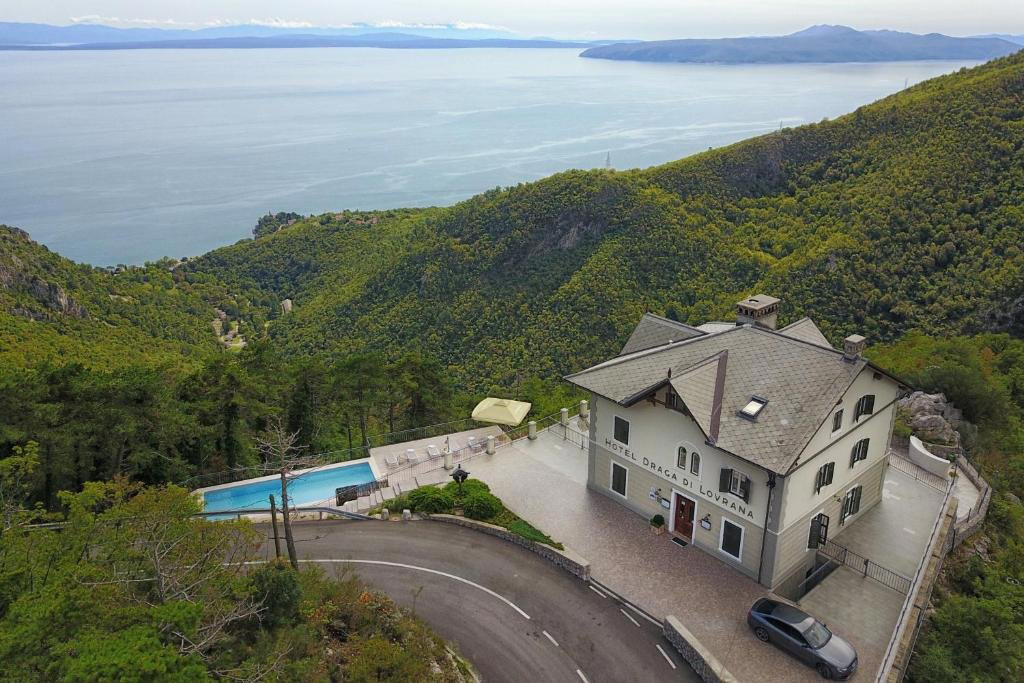
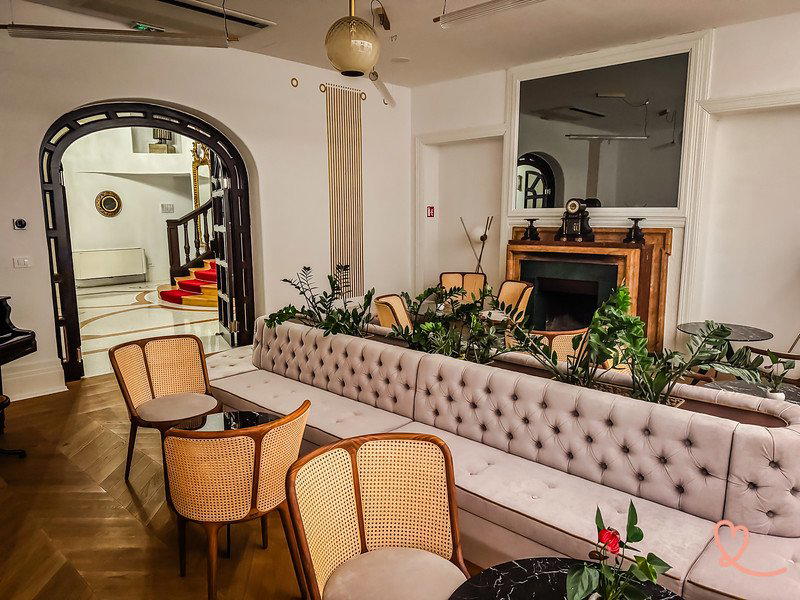
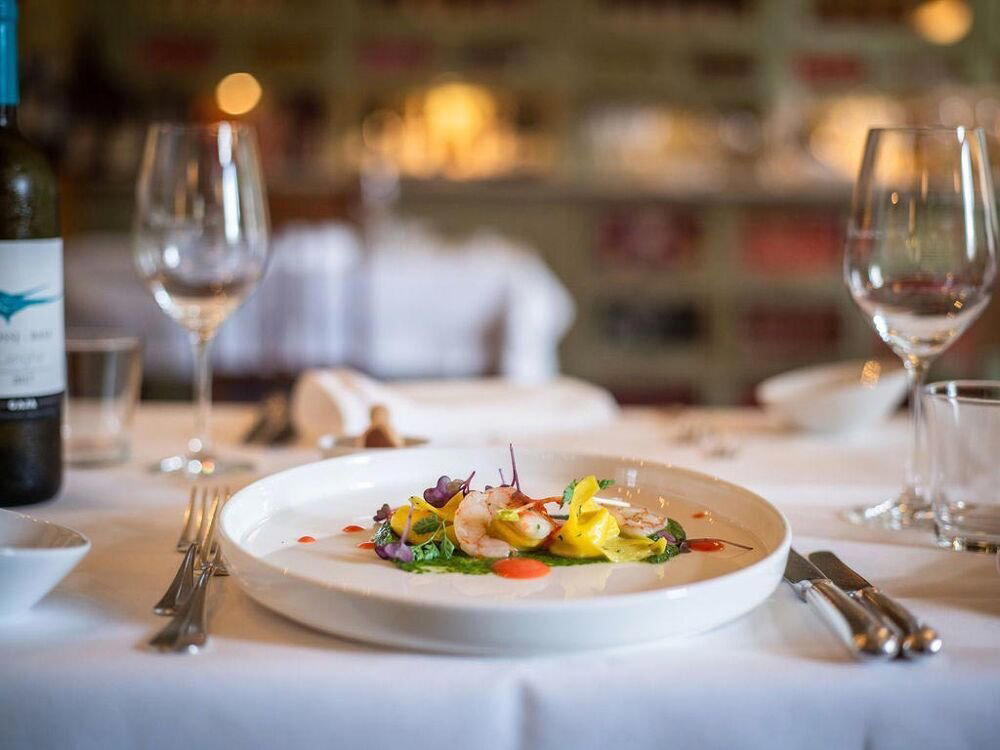
Bars in Lovran
Browse all →

Hotels in Lovran
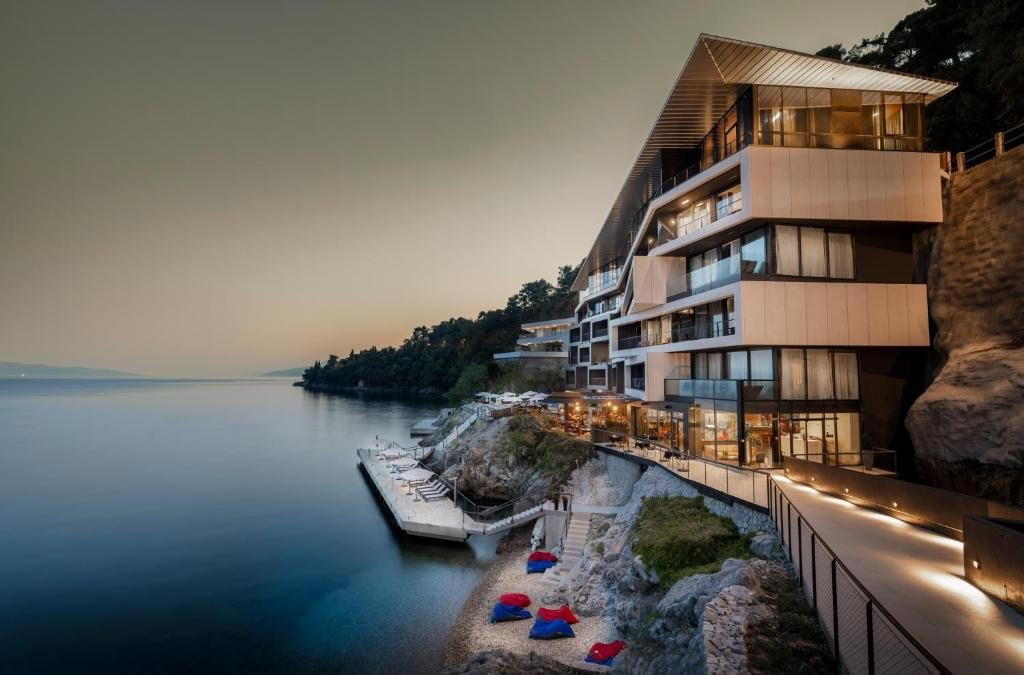
Browse all →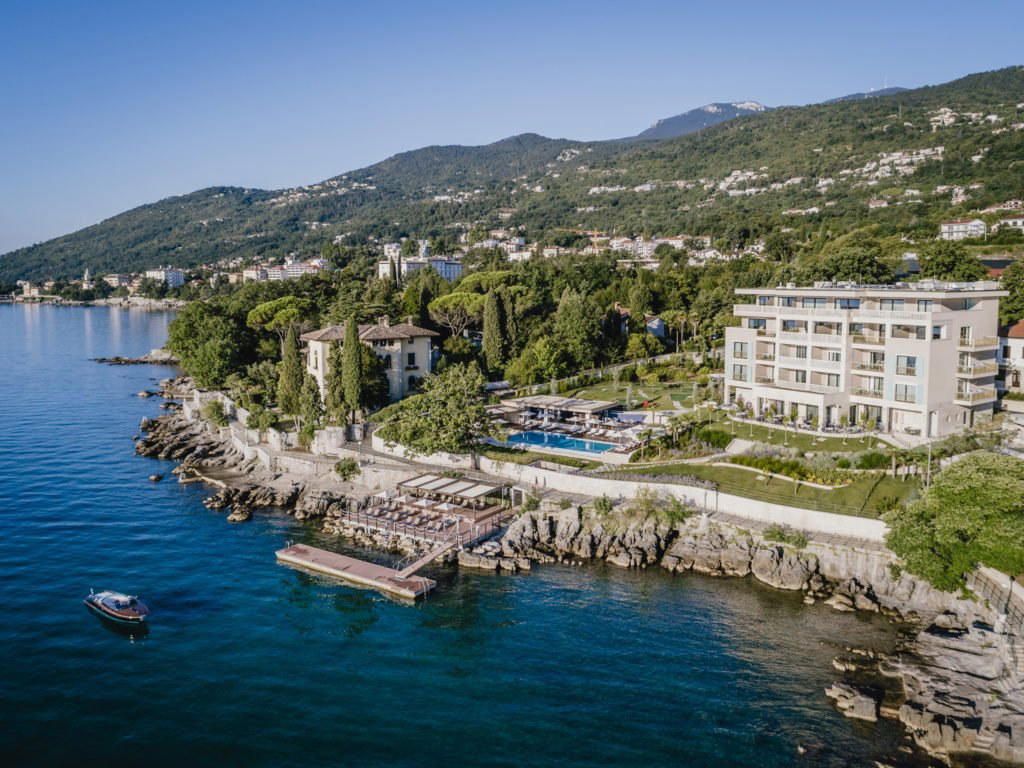
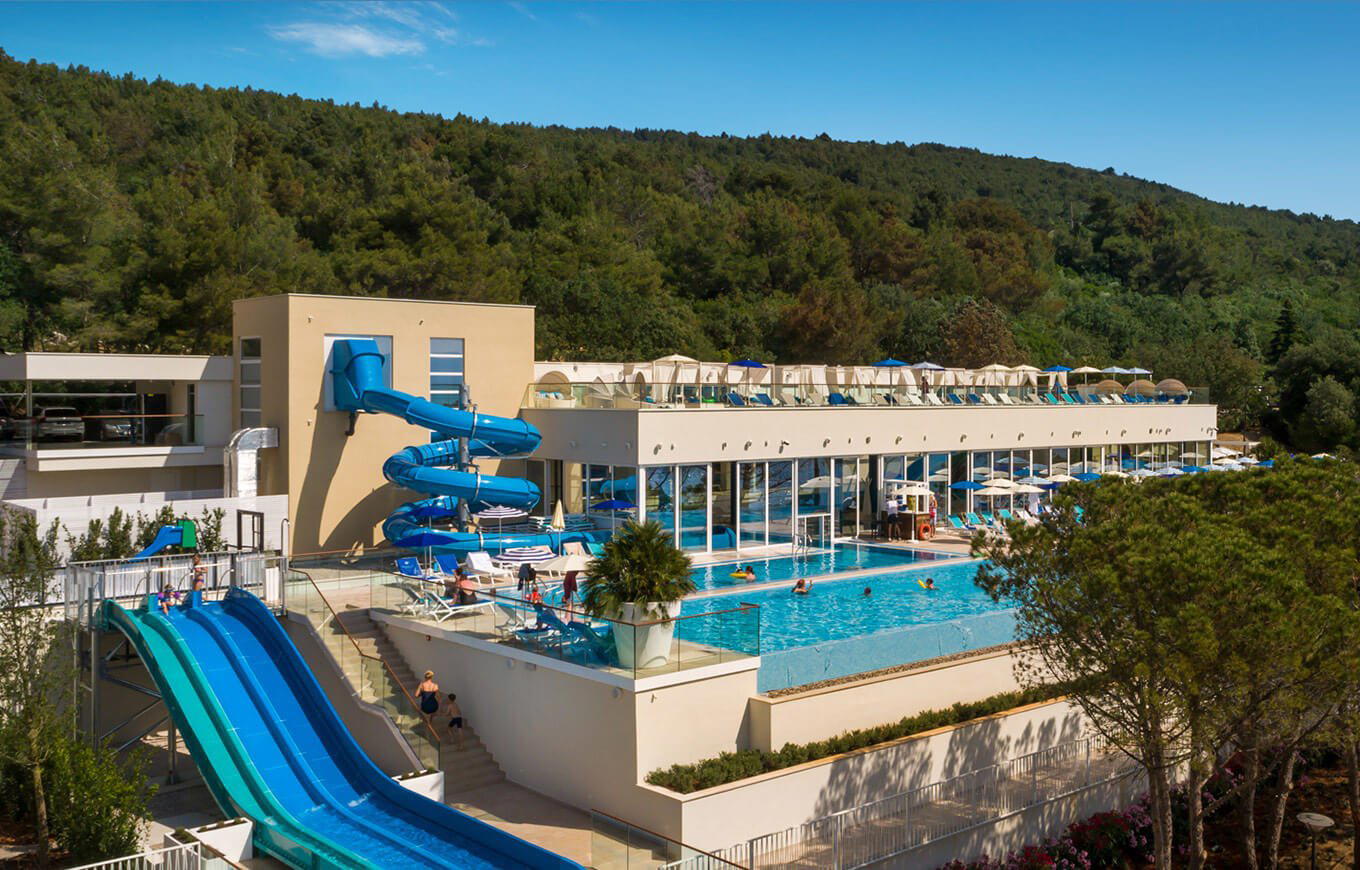
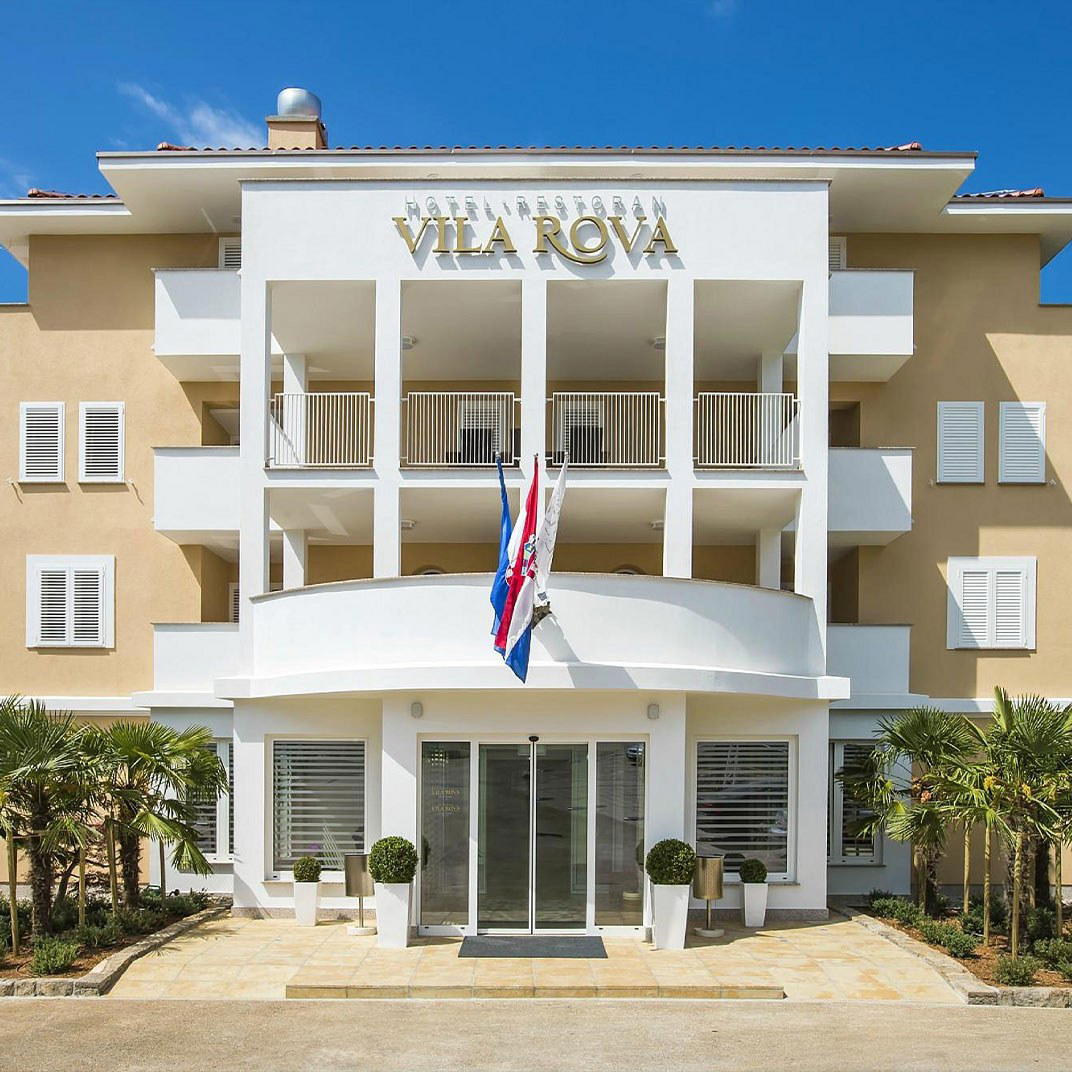
At a Glance
- Intimate
- Elegant
- Cozy
- Date Night
- Special Occasion
- Terrace
- Open Kitchen
- Extensive Wine List
- Local Sourcing
- Street Scene
Current opening hours
- Monday
- Closed
- Tuesday
- 1 PM–12 AM
- Wednesday
- 1 PM–12 AM
- Thursday
- 1 PM–12 AM
- Friday
- 1 PM–12 AM
- Saturday
- 1 PM–12 AM
- Sunday
- 1 PM–12 AM
Hours can change for holidays and private events. Last verified .
Sophisticated and inviting atmosphere with terrace seating under walnut trees, offering a charming and relaxed old-town vibe.