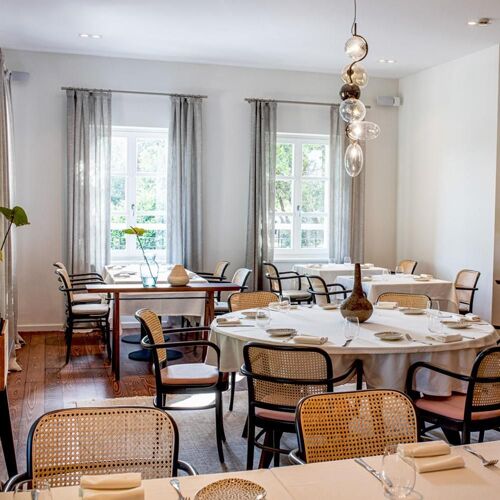
Tinel occupies a central address in Zadar's old town, placing it within a dining scene shaped by Dalmatian tradition and Adriatic produce. The restaurant sits in a city where medieval stone streets meet a serious local food culture, and where competition from strong neighbourhood tables keeps standards measurably high. For visitors working through Zadar's restaurant options, Tinel is a name that comes up consistently in local conversation.
Pearl is the En Primeur Club membership app — saves, bookings, and concierge access live there. Same editors, same standards.
- Address
- Ul. don Ive Prodana 2, 23000, Zadar, Croatia
- Phone
- +385981620488
- Website
- tinelzadar.com
- Directions
- Get directions
 Saves & bookings on Pearl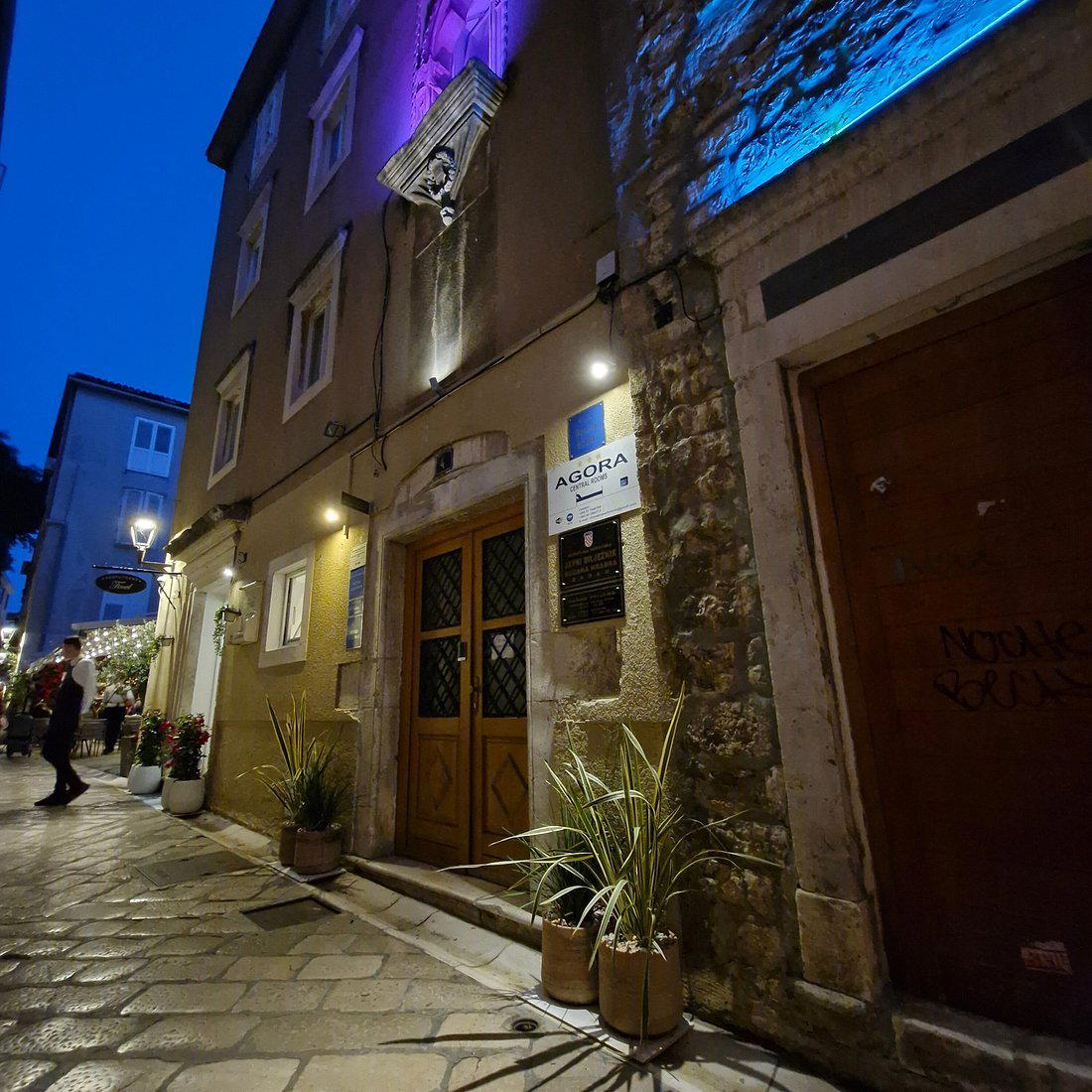
Stone Streets, Adriatic Kitchens: Dining in Zadar's Old Town
Zadar's old town operates on a particular kind of logic. The streets are narrow, the stone is Roman and medieval in equal measure, and the restaurants that endure here do so on recurring local clientele as much as visitors. Tinel, at Ul. don Ive Prodana 2, sits inside that compressed geography.
This is a dining environment shaped by proximity to the sea. The Adriatic sets the terms for what arrives in Zadar's kitchens: bream, dentex, octopus, shellfish pulled from waters between the islands and the coast. Dalmatian cuisine at its most considered is not elaborate, but it is disciplined. The region's cooking tradition prizes ingredient quality over technique complexity, which means the kitchen's credibility rests on sourcing as much as execution. That standard applies across the stronger tables in the city, and it frames the context in which Tinel operates.
What Dalmatian Cooking Actually Means Here
The cultural roots of Dalmatian cuisine are worth understanding before sitting down anywhere in Zadar. This is a tradition built on centuries of trade, Venetian influence, and the practical necessity of feeding coastal communities from what the sea and the karst hinterland could provide. Olive oil rather than butter, grilled fish over roasted meat, peka (slow-cooking under an iron bell buried in embers) for lamb and octopus, and a wine culture anchored in indigenous grape varieties like Pošip and Maraština: these are the markers of a regional food identity that predates modern restaurant culture by several hundred years.
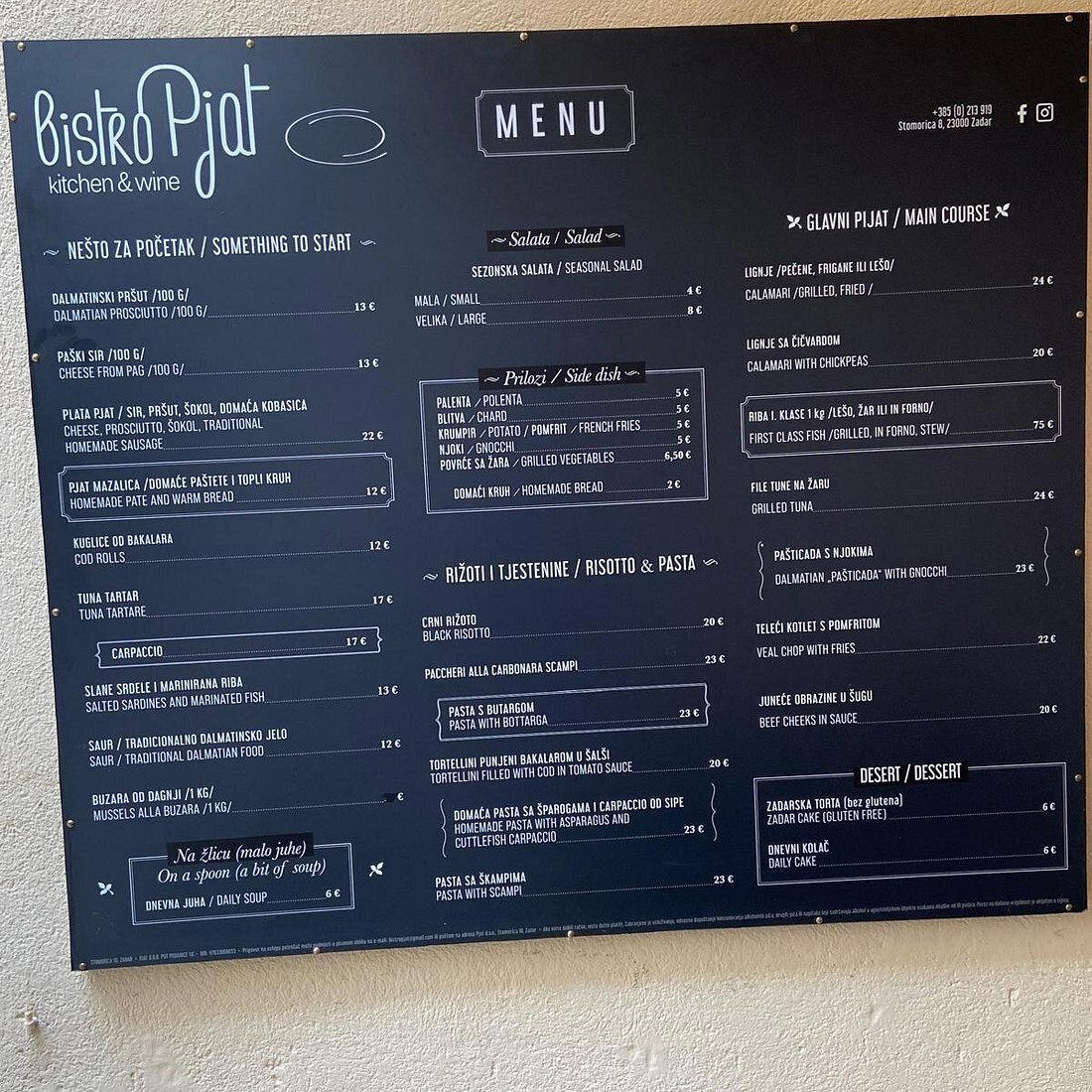
Contemporary Zadar restaurants interpret this tradition along a spectrum. At one end sit the classic konobas, where grilled fish is priced by the kilogram and the wine list is local by default. At the other are restaurants like Pelegrini in Sibenik, which applies a more technically precise sensibility to Dalmatian ingredients and has drawn significant critical attention across the region. Zadar's own scene sits somewhere in that middle range, with several addresses working the territory between casual and considered. 4kantuna, Bistro Pjat, and Bruschetta each represent distinct approaches to that question, and Foša and Kaštel anchor the higher price tier at the €€€ level with classic and Mediterranean formats respectively.
Tinel operates within this field. Its position in the competitive set rests on its address and its local reputation, both of which place it in conversation with the more serious old-town tables rather than the quicker tourist-facing options along the waterfront.
The Old Town as Context
Understanding Zadar's dining character requires understanding its geography. The old town is a peninsula, walled and contained, with the Forum at its centre and the Sea Organ marking its western edge. Restaurants here operate in spaces that have cycled through centuries of use, and the stone walls that frame a dining room on Ul. don Ive Prodana are not decorative choices but structural facts. That physicality shapes the atmosphere of almost every table in the area, lending a weight to the experience that newer construction elsewhere in Dalmatia cannot replicate.
The summer season compresses the competitive dynamics significantly. Between June and September, Zadar receives a volume of visitors that tests every kitchen in the old town, and the gap between restaurants maintaining their standards under pressure and those that slip becomes visible quickly. The stronger addresses hold their sourcing discipline and their pacing; the weaker ones lengthen their menus and dilute their identity. This seasonal rhythm is reliable filter for quality in a city like Zadar, and local knowledge about which restaurants hold form through August is more useful than any single visit-based review.
For broader regional context, the Croatian Adriatic coast has produced several restaurants that have drawn sustained critical attention: Agli Amici Rovinj in Rovinj, Alfred Keller in Mali Losinj, and Nebo by Deni Srdoč in Rijeka each sit at the upper end of what the coast produces. Boskinac in Novalja operates with a wine-and-food integration model that is unusual on the islands. Restaurant 360 in Dubrovnik, Krug in Split, and LD Restaurant in Korčula complete a map of the coast's more ambitious kitchens. Inland, Dubravkin Put in Zagreb and Korak in Jastrebarsko represent the continental Croatian tradition, which draws on different ingredients and a different culinary logic.
Zadar's position within this map is of a city with a serious local food culture that has not yet attracted the same level of international critical attention as Dubrovnik or Split, which keeps its better tables slightly under the radar for visitors arriving without local recommendations. A'mare POP and Antiquus sushi@more POP represent the city's appetite for formats beyond the traditional Dalmatian template, signalling a scene that is diversifying without abandoning its roots.
Planning a Visit
Tinel's address at Ul. don Ive Prodana 2 places it within walking distance of Zadar's central landmarks, making it a practical choice for visitors already in the old town. As with most old-town restaurants in Zadar, booking ahead is advisable during the summer months, when table availability at the better addresses tightens from mid-June through August. Visiting outside peak season, from late September through October, offers a materially different experience: quieter streets, cooler evenings, and kitchens that are no longer operating under maximum-capacity pressure.
Side-by-Side Snapshot
Comparable venues nearby, for context on price, style, and recognition.
| Venue | Cuisine | Price | Notes |
|---|---|---|---|
| TinelThis venue — the venue you are viewing | Traditional Mediterranean & Dalmatian | $$$ | Not listed |
| Bruschetta | Mediterranean & Dalmatian Seafood | $$$ | Old Town |
| Butler Gourmet&Cocktails Garden | Modern Dalmatian with Mediterranean Influences | $$$ | Old Town |
| Skoblar | Traditional Dalmatian Seafood | $$ | Old Town |
| Proto Food&More | Traditional Dalmatian Seafood & Mediterranean | $$ | Zadar Old Town |
| Harbor Cookhouse | Mediterranean Seafood & Steakhouse | $$$ | Old Harbour |
Continue exploring
More in Zadar
Restaurants in Zadar
Browse all →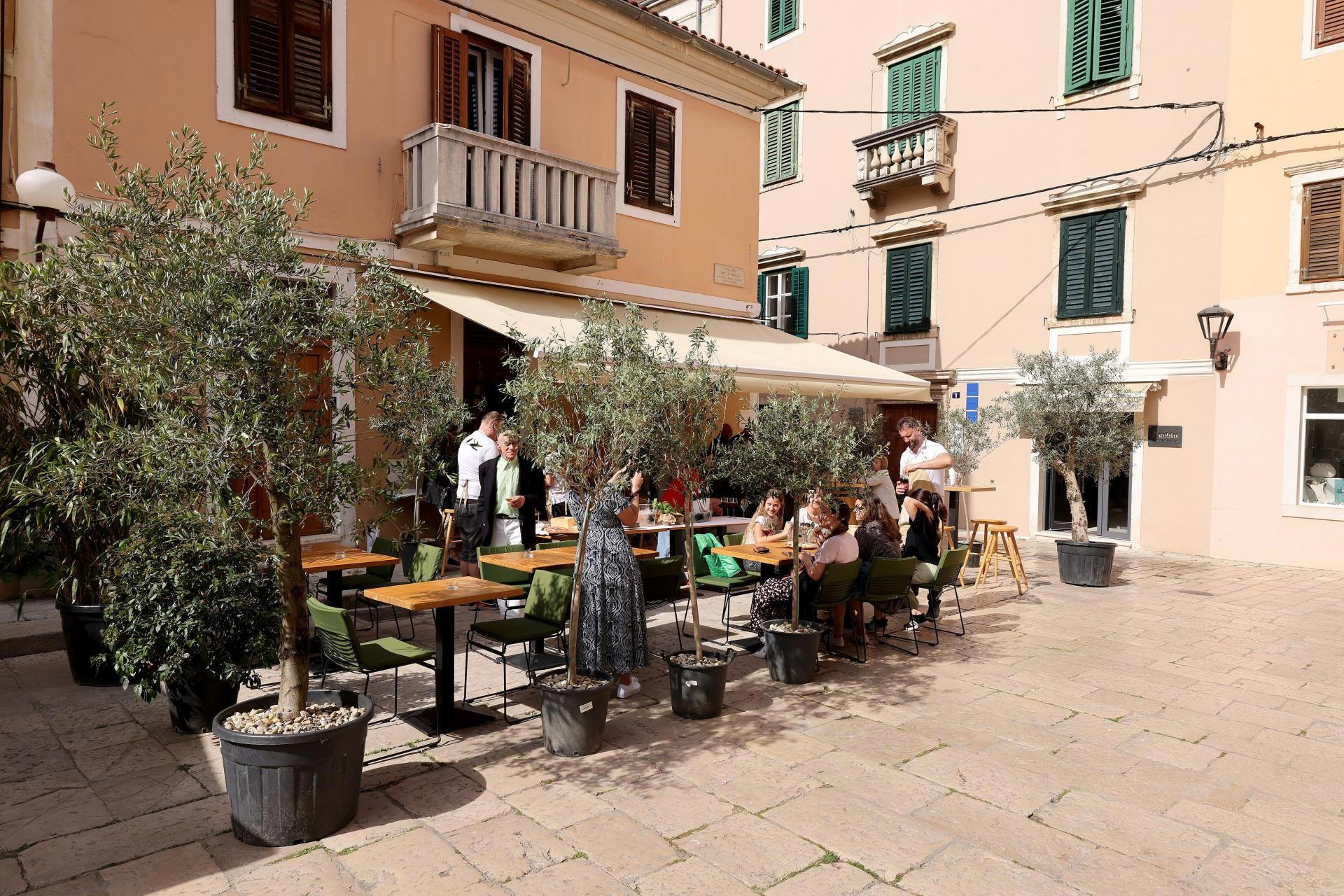
Bars in Zadar
Browse all →
Hotels in Zadar
Browse all →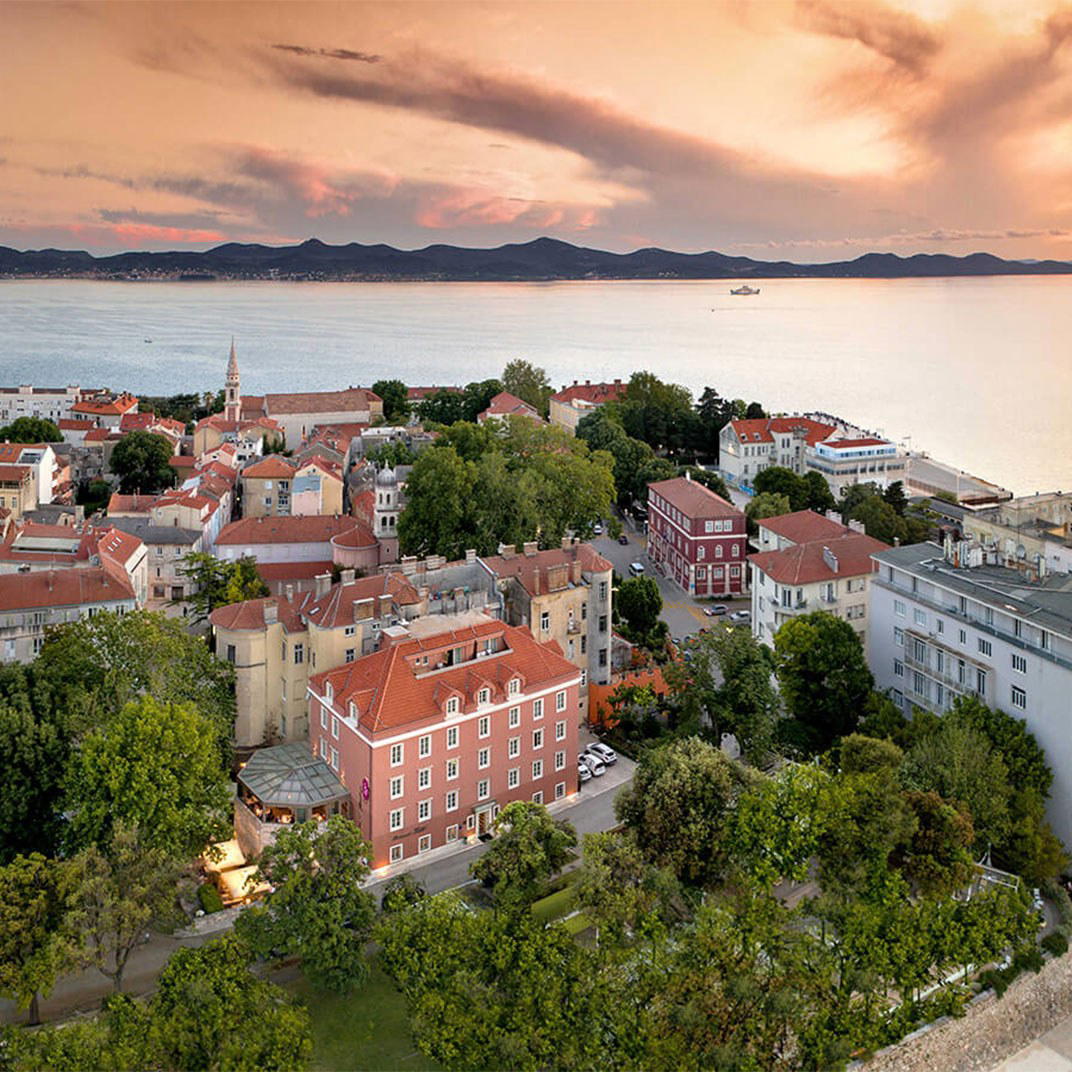
Wineries in Zadar
Browse all →
At a Glance
- Cozy
- Romantic
- Intimate
- Classic
- Date Night
- Casual Hangout
- Special Occasion
- Terrace
- Open Kitchen
- Extensive Wine List
- Local Sourcing
- Street Scene
Current opening hours
- Monday
- 11 AM–12 AM
- Tuesday
- 11 AM–12 AM
- Wednesday
- 11 AM–12 AM
- Thursday
- 11 AM–12 AM
- Friday
- 11 AM–12 AM
- Saturday
- 11 AM–12 AM
- Sunday
- 11 AM–12 AM
Hours can change for holidays and private events. Last verified .
Relaxed and welcoming atmosphere in a charming courtyard and alley setting with friendly service.