Michelin Plate · Wine Spectator Award of Excellence
Our verdict
A Michelin Plate-recognised address in Guangzhou's Yuexiu District, Four Seasons Pavilion · Rùn occupies a distinctive position among the city's contemporary Chinese dining rooms: a Beijingese kitchen operating in the heart of Cantonese territory. The result is a menu where Peking duck and northern technique meet southern sensibility, at a price point well below Guangzhou's starred competition.

Pearl is the En Primeur Club membership app, where members save venues, book tables and use the concierge.

Northern Technique in a Southern City
Guangzhou is one of the great Cantonese cities, a place where dining culture is embedded in daily life and where the standard for Chinese cooking is set high and argued about constantly. Four Seasons Pavilion · Rùn, located in the Yuexiu District, holds a Michelin Plate recognition (2025) and works in a register that puts northern Chinese craft, most visibly Peking duck, at the centre of a menu that also engages with Cantonese flavours from a more experimental position. It is not the only room in China doing this kind of code-switching, but in Guangzhou, where Cantonese orthodoxy runs deep, it represents a considered position.
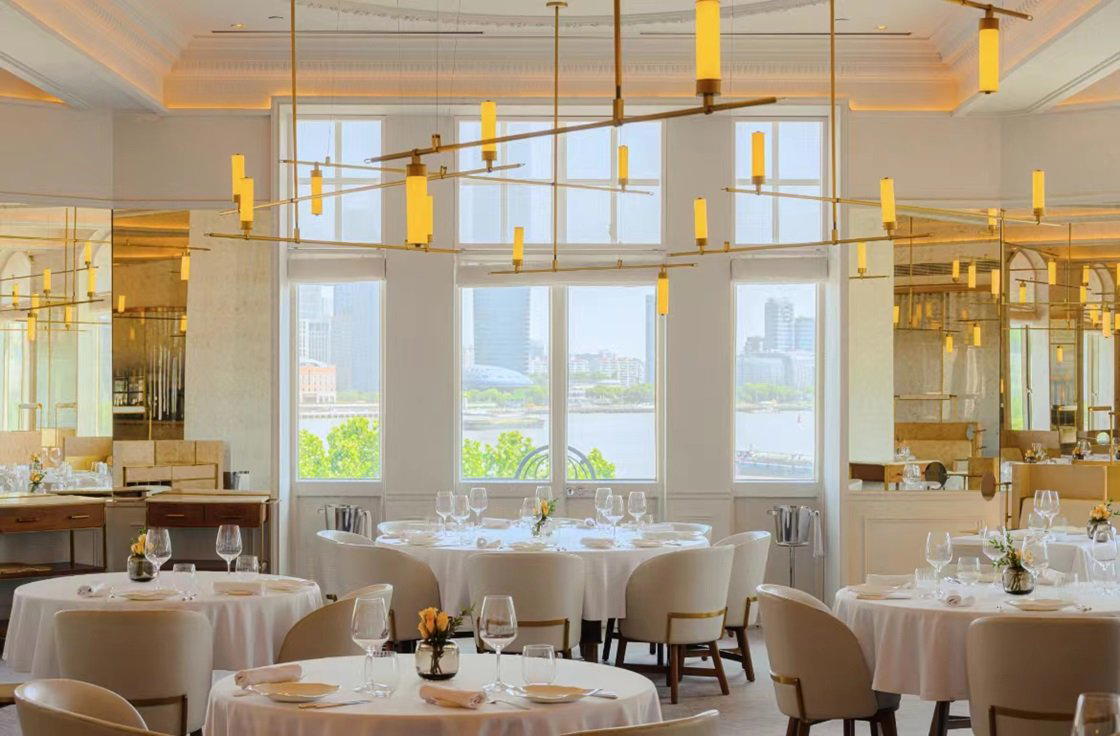
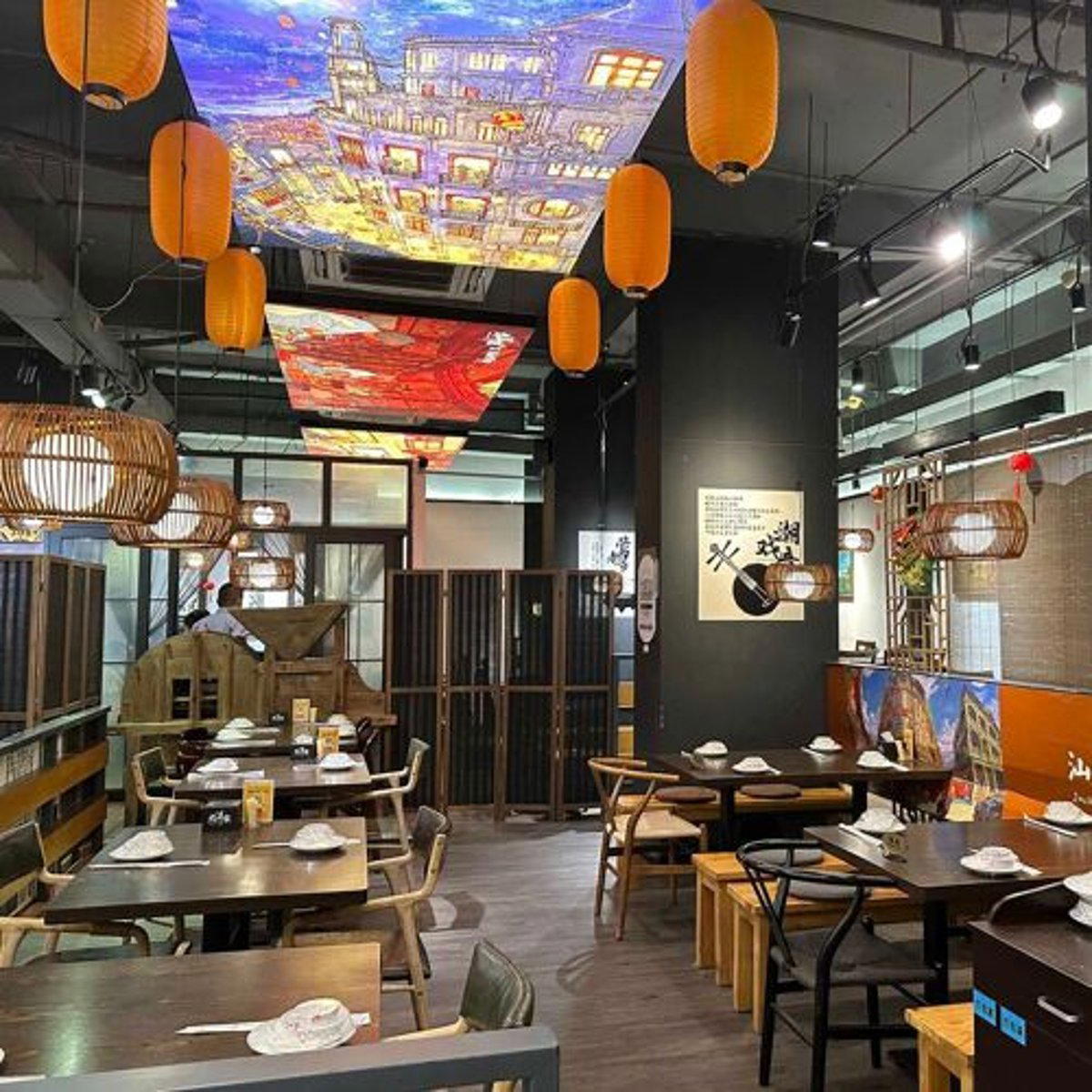
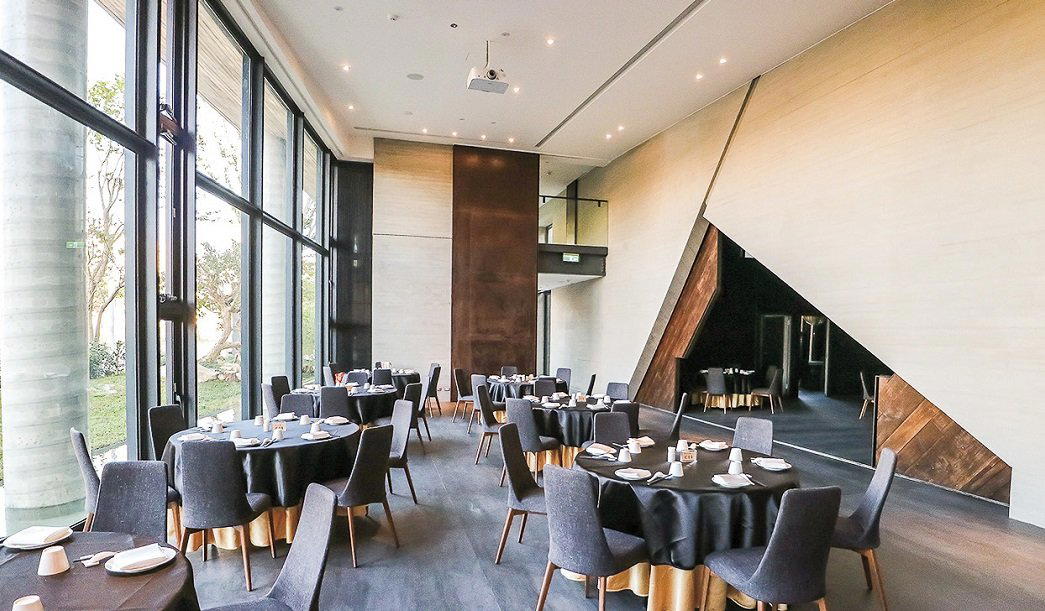
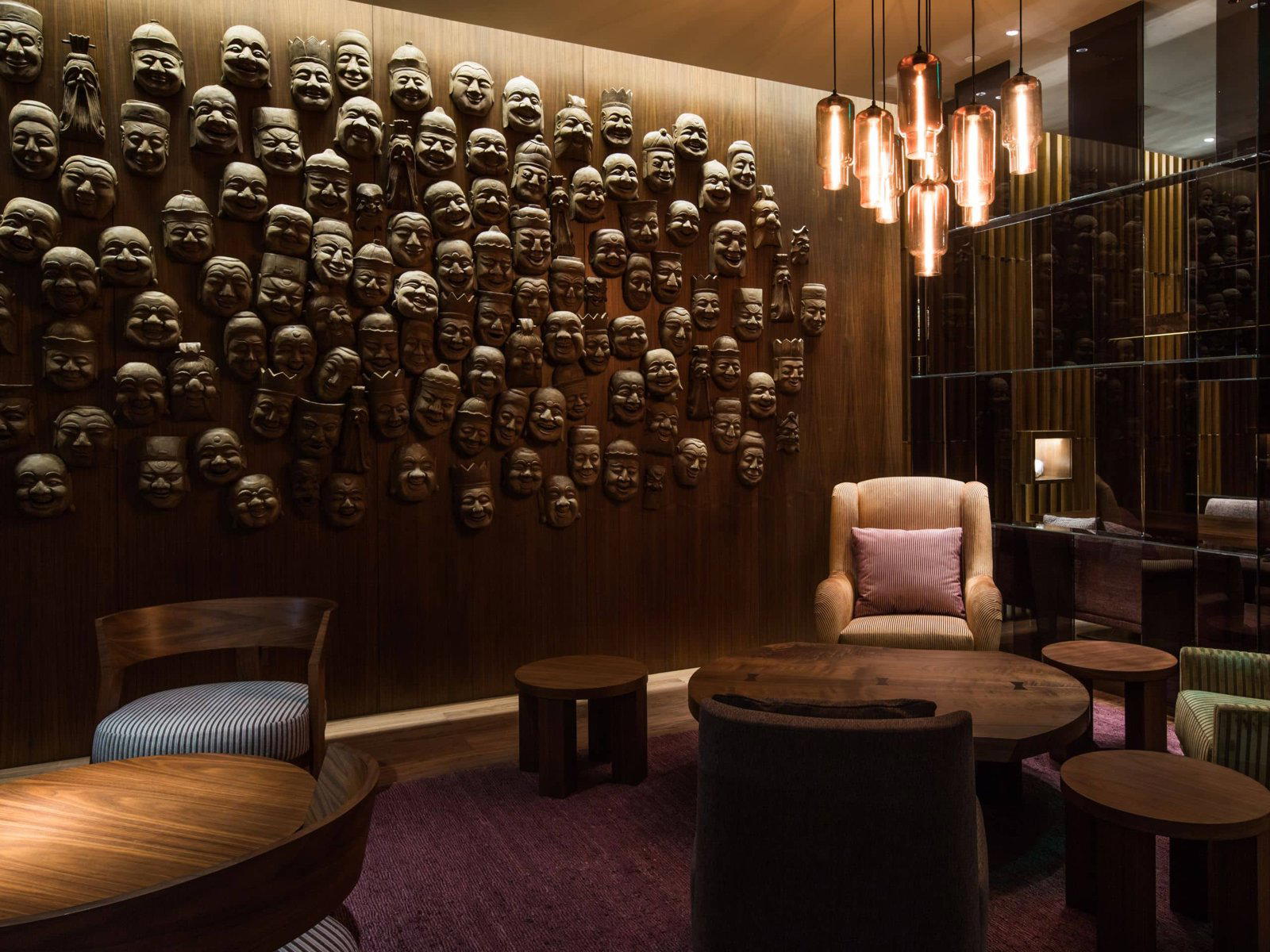
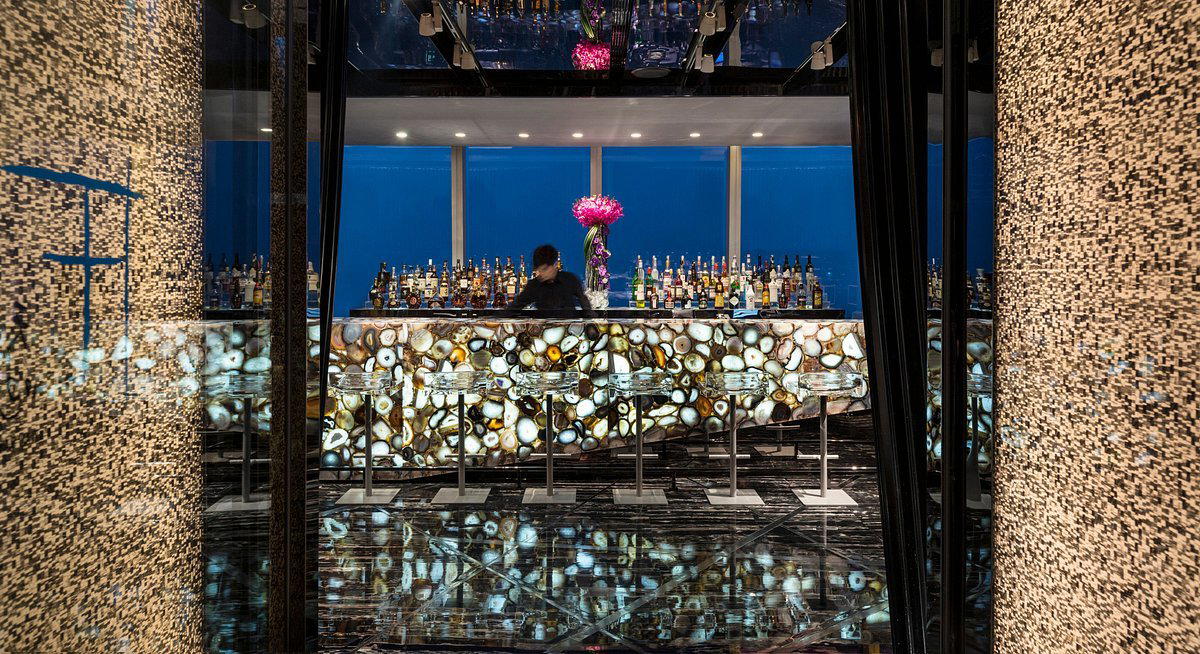
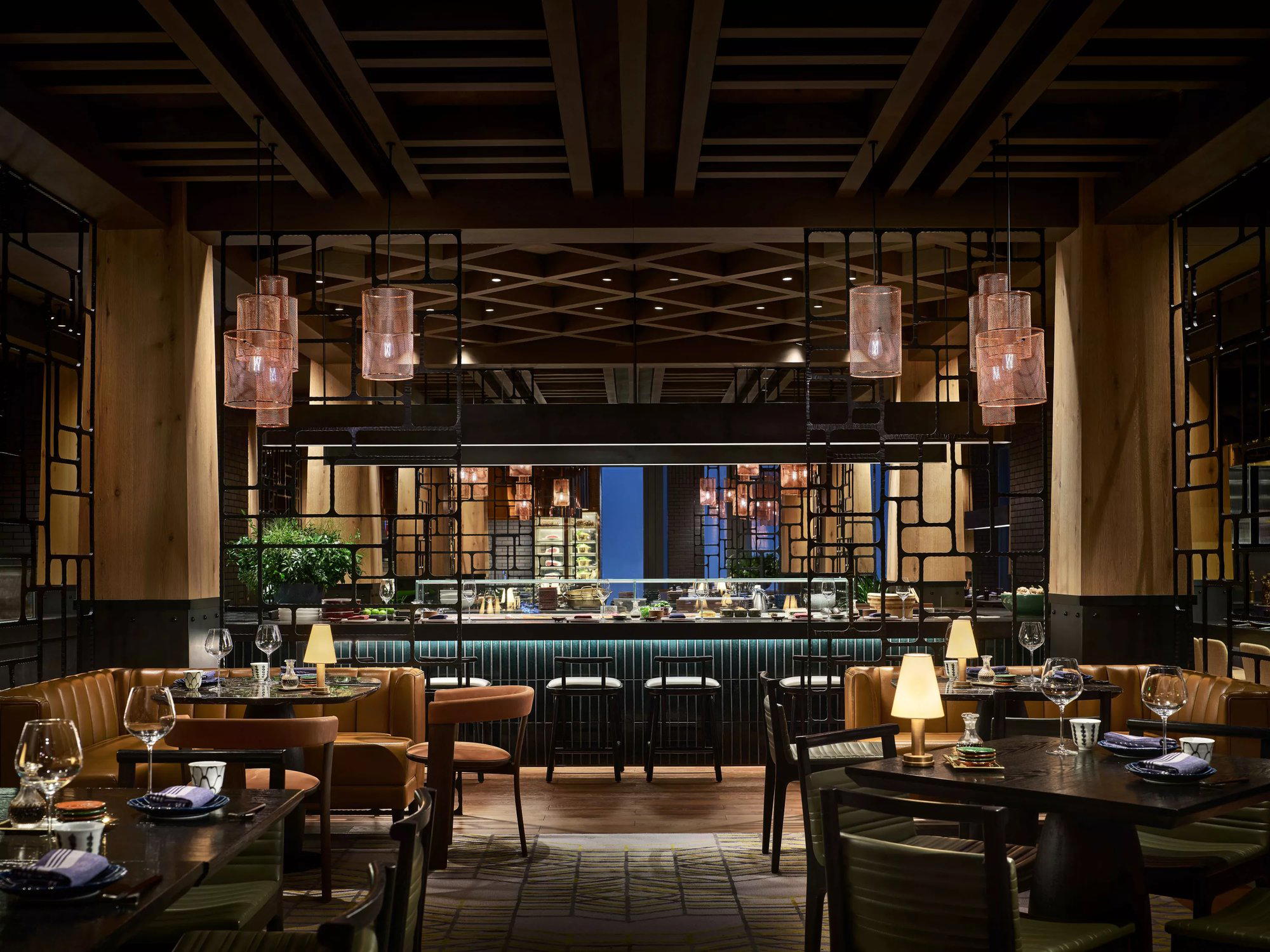
The dining room received a refurbishment in 2022, and the result is a space that reads as contemporary Chinese hospitality: modern décor carrying Beijingese motifs, a visual language that signals where the kitchen's primary allegiance sits. Private rooms are available for those who want separation from the main floor, a format that remains important across higher-end Chinese dining in mainland cities, where business meals and family banquets often require a degree of enclosure.
Where It Sits in Guangzhou's Dining Order
To understand Rùn's position, it helps to map the broader Guangzhou scene. The city's upper tier is anchored by Cantonese addresses: Imperial Treasure Fine Chinese Cuisine holds two Michelin stars and operates at the ¥¥¥ tier, while Jiang by Chef Fei brings another serious Cantonese reference point. Further along the spectrum, Taian Table and Taozui Guan represent the modern European and contemporary directions that Guangzhou's international dining community has embraced. Rùn operates at the ¥¥ price point, a meaningful step below the city's starred Cantonese rooms, and holds its Michelin Plate as a signal of recognised quality without the full star apparatus. For visitors or residents who want serious Chinese cooking at a more accessible spend, that positioning matters.
In a city with a highly educated dining public, that kind of sustained mid-high score is harder to maintain than it looks.
The Duck and What Surrounds It
Across China's contemporary Chinese dining scene, Peking duck has become a reference point for how northern-leaning restaurants signal craft and lineage. The tableside slicing ritual, the condiment array, the balance of skin lacquer and rendered fat, these are the visible markers that diners read when assessing whether a kitchen has genuine command of the technique. At Rùn, the duck is sliced at the table and presented with a range of condiments and toppings, the format that serious Peking duck service has followed for decades. It is worth comparing this approach to what similar kitchens are doing in other Chinese cities: Da Dong (Xuhui) and Gastro Esthetics at DaDong in Shanghai, for instance, have made the theatrical presentation of duck a central part of their identity. Rùn's approach is less theatrical in scale but more grounded in a traditional Beijingese service logic.
Beyond the duck, the menu extends into what the kitchen describes as novelty dishes that reinvent Cantonese flavours through a northern lens. This kind of cross-regional dialogue is a recurring pattern in China's contemporary dining moment, not fusion in the Western sense, but a deliberate conversation between regional traditions, with one kitchen team applying its own inherited vocabulary to another region's ingredients and references. Comparable cross-regional experiments are running at addresses like Xin Rong Ji in Beijing, Xin Rong Ji in Chengdu, and Ru Yuan in Hangzhou, each of which handles the regional dialogue differently.
Morning Ritual and the Dim Sum Question
The editorial angle for any serious Chinese dining room in Guangzhou eventually arrives at yum cha, the morning dim sum session that defines so much of how Cantonese food culture operates. Bamboo steamers of har gow and siu mai, the trolley or walk-up ordering system, the particular discipline required to produce translucent dumpling skins and properly filled parcels at volume: these are the technical standards by which Guangzhou diners judge a kitchen's seriousness. Rùn's Beijingese kitchen team works primarily within a northern Chinese framework rather than the classical Cantonese dim sum tradition, which means that visitors arriving with dim sum as their primary objective should calibrate expectations accordingly. For dedicated Cantonese morning ritual in Guangzhou, addresses like BingSheng Mansion (Xiancun Road) are better aligned. Rùn's strength is elsewhere: in the northern Chinese idiom, the tableside duck service, and the cross-regional experimentation on the main menu.
Across the broader mainland circuit, restaurants navigating between northern and southern Chinese traditions have found the most success when they commit clearly to a primary register rather than attempting equal fluency in both. Chef Tam's Seasons in Macau, 102 House in Shanghai, and Dai Yuet Heen in Nanjing each illustrate a different answer to that question. Rùn's answer is legible: northern at the core, with Cantonese as the reference point for its more experimental output.
Planning a Visit
Four Seasons Pavilion · Rùn is located in the Yuexiu District, one of Guangzhou's older central neighbourhoods and a practical base for reaching multiple dining and cultural addresses. The ¥¥ price point means the restaurant sits comfortably within reach for a broad range of travellers, including those who are also exploring the city's higher-spend starred rooms. Private dining rooms are available for groups requiring separation, and the format of the main dining room accommodates both couples and larger tables. For those building a wider Guangzhou itinerary, the full editorial picture is available across our Guangzhou restaurants guide, hotels guide, bars guide, wineries guide, and experiences guide.
Frequently asked questions
Is Four Seasons Pavilion · Rùn okay with children?
The restaurant's private individual dining rooms make it more accommodating for families than an open-plan dining room would be. The ¥¥ price range positions it as a considered outing rather than a casual drop-in, so families with older children who can sit through a full-service Chinese meal will find it the more comfortable fit. The Peking duck service, carved tableside with condiments, tends to hold children's attention well.
What's the overall feel of Four Seasons Pavilion · Rùn?
The dining room was refitted in 2022 with modern décor incorporating Beijingese motifs, moving it away from the generic hotel-Chinese aesthetic toward something with a clearer northern identity. Private rooms are available for groups wanting separation from the main floor. The Michelin Plate recognition in 2025 signals a kitchen operating at a consistent standard, though the ¥¥ pricing keeps it accessible relative to Guangzhou's top Cantonese addresses.
What's Four Seasons Pavilion · Rùn known for in terms of accolades?
Four Seasons Pavilion · Rùn has received recognition including: WINE: Wine Strengths: California Pricing: $ i Wine pricing: Based on the list\'s general markup and high and low price points:$ has many bottles < $50;$$ has a range of pricing;$$$ has many $100+ bottles Corkage Fee: $25 Selections: 90 Inve….
What should I eat at Four Seasons Pavilion · Rùn?
Peking duck is the anchor dish: the kitchen team is Beijingese, and the duck is sliced tableside and served with a full spread of condiments and toppings. Beyond that, the menu includes dishes that reframe Cantonese flavours through a northern lens, which is the more interesting editorial reason to visit given that straightforward Cantonese cooking is available at stronger dedicated addresses elsewhere in Guangzhou.
Comparison Snapshot
| Venue | Cuisine | Price | Awards | Notes |
|---|---|---|---|---|
| Four Seasons Pavilion · RùnThis venue (the venue you are viewing) | Chinese Contemporary with Peking Duck | Not listed | Michelin Plate · Wine Spectator Award of Excellence | Not listed |
| Imperial Treasure Fine Chinese Cuisine | Fine Cantonese Cuisine | Not listed | 2 Michelin Stars · La Liste Top Restaurants | Cantonese |
| Taian Table | Modern European with Asian Influences | $300–500 | 3 Michelin Stars · La Liste Top Restaurants | Modern European, European Contemporary |
| Chōwa | Franco-Japanese Fusion | $150–200 | 1 Michelin Star · The Best Chef Two Knives | Innovative |
| Imperial Treasure Fine Teochew Cuisine | Fine Teochew Cuisine | Not listed | 1 Michelin Star · La Liste Top Restaurants | Chao Zhou |
| Rêver | Modern French Fine Dining with Cantonese Influences | Not listed | 1 Michelin Star · The Best Chef One Knife | French Contemporary |
Recognition history
Dated appearances from independent guides and award organizations, with the underlying list record or original source where available.
Michelin Plate
Michelin
Wine Spectator Award of Excellence
Wine Spectator
Full recognition history (3 entries)
Michelin Plate
Michelin