Forno a Legna
Our verdict
Forno a Legna on Falkoner Alle brings the discipline of wood-fired cooking to Frederiksberg, one of Copenhagen's most self-contained and locally oriented neighbourhoods. The name signals both technique and intent: fire as the organising principle of the kitchen. In a city where Nordic tasting menus dominate the critical conversation, wood-fired formats occupy a distinct and quieter corner of the dining scene.

Pearl is the En Primeur Club membership app — saves, bookings, and concierge access live there. Same editors, same standards.
- Address
- Falkoner Alle 42, 1952 Frederiksberg, Denmark
- Phone
- +45 35 39 50 12
- Hours
- Daily 11 AM–10 PM
- Website
- facebook.com
- Directions
- Get directions
The menu
What to order
- Mushroom pizza
- Burrata pizza
- Carbonara pizza
Fire, Sequence, and the Frederiksberg Dining Register
Falkoner Alle runs through the heart of Frederiksberg with the steady, unhurried character of a neighbourhood that has never needed to perform for tourists. The residential blocks are solid and well-kept, the cafes neighbourhood-facing rather than destination-seeking. It is the kind of street where a restaurant earns its standing through repeat visits, not press cycles. Forno a Legna sits at number 42, and the name alone declares the kitchen's organising principle before you reach the door: forno a legna is Italian for wood-fired oven, and fire here is not decoration but method.
Copenhagen's fine dining conversation is dominated by the New Nordic tasting counter — the lineage that runs from Noma through Geranium and branches outward to more recent arrivals like Koan and Alchemist. That tier operates at €€€€ price points and expects the meal to be an event measured in hours and courses. Wood-fired formats sit in a different register: more immediate, more centred on heat and char and the particular softening that long exposure to radiant fire produces in proteins and vegetables alike. Where the Nordic tasting menu foregrounds foraging and fermentation, the wood-fired kitchen foregrounds combustion. Both are technically disciplined; they ask different questions of their ingredients.
The Architecture of a Wood-Fired Meal
The logic of a wood-fired kitchen naturally produces a progression. Early in a meal, the oven is at its most volatile — temperatures are high, recovery times short, and the kitchen tends toward dishes that benefit from intense direct heat: thin cuts, vegetables with enough moisture to steam inside their own skins before charring at the edge, breads pressed against the oven floor. As service moves forward and the fire settles, longer, slower heat becomes available, and the kitchen can work on cuts that need time: braises held near the oven's mouth, roasts rotated through declining temperature cycles. This is a sequencing logic as old as communal cooking, and it rewards the kind of meal that follows the fire's rhythm rather than imposing an arbitrary structure on top of it.
In Italian wood-fired tradition, which the name directly invokes, that progression often starts with bread and simple dressed vegetables, moves through antipasti that show the oven's range, and arrives at a main that has been in proximity to the fire for long enough that the crust carries a different flavour from the interior. The technique is demanding to execute at restaurant pace, where the oven cannot be allowed to cool between services and the cook must read the heat through experience rather than a dial. It is a discipline that tends to produce confident, spare menus rather than elaborate ones: the fire is already doing the significant work.
Frederiksberg as a Dining Address
Frederiksberg functions as a municipality within greater Copenhagen but reads as a distinct neighbourhood to anyone who spends time there. It has its own cadence, its own food culture, and a dining scene less visible in the international press than Nørreport or Vesterbro. That relative quiet is not a deficiency. In cities like Copenhagen, where Kadeau and the Noma-adjacent generation attract sustained global attention, the neighbourhood restaurant operating at serious technical level but outside that spotlight occupies a different competitive set entirely. The local regulars who make up a Frederiksberg restaurant's core audience are not looking for theatre; they are looking for consistency and craft.
Denmark's broader fine dining geography extends well beyond Copenhagen, with restaurants like Jordnær in Gentofte, Frederikshøj in Aarhus, Henne Kirkeby Kro in Henne, and Dragsholm Slot Gourmet in Hørve demonstrating that serious cooking is not confined to the capital. Frederiksberg, positioned just west of Copenhagen's centre, represents the inner ring of that geography, close enough to attract city visitors, rooted enough to serve its immediate community first. Other Danish destinations worth noting for a broader itinerary include Frederiksminde in Præstø, Ti Trin Ned in Fredericia, LYST in Vejle, Tri in Agger, Pearl by Paul Proffitt in Kruså, and Syttende in Sønderborg.
Wood-Fired Cooking in a Nordic Context
The intersection of Italian technique and Nordic setting is not unusual in contemporary Copenhagen. The city has absorbed Mediterranean cooking ideas with particular fluency over the past decade, partly because the flavour logic of wood fire, preserved fish, and fermented grains maps onto Nordic culinary instincts more naturally than it might elsewhere. Where a French kitchen tends to read fire through the lens of reduction and sauce, a Nordic kitchen is more likely to treat it as a primary flavour agent and let char, smoke, and caramelisation carry the dish. The result, at its finest, is a cooking style that is neither strictly Italian nor strictly Nordic but uses the technical vocabulary of one to expand the ingredient range of the other.
This cross-referencing is visible at the format level, too. Premium wood-fired restaurants in other markets, Lazy Bear in San Francisco and the ember-forward end of the New York scene, which includes the technically disciplined fish work at Le Bernardin, demonstrate that fire-centred cooking can operate at any price point and at any level of formal ambition. The question in each case is the same: how much of the meal's identity comes from the fire, and how much comes from what surrounds it?
Planning a Visit
Forno a Legna is located at Falkoner Alle 42 in Frederiksberg, accessible from central Copenhagen by Metro to Frederiksberg station or by the 2A and 6A bus lines that run along the main corridor. For a fuller view of where Forno a Legna sits within the city's dining scene, our complete Copenhagen restaurants guide maps the range from neighbourhood formats to multi-Michelin counters.
Frequently asked questions
Where is Forno a Legna located?
Forno a Legna is located at Falkoner Alle 42, 1952 Frederiksberg, Denmark, Copenhagen.
How does Forno a Legna fit into the broader Copenhagen wood-fired dining scene?
Copenhagen has absorbed Italian and Mediterranean cooking ideas steadily over the past decade, and Forno a Legna occupies a specific position within that: a wood-fired kitchen in Frederiksberg, a municipality that functions as its own distinct dining address rather than an extension of the inner-city restaurant corridor. The Falkoner Alle 42 location places it within a residential neighbourhood register that draws a local rather than tourist-driven crowd, which tends to shape the tone of service and pacing.
What dish is Forno a Legna famous for?
The kitchen at Forno a Legna on Falkoner Alle 42 centres on wood-fired cooking, so the oven itself shapes the menu more than any single dish. Expect preparations where high heat and live fire drive texture and flavour, in a format consistent with Italian wood-fired tradition transplanted into a Frederiksberg setting.
Is Forno a Legna reservation-only?
Given its address on Falkoner Alle 42 in Frederiksberg, a neighbourhood where demand for quality dining regularly outpaces casual walk-in availability, contacting the restaurant directly before visiting is advisable.
What's the defining dish or idea at Forno a Legna?
The defining idea is the wood-fired oven itself: a heat source that creates a natural meal progression, from high-temperature dishes early in service to slower, ember-finished preparations as the evening continues. This is Italian technique operating inside a Nordic dining context, which has become a recognisable strand of contemporary Copenhagen cooking.
Can Forno a Legna adjust for dietary needs?
Wood-fired kitchens tend to have structured menus built around fire sequencing, so discussing dietary requirements directly with the restaurant at Falkoner Alle 42, Frederiksberg, before booking is the practical approach.
Standing Among Peers
Comparable venues nearby, for context on price, style, and recognition.
| Venue | Cuisine | Price | Awards | Notes |
|---|---|---|---|---|
| Forno a LegnaThis venue — the venue you are viewing | Authentic Italian Wood-Fired Pizza | $20–30 | Not listed | Not listed |
| DILLON | Artisanal Italian Gelato | $10–20 | Not listed | Østerbro |
| Mangia | Traditional Italian Handmade Pasta | Not listed | Not listed | Indre By |
| Diamond Slice | New York-Style Pizza | $20–30 | Not listed | Nørrebro |
| Ristorante Buono | Authentic Italian | $30–50 | Not listed | Vesterbro-Kongens Enghave |
| Masseria | Southern Italian Pasta Trattoria | $50–100 | White Guide Denmark Restaurants - Recommended | Vesterbro-Kongens Enghave |
Continue exploring
More in Copenhagen
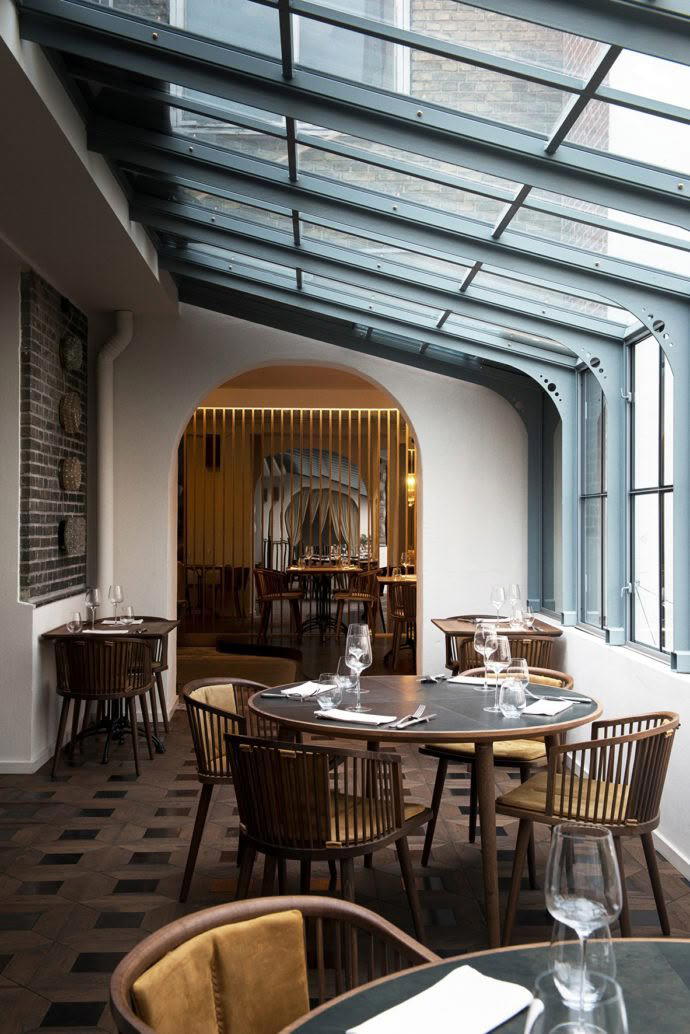
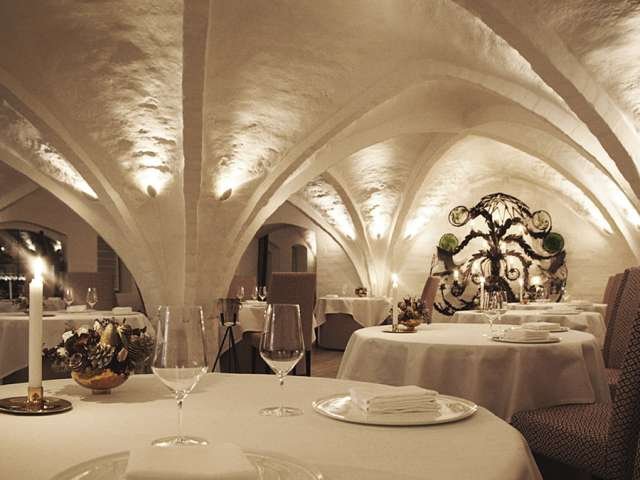
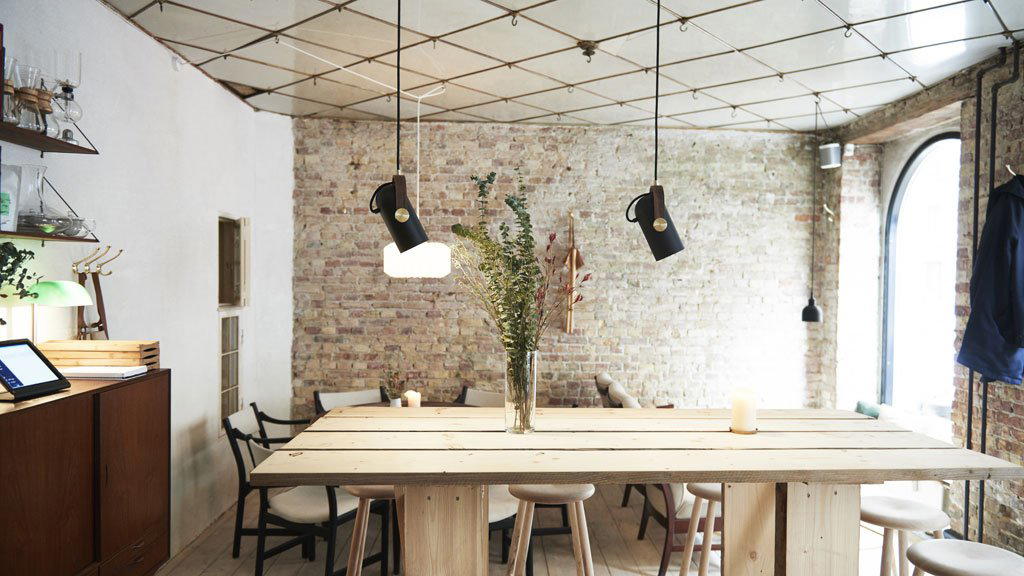
Restaurants in Copenhagen
Browse all →
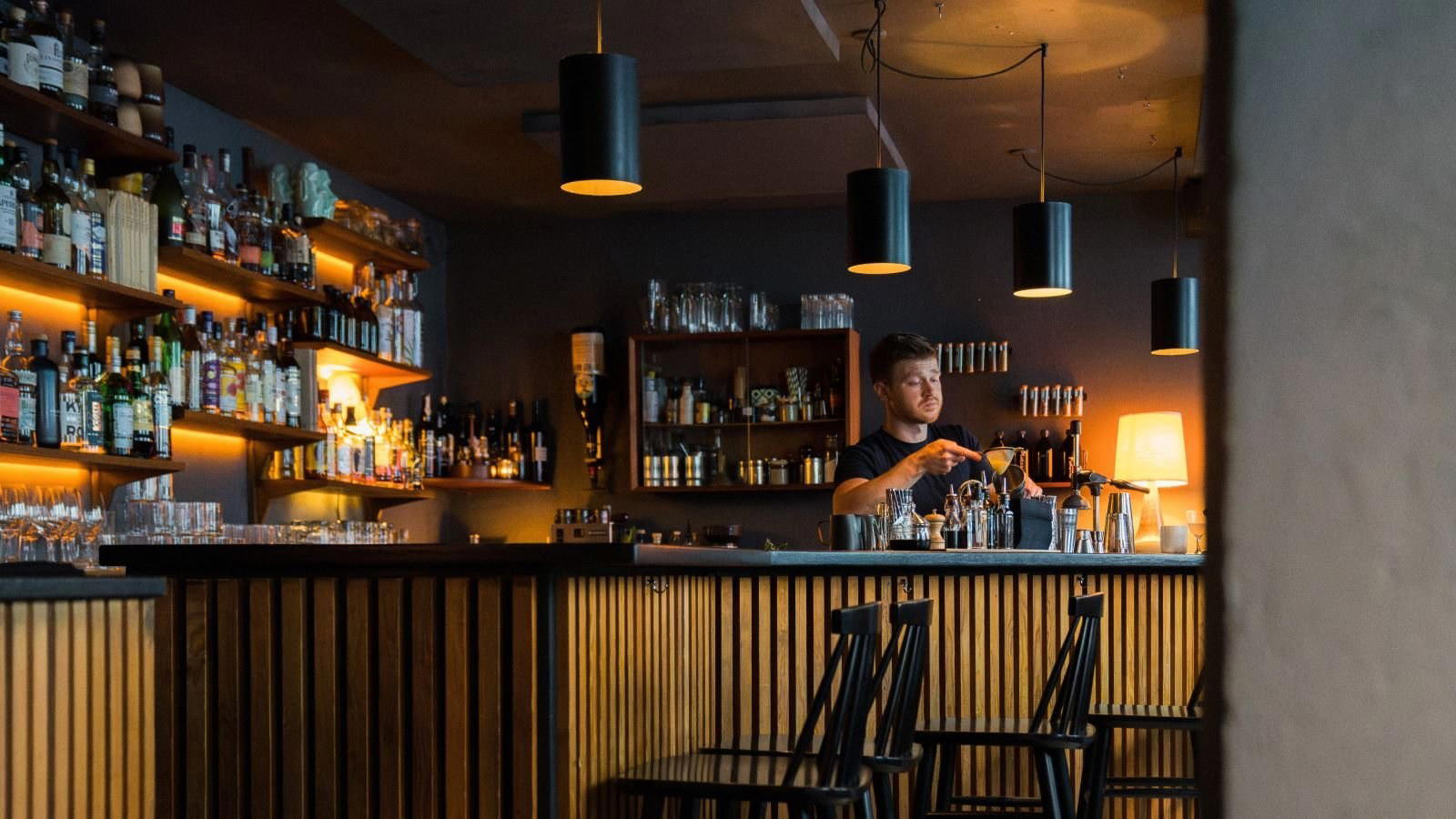
Bars in Copenhagen
Browse all →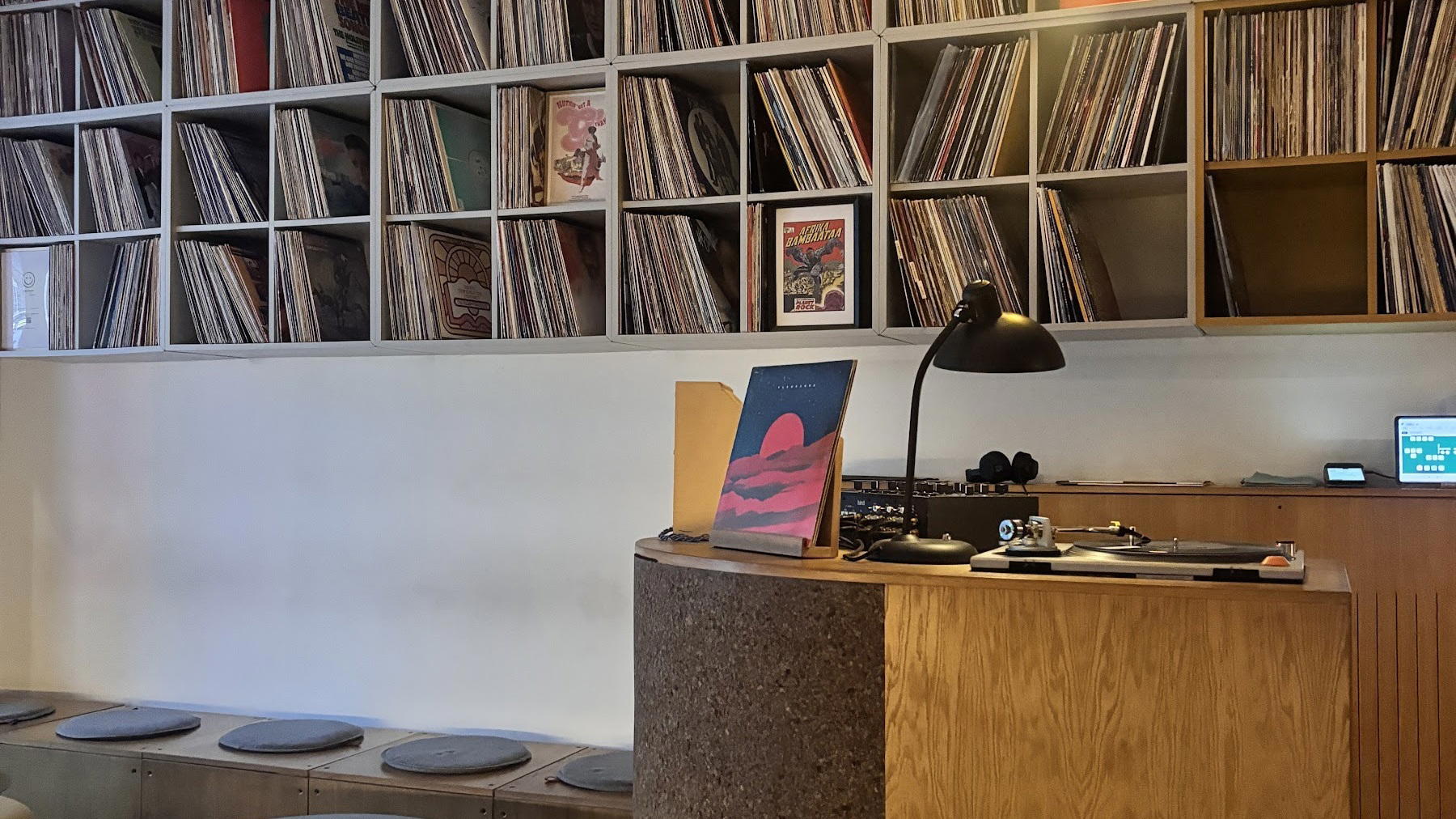
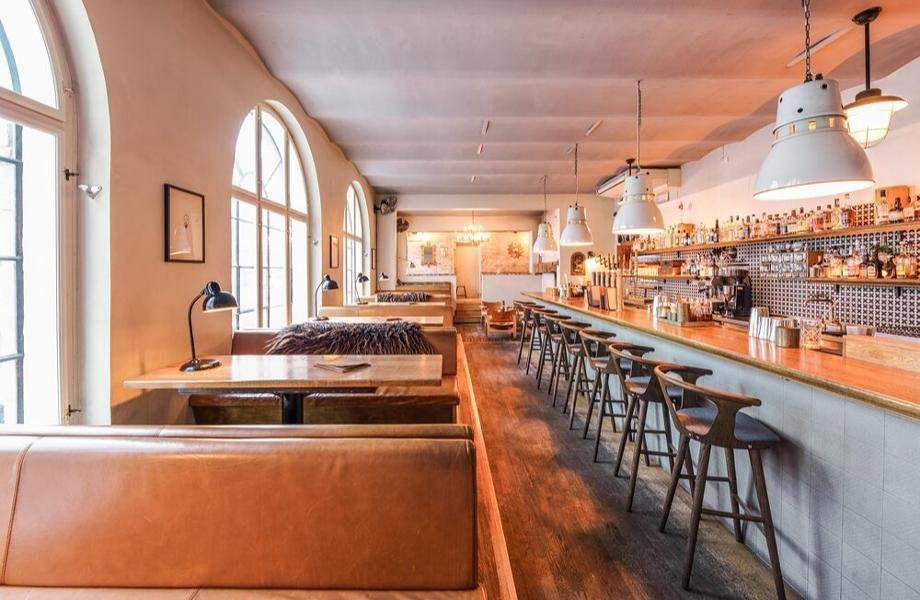
Hotels in Copenhagen
Browse all →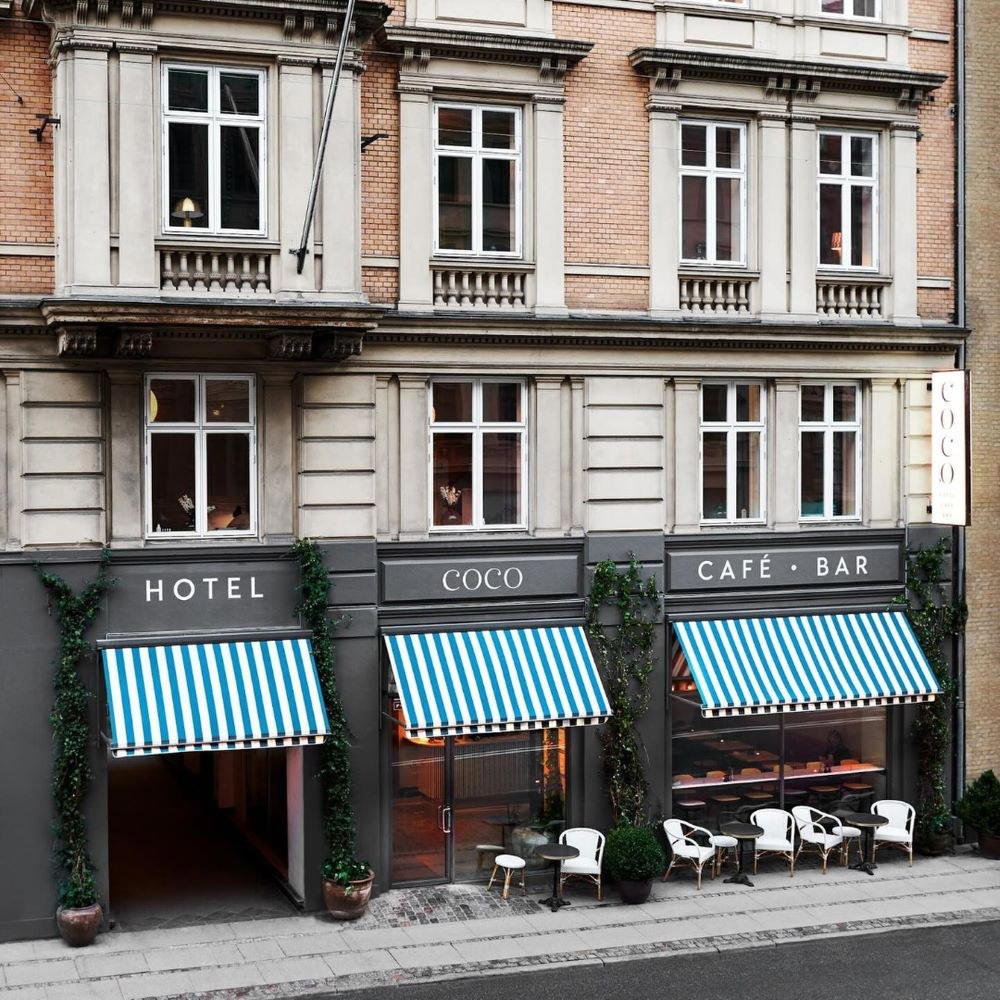

Details
- Rustic
- Cozy
- Casual
- Casual Hangout
- Family
- Open Kitchen
- A La Carte
- Vegetarian Friendly
- Vegan Options
Current opening hours
- Monday
- 11 AM–10 PM
- Tuesday
- 11 AM–10 PM
- Wednesday
- 11 AM–10 PM
- Thursday
- 11 AM–10 PM
- Friday
- 11 AM–10 PM
- Saturday
- 11 AM–10 PM
- Sunday
- 11 AM–10 PM
Hours can change for holidays and private events. Last verified .
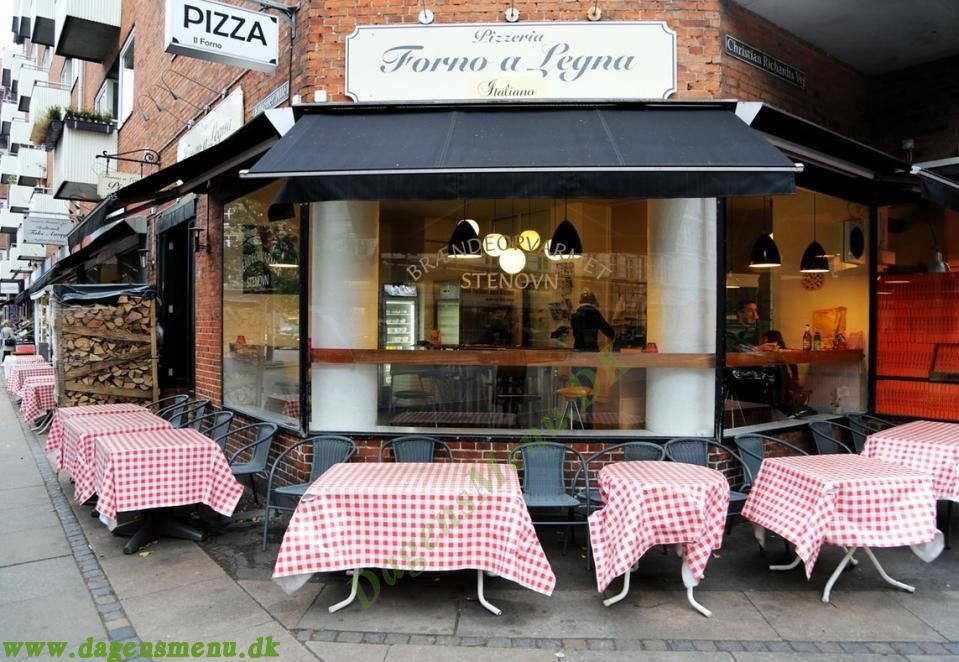
Casual and authentic Italian atmosphere with checkered tablecloths on small outdoor tables and a welcoming family vibe.