Fishing Village Gourmet Food sits on Tai O Market Street in Lantau Island's stilt-house fishing village, a setting that places it firmly outside Hong Kong's Central dining circuit. The restaurant draws visitors making the journey to Tai O for the village itself, then staying for a meal grounded in the seafood traditions of a working waterfront community. It occupies a different register entirely from the Michelin-tracked rooms of Hong Kong Island.
- Address
- 3 Tai O Market St, Tai O, Hong Kong
- Phone
- +852 2985 8000
- Directions
- Get directions
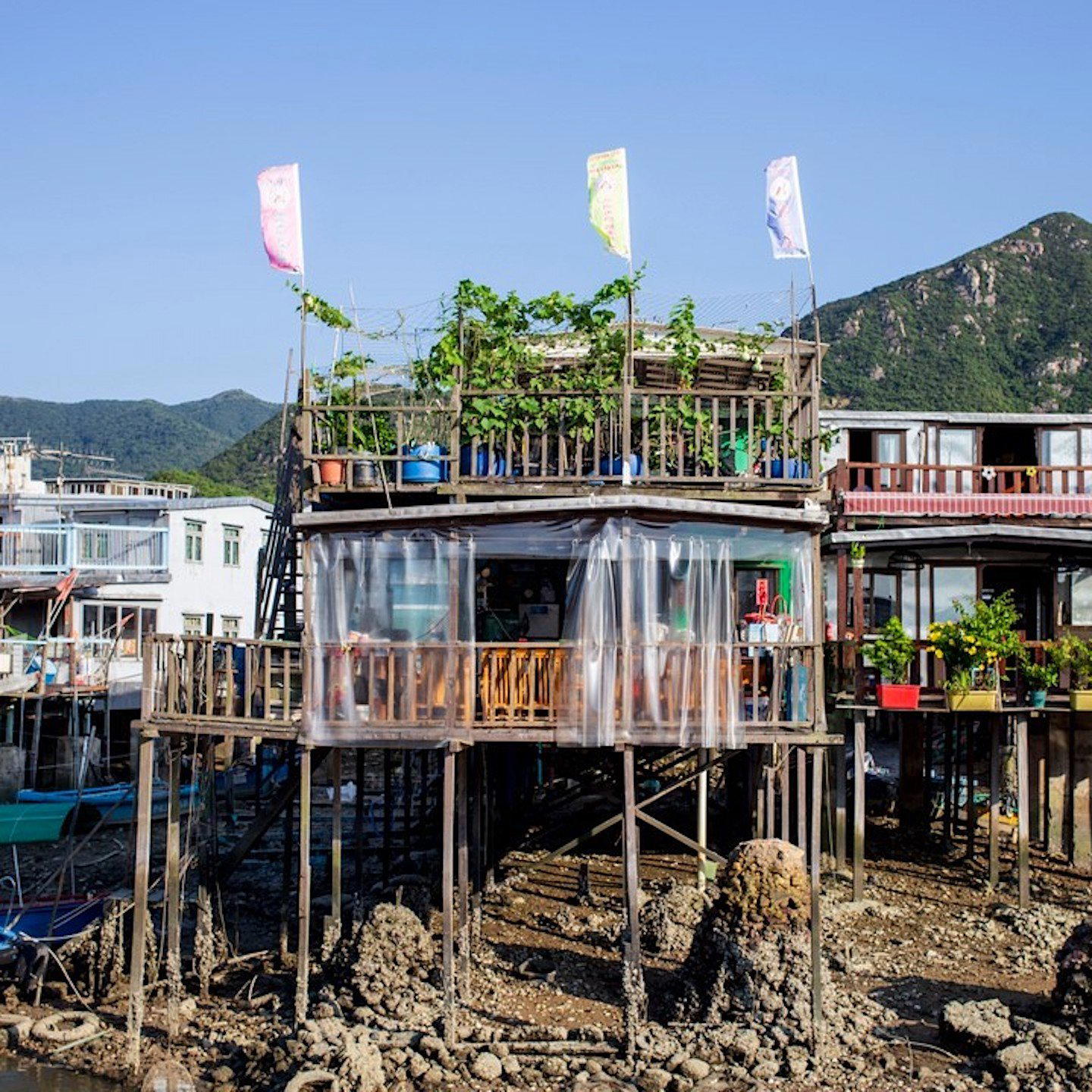
The Physical Fact of Tai O
Fishing Village Gourmet Food is a casual seafood restaurant in Tai O, Hong Kong, priced around US$35 per person. Tai O sits at the western edge of Lantau Island, roughly an hour from Central by bus from Tung Chung MTR, and it functions as one of the last legible traces of Hong Kong's pre-urban fishing culture. The built environment here is horizontal and low, nothing above two or three storeys, which makes the walk along Tai O Market Street feel categorically different from the vertical compression of Kowloon or Sheung Wan.
At 3 Tai O Market Street, the restaurant occupies a position that is inseparable from that context. Arriving at a waterfront seafood table in Tai O is not the same transaction as booking a counter in Wan Chai or sitting down at one of the French contemporary rooms in Central, like Amber or Caprice.
What the Space Communicates
Seafood restaurants in working fishing communities across southern China share a spatial logic: they tend to be open-fronted or lightly partitioned, oriented toward foot traffic rather than reservation flow, and furnished practically rather than decoratively. The dining room, such as it is, reads as an extension of the market street rather than a departure from it. That is an architectural decision with culinary implications. In rooms like this, the distance between the catch and the table is short and visible, and the menu reflects what came off the boats rather than what suits a pre-printed tasting format.
This contrasts sharply with how Hong Kong's prestige dining rooms handle space. At 8 1/2 Otto e Mezzo Bombana or Ta Vie, the room is a sealed environment, acoustically managed, service-choreographed, and priced well into the $$$$ tier. Tai O's gourmet dining, by contrast, belongs to a different Hong Kong entirely, one where the seafood's provenance is the decor. The same logic applies to the Former Jumbo Floating Restaurant in Aberdeen.
Seafood Cooking at the Village Scale
Hong Kong has a long-documented tradition of destination seafood eating outside the urban core. Lamma Island, Sai Kung, and Tai O each developed reputations as places worth the journey specifically because the cooking was tied to an active fishing economy rather than imported supply chains. In that tradition, the quality signal is proximity: a restaurant on a working waterfront in Tai O is making a different implicit argument than one plating imported product in a hotel dining room.
Cantonese seafood technique at this scale typically emphasises clarity over complexity: steaming, minimal seasoning, clean sauces that let the ingredient read clearly. That is the same underlying philosophy that drives rooms like Forum in Wan Chai, though Forum operates at a significantly higher price point with a much more formal framework. The village-scale version strips the format down to the cooking itself.
Visitors making the trip to Tai O tend to cluster on weekends and public holidays. That seasonal and weekly rhythm is worth factoring in: the restaurant, like most of Tai O's food options, operates within the village's own foot-traffic patterns rather than against them.
Placing This in the Broader Hong Kong Eating Picture
Hong Kong's restaurant culture has always run on two parallel tracks: the internationally recognised fine-dining tier and the local eating culture, which runs from dai pai dong street stalls through to specialist Cantonese rooms and regional Chinese kitchens. Fishing Village Gourmet Food belongs to the second track, and specifically to the outer-islands variant of it, where geography does some of the editorial work.
For the kind of traveller who has already worked through the Central and Sheung Wan dining circuit, including stops at AMMO in Central And Western or Le Salon de Thé de Joël Robuchon Hong Kong at ifc mall, Tai O represents a deliberate change of register rather than a continuation of the same programme. The comparison is not with Le Bernardin in New York City or Lazy Bear in San Francisco, both of which operate as destination fine-dining propositions with substantial advance booking. It is with the broader category of place-specific eating that only works because of where it is.
Hong Kong's outer districts contain a number of these place-specific propositions, from Enchanted Garden Restaurant on Lantau to Lei Garden in Sha Tin, each of which operates within its district's own dining logic rather than benchmarking against the urban core.
Planning the Visit
The practical case for Tai O is that it pairs naturally with a day trip rather than a standalone dinner reservation. Buses run from Tung Chung, which is directly accessible from Hong Kong International Airport and connected to the MTR, making Tai O reachable without a car. The village is compact enough that the walk from the bus terminus to Tai O Market Street takes under ten minutes. Given the open-fronted, walk-in nature of most Tai O eating, planning ahead is rarely necessary. Arriving before the midday peak on a weekday gives direct access.
For travellers building a broader Lantau itinerary, Tai O sits at the island's western end, which means combining it with Ngong Ping or the Po Lin Monastery adds distance and time. The village works better as a destination in itself than as a quick stop on a packed day.
The Essentials
Comparable venues nearby, for context on price, style, and recognition.
| Venue | Cuisine | Price | Notes |
|---|---|---|---|
| Fishing Village Gourmet FoodThis venue — the venue you are viewing | Not listed | $$ | Not listed |
| Shari Shari Kakigori House | Central, Japanese Kakigori Shaved Ice | $$ | Not listed |
| Tai Hing | Not listed | $$ | Tsim Sha Tsui, Hong Kong Roast Meats & Comfort Food |
| Hyde Park Garden | Not listed | $$ | Kwun Tong Southeast, Traditional Cantonese Seafood |
| Via Tokyo | Yau Tsim Mong South, Dining | Not listed | Not listed |
| Rte Twisk | Not listed | $$ | Tsuen Wan Northwest, Traditional Cantonese Dim Sum |
Continue exploring
More in Hong Kong
Restaurants in Hong Kong
Browse all →
Bars in Hong Kong
Browse all →
At a Glance
- Rustic
- Well Known
- Group Dining
- Casual Hangout
- Special Occasion
- Open Kitchen
- Waterfront
- Historic Building
- Sustainable Seafood
- Local Sourcing
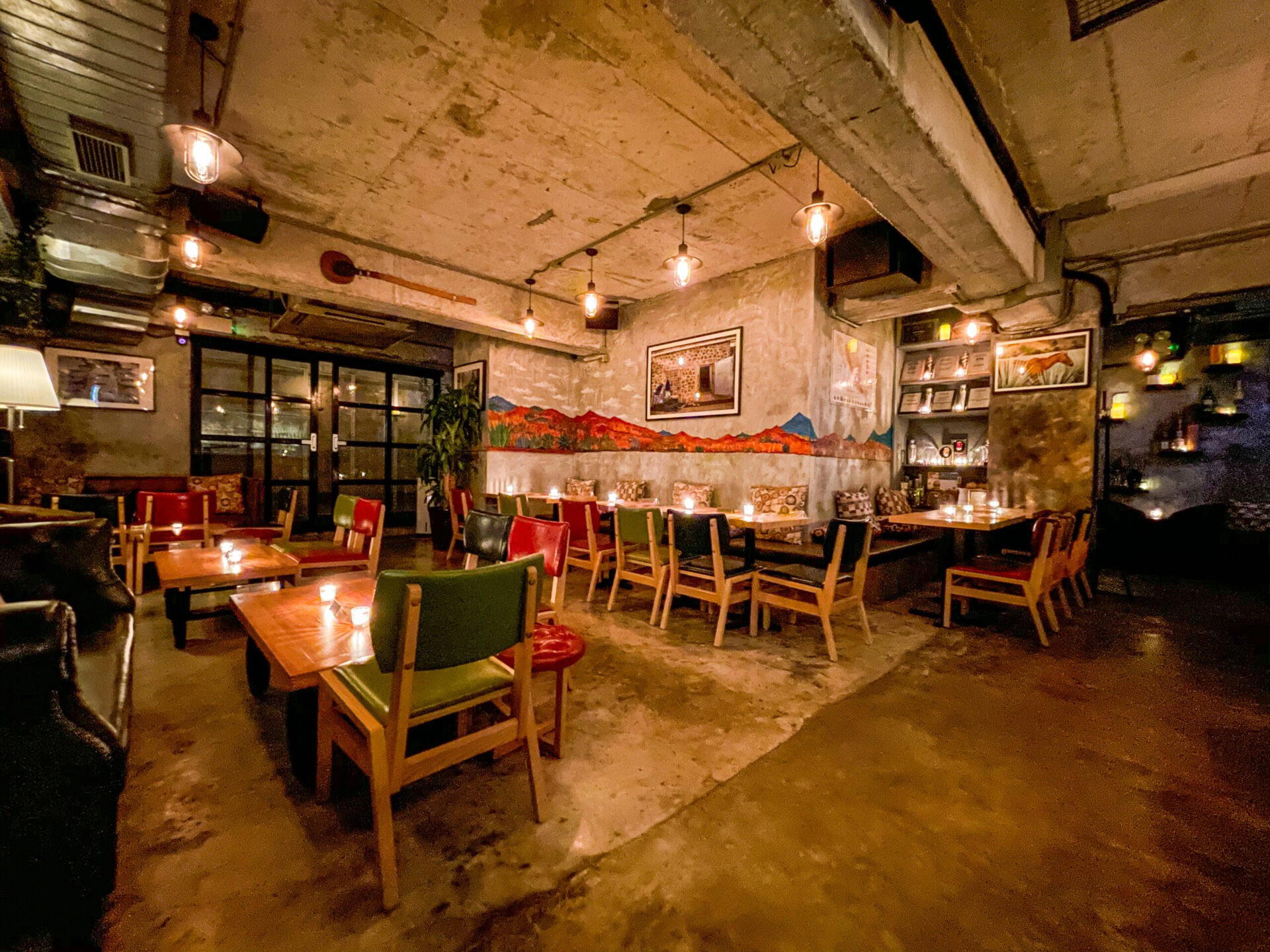
Open-air casual setting with high-energy wok cooking, bustling atmosphere, and charcoal grilling stations creating an authentic dai pai dong experience with nostalgic Hong Kong charm.