Fish and Grill
Our verdict
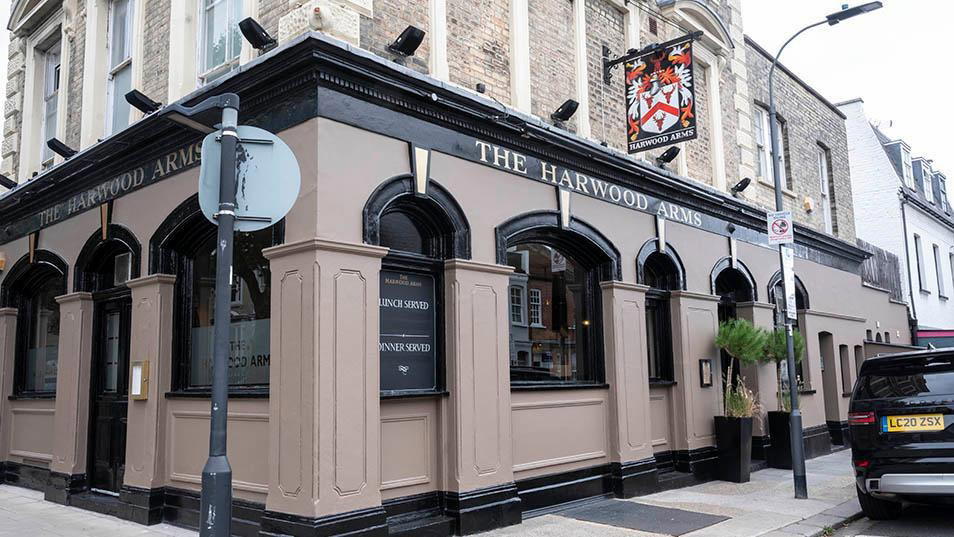
Fish and Grill occupies a corner of South Croydon that has quietly built a reputation for sourcing-led seafood and grilled meats at a remove from the central London dining circuit. The address at 48-50 South End places it within Croydon's emerging restaurant strip, where neighbourhood demand for quality cooking has grown steadily. For visitors travelling south from the centre, it represents a serious alternative to the capital's more conspicuous dining options.

The menu
What to order
- Fish and chips
- Grilled sea bass
South London's Sourcing Argument
London's serious seafood restaurants have historically concentrated inside zones one and two, leaving outer boroughs to function as afterthoughts on most food critics' maps. That pattern has shifted incrementally over the past decade, as rising central rents pushed operators to consider addresses where food quality could carry a room without the overhead of a Mayfair postcode. Fish and Grill, positioned on South End in Croydon at 48-50, represents one of the cleaner expressions of that displacement: a restaurant built on the premise that sourcing discipline matters more than geography.
The argument for ingredient-led cooking in outer London is partly economic and partly philosophical. Restaurants working outside the central circuit cannot rely on footfall or novelty to fill seats; they earn repeat custom through consistency, and consistency at this level starts at the point of supply. Where Michelin-recognised addresses like CORE by Clare Smyth and The Ledbury anchor their sourcing credentials to fine-dining formats with price structures to match, neighbourhood restaurants in South London operate under different constraints, which tends to sharpen the sourcing focus rather than dilute it.
The Croydon Food Scene in Context
Croydon's restaurant identity has been in active revision since the mid-2010s. The borough sits at the southern end of the Overground and Thameslink networks, giving it connectivity to central London that many outer districts lack, and that accessibility has gradually attracted operators who want lower property costs without sacrificing a catchment area. South End in particular has developed a concentration of independent food businesses that distinguishes it from the retail-heavy town centre further north.
Fish and grill formats occupy a specific niche within this picture. The combination of fresh seafood cookery and grilled proteins is common enough in coastal British towns but less frequent in landlocked urban settings, where the supply chain pressures are higher and the margins tighter. Restaurants that commit to this format in inner-city or near-city contexts are making a statement about their sourcing relationships: the model only works if the fish is genuinely fresh and the meat comes from suppliers who can guarantee provenance. Coastal British counterparts operating with similar discipline include hide and fox in Saltwood, which draws on Kent's proximity to the Channel for its seafood programme, and Gidleigh Park in Chagford, which frames its sourcing around Devon produce.
Ingredient Sourcing as the Structural Argument
The fish-and-grill format is one of the more demanding in British casual dining precisely because it offers nowhere to hide. A slow-braised meat dish can absorb variability in raw ingredient quality through technique and time; a piece of grilled fish served simply cannot. The discipline that format demands explains why the restaurants that execute it well tend to develop unusually direct relationships with their suppliers, often sourcing from specific day boats, named farms, or regional fish markets rather than through centralised wholesalers.
This sourcing logic connects Fish and Grill to a broader tradition of ingredient-honest British cooking that runs from the pub dining model at places like Hand and Flowers in Marlow through to the hyper-regional sourcing programmes at L'Enclume in Cartmel and Moor Hall in Aughton. The difference is register and price point: Fish and Grill operates in the neighbourhood restaurant tier rather than the destination dining tier, but the underlying sourcing philosophy shares more with that tradition than with generic high-street seafood chains.
At the international level, the imperative to source precisely for a fish-led menu has produced some of the most technically rigorous restaurants in the world. Le Bernardin in New York City built its entire identity around the idea that the quality of the fish determines the quality of the dish, a principle that applies as much to a neighbourhood grill in South London as to a four-star Manhattan institution. The scale and price point differ; the sourcing discipline is the same argument made at different volumes.
Seasonal Timing and When to Visit
For fish-led restaurants in Britain, the seasonal calendar shapes the menu more directly than it does for cuisine types that rely on preserved, cured, or slow-raised proteins. British waters produce markedly different fish at different times of year: mackerel and sea bass peak through summer and early autumn, while hake, brill, and turbot are at their leading in cooler months. A restaurant committed to sourcing quality seasonal fish will shift its emphasis accordingly, which means the experience in November differs from the experience in July in ways that are structural rather than cosmetic.
Autumn is a reasonable entry point for first-time visitors to fish-and-grill formats in London: the summer seafood runs are tapering off, the cold-water fish are coming into condition, and grilled preparations sit comfortably alongside the season's heavier appetites. Comparable seasonal logic applies to the grilled meat side of the menu, where pasture-raised British cattle and lamb breeds tend to reach optimal condition in late summer through early winter.
Placing Fish and Grill in London's Wider Dining Map
London's highest-profile kitchens operate in a different register entirely. Restaurant Gordon Ramsay, Sketch, The Lecture Room and Library, and Dinner by Heston Blumenthal are all three- or two-starred operations with price structures, booking lead times, and formal service codes that place them in a separate category from a Croydon neighbourhood restaurant. The comparison is not invidious; they serve different functions in the city's dining ecosystem. Destination fine dining in central London attracts tourists and occasion diners; neighbourhood restaurants in outer boroughs serve the people who live there, and the standards that earn local loyalty over years tend to be more durable than the buzz that surrounds a new Michelin listing.
For those extending their London itinerary beyond the obvious addresses, our full London restaurants guide maps the city's full range of options. Broader planning for a London trip can draw on our London hotels guide, our bars guide, and our experiences guide. For those considering destinations outside the capital where ingredient-led British cooking is at full stretch, The Fat Duck in Bray and Atomix in New York City represent different expressions of the same seriousness about raw material quality. Our London wineries guide covers the capital's wine scene for those planning a broader itinerary.
Know Before You Go
- Address: 48-50 South End, Croydon, London CR0 1DP
- Getting there: South Croydon rail station (Thameslink/Southern) serves the South End area; East Croydon is approximately 15 minutes on foot and connects to the London Overground and Thameslink networks from central London.
- Format: Fish and grill; expect a menu oriented around fresh seafood and grilled proteins
- Seasonal note: Cold-water fish such as brill and turbot are typically at their leading between October and February; summer months favour mackerel and bass preparations
Frequently asked questions
How do I find Fish and Grill?
Fish and Grill is located at 48-50 South End, Croydon, London, England, CR0 1DP, United Kingdom, London.
Is Fish and Grill in Croydon worth travelling to from central London?
Croydon sits at the southern end of the Overground and Thameslink networks, putting it within straightforward reach of central London by rail. Fish and Grill on South End is one of the few restaurants in the borough operating a dedicated fish-and-grill format, which is rare enough at this end of the city to justify the journey for seafood-focused diners. The absence of a comparable local alternative strengthens the case for the trip.
What do people recommend at Fish and Grill?
Fish and Grill on South End in Croydon is built around a fish-and-grill format, so the seafood and grilled dishes are what draws repeat visits. Without a fixed published menu on record, the safest approach is to ask the kitchen what came in that day, as sourcing-led restaurants of this type tend to shift their offer based on availability. That real-time flexibility is part of the format's appeal.
Do they take walk-ins at Fish and Grill?
No booking policy is publicly documented for Fish and Grill at 48-50 South End, Croydon. For a fish-led kitchen where daily catch determines the menu, going earlier in service typically improves both availability and the range of what's on offer. Calling ahead is the more reliable approach if you want to confirm a table.
What's the signature at Fish and Grill?
The format itself is the signature: the fish-and-grill model places sourcing at the centre of the menu rather than using it as a secondary element. In British casual dining, that structure is demanding because the quality of the raw ingredient is visible in every plate. At the Croydon address, that discipline positions Fish and Grill as one of the few serious seafood-focused options in the outer south London boroughs.
City Peers
| Venue | Cuisine | Price | Awards | Notes |
|---|---|---|---|---|
| Fish and GrillThis venue (the venue you are viewing) | British Fish and Grill | Not listed | Not listed | Not listed |
| The Ledbury | Modern British Fine Dining | $300–500 | 3 Michelin Stars · World's 50 Best #83 | Modern European, Modern Cuisine |
| Sketch, The Lecture Room and Library | Modern French Fine Dining | $200–300 | 3 Michelin Stars · World's 50 Best #18 | Modern French |
| CORE by Clare Smyth | Modern British Fine Dining | $150–200 | 3 Michelin Stars · World's 50 Best #97 | Modern British |
| Restaurant Gordon Ramsay | French Fine Dining | $200–300 | 3 Michelin Stars · World's 50 Best #13 | Contemporary European, French |
| Dinner by Heston Blumenthal | Historic British Fine Dining | $200–300 | 2 Michelin Stars · World's 50 Best #45 | Modern British, Traditional British |