La Petite Poissonnerie
A compact seafood address on New Quebec Street in Marylebone, La Petite Poissonnerie operates within a London dining tier where fish-led menus and neighbourhood intimacy matter more than grand-room spectacle. The format suits both a measured lunch and a longer evening sitting, with the daytime service drawing a notably different crowd and pace than dinner.
Pearl is the En Primeur Club membership app — saves, bookings, and concierge access live there. Same editors, same standards.
- Address
- 19 New Quebec St, London W1H 7RY, United Kingdom
- Phone
- +442077231960
- Website
- lapetitepoissonnerie.com
- Directions
- Get directions
 Saves & bookings on Pearl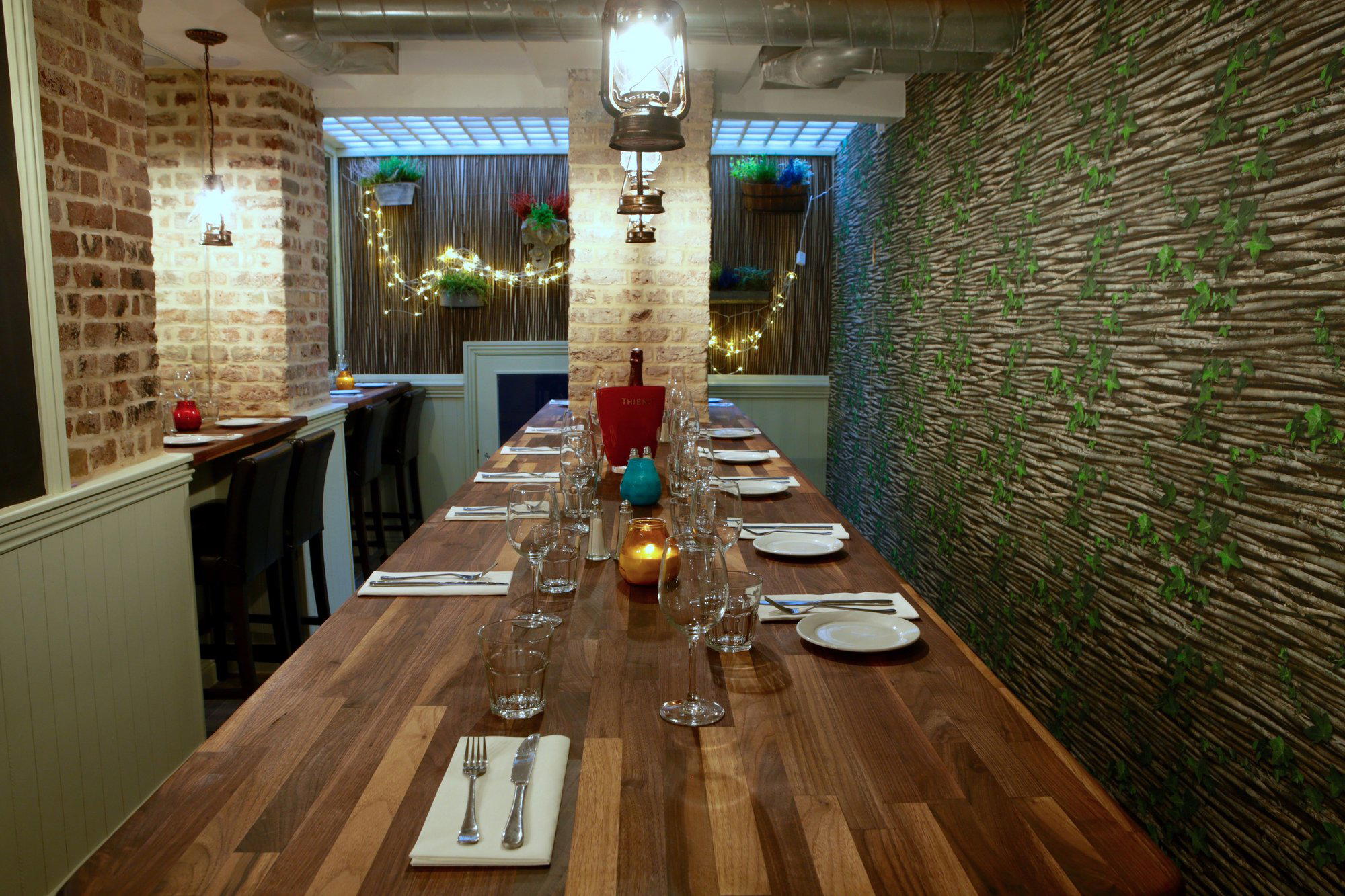
A Street, a Counter, and the Case for Serious Fish in Marylebone
New Quebec Street sits at the quieter western edge of Marylebone, a short walk from the department store traffic of Oxford Street but temperamentally removed from it. The neighbourhood has developed a dining character defined less by destination restaurants than by addresses that reward people who already know where they are going. La Petite Poissonnerie fits that pattern. It is a seafood-focused room in a city where dedicated fish restaurants occupy a shrinking and specific niche, competing less with the broader Mayfair dining circuit and more with a small cohort of specialist addresses built around the logic that sourcing quality, format discipline, and marine expertise matter more than a broad menu.
London's fish restaurant tradition runs from the old-school oyster bars of the City to the more technically ambitious seafood counters that emerged in the last decade. La Petite Poissonnerie positions itself closer to the latter tendency, where the smallness of the room is a feature rather than a constraint. In a city where the ££££ tier is occupied by rooms like CORE by Clare Smyth, Restaurant Gordon Ramsay, and Sketch, The Lecture Room and Library, a compact specialist address sets itself apart by going narrow and deep rather than broad and theatrical.
Lunch and Dinner: Two Distinct Services
The lunch-versus-dinner divide matters at an address like this more than it does at larger destination rooms. At restaurants built around spectacle or tasting menus, the evening service is where the format reaches full expression and lunch is often treated as a condensed, value-led version of the same experience. At a small seafood room, the two services can feel almost like different establishments.
Lunch at a venue of this type tends to attract a Marylebone local crowd, the kind of table that wants a glass of Muscadet and a plate of something from the sea without committing to a full evening. The pace is faster, the light is better, and the interaction with whatever is freshest that day often feels more spontaneous. Counter seating, if the format runs to it, rewards the midday visitor more than almost any other arrangement: you see the work, you hear the kitchen, and the meal unfolds without ceremony.
Evening service at a specialist seafood room shifts the register. The same menu items read differently under low light, with wine pairings given more attention and the meal allowed to stretch. This is where the format earns its comparison to fish-led rooms in other serious dining cities. Le Bernardin in New York City, for instance, operates across a price and scale that makes direct comparison difficult, but the underlying logic of a room built entirely around the intelligence of its sourcing and the restraint of its cooking applies at multiple price points. The dinner service at a place like La Petite Poissonnerie is where that logic gets its clearest test.
Where It Sits in the Wider British Seafood Picture
Serious seafood cooking in Britain has historically found its strongest expression outside London. The southwest coast, in particular, provides both the sourcing base and the appetite for fish-led menus done at a high level. Waterside Inn in Bray occupies its own classical French category, while venues like Gidleigh Park in Chagford and Moor Hall in Aughton demonstrate how regional addresses with strong produce access have outpaced urban equivalents in certain areas. L'Enclume in Cartmel built its identity in large part on exactly this proximity-to-source argument.
The urban seafood specialist operates under different conditions. It cannot control sourcing proximity the way a coastal or rural room can, so it compensates through supplier relationships, menu discipline, and a format tight enough that every element on the plate has earned its place. London rooms that have sustained credibility in this category tend to share a few characteristics: small capacity, a menu that changes with supply rather than season in any abstract sense, and a resistance to the kind of casual expansion that dilutes the original proposition. The Ledbury and Dinner by Heston Blumenthal occupy their own categories at the summit of London's broader dining tier, but they illustrate the same point from a different angle: format discipline is what separates addresses that age well from those that plateau.
The Marylebone Context
Marylebone's dining character has shifted over the past decade. The neighbourhood once defined itself by a particular kind of upscale-casual, the wine bar lunch and the brasserie dinner, but it has gradually developed a more specific identity as a home for specialist formats that do not need footfall from tourists. New Quebec Street, in particular, sits at a remove from the neighbourhood's more commercial strips, which means the addresses here tend to depend on regulars and on guests who have made a specific decision to come.
That self-selecting audience changes what is possible in the room. A restaurant that does not need to explain itself to first-timers can go further with its format, assume more knowledge at the table, and calibrate the service accordingly. For a seafood specialist, this is useful: the conversation about provenance, about what is running well this week, about how to approach a particular cut of fish, lands differently with a table that has already committed to the format.
Planning a Visit
New Quebec Street is within easy walking distance of Marble Arch and Bond Street stations, placing the address at a practical junction for anyone combining a meal here with time in the West End or Mayfair. Given the specialist nature of the format and the likely capacity constraints of a small room, reservations are recommended, particularly for evening service on weekends. Lunch on a weekday offers the leading combination of flexibility and the day's freshest product, with the room typically operating at a different pace than the dinner sitting. Those comparing seafood options across the UK should also note addresses like hide and fox in Saltwood and Le Manoir aux Quat'Saisons in Oxford for contrasting approaches to produce-led cooking outside the capital. Midsummer House in Cambridge, Hand and Flowers in Marlow, Opheem in Birmingham, and Restaurant Andrew Fairlie in Auchterarder round out the broader picture of where serious cooking is happening across Britain at the moment.
Budget Reality Check
Comparable venues nearby, for context on price, style, and recognition.
| Venue | Cuisine | Price | Notes |
|---|---|---|---|
| La Petite PoissonnerieThis venue — the venue you are viewing | Not listed | $$ | Not listed |
| Burger & Lobster - West India Quay | Poplar, Burgers & Lobster | $$$ | Not listed |
| Fish and Grill | Pitlake, British Fish and Grill | $$ | Not listed |
| Sea Shell | Not listed | $$ | Lisson Grove, Traditional British Fish & Chips |
| Carmelina's | Markham, Italian | $$ | Not listed |
| Princess Garden | Mayfair, Dining | Not listed | Not listed |
Continue exploring
More in London
Restaurants in London
Browse all →
Bars in London
Browse all →
Hotels in London
Browse all →



At a Glance
- Cozy
- Rustic
- Charming
- Intimate
- Date Night
- Casual Hangout
- Special Occasion
- Open Kitchen
- Extensive Wine List
- Sustainable Seafood
Current opening hours
- Monday
- Closed
- Tuesday
- 9 AM–11 PM
- Wednesday
- 9 AM–11 PM
- Thursday
- 9 AM–11 PM
- Friday
- 9 AM–11 PM
- Saturday
- 9 AM–11 PM
- Sunday
- Closed
Hours can change for holidays and private events. Last verified .
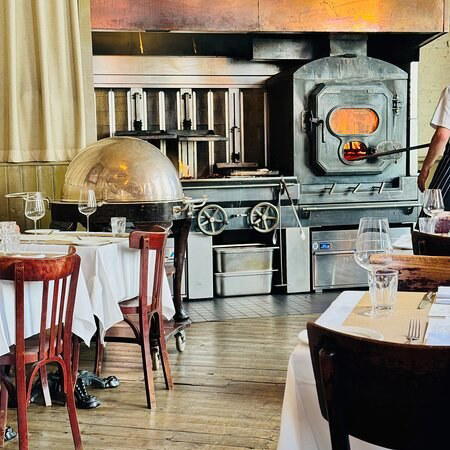
Warm and welcoming with rustic wooden furnishings, exposed brick beams, and a seaside escape feel.