Fischerwirt sits at Hausbergstraße 1 in Walchsee, a small Tyrolean lake village where the kitchen tradition leans on alpine proximity rather than urban ambition. The setting places it within Austria's broader network of regionally grounded Gasthäuser, where sourcing from the surrounding landscape shapes what lands on the table. For context on how it sits within the wider local scene, see our full Walchsee restaurants guide.
Pearl is the En Primeur Club membership app — saves, bookings, and concierge access live there. Same editors, same standards.
- Address
- Hausbergstraße 1, 6344 Walchsee, Austria
- Phone
- +434353745239
- Website
- fischerwirtwalchsee.at
- Directions
- Get directions
 Saves & bookings on Pearl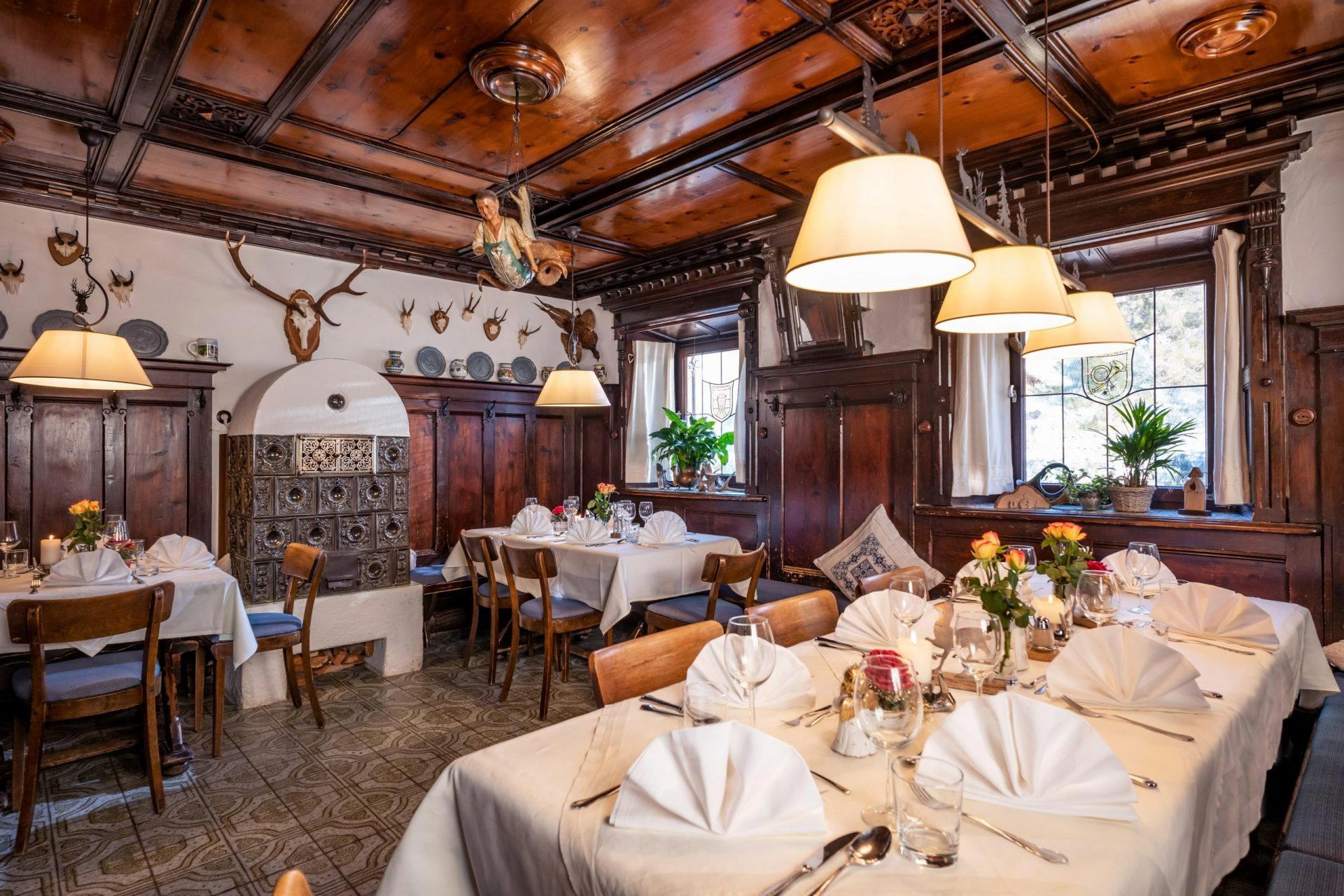
Where Alpine Proximity Shapes the Plate
The road into Walchsee follows the contour of the lake, and by the time the village appears, the logic of the place is already clear: this is a community organised around water, pasture, and the Kaisergebirge ridge that walls off the horizon to the south. Restaurants in villages like this one do not define themselves against a city dining scene, they define themselves against the land immediately outside the door. Fischerwirt is a traditional Tyrolean restaurant at Hausbergstraße 1, 6344 Walchsee, Austria, known for its casual setting and recommended reservations.
Austria's alpine Gasthäuser tradition is one of the more coherent regional dining formats in Central Europe. Unlike the destination-restaurant model found at venues such as Döllerer in Golling an der Salzach or Obauer in Werfen, where tasting menus are engineered for visiting critics, the Gasthof format anchors itself to a regular local clientele and a kitchen philosophy built around repetition and seasonal availability rather than novelty. The sourcing question, in this context, is not an artisanal affectation but a structural reality: mountain villages have always cooked what the surrounding farms and waters produced, because the alternative was either expensive or unavailable.
The Tyrolean Sourcing Context
Tyrol's food identity is rooted in a particular ecology. The Inn Valley and its tributaries create a farming belt capable of producing dairy, pork, and freshwater fish at a quality that Austria's urban restaurants spend considerable effort importing. The Walchsee itself, a glacial lake at roughly 660 metres elevation, historically supported small-scale fishing, which fed directly into the kitchens of lakeside establishments. The name Fischerwirt translates literally as "fisherman's inn," a designation that in the Tyrolean context signals an original function rather than a decorative label: these were the inns that fed the people who worked the water.
That naming convention places Fischerwirt within a specific sub-category of Austrian hospitality, the lakeside Gasthof whose identity is tied to freshwater catch. Across the Tyrolean lakes, this model has survived at varying degrees of fidelity. Some have modernised toward tourist-facing menus that retain the name but drop the sourcing logic; others maintain closer ties to local suppliers and seasonal fish availability. Fischerwirt's place on that spectrum is shaped by its lakeside address and name, both of which point to a long association with the area's produce.
For comparison, the Austrian kitchens earning critical attention currently, Steirereck im Stadtpark in Vienna, Taubenkobel in Schützen am Gebirge, and Landhaus Bacher in Mautern an der Donau, all share a commitment to regional sourcing as a formal programme, not a casual preference. The difference is that in a village Gasthof, that commitment rarely requires a press release. It is simply how the kitchen has always been supplied.
The Tyrolean Alpine Dining Circuit
Walchsee sits in the Kaiserwinkl, a corner of Tyrol that borders Bavaria and draws a mix of Austrian, German, and increasingly international visitors across both winter and summer seasons. The dining circuit in this corner of Tyrol spans a range from ski-village rooms at altitude, comparable in format to Gourmetrestaurant Tannenhof in Sankt Anton am Arlberg or Stüva in Ischgl, to valley-floor Gasthäuser that operate year-round for resident and visiting populations alike. Fischerwirt belongs to the latter category.
That category distinction matters for the reader making a booking decision. A valley-floor Gasthof in a lake village does not compete on the same terms as a celebrated Tirolean fine-dining room. The metrics that matter are different: consistency across seasons, the quality of the dairy and freshwater sourcing, the depth of the wine list relative to regional producers, and the kitchen's willingness to cook to the calendar rather than a fixed menu. These are the criteria by which regulars judge such places, and they are the criteria that reward return visits over one-off pilgrimages.
Across Austria, venues like Kräuterreich by Vitus Winkler in Sankt Veit im Pongau and Ois in Neufelden have demonstrated that regionally committed kitchens outside the major cities can earn serious critical recognition. The infrastructure for that kind of acclaim, the supplier relationships, the kitchen discipline, the front-of-house continuity, exists in village Gasthäuser well before any award arrives, when it does.
How Walchsee Sits in the Wider Austrian Scene
Within the Austrian dining conversation, Tyrol's lake villages occupy a quiet position relative to the Salzkammergut, Styria, or the Wachau wine country. Places like Atelier Fischer in Sankt Gilgen have demonstrated that lake-village kitchens near Salzburg can attract a sophisticated audience; the Kaiserwinkl, further east along the Inn, remains less written-about but no less capable of producing serious cooking grounded in its immediate environment.
The broader context also includes the ambitious programmes at Ikarus in Salzburg and Restaurant 141 by Joachim Jaud in Mieming, which show the range of ambition operating across alpine Austria. Fischerwirt inhabits a different tier of that range, one where the editorial interest lies not in innovation for its own sake but in the fidelity of a kitchen to its particular place. That is a worthwhile distinction for any reader deciding where to eat in Walchsee.
For readers building a broader Austrian itinerary, the comparison set is instructive: Schwarzer Adler in Hall in Tirol and Thaller Gasthaus in Sankt Veit am Vogau represent the Gasthof tradition in different Austrian regions. Internationally, the commitment to place-specific sourcing visible in restaurants like Le Bernardin in New York City and Lazy Bear in San Francisco shows how the sourcing-first kitchen logic translates across different scales and contexts. Griggeler Stuba in Lech offers another Tyrolean point of comparison within the alpine luxury tier.
Planning a Visit
Walchsee is accessible from Innsbruck in roughly an hour by road, and from the German border crossing near Kufstein in under thirty minutes. The Kaiserwinkl region runs a genuine dual season: summer brings lake swimmers and hikers; winter draws cross-country skiers and families using the area as a quieter alternative to the high-altitude ski resorts further west. A lakeside Gasthof like Fischerwirt, at Hausbergstraße 1, is worth contacting directly for current hours and reservation availability, as village kitchens in Tyrol frequently operate on seasonal schedules that shift between the two peak periods. For a broader view of the surrounding options, see the Walchsee restaurants guide.
Side-by-Side Snapshot
Comparable venues nearby, for context on price, style, and recognition.
| Venue | Cuisine | Price | Notes |
|---|---|---|---|
| FischerwirtThis venue — the venue you are viewing | Traditional Tyrolean | $$ | Not listed |
| Kandler Alm | Traditional Austrian Alpine | $$ | Brixen im Thale |
| Bayreuther Hütte | Traditional Tyrolean Alpine Cuisine | $$ | Münster, Rofan |
| Bärstattalm | Traditional Tyrolean | $$ | Gaisberg |
| Kala Alm | Traditional Austrian Mountain Hut | $$ | Thiersee |
| Zum Hirschen | Traditional Austrian | $$ | old town |
Continue exploring
More in Walchsee
Restaurants in Walchsee
Browse all →
Bars in Walchsee
Browse all →

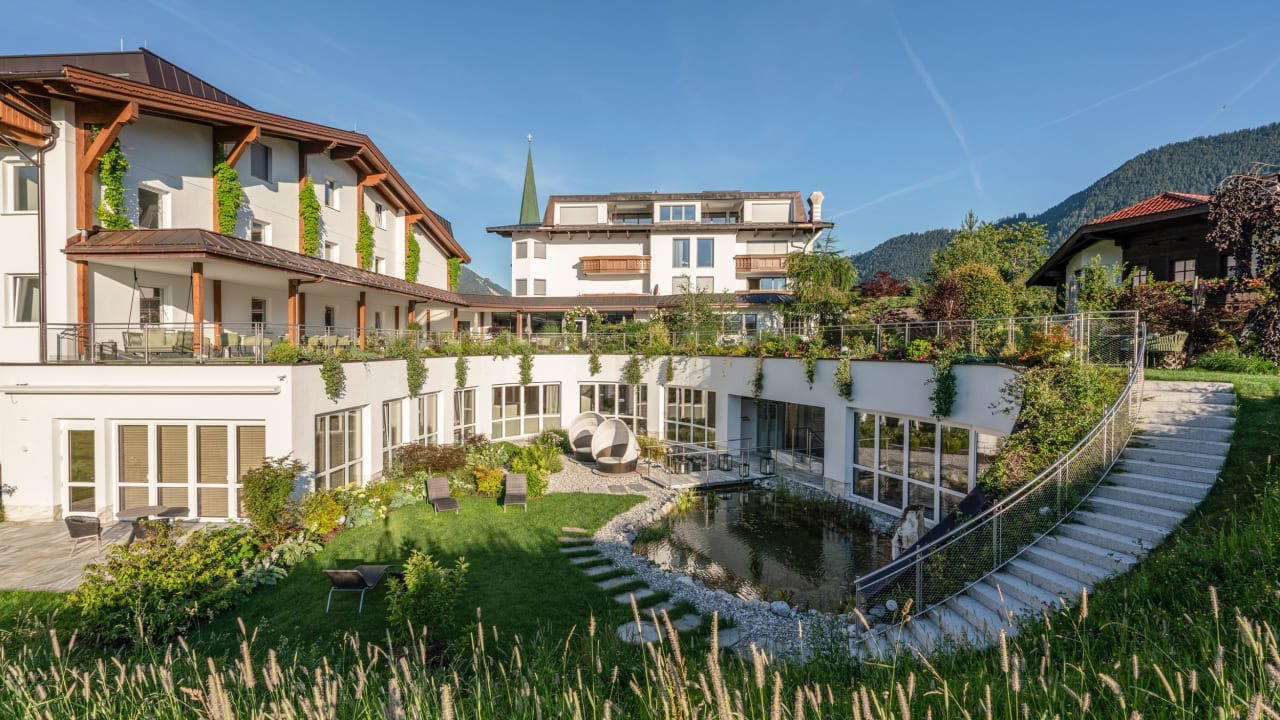

Hotels in Walchsee
Browse all →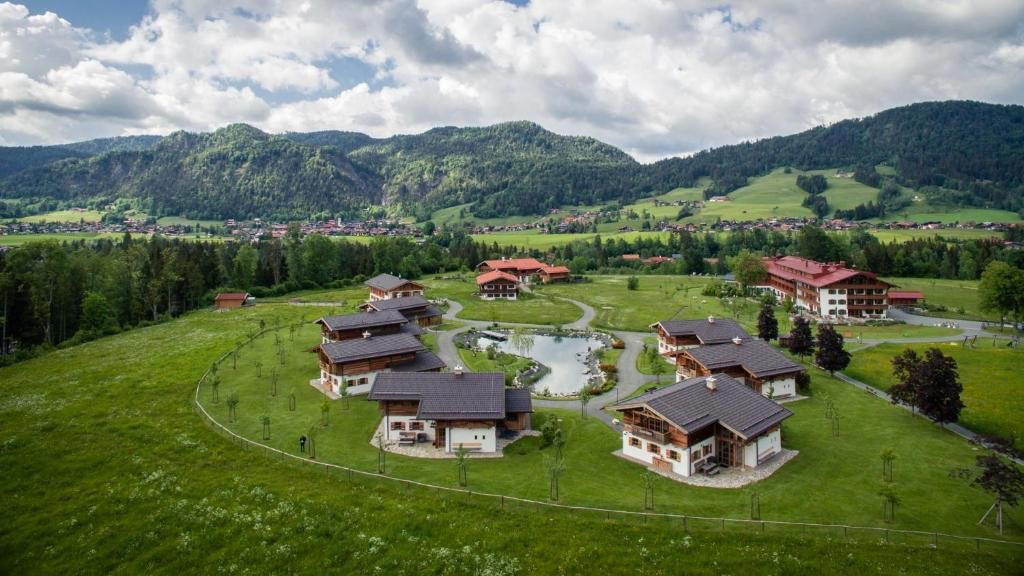
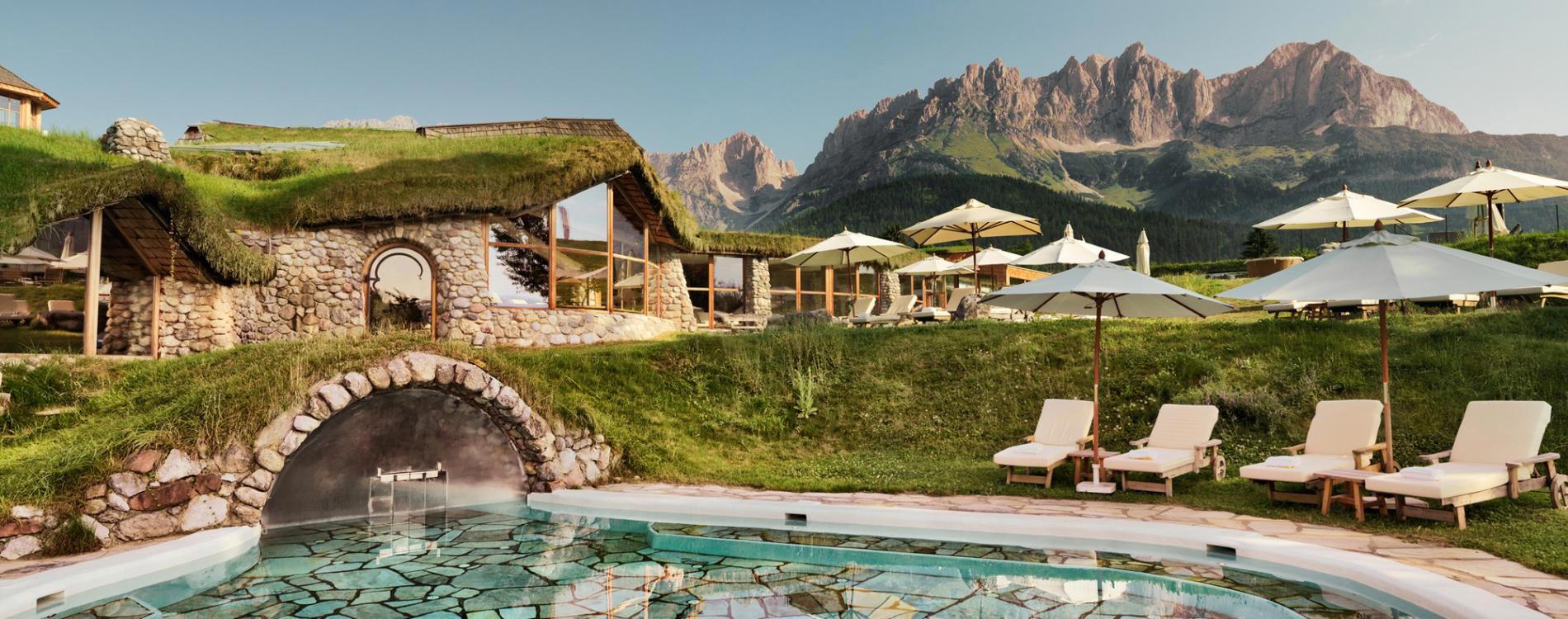
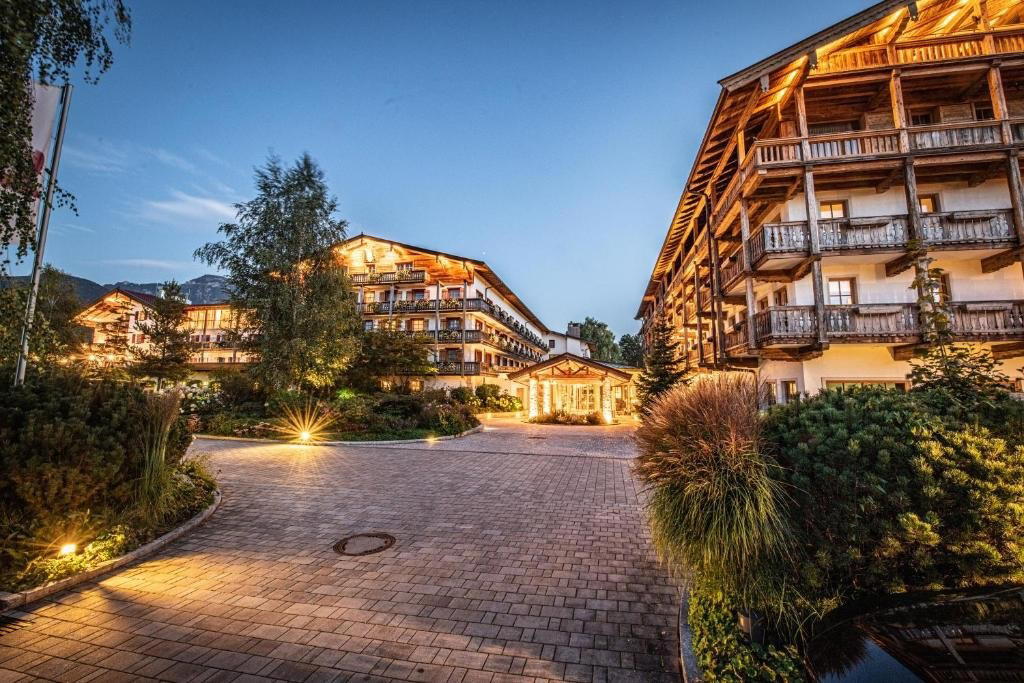
Wineries in Walchsee
Browse all →
At a Glance
- Rustic
- Cozy
- Classic
- Family
- Casual Hangout
- Historic Building
- Local Sourcing
- Mountain
Rustic and cozy Tyrolean parlors with traditional wood furnishings creating an inviting, familial atmosphere.