Fireside Kosher
Our verdict
Fireside Kosher on Route 59 in Monsey occupies a specific and underserved position in the New York region's kosher dining scene, where the standards of ingredient sourcing and kitchen discipline that define serious restaurants are rarely applied within a strictly observant framework. For diners in Rockland County seeking that combination, the address at 59 NY-59 is a practical and meaningful reference point.

Pearl is the En Primeur Club membership app — saves, bookings, and concierge access live there. Same editors, same standards.
- Address
- 59 NY-59, Monsey, NY 10952
- Phone
- (845) 517-3570
- Hours
- Mon–Thu 5:30–10 PMFri–Sat ClosedSun 4:30–10 PM
- Website
- firesidekosher.com
- Directions
- Get directions
- Booking
- Book on the venue's website
The menu
What to order
- Meat pizzas
- Aged crusted ribeye
- Pulled brisket nachos
- Slow-braised short ribs
Kosher Dining in Rockland County: What the Scene Requires
Route 59 through Monsey is one of the densest corridors of kosher commerce in the northeastern United States. The stretch carries bakeries, butchers, prepared-food counters, and sit-down restaurants serving a community with specific religious requirements and, increasingly, rising expectations around food quality. The pressure on any kosher restaurant here is doubled: it must satisfy halachic certification standards while also competing, on some level, with the broader regional dining conversation happening forty minutes south in Manhattan. That tension between observance and culinary ambition defines the most interesting operators along this corridor, and Fireside Kosher at 59 NY-59 sits inside that dynamic.
For context on how far the gap between kosher and non-kosher fine dining has historically run, consider what places like Le Bernardin in New York City or Atomix in New York City represent: kitchens where sourcing decisions, supplier relationships, and ingredient provenance are treated as editorial content in their own right. The ingredient story is part of the meal's meaning. Kosher operators face a more constrained version of that sourcing conversation, but it is no less consequential. Certified suppliers are fewer, the separation of meat and dairy removes certain menu directions entirely, and seasonal flexibility depends on what certified producers are bringing to market. Working within those parameters while maintaining quality is the actual craft.
The Fireside Address and What It Signals
Monsey's dining scene is not built for destination visitors from outside the community. It serves a local Orthodox population with high weekly frequency and specific observance requirements, which means the competitive pressure is internal rather than driven by outside critics or national awards bodies. A restaurant on Route 59 is evaluated by its regulars against last week's visit, not against a Michelin inspector's framework. That is a different kind of accountability, and in some ways a more demanding one. Consistency matters more than occasion. The room at Fireside Kosher on this corridor needs to hold up to repeat visits from a community that has strong opinions and clear alternatives within walking distance.
This stands in contrast to the model at farm-to-table destinations like Blue Hill at Stone Barns in Tarrytown, just across the county line, where the sourcing narrative is front and center and the guest is often a first-time visitor making a special-occasion reservation. Or the seasonal-produce framework that drives places like Single Thread Farm in Healdsburg and Smyth in Chicago, where the kitchen's relationship with specific growers is a defining part of the restaurant's identity. Kosher operators along Route 59 are rarely in a position to build that kind of public sourcing narrative, but the underlying discipline, knowing where your meat comes from, which hashgacha certifies your produce, which dairy is used in which preparations, is structurally similar. The difference is audience and communication, not the underlying rigor of the task.
Ingredient Sourcing Inside a Kosher Kitchen
The ingredient sourcing question in kosher cooking is more structurally complex than it appears from the outside. Meat must come from animals slaughtered and inspected under rabbinical supervision, a process that limits the supplier pool substantially compared to conventional restaurants. Produce requires checking and, in some interpretations, specific certification. Meat and dairy cannot share equipment, which means a meat restaurant like Fireside Kosher is operating what is effectively a fully separate kitchen logic from any dairy establishment on the same block. Wine and certain other products require their own certification tier.
These constraints shape the menu in ways that parallel, rather than oppose, the sourcing discipline visible at restaurants like Providence in Los Angeles or Addison in San Diego, where chef-driven sourcing decisions narrow the supplier list by choice rather than requirement. In both cases, the kitchen is working with a defined, constrained set of inputs and building quality within those limits. The philosophical framing differs, but the operational challenge is comparable. For diners who understand the kosher system, the provenance question is answered structurally by the certification itself. For those less familiar, the short version is that the supply chain is audited at a level of detail that most conventional restaurants never approach.
Planning a Visit to Fireside Kosher
Fireside Kosher is located at 59 NY-59 in Monsey, Rockland County, accessible from the New York State Thruway at Exit 14B and roughly forty minutes from Midtown Manhattan by car. The Route 59 corridor is navigable by public transit from the city, though driving remains the practical choice for most visitors coming from outside the immediate area. Given that the surrounding community observes Shabbat, the restaurant will not operate from Friday evening through Saturday night, a timing consideration that applies across the Monsey dining corridor regardless of venue. For a broader picture of what the area offers, our full Monsey restaurants guide maps the scene across cuisines and price points.
Diners accustomed to booking weeks out for places like The French Laundry in Napa, Lazy Bear in San Francisco, or The Inn at Little Washington will find the planning logic here considerably more direct. The Monsey kosher scene operates on community rhythms rather than reservation queues driven by national press attention. That is not a knock on the ambition of the kitchens; it reflects a different relationship between a restaurant and its primary audience. Comparison points from the broader American fine dining conversation, whether Emeril's in New Orleans, Frasca Food and Wine in Boulder, The Wolf's Tailor in Denver, ITAMAE in Miami, Oyster Oyster in Washington D.C., Bacchanalia in Atlanta, or Atelier Moessmer Norbert Niederkofler in Brunico, are useful for calibrating expectations around sourcing discipline, but they operate in a fundamentally different market context than a community-anchored kosher restaurant in Rockland County.
Frequently asked questions
Is Fireside Kosher suitable for children?
Monsey's kosher restaurants on Route 59 broadly serve family-oriented Orthodox households where children are a routine part of dining out. Fireside Kosher sits within that community context at 59 NY-59, making it a reasonable choice for families already familiar with the corridor. Confirm current seating arrangements directly with the venue before visiting with young children.
What should I expect atmosphere-wise at Fireside Kosher?
Fireside Kosher is located on Route 59 in Monsey, a stretch that functions as the commercial spine of a dense Orthodox community rather than a destination dining district. The atmosphere reflects that — practical, community-facing, and built around high weekly frequency rather than occasion dining. Visitors from outside Rockland County should arrive with that context in mind.
Does Fireside Kosher in Monsey hold kosher certification, and what does that mean for the menu?
Operating on Rockland County's Route 59 corridor in Monsey, a location synonymous with Orthodox kosher commerce, Fireside Kosher functions within a certification framework that governs sourcing, preparation, and the separation of meat and dairy at every stage. That structure means the menu is shaped as much by halachic requirement as by culinary choice. Diners should confirm the specific certifying agency directly with the restaurant, as Monsey's kosher establishments vary in their supervising authorities.
What dish is Fireside Kosher famous for?
Given its position on Monsey's Route 59 kosher corridor, the kitchen operates within the structural constraints of kosher certification, which shapes sourcing and preparation at every level. check the venue's official channels for current menu details.
What part of town is Fireside Kosher in?
Fireside Kosher is located at 59 NY-59, Monsey, NY 10952, Monsey.
What's the best way to book Fireside Kosher?
Phone and website details for Fireside Kosher are not currently on record. The restaurant is located at 59 NY-59, Monsey, NY 10952, and visiting in person or searching current local listings is the most reliable way to confirm booking options and hours.
What makes Fireside Kosher worth seeking out?
Fireside Kosher operates on Route 59 in Monsey, one of the most concentrated kosher dining corridors in the northeastern United States, which means it serves a community with genuinely high standards for kosher observance and consistency. For visitors coming from outside the area, that community pressure functions as its own form of quality signal. The address at 59 NY-59 is accessible from the New York State Thruway at Exit 14B, roughly forty minutes from Manhattan.
A Quick Peer Check
Comparable venues nearby, for context on price, style, and recognition.
| Venue | Cuisine | Price | Notes |
|---|---|---|---|
| Fireside KosherThis venue — the venue you are viewing | Postmodern American Kosher Steakhouse | $30–50 | Not listed |
| Bar Hugo - Rooftop | Cocktail-focused American rooftop bar with upscale bar bites | $30–50 | SoHo |
| The Mary Lane | Seasonal New American | $50–100 | West Village |
| Sereneco | Italian-influenced New American | $50–100 | Greenpoint |
| WASSAIL | Vegetarian American Cider Bar | Not listed | Lower East Side |
| Dish Bistro & Wine Bar | Contemporary American Bistro | Not listed | Mahopac |
Continue exploring
More in Monsey
Restaurants in Monsey
Browse all →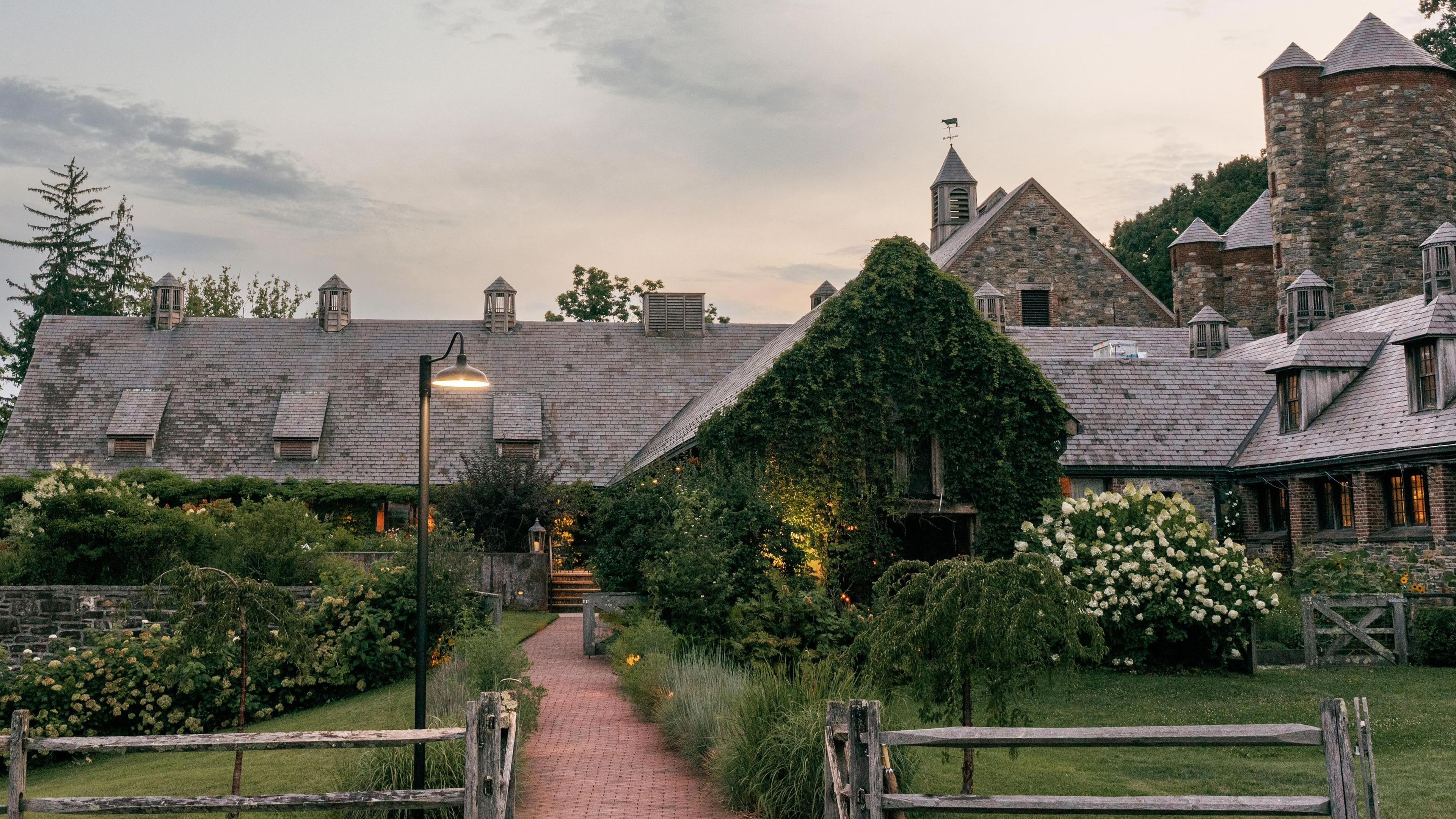
Bars in Monsey
Browse all →

Hotels in Monsey
Browse all →



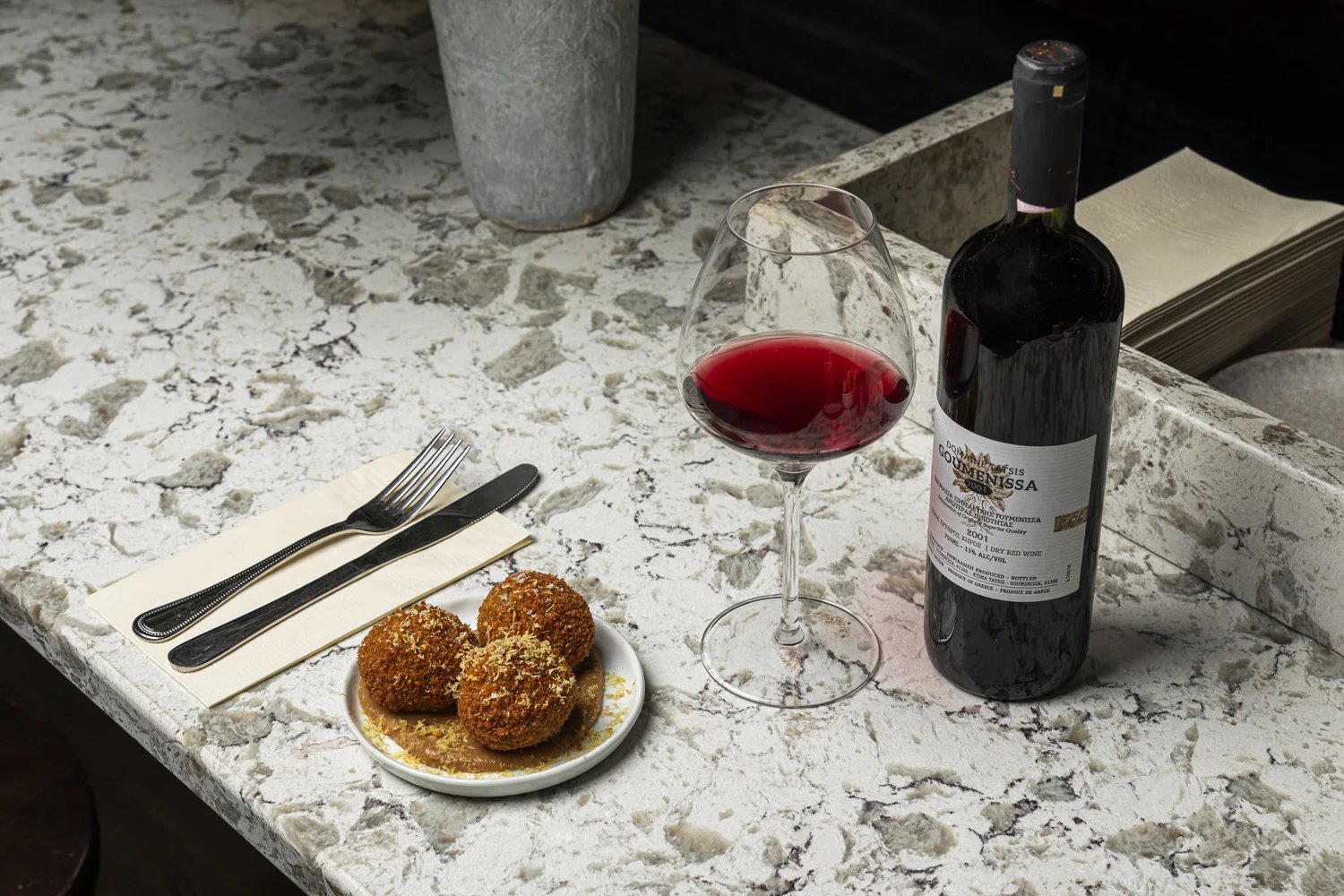
Fireside Kosher
The wine
- Wine program
- Curated wine list
- Craft cocktails
Details
- Cozy
- Modern
- Sophisticated
- Date Night
- Family
- Group Dining
- Business Dinner
- Open Kitchen
- Craft Cocktails
- A La Carte
- Cocktails
- Beer
- Wine
- Kosher
- Gluten Free Options
Current opening hours
- Monday
- 5:30–10 PM
- Tuesday
- 5:30–10 PM
- Wednesday
- 5:30–10 PM
- Thursday
- 5:30–10 PM
- Friday
- Closed
- Saturday
- Closed
- Sunday
- 4:30–10 PM
Hours can change for holidays and private events. Last verified .
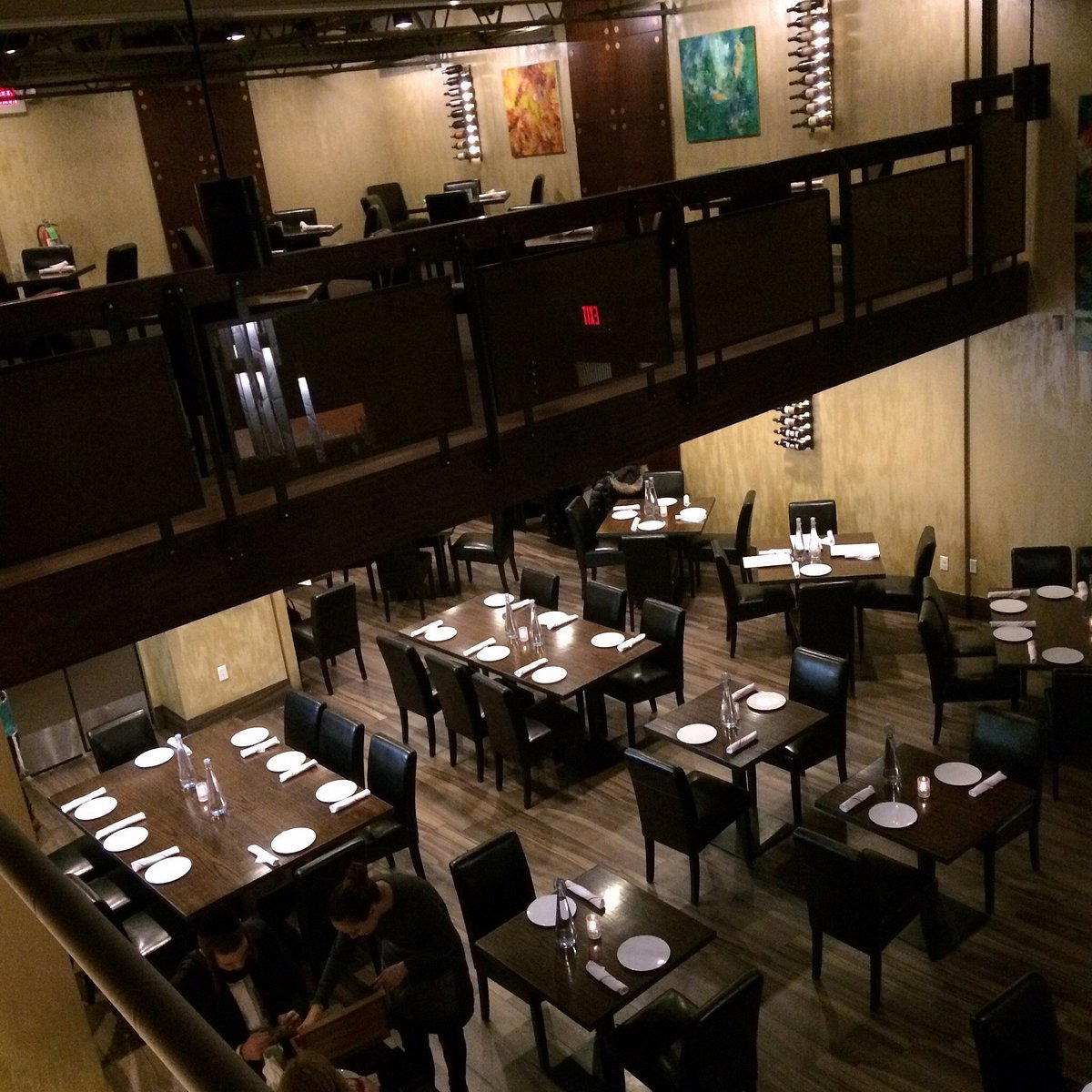
Warm fireside greeting, bi-level modern space with quiet atmosphere and subdued lighting.