Bar del Monte

Washingtonian 100 Very Best Restaurants #51
Our verdict
Bar del Monte brings Washington’s ingredient-led neighborhood dining conversation to Mount Pleasant, a corridor better known for independent restaurants than expense-account formality. Its placement at No. 51 on Washingtonian’s 100 Very Best Restaurants 2026 gives the room a clear critical signal without turning it into a trophy-table proposition.

Pearl is the En Primeur Club membership app, where members save venues, book tables and use the concierge.
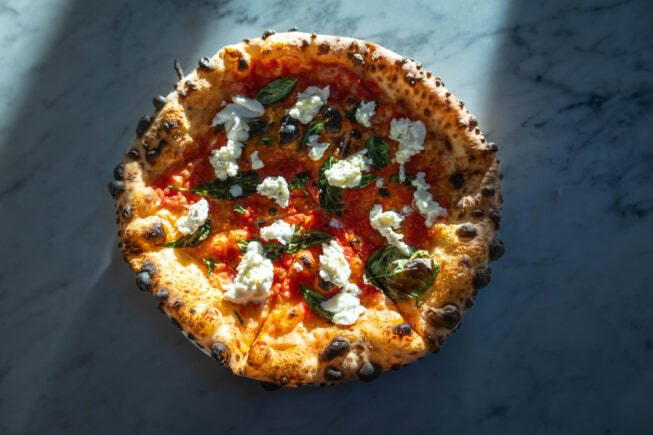
The menu
What to order
- Chistorra pizza
- Filetti pizza
- Grilled lamb skewers (arrosticini)
- Bottarga with sourdough
- Housemade pastas (e.g., lamb ragù ravioli, tagliolini with butter and sage)
- Fior di latte gelato with quince compote
Washington, D.C. announces itself at sidewalk scale: narrow storefronts, daily errands, families moving between dinner and daily life, and restaurants that have to earn repeat local use rather than depend on ceremony. Bar del Monte belongs to that Washington mode. Its setting in Washington, D.C. matters; a restaurant like this reads differently when it is understood through local dining habits rather than through a checklist built for expense-account polish. The test is less theatrical finish, more whether the room can feel serious without stiffening it.
That is where the current D.C. restaurant conversation has become interesting. The city’s sharper small restaurants are less obsessed with importing a single grand format and more focused on how compact menus, room rhythm, and neighborhood use can create a point of view. In that context, Bar del Monte’s No. 51 ranking on Washingtonian’s 100 Very Best Restaurants 2026 is useful evidence. It places the restaurant inside the city’s critical dining conversation while leaving it below the high-gloss tier that often dominates travel itineraries.
Washington, D.C. neighborhood dining has its own pressure test
Washington, D.C. restaurant culture can reward places that sit between casual and serious, where a weeknight meal has to feel considered but not stage-managed. That context separates this kind of city restaurant from more formal dining rooms, or from long-running category specialists elsewhere in town. The Washington, D.C. standard is narrower: smaller rooms, shorter decision paths, and cooking that has to justify itself through the experience rather than ceremony.
The comparison set within Washington also shows how broad the city’s casual-serious tier has become. La Tejana, Federalist Pig, Ellē, Martha Dear, and Purple Patch show how local restaurants can build strong identities without behaving like formal dining rooms. Bar del Monte fits that wider pattern, but the editorial signal is its placement in a ranked city list rather than a broad category label. A No. 51 position in 2026 says the restaurant is being judged against Washington’s full field, not only against nearby storefront peers.
Ingredient-led cooking works when restraint beats performance
The most persuasive version of a small city restaurant is not a lecture about what the place is supposed to be. It is the discipline of making choices clearly, editing the experience, and letting the room’s point of view show up in pacing, tone, and consistency. Without a published cuisine label or named signature dish to lean on, Bar del Monte is better understood through that broader movement: Washington diners increasingly recognize restaurants that build identity through focus rather than spectacle. The point is not abundance; it is selectivity.
That distinction matters because broad restaurant labels can become overused. A serious neighborhood restaurant has operational consequences. It narrows what a room can promise, changes how diners read the menu, and pushes the experience toward a style of dining where the current offering matters more than permanent classics. In D.C. that approach has found room where expectations allow a smaller restaurant to be specific. Washington, D.C. gives that kind of restaurant a plausible home: close enough to the city’s serious diners, far enough from generic destination-dining habits to avoid becoming a performance of refinement.
For travelers mapping the city, the useful move is to place Bar del Monte alongside neighborhood restaurants rather than destination dining rooms with grand tasting-menu architecture. The broader Washington guide is the better frame than a single-venue checklist: Our full Washington, D.C. restaurants guide shows how the city’s dining energy spreads across small-format rooms, established institutions, and category specialists. For a wider trip build, the surrounding editorial rails matter too: Our full Washington, D.C. hotels guide, Our full Washington, D.C. bars guide, Our full Washington, D.C. wineries guide, and Our full Washington, D.C. experiences guide help separate a neighborhood dinner from the rest of the itinerary.
How to read its place in the city
Washington’s dining map is now too varied for one style to dominate. Some addresses draw attention through format, others through price, chef visibility, or a single category executed with discipline. Bar del Monte’s useful credential is editorial recognition from Washingtonian in 2026, a local critical signal that carries more weight here than generic travel praise. It marks the restaurant as part of the city’s active conversation, while its Washington, D.C. setting keeps the experience grounded in a neighborhood scale.
Readers comparing D.C. with other American cities should look at the same question across formats. Other dining rooms around the country can show precision, counter-service focus, casual approaches, or different operating logics. Even highly specific formats make the same point: a restaurant’s choices matter only when the format knows what to do with them.
Within Washington itself, nearby restaurant choices can be read by city area and occasion rather than hierarchy. Different parts of the city map serve different planning needs. Bar del Monte is strongest as a Washington, D.C. dinner choice for readers who want the city’s neighborhood dining intelligence rather than a monument-view meal. Its value is not spectacle; it is placement, timing, and the credibility that comes from being noticed in a competitive 2026 local field.
Frequently asked questions
Where do I go for Bar del Monte?
Washington, D.C.
Do I need a reservation for Bar del Monte?
The strongest signal here is its No. 51 placement on Washingtonian’s 2026 100 Very Best Restaurants, which points to a restaurant worth planning ahead for. In Washington, D.C. it is sensible to check availability before heading over.
What's the defining dish or idea at Bar del Monte?
The defining idea is the restaurant itself: Bar del Monte in Washington, D.C. earned No. 51 on Washingtonian’s 2026 100 Very Best Restaurants list. That kind of ranking suggests enough consistency and identity to hold its place in the city conversation.
Is Bar del Monte good for vegetarians?
With no cuisine type listed in the provided record, the safest read is to treat Bar del Monte as a general Washington, D.C. restaurant rather than a vegetarian-specialist address. Vegetarian diners should confirm the current menu in advance. Check the venue's official channels for the latest details.
Is Bar del Monte a family-friendly restaurant?
Bar del Monte is in Washington, D.C. which makes it read as a city restaurant rather than a destination room built for formal dining only. The Washingtonian ranking adds credibility, but families should still judge the fit by the children, the hour, and the table they want.
Comparison Snapshot
Side-by-side context: comparable cuisine and price.
| Venue | Cuisine | Price | Awards | Notes |
|---|---|---|---|---|
| Bar del MonteThis venue (the venue you are viewing) | Neo‑Neapolitan Italian trattoria & wine bar | $50–100 | Washingtonian 100 Very Best Restaurants #51 | Not listed |
| Martha Dear | Neapolitan Pizza with Greek Influences | $30–50 | Washingtonian 100 Very Best Restaurants #67 | Not listed |
| La Tejana | Texas-Style Breakfast Tacos | $10–20 | Michelin Bib Gourmand · Resy Best of the Hit List | Mexican |
| Federalist Pig | American BBQ | $20–30 | Not listed | Barbecue |
| Purple Patch | Filipino American | $30–50 | Not listed | Not listed |
| Ellē | Modern New American with Fermentation Focus | $50–100 | Michelin Bib Gourmand · Washingtonian 100 Very Best Restaurants #27 | Sandwiches, Contemporary |
Recognition history
Dated appearances from independent guides and award organizations, with the underlying list record or original source where available.
Washingtonian 100 Very Best Restaurants #51
Washingtonian
Continue exploring
More in Washington DC
Restaurants in Washington DC
All restaurants in Washington DC →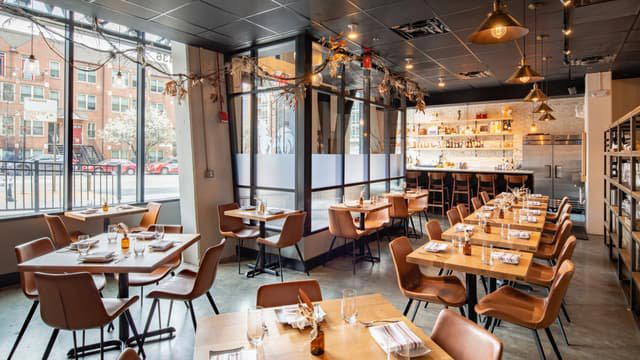
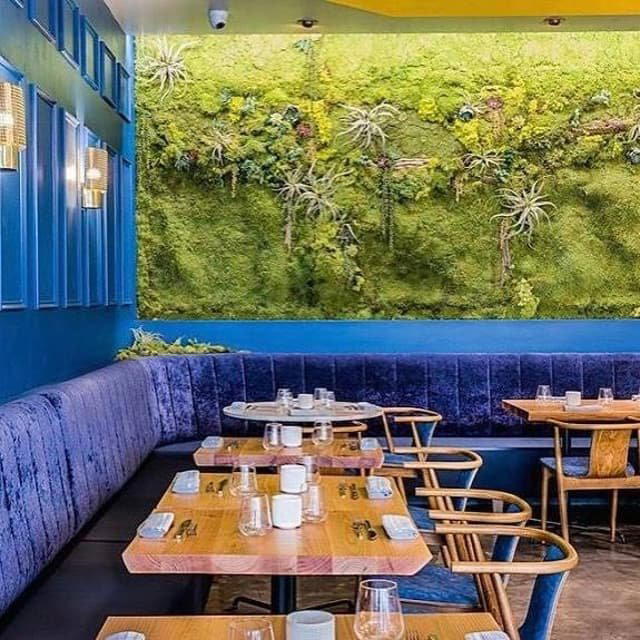
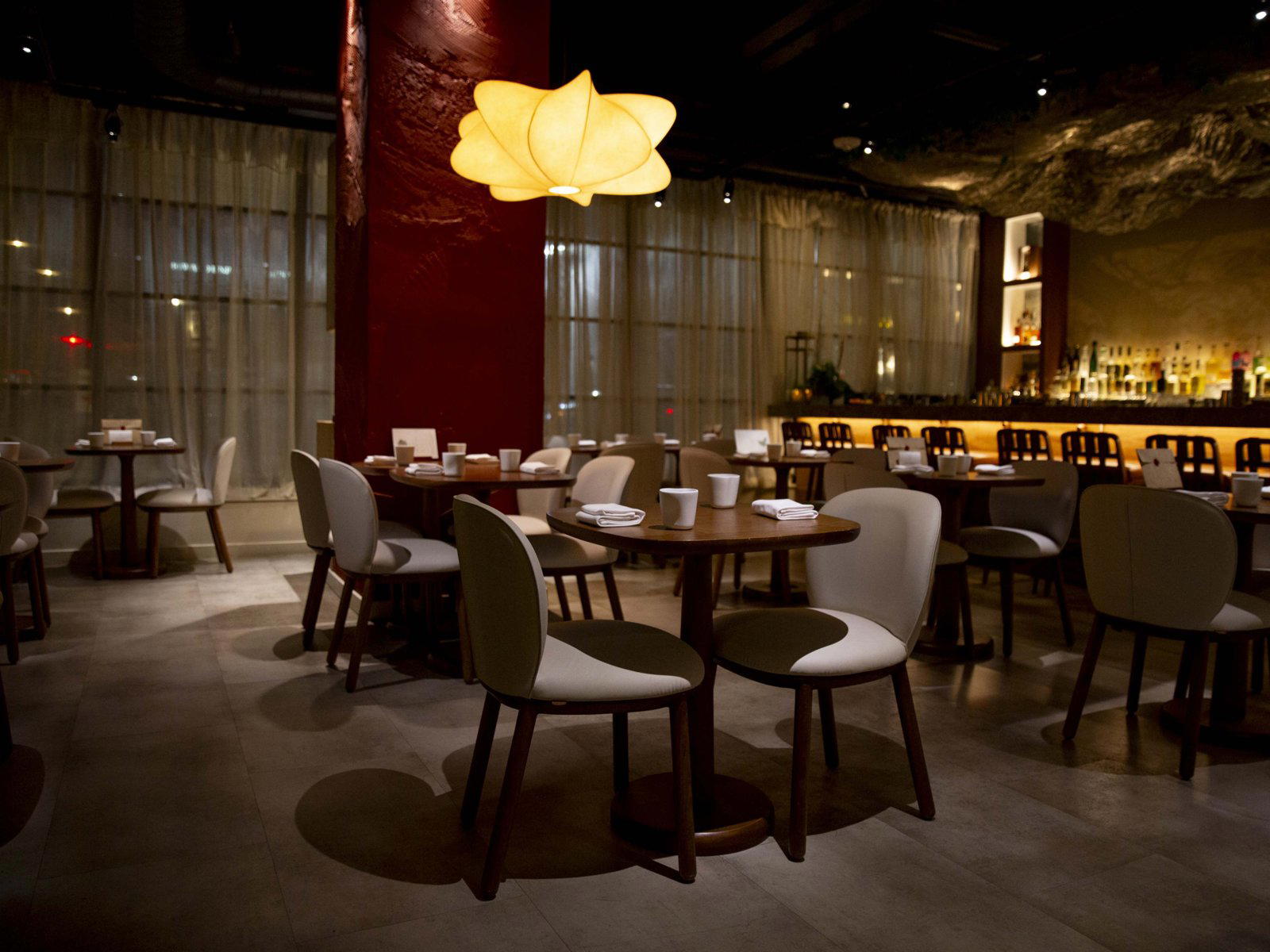
Bars in Washington DC
All bars in Washington DC →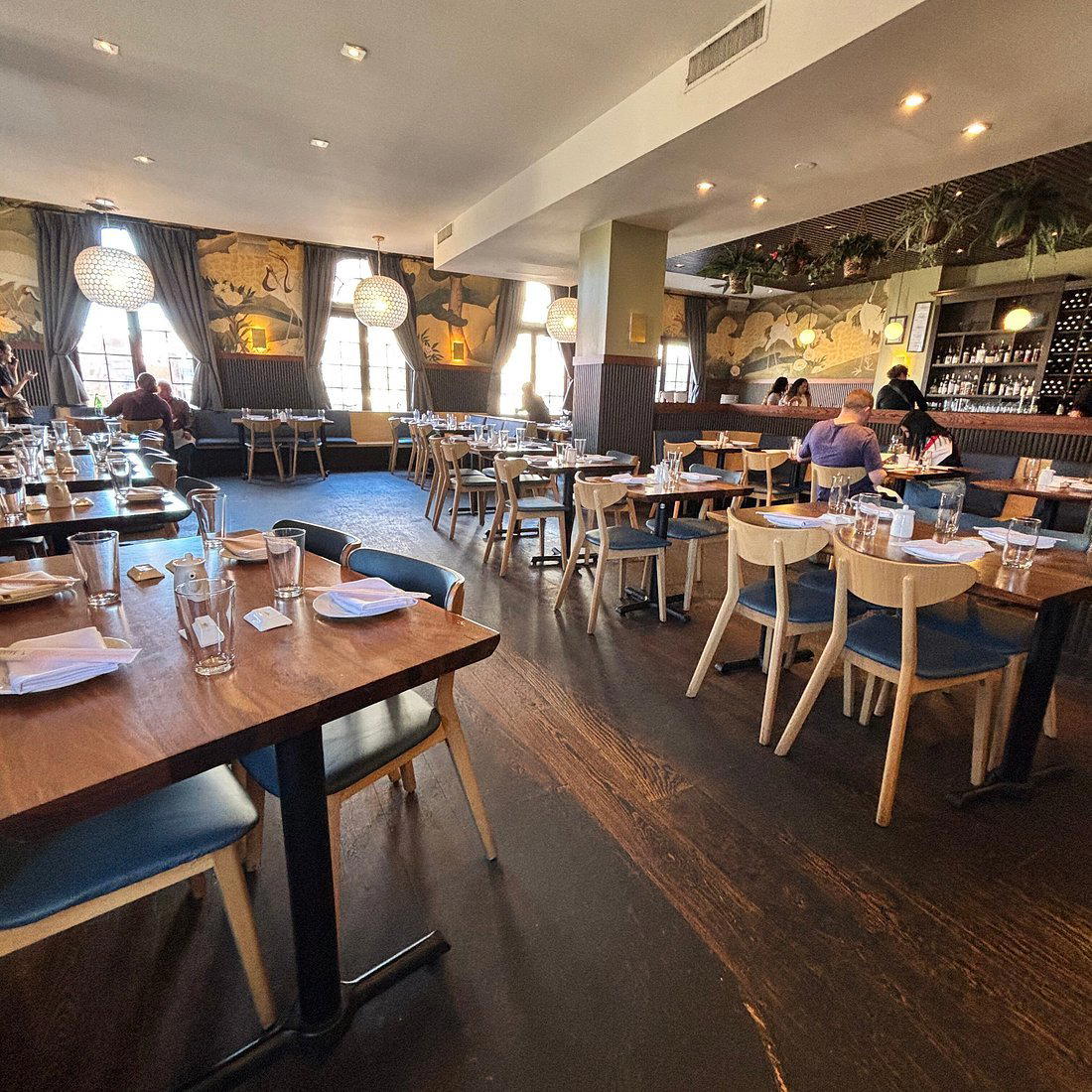
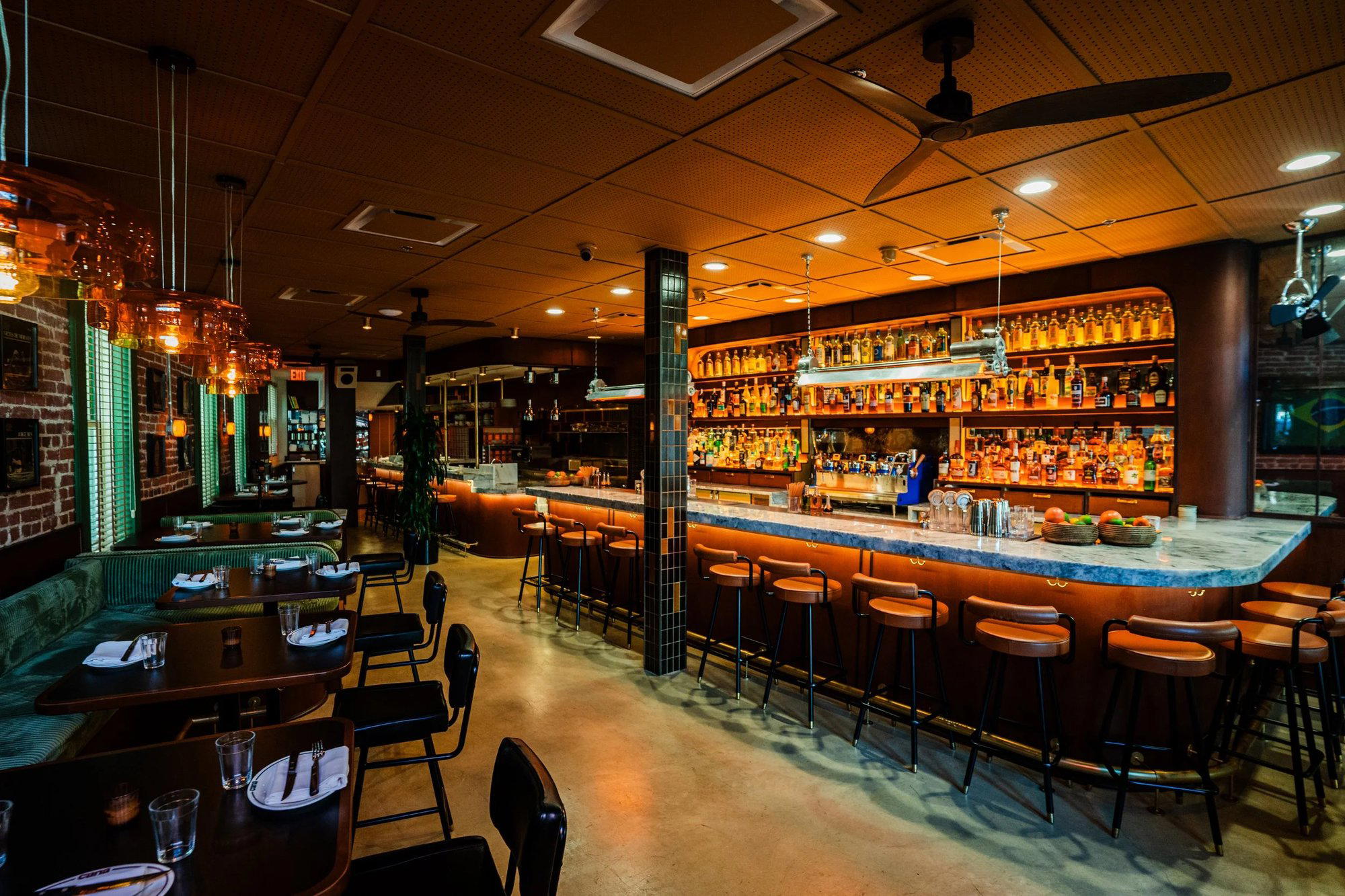
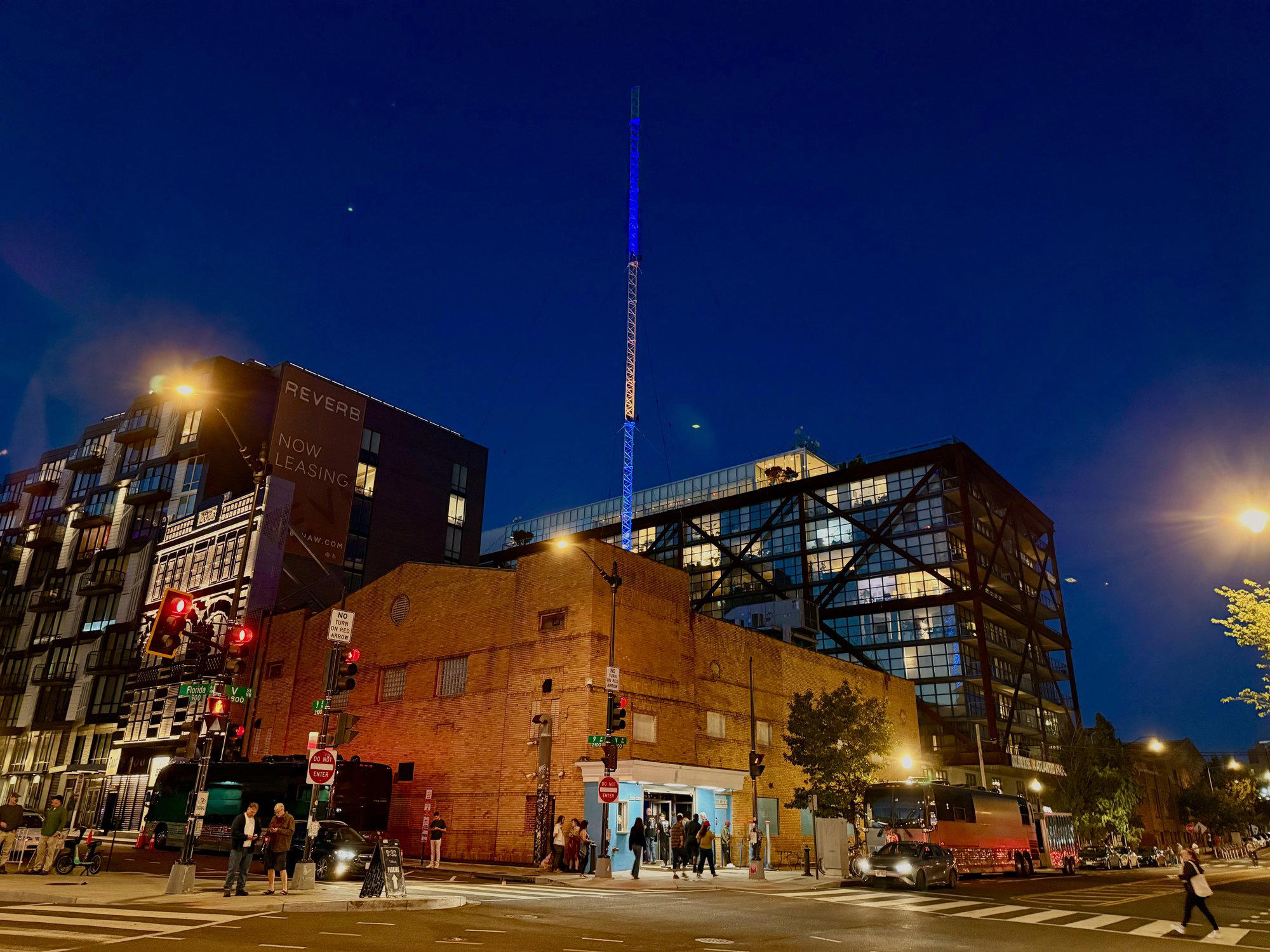
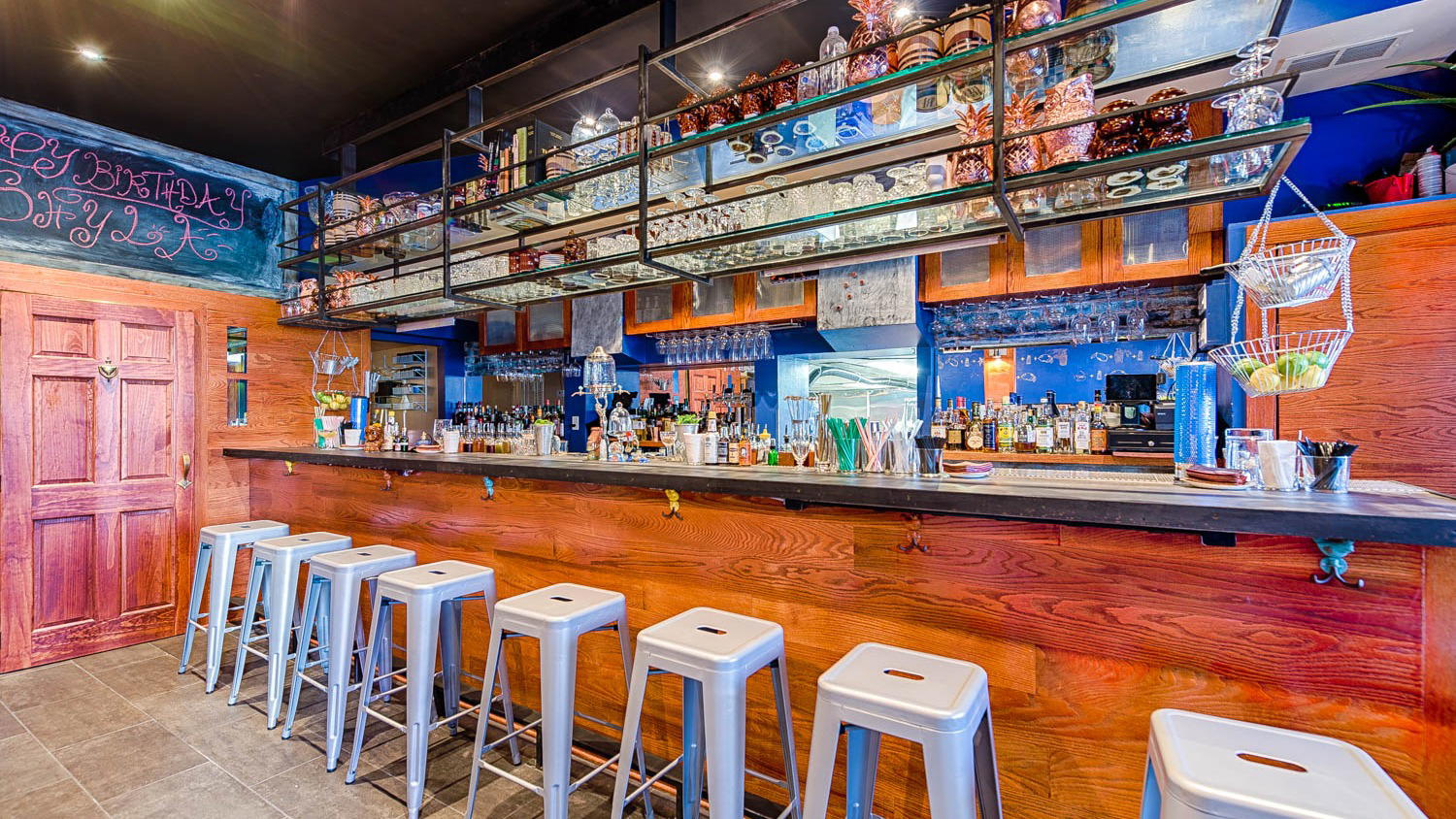
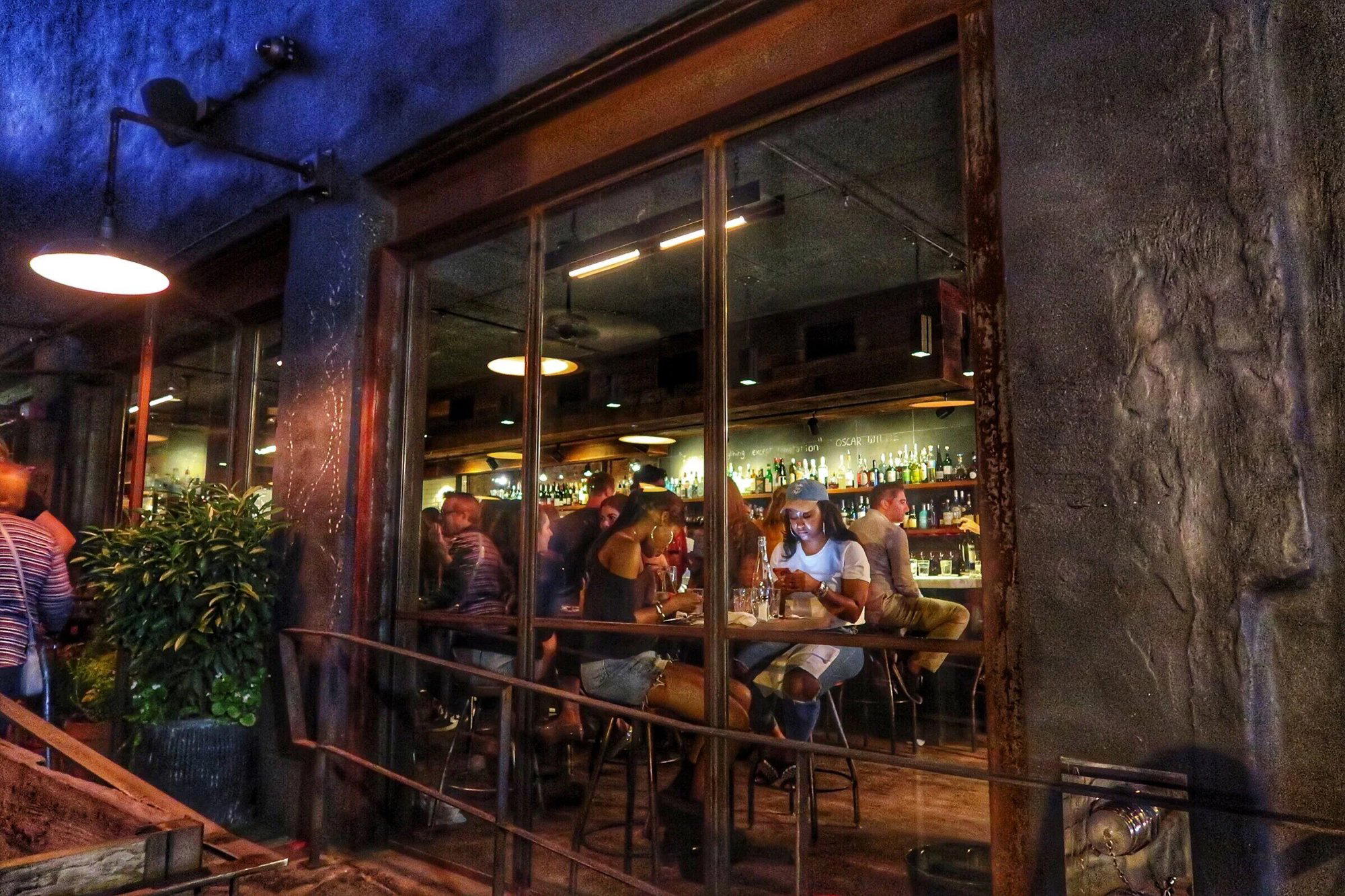
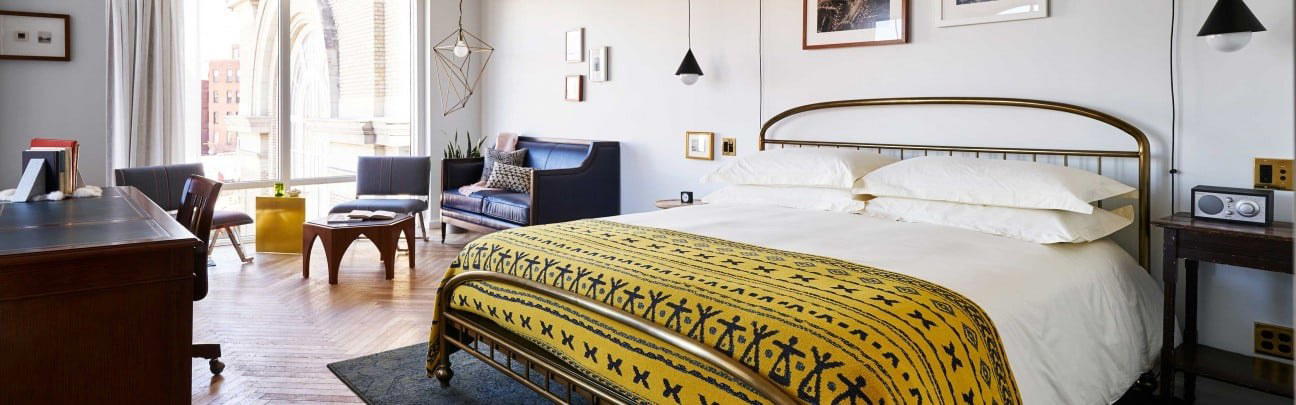
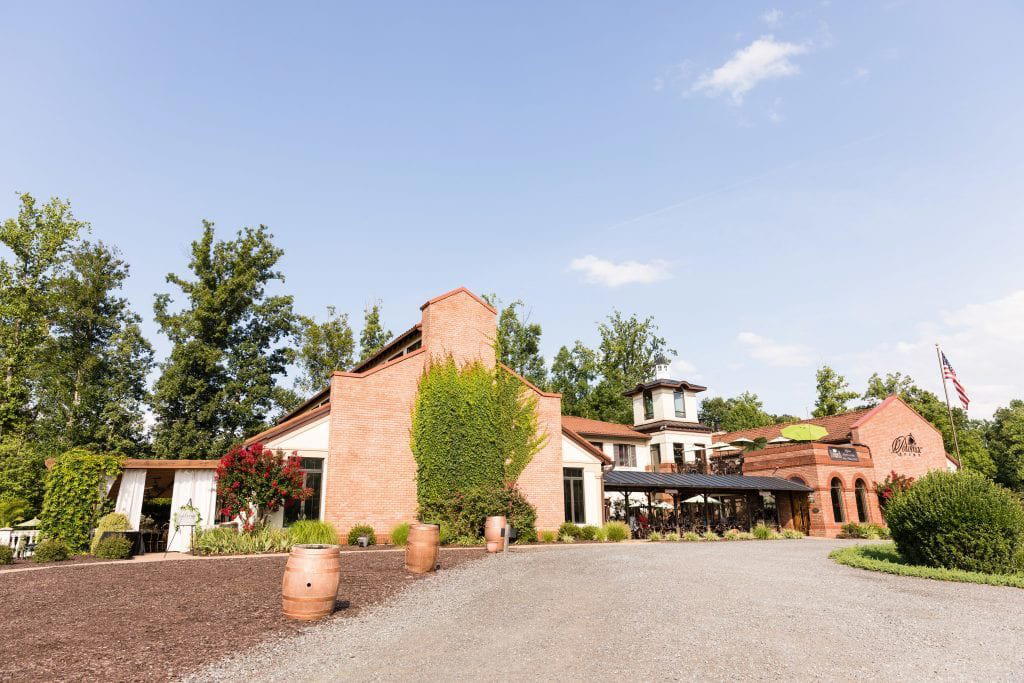
Bar del Monte
The wine
- Extensive wine list
- Craft cocktails
- Beer program
Details
- Cozy
- Trendy
- Intimate
- Lively
- Rustic
- Date Night
- Casual Hangout
- Group Dining
- Solo
- After Work
- Special Occasion
- Open Kitchen
- Standalone
- Craft Cocktails
- Beer Program
- Extensive Wine List
- Local Sourcing
- Street Scene
- A La Carte
- Small Plates
- Wine
- Cocktails
- Beer
- Amaro
- Vegetarian Friendly
Current opening hours
- Monday
- 5–9 PM
- Tuesday
- Closed
- Wednesday
- Closed
- Thursday
- 5–10 PM
- Friday
- 5–10 PM
- Saturday
- 5–10 PM
- Sunday
- 5–9 PM
Hours can change for holidays and private events. Hours as of .
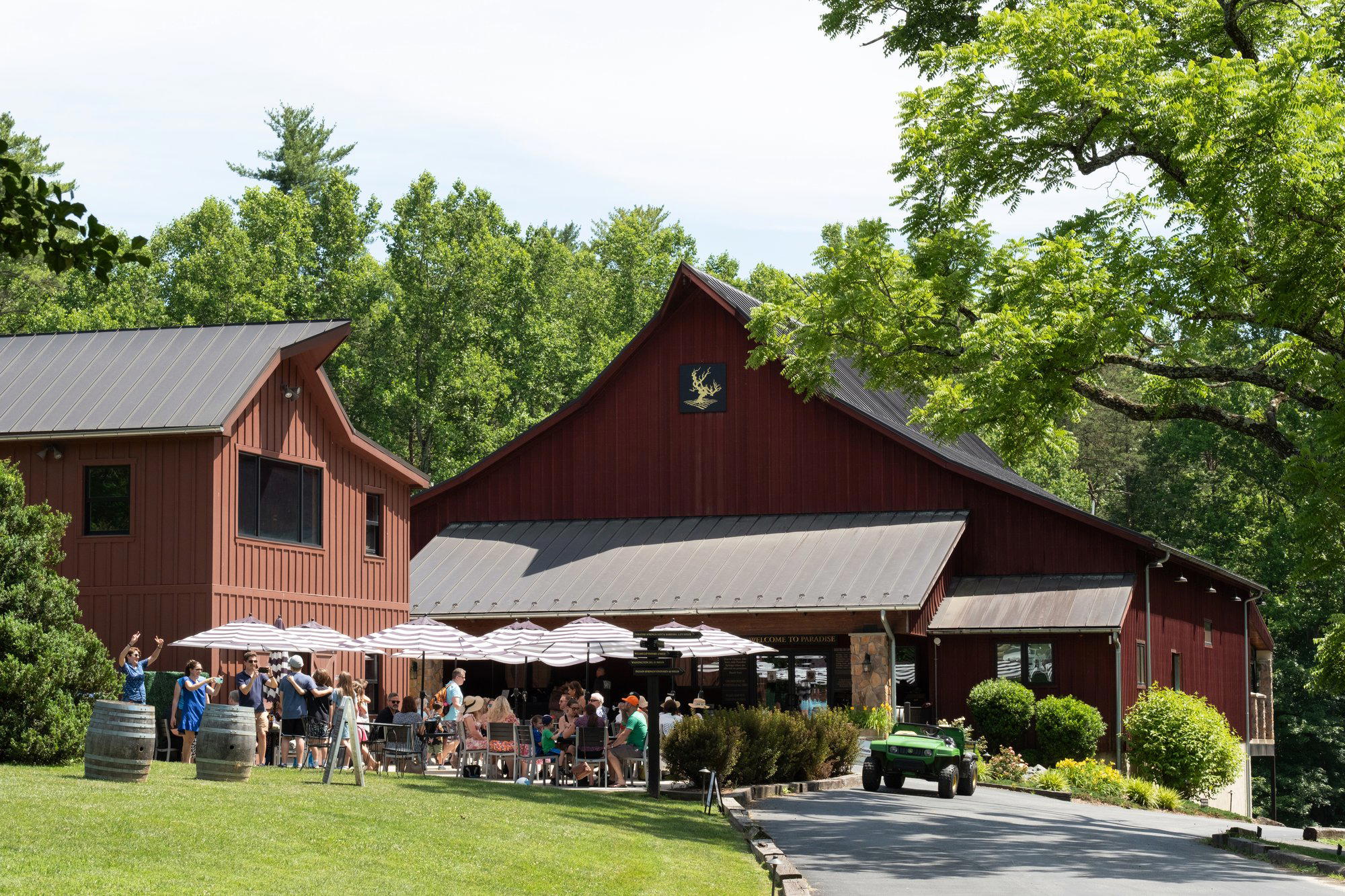
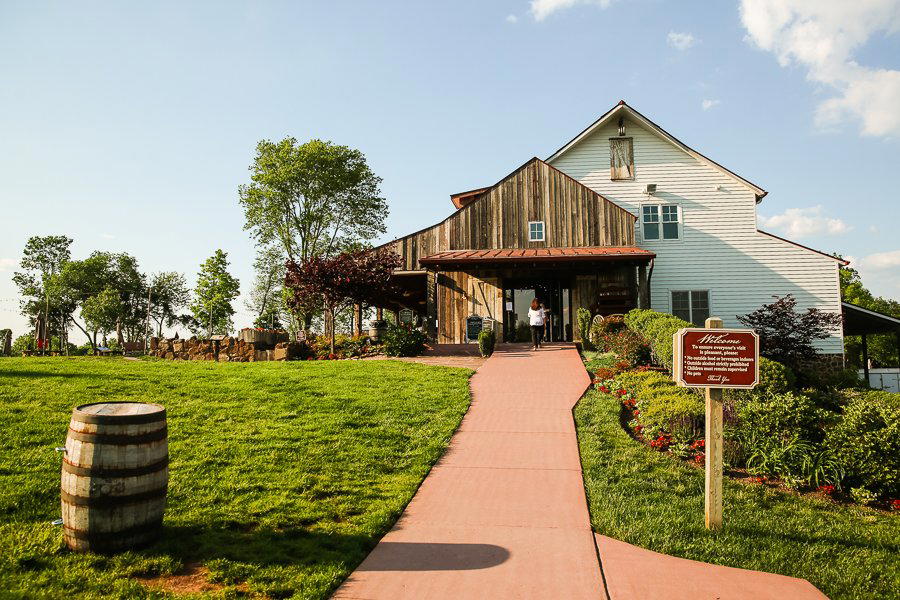
Light‑filled, concrete‑floored space in a converted auto repair shop with big street‑facing windows, an open kitchen and busy bar, creating a buzzy, casual yet polished Italian neighborhood spot.