Skip to Main Content
Neapolitan Pizza
← Collection
Price≈$20
Dress CodeCasual
ServiceCasual
NoiseConversational
CapacityMedium

Otto occupies a measured position on Store Kongensgade, sitting within Copenhagen's broader conversation about what serious dining looks like outside the city's flagship tasting-menu circuit. The address places it in the dense inner-city corridor that connects the city's older bourgeois residential fabric to its current restaurant culture. It is worth approaching with the same attention you would give to the neighbourhood itself.

Pearl is the En Primeur Club membership app — saves, bookings, and concierge access live there. Same editors, same standards.

Plan your visit on PearlPlan Your Visit
Address
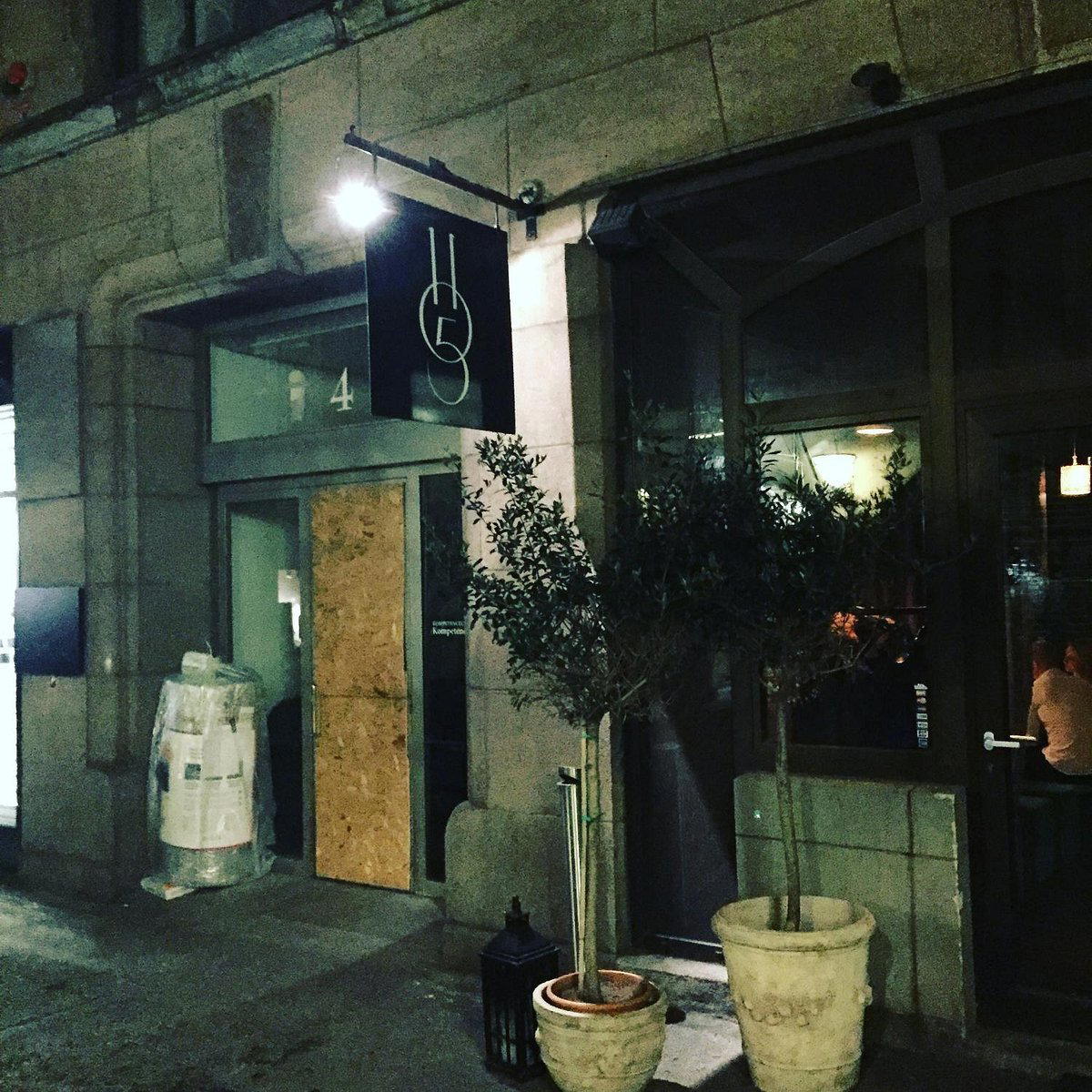
Store Kongensgade 34, København
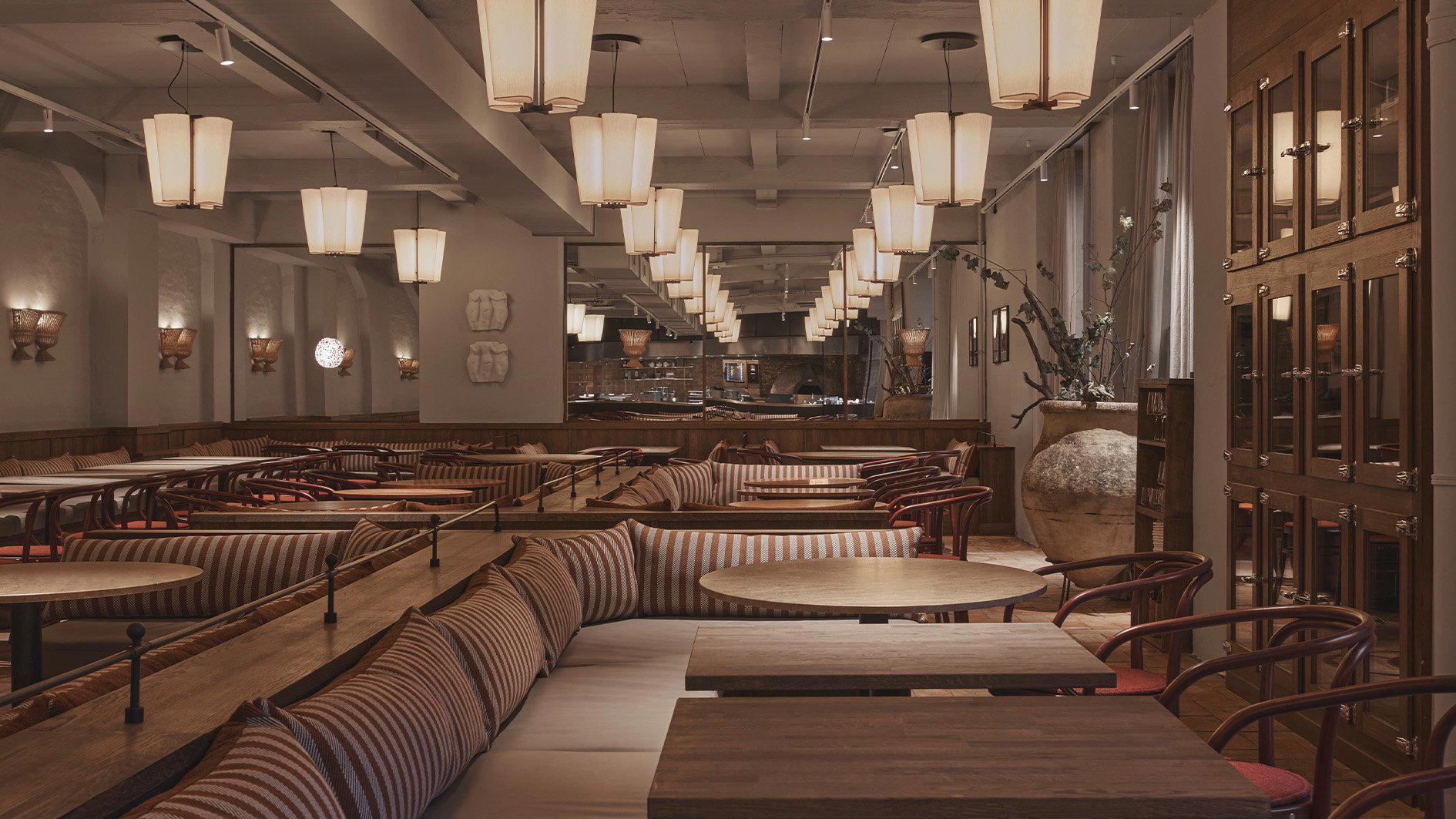
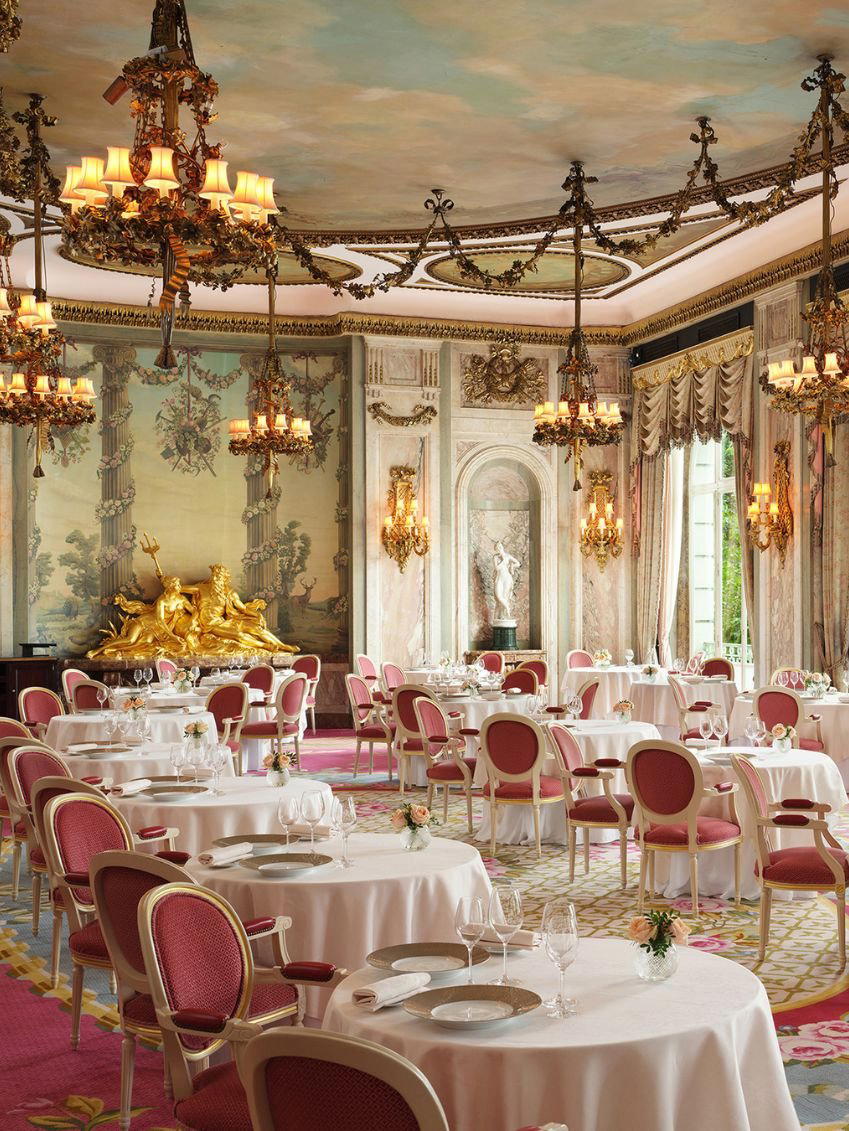
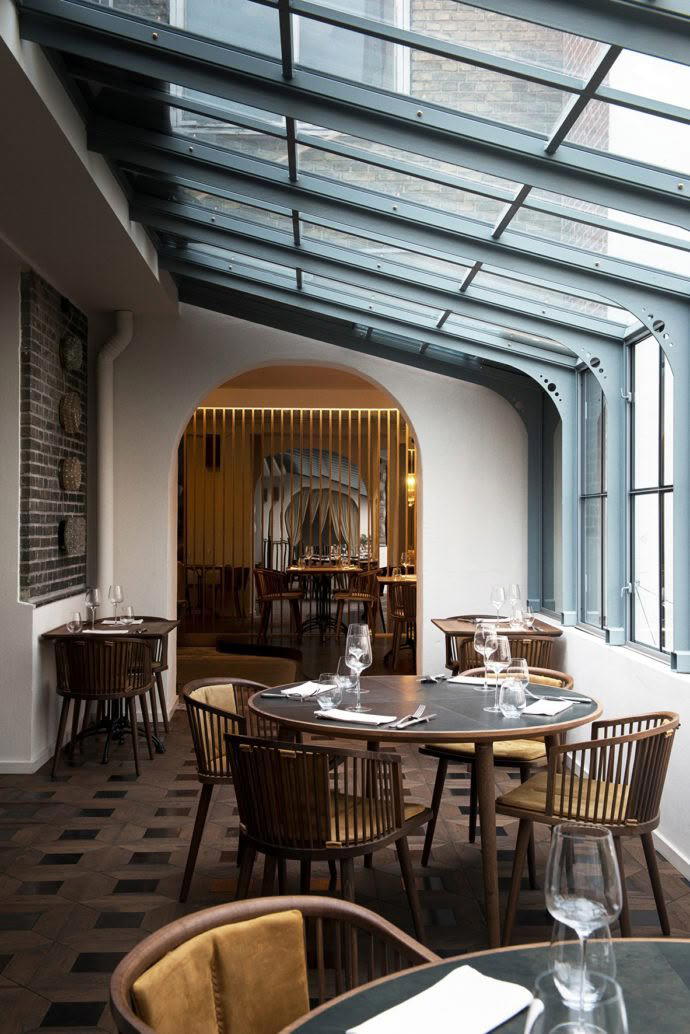
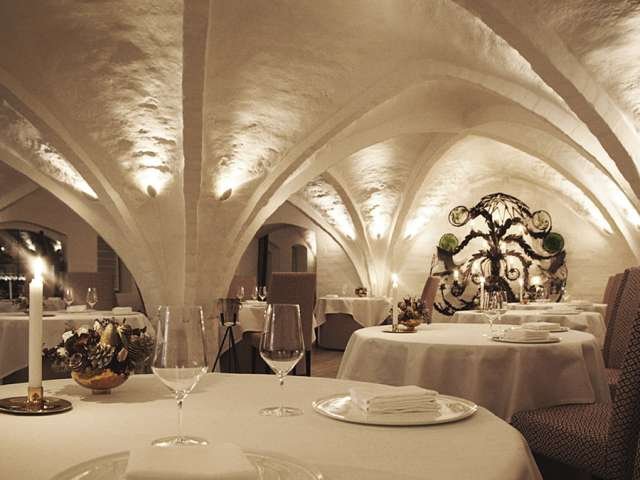
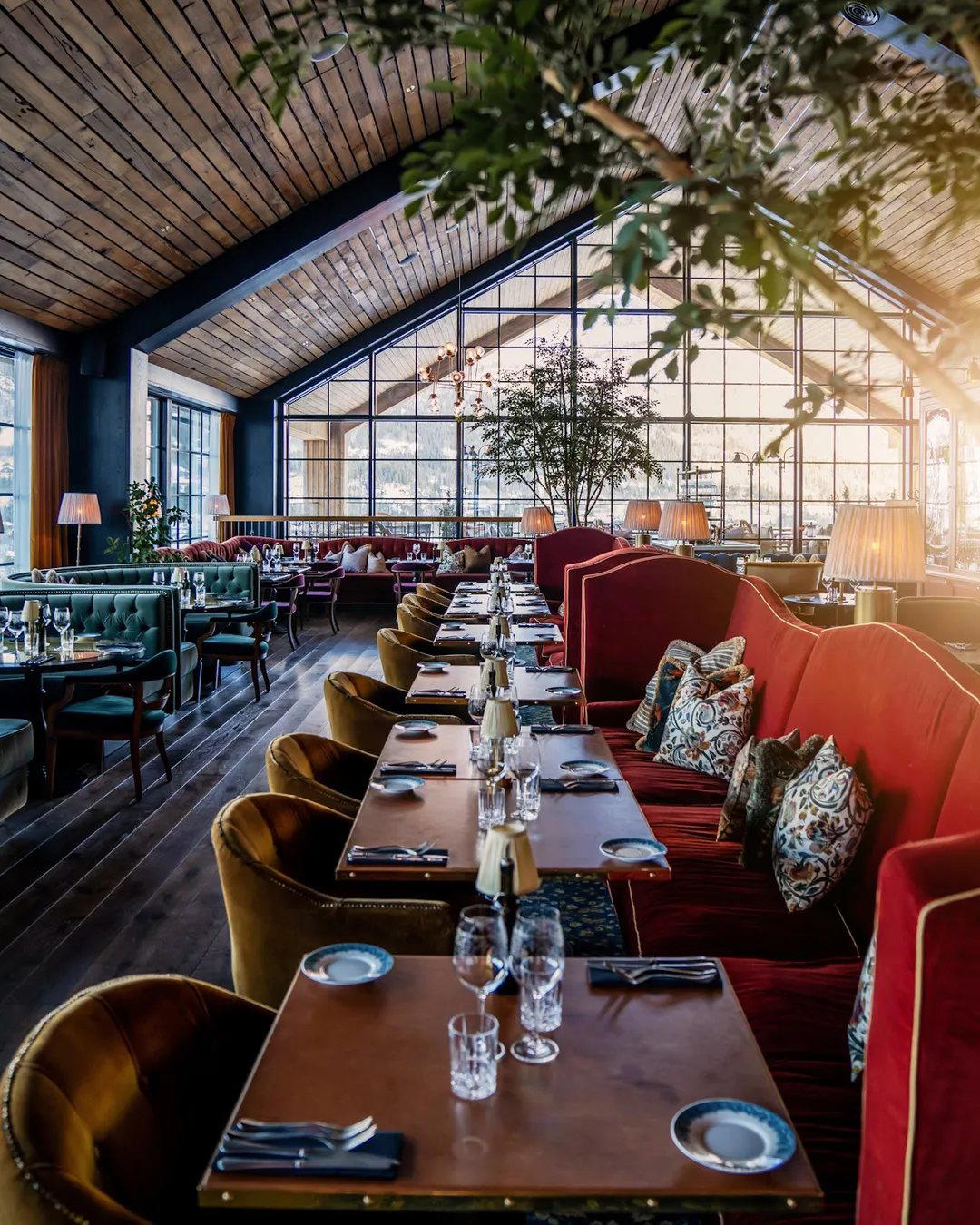
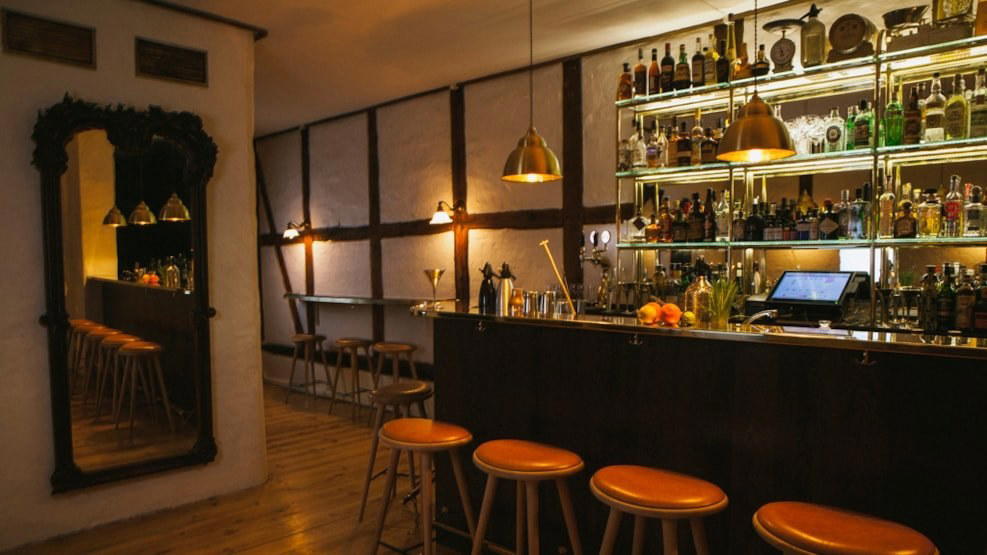
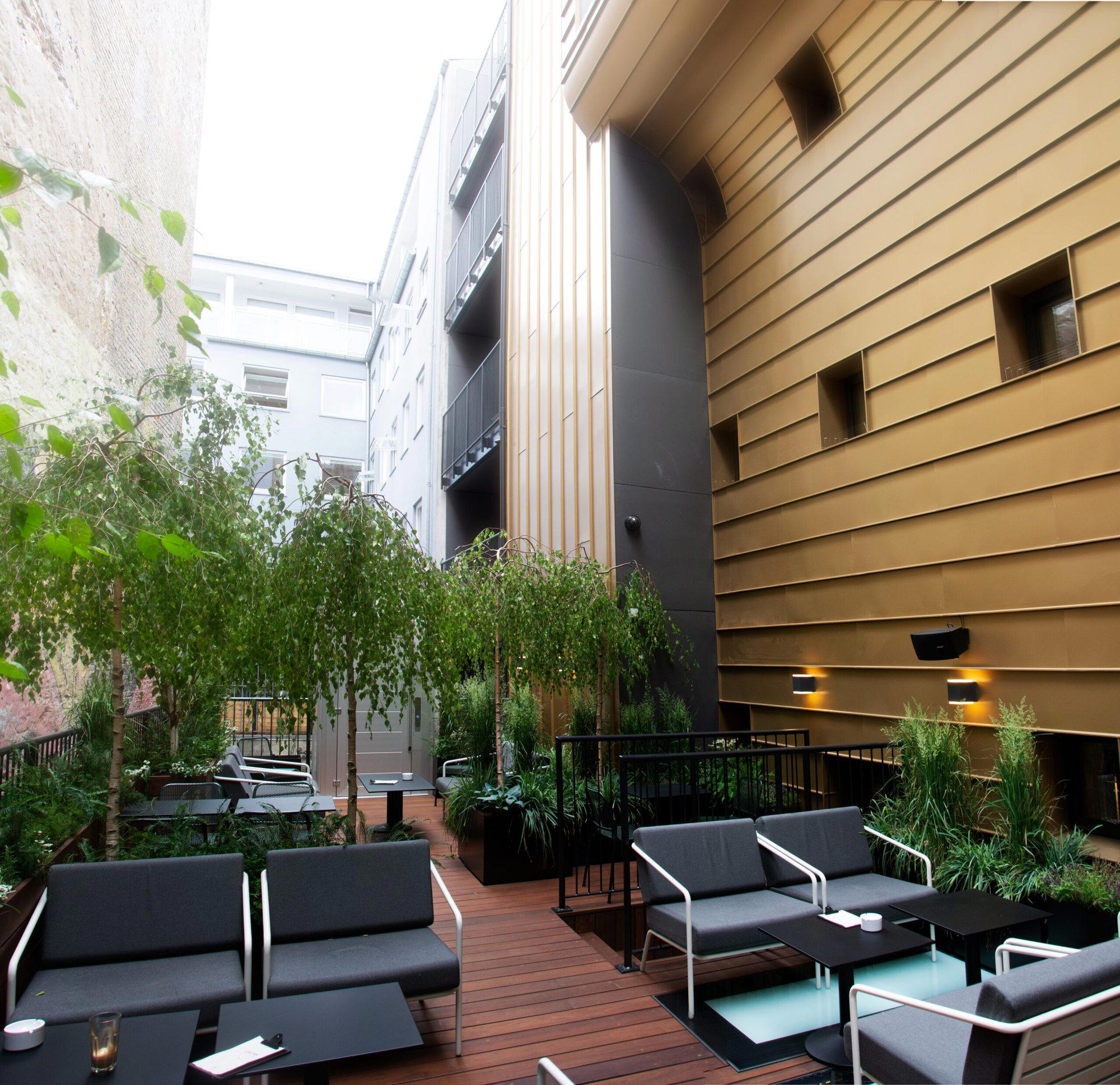
Otto restaurant in Copenhagen, Denmark
About

Store Kongensgade and the Dining Culture Around It

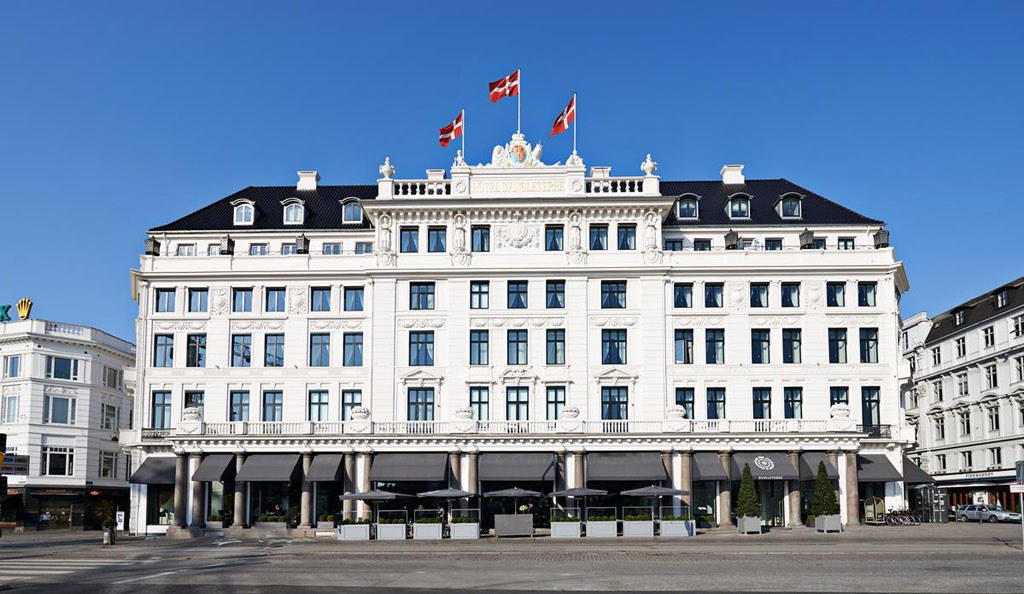
Otto is a restaurant serving Neapolitan Pizza at Store Kongensgade 34 in København, with a casual dress code and recommended reservations. Noma, Geranium, and Alchemist set a kind of gravitational centre around which the city's culinary reputation has been organised for international visitors. But the more interesting question for anyone spending real time in the city is what exists in the registers between those flagship formats and the neighbourhood canteen. Store Kongensgade, running through the Frederiksstaden quarter, has historically been one of the streets where that middle ground is negotiated. The street's architecture is composed largely of late baroque and neoclassical facades, and the restaurants along it have tended to sit in dialogue with that sense of civic seriousness rather than against it.

Otto, at number 34, occupies a building that carries the weight of that context. The approach along Store Kongensgade from the direction of Kongens Nytorv passes art dealers and design shops before arriving at the address, and the texture of the walk matters. Copenhagen's dining culture has increasingly rewarded restaurants that understand where they sit in the city's physical and social fabric, not just those that perform a detached version of New Nordic ambition.

The Cultural Roots of Serious Eating in Copenhagen

To understand what a restaurant like Otto is in conversation with, it helps to trace the trajectory that Danish food culture has taken since the early 2000s. The New Nordic movement that Noma helped articulate was less a cuisine than a set of principles: seasonal discipline, local sourcing, fermentation as a structural tool rather than a flourish, and a deliberate rejection of the French hierarchies that had dominated Scandinavian fine dining before. What followed was a generation of kitchens that applied those principles at different scales and with different results.

The more mature phase of that movement, which is where Copenhagen sits now, has produced a split. On one side are the restaurants that pushed the principles into increasingly technical or conceptual territory: Koan, which layers New Nordic thinking against kaiseki structure, and Alchemist, which treats the meal as a total theatrical environment. On the other side are kitchens that have absorbed those lessons and applied them with more restraint, producing food that is serious without being declarative about it. Kadeau belongs to that second group, with its Bornholm-rooted larder and its discipline around what ingredients are allowed to say for themselves.

Otto operates within this broader Danish context, on a street that has seen the city's eating culture evolve over several generations. The address alone places it in a neighbourhood with genuine culinary history rather than a recently gentrified district performing a borrowed identity.

What the Room Signals

The physical experience of arriving at Store Kongensgade 34 sets a particular register. The Frederiksstaden quarter is one of the most formally composed districts in central Copenhagen, and restaurants here tend to work with that formality rather than against it. The contrast with, say, the more freewheeling energy of Vesterbro or the industrial-warehouse aesthetic that has come to define parts of Refshaleøen is deliberate. Diners who come to this address are generally not looking for the shock of a new environment; they are looking for a room that takes them seriously.

This matters because Danish dining culture has increasingly separated along exactly this axis. The high-concept, high-theatre format pioneered by Alchemist attracts visitors for whom the meal is partly an event to document. The quieter, more sustained formats attract a different reader entirely, one who is interested in what the kitchen is actually saying rather than how loudly it is saying it.

Otto in the Wider Danish Restaurant Picture

Copenhagen is not the only city in Denmark producing serious food, and understanding Otto's position means understanding the national picture. Jordnær in Gentofte, just outside the capital, has accumulated Michelin recognition at a level that places it among Scandinavia's most decorated tables. Frederikshøj in Aarhus and Henne Kirkeby Kro in Henne demonstrate that the country's most rigorous cooking is not exclusively concentrated in the capital. Regional addresses like Alimentum in Aalborg, ARO in Odense, Domæne in Herning, Dragsholm Slot Gourmet in Hørve, Frederiksminde in Præstø, LYST in Vejle, and MOTA in Nykøbing Sjælland each show a different facet of what Danish cooking looks like when it is not performing for a global audience.

Within Copenhagen specifically, the peer group for a mid-to-upper-market address on Store Kongensgade includes restaurants that have absorbed New Nordic discipline and applied it to formats that do not require a two-hour pre-meal briefing. The comparison with New York's more technically rigorous mid-tier, where addresses like Atomix and the sustained professionalism of Le Bernardin define what serious cooking looks like at different price points, is useful. Copenhagen's version of that ambition has its own character, shaped by the availability of specific Nordic ingredients, a domestic wine culture that has embraced natural and low-intervention producers, and a service tradition that is warmer and less formal than its French counterpart.

For the full picture of what Copenhagen offers across all formats and price points, the EP Club Copenhagen restaurants guide maps the scene in detail.

Know Before You Go

Planning Notes

  • Address: Store Kongensgade 34, Copenhagen
  • Quarter: Frederiksstaden, central Copenhagen
  • Nearest landmark: Kongens Nytorv, approximately five minutes on foot
  • Booking: Contact directly; online reservation status not confirmed at time of publication
  • Hours: Not confirmed; verify before visiting
  • Pricing: Not published; budget in line with Copenhagen's mid-to-upper restaurant tier
  • Dress code: Not stated; the neighbourhood and address suggest smart casual at minimum
Signature Dishes
Vegetarian PizzaMushroom and Kale PizzaNduja Sausage Pizza
Frequently asked questions

Reputation Context

Comparable venues nearby, for context on price, style, and recognition.

At a Glance
Vibe
  • Cozy
  • Minimalist
Best For
  • Casual Hangout
  • Family
Dress CodeCasual
Noise LevelConversational
CapacityMedium
Service StyleCasual
Meal PacingStandard

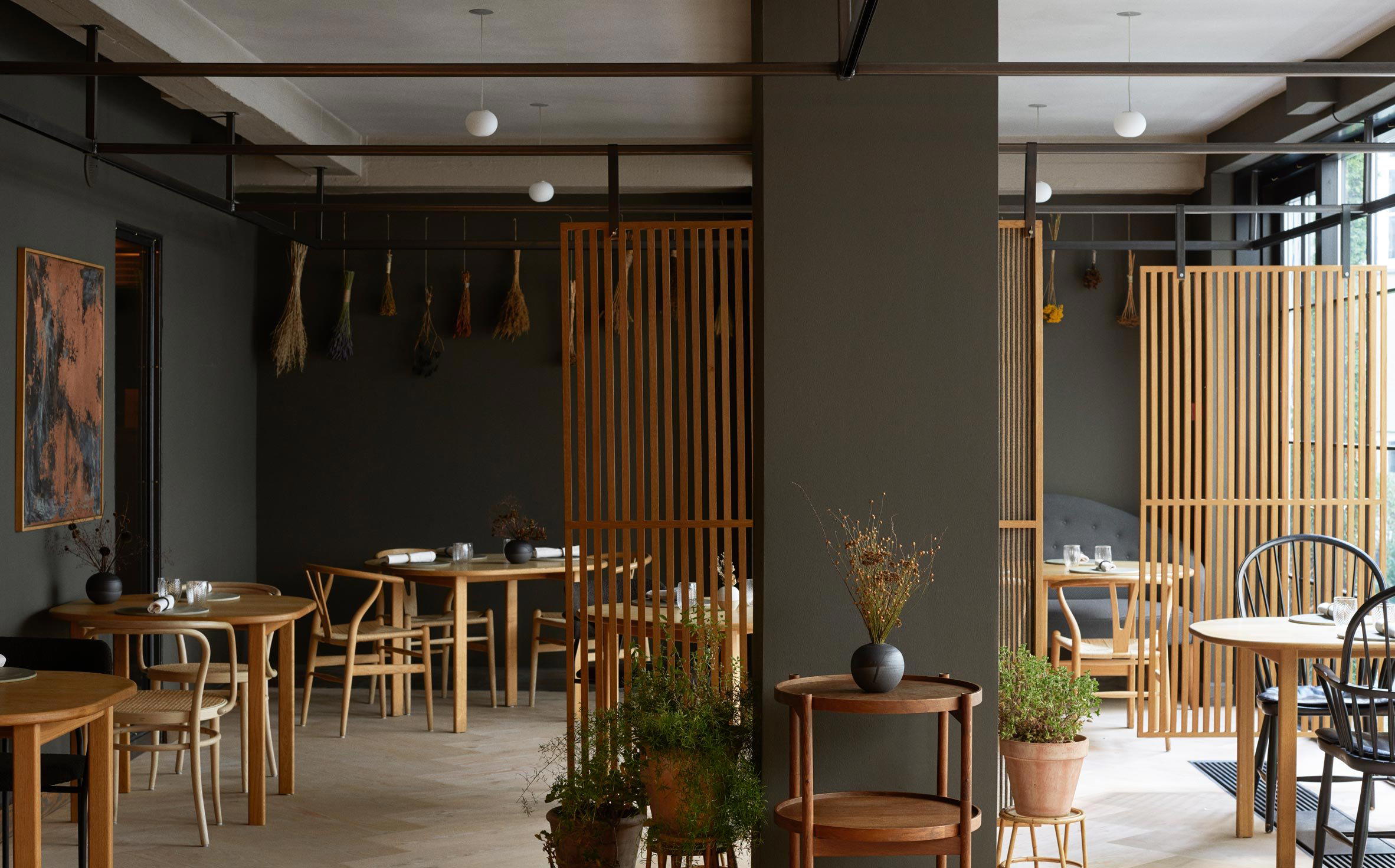
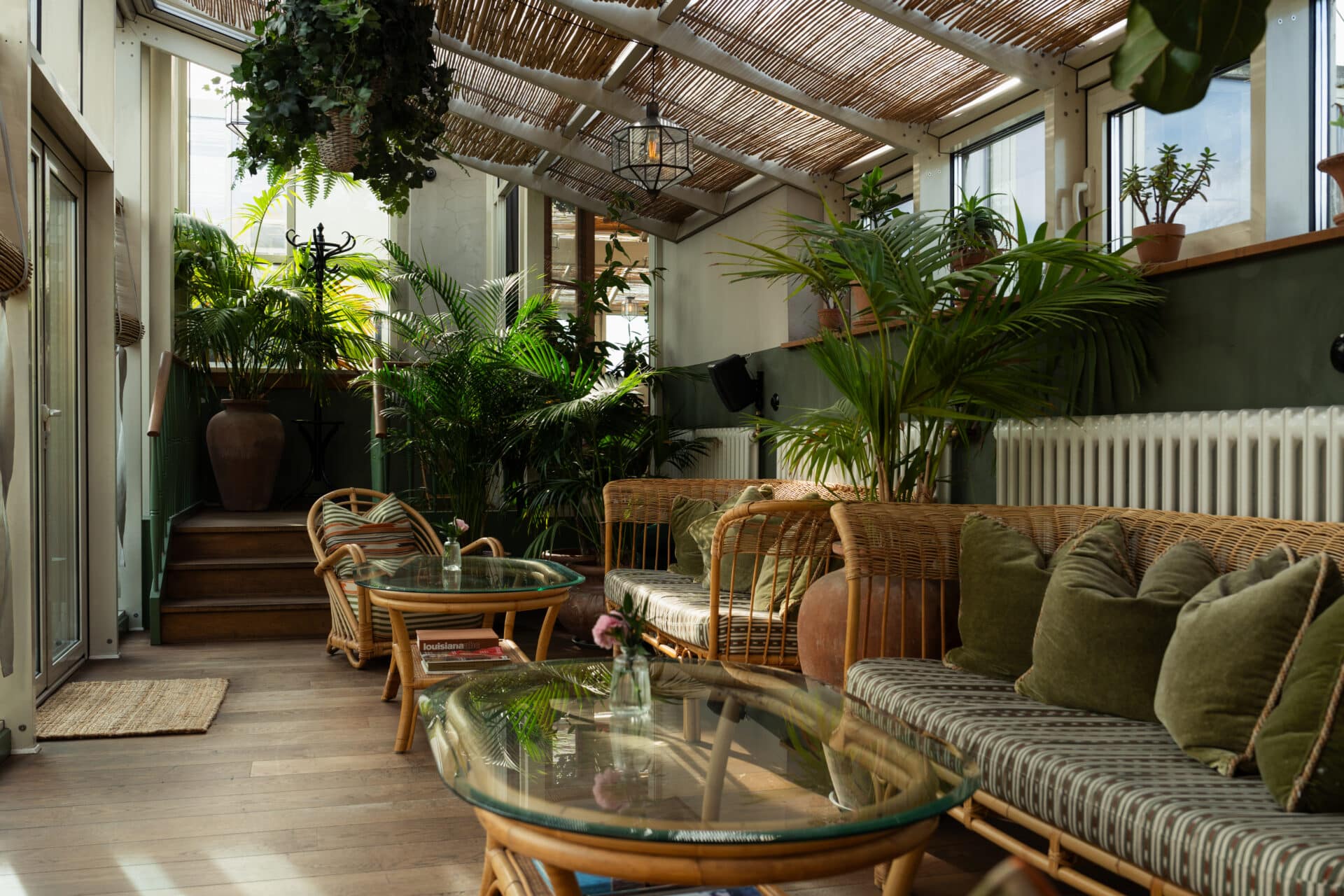
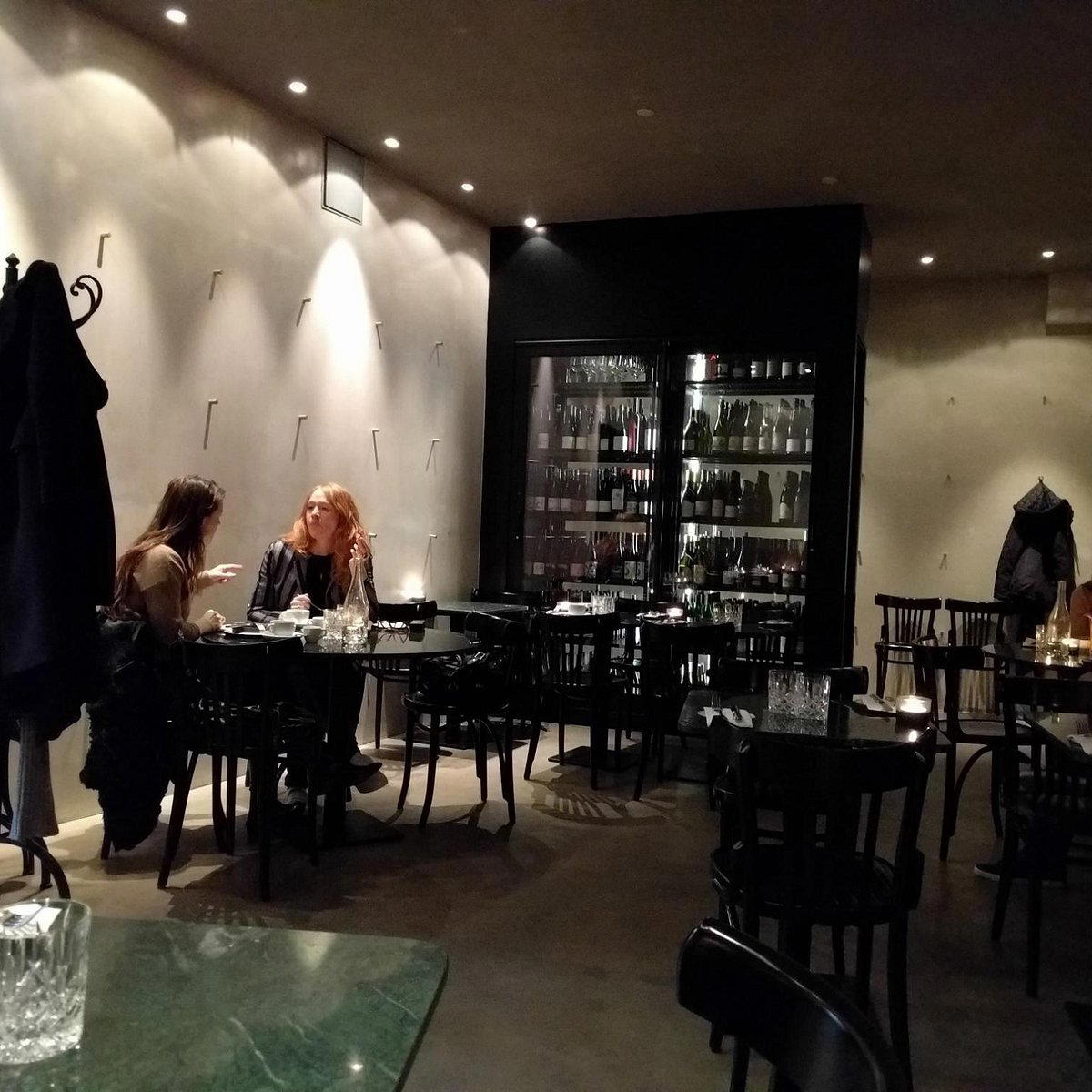
Warm, cozy atmosphere with minimalist Scandinavian design.

Signature Dishes
Vegetarian PizzaMushroom and Kale PizzaNduja Sausage Pizza