Fifty50 TEMPLEOGUE
Fifty50 sits on Templeogue Road in Dublin 6W, where the suburb's quiet residential character shapes what a neighbourhood restaurant can be. The address places it within a local dining tradition that values regularity over occasion, and provenance over performance. For those tracing ingredient-led cooking south of the Grand Canal, it merits attention alongside the broader south Dublin dining circuit.
Pearl is the En Primeur Club membership app — saves, bookings, and concierge access live there. Same editors, same standards.
- Address
- 4-6, Templeogue Rd, Templeogue, Dublin, D6W AK71, Ireland
- Phone
- +35314905628
- Website
- fifty50.ie
- Directions
- Get directions
 Saves & bookings on Pearl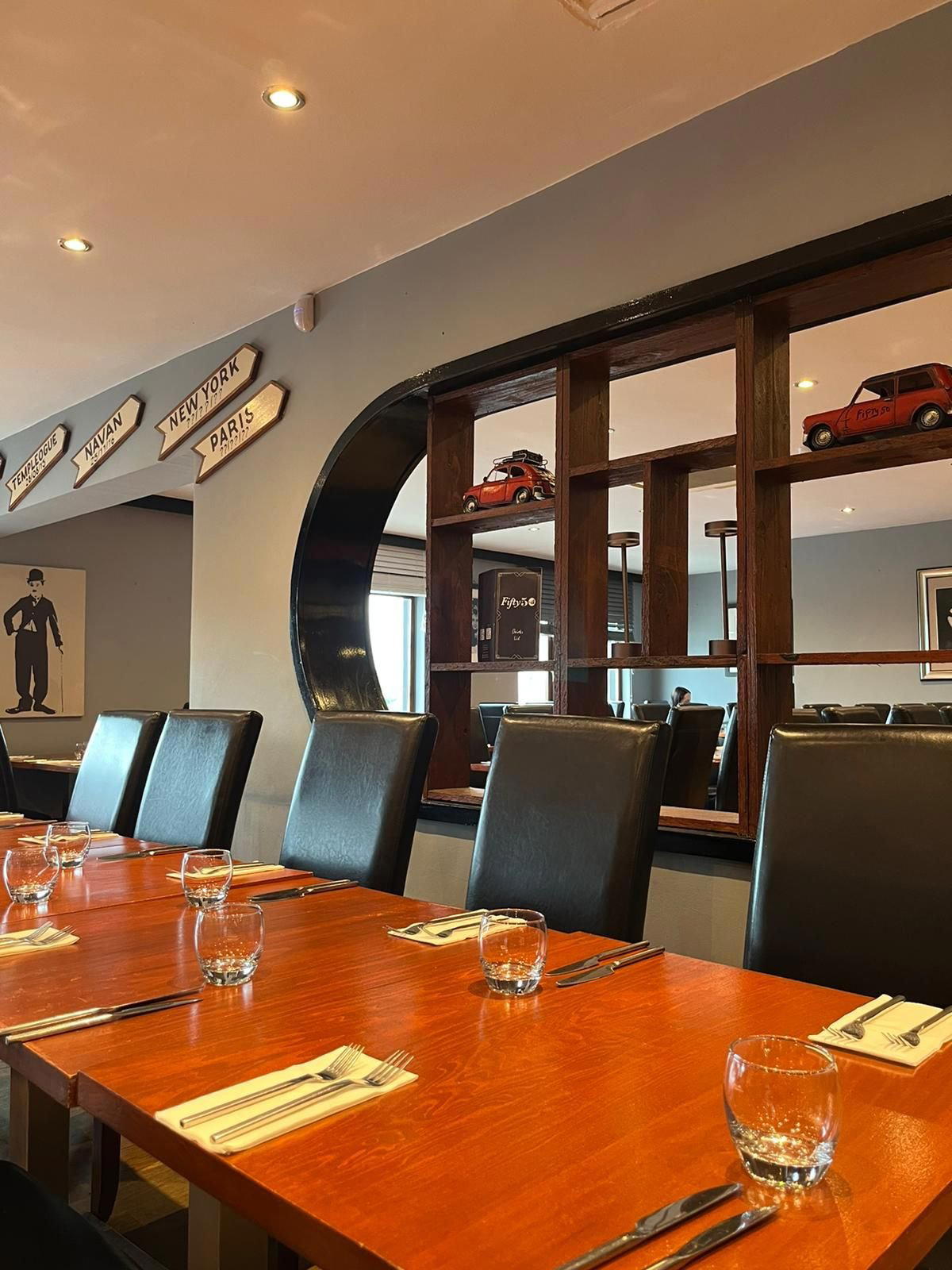
Where Templeogue's Dining Character Sets the Terms
South Dublin's suburban dining belt rarely generates the attention that the city centre or coastal villages attract, but the argument for looking there is direct: the restaurants that survive in areas like Templeogue do so on repeat custom, not tourist footfall. Fifty50 TEMPLEOGUE is an Italian steakhouse with Mediterranean influences in Dublin 6W, and it sits comfortably in that local setting. That structural reality tends to reward a certain kind of cooking, one anchored in consistency, sourcing discipline, and a close relationship between kitchen and local supplier. Fifty50 TEMPLEOGUE, at 4-6 Templeogue Road, occupies that context. The address sits in Dublin 6W, a postcode whose restaurant offerings are fewer and more local in orientation than the denser dining corridors of Ranelagh or Rathmines a few kilometres north.
The approach to Templeogue Road reads like much of suburban south Dublin: residential terraces, modest commercial frontage, the kind of streetscape where a restaurant earns its place by being genuinely useful to its neighbourhood rather than by drawing from across the city. That physical reality shapes the dining culture as much as any chef's philosophy does.
Ingredient Sourcing as the Organising Principle
Ireland's relationship with ingredient provenance has shifted considerably over the past decade. What was once the explicit language of a small number of destination restaurants, places like Aniar in Galway with its rigorous Connacht terroir focus, or Liath in Blackrock with its tasting-menu precision, has moved into broader circulation. The expectation that a restaurant can name its suppliers, trace its proteins, and cook with the Irish seasons is no longer confined to the Michelin tier. It has filtered down into neighbourhood dining, and that is where the more interesting question now sits: how does a local restaurant in a suburb like Templeogue engage with those sourcing standards without the price architecture or ceremony of a destination venue?
The Irish larder that underpins this shift is genuinely strong. Grass-fed beef from the midlands, wild and farmed fish from both Atlantic and Irish Sea coasts, artisan cheesemakers across Munster and Connacht, small-batch cured meats, heritage-breed pork: the raw materials available to Irish kitchens at every price point are among the more compelling in northern Europe. Restaurants in County Cork, including Chestnut in Ballydehob and Bastion in Kinsale, have built reputations precisely on proximity to those primary producers. The question for a Dublin suburb restaurant is whether the same sourcing ethic can travel into a more urban, less agriculturally adjacent setting.
The South Dublin Neighbourhood Restaurant in Context
Templeogue sits at the less-celebrated end of a broader south Dublin dining corridor that runs from Blackrock and Sandymount on the coast through Ranelagh and Rathmines toward the more residential hinterland of Terenure and Templeogue. Each of those areas supports a different restaurant culture. The coastal and canal-adjacent zones attract destination dining; the inner suburbs support a mix of destination and neighbourhood; the outer suburbs, Templeogue among them, are almost entirely neighbourhood-oriented. The Temple Grill is one established reference point in the immediate area, providing a benchmark against which other local openings are naturally measured.
That neighbourhood orientation is not a limitation so much as a different set of editorial criteria. The metrics that matter at Chapter One by Mickael Viljanen in Dublin or at The Oak Room in Adare are not the same metrics that matter at a Templeogue Road address. Regularity of execution, value within the local price register, and the kind of cooking that improves with familiarity matter more than theatrical presentation or extended tasting formats. The comparisons that travel better across the Irish dining spectrum tend to involve sourcing discipline and kitchen fundamentals, which is why the ingredient-provenance question is a more productive frame for understanding suburban restaurants than Michelin signals or tasting-menu ambition.
Internationally, the suburban neighbourhood restaurant has received renewed critical attention, with places like Lazy Bear in San Francisco and the broader community-dining movement demonstrating that proximity and regularity can generate as much culinary seriousness as destination-format cooking. In an Irish context, that same argument plays out at venues like Homestead Cottage in Doolin and The Morrison Room in Maynooth, where the relationship between a kitchen and its immediate community shapes the menu as much as any formal culinary ambition does.
Where Fifty50 Sits Within a Wider Irish Dining Picture
Ireland's restaurant culture is no longer legible only through its destination tiers. The Michelin-starred end of the spectrum, represented nationally by restaurants including Campagne in Kilkenny, Terre in Castlemartyr, Lady Helen in Thomastown, LIGNUM in Bullaun, and House in Ardmore, represents one important current. But the dining patterns of most Irish people, most of the time, are shaped by neighbourhood restaurants in suburban postcodes. That is where the real texture of a city's food culture develops, and where ingredient sourcing, seasonal cooking, and kitchen consistency either hold or collapse without the support of a destination format.
For a broader Irish comparison, dede in Baltimore demonstrates how ingredient provenance can anchor a kitchen in a small coastal community without resort to fine-dining ceremony. The same logic applies, at a different scale, to Le Bernardin in New York City, where sourcing discipline operates at the opposite end of the formality register. The principle that good ingredients, handled with respect for their origin, produce better food than well-presented ingredients handled carelessly applies regardless of postcode or price point.
Planning a Visit
Fifty50 TEMPLEOGUE is at 4-6 Templeogue Road, Dublin 6W. The address is accessible by bus from the city centre, with several routes serving the Templeogue Road corridor. Given the limited online presence for this address in the current record, confirming hours and booking arrangements directly is advisable before travelling. The suburban setting means parking is generally more available than in central Dublin, which can affect how and when people choose to dine there.
Comparable Spots, Quickly
Comparable venues nearby, for context on price, style, and recognition.
| Venue | Cuisine | Price | Notes |
|---|---|---|---|
| Fifty50 TEMPLEOGUEThis venue — the venue you are viewing | Italian Steakhouse with Mediterranean Influences | $$ | Not listed |
| The Temple Grill | Italian European Grill | $$ | Templeogue |
| Impasto 48 | Authentic Neapolitan Pizza | $$ | Sutton |
| Doppio Zero | Authentic Italian Pizza & Pasta | $$ | North City |
| Pacino's | Authentic Italian Trattoria | $$ | Royal Exchange A |
| Jamie Oliver's Italian Dundrum | Italian Trattoria | $$ | Dundrum |
Continue exploring
More in Templeogue
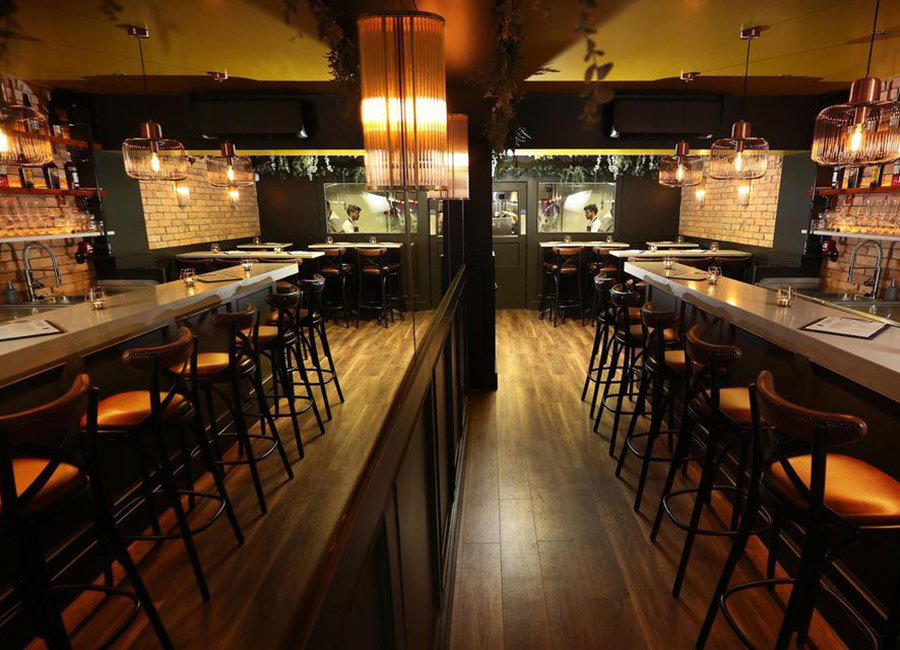
Restaurants in Templeogue
Browse all →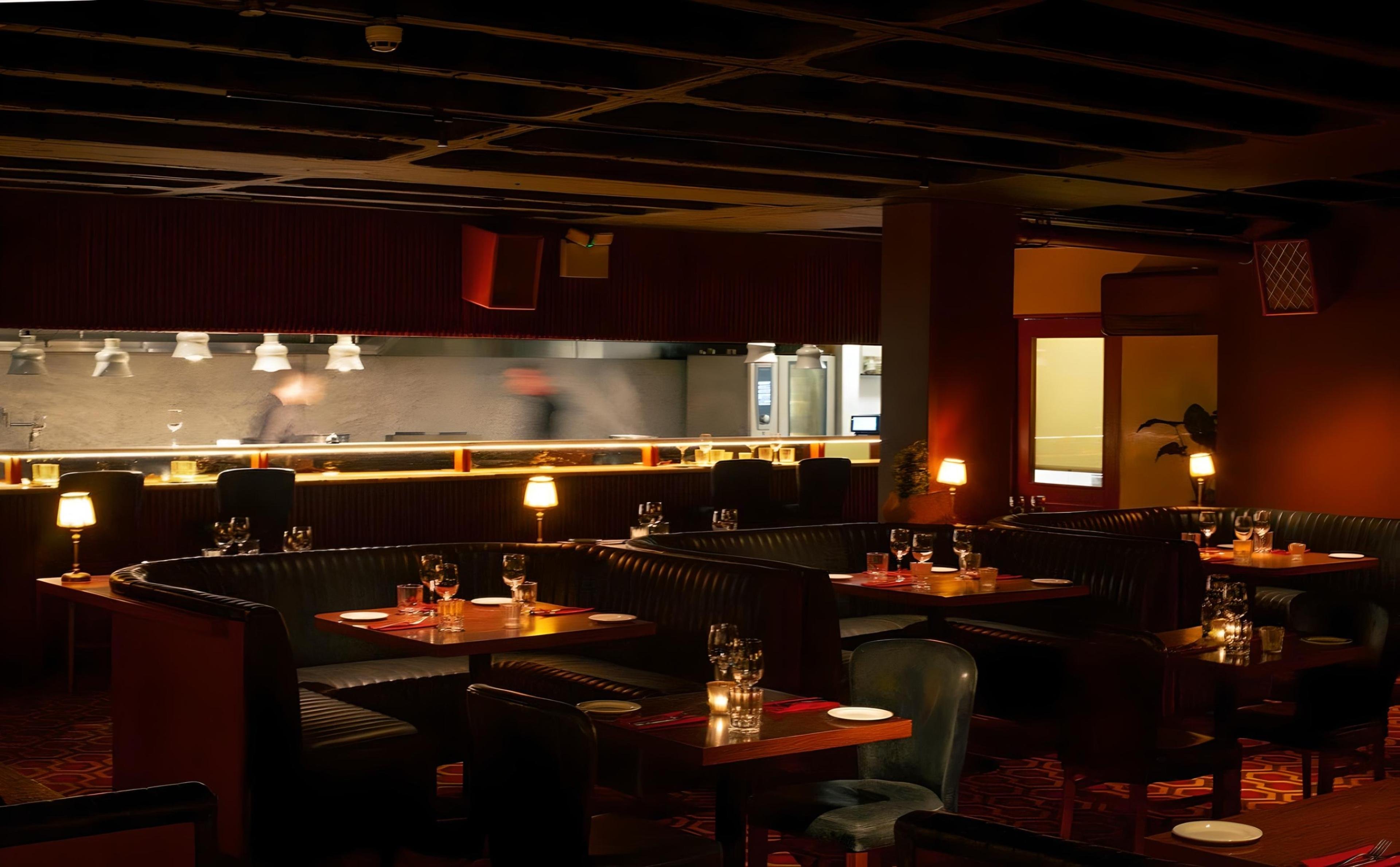
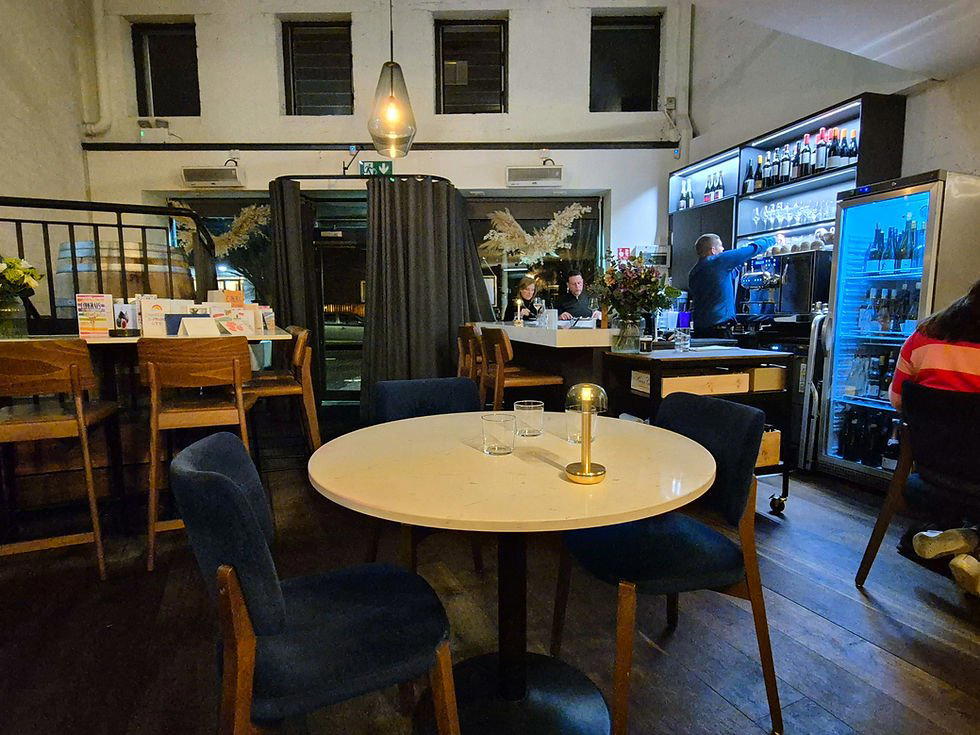
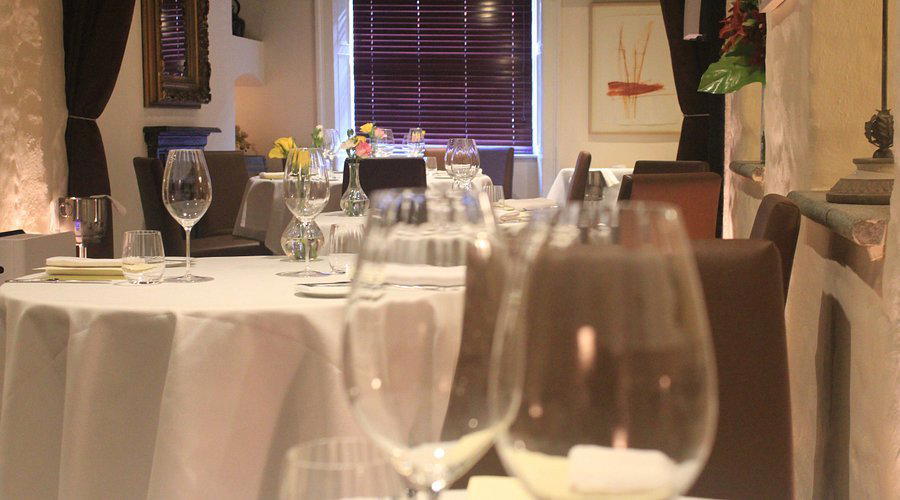
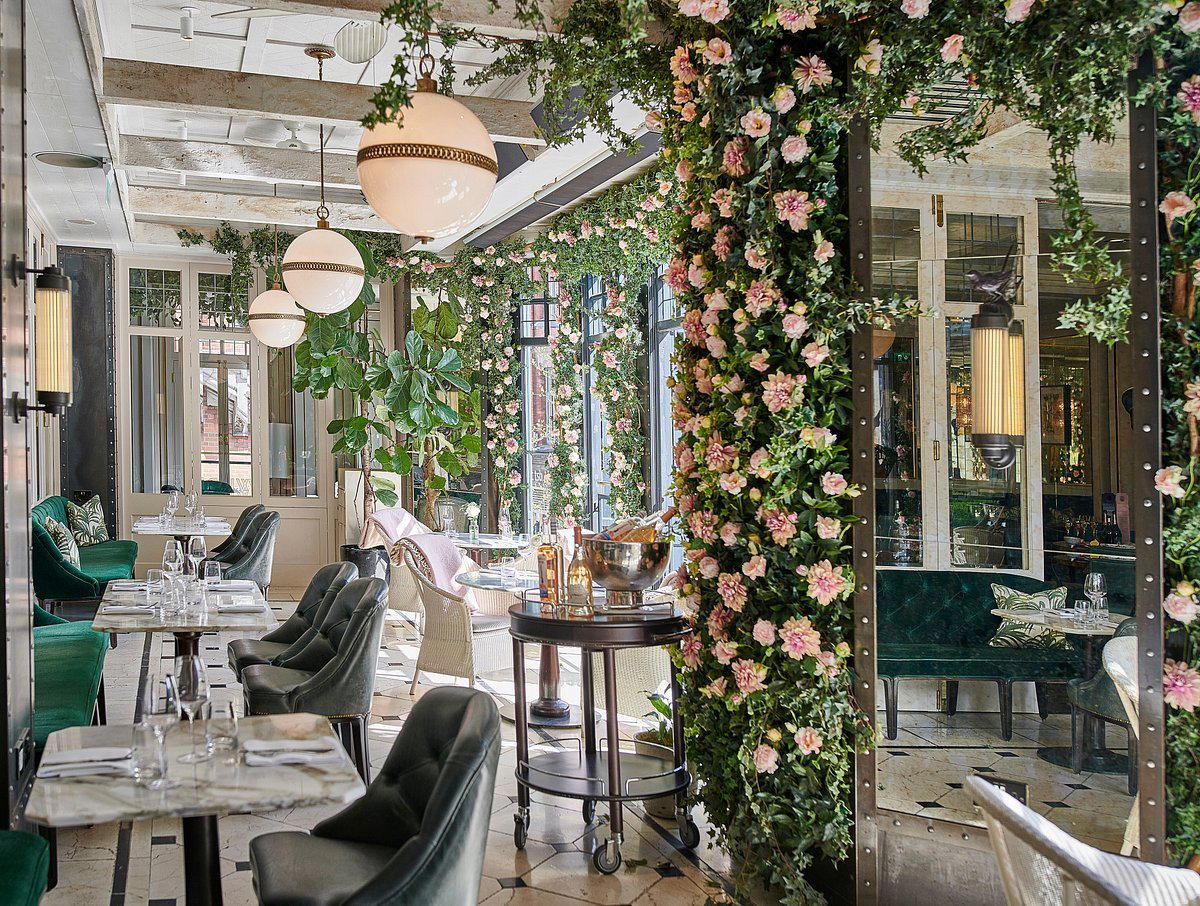
Bars in Templeogue
Browse all →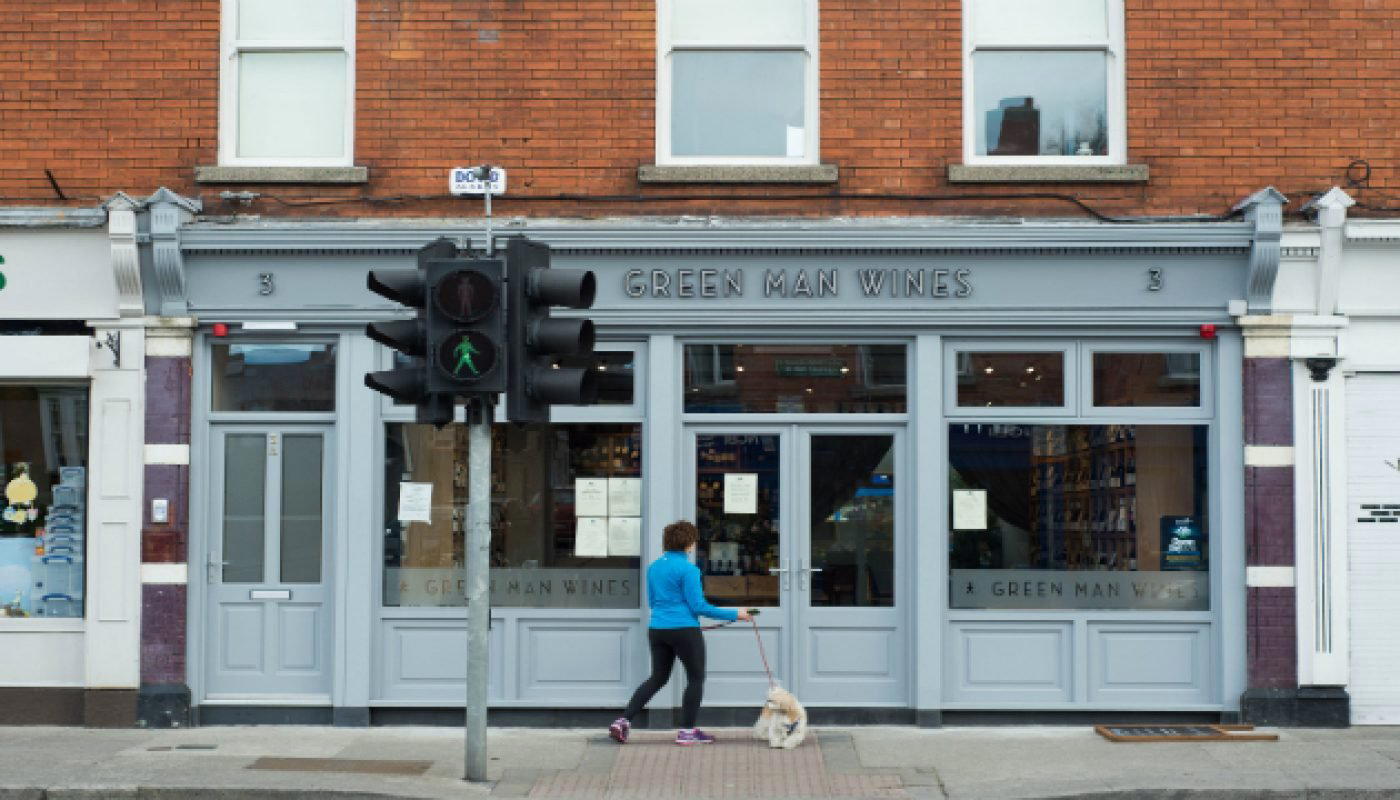
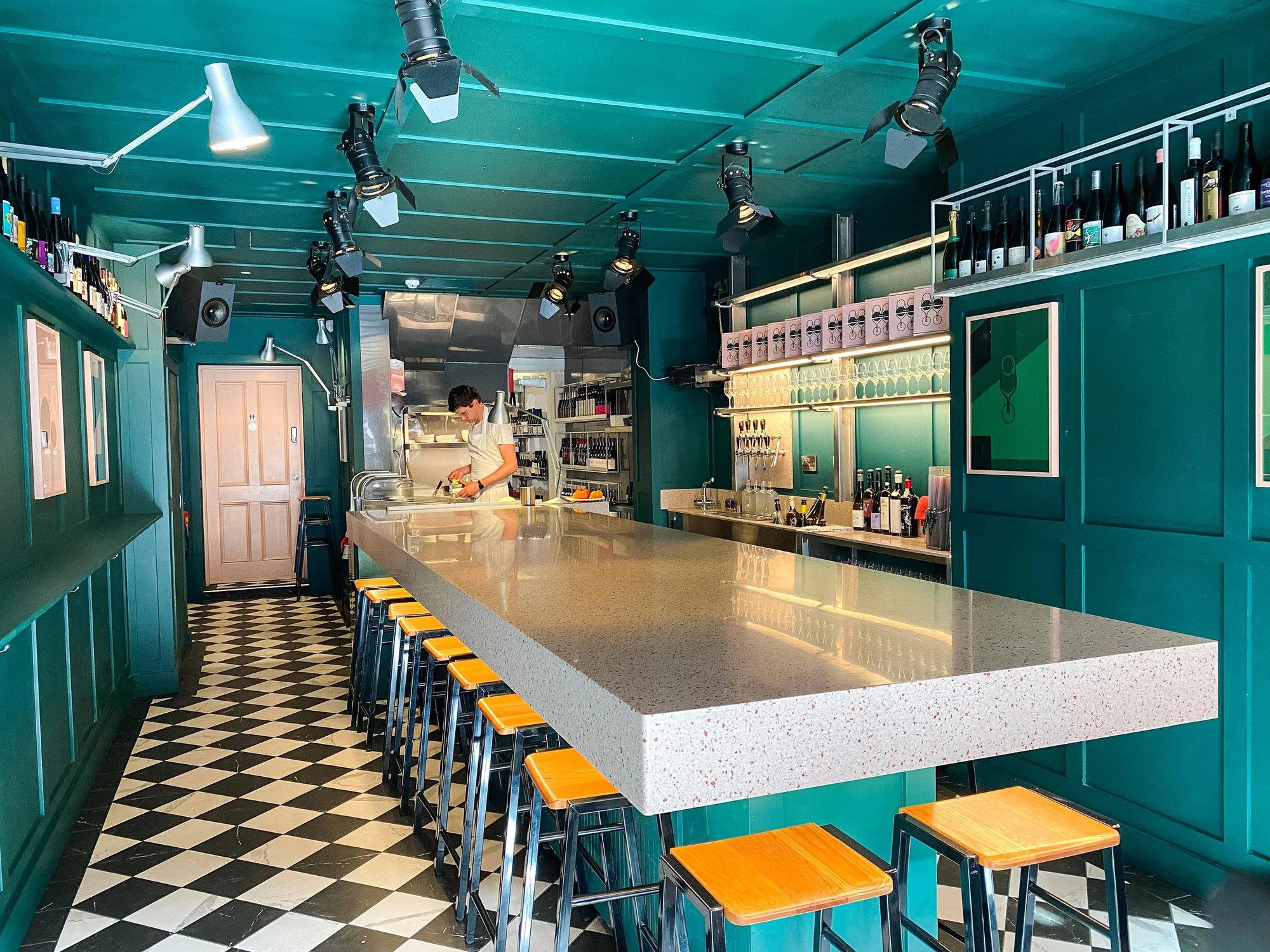
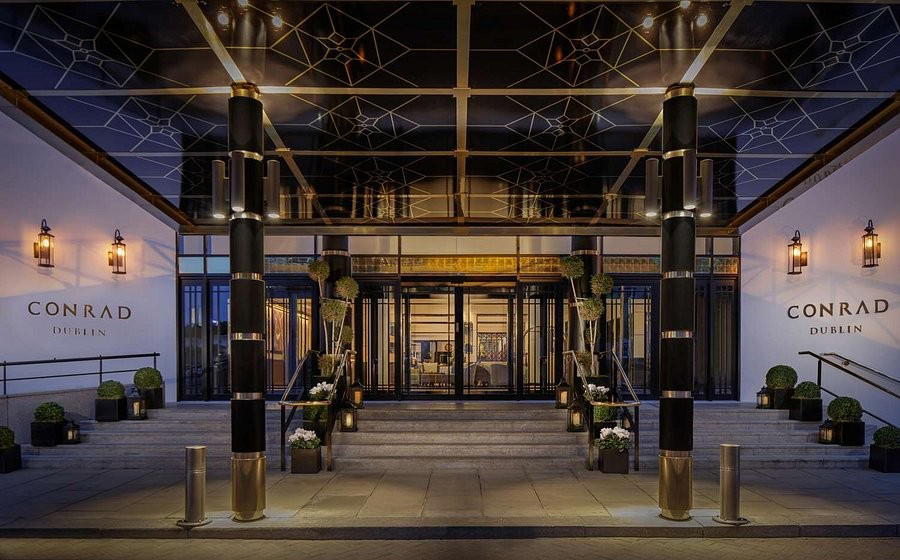
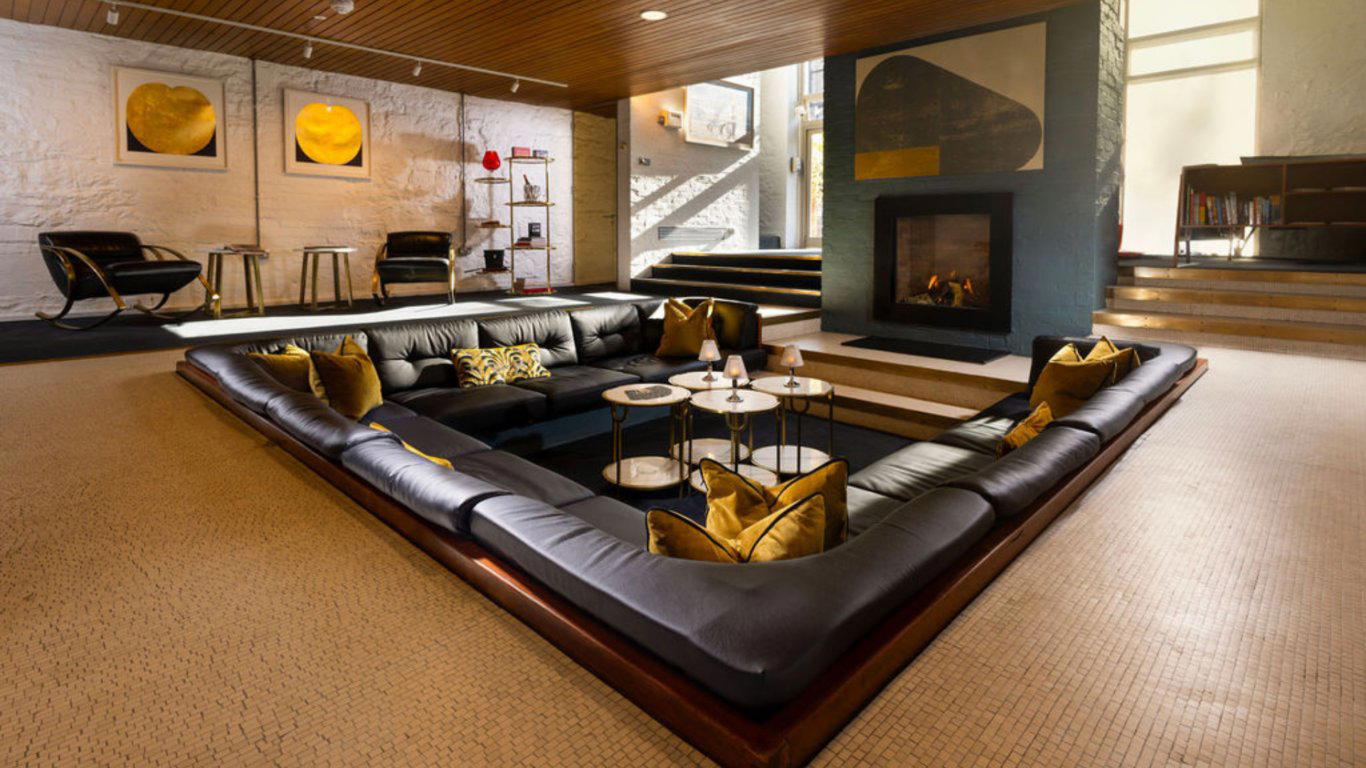
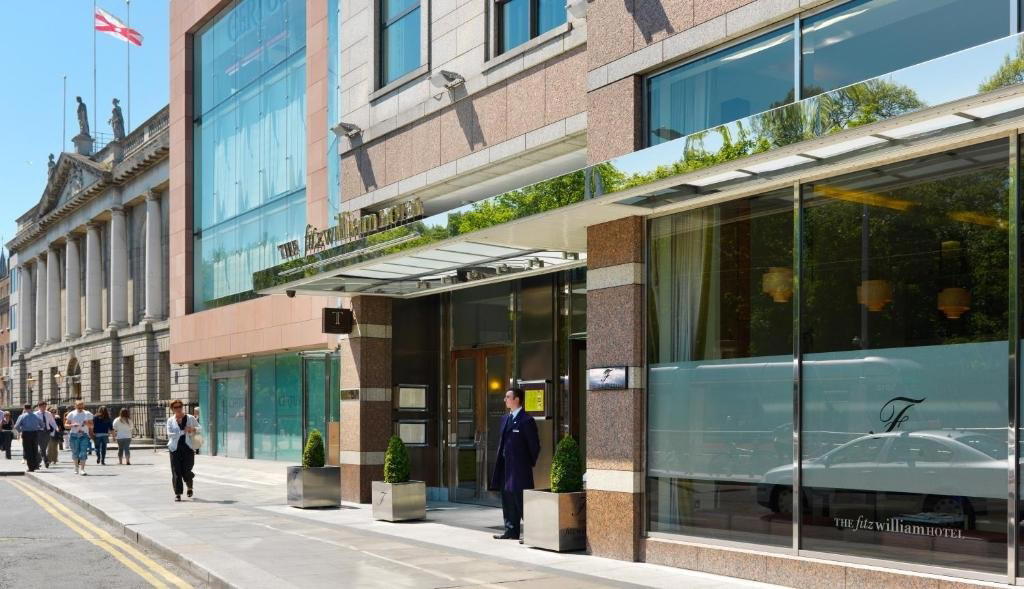
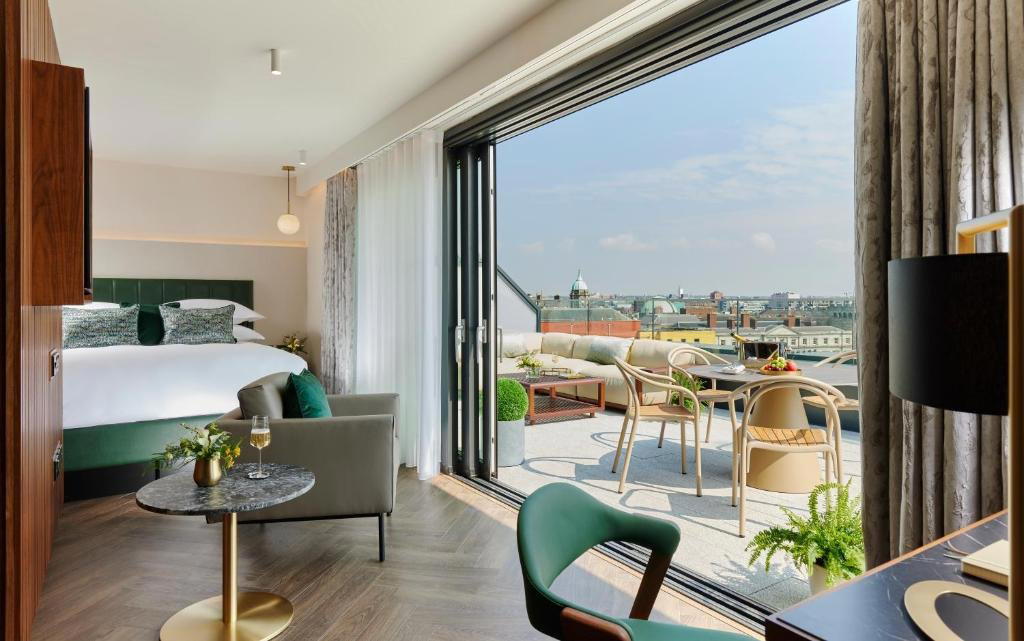
Hotels in Templeogue
Browse all →
Wineries in Templeogue
Browse all →
At a Glance
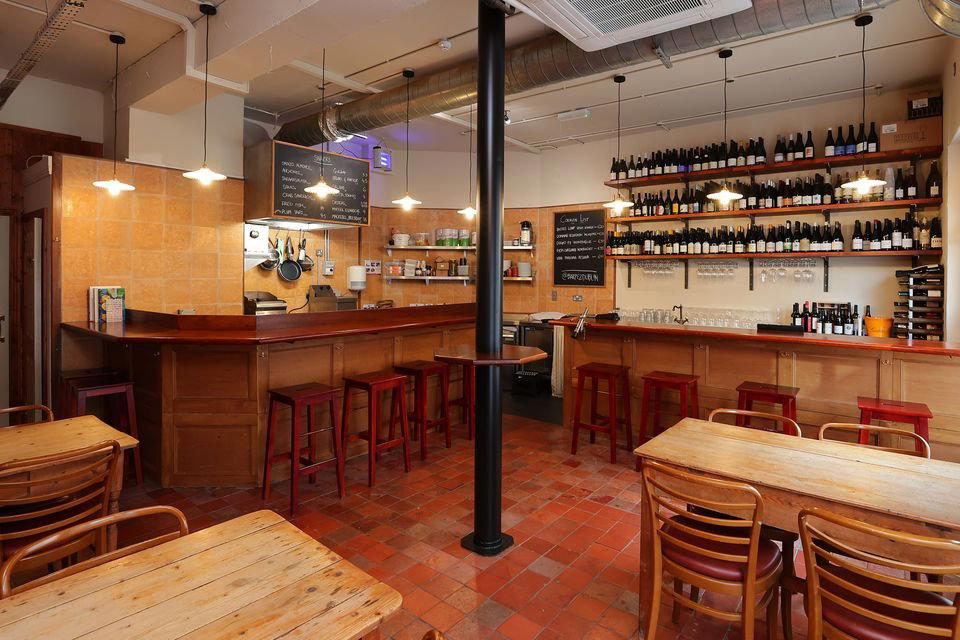
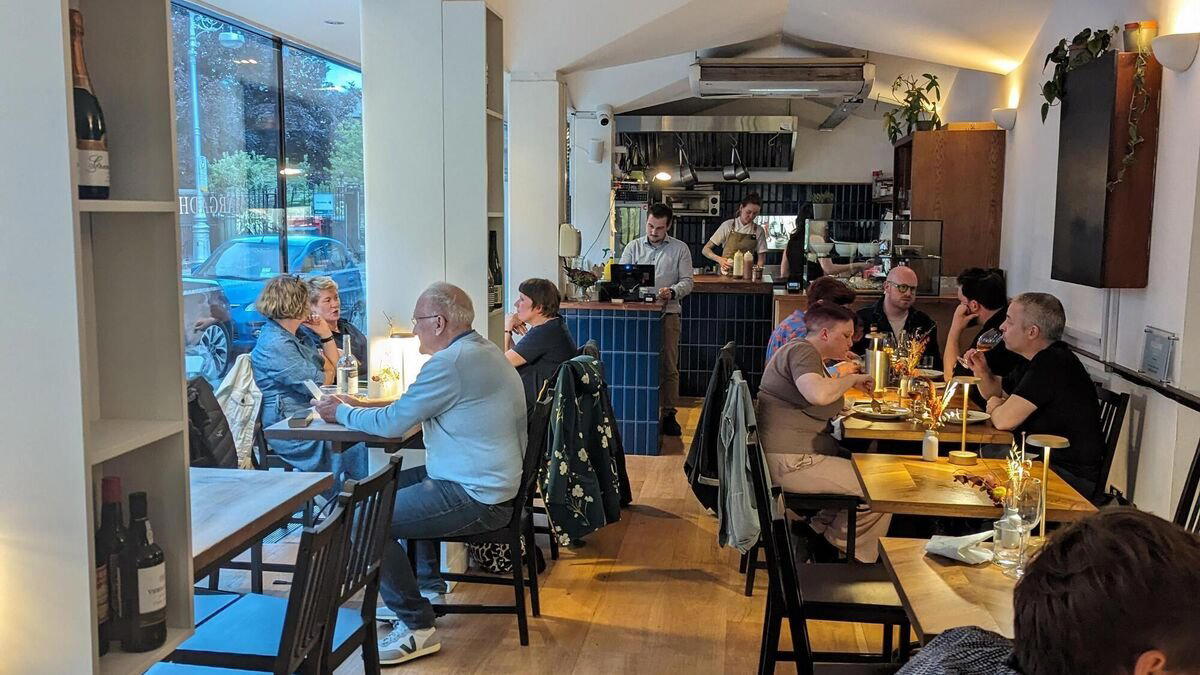
- Cozy
- Lively
- Family
- Casual Hangout
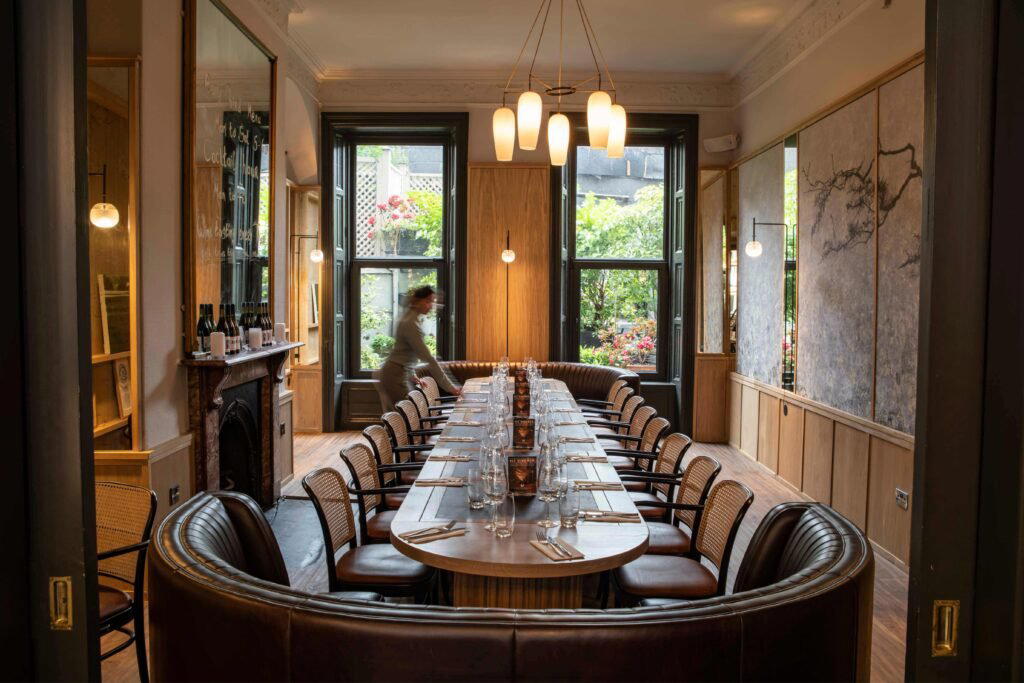
- Group Dining
- Standalone
- Extensive Wine List
- Local Sourcing
Current opening hours
- Monday
- 4–10 PM
- Tuesday
- 4–10 PM
- Wednesday
- 4–10 PM
- Thursday
- 4–10 PM
- Friday
- 4–10 PM
- Saturday
- 2–10 PM
- Sunday
- 1–9 PM
Hours can change for holidays and private events. Last verified .
Cozy and inviting atmosphere with friendly service, though can be noisy during busy times.