The Temple Grill
Our verdict
A neighbourhood grill on Templeogue Road that anchors the local dining scene in south Dublin's D6W corridor. The Temple Grill draws on Ireland's strong grilling tradition, positioning itself within a suburb that has more dining ambition than its residential character might suggest. For context on where it sits among Templeogue's options, the EP Club city guide covers the full picture.

Pearl is the En Primeur Club membership app — saves, bookings, and concierge access live there. Same editors, same standards.

Templeogue Road and the Quiet Case for Suburban Grilling
South Dublin's suburban belt has never attracted the critical attention that the city centre or the coastal villages command, but the dining character of areas like Templeogue tells a more considered story. Templeogue Road runs through a residential stretch of D6W that functions as a genuine local eating corridor rather than a destination circuit. Restaurants here are accountable to a repeat-visit audience in a way that city-centre venues rarely are. That creates a different kind of pressure, and often a different kind of quality. The Temple Grill operates inside that logic, as a grill-focused address serving a catchment that knows its options and returns when those options hold up.
Within the suburb, the Temple Grill shares the local market with Fifty50 Templeogue, which takes a different format and tone. Between these two addresses, Templeogue has more dining range than its profile might suggest. For a broader read of where the suburb sits and which venues merit attention, the EP Club Templeogue restaurants guide provides the full picture.
The Grill Tradition and What It Demands of Sourcing
Grill-focused restaurants occupy a specific position in the Irish dining hierarchy. The format is less technically complex than a tasting-menu operation, but it is considerably less forgiving at the ingredient level. A plate built around grilled protein has nowhere to hide: the quality of the meat, the precision of the cook, and the sourcing chain behind both are exposed in ways that a sauce-heavy or compositionally complex kitchen can partially conceal. Ireland's grass-fed beef production gives grill houses here a raw material advantage over many European equivalents. The country's pasture conditions and relatively low-intensity agricultural model have made Irish beef a reference point in markets from Paris to Tokyo, and a local grill drawing on that supply chain is operating from a genuinely strong position.
The broader Irish restaurant scene has made sourcing transparency a defining feature of its better-regarded venues. Operations like Aniar in Galway and Chestnut in Ballydehob have built their identities almost entirely around where the food comes from and the regional specificity of those supply relationships. At the fine-dining end, venues including Liath in Blackrock and Terre in Castlemartyr treat sourcing as the organising principle of the menu rather than as a marketing footnote. That culture of ingredient-first thinking has filtered down into the broader Irish restaurant conversation in ways that raise expectations even at the neighbourhood level.
Where The Temple Grill Sits in the Wider Irish Dining Picture
Ireland's restaurant geography has undergone a significant shift over the past decade. The concentration of serious cooking in Dublin city centre, which once defined the country's dining reputation, has given way to a much more distributed map. Michelin-starred operations now run from Bastion in Kinsale to Lady Helen in Thomastown to Homestead Cottage in Doolin, while ambitious independent kitchens appear in towns and suburbs that would have had no equivalent ten years ago. Campagne in Kilkenny, House in Ardmore, and LIGNUM in Bullaun are all part of a pattern in which Irish restaurant quality has decentralised in meaningful ways.
Within Dublin specifically, the suburban grill occupies a tier below the destination restaurants but above the casual high-street offer. Chapter One by Mickael Viljanen sets the reference point at the high end of the Dublin dining bracket, while venues like The Morrison Room in Maynooth demonstrate that the commuter belt can sustain serious cooking with a committed local audience. The Temple Grill operates in comparable territory in Templeogue, serving a south Dublin residential catchment that has the spending capacity and food literacy to support an address with genuine standards. For comparison, international grill and sourcing-led formats at the higher end of the market include operations as different in scale as Le Bernardin in New York City and Atomix in New York City, both of which demonstrate the degree to which sourcing provenance has become a primary signal of kitchen credibility across price tiers and formats.
The Sourcing Argument at Neighbourhood Level
There is a broader point about what sourcing-led cooking means when it moves out of the fine-dining register. At venues with tasting menus and prix-fixe formats, ingredient provenance functions as both a quality signal and a narrative device. The menu lists the farm, the county, the breed, and the method, and those details are part of what the diner is paying for. At a neighbourhood grill, the calculus is different. Provenance matters to the quality of the plate, but it tends to be less performatively foregrounded. The diner judges by what arrives rather than by what is announced. That distinction makes sourcing decisions at neighbourhood level arguably more consequential: the kitchen cannot compensate with storytelling if the ingredient falls short.
Ireland's supply infrastructure supports this kind of quiet commitment. West Cork and Munster producers supply meat, dairy, and vegetables to kitchens across the country, and the logistics of sourcing well in Ireland are less demanding than in many comparable markets. A south Dublin grill with considered supplier relationships is working within a system that makes good sourcing achievable rather than aspirational. The regional comparisons are instructive: venues like dede in Baltimore and The Oak Room in Adare each demonstrate how sourcing from specific Irish growing regions can shape a restaurant's identity at different price points and formats.
Planning a Visit
The Temple Grill is located on Templeogue Road in the D6W postal district of south Dublin, accessible from the city centre by road and within the service area of several bus routes running the south circular corridor. Templeogue Road's character is residential and local rather than tourist-facing, which means booking ahead is advisable for weekend evenings when the neighbourhood dining trade is at its most concentrated. The format appears to be a grill-focused neighbourhood restaurant suited to both weeknight and weekend dining rather than a special-occasion destination with a fixed tasting structure.
Frequently asked questions
Does The Temple Grill work for a family meal?
Templeogue is a residential suburb, and the restaurants that survive there long-term do so by serving the local community across a range of occasions. The Temple Grill's position on Templeogue Road in the D6W district puts it squarely in neighbourhood-restaurant territory, which typically means the format accommodates groups of mixed ages. Confirming specific family provisions such as children's options or group booking arrangements is worth doing directly with the venue before you visit.
Is The Temple Grill formal or casual?
South Dublin's suburban dining tends to run on a mid-register register — more relaxed than the city-centre tasting-menu rooms, more considered than a quick-service spot. The Temple Grill's location on Templeogue Road in D6W positions it as a neighbourhood destination where the expectation is comfortable rather than ceremonial. Dress codes and table formality are best confirmed with the venue directly, as the current operation is not documented in detail.
Is The Temple Grill a good option for dinner in south Dublin rather than the city centre?
For diners based in or around the D6W postal district, The Temple Grill on Templeogue Road cuts out the need to travel into Dublin city centre for a sit-down grill meal. South Dublin's suburban belt has historically been underserved by the kind of neighbourhood cooking that makes a local restaurant worth returning to, which is part of what gives a grill-focused operation in Templeogue a clear role in the area. Current hours and booking availability are not published online, so contact the venue to confirm before travelling.
What's the best thing to order at The Temple Grill?
The venue name signals a grill focus, and grill-led restaurants in Ireland live or die by the quality of their sourcing — the format offers nowhere to hide on that front. Without a published menu available for review, the most reliable approach is to ask staff on arrival what is in season and what the kitchen is most confident in on the day. That question lands well in any serious grill room.
In Context: Similar Options
Comparable venues nearby, for context on price, style, and recognition.
| Venue | Cuisine | Price | Notes |
|---|---|---|---|
| The Temple GrillThis venue — the venue you are viewing | Italian European Grill | $20–30 | Not listed |
| Fifty50 TEMPLEOGUE | Italian Steakhouse with Mediterranean Influences | $20–30 | Templeogue Village |
| Cafe Topolis | Traditional Italian Pizza and Pasta | $20–30 | Royal Exchange A |
| Virtuoso Restaurant | Authentic Italian | $20–30 | North City |
| Thats Amore Malahide | Authentic Italian Trattoria | $20–30 | Malahide Village |
| Milano | Italian Pizza and Pasta | $20–30 | Dundrum Town Centre |
Continue exploring
More in Templeogue
Restaurants in Templeogue
All restaurants in Templeogue →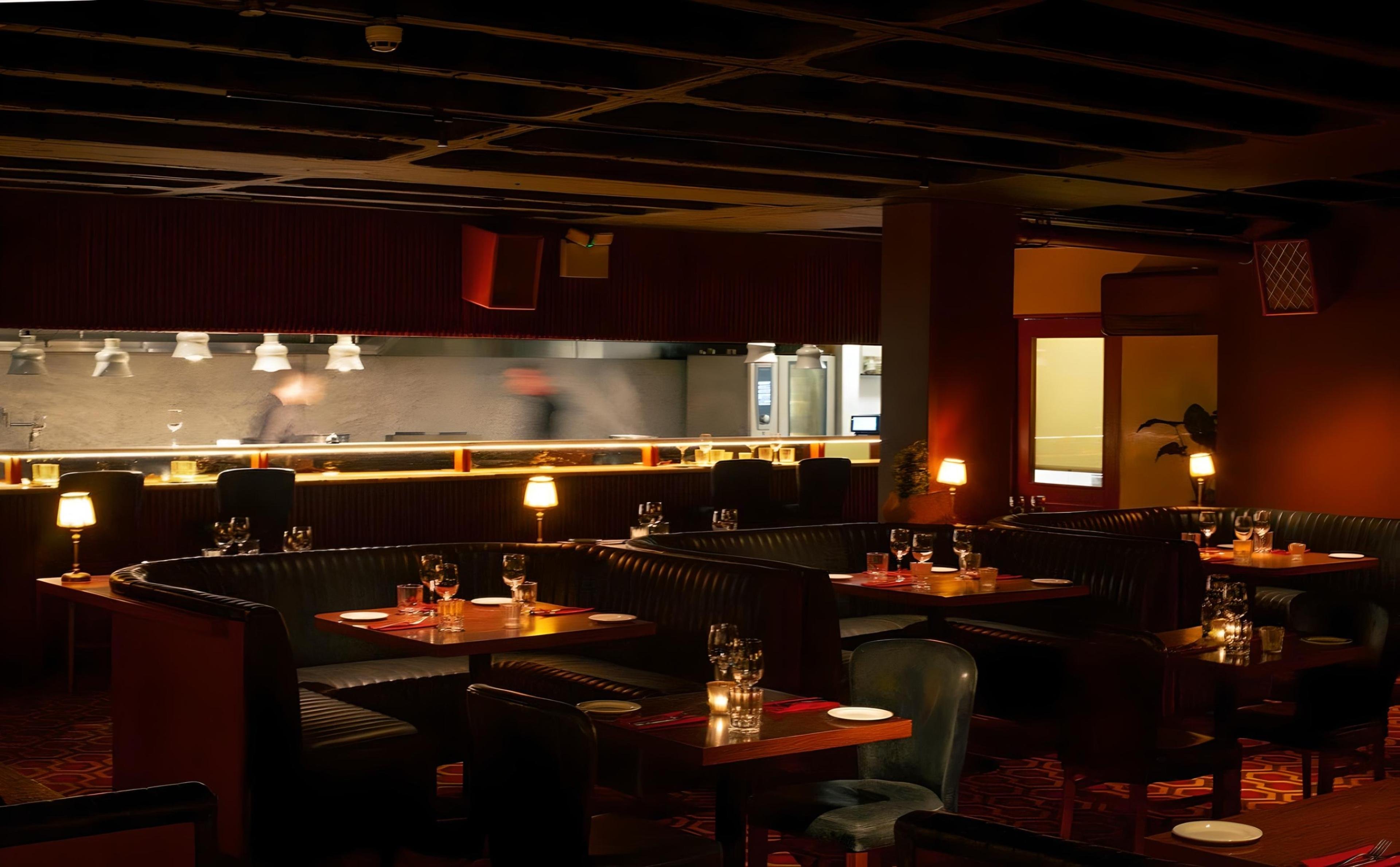
Bars in Templeogue
Browse all →
Hotels in Templeogue
Browse all →
Wineries in Templeogue
Browse all →
Details
- Cozy
- Modern
- Family
- Casual Hangout
- Standalone
- Beer Program
- A La Carte
- Vegetarian Friendly
- Vegan Options
- Gluten Free Options
Current opening hours
- Monday
- 4–9 PM
- Tuesday
- 4–9 PM
- Wednesday
- 4–9 PM
- Thursday
- 4–9 PM
- Friday
- 4–9 PM
- Saturday
- 2–9:30 PM
- Sunday
- 2–9 PM
Hours can change for holidays and private events. Last verified .
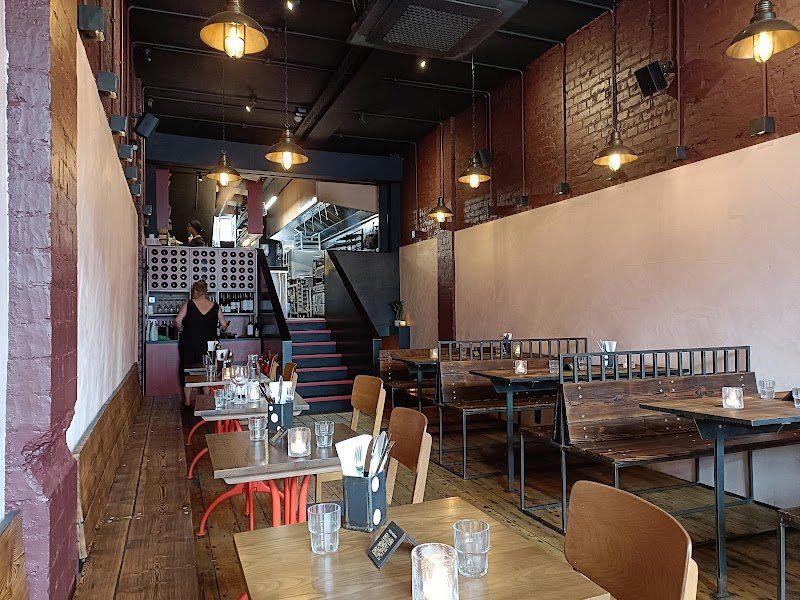
Warm, welcoming, and relaxing atmosphere suitable for families.