Our verdict
On Upper Abbey Street, Doppio Zero occupies a corner of Dublin's Northside that sits closer to the city's working grain than its tourist circuit. The name signals Italian double espresso culture, but the kitchen operates within the broader tradition of ingredient-led European cooking that has quietly reshaped casual Dublin dining over the past decade. For visitors tracking where the city eats rather than where it performs, this is a useful address.

Pearl is the En Primeur Club membership app — saves, bookings, and concierge access live there. Same editors, same standards.
- Address
- 4A Abbey Street Upper, North City, Dublin 1, Ireland
- Phone
- +353876621135
- Hours
- Mon–Fri 7 AM–5 PMSat 8 AM–5 PMSun Closed
- Website
- opentable.com
- Directions
- Get directions
- Booking
- Book on OpenTable
Upper Abbey Street and the Northside's Shifting Dining Identity
Dublin's dining reputation has historically clustered south of the Liffey, around the Georgian squares and hotel dining rooms that carry the city's formal culinary credentials. The Northside has been slower to attract the kind of sustained editorial attention that venues like Chapter One by Mickael Viljanen once brought to Parnell Square, before that address moved into a different register entirely. What has changed in the last several years is quieter and more distributed: a generation of neighbourhood-oriented places on the north bank that are less interested in destination dining and more focused on the kind of cooking that makes a street worth returning to.
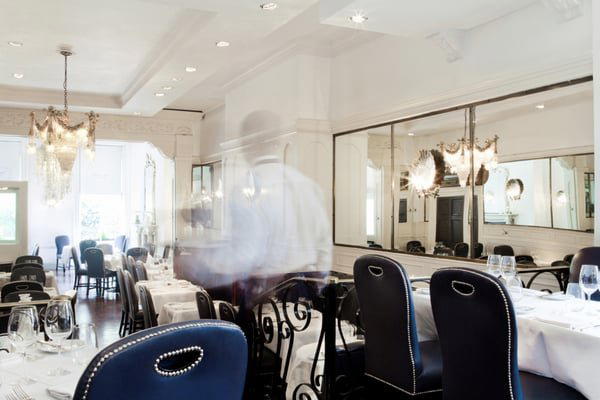
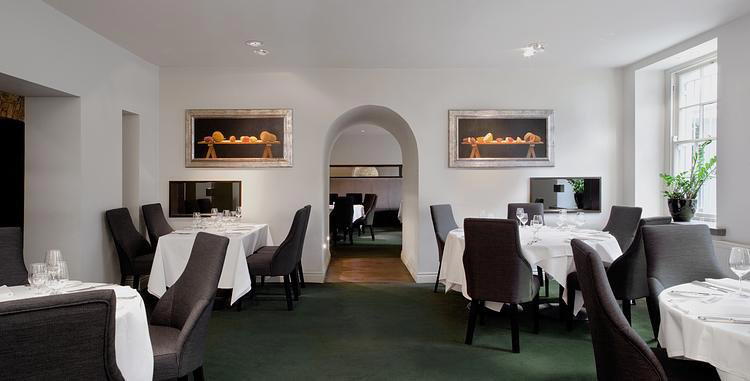
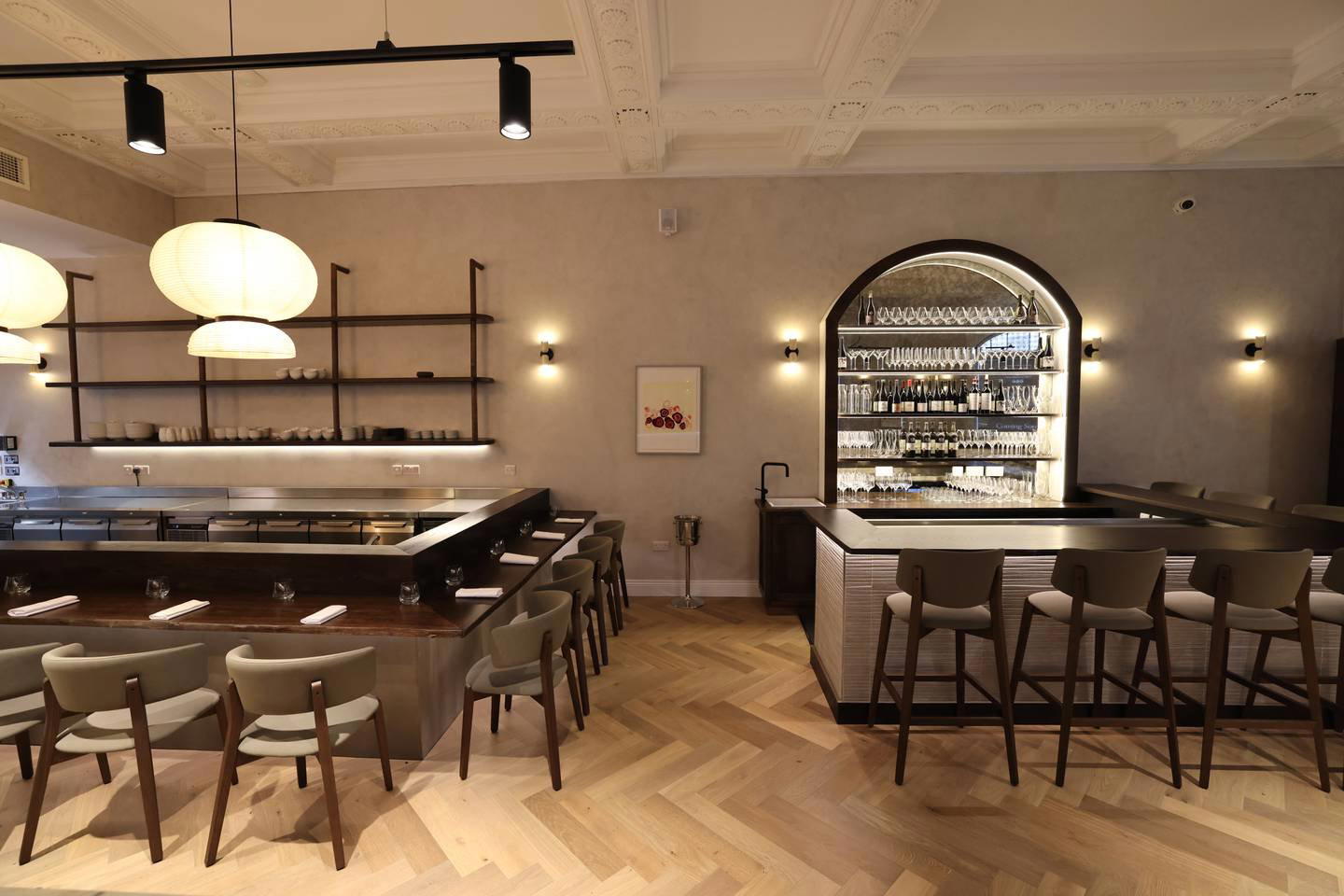
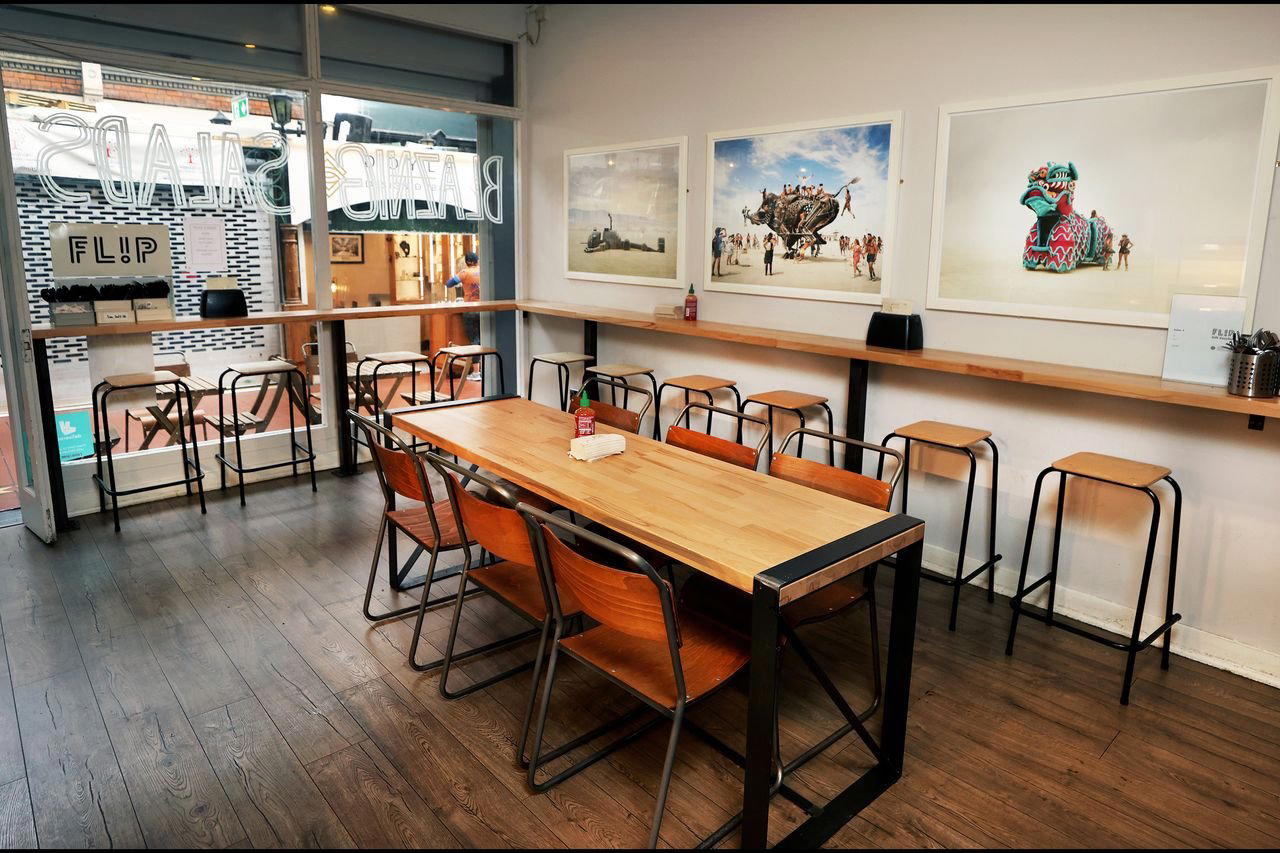
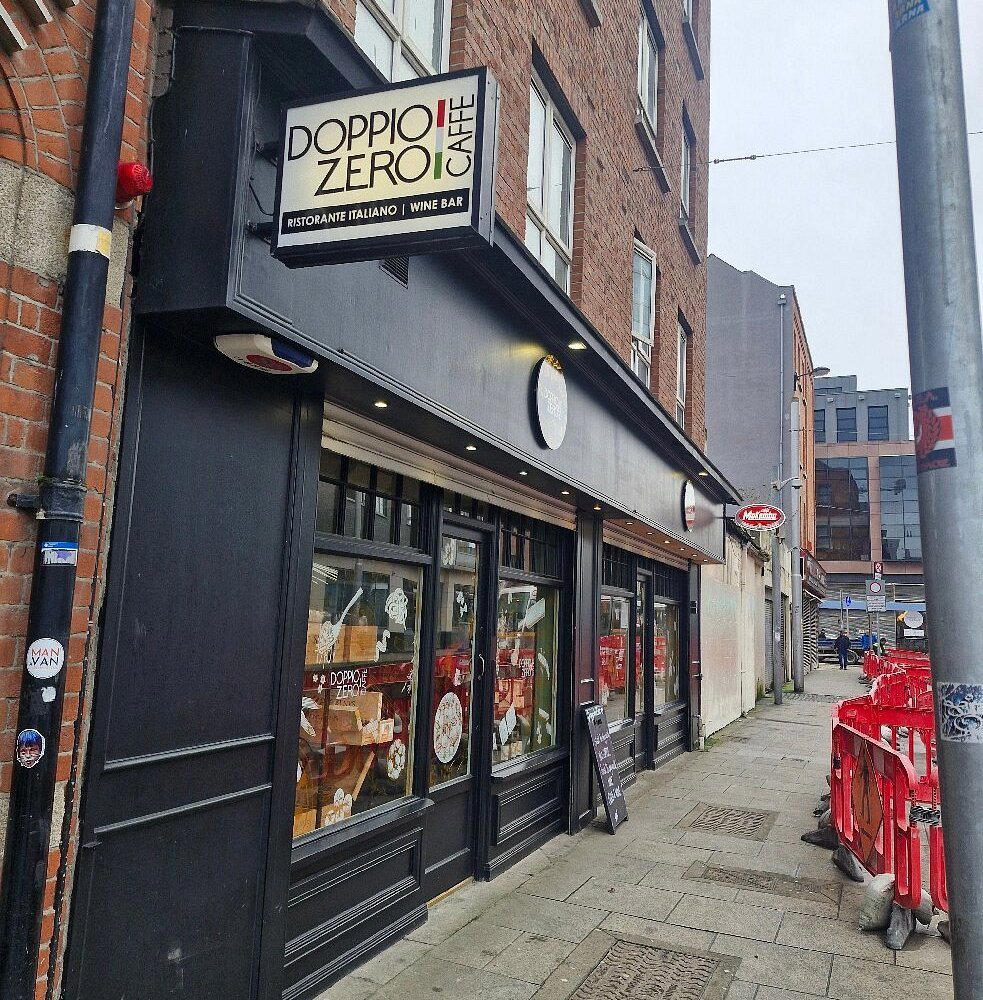
Doppio Zero on Upper Abbey Street fits that pattern. The address puts it on a stretch of the Northside that functions as a genuine working corridor rather than a curated dining district. The approach to the room carries no theatre of anticipation, no neon signage or velvet rope equivalent. What you encounter is a space configured for the rhythm of daily life rather than the occasion, which is itself an editorial position in a city where the line between neighbourhood restaurant and special-event venue has blurred considerably.
The Ingredient Argument Behind Italian-Influenced Cooking in Ireland
The name Doppio Zero references the finely milled Italian flour classification that defines particular pasta and pizza doughs, and in doing so it makes a quiet claim about sourcing priorities. Italian cooking traditions, at their most considered, are defined less by technique than by the quality and provenance of raw materials. When those traditions transplant to Ireland, the most interesting version of the conversation involves what happens when Italian sourcing logic meets Irish agricultural output.
Ireland's relationship with ingredient quality is not incidental. The country's Atlantic climate and grass-fed farming infrastructure produce dairy, beef, and seafood that regularly appear on the menus of kitchens far more decorated than any Northside casual room. Bastible on Leonard's Corner has built a significant reputation around exactly this kind of thinking, placing Irish-sourced produce inside European cooking frameworks without apology. Glovers Alley operates in a different price register but applies a similar sourcing logic to modern Irish-European cooking. What these kitchens share is a belief that the credibility of the dish begins before it reaches the pass.
The flour classification embedded in Doppio Zero's name implies the same orientation: that the quality of the base material determines what is possible at every subsequent stage. In a city where Italian-influenced restaurants range from fast-casual chains to D'Olier Street-adjacent fine dining, the venues that hold their position are generally those with a clear and consistent sourcing argument, not merely a stylistic one.
Where Doppio Zero Sits in Dublin's Casual Tier
Dublin's restaurant pricing has compressed in interesting ways over the past decade. The formal tier, anchored by addresses like Patrick Guilbaud, operates on a different cost structure entirely and competes against European peers rather than local casual rooms. Below that, a mid-tier has developed that includes technically serious kitchens operating without the overhead of white-tablecloth service or extended tasting formats. Doppio Zero operates in this register, where the cooking can be considered without the diner absorbing the cost of full fine-dining infrastructure.
This is the tier where ingredient sourcing decisions become most visible in the price-to-quality ratio. A kitchen that invests in better flour, better dairy, and better produce will show that investment in the finished dish more legibly than in a setting where those costs are absorbed into a broader luxury premium. It is also the tier most directly connected to how a city's food culture actually functions day-to-day, outside the evaluation cycles of major awards. For a fuller picture of where Doppio Zero sits within the broader Dublin dining map, the full Dublin restaurants guide covers the city's range in detail.
The Wider Irish Sourcing Context
The conversation about Irish ingredient provenance extends well beyond Dublin. Across the country, a network of kitchens has built its editorial identity around regional sourcing: Aniar in Galway is perhaps the most explicit in its terroir-led philosophy; Liath in Blackrock applies similar thinking within a tasting menu format; Chestnut in Ballydehob demonstrates how West Cork's agricultural density can sustain a serious kitchen in a small rural setting. Further afield, dede in Baltimore, Bastion in Kinsale, Terre in Castlemartyr, and Homestead Cottage in Doolin each represent regional kitchens where the distance between field and plate is short enough to make provenance a meaningful variable rather than a marketing claim.
What urban casual rooms like Doppio Zero inherit from this broader context is an expectation set by diners who have eaten across that network. The standard for what ingredient-led cooking means in Ireland has been raised by venues that made sourcing their primary editorial argument. In that environment, a name that signals technical specificity about flour carries more weight than it might in a city with a less developed provenance culture.
For readers tracking similar ingredient-led thinking internationally, Lazy Bear in San Francisco and Le Bernardin in New York City both demonstrate how sourcing discipline operates as a foundational editorial position in their respective markets. Closer to home, Campagne in Kilkenny, The Oak Room in Adare, and The Morrison Room in Maynooth each frame regional Irish produce within European cooking traditions, occupying a peer register to what Doppio Zero appears to pursue on Abbey Street.
Know Before You Go
| Location | 4A Abbey Street Upper, North City, Dublin 1, Ireland |
|---|---|
| Neighbourhood | Northside Dublin, close to the Liffey and the city centre transit corridor |
| Price range | |
| Booking | Booking method not confirmed; walk-in availability not verified |
| Further reading | Full Dublin restaurants guide |
Frequently asked questions
What's the address for Doppio Zero?
Doppio Zero is located at 4A Abbey Street Upper, North City, Dublin 1, Ireland, Dublin.
Is Doppio Zero a good option for Italian-style food in Dublin 1?
Within Dublin 1, Italian-influenced kitchens built around a specific technical premise — in this case, the 00 flour classification that defines the venue's name — are less common than generic pizza or pasta outlets. Doppio Zero's address at 4A Upper Abbey Street puts it on the Northside, away from the concentration of similar venues further south, which gives it a practical edge for anyone based in or visiting the North City area.
What should I order at Doppio Zero?
The name Doppio Zero points directly to the kitchen's focus: Italian-style doughs built on finely milled 00 flour, which shapes both pasta and pizza preparation at this kind of address. Dishes driven by that foundation are the logical starting point. Menus at flour-forward casual kitchens on Dublin's Northside tend to shift with seasonal supply, so the current offering is best confirmed directly with the venue before visiting.
Can I walk in to Doppio Zero?
Upper Abbey Street sits outside Dublin's primary tourist circuit, which in practice means less competition for covers than you would face at comparable spots around Temple Bar or St. Stephen's Green. Checking ahead remains the safer approach, particularly on weekend evenings.
What do critics highlight about Doppio Zero?
Doppio Zero has not appeared in major awards cycles for which EP Club holds confirmed records, and no specific named critic reviews are on file. That said, the kitchen's positioning on Upper Abbey Street places it within a Northside dining corridor that has drawn increasing editorial attention as Dublin's restaurant identity shifts north of the Liffey. The 00 flour premise gives the venue a clear culinary argument that tends to attract ingredient-focused coverage.
Cuisine-First Comparison
Comparable venues nearby, for context on price, style, and recognition.
| Venue | Cuisine | Price | Notes |
|---|---|---|---|
| Doppio ZeroThis venue — the venue you are viewing | Authentic Italian Pizza & Pasta | Not listed | Not listed |
| Hidden By One Society | Italian Brunch & Pizza | $20–30 | Arran Quay B |
| Antica Venezia | Traditional Italian | $20–30 | Rathmines East A |
| Virtuoso Restaurant | Authentic Italian | $20–30 | North City |
| Val's | Authentic Italian Pizzeria | $20–30 | Royal Exchange A |
| Zero Zero Pizza, Kimmage | Authentic Neapolitan Pizza | $20–30 | Kimmage C |