Farina di Nonna sits at Eichkamp 1 in Kiel's Schleswig-Holstein setting, positioned within a city that increasingly rewards diners who look beyond the harbour-facing obvious. Against Kiel's growing roster of neighbourhood-rooted restaurants, this address carries the weight of its name, grandmother's flour, suggesting a kitchen grounded in handed-down technique rather than trend-chasing ambition.
Pearl is the En Primeur Club membership app — saves, bookings, and concierge access live there. Same editors, same standards.
- Address
- Eichkamp 1, 24116 Kiel, Germany
- Phone
- +4943155602930
- Website
- farinadinonna.pizza
- Directions
- Get directions
 Saves & bookings on Pearl
A Street Address That Does Some Explaining
Kiel's dining identity has long been shaped by its relationship with the water, the Förde, the ferry terminals, the fish market on Montag mornings. But the city's more telling restaurant story in recent years has played out inland, in residential quarters where rents allow kitchens to take their time and locals become regulars rather than tourists passing through. Farina di Nonna is an Authentic Italian Pizza restaurant at Eichkamp 1, 24116 Kiel, Germany. It is not a harbour-view postcard location. It is the kind of address that requires a decision to visit, which tends to self-select for the right kind of crowd.
The name itself signals the programme before you've crossed the threshold. Farina di Nonna, grandmother's flour, places the kitchen squarely in the tradition of Italian home cooking as craft rather than performance. Across Germany, that genre has split into two largely unsatisfying camps: the red-chequered-tablecloth museum piece and the Milanese-inflected brasserie that treats pasta as a vehicle for truffle oil and Instagram composition. The address on Eichkamp suggests neither. What the name proposes, instead, is a relationship with dough, with slow method, with the kind of recipe that moves through generations rather than through a PR cycle.
Where Farina di Nonna Sits in Kiel's Dining Structure
Kiel operates as a mid-sized German port city with a dining scene that punches somewhat above its population weight, partly because of its proximity to Hamburg, close enough that ambitious chefs see it as viable, far enough that rents and competition allow a different rhythm. The city's upper tier is occupied by rooms like Ahlmanns, which works in the creative European register at the €€€€ tier, and KOS fine dining, which sits at €€€ in the contemporary bracket. Then there is the mid-market with genuine conviction: FLYGGE in the regional cuisine mode and Der Bauch von Kiel, which has built a following around local sourcing and neighbourhood presence.
Farina di Nonna operates in a different lane from all of these. The Italian home-cooking tradition, when executed with seriousness, competes less on format, no tasting menus, no foraged-garnish theatrics, and more on the quality of the base ingredient and the integrity of the technique. That is a narrower claim, but it is a harder one to fake. Pasta that holds its texture through service, a ragù that has been given hours rather than minutes, bread that has been made with something called nonna's flour: these things either work or they don't. There is less room for distraction.
For the broader German fine dining context, the rooms that represent the country's most decorated tier, names like Schwarzwaldstube in Baiersbronn, Aqua in Wolfsburg, and Vendôme in Bergisch Gladbach define what ambition looks like at the national scale. The restaurant is not positioning in that conversation. It is doing something more specific: anchoring a neighbourhood in Kiel with the kind of cooking that makes a city feel inhabited rather than merely visited.
The Eichkamp Quarter and What Location Means for the Experience
Arriving at a restaurant on a residential street changes the frame of an evening before you have sat down. There is no tourism infrastructure doing the work for the kitchen, no view doing the atmospheric heavy lifting. The room has to sustain the experience on its own terms. This is the condition that shapes places like Forstbaumschule Restaurant u. Parkcafé, which has also built its identity outside the central harbour axis.
Italian restaurants that operate in this neighbourhood mode, away from city-centre foot traffic, dependent on return visits, tend to develop a particular kind of attentiveness. The regulars who make the trip expect to be recognised. The kitchen, freed from the pressure of turning tables for tourist sittings, can work at a different pace. What the category tends to produce, when the conditions are right, is a room that feels more like a standing appointment than a transaction.
For visitors arriving in Kiel, the logistics of Eichkamp 1 are worth factoring in. The address is in the 24116 postal district, accessible from the city centre but not within easy walking distance of the Hauptbahnhof or the Kiellinie. Planning ahead, transport, timing, whether a reservation is advisable, is the appropriate approach for a room in this position. For context on Kiel's wider dining options, including Fischers Fritz im Hotel Birke and other rooms across price tiers.
German Italian Cooking and Why It Matters Where You Find It
Germany has developed a sophisticated relationship with Italian cuisine over decades, moving from the pizza-and-pasta baseline of the 1980s gastarbeiter restaurant culture to a present in which serious Italian kitchens operate across the country's major cities. The question, increasingly, is which tradition a given kitchen is drawing from. Nonna's flour as a concept points toward the central and southern Italian regions where pasta-making is a daily domestic practice, not a restaurant spectacle. The implicit comparison is with the kind of Italian cooking that Le Bernardin in New York and the fine-dining tier has borrowed from and refined into something less recognisable as home food. The restaurant's name resists that direction.
The broader German fine dining scene, from JAN in Munich and CODA Dessert Dining in Berlin to ES:SENZ in Grassau and Schanz in Piesport, has moved firmly into the European modernist register. Italian-tradition kitchens operating outside that frame occupy a different cultural position: more conservative in technique, more dependent on the quality of a small number of core ingredients, and more legible to the kind of diner who learned to cook from family rather than from restaurant culture. That is not a lesser ambition. It is a different one.
For comparable regional anchoring in the German context, Waldhotel Sonnora in Dreis and Victor's Fine Dining by Christian Bau in Perl demonstrate how kitchens outside Germany's major urban centres build authority through consistency rather than profile. Restaurant Haerlin in Hamburg and Lazy Bear in San Francisco each show, in different ways, how a fixed point of view holds over time. The Italian home-cooking tradition, when a kitchen commits to it without equivocation, operates by the same principle.
The Minimal Set
Comparable venues nearby, for context on price, style, and recognition.
| Venue | Cuisine | Price | Notes |
|---|---|---|---|
| Farina di NonnaThis venue — the venue you are viewing | Düsternbrook, Authentic Italian Pizza | $$ | Not listed |
| Kieler Brauerei am Alten Markt | Not listed | $$ | Old town, Traditional German Brewery Fare |
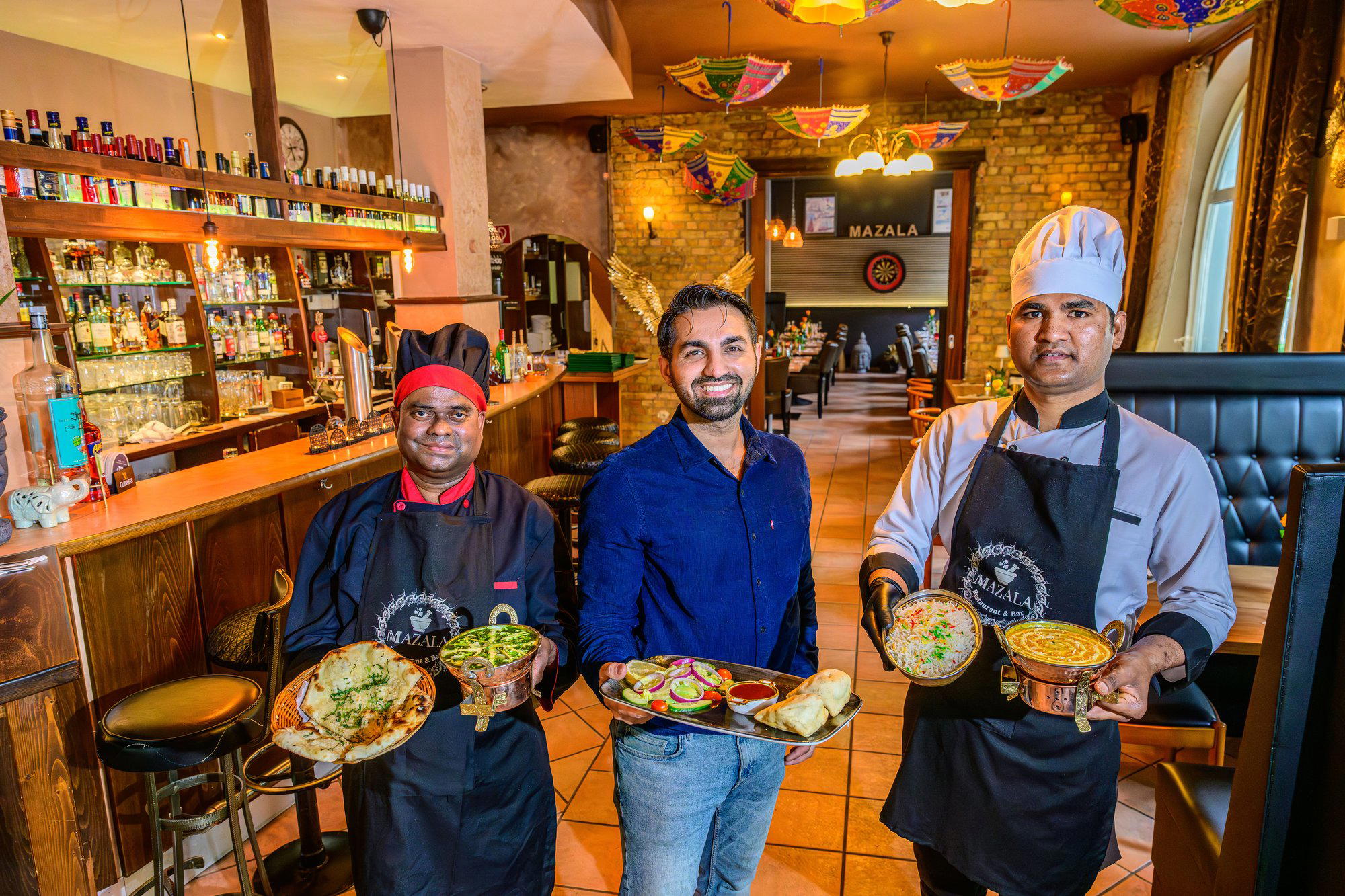
| Mazala | Kieler Kiel, Authentic Indian | $$ | Not listed |
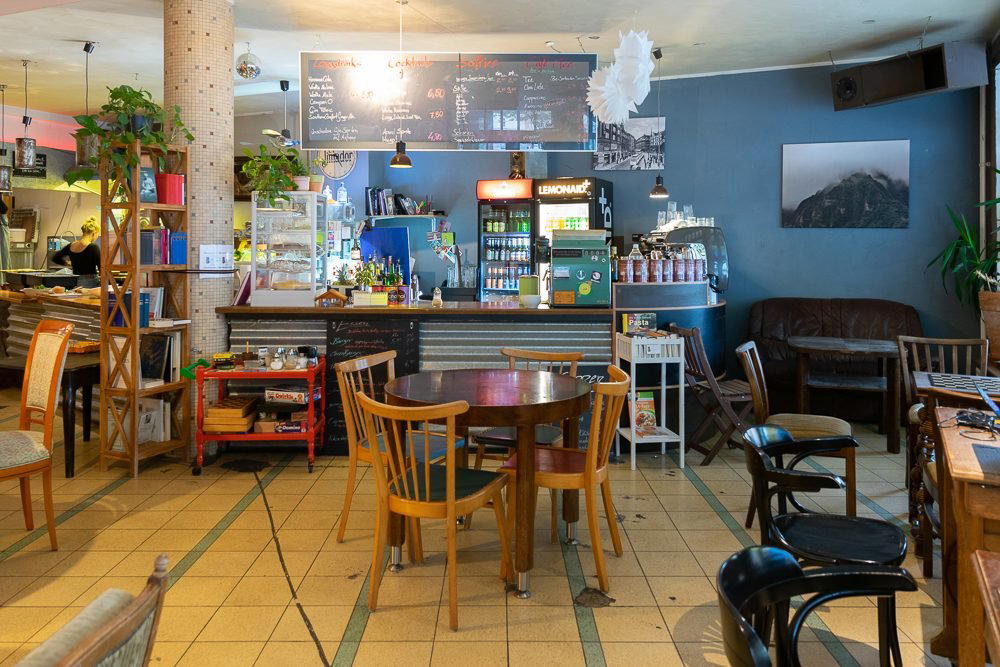
| Der Bauch von Kiel | Mitte, German & Mediterranean | $$ | Not listed |
| Medea Restaurant | Holtenau, Classic Georgian Tapas | $$$ | Not listed |
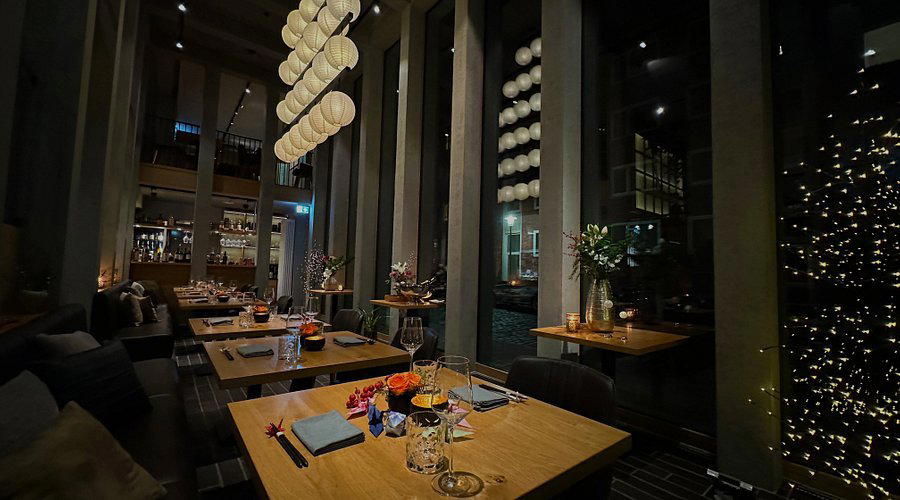
| ICHI | Not listed | $$$ | city centre, Japanese Contemporary Fine Dining |

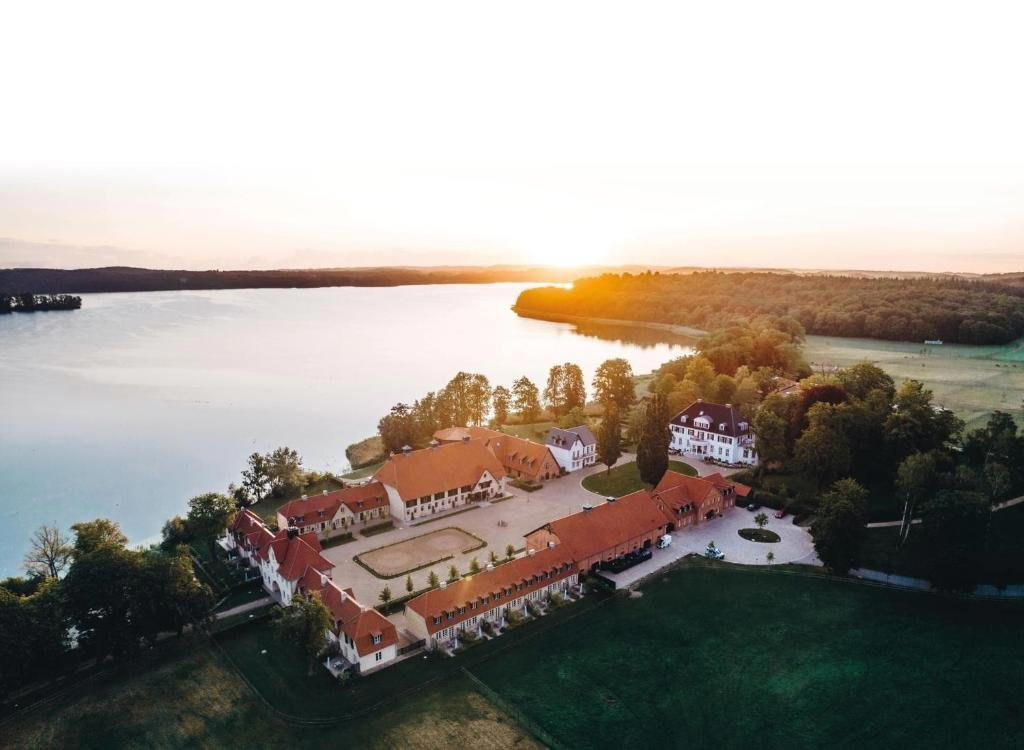
At a Glance
- Cozy
- Rustic
- Casual Hangout
- Family
- Open Kitchen
- Beer Program
Current opening hours
- Monday
- 11:30 AM–10 PM
- Tuesday
- 11:30 AM–10 PM
- Wednesday
- 11:30 AM–10 PM
- Thursday
- 11:30 AM–10 PM
- Friday
- 11:30 AM–10 PM
- Saturday
- 12–10 PM
- Sunday
- 12–10 PM
Hours can change for holidays and private events. Last verified .
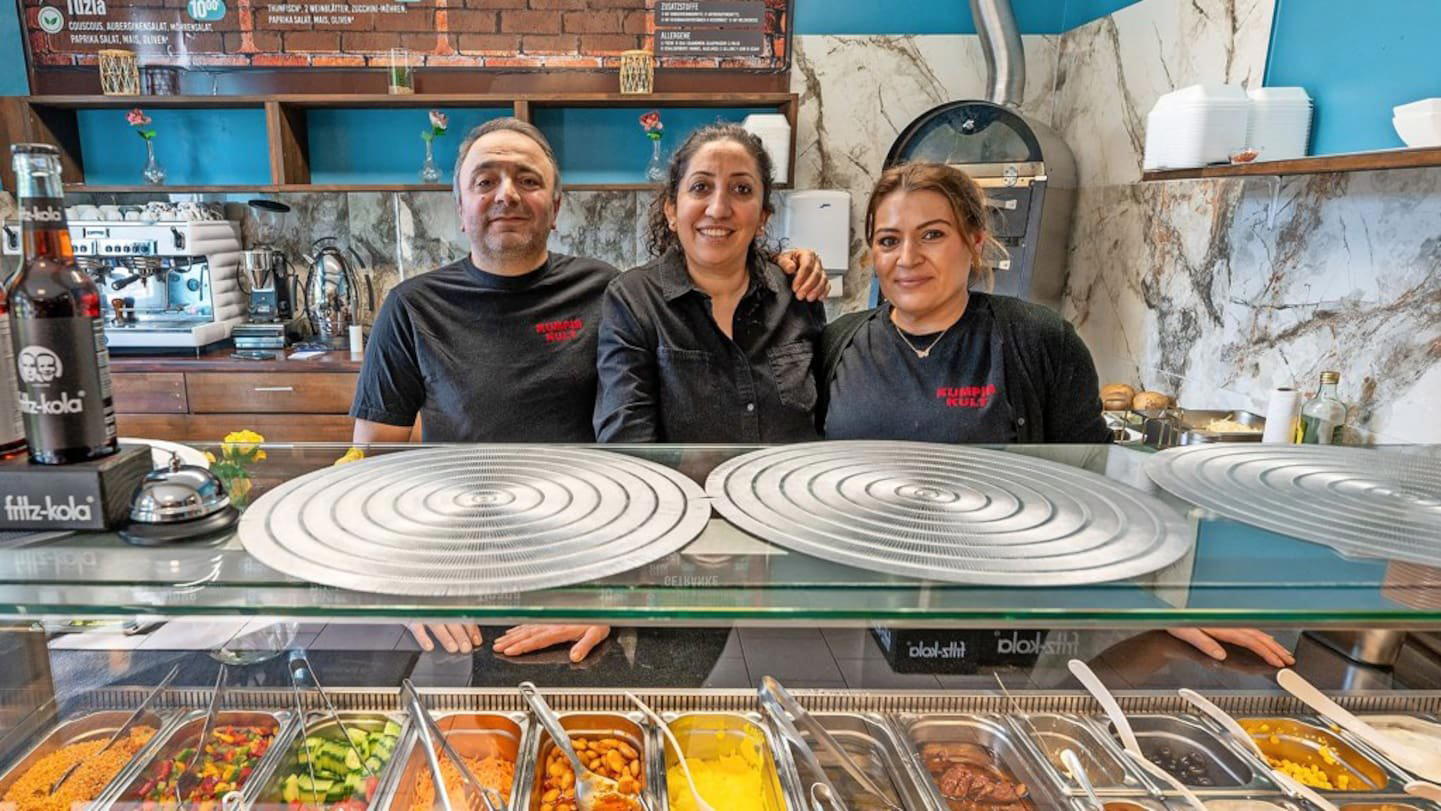
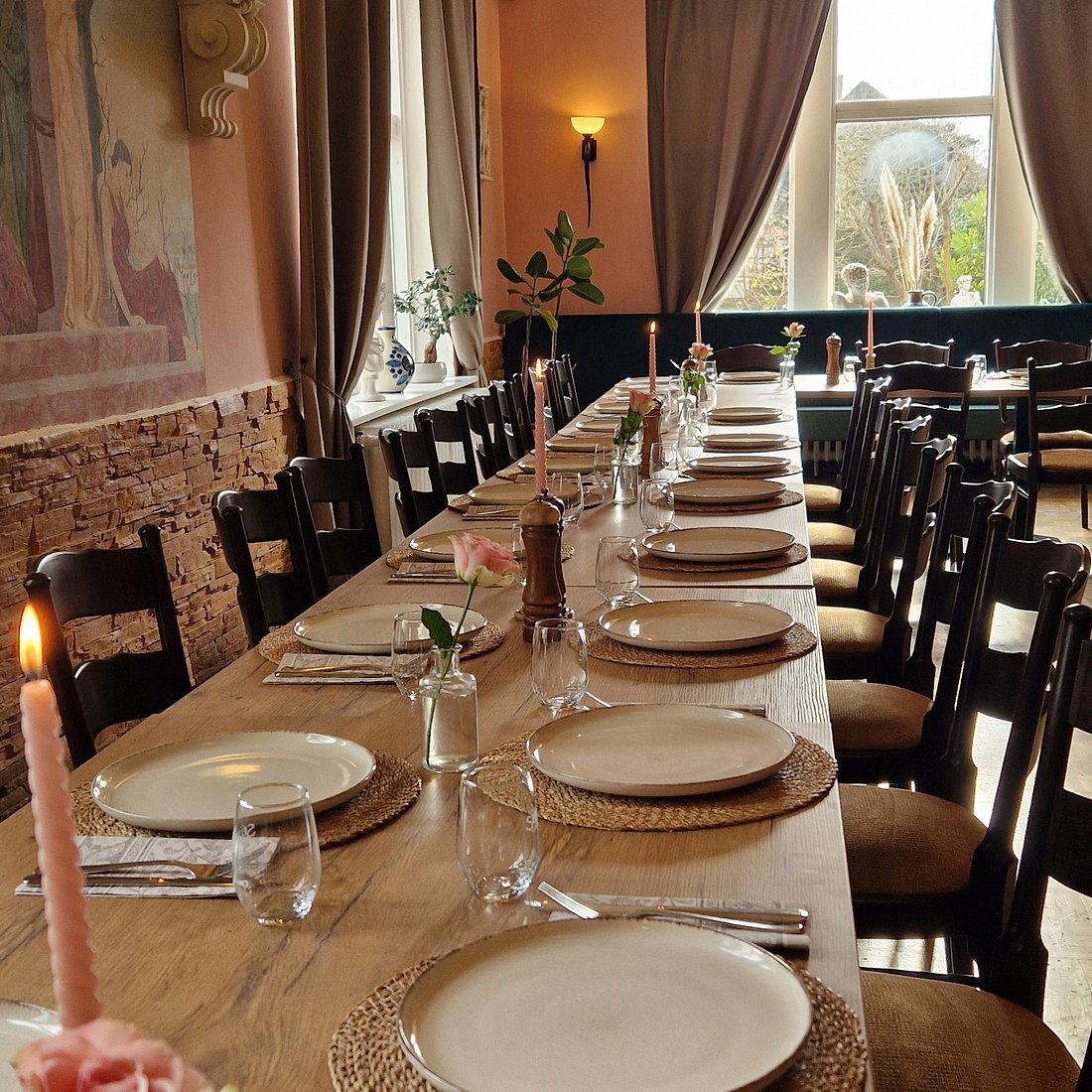
Cozy atmosphere with energetic noise levels and casual Italian charm.