Our verdict
Mazala occupies a address on Saarbrückenstraße in Kiel's residential west, operating in a city where the dining scene has grown steadily more considered over the past decade.

Pearl is the En Primeur Club membership app — saves, bookings, and concierge access live there. Same editors, same standards.
- Address
- Saarbrückenstraße 22, 24114 Kiel, Germany
- Phone
- +4917622945167
- Hours
- Mon–Thu 5–10:30 PMFri–Sat 5–11 PMSun 12–3 PM, 4–10 PM
- Website
- mazala.de
- Directions
- Get directions
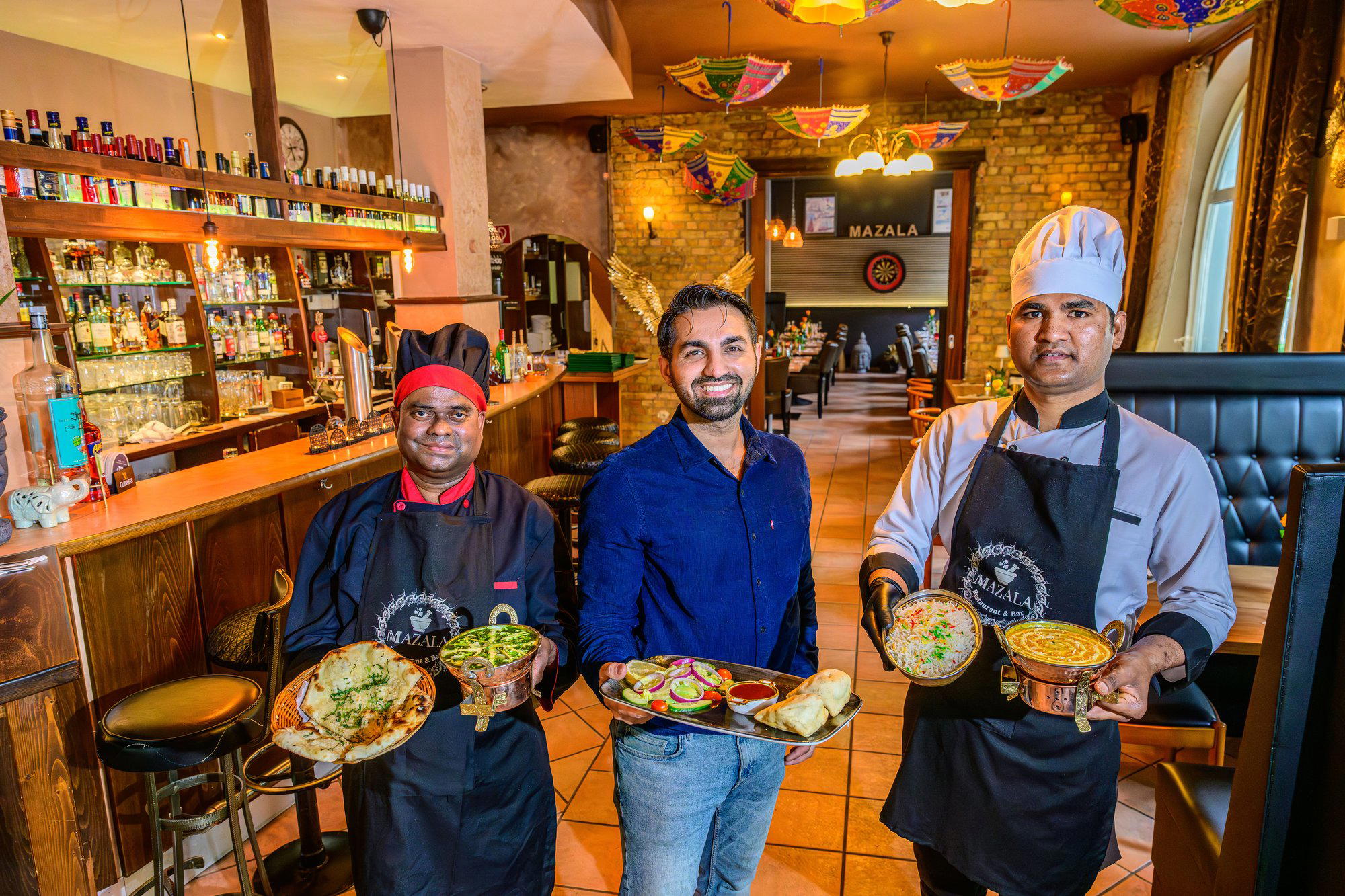
Kiel's Neighbourhood Dining and Where Mazala Fits
Kiel is not a city that announces itself loudly on the German restaurant circuit. Positioned at the tip of the Kieler Förde, the Schleswig-Holstein capital has long been defined by its maritime industry, its naval history, and a population that tends to eat well without making much noise about it. The fine dining conversation in northern Germany gravitates south toward Hamburg, where Restaurant Haerlin anchors the formal end of the market, or further into Germany's interior toward addresses like Vendôme in Bergisch Gladbach and Waldhotel Sonnora in Dreis. Kiel, by contrast, has developed its restaurant culture at street level, in neighbourhood rooms that rely on local loyalty rather than destination traffic.
Within that context, Mazala at Saarbrückenstraße 22 represents a particular type of urban restaurant address — one situated in the residential fabric of the 24114 postcode rather than on a main commercial strip. That placement is not incidental. In German cities, the drift of interesting cooking away from tourist-facing central zones toward quieter residential streets has been a consistent pattern over the past fifteen years, visible in Berlin, Hamburg, and now, gradually, in Kiel. Restaurants that take up those addresses tend to serve a different kind of customer: regulars who live within walking distance, who return weekly rather than quarterly, and for whom the cooking must hold up to close familiarity over time.
The Cultural Logic of Neighbourhood Restaurants
Across Europe, the neighbourhood restaurant occupies a specific and important position in culinary culture — distinct from the destination tasting-menu format, distinct from the casual-fast segment, and operating on a different set of pressures than either. The kitchen must be consistent enough to retain a local base, flexible enough to accommodate the full range of occasions a nearby community brings through the door, and singular enough in its identity that customers feel there is no adequate substitute nearby. This is, in many ways, a harder brief than the Michelin-facing tasting menu, where the format itself provides structure. Germany's most technically accomplished restaurants, Aqua in Wolfsburg, JAN in Munich, ES:SENZ in Grassau, operate under the legibility of award recognition. The neighbourhood room in Kiel operates under a different kind of accountability: the neighbourhood itself.
The name Mazala carries associations that suggest a cuisine rooted outside northern German tradition, the term appears across several culinary cultures spanning North Africa and the Middle East, often evoking spice-forward, communal cooking with deep historical roots. If that reading of the name is directionally correct, Mazala would sit in a category of cooking that has found increasing purchase in German cities over the past decade, as dining rooms serving cuisines from the broader Mediterranean, Levantine, and North African spheres have moved from niche to mainstream in cities like Berlin and Hamburg. In Kiel, that kind of offering would occupy a gap in the market. Addresses like FLYGGE anchor the regional-produce end of the city's mid-range, while Ahlmanns takes the creative fine-dining position at the top tier. A kitchen working with spice-driven, culturally distinct cooking would not be competing with either.
Kiel's Dining Scene in 2024
For a city of around 240,000 people, Kiel supports a dining ecosystem that punches with reasonable confidence. The waterfront has the expected cluster of fish-forward addresses, Der Bauch von Kiel draws on the city's fishing identity, while Fischers Fritz im Hotel Birke positions the same raw material within a hotel-dining format. Italian cooking has a consistent local following at addresses like Farina di Nonna. What the city has been slower to develop, relative to Hamburg or Berlin, is a deep bench of restaurants working with non-European culinary traditions at a serious level. That gap creates room for an address with a distinct cultural identity to build a following without fighting for market share in an already saturated category.
Germany's broader restaurant culture has, in the past decade, become more receptive to cuisines that were once seen as peripheral to the fine-dining conversation. Atomix in New York City and the global attention on Korean cuisine have had ripple effects on how European diners understand non-Western cooking traditions. CODA Dessert Dining in Berlin demonstrates how idiosyncratic formats can find recognition when the execution is serious. The appetite exists. The question, for any address working in this space in a smaller city, is whether the local audience is large enough to sustain it, and whether the cooking is disciplined enough to convert occasional visitors into regulars.
What to Know Before You Go
Mazala's address on Saarbrückenstraße places it in a part of Kiel that functions as a genuine residential neighbourhood rather than a dining destination strip. Getting there on foot from the central station takes roughly fifteen to twenty minutes depending on your route; the area is accessible by bus and by bicycle, which in Kiel, a city with strong cycling infrastructure, is often the practical choice. Because no booking details, website, or phone number are currently listed in public directories, the most reliable approach is to visit during expected service hours and enquire directly about reservation practice. For context on where Mazala sits within the wider Kiel dining picture, the full Kiel restaurants guide covers the city's key addresses across price points and cuisine types.
Germany's northern coast operates on a hospitality rhythm that differs from the country's south. Seasonal shifts matter here: the summer months bring significant visitor traffic through Kiel Week and the sailing calendar, while autumn and winter see the city settle into a quieter, more local register. Addresses in residential postcodes like Saarbrückenstraße tend to track that local rhythm closely, which means the experience of dining there in January and in July can feel meaningfully different even if the menu holds constant. That sensitivity to season is a structural feature of neighbourhood restaurants in port cities across northern Europe, and it tends to reward those who visit with some local awareness rather than as passing tourists.
For comparison across Germany's serious restaurant tier, addresses like Schanz in Piesport, Schwarzwaldstube in Baiersbronn, and Victor's Fine Dining by Christian Bau in Perl represent the award-facing end of what German kitchens can produce. Mazala operates in a different register, closer to the ground, embedded in a neighbourhood, and serving a community rather than a guidebook audience. That is not a lesser ambition. It is a different one.
Frequently asked questions
Where exactly is Mazala?
Mazala is located at Saarbrückenstraße 22, 24114 Kiel, Germany, Kiel.
Is Mazala in Kiel worth visiting if you're not staying in the Saarbrückenstraße area?
Mazala sits in a part of Kiel that functions as a working residential neighbourhood rather than a designated dining district, so the draw is the restaurant itself rather than the surrounding scene. For visitors based elsewhere in Kiel, the address at Saarbrückenstraße 22 is straightforward to reach within the city's compact layout. Whether the journey makes sense depends on what you're after: if you want a local table rather than a waterfront tourist cluster, the west-side location is a reasonable trade-off.
What do regulars order at Mazala?
Saarbrückenstraße regulars tend to return to venues like this for consistency rather than novelty, so asking staff directly what comes out of the kitchen most often is the most reliable approach. A conversation at the counter will tell you more than any online source.
What's the best way to book Mazala?
For a restaurant at this address on Saarbrückenstraße 22, 24114 Kiel, the most direct route is to visit in person or ask a local accommodation for a current contact. Neighbourhood restaurants in Kiel's residential districts often handle reservations informally.
Budget and Context
Comparable venues nearby, for context on price, style, and recognition.
| Venue | Cuisine | Price | Awards | Notes |
|---|---|---|---|---|
| MazalaThis venue — the venue you are viewing | Authentic Indian | $20–30 | Not listed | Not listed |
| Kieler Brauerei am Alten Markt | Traditional German Brewery Fare | $20–30 | Not listed | Old town, Traditional German Brewery Fare |
| Fischers Fritz im Hotel Birke | Regional German Seafood | Not listed | Not listed | Not listed |
| Farina di Nonna | Authentic Italian Pizza | $20–30 | Not listed | Düsternbrook, Authentic Italian Pizza |
| Medea Restaurant | Classic Georgian Tapas | $30–50 | Not listed | Holtenau, Classic Georgian Tapas |
| Kaufmannsladen | Modern North German Steak & Grill | $30–50 | Michelin Plate | Düsternbrook, Modern North German Steak & Grill |
Continue exploring
More in Kiel
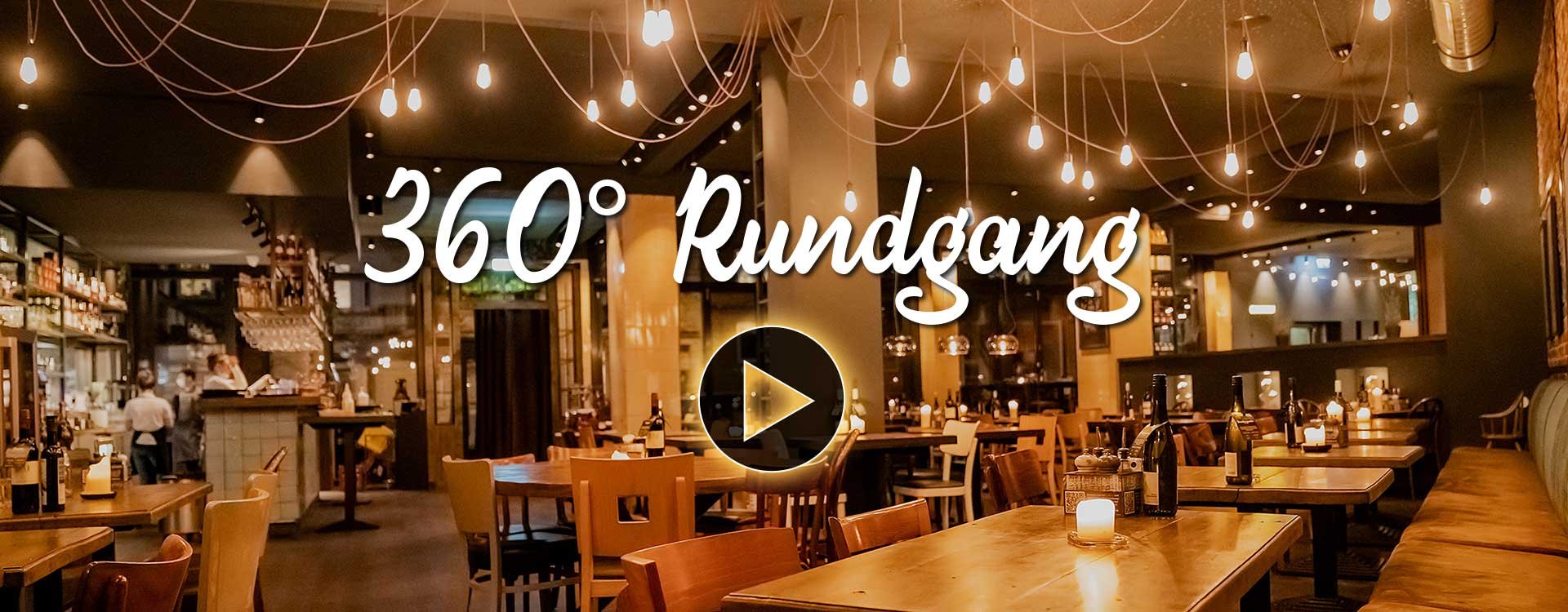
Restaurants in Kiel
Browse all →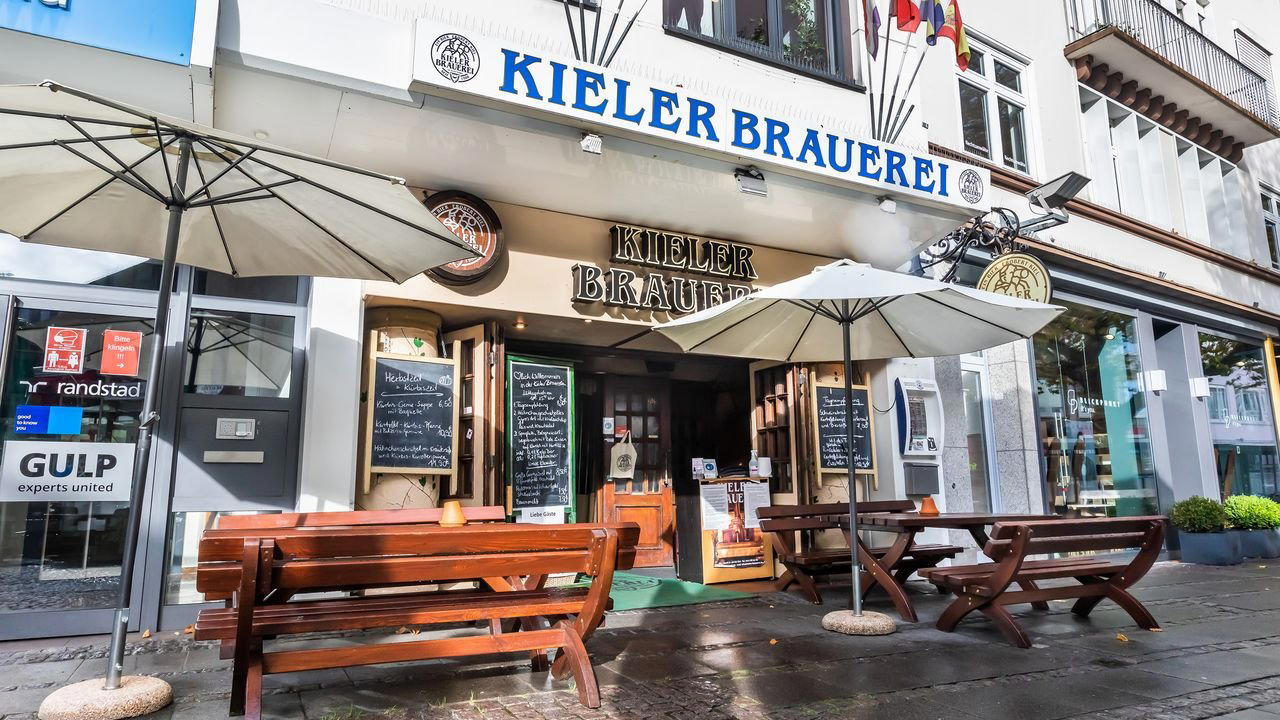
Bars in Kiel
Browse all →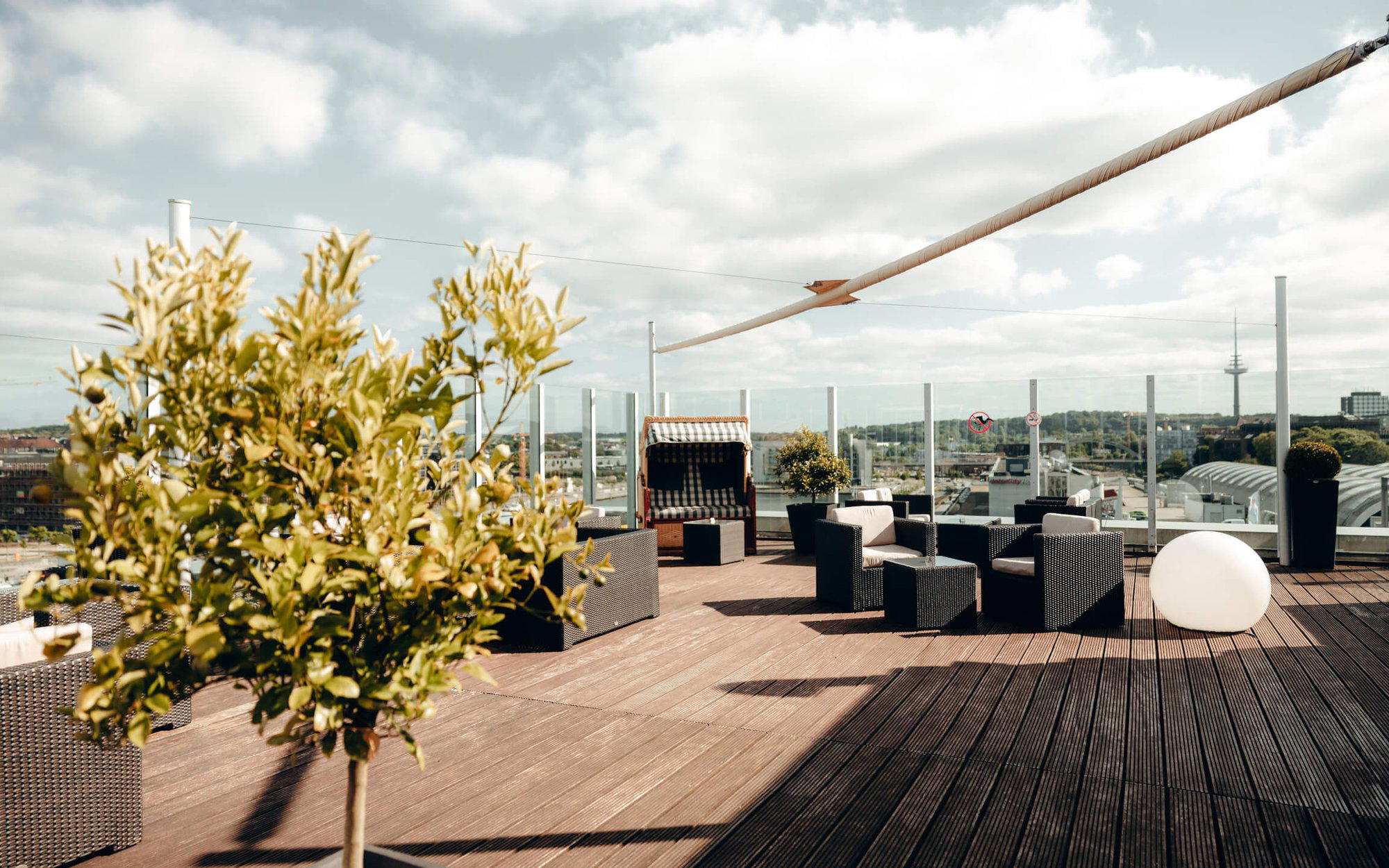

Hotels in Kiel
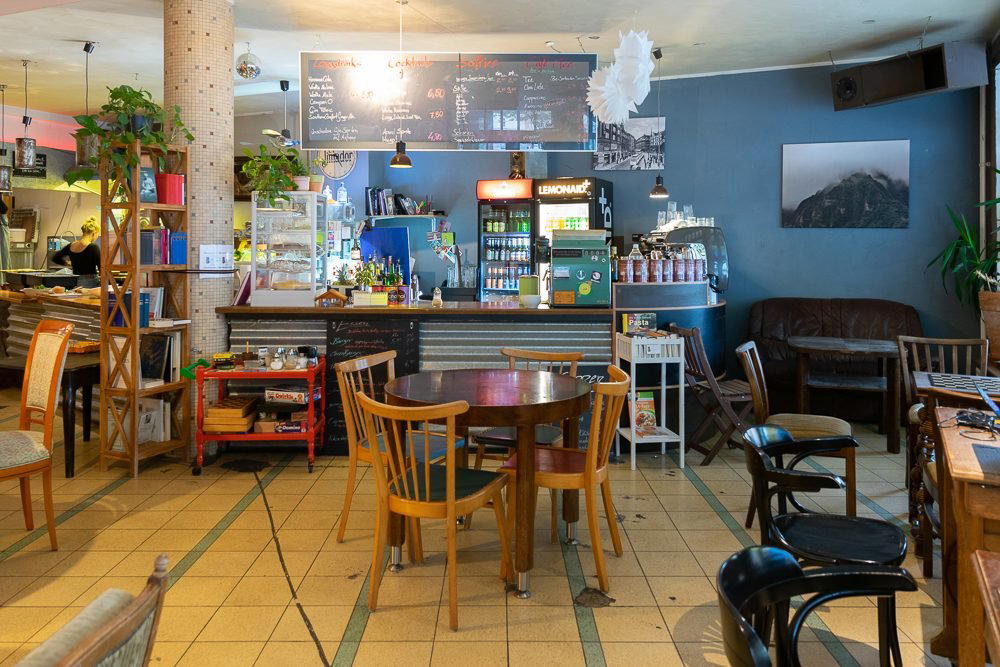
Browse all →

Details
- Cozy
- Casual Hangout
- Group Dining
- Beer Program
- A La Carte
- Beer Program
- Vegetarian Friendly
- Vegan Options
Current opening hours
- Monday
- 5–10:30 PM
- Tuesday
- 5–10:30 PM
- Wednesday
- 5–10:30 PM
- Thursday
- 5–10:30 PM
- Friday
- 5–11 PM
- Saturday
- 5–11 PM
- Sunday
- 12–3 PM, 4–10 PM
Hours can change for holidays and private events. Last verified .
Cozy atmosphere well-suited for casual gatherings with lively nightlife elements like craft beers and darts.