Our verdict
The name alone signals intent: 'the belly of Kiel,' a phrase that positions the restaurant inside a tradition of direct, market-driven cooking rather than formal fine dining. For visitors tracking where northern German cuisine is heading, it belongs on the itinerary.
- Address
- Legienstraße 16, 24103 Kiel, Germany
- Phone
- +49 431 51215
- Website
- derbauchvonkiel.de
- Directions
- Get directions
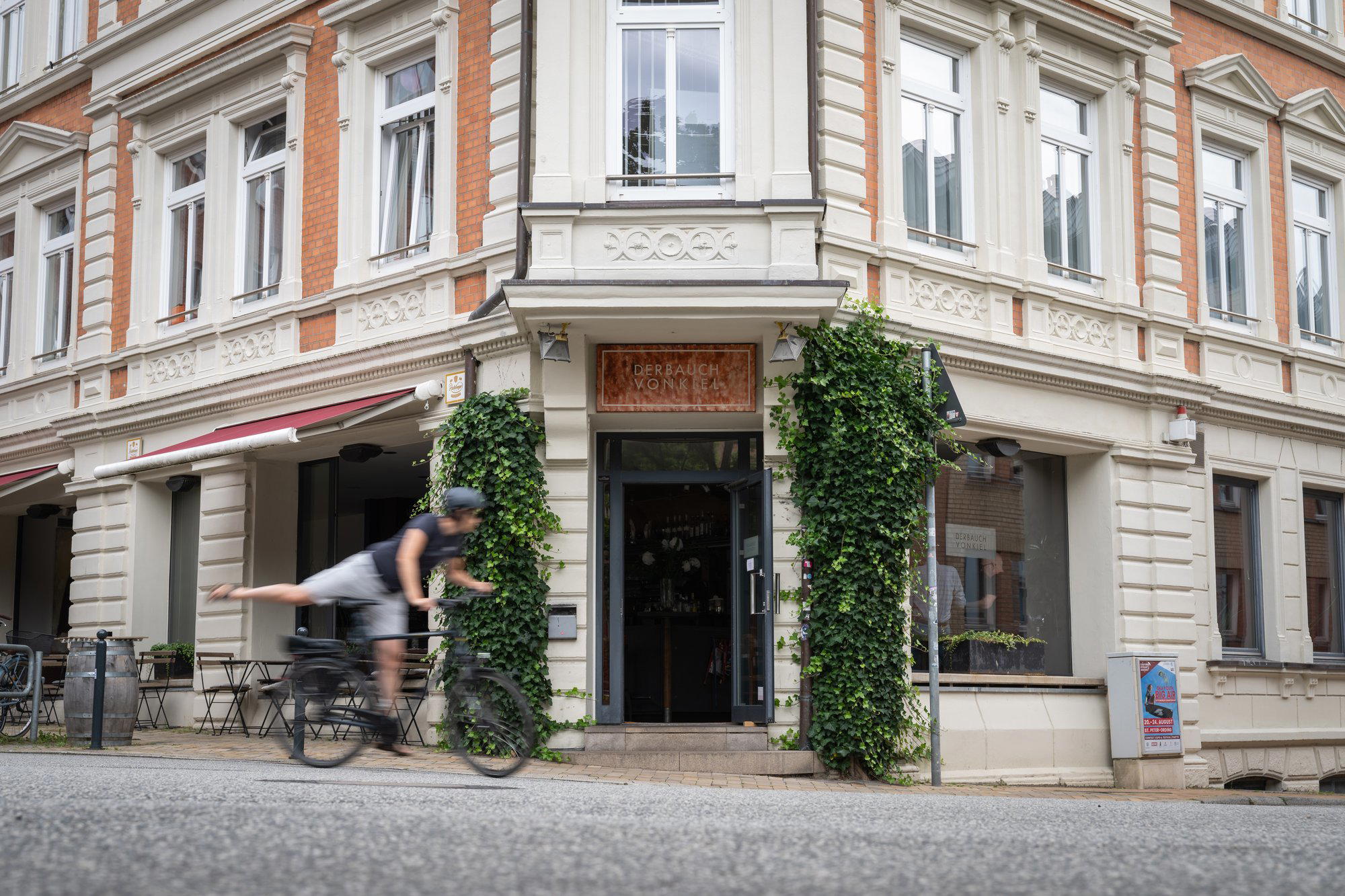
The Baltic Larder and What Kiel Does With It
There is a particular kind of restaurant that takes its name as a manifesto. Der Bauch von Kiel — 'the belly of Kiel' — announces from the outset that its frame of reference is the city itself: its markets, its harbour, its surrounding Schleswig-Holstein countryside. That geography creates a larder that a certain type of cook finds irresistible: cold-water fish, salt-meadow lamb, root vegetables that develop density in cool soils, and dairy from a region that has never needed to import ambition. Kiel is not a large dining city by German standards, but it has a defined hierarchy: fine-dining operations like Ahlmanns, regional-led rooms like FLYGGE, and more informal venues occupying the middle register. Der Bauch von Kiel's name suggests it aims for something grounded rather than ceremonial, positioning it closer to the bistro-market tradition than the tasting-menu tier.enprimeurclub.com/restaurants/restaurant-haerlin-hamburg-restaurant">Restaurant Haerlin in Hamburg, and a more direct, ingredient-forward mode that has gained considerable ground in the past decade. That second tradition draws on the same sourcing instincts as the first but strips away the ceremony, letting Baltic herring, smoked eel, and Angus beef from Schleswig-Holstein farms carry the argument on their own terms.
The Baltic is not a tropical sea. Its fish are cold, firm, and often overlooked by dining cultures that reach for Mediterranean or Atlantic varieties by default. Sprat, flounder, cod, and Baltic salmon have their own characteristics: lower fat content than their Atlantic cousins in some cases, distinctive mineral quality in others. Restaurants in Kiel that take the local seriously engage with this hierarchy rather than bypassing it for more familiar proteins. Across the German coastline, the venues that have built the strongest reputations in this register do so by treating northern European fish with the same precision that Mediterranean chefs apply to their own waters. At the national level, that technical precision is exemplified by operations like Aqua in Wolfsburg, though the expression in Kiel is necessarily more regional and less ceremonial.
Schleswig-Holstein's land-side larder is equally specific. The marshland near the North Sea coast produces lamb with a salinity that no inland equivalent replicates. Rapeseed oil, grown extensively in the region, has replaced more neutral oils in many northern kitchens as local-sourcing logic has taken hold. Kale, swede, and beetroot appear in winter menus with a regularity that reflects genuine seasonal availability rather than trend-chasing. Restaurants that take the 'belly of the city' framing seriously tend to build their menus around these realities rather than importing ingredients to execute a kitchen tradition borrowed from elsewhere.
Where This Fits in Kiel's Dining Conversation
Kiel's restaurant scene is smaller than Hamburg's but more coherent than its size might suggest. The city has a clear fine-dining tier, a growing mid-market with genuine ambition, and a heritage of informal fish restaurants and harbour-side eating that predates the current interest in regional cuisine by generations. Fischers Fritz im Hotel Birke occupies the hotel-dining segment, while Farina di Nonna represents the Italian import that every mid-sized German city sustains. Forstbaumschule Restaurant u. Parkcafé anchors a more traditional German register in a park setting north of the centre.
Der Bauch von Kiel, by name and address, positions itself as something different from all of these: a restaurant that frames Kiel as its primary subject. That framing is more common in cities with strong gastronomic identities, Lyon, San Sebastián, Copenhagen, but it is appearing with more frequency in northern German cities where the local-sourcing argument has become sufficiently developed to support a full menu rather than a handful of token local dishes. For context on where that argument can arrive at its most disciplined, venues like JAN in Munich or Schanz in Piesport show what happens when regional commitment meets sustained technical precision. Kiel's version of this conversation is younger and less decorated, but it is a real conversation. The surrounding streets are residential and commercial rather than tourist-facing, which means the restaurant operates primarily for a local and regional audience rather than as a destination layover on a broader touring itinerary. That audience tends to be well-informed about what the kitchen is doing and returns with regularity, which in smaller northern German cities is often the most reliable signal of genuine quality.
Kiel's dining season follows a logic shaped by both the academic calendar (the university brings a younger population that sustains mid-market venues year-round) and the Baltic summer, when the city's population and visitor numbers increase substantially between June and August. Visiting in the shoulder seasons, April to May and September to October, tends to give the clearest read on a kitchen's actual priorities.
For a broader orientation to what Kiel's dining scene looks like across price points and cuisines, the full Kiel restaurants guide maps the city's key venues in context.enprimeurclub.com/restaurants/schwarzwaldstube-baiersbronn-restaurant">Schwarzwaldstube in Baiersbronn, Vendôme in Bergisch Gladbach, or Waldhotel Sonnora in Dreis, all of which represent the upper end of the regional-sourcing argument in different German terroirs. International reference points for the same sourcing-led philosophy appear in places like Le Bernardin in New York City, where the integrity of the primary ingredient is the central editorial argument of every plate, and Lazy Bear in San Francisco, where local-seasonal framing shapes both menu and format. In Kiel, that argument is made with northern European materials and at a scale that keeps the conversation genuinely local.
Frequently asked questions
What's Der Bauch von Kiel's location?
Der Bauch von Kiel is located at Legienstraße 16, 24103 Kiel, Germany, Kiel.
Is Der Bauch von Kiel a good option for visitors arriving by train to Kiel?
The address at Legienstraße 16 is within walking distance of Kiel Hauptbahnhof, which has direct rail links from Hamburg running under an hour and a quarter. That proximity makes it a practical first or last stop for day visitors from Hamburg or travellers connecting through Schleswig-Holstein. The venue sits in the 24103 postal district, placing it in the central part of the city with access to Kiel's broader harbour and commercial areas.
What do regulars order at Der Bauch von Kiel?
The name — 'the belly of Kiel' — signals a kitchen oriented around what the Baltic coast and the broader Schleswig-Holstein region produces seasonally. Regulars gravitate toward dishes that reflect that ingredient logic rather than a fixed menu of signature plates. Specific dishes are not listed publicly, so the safest approach is to arrive open to whatever the kitchen is working with at the time.
How far ahead should I plan for Der Bauch von Kiel?
Kiel's dining scene is compact, and restaurants that occupy a clear position in the mid-to-upper tier tend to fill quickly, particularly on weekends when Hamburg visitors arrive by direct rail in under 90 minutes. Booking at least a week ahead is a reasonable baseline; for Friday and Saturday sittings, two to three weeks gives more security. Contact details are not currently listed publicly, so checking the venue directly via search is the starting point.
What has Der Bauch von Kiel built its reputation on?
The venue's name functions as a statement of intent: 'the belly of Kiel' positions it as a restaurant rooted in the city's own supply lines and the Baltic larder more broadly. In a city where the fine-dining tier tends toward formality, a kitchen that takes its cue from coastal and regional ingredients rather than classical French convention holds a distinct position. No awards are currently on public record, but the restaurant occupies a coherent space in Kiel's growing mid-tier dining conversation.
Quick Comparison
| Venue | Cuisine | Price | Awards | Notes |
|---|---|---|---|---|
| Der Bauch von KielThis venue — the venue you are viewing | German & Mediterranean | Not listed | Not listed | Not listed |
| Ahlmanns | Modern German Fine Dining | $150–200 | 1 Michelin Star | Creative |
| ICHI | Japanese Contemporary Fine Dining | $50–100 | Michelin Plate | Not listed |
| FLYGGE | Nordic-inspired Regional Cuisine | $50–100 | Michelin Plate | Not listed |
| KOS fine dining | Modern European Fine Dining | Not listed | Michelin Plate | Not listed |
| Kaufmannsladen | Modern North German Steak & Grill | $30–50 | Michelin Plate | Not listed |
Continue exploring
More in Kiel
Restaurants in Kiel
Browse all →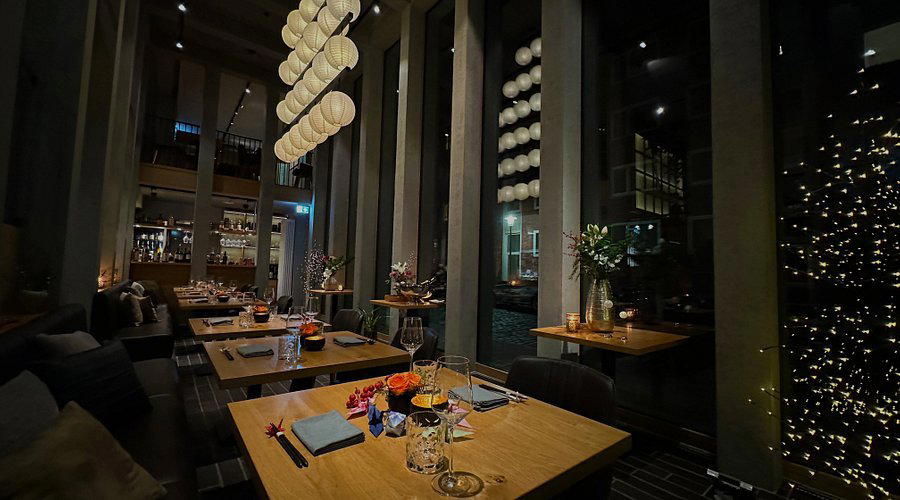
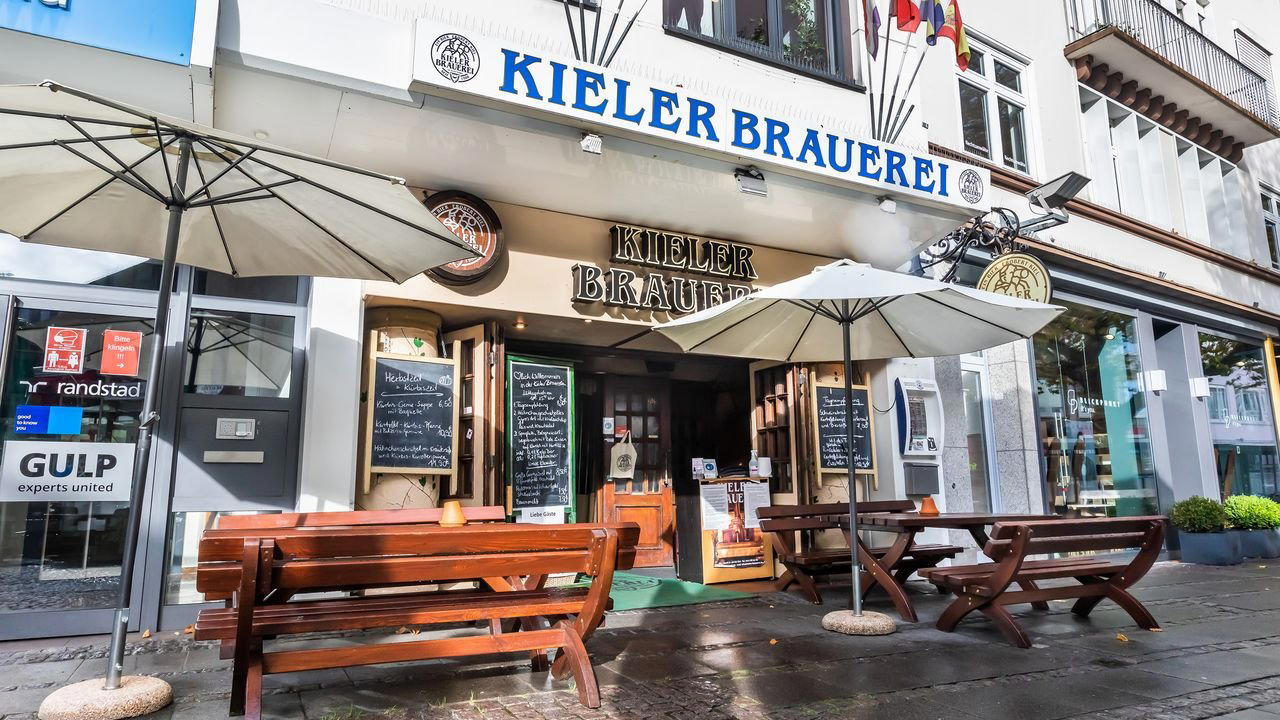
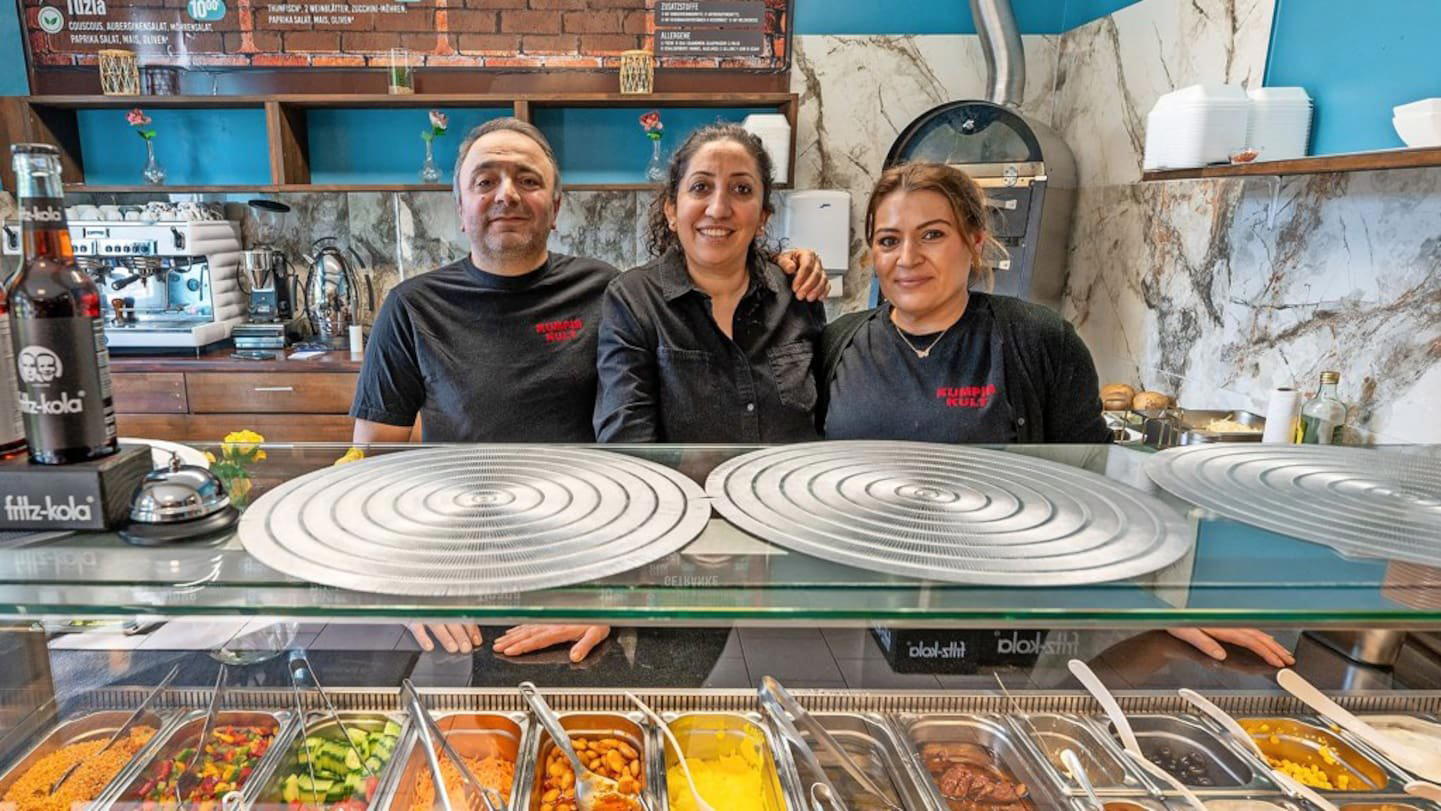
Bars in Kiel
Browse all →

Hotels in Kiel
Browse all →

Details
- Cozy
- Modern
- Date Night
- Casual Hangout
- Standalone
- Local Sourcing
- A La Carte
- Set Menu
- Vegetarian Friendly
Cozy atmosphere with inviting location.