Kumpir Kult operates on Gutenbergstraße in central Kiel, placing a Turkish street-food staple inside a northern German port city where quick, ingredient-led eating has steadily grown its audience. The format centres on loaded baked potatoes built to order, a format that rewards sourcing discipline and honest seasoning over kitchen spectacle. For Kiel visitors tracking the city's casual dining scene, it belongs on the same tour as the waterfront market stalls and neighbourhood independents.
Pearl is the En Primeur Club membership app — saves, bookings, and concierge access live there. Same editors, same standards.
- Address
- Gutenbergstraße 18, 24118 Kiel, Germany
- Phone
- +4917621710146
- Website
- m.facebook.com
- Directions
- Get directions
 Saves & bookings on Pearl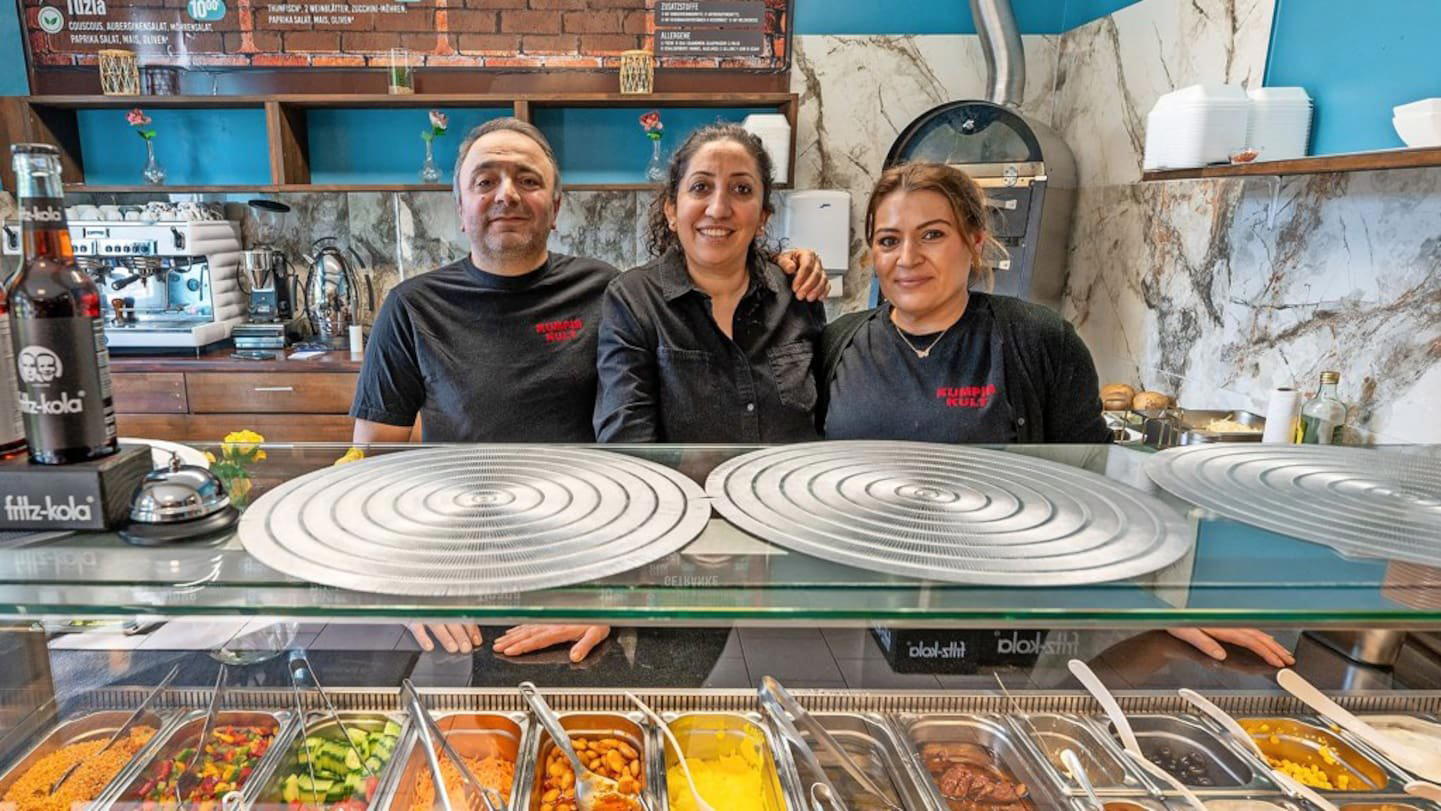
Baked Potatoes as a Sourcing Statement
In cities where fast food is dominated by industrially assembled ingredients, the kumpir format occupies a small but telling niche. The dish, a large baked potato split and loaded with a progression of toppings, is a fixture of Istanbul's street corners and has migrated through Turkish diaspora communities into German cities where it now runs as a category of its own. What separates one kumpir counter from another is rarely technique: the potato is baked, the toppings are assembled. The variable is what goes into that assembly and where it comes from. At Kumpir Kult on Gutenbergstraße 18 in Kiel's university district, that sourcing question is the central editorial one, given how much the format's reputation depends on ingredient quality rather than kitchen elaboration.
The kumpir tradition rewards simplicity done carefully. A starchy, high-dry-matter potato variety holds its structure after baking and absorbs butter without collapsing. Toppings that have been prepared the same day read differently from those that have been sitting in bain-maries through a long service. In the Istanbul original, vendors at Ortaköy square built the dish's reputation on freshness and volume of choice, not on any single premium ingredient. The German iterations that have survived and built followings tend to apply the same logic: rotate toppings seasonally, source locally where the product is genuinely better, and keep the potato itself at a quality level that can hold the dish together without elaborate distraction.
Kiel's Casual Dining Context
Kiel's food scene runs along a clear spectrum. At the formal end, restaurants like Ahlmanns (Creative) and FLYGGE (Regional Cuisine) work with Baltic and northern German produce inside considered tasting formats. The mid-range is covered by venues like Fischers Fritz im Hotel Birke and Der Bauch von Kiel, which orient toward regional produce and a dining-room register. Below that, the casual and street-food tier is less documented but more actively used by the city's student population, naval personnel, and the working waterfront crowd that gives Kiel its particular character.
Gutenbergstraße sits within the university-adjacent district, a corridor where quick-service eating has a built-in and repeat audience. That geography matters for understanding what Kumpir Kult is competing against and what it needs to deliver. It is not trying to sit alongside Farina di Nonna in a leisurely dinner register. It is making a case for quality at speed, which is a different discipline and one that depends heavily on how the kitchen manages its supply line day to day. Across Germany, this kind of counter has proven capable of building strong local followings when the sourcing is consistent and the format is honest about what it is.
What the Kumpir Format Demands
The loaded baked potato is not a format that hides behind technique. There is no reduction to deepen, no crust to well-suited, no resting time that transforms the dish. The potato arrives baked, the butter is worked in, and then the toppings determine everything. In that sense, it is one of the more transparent tests of ingredient sourcing in casual cooking. A mediocre tomato cannot be rescued by roasting it further. A pickle that is too sharp throws the whole balance. The format is, in culinary terms, closer to a composed salad than to a braise: all the work happens before service, and the quality of each component reads without interference.
German street-food culture has absorbed the kumpir slowly but with increasing seriousness. Cities with larger Turkish communities, Frankfurt and Berlin most prominently, developed their kumpir scenes earlier, and the format has gradually spread to mid-sized university cities where the student population provides both the customer base and the appetite for food that crosses cultural reference points. Kiel, as a Baltic port city with a significant student population from Christian-Albrechts-Universität, fits that pattern. The question for any Kiel kumpir counter is whether it is supplying a default need or making a genuine argument for its version of the format.
Placing Kumpir Kult in the Broader German Dining Conversation
The German fine dining circuit runs at a remove from what the restaurant is doing, but the sourcing conversation connects them. Houses like Aqua in Wolfsburg or JAN in Munich have built their reputations partly on ingredient provenance, and the same scrutiny, applied at a fraction of the price point and scale, defines the better casual operations. Schwarzwaldstube in Baiersbronn and Waldhotel Sonnora in Dreis operate in entirely different registers, but the underlying principle of ingredient respect is not exclusive to fine dining. What changes is the price of the sourcing decisions, not the discipline behind them. A street-food counter that takes that discipline seriously occupies a legitimate position in any city's food culture.
For context on how Germany's more experimental dining formats handle ingredient-led cooking, CODA Dessert Dining in Berlin and ES:SENZ in Grassau represent the high-concept end. Vendôme in Bergisch Gladbach, Victor's Fine Dining by Christian Bau in Perl, and Schanz in Piesport anchor the country's formal dining tier alongside Restaurant Haerlin in Hamburg, which is the closest major-city fine dining reference point to Kiel. Internationally, Le Bernardin in New York City and Atomix in New York City represent the kind of sourcing precision at the summit tier that filters, in ethos if not in price, all the way down to honest street-food operations.
Planning a Visit
The restaurant sits at Gutenbergstraße 18 in central Kiel, within walking distance of the university campus and the main shopping corridor. The address places it in a part of the city that moves fast during lunch and early evening but quietens significantly after 9pm. Current hours are Mon to Sun, 2 to 9 PM, pricing is about $10 per person, and it is walk-in friendly, particularly if you are routing a longer Kiel eating day around it. For a fuller map of where the restaurant fits among the city's options across price points and formats, our full Kiel restaurants guide covers the range from waterfront casual to the upper end of the formal dining market.
At-a-Glance Comparison
Comparable venues nearby, for context on price, style, and recognition.
| Venue | Cuisine | Price | Awards | Notes |
|---|---|---|---|---|
| Kumpir KultThis venue — the venue you are viewing | Turkish Kumpir | $ | Not listed | Not listed |
| Der Bauch von Kiel | German & Mediterranean | $$ | Not listed | Mitte |
| Forstbaumschule Restaurant u. Parkcafé | Traditional German with Park Café | $$ | Not listed | :null |
| Kieler Brauerei am Alten Markt | Traditional German Brewery Fare | $$ | Not listed | Old town |
| Mazala | Authentic Indian | $$ | Not listed | Kieler Kiel |
| FLYGGE | Nordic-inspired Regional Cuisine | $$$ | Michelin Plate | Düsternbrook |


At a Glance
- Cozy
- Casual
- Trendy
- Casual Hangout
Current opening hours
- Monday
- 2–9 PM
- Tuesday
- 2–9 PM
- Wednesday
- 2–9 PM
- Thursday
- 2–9 PM
- Friday
- 2–9 PM
- Saturday
- 2–9 PM
- Sunday
- 2–9 PM
Hours can change for holidays and private events. Last verified .
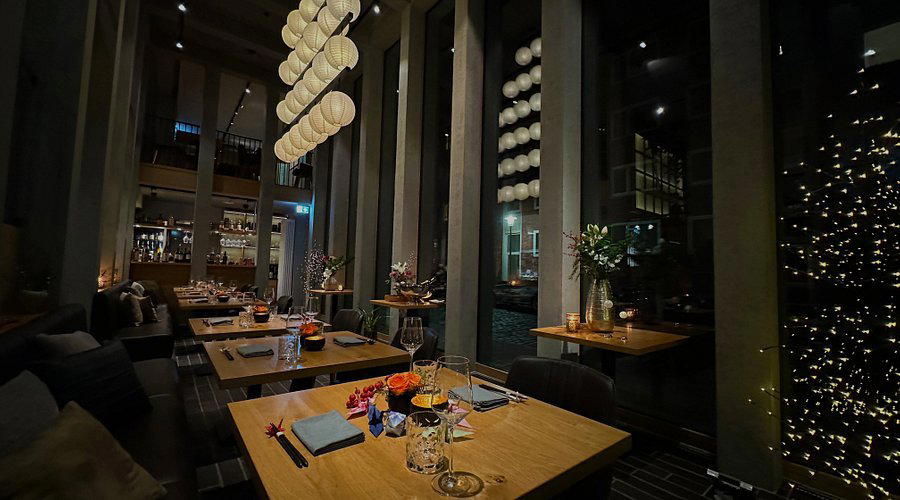
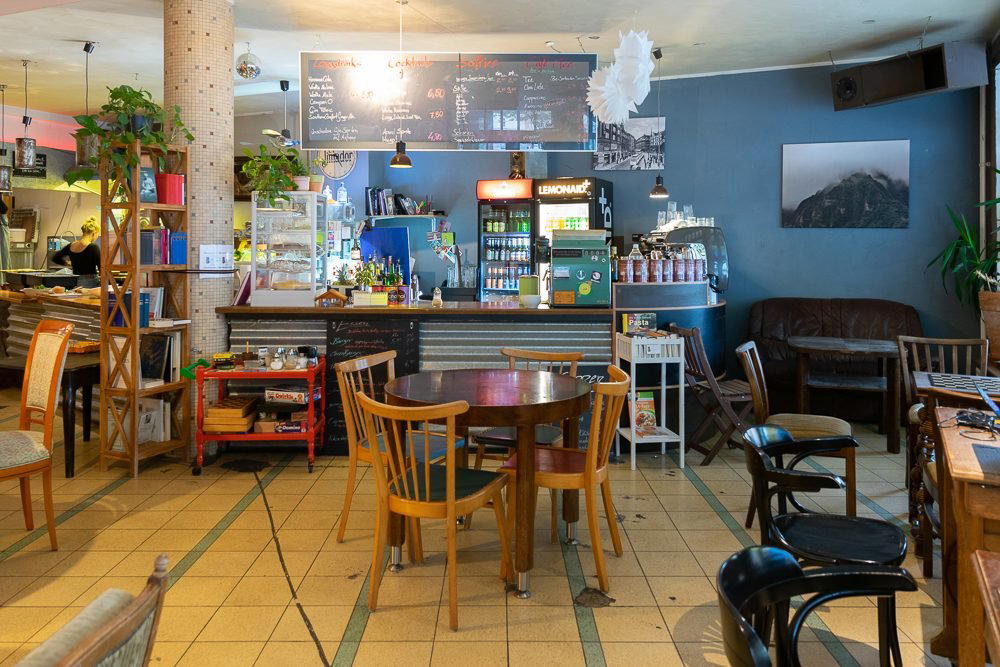
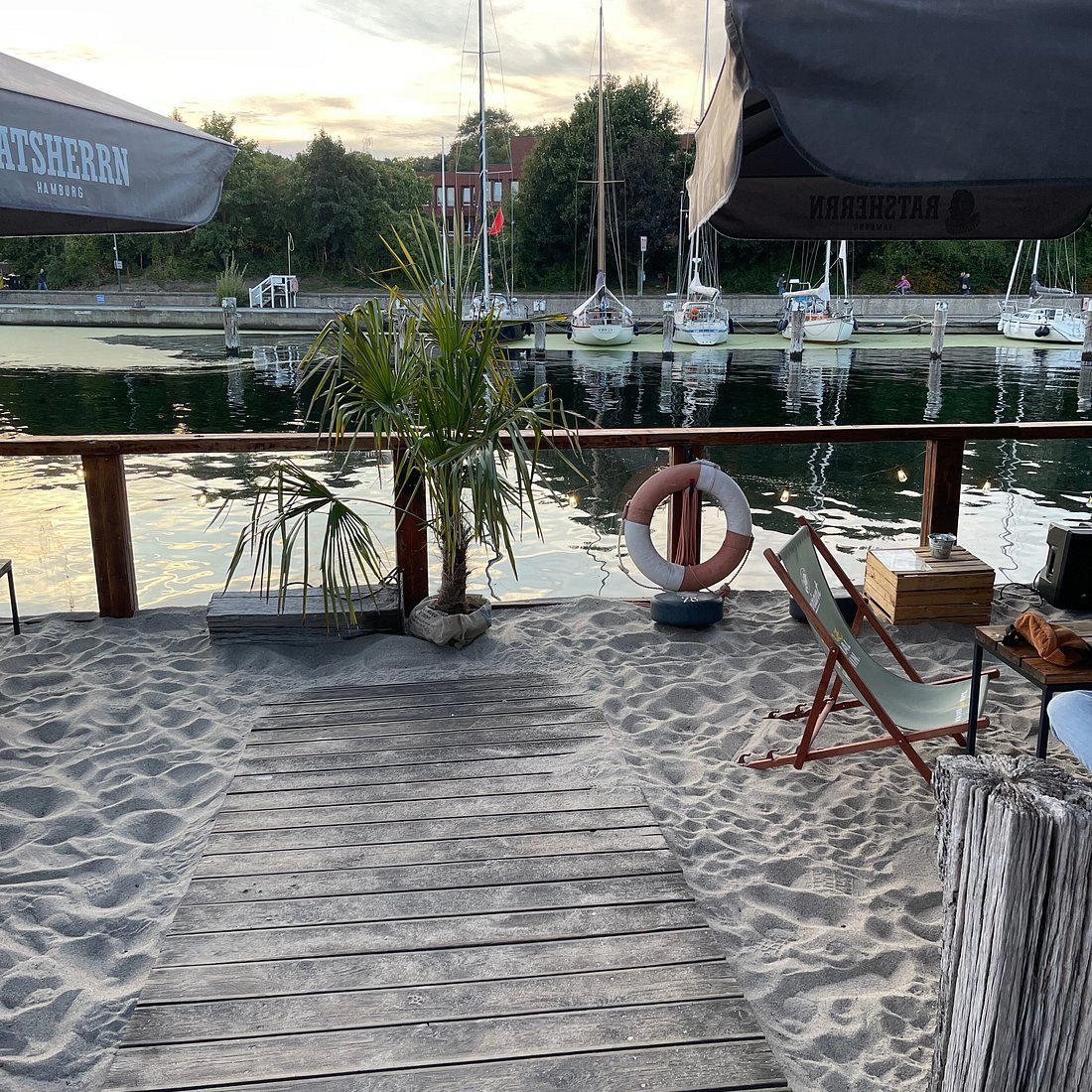
Casual, laid-back, cozy with comfortable sofas and a relaxed, young, uncomplicated atmosphere.