On Rua Dr. Melo Alves in Cerqueira César, Ristorantino occupies a stretch of São Paulo where Italian-influenced dining has quietly competed with the city's broader fine-dining scene for decades. The name signals intent: something smaller, more considered, less showy than the grand Italian houses that defined São Paulo's mid-century restaurant culture. Visitors to the neighbourhood will find it positioned between the casual trattorias of Pinheiros and the formal brigade service of Jardins.
Pearl is the En Primeur Club membership app — saves, bookings, and concierge access live there. Same editors, same standards.
- Address
- R. Dr. Melo Alves, 674 - Cerqueira César, São Paulo - SP, 01417-010, Brazil
- Phone
- +551130630977
- Website
- ristorantino.com.br
- Directions
- Get directions
 Saves & bookings on Pearl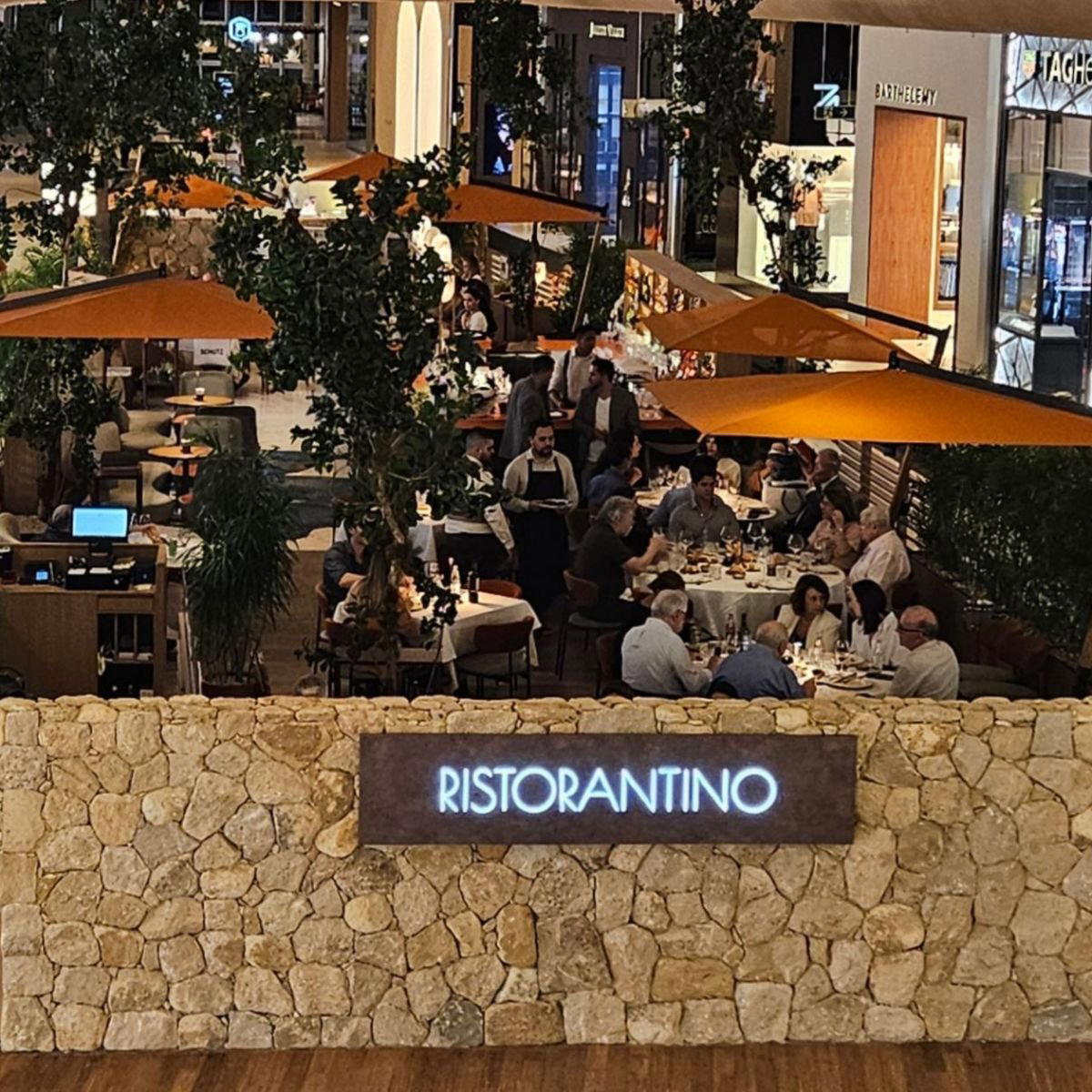
A Street That Sets the Tone
Cerqueira César is one of São Paulo's more legible dining neighbourhoods: tree-lined, mid-density, and largely free of the tourist-facing restaurant clusters that define parts of Itaim Bibi. Rua Dr. Melo Alves, where Ristorantino sits at number 674, draws a local crowd that trends professional and neighbourhood-loyal rather than destination-driven. That context matters when reading the room at most addresses on this street. Restaurants here tend to build their business on regulars rather than on algorithmically discovered footfall, which in São Paulo's sprawling dining scene is a meaningful distinction.
The name itself carries an editorial cue. The diminutive form, ristorantino rather than ristorante, is a common Italian suffix used to signal smallness and informality, the kind of place where tables turn on conversation rather than on the clock. The positioning relative to the broader São Paulo Italian scene is worth unpacking.
Italian Dining in São Paulo: Where Ristorantino Fits
São Paulo has the largest Italian-descended population of any city outside Italy, a demographic fact that has shaped its restaurant culture for well over a century. The city's Italian dining scene stratifies clearly: at one end sit the old-school cantinas of Bixiga, serving red-sauce standards to multigenerational regulars; at the other, a newer cohort of contemporary Italian addresses has emerged, referencing northern Italian technique and produce-first menus. Evvai, with its modern Italian approach and fine-dining format, sits near stronger examples from that contemporary tier. Fame Osteria occupies the osteria register, leaning into regional specificity and a more relaxed service model.
Ristorantino on Rua Dr. Melo Alves fits somewhere in the middle of this range, geographically and tonally adjacent to the Jardins corridor where international dining has concentrated since the 1980s. The neighbourhood's proximity to Avenida Paulista means it draws from São Paulo's professional class on weekday lunches and from wider Jardins residents on evenings. For visitors, that positioning makes it walkable from several of the city's better hotels without requiring the taxi distances that dining in Itaim Bibi or Vila Olímpia often demands.
The Wine Question: Cellars and Curation in São Paulo
Any restaurant carrying Italian naming on a Jardins-adjacent street enters a conversation about wine almost by default. São Paulo's premium restaurant wine culture has matured considerably over the past decade. The import liberalisation that began gradually through the 2010s, combined with the growth of Brazilian sommelier education, has produced a generation of wine programs that can now sit credibly alongside their counterparts in Buenos Aires or Santiago.
The leading Italian-leaning cellars in São Paulo tend to do one of two things well: either they commit to depth in a specific Italian region, Piedmont and Tuscany remain particularly common focal points, or they build around the growing quality of South American producers that benefit from Italian grape varieties planted in São Paulo state, Rio Grande do Sul, and across the border in Uruguay. Tannat from Uruguay, for instance, has attracted serious attention from Brazilian sommeliers as a category that offers Old World structure at a price point that allows genuine depth of selection without the import-duty burden of equivalent-quality European bottles.
For a small address in Cerqueira César, a well-constructed wine list is often the marker that separates a neighbourhood standby from a restaurant that draws guests from further afield. Restaurants at the Italian end of São Paulo's mid-to-upper tier, think addresses in the $$$-$$$$ range, comparable in positioning to Maní's price bracket, typically maintain lists of between 80 and 200 labels, with a sommelier or wine-focused manager driving selection. Those structural benchmarks from the São Paulo scene provide the frame within which to assess what a visit might offer.
For guests whose primary interest is wine-led dining in São Paulo, the broader city picture includes several anchoring points. D.O.M. has long maintained a serious cellar alongside its Brazilian tasting menu, while Tuju takes a more produce-centric approach to pairings. Neither is a direct comparator for an Italian-register neighbourhood address, but they define the ceiling of what São Paulo wine programming looks like at the summit tier.
Planning a Visit: Neighbourhood Logistics
Cerqueira César is accessible by metro, with the Consolação station on Line 2 placing most of the neighbourhood within a ten-to-fifteen minute walk. Taxis and ride-shares drop efficiently along Rua Dr. Melo Alves itself. Parking in the area is residential-permit heavy on weekday evenings, so self-drive is less practical than in the outer Jardins zones. The street is genuinely walkable for guests staying in the Jardins or Higienópolis hotel clusters, which contain several of São Paulo's mid-to-upper tier international hotel options.
Travellers should treat a visit as requiring advance verification.
The Broader Italian Register in Brazilian Dining
The small Italian restaurant format, neighbourhood-scaled, regulars-first, wine-attentive, has an interesting double life in Brazil. In São Paulo, it descends from the wave of Italian immigration that shaped the Bixiga and Brás neighbourhoods in the late nineteenth and early twentieth centuries. In the south, the same immigration wave produced a distinct regional Italian-Brazilian cooking tradition, visible today in addresses like Cantina Pozzobon in Santa Maria, where the Italian cantina format has absorbed decades of gaucho influence.
What distinguishes the São Paulo version of this tradition from its southern Brazilian counterpart is primarily an urban cosmopolitanism: the city's chefs and sommeliers travel more, source more widely, and operate under greater competitive pressure from the international dining formats that have landed in the city since the 1990s. Addresses that survive in Cerqueira César do so by holding a specific place in local diners' rotation, often built around a reliable kitchen, a list that rewards repeat visits, and a room that functions well for the kind of long, wine-punctuated meal that São Paulo's dining culture prizes on Thursday and Friday evenings.
Peers Worth Knowing
Comparable venues nearby, for context on price, style, and recognition.
| Venue | Cuisine | Price | Notes |
|---|---|---|---|
| RistorantinoThis venue — the venue you are viewing | Upscale Italian | $$$ | Not listed |
| Vecchio Torino | Classic Italian | $$$ | Pinheiros |
| Veridiana | Neapolitan Pizza | $$$ | Jardim Paulista |
| Modern Mamma Osteria | Modern Italian Trattoria | $$$ | Pinheiros |
| Temperani | Italian Trattoria | $$ | Agua Rasa |
| Famiglia Mancini Trattoria | Traditional Southern Italian Trattoria | $$$ | Republica |
Continue exploring
More in São Paulo
Restaurants in São Paulo
Browse all →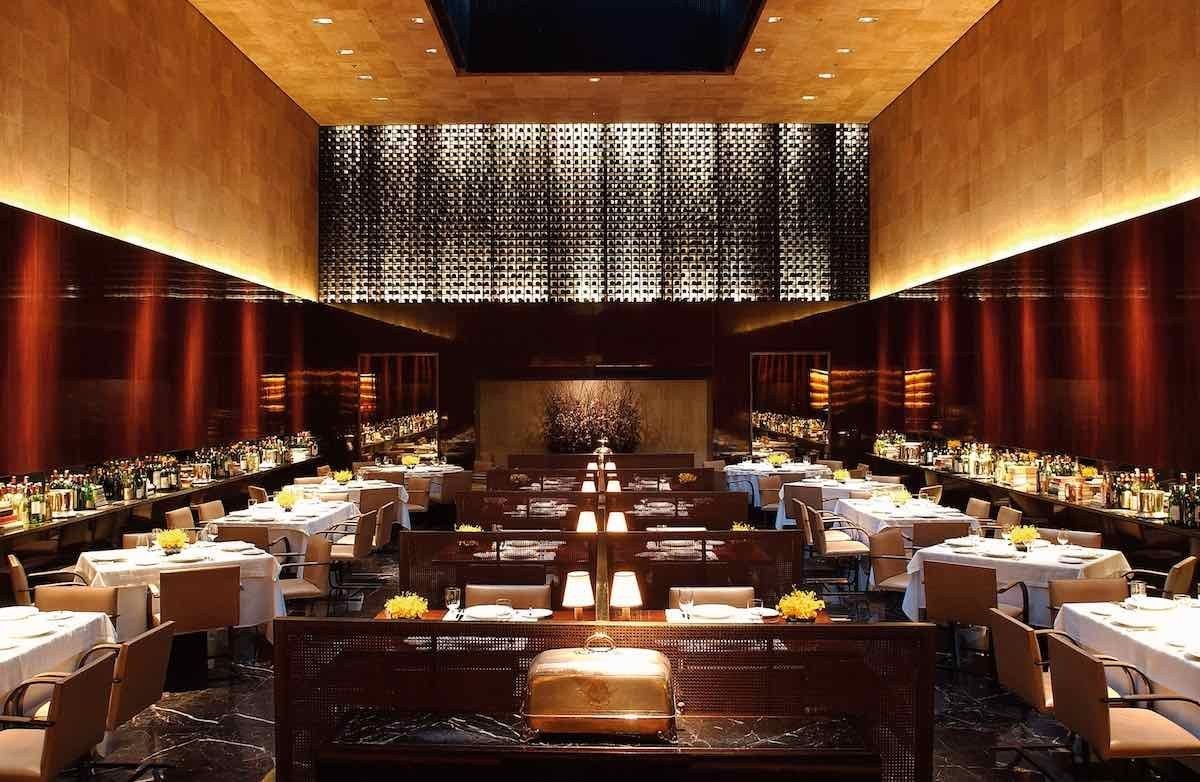
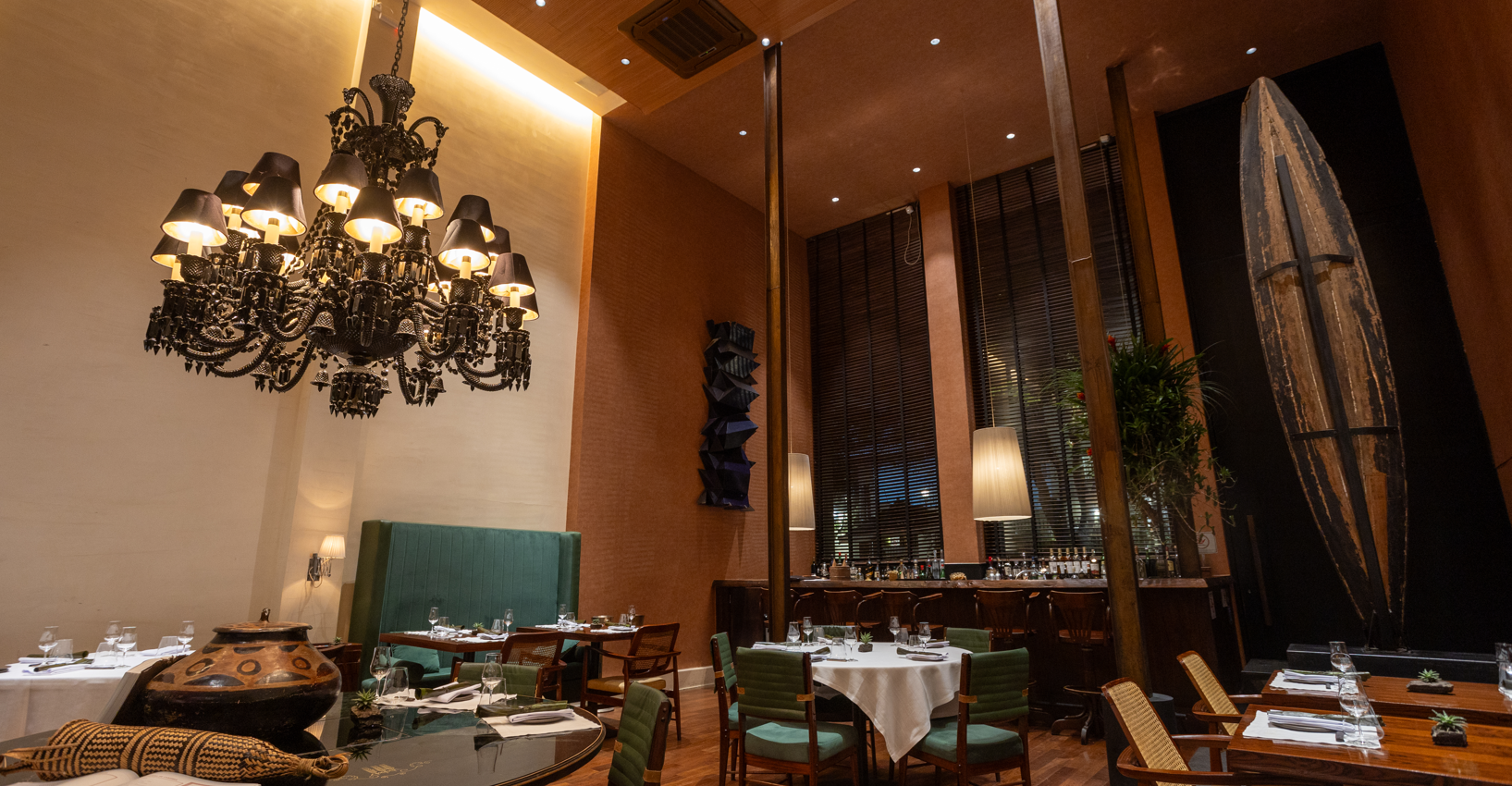
Bars in São Paulo
Browse all →
At a Glance
- Elegant
- Sophisticated
- Cozy
- Romantic
- Date Night
- Special Occasion
- Terrace
- Extensive Wine List
Current opening hours
- Monday
- 12–3 PM, 7 PM–12 AM
- Tuesday
- 12–3 PM, 7 PM–12 AM
- Wednesday
- 12–3 PM, 7 PM–12 AM
- Thursday
- 12–3 PM, 7 PM–12 AM
- Friday
- 12–3 PM, 7 PM–12 AM
- Saturday
- 12–5 PM, 7 PM–12 AM
- Sunday
- 12–5 PM, 7–10 PM
Hours can change for holidays and private events. Last verified .
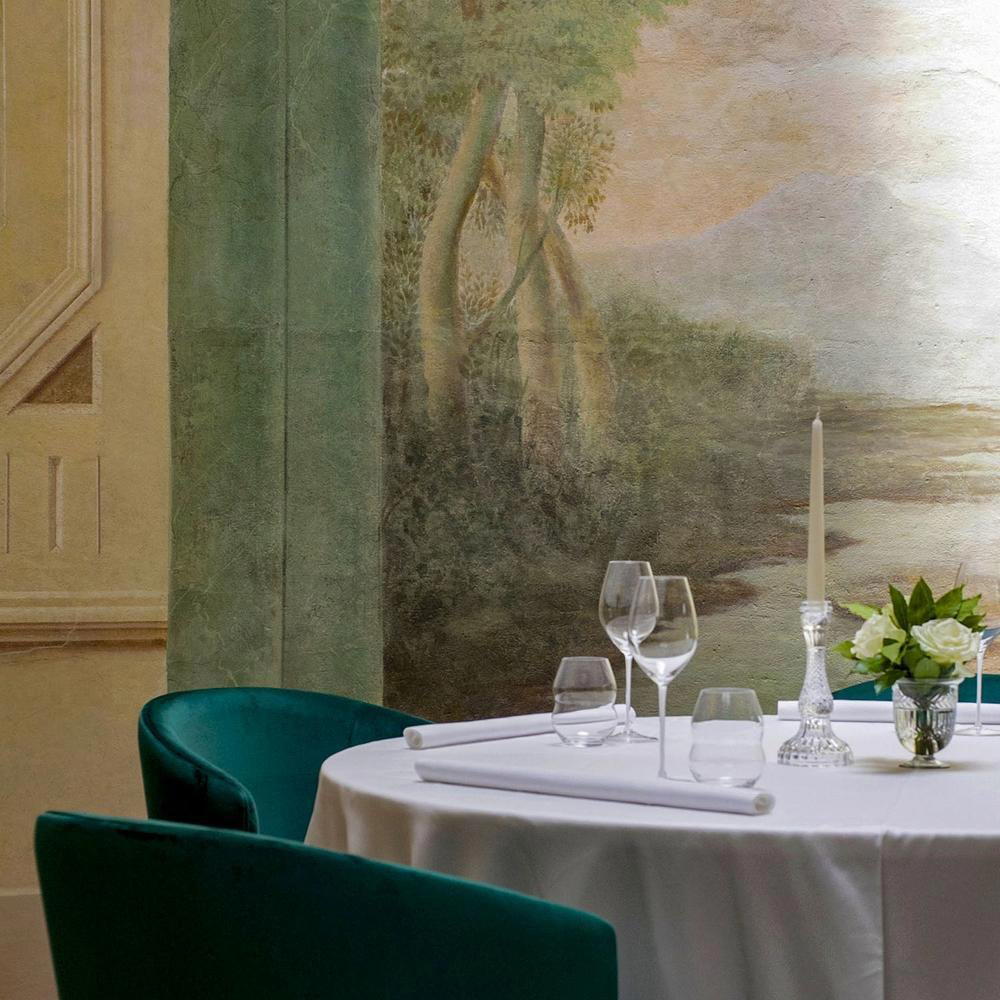
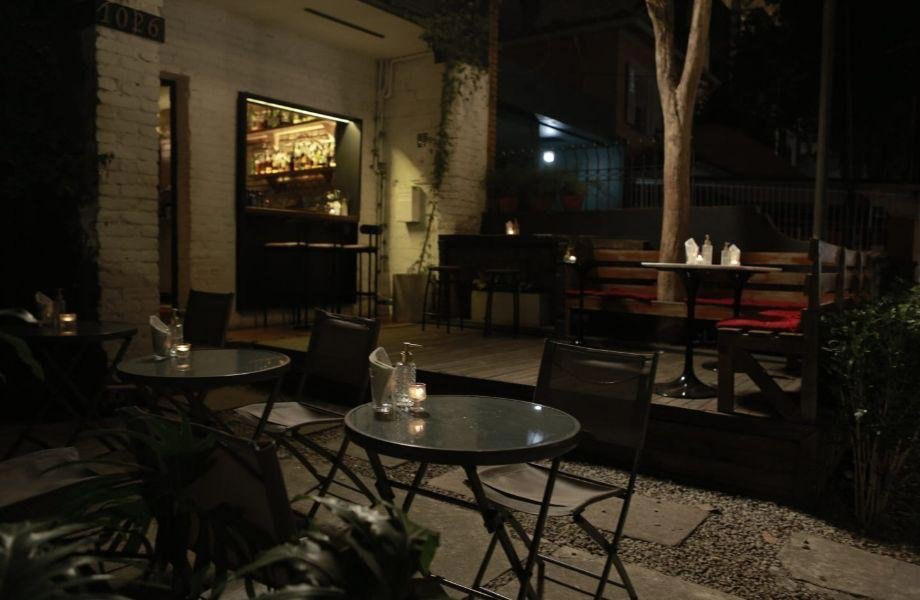
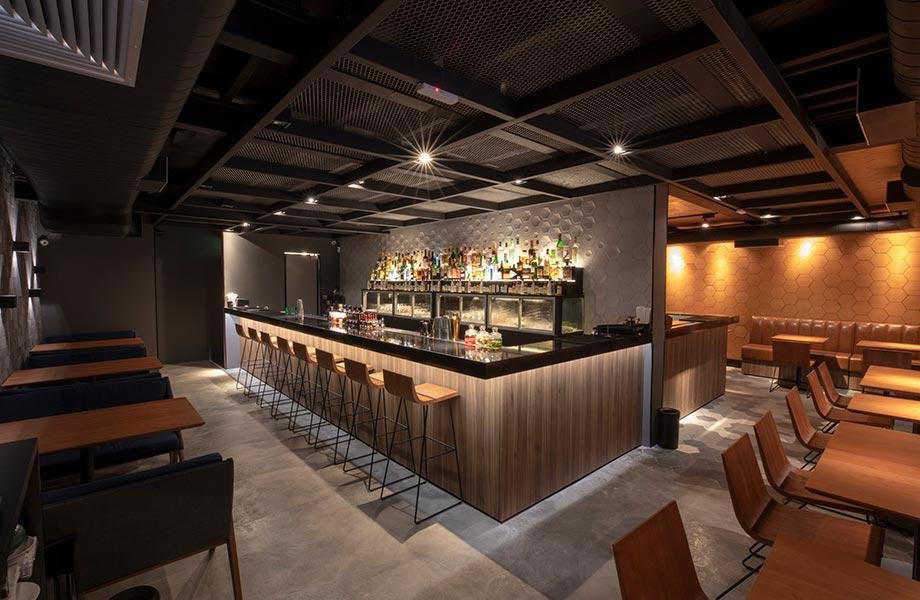
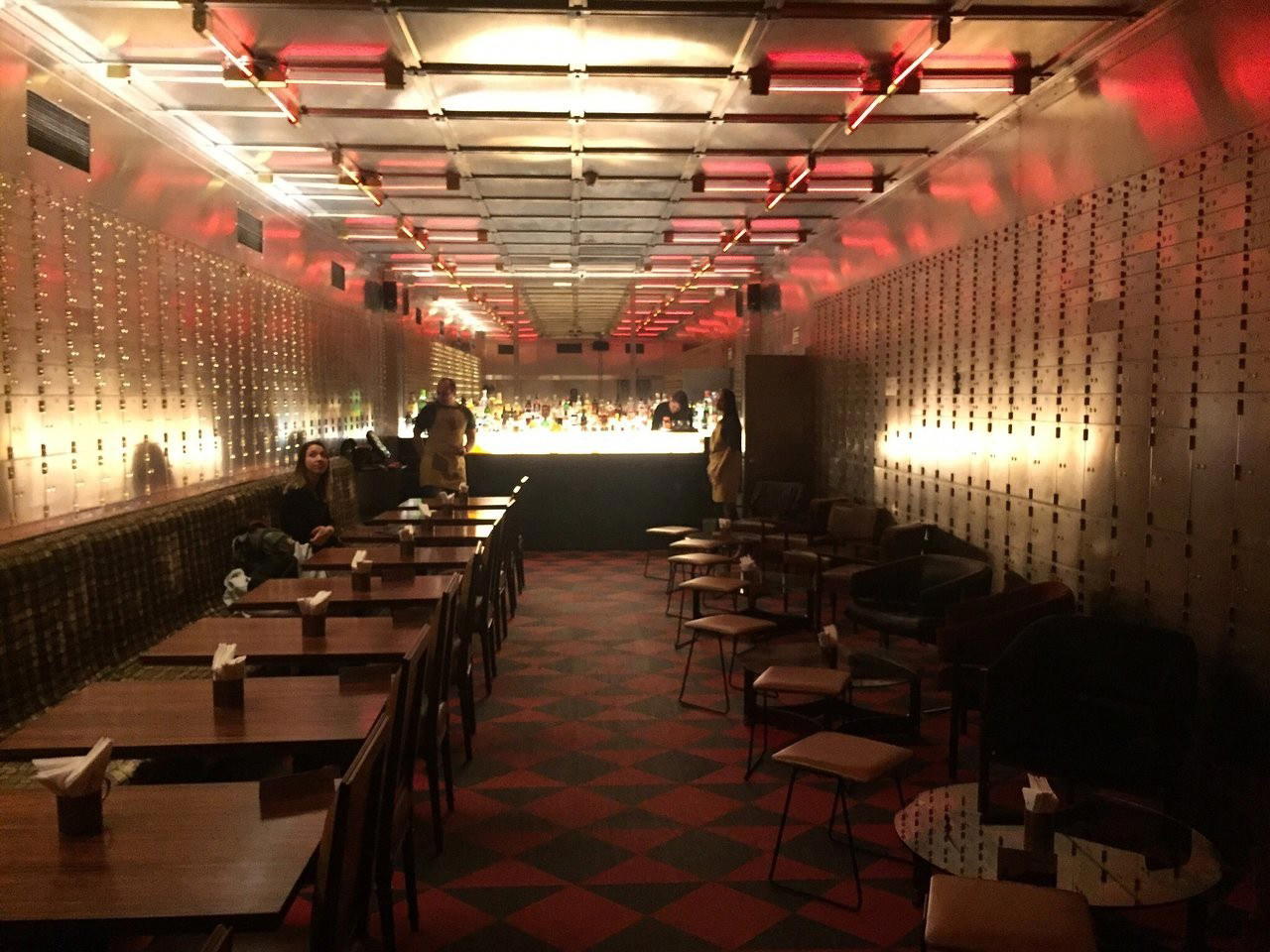
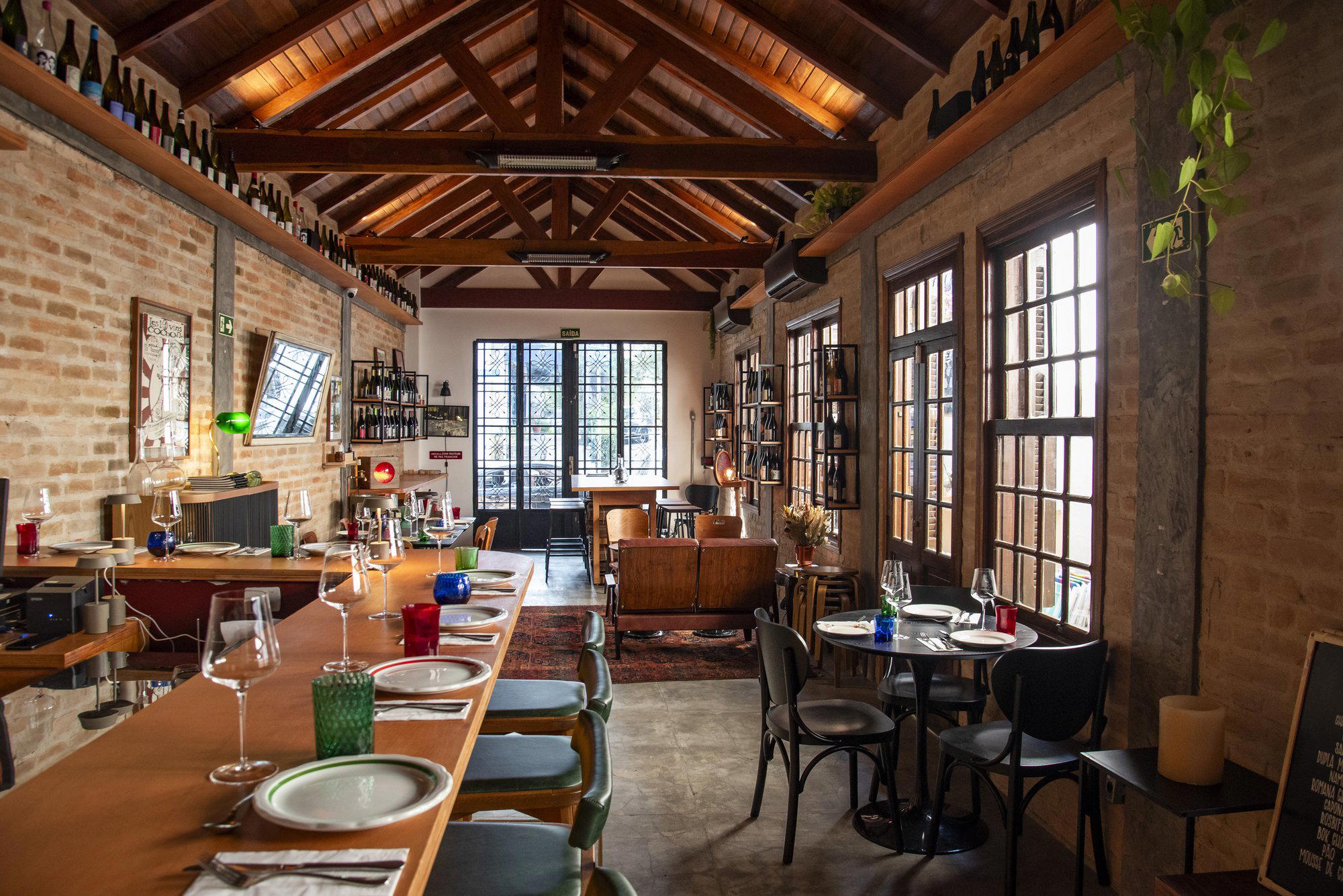
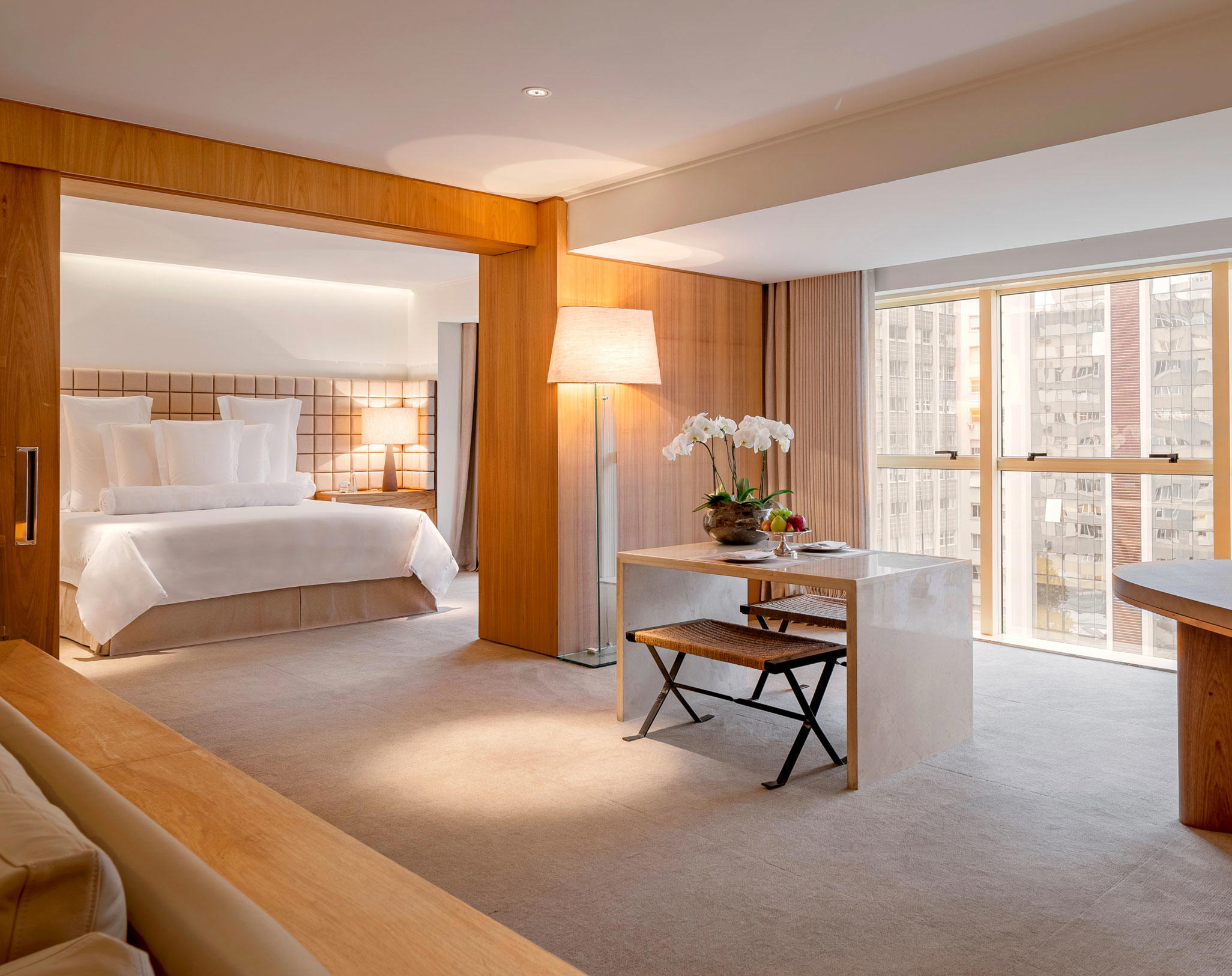
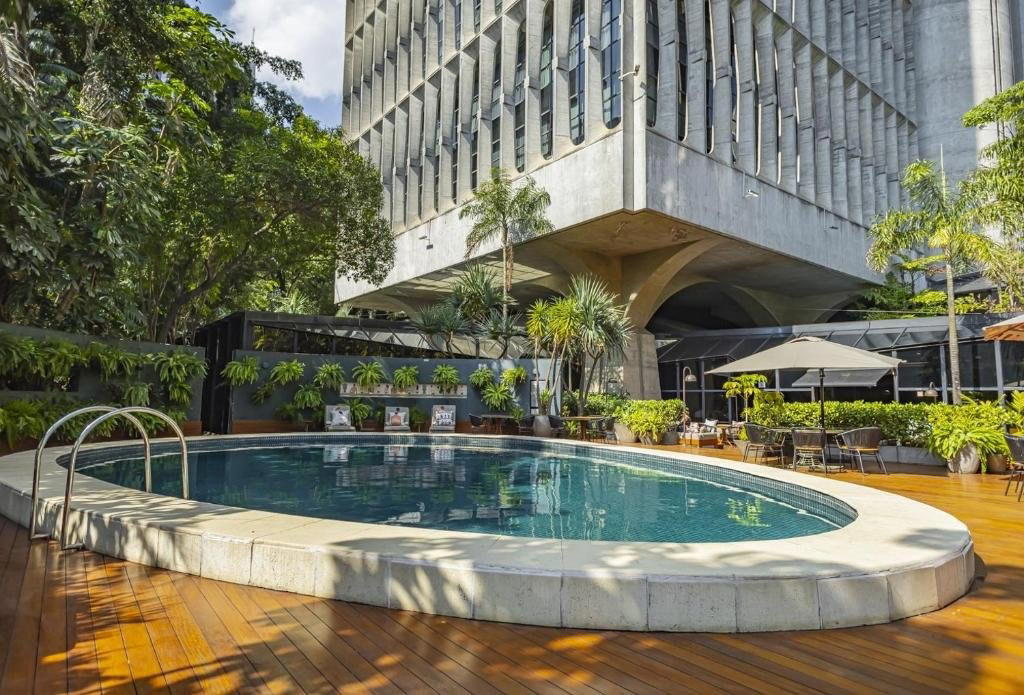
Elegant and warm with natural lighting, plants, and inviting aura across ground floor, mezzanine, and outdoor terrace.