On Rua Jerônimo da Veiga in Jardim Europa, Nino Cucina occupies a corner of São Paulo's most polished residential dining corridor, where Italian-rooted cooking has long competed for space alongside the city's new-guard Brazilian creativity. The address places it squarely in a neighbourhood that rewards walking slowly and eating well, in a city that takes both seriously.
Pearl is the En Primeur Club membership app — saves, bookings, and concierge access live there. Same editors, same standards.
- Address
- R. Jerônimo da Veiga, 30 - Jardim Europa, São Paulo - SP, 04536-000, Brazil
- Phone
- +551133686863
- Website
- alifenino.com.br
- Directions
- Get directions
 Saves & bookings on Pearl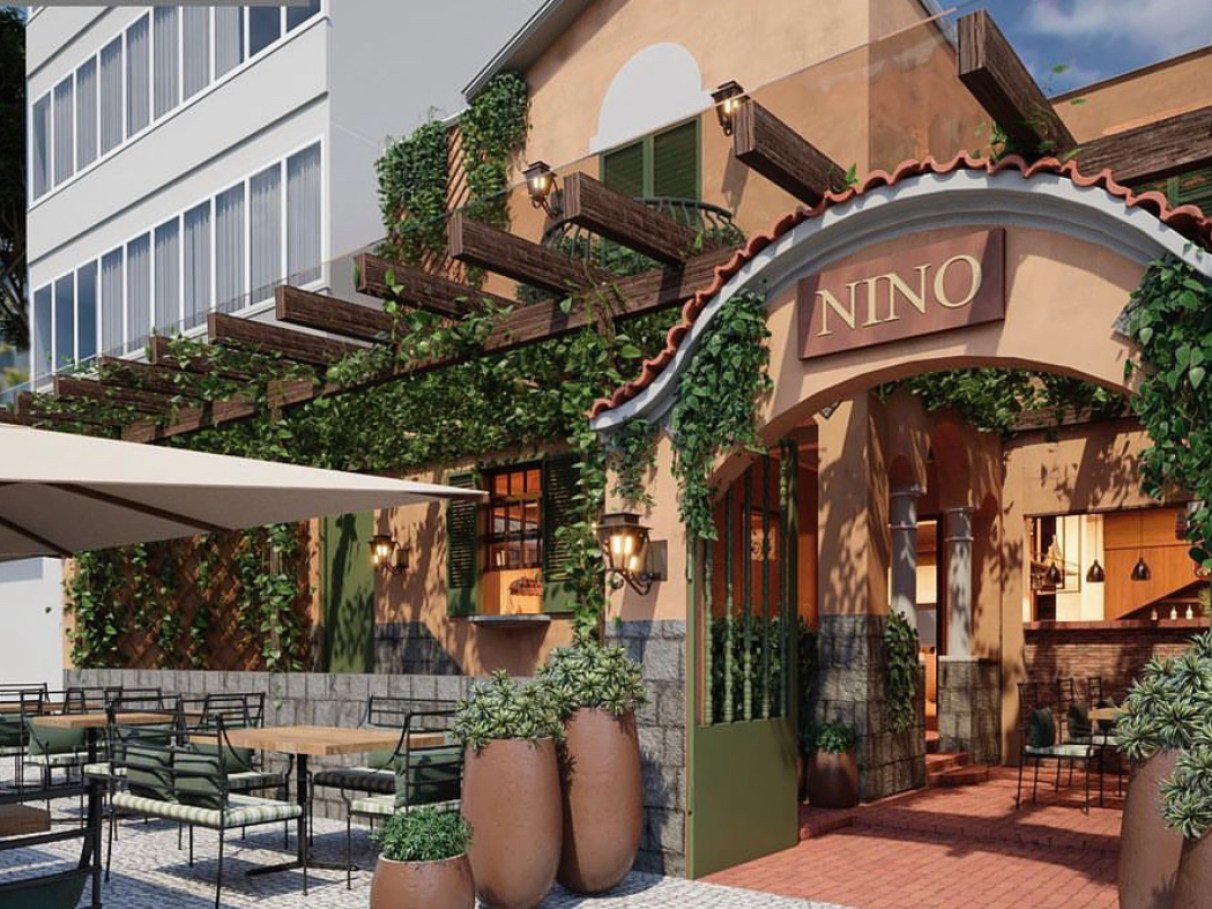
Jardim Europa and the Italian Thread Running Through São Paulo
São Paulo's relationship with Italian food is not a borrowed affinity. It is structural. The city received more than two million Italian immigrants between the 1880s and the mid-twentieth century, and their culinary imprint settled into the urban fabric in ways that still shape where and how the city eats. Neighbourhoods like Bixiga built their identities around red-sauce cantinas. Later, as the city's wealthier residential belt formed around the Jardins and Itaim Bibi, a different tier of Italian cooking emerged: quieter, more ingredient-focused, less theatrical. Rua Jerônimo da Veiga sits inside that belt, and Nino Cucina is a Modern Italian Trattoria in São Paulo's Jardim Europa, with a price tier that typically lands around $40 per person.
That context matters when reading any restaurant on this strip. The competition is not primarily the tourist-facing trattoria of central São Paulo, nor the tasting-menu laboratories that cluster around Pinheiros and Vila Madalena. It is the steady neighbourhood restaurant that earns repeat custom from a sophisticated local clientele, the kind of room where being good at something specific carries more weight than concept novelty. Fame Osteria, operating in a comparable Italian-contemporary register in the city, represents the competitive register Nino Cucina operates alongside: not fine-dining ceremony, but precise cooking in a comfortable frame.
Where Italian Tradition and Brazilian Supply Meet
The broader Italian restaurant category in São Paulo has split in ways that mirror what has happened in other major cities with deep immigrant food histories. On one side are the houses that preserve a specific regional Italian identity, sourcing dried pastas and aged cheeses from Italy and treating authenticity as the primary credential. On the other are kitchens that treat the Italian canon as a structural grammar and build from Brazilian ingredients outward. The leading work in this city tends to do both, using Italian techniques and dish logic while letting local produce determine what actually lands on the plate.
São Paulo's produce access is one of the more underappreciated facts about eating here. The CEAGESP market is among the largest wholesale food distribution centres in Latin America, and the state of São Paulo produces a range of ingredients, from Cantareira trout to Mogiana coffee, that gives any serious kitchen real material to work with. Italian cooking, with its emphasis on ingredient quality over elaborate technique, translates naturally into this supply environment. The pasta, the risotto, the simply grilled protein: each format rewards sourcing discipline over complexity, which is one reason Italian cooking has remained a sustained presence in São Paulo's premium restaurant tier rather than cycling out as a trend.
For comparison, Evvai, led by chef Luiz Filipe Souza and holding Michelin recognition, operates at the upper end of Italian-influenced São Paulo dining, where the Italian reference is structural but the expression is distinctly local. At that level, the expectation is a complete tasting experience with sourcing transparency and a defined creative point of view. Nino Cucina's Jardim Europa positioning suggests a different brief: the kind of restaurant a resident returns to on a Tuesday because the cooking is reliable and the room does not demand a performance from anyone sitting in it.
The Neighbourhood as Context
Jardim Europa is not a dining destination in the way that Pinheiros or the Vila Olímpia strip function as declared going-out zones. It is quieter, more residential, and the restaurants that work here tend to do so by becoming part of a local routine rather than attracting destination diners from across the city. The upside of this is stability: restaurants on Rua Jerônimo da Veiga tend to survive longer than trend-driven openings in higher-profile corridors, because their clientele is not chasing novelty. The downside, from a critic's perspective, is that rooms in this register can drift toward comfortable competence without pressure to sharpen.
The addresses nearby suggest a neighbourhood that has already sorted its dining hierarchy. Premium steakhouses, quietly serious wine bars, and Italian rooms of varying ambition all share the Jardins grid. Visitors arriving from outside São Paulo would do better to treat this area as a local dining exercise than a tasting-menu destination: the point is to eat well without fuss, in a room that has no interest in impressing anyone who has not already chosen to be there.
For those working through São Paulo's broader Italian offering, Fame Osteria and Evvai represent the poles of the category: osteria-register comfort at one end, Michelin-level creative precision at the other. Nino Cucina's address and neighbourhood positioning place it in the sustained middle ground, where longevity often says more than awards.
São Paulo's Wider Dining Field
Understanding any single restaurant in São Paulo requires some orientation to the city's overall dining range. At the creative Brazilian end, D.O.M. and Tuju have defined what serious native-ingredient cooking looks like at the summit of the market. Maní occupies a Brazilian-international register with a more relaxed format. These houses attract international attention and set the benchmark for what São Paulo can do when it is operating at full ambition. The Italian category, by contrast, rarely enters that conversation, not because the cooking is weaker, but because it is doing something different: providing consistency and familiarity to a city that already knows Italian food deeply and judges it by different criteria.
Across Brazil more broadly, the restaurant culture varies dramatically by city. Lasai in Rio de Janeiro shows what southern-influenced tasting-menu cooking looks like outside São Paulo's creative cluster. Regional cooking houses like Cantina Pozzobon in Santa Maria point to the endurance of Italian-Brazilian heritage cooking in the south, where the immigrant communities settled most densely. That regional continuity is part of what makes São Paulo's Italian restaurant tier feel grounded rather than imported: this is not a city discovering Italian food, but one that has been cooking it, adapting it, and arguing about it for well over a century.
Planning a Visit
The restaurant sits at Rua Jerônimo da Veiga, 30, in Jardim Europa, São Paulo. The neighbourhood is accessible by car and taxi from most central São Paulo districts; Jardim Europa does not have a Metro station directly serving the street, so rideshare or private transport is the practical approach for visitors staying outside the Jardins area. Given the residential character of the block, the restaurant operates in a setting that rewards arriving without a schedule and leaving when the evening dictates.
How It Stacks Up
Comparable venues nearby, for context on price, style, and recognition.
| Venue | Cuisine | Price | Notes |
|---|---|---|---|
| Nino CucinaThis venue — the venue you are viewing | Modern Italian Trattoria | $$$ | Not listed |
| Aguzzo | Traditional Italian Cucina | $$$ | Pinheiros |
| Trattoria Fasano | Southern Italian Trattoria | $$$ | Itaim Bibi |
| La Braciera Pizza Napoletana | Neapolitan Pizza | $$$ | Jardim Paulista |
| S I M O N E | Modern Northern Italian Tasting Menu | $$$$ | Pinheiros |
| Zucco | Contemporary Italian | $$$ | Jardim Paulista |
Continue exploring
More in São Paulo
More from Chef Marco Renzetti
Browse all →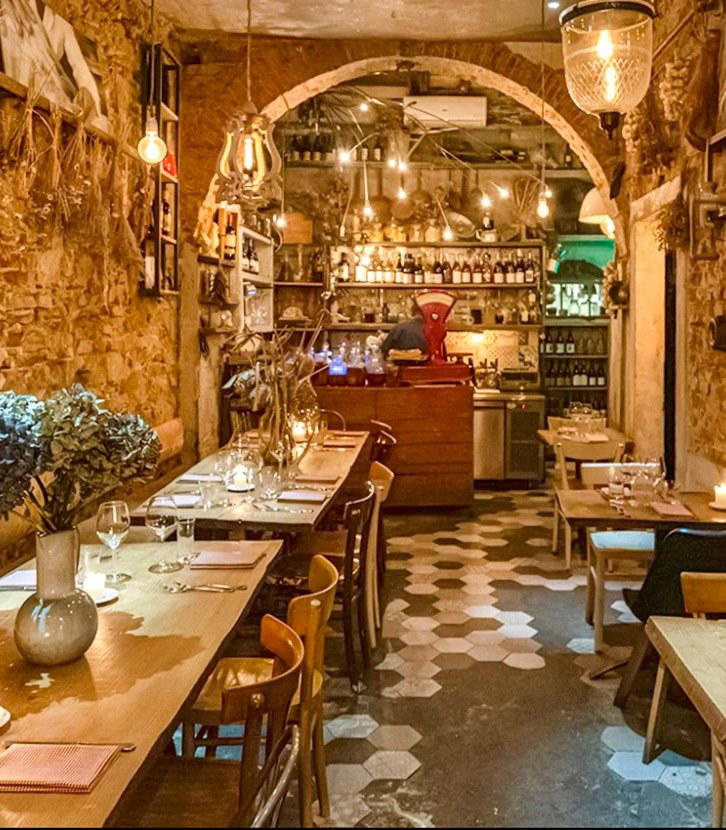
Restaurants in São Paulo
Browse all →
Bars in São Paulo
Browse all →


At a Glance
- Sophisticated
- Cozy
- Elegant
- Date Night
- Business Dinner
- Open Kitchen
- Extensive Wine List
Current opening hours
- Monday
- 12–4 PM, 7 PM–12 AM
- Tuesday
- 12–4 PM, 7 PM–12 AM
- Wednesday
- 12–4 PM, 7 PM–12 AM
- Thursday
- 12–4 PM, 7 PM–12 AM
- Friday
- 12 PM–1 AM
- Saturday
- 12 PM–1 AM
- Sunday
- 12–10 PM
Hours can change for holidays and private events. Last verified .
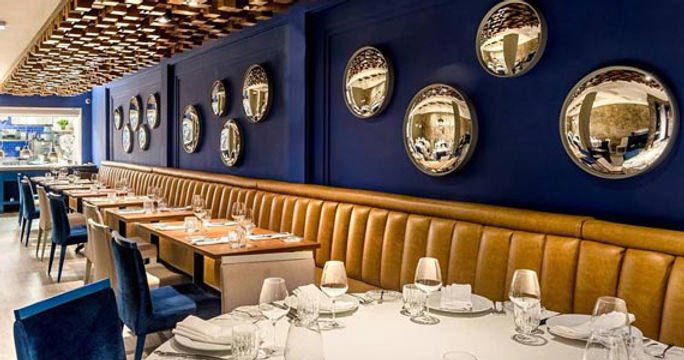
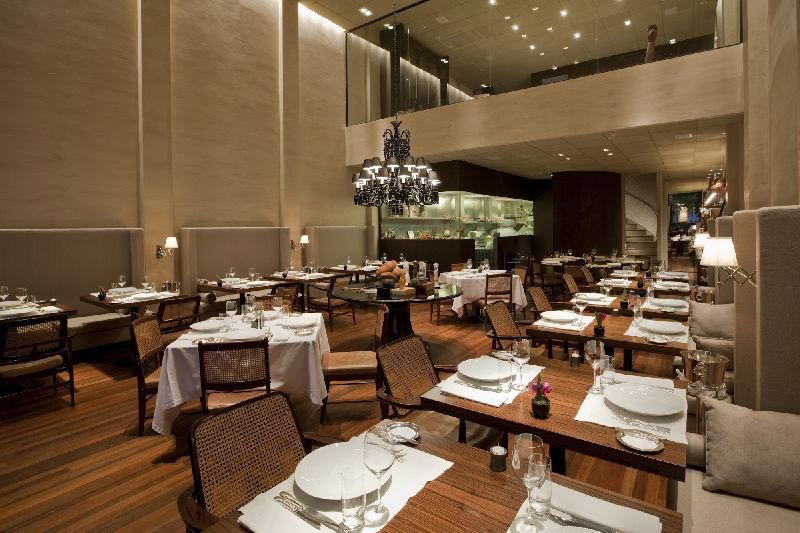
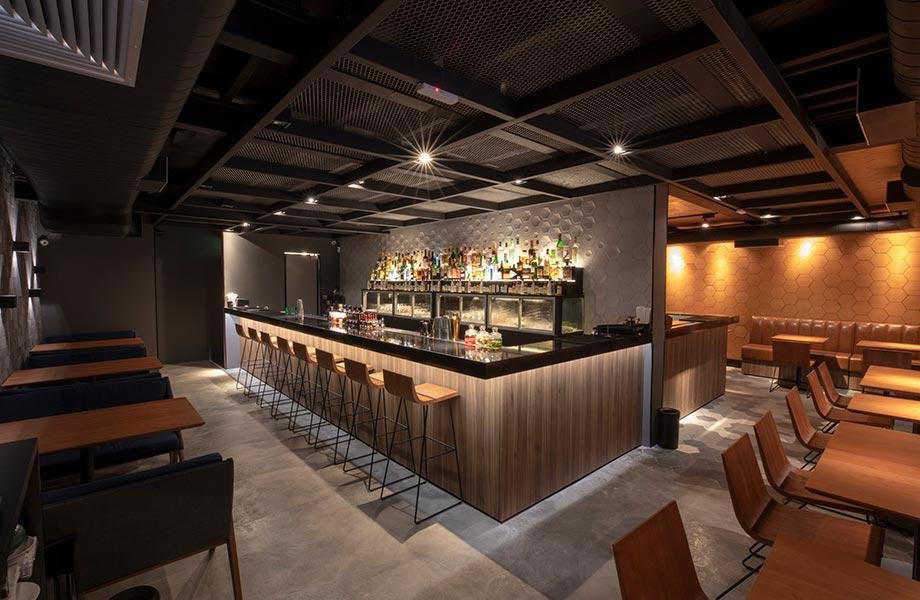
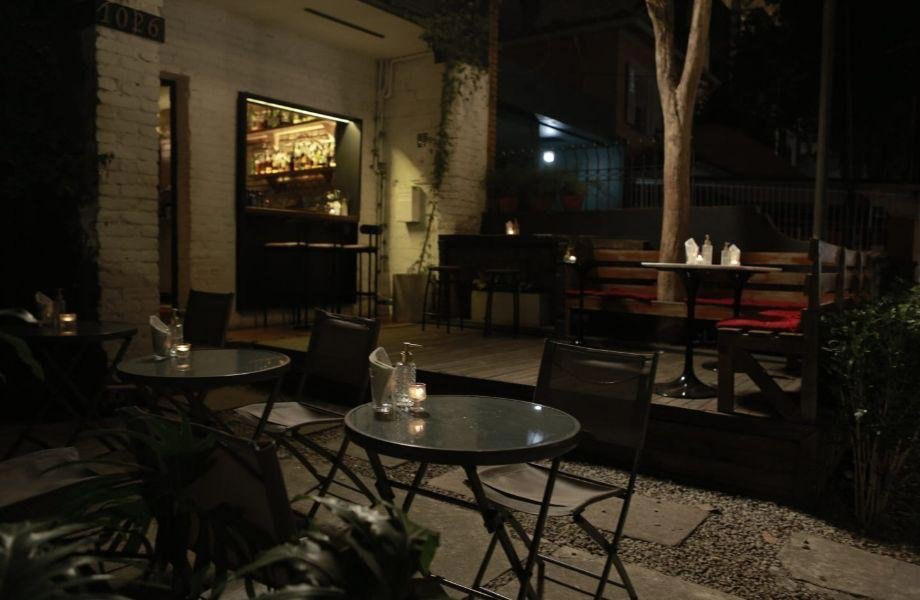
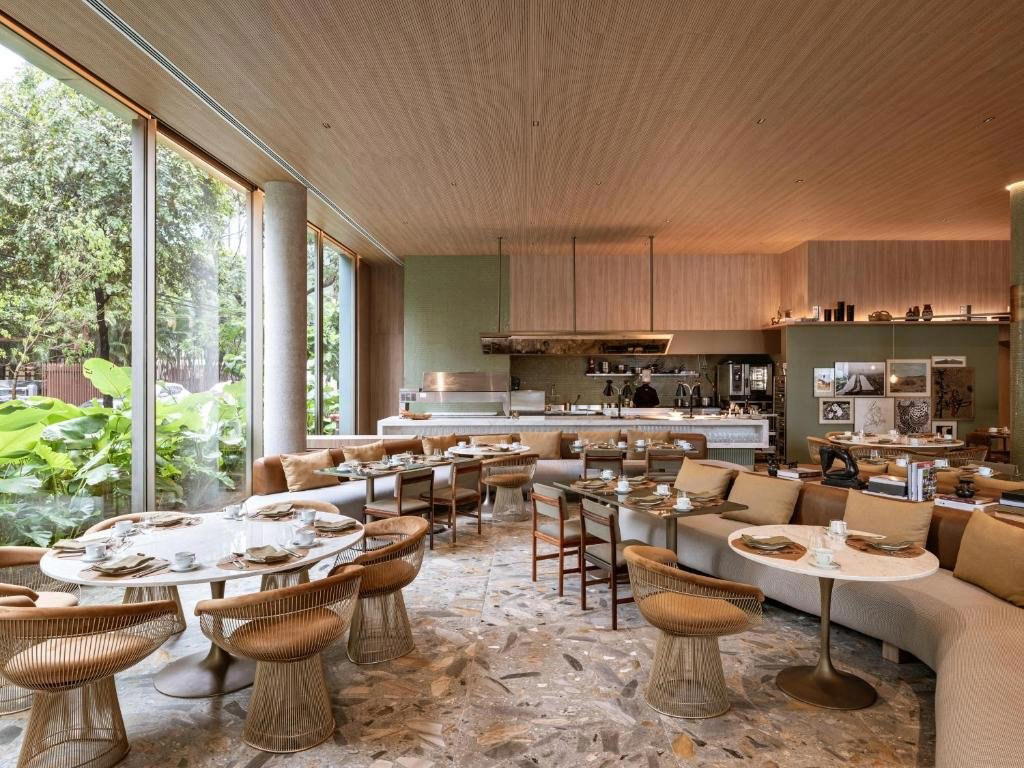
Sophisticated and relaxed atmosphere with cozy seating, though tables are closely spaced reducing privacy.