Evoke 1923
Evoke 1923 occupies a distinct position in Evergreen's dining scene, drawing on the mountain town's proximity to Colorado's agricultural corridors to shape a kitchen grounded in sourced ingredients. The 1923 of the name signals a deliberate historical anchor, setting expectations for a room that trades on character over flash. For visitors to the foothills west of Denver, it represents a more considered alternative to the resort-adjacent dining that dominates the region.
Pearl is the En Primeur Club membership app — saves, bookings, and concierge access live there. Same editors, same standards.
- Address
- 27376 Spruce Ln, Evergreen, CO 80439
- Phone
- +13036747670
- Website
- evoke1923.com
- Directions
- Get directions
 Saves & bookings on Pearl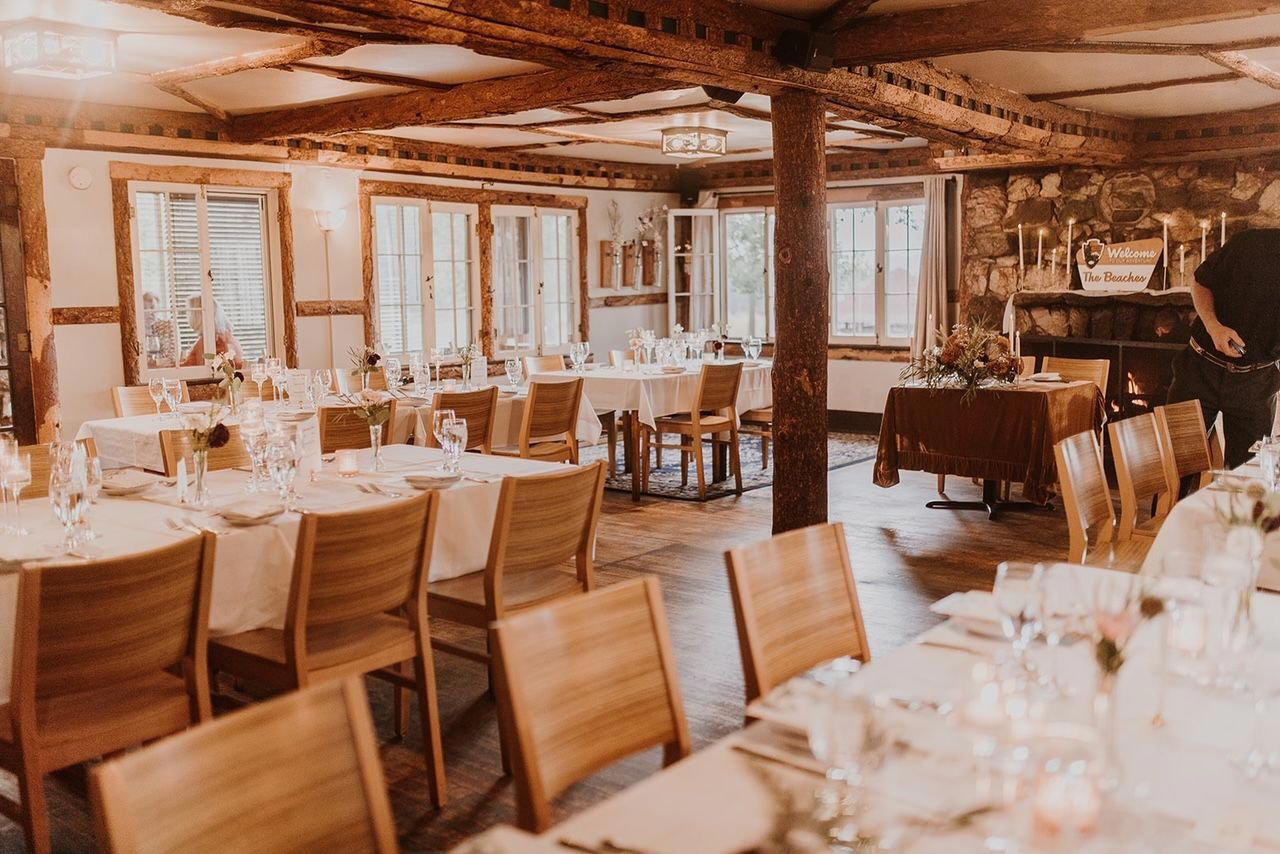
Evergreen's Approach to Mountain Dining
The foothills west of Denver occupy an unusual position in Colorado's dining hierarchy. Close enough to the city's restaurant infrastructure to draw serious kitchen talent, yet sufficiently removed to develop a character of their own, towns like Evergreen have begun attracting operations that treat geographic isolation as an asset rather than a constraint. The altitude, the proximity to ranching country, and the relatively small year-round population create conditions that reward restaurants willing to build around where they actually are, sourcing from the surrounding agricultural zone rather than importing a generic metropolitan template. Evoke 1923 is a restaurant in Evergreen, Colorado, at 27376 Spruce Ln, serving contemporary global fine dining at about $85 per person.
The 1923 Anchor and What It Implies
Restaurant names that carry a year rarely do so without intent. The 1923 in Evoke's name signals a historical sensibility. Across American fine dining, that rhetorical move has become increasingly common as kitchens from Blue Hill at Stone Barns in Tarrytown to Single Thread Farm in Healdsburg have built their identities around a demonstrable relationship to land and season. The difference in Evergreen is scale and context: this is a mountain community, not a purpose-built agricultural estate, which means the sourcing relationships are woven into a regional food web rather than a vertically integrated farm operation. That distinction shapes how the kitchen sources and what it can reliably offer across seasons.
Ingredient Sourcing in Colorado's Foothills
Colorado's agricultural geography is more varied than its mountain-state reputation suggests. The eastern plains carry substantial ranching operations producing beef, lamb, and bison. The Western Slope, particularly around Palisade and Paonia, generates stone fruit, wine grapes, and increasingly, specialty produce. The San Luis Valley remains one of the country's significant potato-growing regions. For a kitchen operating in the foothills corridor between Denver and the high country, these supply lines are accessible without the logistical burden faced by urban restaurants relying on the same sources. Restaurants in comparable positions nationally, including The Wolf's Tailor in Denver and Frasca Food and Wine in Boulder, have demonstrated that the Front Range can sustain genuinely regionally inflected menus. Evergreen's higher elevation and smaller population mean fewer comparable operators competing for the same sourcing relationships, which is an advantage for a kitchen that commits to the approach.
The broader national conversation about ingredient provenance has bifurcated between operations that treat sourcing as a full organizational commitment and those that use it as a marketing layer over conventional supply chains. The distinction is usually visible on the plate: menus that change with real frequency, proteins that shift with seasonal availability, and side dishes that reflect what's actually coming out of the ground rather than what photographs well. At the tier occupied by kitchens like Smyth in Chicago or Oyster Oyster in Washington, D.C., sourcing traceability has become a structural element of the dining proposition, not an addendum. Where Evoke 1923 lands on that spectrum will be apparent from how often and how substantially the menu moves.
The Physical Environment
Mountain dining rooms occupy a specific atmospheric register that urban restaurant design rarely replicates convincingly. The combination of timber, stone, and the particular quality of high-altitude light filtering through conifer canopy creates conditions that reward restraint in décor. Overdesigned interiors in mountain settings tend to read as defensive, as if the room doesn't trust what surrounds it. The more assured approach, visible in properties ranging from intimate foothills lodges to the kind of converted historic structures that Colorado's mountain towns frequently offer, lets the setting carry weight. The 1923 name suggests Evoke may occupy a building with some historical character, which in Evergreen's context would place it within a tradition of repurposed early twentieth-century mountain construction.
For visitors arriving from Denver along Highway 74, the transition from suburban sprawl to mountain town happens quickly, and Evergreen's dining scene reflects that abruptness. The town has not developed the dense restaurant cluster of a ski resort corridor, which means individual operations carry more weight and more distinctiveness than they might in a competitive urban market. The address on Spruce Ln places Evoke in the residential-commercial fabric of the town rather than on a tourist strip, which typically signals an operation built for repeat local business as much as destination traffic.
Regional Context and Comparable Operations
Colorado's fine and premium casual dining is anchored by Denver and Boulder, with secondary clusters in ski towns like Aspen and Vail. The foothills corridor between Denver and the high country has historically been underserved at the upper end of the market, which creates opportunity for operations willing to commit to the location. Nationally, the pattern of high-quality destination restaurants succeeding in small mountain communities is well established: The French Laundry in Napa operates in a town of under 6,000 people; The Inn at Little Washington is in a Virginia village. Scale of community does not constrain ambition when the sourcing relationships and kitchen program are strong enough to draw guests willing to make the drive.
For context on what serious sourcing-led American restaurants look like at different price points and in different regional settings, operations like Lazy Bear in San Francisco, Bacchanalia in Atlanta, Addison in San Diego, Providence in Los Angeles, Emeril's in New Orleans, and Le Bernardin in New York City represent a broad range of approaches to the same underlying commitment. At the international end of that spectrum, Atelier Moessmer Norbert Niederkofler in Brunico has built one of Europe's most rigorous mountain-sourcing programs entirely from alpine ingredients. And for modern Korean sourcing discipline, Atomix in New York City and ITAMAE in Miami show what ingredient-first thinking looks like when applied to non-European culinary traditions.
Planning Your Visit
Evergreen sits roughly 30 miles southwest of central Denver, accessible via US-285 or I-70 to Highway 74, with the drive from the city taking 45 minutes to an hour depending on mountain traffic conditions, which can be significant during ski season weekends and after major snowfall. The town has no significant hotel infrastructure by mountain resort standards, which means most visitors staying overnight will use vacation rentals or make the return trip to Denver. For current hours and reservations, check directly with the restaurant.
A Quick Peer Check
Comparable venues nearby, for context on price, style, and recognition.
| Venue | Cuisine | Price | Notes |
|---|---|---|---|
| Evoke 1923This venue — the venue you are viewing | Contemporary Global Fine Dining | $$$ | Not listed |
| Dumplin' | Italian-Asian Dumpling Fusion | $$$ | West Highland |
| Ambli DTC | Global Fusion Tapas | $$$ | Southmoor Park |
| Izakaya Den | Modern Japanese Izakaya | $$$ | Platt Park |
| Na Favola | Authentic Italian Trattoria & Pizzeria | $$$ | Greenwood Village |
| Le Colonial Denver | French-Vietnamese | $$$ | Cherry Creek |
Continue exploring
More in Evergreen
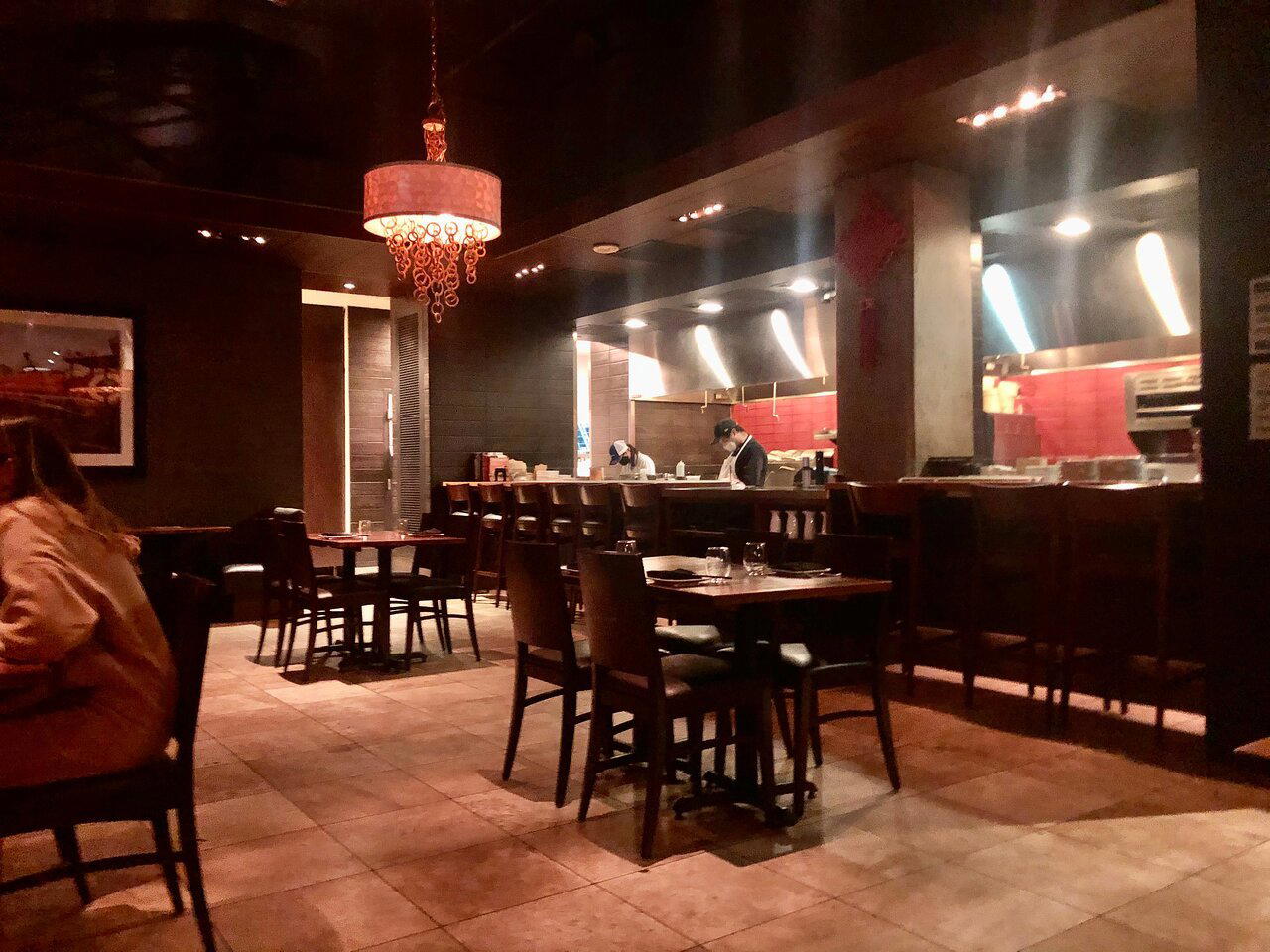
Restaurants in Evergreen
Browse all →
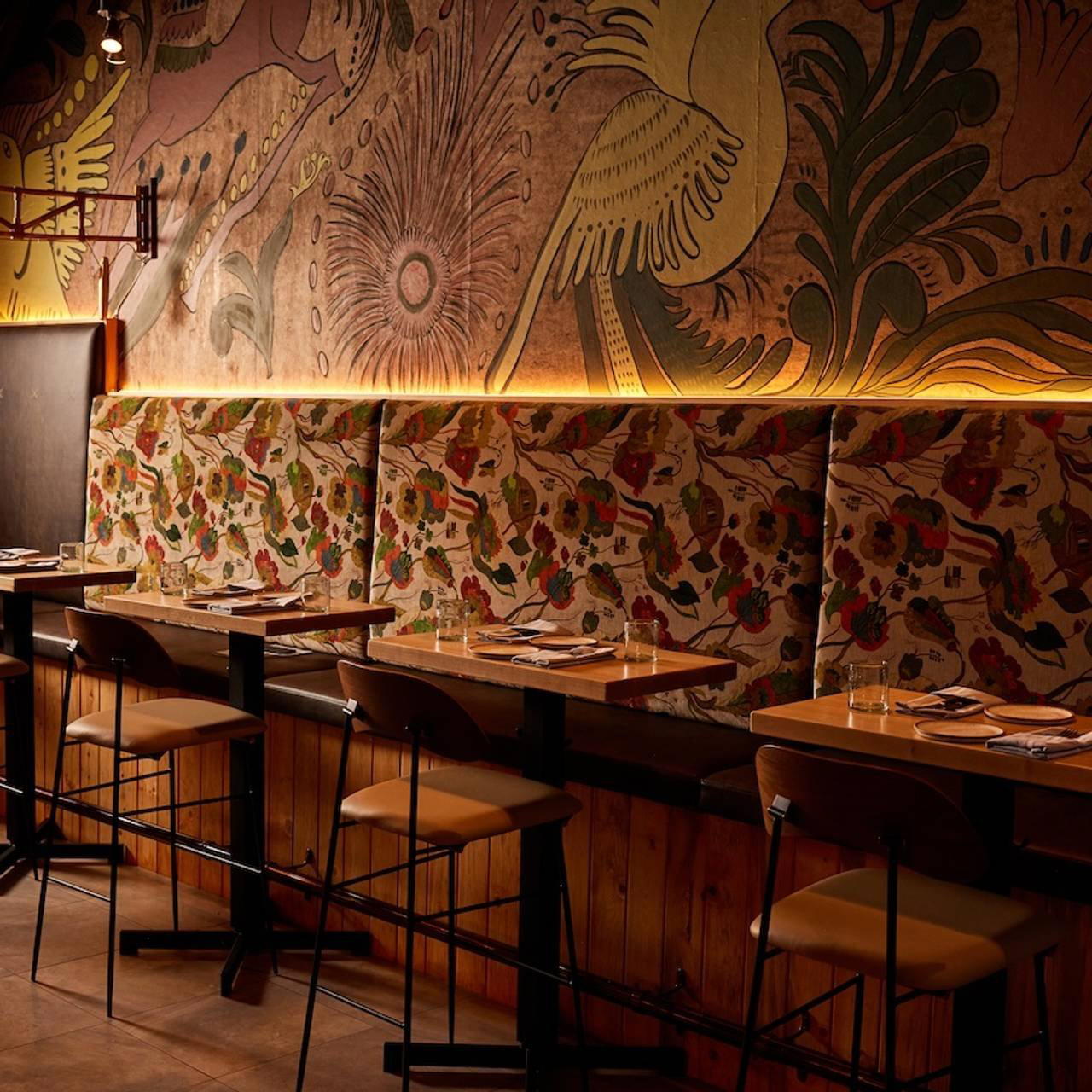
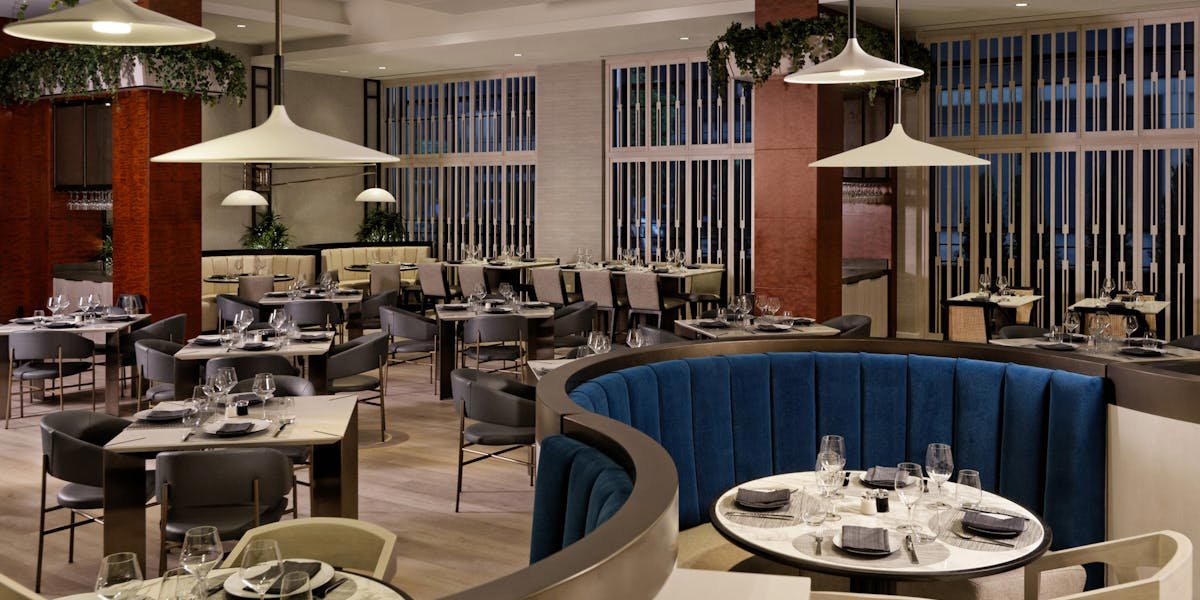
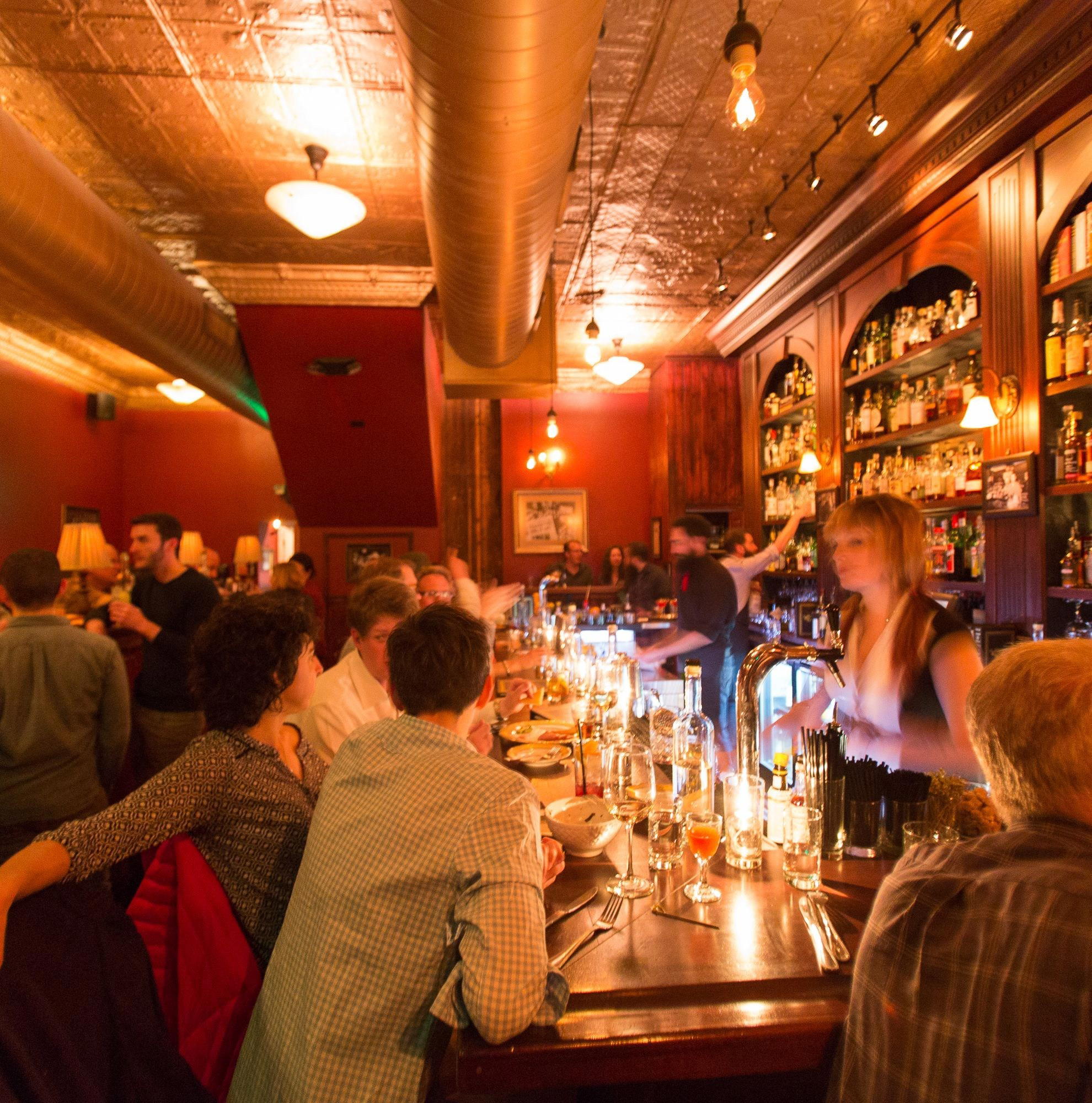
Bars in Evergreen
Browse all →
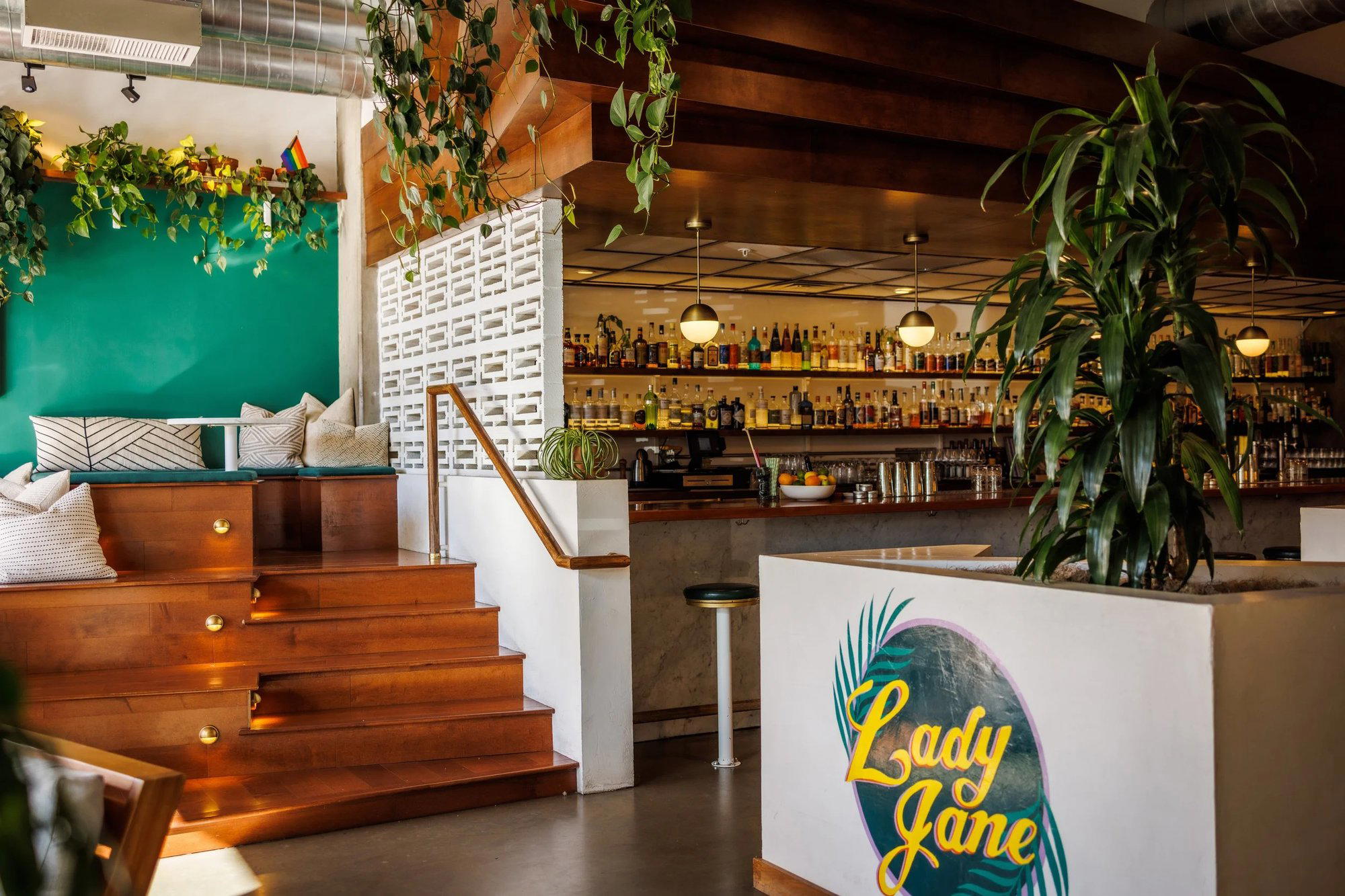
Hotels in Evergreen
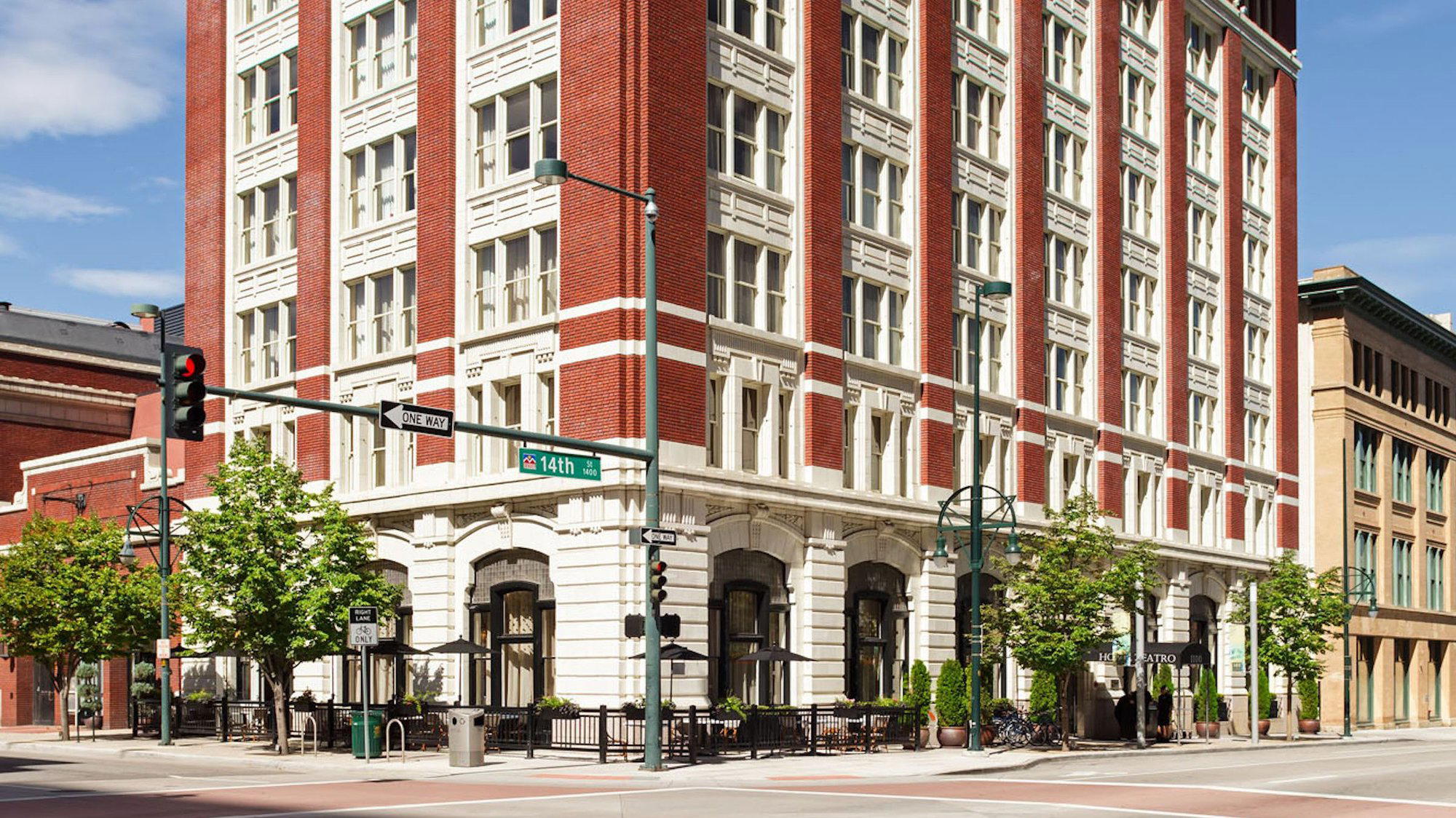
Browse all →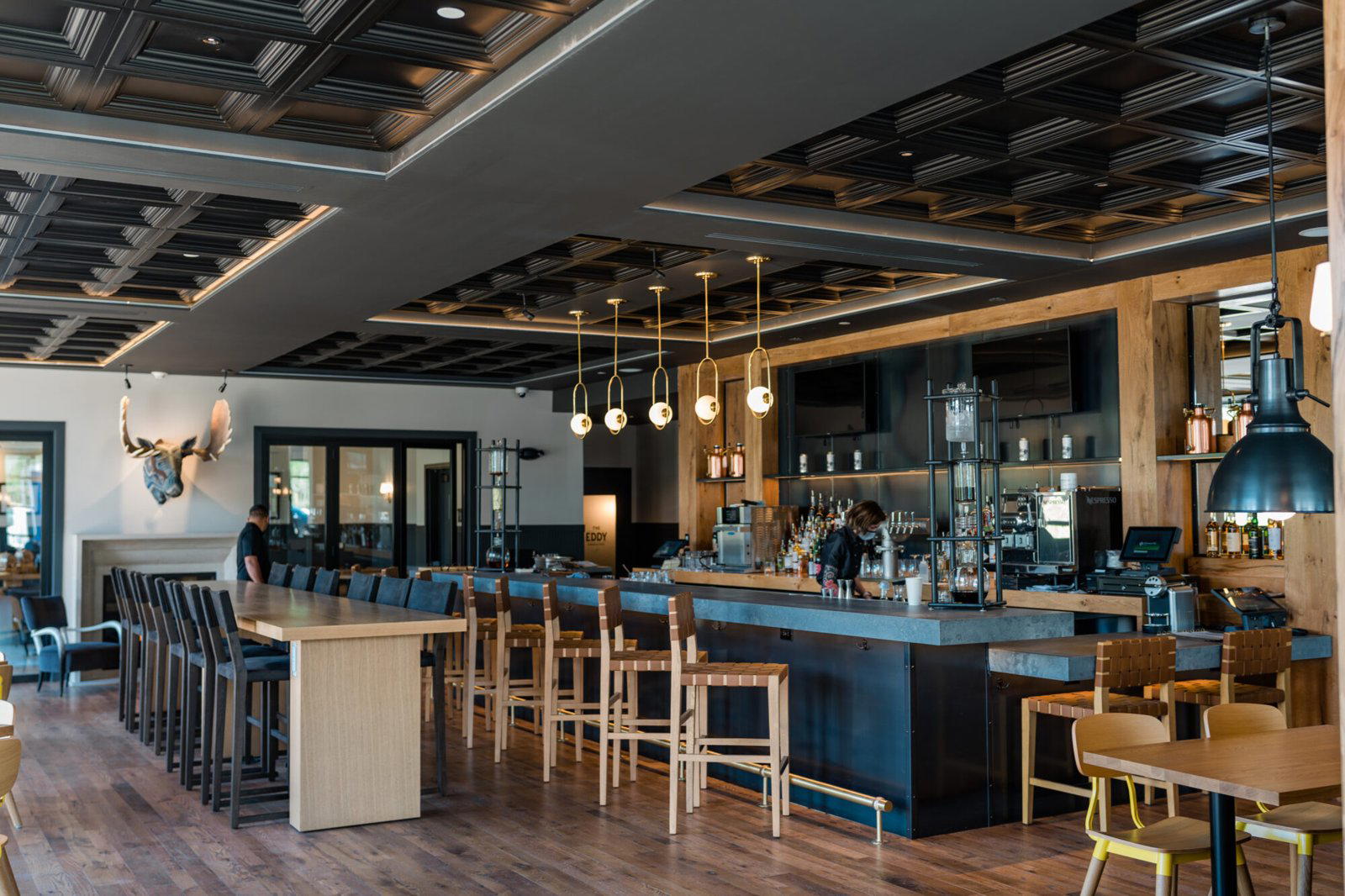
Wineries in Evergreen
Browse all →
At a Glance
- Elegant
- Rustic
- Romantic
- Sophisticated
- Scenic
- Date Night
- Special Occasion
- Celebration
- Business Dinner
- Historic Building
- Panoramic View
- Garden
- Standalone
- Craft Cocktails
- Extensive Wine List
- Local Sourcing
- Mountain
- Garden
Current opening hours
- Monday
- 4:30–9 PM
- Tuesday
- Closed
- Wednesday
- 4:30–9 PM
- Thursday
- 4:30–9 PM
- Friday
- 4:30–9 PM
- Saturday
- 4:30–9 PM
- Sunday
- 4:30–9 PM
Hours can change for holidays and private events. Last verified .
Warm and inviting with soft fireplace flicker, wood beams, and rustic elegance; golden-hour sunlight frames the dining experience with understated sophistication.