Na Favola
Our verdict
Na Favola brings Italian dining to Greenwood Village's South University corridor, where suburban Colorado and European table traditions meet at an address locals return to regularly. The name itself — Italian for 'like a fairy tale' — signals the mood the kitchen and room are working toward, positioning it within the South Denver submarket's growing roster of neighborhood-anchored Italian options.

Pearl is the En Primeur Club membership app — saves, bookings, and concierge access live there. Same editors, same standards.
- Address
- 5909 S University Blvd, Greenwood Village, CO 80121
- Phone
- (983) 999-4139
- Hours
- Daily 11:30 AM–9:30 PM
- Website
- nafavolatrattoria.com
- Directions
- Get directions
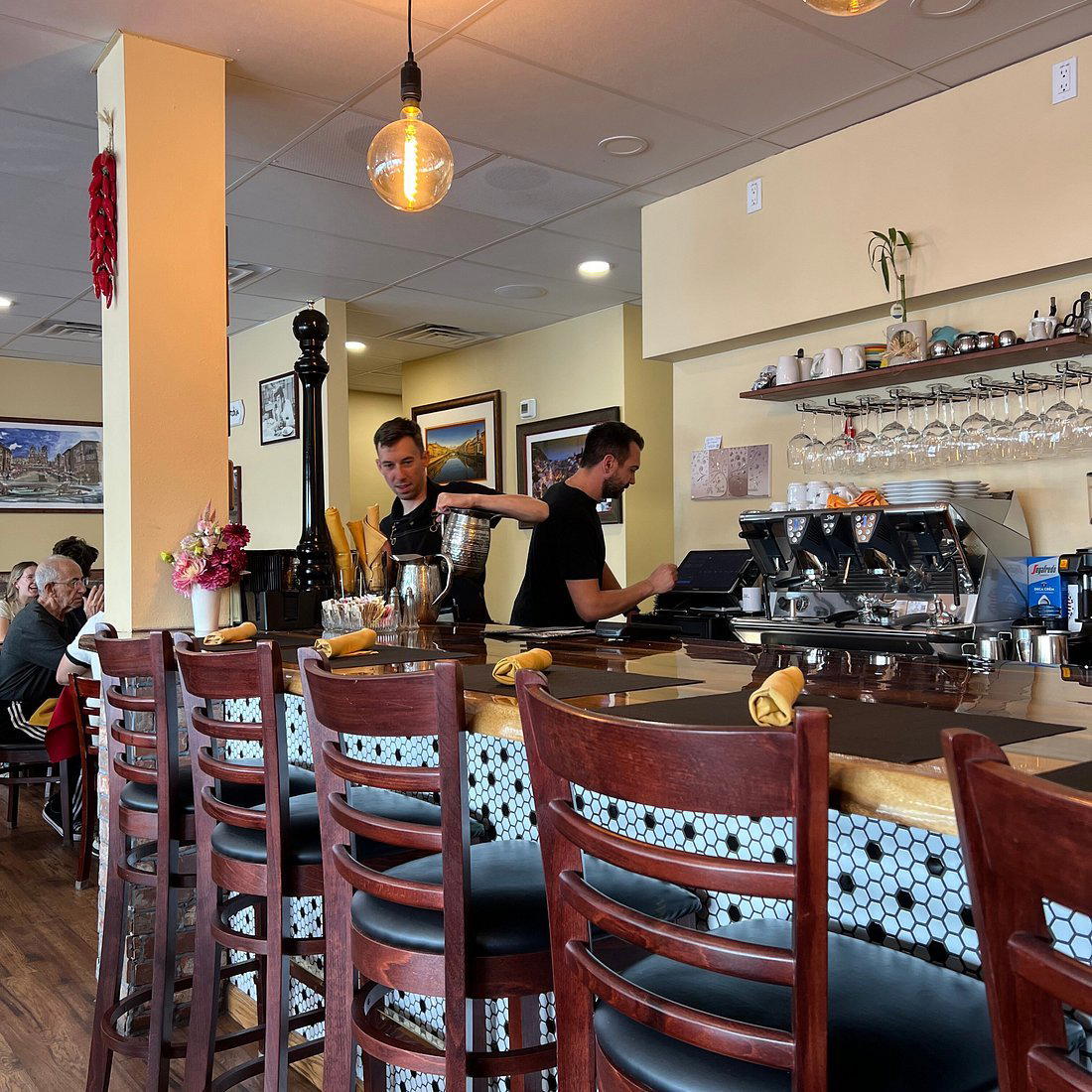
The menu
What to order
- Pizza Italiana
- Tagliatelle al ragu
- Fritto di terra
Italian Dining in Suburban Denver: Where the South University Corridor Fits
South University Boulevard in Greenwood Village occupies a particular position in the Denver metro's dining geography. It is neither the high-concept downtown strip nor the purely utilitarian suburban strip mall circuit. The corridor functions as a neighborhood dining destination for residents of Cherry Hills, Centennial, and the southern DTC catchment — households with appetite for restaurants that reward repeat visits rather than single occasions. Italian cuisine has historically performed well in this tier of the American dining market, and for a clear reason: the tradition travels without requiring the diner to learn an entirely new grammar. The pleasures of pasta, antipasto, and a considered wine list are legible whether the table is celebrating or simply eating well on a Tuesday.
Na Favola, at 5909 S University Blvd, operates within that context. Its name — Italian for "like a fairy tale", is a deliberate tonal signal. It places the restaurant in a lineage of Italian-American establishments that make an explicit promise about atmosphere and occasion, rather than defaulting to the red-sauce vernacular or the austere modern-Italian mode that has gained ground in American cities over the past decade. Understanding what that promise means, and how it compares to the broader field of Italian dining in Greenwood Village, requires a look at how Italian cooking has evolved as an import tradition in the United States.
The Cultural Weight of Italian Cuisine in the American Dining Room
Italian food arrived in the American mainstream through immigration waves that compressed and adapted regional diversity, Sicilian, Neapolitan, Ligurian, Venetian, into something more unified and, in many cases, more generous with cream and cheese than the source regions would recognize. That origin story matters because it shaped diner expectations for generations. The shift toward regional specificity, away from the red-tablecloth category and toward a more textured engagement with the actual geography of Italian cooking, is a development that has accelerated since roughly 2000 and continues unevenly across American markets.
In markets like New York and San Francisco, that shift is well advanced: restaurants now signal their regional Italian affiliation as a primary identity, the way a wine label names an appellation. Comparable precision has reached Denver's urban core, though the suburban dining belt tends to integrate those sensibilities more gradually, prioritizing comfort and consistency alongside specificity. Greenwood Village's Italian options, including Chianti Ristorante and Oliver's Italian, collectively define a local competitive set that is more interested in the warmth of the Italian dining experience than in pure doctrinal regionalism. Na Favola positions itself within that set.
At the higher end of American Italian, the reference points include Michelin-recognized kitchens like 8 1/2 Otto e Mezzo Bombana internationally, and domestically the kind of precision-driven tasting menus served at Alinea in Chicago or farm-to-table commitments at Blue Hill at Stone Barns in Tarrytown. Na Favola does not compete in that register, nor does the South University corridor require it to. The dining tradition it draws from is more closely related to the Italian-American institution: a room built for lingering, a kitchen fluent in the pasta and secondi categories, and a wine program with enough depth to reward the regulars who return across seasons.
The Room and the Experience It Promises
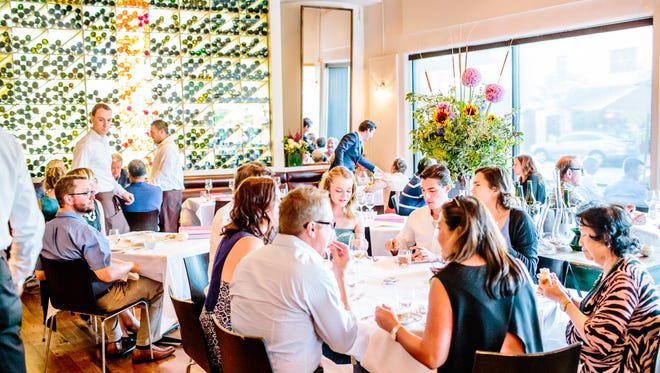
The physical environment of a neighborhood Italian restaurant carries significant meaning before a dish arrives. Warmth of lighting, table spacing, the presence or absence of a bar as social anchor, these elements determine whether a room functions as a special-occasion destination, a regular weeknight option, or both simultaneously. The most durable neighborhood Italian restaurants in American cities tend to accomplish both, building a room that feels as appropriate for a birthday dinner as for a working dinner or a quiet table for two.
Na Favola's name suggests it is working toward the occasion-restaurant end of that spectrum. The fairy-tale register implies some degree of romance and theatricality in the room's identity, aligning it with the tradition of Italian dining as event rather than utility. In the South Denver market, where the alternative dining options include CV Tap House and Kitchen for casual American and Enso Sushi and Grill and India's Castle representing broader international options, an Italian room with a distinct atmospheric identity occupies a clear niche.
Greenwood Village in the Metro Context
Greenwood Village sits at the intersection of affluent residential demographics and the Denver Tech Center employment base, which creates a dining market with particular characteristics: diners who have experienced restaurants in major cities and apply that frame of reference to local choices, combined with a strong preference for consistency and ease of access. That combination tends to reward restaurants that deliver reliability at a reasonably ambitious level rather than those chasing trend cycles.
Nationally, the conversation about where serious dining happens has broadened beyond coastal urban cores. Restaurants like The French Laundry in Napa, Single Thread Farm in Healdsburg, Providence in Los Angeles, Le Bernardin in New York City, Lazy Bear in San Francisco, Atomix in New York City, Addison in San Diego, Emeril's in New Orleans, and The Inn at Little Washington define the upper register of American dining, but the vitality of neighborhood restaurants in well-resourced suburban markets like Greenwood Village reflects a different, equally important dimension of the country's food culture. These are the rooms where most meals actually happen, where the Italian-American dining tradition is sustained across years rather than celebrated on a single occasion.
For a fuller view of what the area offers across cuisine types and price points, see our full Greenwood Village restaurants guide.
Planning Your Visit
Na Favola is located at 5909 S University Blvd, Greenwood Village, CO 80121, accessible from the C-470 corridor and within a short drive of the DTC. For current hours, reservation availability, and menu details, visiting the restaurant directly is the most reliable approach, as operating specifics can shift with the season. Given the occasion-oriented positioning implied by the restaurant's name and concept, booking ahead for weekend evenings is advisable, South University Boulevard's Italian options at this positioning tier fill consistently on Friday and Saturday nights.
Frequently asked questions
Is Na Favola a family-friendly restaurant?
The South University corridor in Greenwood Village serves a mix of family households and professional diners, and Italian restaurants in that market typically accommodate both. Na Favola's name — Italian for 'like a fairy tale' — suggests an atmosphere pitched toward occasion dining rather than casual drop-in meals. Families with older children comfortable in a sit-down setting should find it a reasonable fit, though calling ahead to confirm table availability for groups is advisable given the address at 5909 S University Blvd.
How would you describe the vibe at Na Favola?
The name Na Favola translates from Italian as 'like a fairy tale,' which is a deliberate positioning statement about the room's intended register. In Greenwood Village's dining context — a corridor shaped by the Tech Center's professional base and affluent residential neighborhoods — that signals something closer to romantic and occasion-driven than casual trattoria. Expect a room designed for conversation over lingering dinners rather than quick weeknight turnaround.
Is Na Favola suitable for a date night or special occasion dinner in the Denver south suburbs?
A restaurant named 'like a fairy tale' in Italian is not positioning itself as a casual weeknight option — the name alone signals that occasion dining is the primary use case. Greenwood Village's demographic profile, centered on the Denver Tech Center and surrounding residential areas, supports exactly this kind of neighborhood destination for anniversaries, birthdays, and date nights. Among the Italian options along the South University corridor, Na Favola's name-driven identity sets a distinct atmospheric expectation that most nearby competitors do not make explicit.
What should I eat at Na Favola?
Italian cuisine's structural logic — antipasto, pasta, secondi — gives any kitchen operating in that tradition a clear framework, and the strongest calls at restaurants like this are usually house-made pasta and braised meat dishes that reward slower preparation. Without a current published menu on record, the practical move is to ask the server what's made in-house that day and anchor your order there. Na Favola is located at 5909 S University Blvd, Greenwood Village, where the kitchen's Italian focus narrows the field usefully.
What part of town is Na Favola in?
Na Favola is located at 5909 S University Blvd, Greenwood Village, CO 80121.
Budget Reality Check
Comparable venues nearby, for context on price, style, and recognition.
| Venue | Cuisine | Price | Awards | Notes |
|---|---|---|---|---|
| Na FavolaThis venue — the venue you are viewing | Authentic Italian Trattoria & Pizzeria | Not listed | Not listed | Not listed |
| Chianti Ristorante | Tuscan Italian | $50–100 | Wine Spectator Award of Excellence | Denver Tech Center, Tuscan Italian |
| Enso Sushi & Grill | Japanese Sushi & Grill | Not listed | Not listed | DTC, Japanese Sushi & Grill |
| Oliver's Italian | Modern Italian Pinsa and Pasta | $30–50 | Not listed | Greenwood Village, Modern Italian Pinsa and Pasta |
| India's Castle | Authentic Indian | $20–30 | Not listed | Greenwood Village, Authentic Indian |
| CV Tap House & Kitchen | American Gastropub | $20–30 | Not listed | Centennial, American Gastropub |
Continue exploring
More in Greenwood Village
Restaurants in Greenwood Village
Browse all →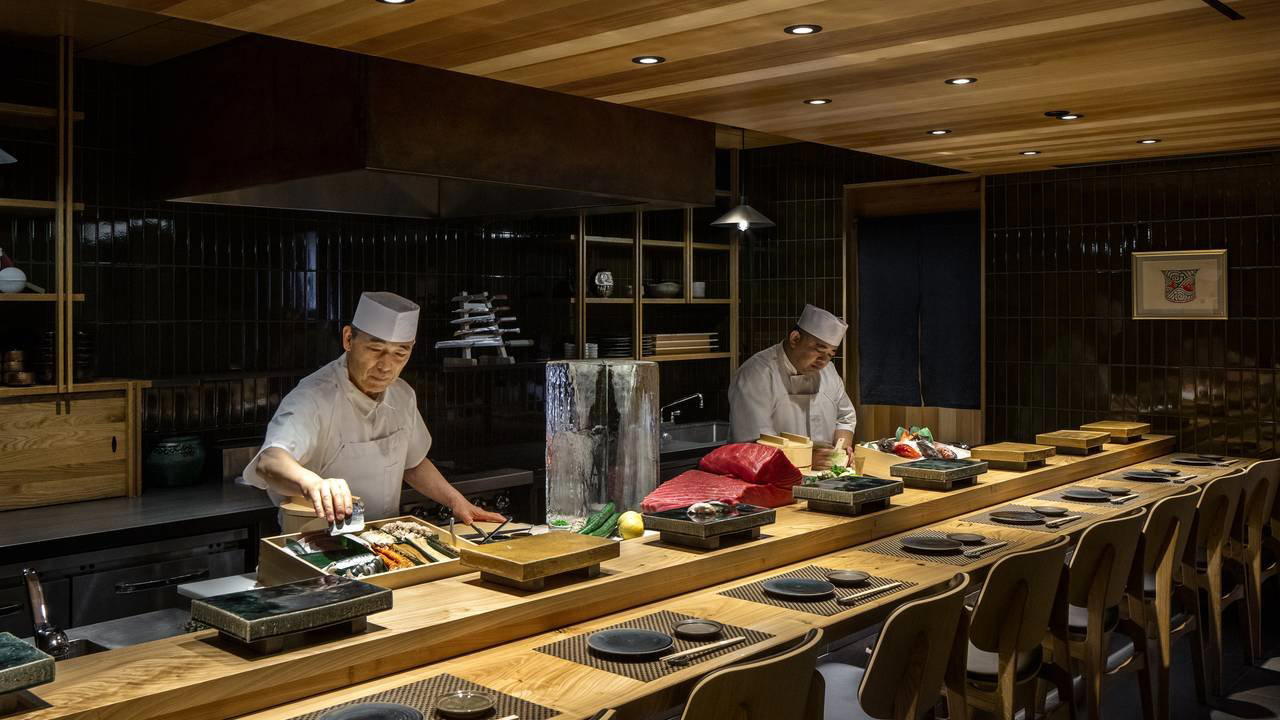
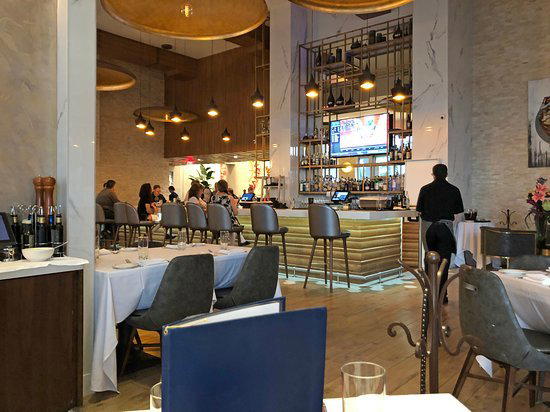
Bars in Greenwood Village
Browse all →
Hotels in Greenwood Village
Browse all →
Wineries in Greenwood Village
Browse all →
Details
- Cozy
- Classic
- Intimate
- Date Night
- Family
- Casual Hangout
- Standalone
- Local Sourcing
- A La Carte
Current opening hours
- Monday
- 11:30 AM–9:30 PM
- Tuesday
- 11:30 AM–9:30 PM
- Wednesday
- 11:30 AM–9:30 PM
- Thursday
- 11:30 AM–9:30 PM
- Friday
- 11:30 AM–9:30 PM
- Saturday
- 11:30 AM–9:30 PM
- Sunday
- 11:30 AM–9:30 PM
Hours can change for holidays and private events. Last verified .
Cozy and charming with warm welcomes, red tablecloths, and a family-style Italian atmosphere.