Our verdict
Evald occupies a converted paper factory on the Silkeborg waterfront, placing it among the provincial Danish restaurants redefining what ingredient-led cooking looks like outside Copenhagen. The address at Papirfabrikken 10B signals the broader regeneration of this industrial site into a cultural and culinary destination. For serious diners in central Jutland, it belongs on the shortlist alongside the region's most considered kitchens.

Pearl is the En Primeur Club membership app, where members save venues, book tables and use the concierge.
A Paper Factory Becomes a Dining Room
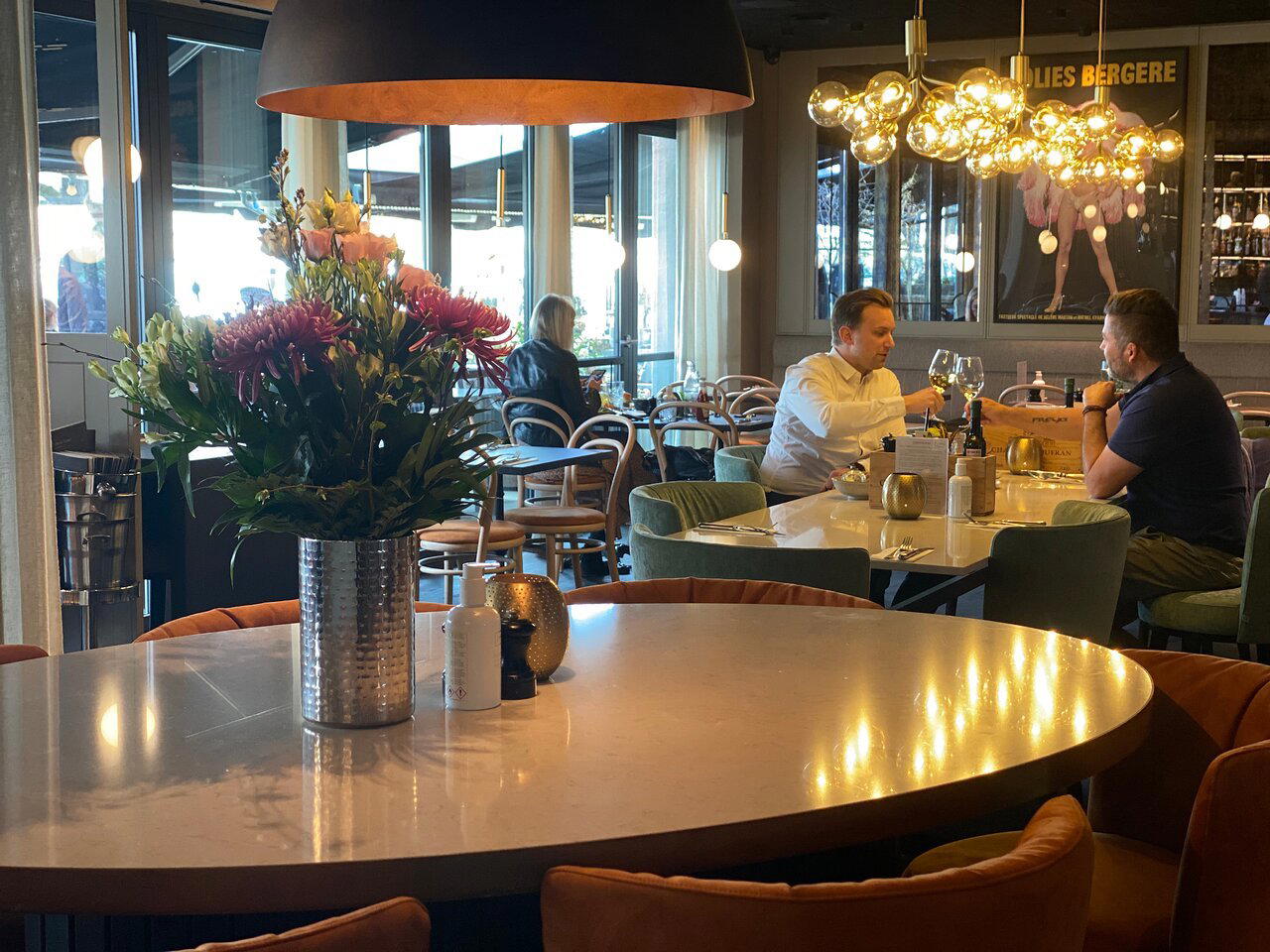
Industrial conversion has become one of the more reliable indicators of culinary ambition in provincial Denmark. When a restaurant chooses a former factory over a hotel dining room or a cobblestoned town square address, it is usually making a statement about its intended peer group. Evald, at Papirfabrikken 10B in Silkeborg, sits inside a converted paper mill on the edge of the Gudenå river system, a location that frames the cooking before a single dish arrives. The raw materiality of the building, stripped surfaces, high ceilings, the memory of industrial function, creates a context that suits ingredient-forward cooking better than a softly lit bistro interior ever could.
Papirfabrikken has evolved into one of central Jutland's more interesting mixed-use cultural addresses, housing creative studios, arts programming, and hospitality in the same brick envelope. A restaurant choosing to operate here is positioning itself within that cultural fabric, not simply filling a commercial space. It is the kind of setting that signals something about editorial intent in the kitchen.
Where the Food Comes From
The ingredient sourcing model that defines serious Nordic cooking in 2024 is rooted in a set of commitments that have become near-universal among the region's considered kitchens: short supply chains, seasonal discipline, and an insistence on provenance over convenience. Silkeborg's geography makes this approach particularly credible. The city sits at the centre of Denmark's lake district, surrounded by the Gudenå watershed, agricultural lowlands, and forest margins that supply a genuinely local ingredient pool, freshwater species, foraged material, root vegetables from Jutland's sandy soils, and dairy from farms within a short radius.
This is not a theoretical localism. Central Jutland's landscape has historically fed its population through exactly these sources, and the leading kitchens in the region have learned to treat that history as a culinary resource rather than a marketing angle. The restaurants that do this most credibly, Frederikshøj in Aarhus, LYST in Vejle, or further afield Henne Kirkeby Kro in Henne, share a common discipline: the menu follows the supply chain, not the other way around.
Evald's address at Papirfabrikken places it in close proximity to the Gudenå, Denmark's longest river, which has long sustained a culture of freshwater fishing and riparian agriculture. A kitchen operating here with genuine sourcing discipline has access to ingredients that urban restaurants in Copenhagen must import from the provinces. That geographic advantage is either used or wasted; the restaurants worth tracking in this tier are the ones that use it.
Silkeborg's Dining Position in the Danish Provinces
Denmark's fine dining conversation defaults to Copenhagen, with occasional acknowledgment of Geranium in Copenhagen and Jordnær in Gentofte at the top of the national hierarchy. But the provinces have been quietly developing a parallel tier of serious cooking that operates on different terms, smaller audiences, tighter margins, and a stronger dependence on local networks rather than international reputation. Ti Trin Ned in Fredericia, Dragsholm Slot Gourmet in Hørve, Frederiksminde in Præstø, and Tri in Agger each illustrate how geographically specific cooking can hold serious critical weight without a capital-city address.
Silkeborg itself has a small but coherent dining scene. Aalekroen has long anchored the city's waterfront eating tradition, trading on its eel-fishing heritage. Restaurant Piaf and La Casita occupy different ends of the spectrum, from bistro-inflected European to more casual formats. Svostrup Kro and Traktørstedet Ludviglyst represent the older tradition of the Danish kro, inn-format dining with deep local roots. See our full Silkeborg restaurants guide for the complete picture across all price points and formats.
Evald at Papirfabrikken sits in a different register from this established local scene. The industrial address, the cultural complex context, and the ingredient sourcing model it appears to pursue align it more with the contemporary Nordic restaurant movement than with traditional Jutland hospitality. That positioning carries both an opportunity and a responsibility: the expectations it sets are benchmarked against Pearl by Paul Proffitt in Kruså or the internationally tracked format of Lazy Bear in San Francisco, not against a regional kro.
What the Format Suggests
The most successful ingredient-sourcing restaurants operating at this level in Denmark share a structural commonality: a menu format that allows the kitchen to communicate provenance rather than simply execute it. Tasting menus and shorter set formats are the dominant vehicle because they give the kitchen control over the narrative arc of a meal, what arrives first, how the seasons are sequenced, which producers get acknowledged. Restaurants at this tier in comparable markets, from Le Bernardin in New York City to the Nordic province circuit, have each found that format discipline is inseparable from sourcing discipline.
The Papirfabrikken address, and the type of operation a converted cultural complex typically hosts, suggests Evald is not operating as a casual neighbourhood restaurant. Visitors planning a meal here should approach it as they would a destination booking: check the current format, confirm what advance booking looks like, and plan the visit as the main event of a Silkeborg stay rather than a supplementary option.
Planning a Visit
Silkeborg is accessible by rail from Aarhus in under an hour, making a dedicated dining trip from Jutland's largest city viable for an evening. The Papirfabrikken site is within the city centre and reachable on foot from the main train station. As with most serious provincial Danish restaurants operating at this tier, booking ahead is the prudent approach; this is not the kind of address that holds tables for walk-ins on a Friday evening.
Frequently asked questions
Is Evald okay with children?
Evald's setting inside Papirfabrikken, a working cultural complex in Silkeborg, and its positioning within the considered Nordic dining tier make it a poor fit for younger children. Older children with patience for a structured, ingredient-led menu format are a different matter, though parents should calibrate expectations accordingly. This is a restaurant built around deliberate, course-led eating rather than flexible family service.
What is the atmosphere like at Evald?
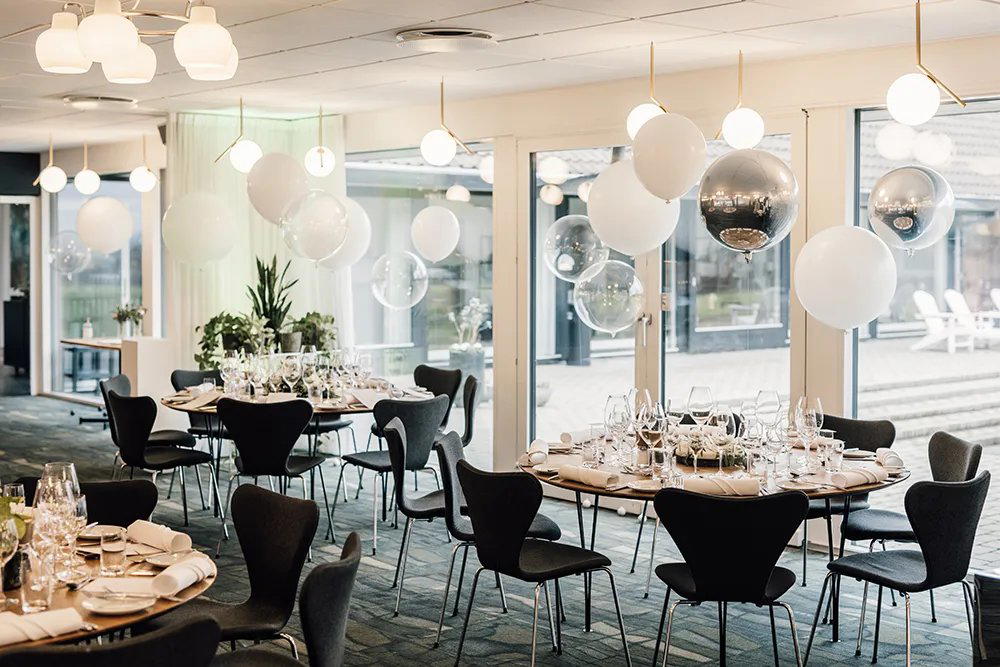
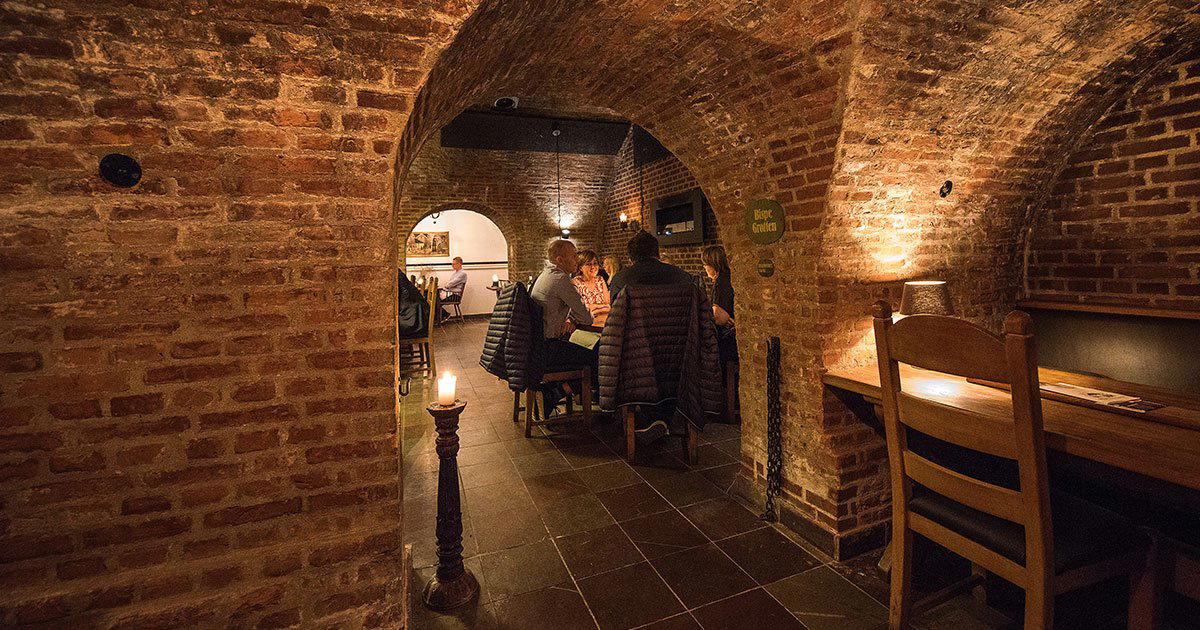
The room sits inside Papirfabrikken, Silkeborg's former paper mill now operating as a cultural and creative complex. Industrial bones, exposed structure, hard materials, high ceilings, shape the dining room's character more than any decorative intervention. The surrounding presence of arts organisations and creative businesses gives the venue a context that distinguishes it from the isolated fine dining box.
How far is Evald from Aarhus, and is it worth the trip from Jutland's largest city?
Silkeborg sits less than an hour from Aarhus by rail, which makes Evald at Papirfabrikken a practical evening destination rather than a major logistical commitment. For diners already in Jutland, the combination of the Papirfabrikken setting and Silkeborg's position as one of the few provincial Danish cities developing a serious dining identity gives the trip a clear rationale beyond the meal itself.
What should I order at Evald?
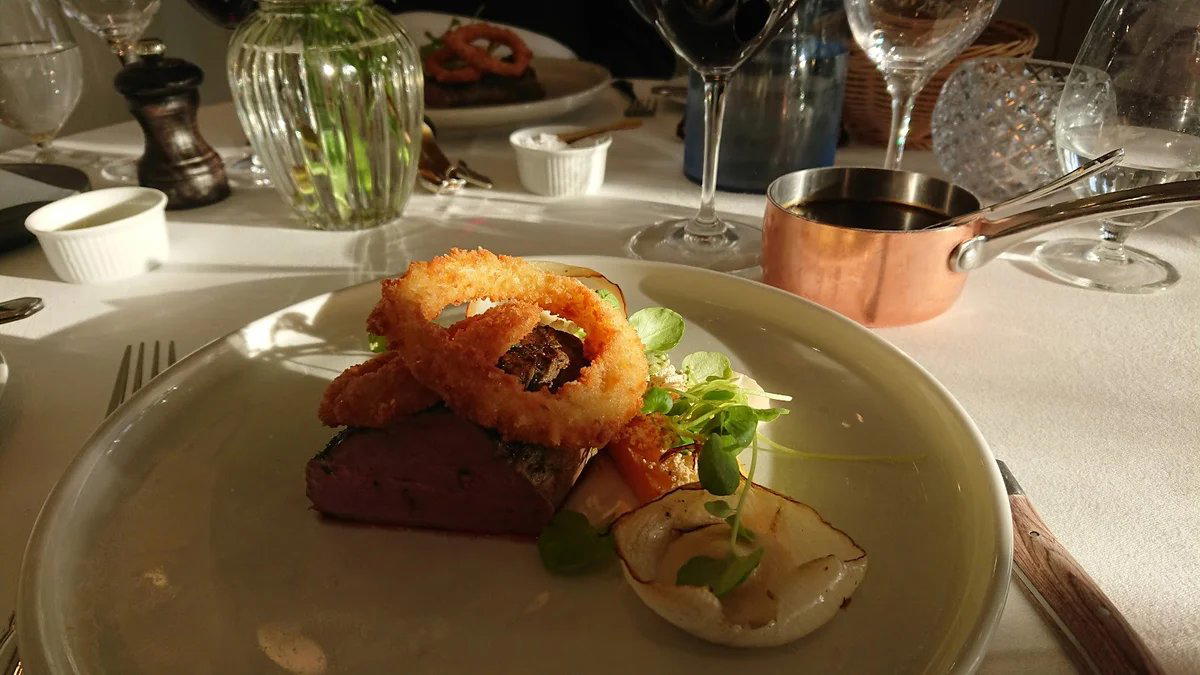
Follow the kitchen's set format rather than approaching the meal as an à la carte exercise. Nordic restaurants operating at this level in Denmark are typically built around a fixed menu that reflects current sourcing and seasonal availability. Trying to edit or reconstruct that structure usually works against the kitchen's logic.
What's Evald's location?
Evald is located at Papirfabrikken 10B, 8600 Silkeborg, Denmark, Silkeborg.
Comparable Spots, Quickly
Comparable venues nearby, for context on price, style, and recognition.
| Venue | Cuisine | Price | Notes |
|---|---|---|---|
| EvaldThis venue (the venue you are viewing) | French Brasserie & Café | $20–30 | Not listed |
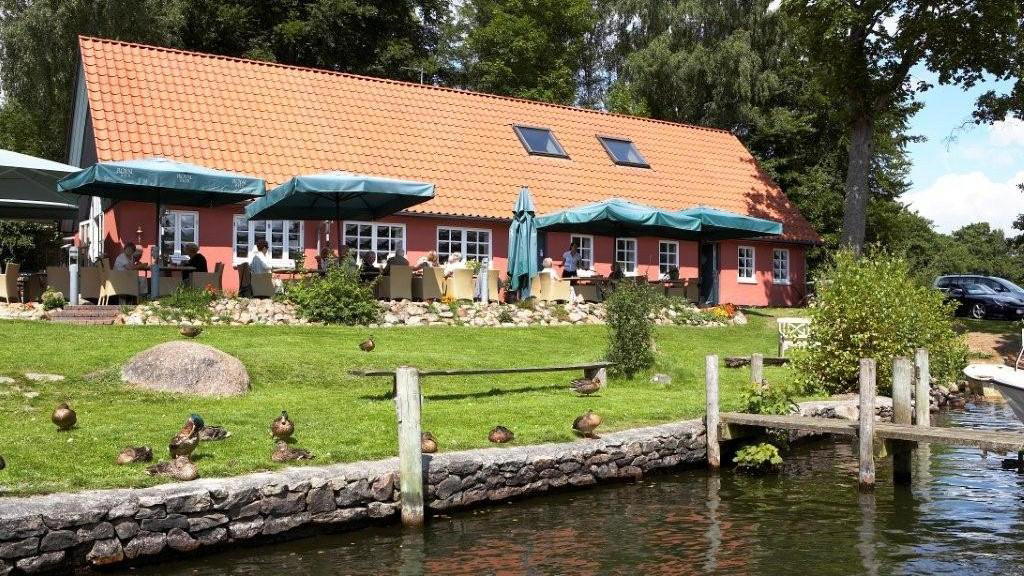
| Aalekroen | Traditional Danish Lakeside Inn | Not listed | Silkeborg Lakes |
| Traktørstedet Ludviglyst | Organic Danish Lakeside Dining | $30–50 | Svejbæk |
| La Casita | Authentic Mexican | $20–30 | Silkeborg |
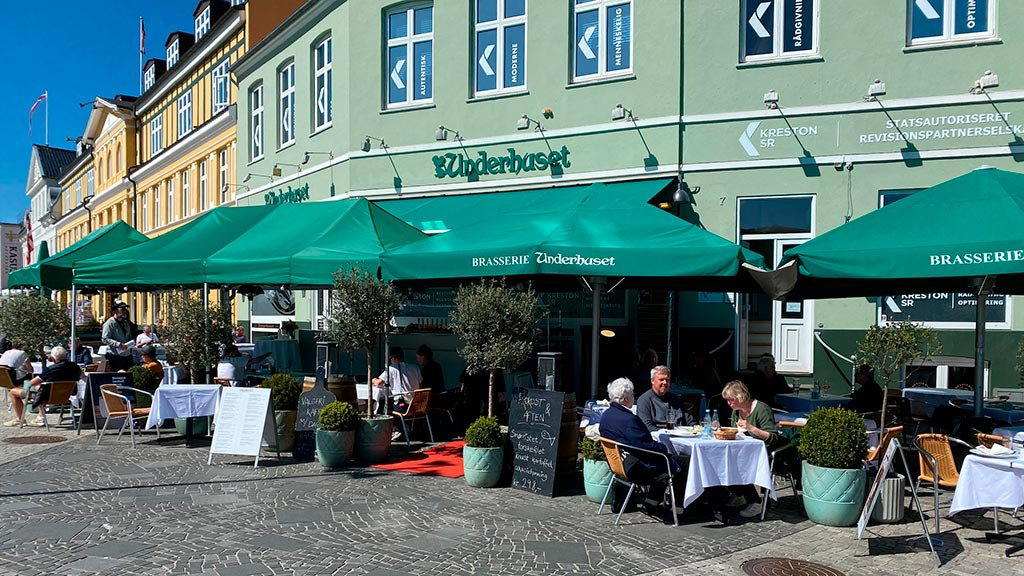
| Underhuset | Classic Danish Brasserie | $30–50 | Torvet |
| Restaurant Piaf | Southern French with Danish influences | Not listed | Quartier Latin |
Continue exploring
More in Silkeborg
Details
- Cozy
- Scenic
- Industrial
- Romantic
- Casual Hangout
- Date Night
- Group Dining
- After Work
- Brunch
- Waterfront
- Terrace
- Standalone
- Beer Program
- Local Sourcing
- Farm To Table
- Waterfront
- A La Carte
- Set Menu
- Local Beer
- Wine
- Coffee
- Vegetarian Friendly
- Vegan Options
- Gluten Free Options
Current opening hours
- Monday
- 11 AM–11 PM
- Tuesday
- 11 AM–11 PM
- Wednesday
- 11 AM–11 PM
- Thursday
- 11 AM–12 AM
- Friday
- 11 AM–1 AM
- Saturday
- 11 AM–1 AM
- Sunday
- 11 AM–11 PM
Hours can change for holidays and private events. Hours as of .
Atmospheric and inviting with warm lighting, cozy seating, and a pleasant riverside setting in a historic industrial district.