Our verdict
Where Lakeland Denmark and the Eel Meet The Danish lake district around Silkeborg carries a particular quality of light in the late afternoon, when the Gudenå river system catches the low sun and the forests that press close to the water's edge...

Pearl is the En Primeur Club membership app, where members save venues, book tables and use the concierge.
The menu
What to order
- Stjerneskud
- Fried eel
- Roasted pork with parsley sauce
Where Lakeland Denmark and the Eel Meet
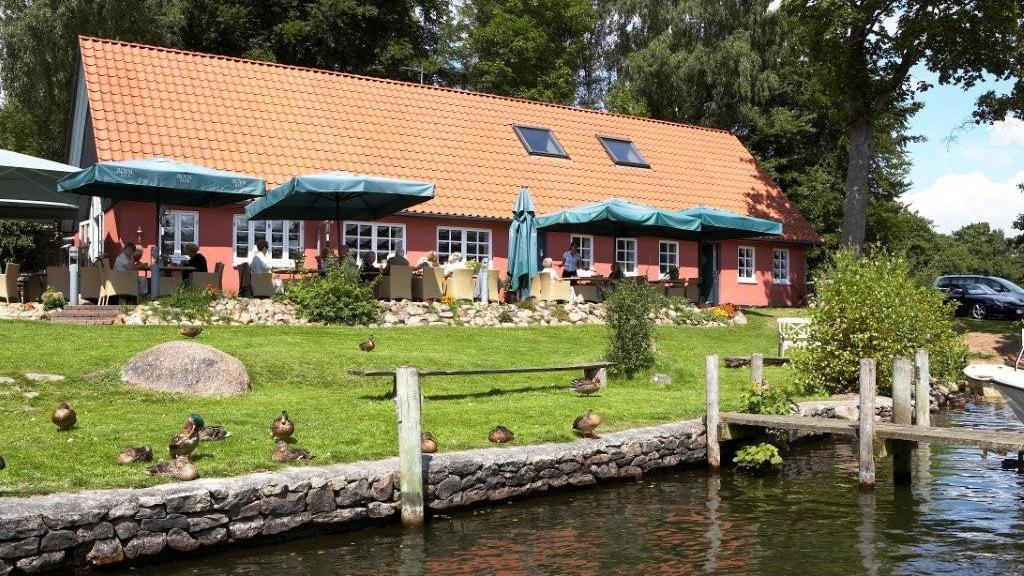
The Danish lake district around Silkeborg carries a particular quality of light in the late afternoon, when the Gudenå river system catches the low sun and the forests that press close to the water's edge go dark and resinous. It is this landscape, as much as any menu, that gives a place like Aalekroen its orientation. The name itself, translating roughly as the Eel Inn, signals a direct relationship with what the local water yields, a tradition that runs through this part of Jutland with the same quiet persistence as the rivers themselves.
Eel has a complicated place in Nordic food culture. Once a staple of working lakeside communities across Scandinavia, smoked and freshwater eel dishes occupied the centre of the table in inns and farmhouses throughout the nineteenth and early twentieth centuries. As the species came under conservation pressure and wild stocks declined, many restaurants quietly dropped it from menus, leaving the tradition to a shrinking handful of establishments willing to source responsibly and cook with the care the ingredient demands. A name like Aalekroen, in this context, is not nostalgic branding. It is a position statement about place and provenance.
Silkeborg and the Logic of the Lakeland Inn
Silkeborg sits at the centre of a Danish lake district that draws walkers, canoeists, and cyclists rather than the kind of destination-restaurant pilgrim traffic that fuels Copenhagen's Michelin corridor. The city's dining scene reflects that: it rewards patience and local knowledge over headline recognition. Venues like Evald, Restaurant Piaf, and La Casita each occupy a distinct register within that local scene, and the broader picture that emerges from our full Silkeborg restaurants guide is of a mid-sized Danish city with more culinary seriousness than its size might suggest.
Aalekroen's address at Julsøvænget 5 places it close to Julsø, one of the chain of lakes that defines this part of the country. That positioning matters. Lakeside inns in Denmark have historically operated at the intersection of recreation and hospitality, places where a long afternoon on the water concludes with food and shelter. Svostrup Kro and Traktørstedet Ludviglyst occupy similar territory in this area, each drawing on the Danish kro tradition, the country inn as a social institution rather than a purely gastronomic one.
The Cultural Weight of the Kro Format
Denmark's kro culture predates the modern restaurant by several centuries. These institutions served as waypoints for travellers, meeting places for local communities, and the primary venue for celebrations that families could not host at home. The cooking was built around what was nearby and what was seasonal, and the format prioritised conviviality over performance. A meal at a proper kro was never simply about the food: it was about duration, about rounds of small dishes and drinks, about the particular ease that comes from a room that has been full for three hundred years.
That tradition sits in interesting tension with the contemporary Danish fine dining movement, which has drawn international attention through venues like Geranium in Copenhagen and Jordnær in Gentofte. Outside the capital, the picture diversifies: Frederikshøj in Aarhus, Henne Kirkeby Kro in Henne, and LYST in Vejle each represent a version of destination dining that draws on regional identity rather than urban sophistication. Alimentum in Aalborg, ARO in Odense, Domæne in Herning, Dragsholm Slot Gourmet in Hørve, and Frederiksminde in Præstø extend that pattern further, showing how Danish cooking outside Copenhagen has developed its own centres of gravity.
Aalekroen sits closer to the kro end of that spectrum than to the tasting-menu end. That is not a limitation; it is a specific choice about what kind of evening a place should offer. The comparison that makes most sense here is not with technically ambitious restaurants but with other lakeland inns where the setting and the local ingredient tradition do most of the editorial work.
What the Waterside Tradition Delivers
Freshwater fish cooking in the Danish interior differs substantially from the coastal and smoked traditions that dominate Danish food internationally. The Gudenå system supports perch, pike, zander, and trout alongside eel, and the cooking methods associated with this tradition, gentle poaching, pan-frying with brown butter, cold smoking over local woods, have remained largely consistent because they work. This is not the minimalist Nordic plating that attracts international food press; it is older, denser, and more directly tied to the agrarian and fishing communities that built it.
For a reader accustomed to the precision cooking at a place like Le Bernardin in New York City or the fermentation-led innovation at Atomix in New York City, a lakeland kro represents a different kind of value proposition. The interest is in authenticity of tradition rather than technical ambition, in the particular pleasure of eating something that connects directly to where you are sitting.
Planning Your Visit
Silkeborg is approximately two hours by train from Copenhagen Central Station, with connections through Aarhus. The lakeside location at Julsøvænget 5 is most easily reached by car or bicycle from the town centre, and the approach along the lake road gives a sense of arrival that matters. Seasonal timing shapes the experience significantly in this part of Denmark: summer brings long evenings and the possibility of outdoor seating near the water, while autumn draws visitors for the forest colours and the particular intimacy of a warm interior after a cold walk.
Frequently asked questions
What is the atmosphere like at Aalekroen?
Aalekroen sits at Julsøvænget 5 on the edge of Silkeborg's lake district, which sets the tone before you walk through the door. The kro format is a centuries-old Danish institution, somewhere between a country inn and a community dining room, defined by unhurried pace and a connection to the surrounding landscape. Expect something closer to a regional Danish gathering place than a formal restaurant.
What part of town is Aalekroen in?
Aalekroen is located at Julsøvænget 5, 8600 Silkeborg, Denmark, Silkeborg.
Is Aalekroen a good base for exploring the Silkeborg lake district by water or trail?
The address at Julsøvænget 5 places Aalekroen within the lake district that draws canoeists and cyclists along the Gudenå river system, one of Denmark's most-used inland paddling routes. The kro format historically served travellers in transit, making a meal here a logical anchor point rather than a detour. Silkeborg itself connects to Copenhagen by train in roughly two hours via Aarhus, keeping the logistics manageable for a day or overnight visit.
What's the signature dish at Aalekroen?
The name itself is the answer: 'aalekroen' translates directly as 'the eel inn,' pointing to freshwater eel as the defining dish. Eel from the Gudenå river system has been central to inland Danish cooking for generations, prepared through methods that differ sharply from the smoked fish traditions better known internationally. The kitchen works within that freshwater cooking lineage rather than outside it.
How far ahead should I plan for Aalekroen?
Silkeborg draws walkers, cyclists, and canoeists through the warmer months, and a lakeside kro with a fixed local identity tends to fill during peak Danish summer weekends. Booking several weeks ahead for July and August is a reasonable precaution. Outside peak season, the region quiets considerably and advance planning is less pressing.
What makes Aalekroen worth seeking out?
Freshwater fish cooking in Denmark's interior is a tradition largely absent from the Copenhagen-centric narrative that dominates Danish food writing, and Aalekroen represents one of the few venues maintaining that distinct regional practice. The kro format itself carries cultural weight that a standalone restaurant cannot replicate: these institutions have functioned as traveller waypoints and local meeting places for centuries. For anyone moving through the Silkeborg lake district, it is the most direct entry point into that tradition.
A Pricing-First Comparison
| Venue | Cuisine | Price |
|---|---|---|
| AalekroenThis venue (the venue you are viewing) | Traditional Danish Lakeside Inn | Not listed |
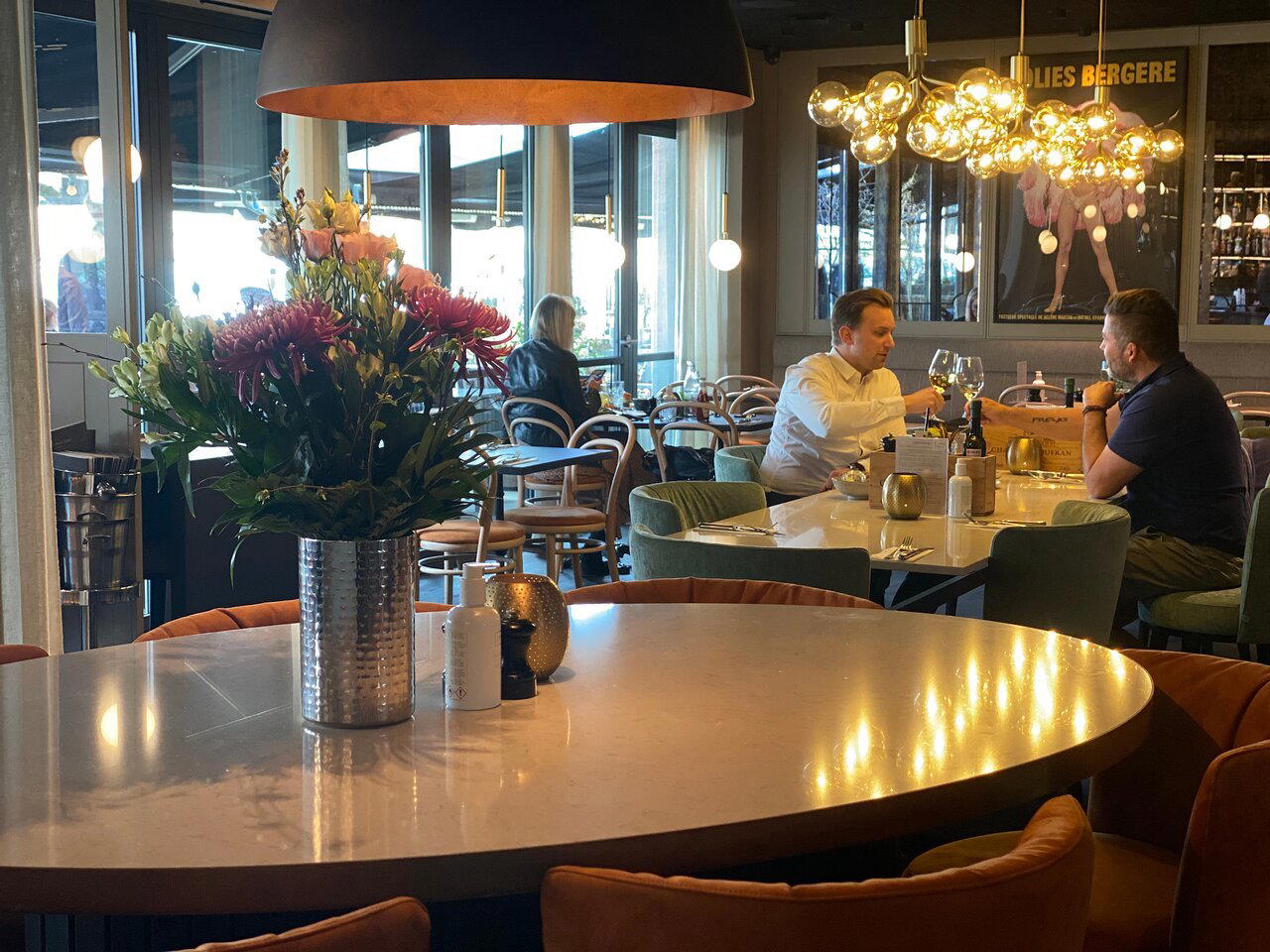
| Evald | French Brasserie & Café | $20–30 |
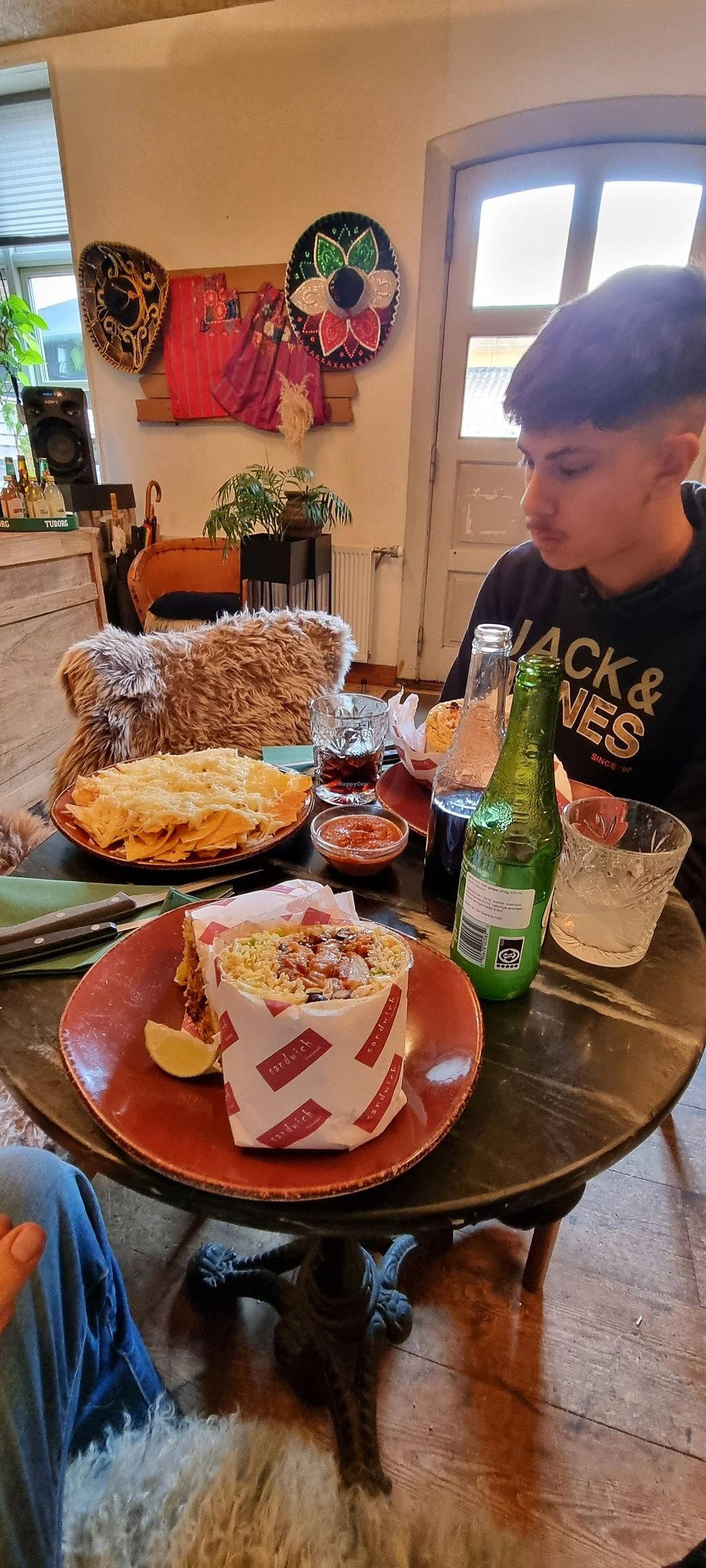
| La Casita | Authentic Mexican | $20–30 |
| Restaurant Piaf | Southern French with Danish influences | Not listed |
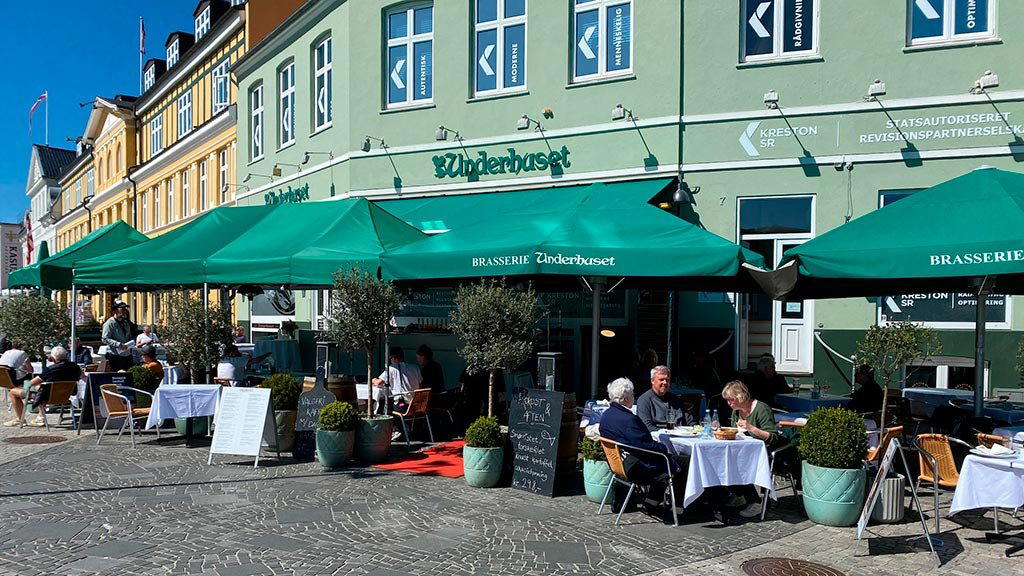
| Underhuset | Classic Danish Brasserie | $30–50 |
| Svostrup Kro | Traditional Danish Inn Cuisine | $50–100 |
Continue exploring
More in Silkeborg
Details
- Cozy
- Rustic
- Scenic
- Family
- Casual Hangout
- Waterfront
- Historic Building
- Waterfront
- A La Carte
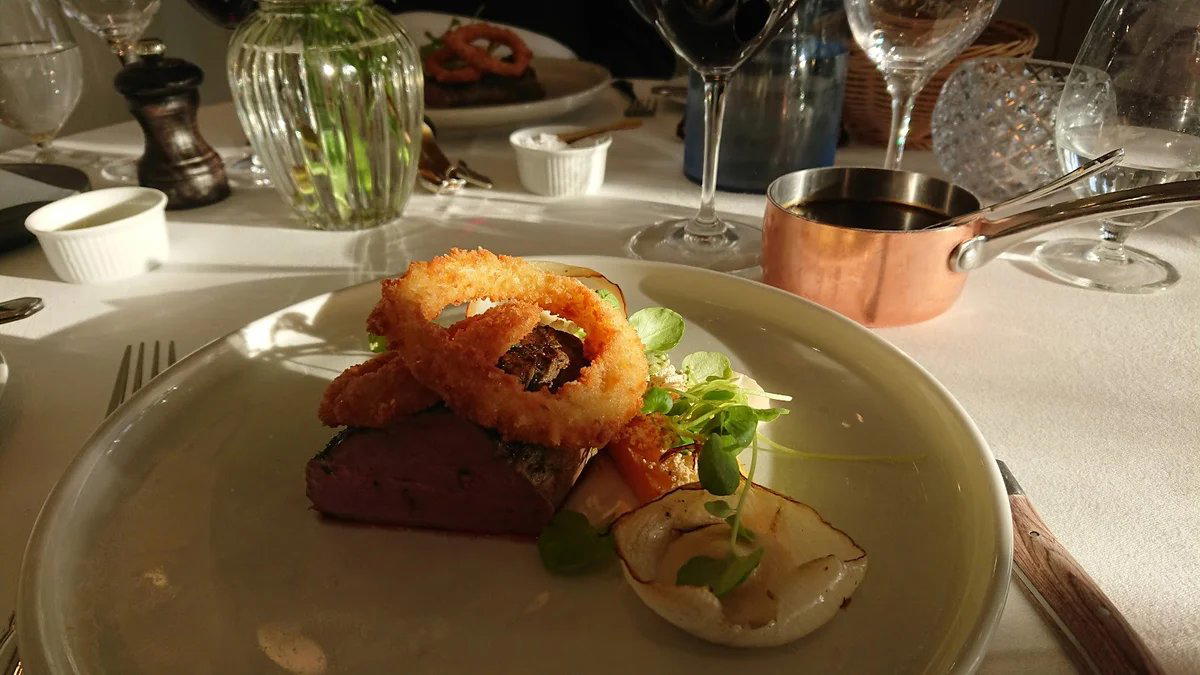
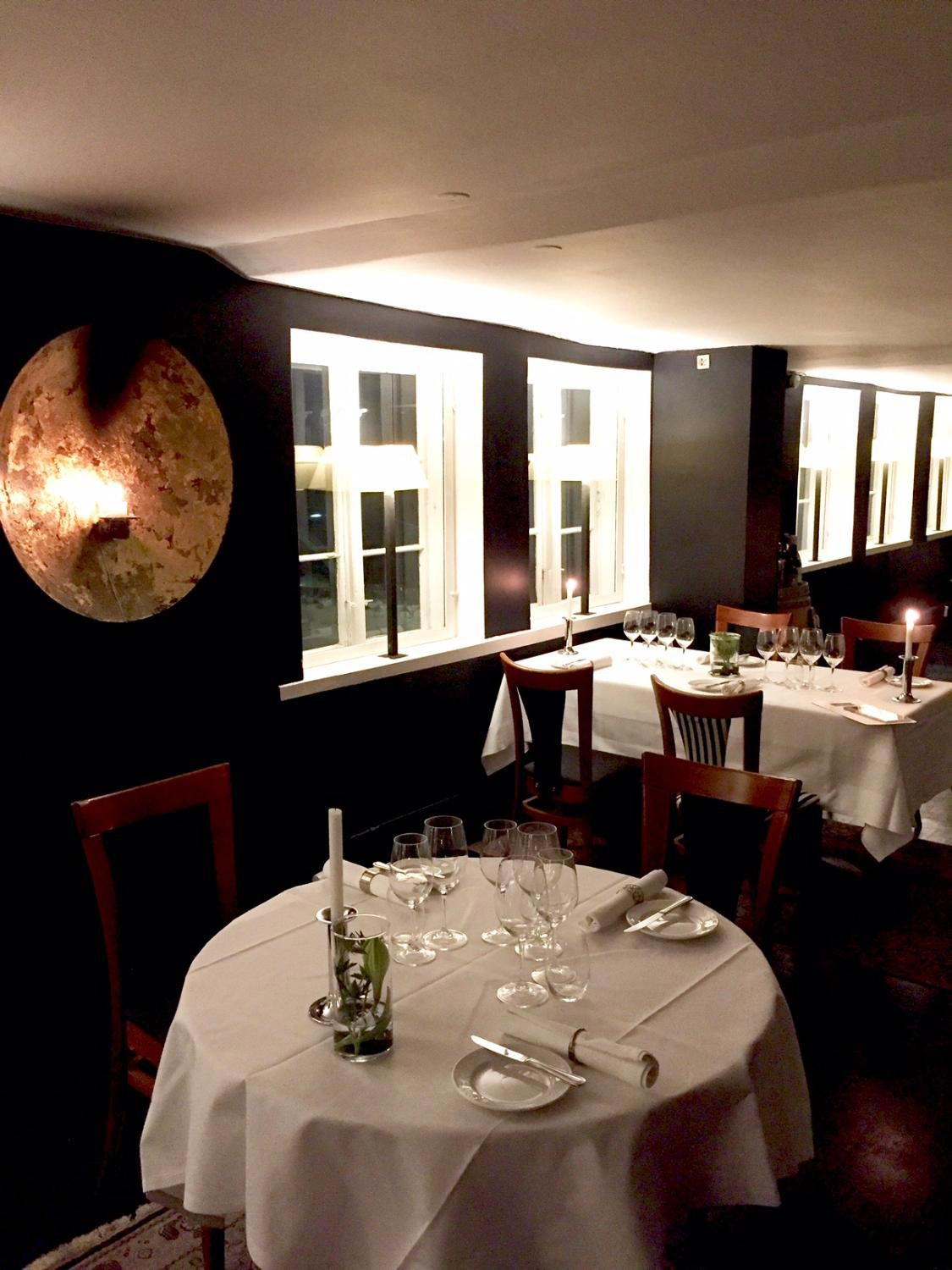
Cozy traditional Danish inn atmosphere with serene lakeside setting.