Skanderborg Park

Star Wine List
Our verdict
A restaurant and hotel combination in Skanderborg, Denmark, Skanderborg Park earned a White Star recognition on Star Wine List in 2024. Set within the forested terrain of central Jutland, it occupies a position that connects the region's produce-led dining culture with a wine program significant enough to attract independent editorial notice. For travellers moving between Aarhus and the Jutland interior, it represents a credible regional stop.

Pearl is the En Primeur Club membership app, where members save venues, book tables and use the concierge.
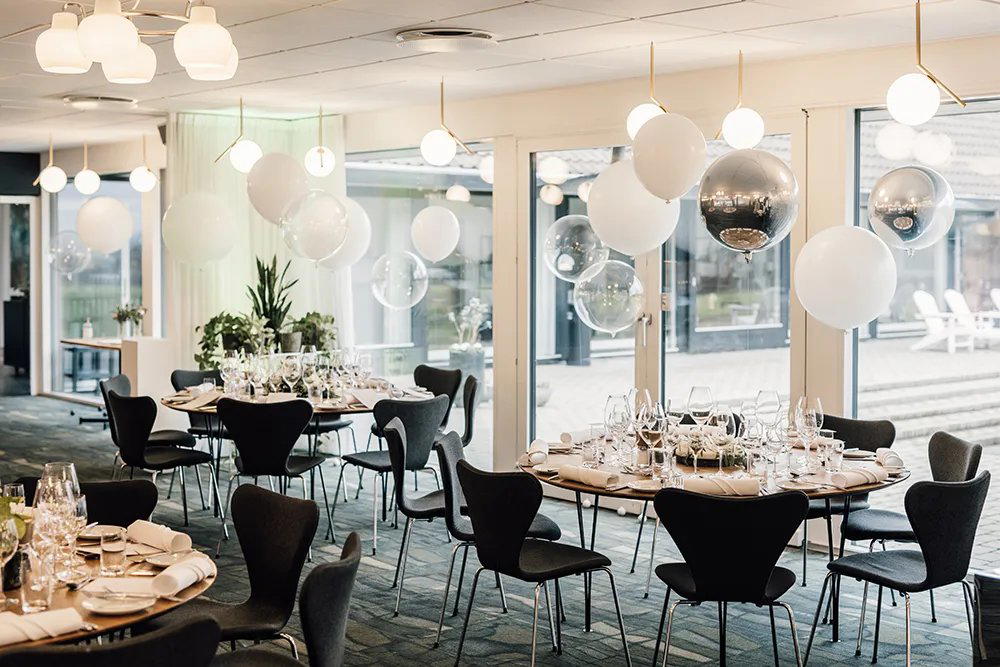
Dining in Central Jutland's Forest Fringe
Denmark's provincial dining scene has undergone a quiet restructuring over the past decade. The influence of New Nordic cooking, developed in Copenhagen and refined at places like Noma and later Jordnær in Gentofte, filtered outward into the country's mid-sized cities and rural towns, raising expectations around sourcing and technique even in locations far from the capital's competitive pressure. Skanderborg sits about 25 kilometres south of Aarhus in central Jutland, a town known primarily for its lakeside setting and the Smukfest music festival rather than for any particular dining density. Against that backdrop, a hotel-restaurant with a wine program credible enough to earn a White Star from Star Wine List occupies a more specific position than its address might initially suggest.
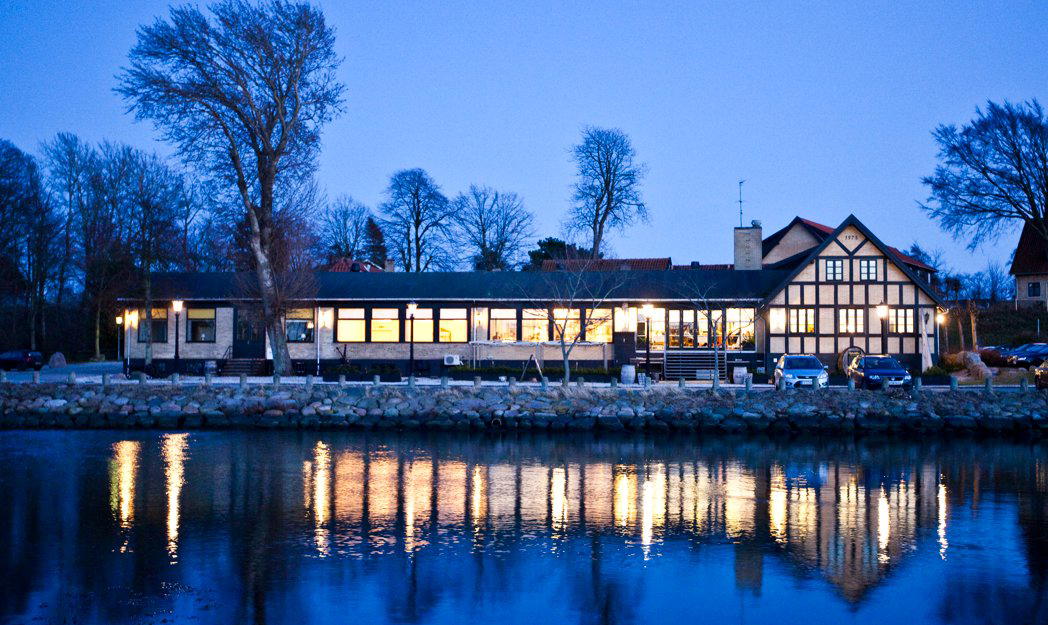
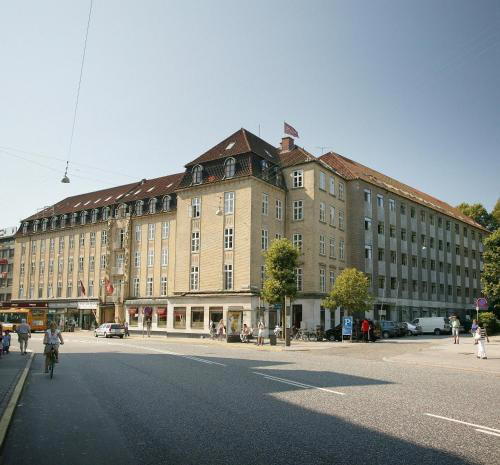
Skanderborg Park, on Skovsvinget in the forested edge of the town, operates as both accommodation and restaurant. The address places it at the boundary between the town's built edge and the green terrain that defines this part of Jutland, the kind of physical setting that in Denmark often correlates with kitchens interested in what grows nearby. Whether or not the kitchen operates explicitly within a New Nordic framework, the regional context makes foraged, local, and seasonal sourcing the natural baseline expectation for any serious restaurant operating here. Central Jutland's fields, forests, and proximity to both freshwater and the coast give a kitchen genuine access to varied Danish produce without the logistical compression that Copenhagen venues face.
The Wine Program as Editorial Signal
Star Wine List's White Star designation, awarded in March 2024, is the clearest single data point available about Skanderborg Park's positioning. Star Wine List operates as an independent editorial platform focused specifically on wine programs, and its recognition system is not distributed widely, White Star signals a wine list that has been assessed and found to meet a threshold of quality and curation that distinguishes it from standard hotel-restaurant wine offerings. In a country where the most discussed wine destinations tend to cluster in Copenhagen or in destination-restaurant settings like Henne Kirkeby Kro on the west Jutland coast, this kind of recognition for a Skanderborg property is a meaningful signal about the seriousness of the beverage operation.
A wine list that earns independent editorial notice in a town without a strong dining reputation suggests a deliberate investment in the cellar. In regional Danish restaurants that have pushed beyond the functional, wine programs often reflect the same sourcing logic as the kitchen: attentiveness to provenance, a preference for producers who work with intention, and a list architecture that supports rather than overwhelms the food. For context on what the wider Danish regional dining scene looks like, our full Skanderborg restaurants guide maps the local picture.
Ingredient Sourcing in the Jutland Interior
The case for ingredient-led cooking in central Jutland is largely geographical. The region sits within reach of the coastal fishing grounds of the Kattegat, the agricultural plains of eastern Jutland, and the forested terrain of the Lake District around Skanderborg itself. Danish kitchens that take sourcing seriously in this part of the country can draw on wild mushrooms, freshwater species, game from managed woodlands, and the vegetable and grain production that defines the Jutland agricultural calendar. These are not niche products accessed through specialist supply chains; they are the functional larder of the region.
The broader Danish movement toward hyper-local sourcing, most formally articulated in the New Nordic manifesto that framed the ambitions of restaurants like Frederikshøj in Aarhus and Kadeau Bornholm, has made regional provenance a legible quality signal rather than a marketing add-on. Diners familiar with that tradition will read a Skanderborg address and the surrounding landscape as a reasonable indicator of what a kitchen here might prioritise. The question for any visitor is whether the execution matches the implied promise of the setting, which is something that requires a visit rather than a database entry to answer.
Other Danish regional restaurants operating in a similar geographic and conceptual space include Alimentum in Aalborg, LYST in Vejle, ARO in Odense, and Domæne in Herning. Each occupies a provincial Danish city context and navigates the same tension between local ambition and metropolitan comparison. Skanderborg Park differs from most of these in being a hotel-restaurant rather than a standalone dining destination, which shapes both the audience it draws and the programming logic of its kitchen. Hotel dining in Denmark has historically operated at a slight remove from the destination-restaurant conversation, but properties like Dragsholm Slot Gourmet in Hørve and Frederiksminde in Præstø have demonstrated that the hotel format is not an obstacle to serious kitchen work.
Planning a Visit
Skanderborg Park is located at Skovsvinget 10 in Skanderborg, accessible by train from Aarhus in under 30 minutes on the main Jutland line, which makes it a plausible day-trip destination from the region's largest city as well as an overnight option for travellers crossing the peninsula. As a combined hotel and restaurant, it suits itineraries that benefit from breaking a Jutland journey rather than requiring a specific detour.
For broader travel planning in the area, see our guides to hotels in Skanderborg, bars in Skanderborg, wineries near Skanderborg, and experiences in Skanderborg. Those travelling further afield in Denmark's dining circuit might also consider the coastal ambition of Frederiksminde or the island-sourcing logic of Kadeau Bornholm for comparison.
Frequently asked questions
Is Skanderborg Park suitable for children?
Skanderborg Park is a combined hotel and restaurant property at Skovsvinget 10, set on the forested edge of Skanderborg. The parkland setting makes it a practical choice for families travelling through central Jutland. Confirm any specific children's menu or facilities directly with the venue before visiting.
What kind of setting is Skanderborg Park?
Skanderborg Park sits at Skovsvinget 10 on the wooded periphery of Skanderborg, operating as both a hotel and restaurant. The location places it within the broader central Jutland landscape, accessible by train from Aarhus in under 30 minutes on the main Jutland line. Its Star Wine List White Star designation, awarded March 2024, signals a wine program taken seriously enough to draw specialist attention.
What kind of recognition has Skanderborg Park received?
Skanderborg Park has received recognition including: Skanderborg Park is a restaurant venue.without_translation_and hotel in Skanderborg, Denmark. It was published on Star Wine List on March 20, 2024 and is a White Star.
What do people recommend at Skanderborg Park?
The wine program is the most documented strength on record: Star Wine List awarded Skanderborg Park a White Star in March 2024, recognising the quality and curation of the list.
What's the address for Skanderborg Park?
Skanderborg Park is located at Skovsvinget 10, 8660 Skanderborg, Denmark, Skanderborg.
Fast Comparison
Comparable venues nearby, for context on price, style, and recognition.
| Venue | Cuisine | Price | Awards | Notes |
|---|---|---|---|---|
| Skanderborg ParkThis venue (the venue you are viewing) | Mediterranean Seasonal | Not listed | Star Wine List | Not listed |
| Restaurant Amalfi | Classic Italian | $20–30 | Not listed | City Center |
| Pizza Smeden | Authentic Italian Pizza | $10–20 | Not listed | Midtbyen |
| La Cabra Coffee Roasters | Specialty Coffee & Nordic Bakery | Not listed | Not listed | Midtbyen |
| Piccolina | Authentic Italian Pizzeria | $20–30 | Not listed | Aarhus C |
| Fishing Port Varemestue | Traditional Danish Seafood | Not listed | Not listed | Aarhus Harbour |
Recognition history
Dated appearances from independent guides and award organizations, with the underlying list record or original source where available.
Star Wine List
Star Wine List
Continue exploring
More in Skanderborg
Restaurants in Skanderborg
All restaurants in Skanderborg →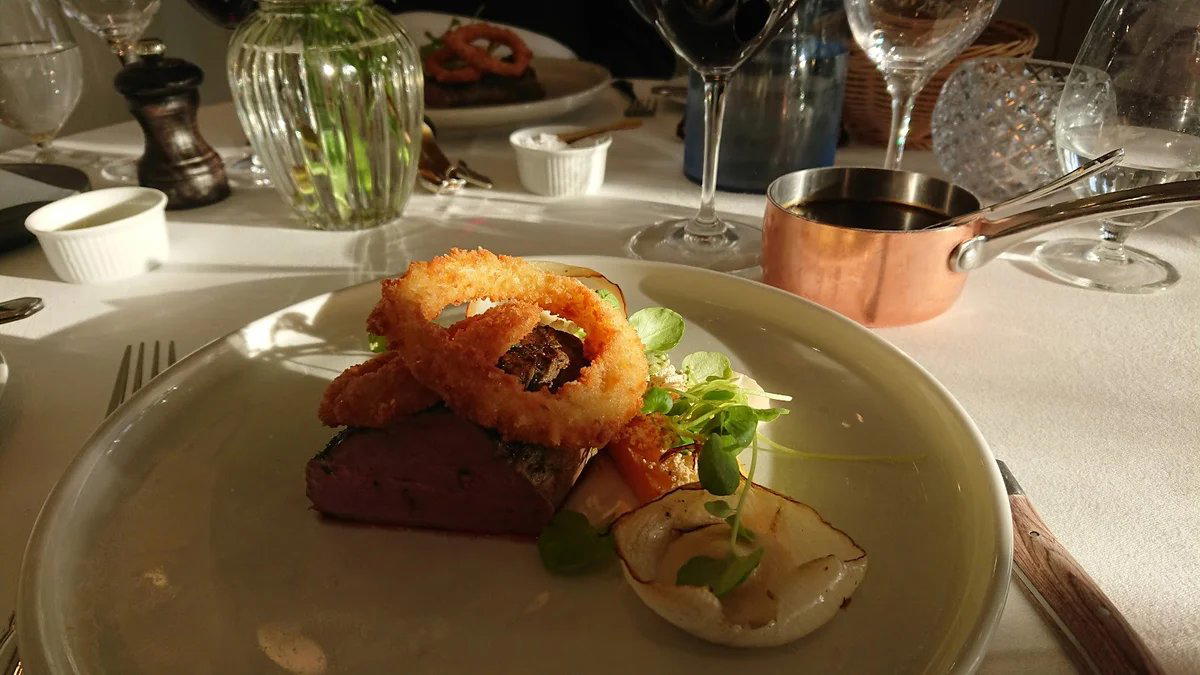
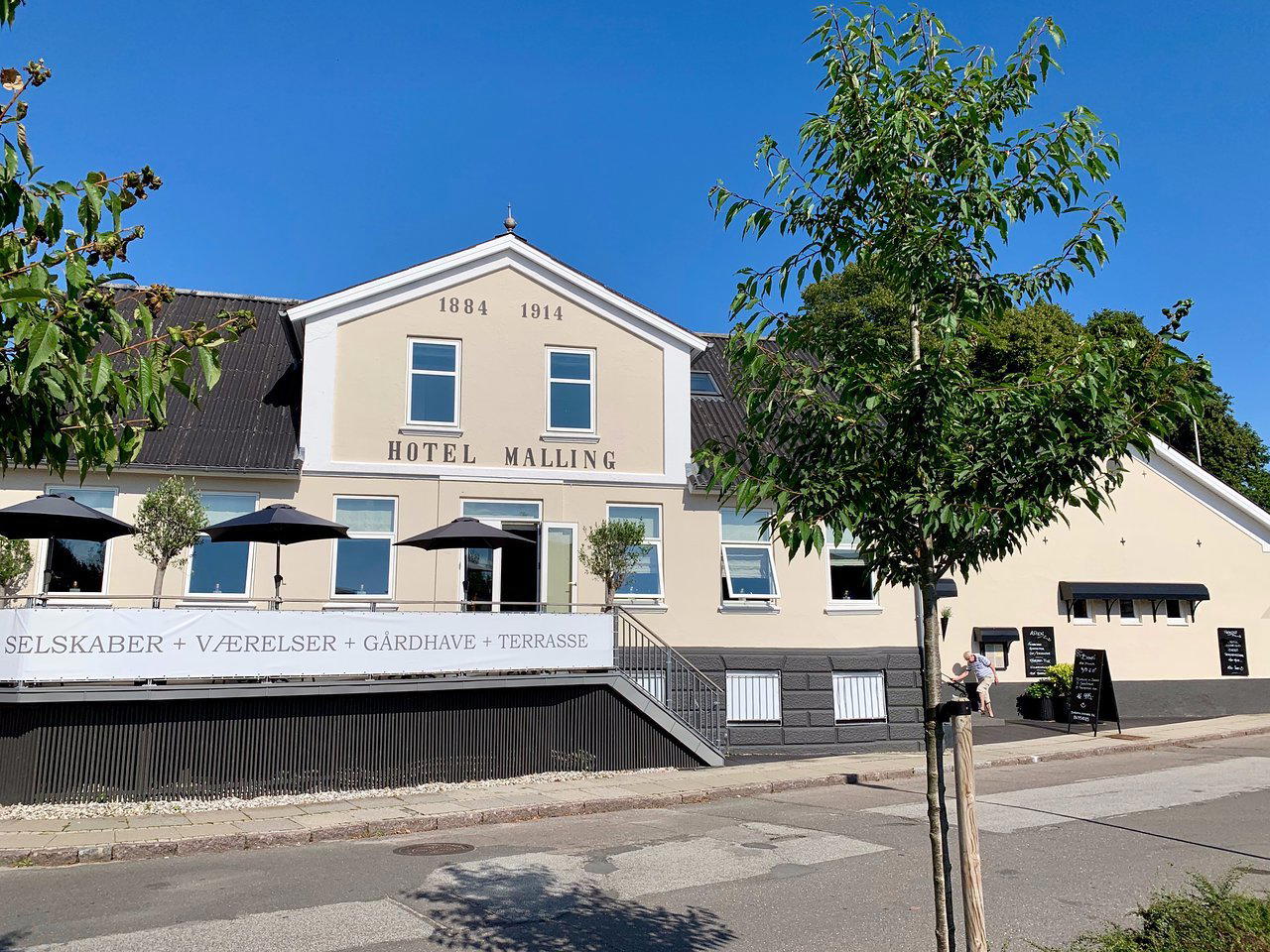
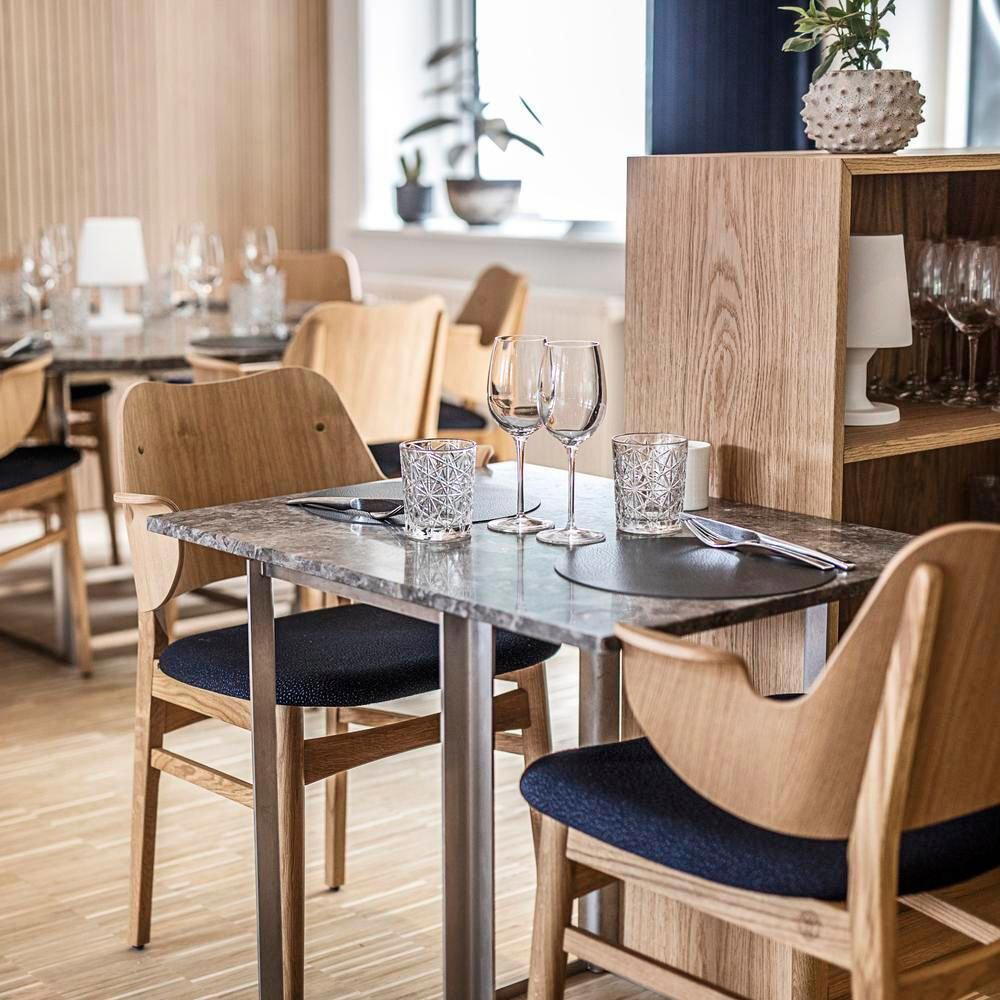
Bars in Skanderborg
Browse all →
Details
- Scenic
- Elegant
- Business Dinner
- Group Dining
- Waterfront
- Terrace
- Extensive Wine List
- Local Sourcing
- Waterfront
- Garden
- Buffet
- A La Carte
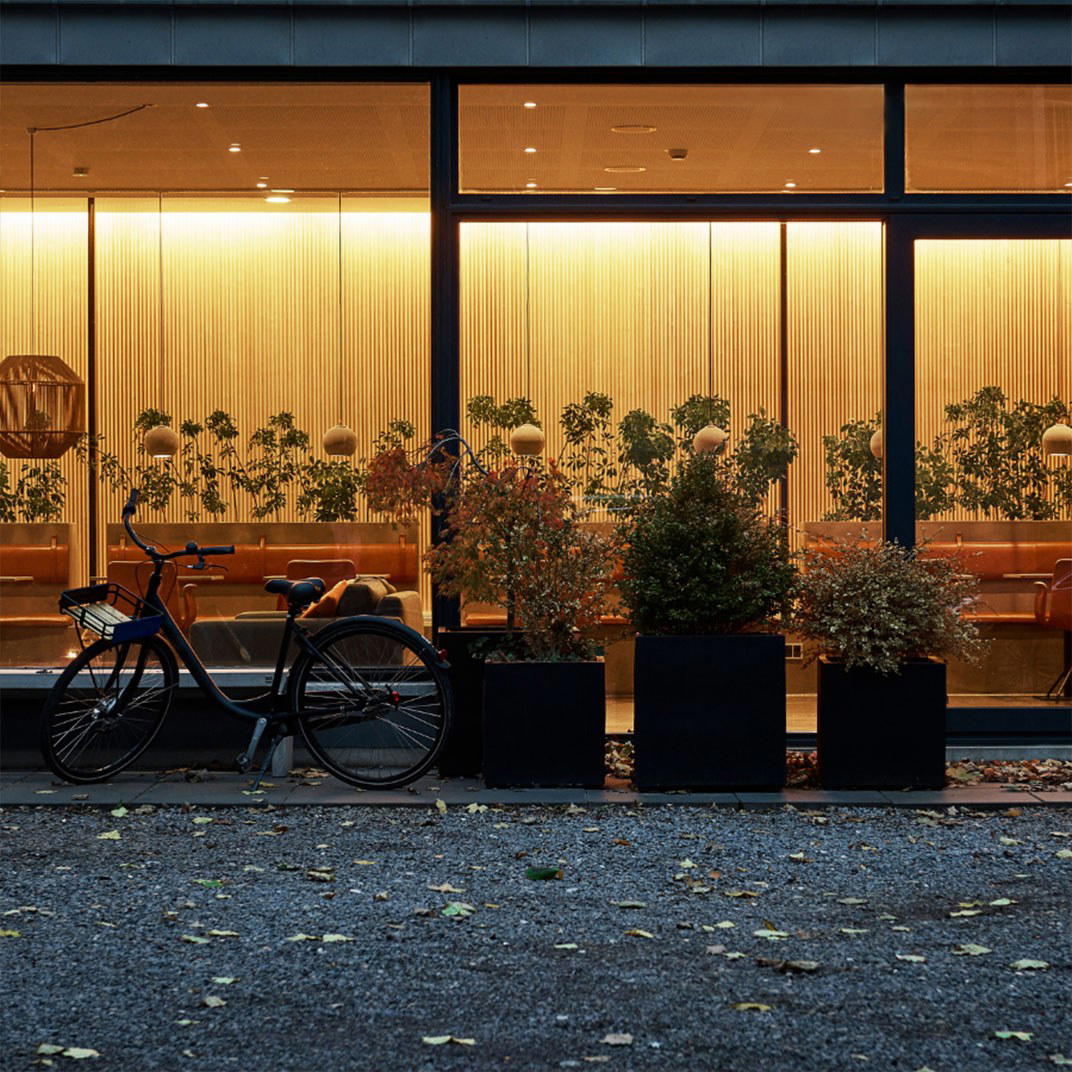
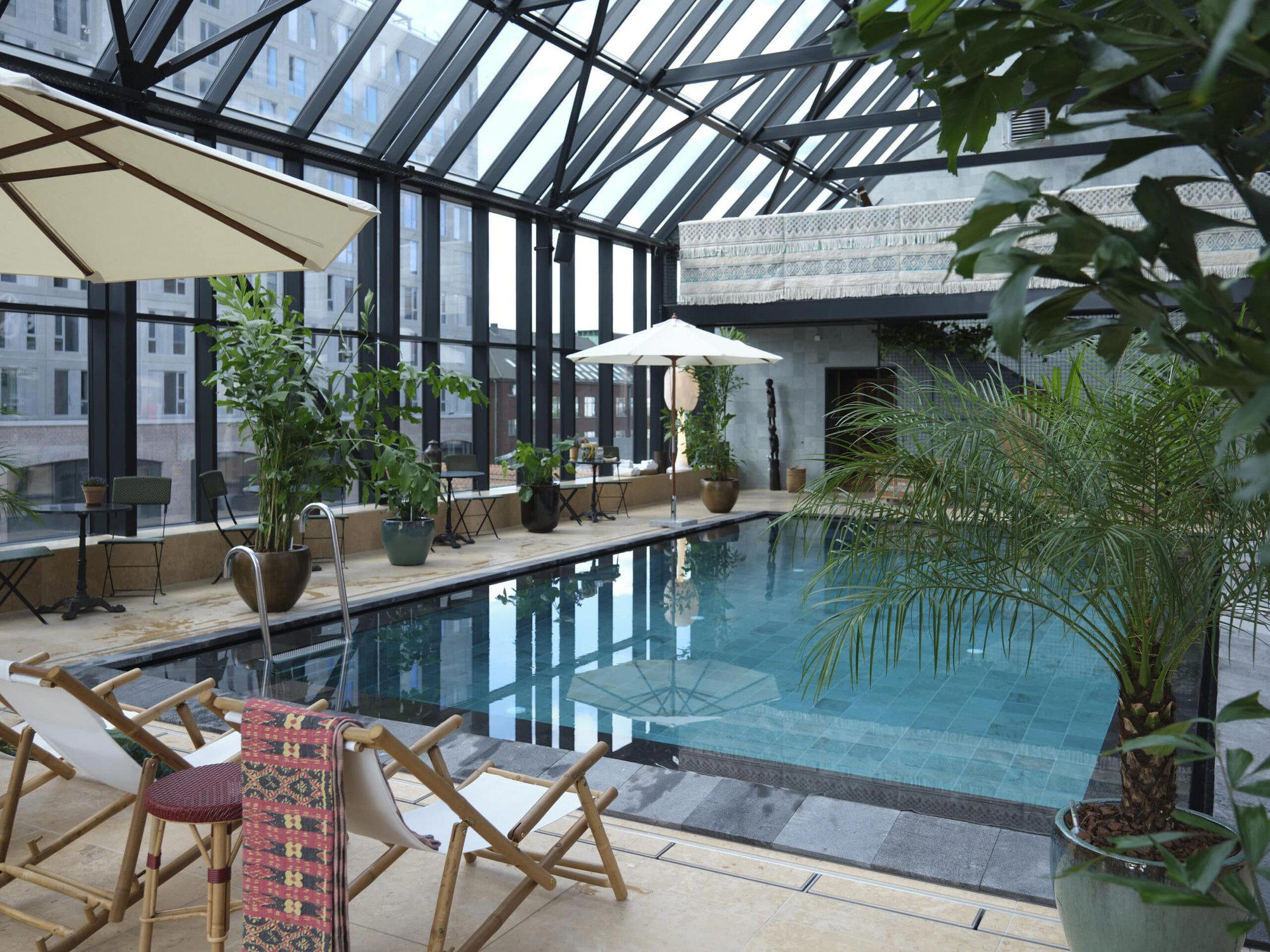
Light and airy atmosphere with beautiful views of the park and lake, creating a relaxed yet elegant dining experience.