1 Michelin Star
Our verdict
EHB earned its Michelin one star in 2024 with a European contemporary menu at the upper end of Shanghai's price tier, located on Yu Yuan Lu in Chang Ning. The restaurant occupies the serious, course-driven segment of the city's international dining scene, where the meal's architecture matters as much as any individual plate. Book well ahead; recognition at this level moves reservation windows quickly.
Where Chang Ning's Evening Light Sets the Pace
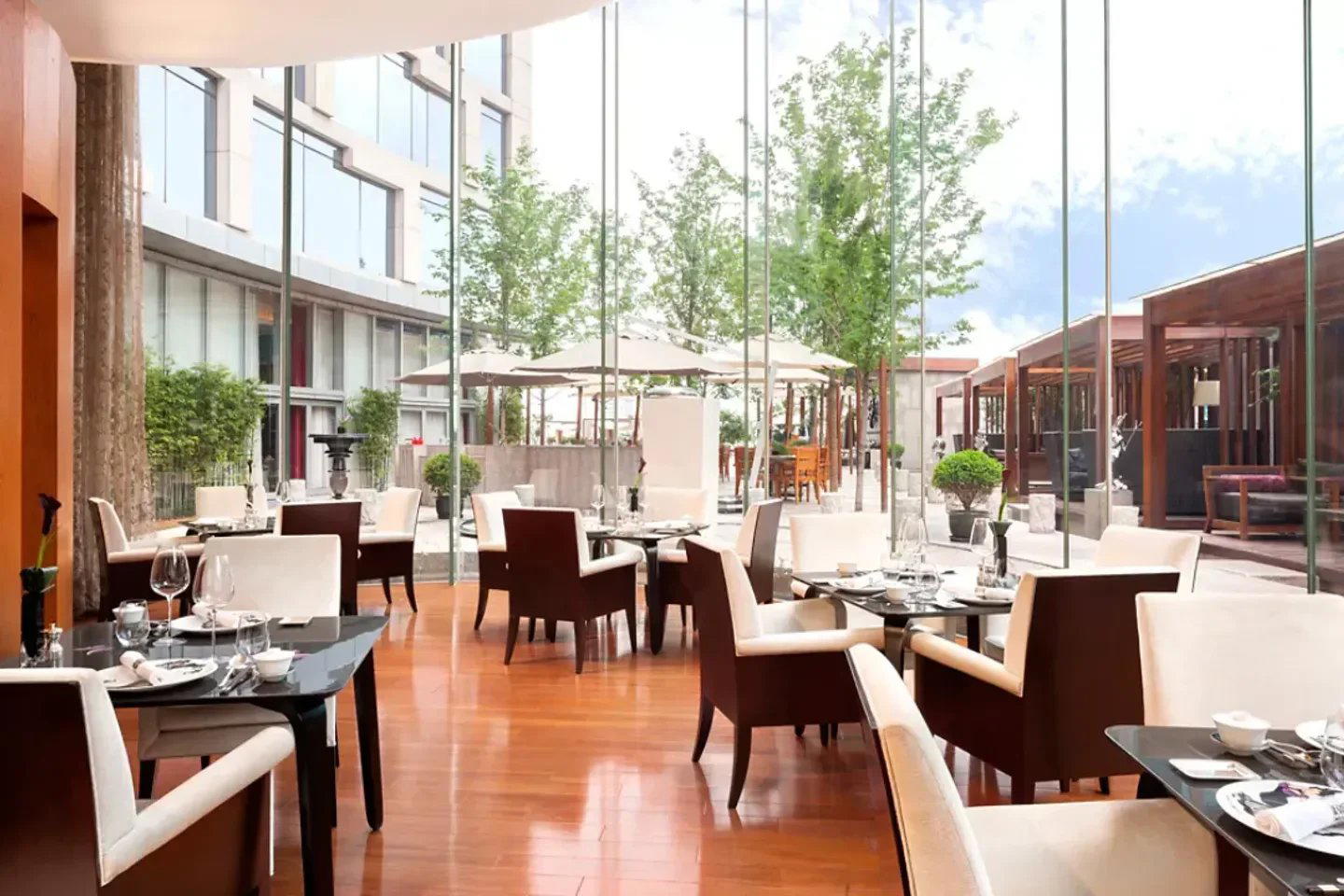
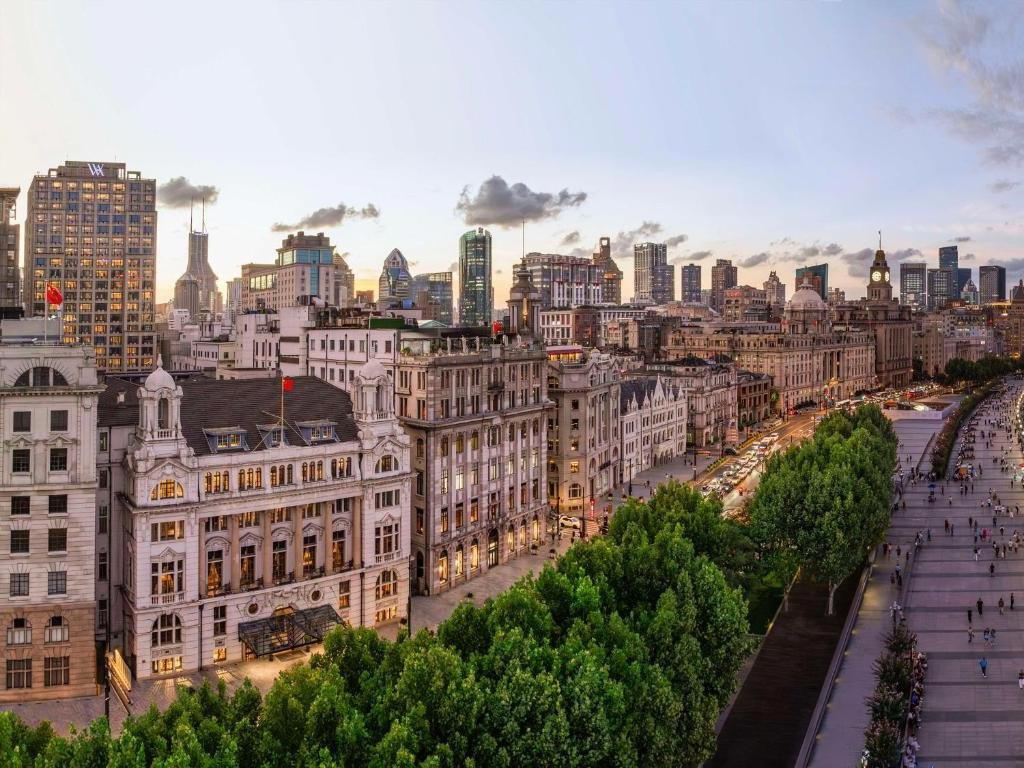
Yu Yuan Lu in Chang Ning is not the district most visitors reach first. The French Concession pulls the early crowd; the Bund anchors the skyline dinners. But the residential stretch of Chang Ning, with its plane-tree canopy and lower commercial density, has become a quiet address for the kind of restaurant that earns attention through the plate rather than the postcode. EHB sits on that street, at number 1107, and its position away from the obvious tourist corridors is less an accident of geography than a signal about what the room prioritises.
Shanghai's European contemporary category has expanded considerably over the past decade. The city now hosts a tier of course-driven rooms where European technique is applied with varying degrees of local influence, ingredient provenance, and formal ambition. That tier sharpened considerably when the 2024 Michelin Guide Shanghai awarded EHB one star, placing it inside a competitive set that includes Taian Table (Modern European, Innovative) at the higher end and a spread of French-leaning rooms across the Concession. A Michelin star in this cuisine category in Shanghai is not a soft credential; the guide's inspectors have been active in the city since 2016, and the European contemporary tier is dense enough that a first star represents a clear positional statement.
The Architecture of the Meal
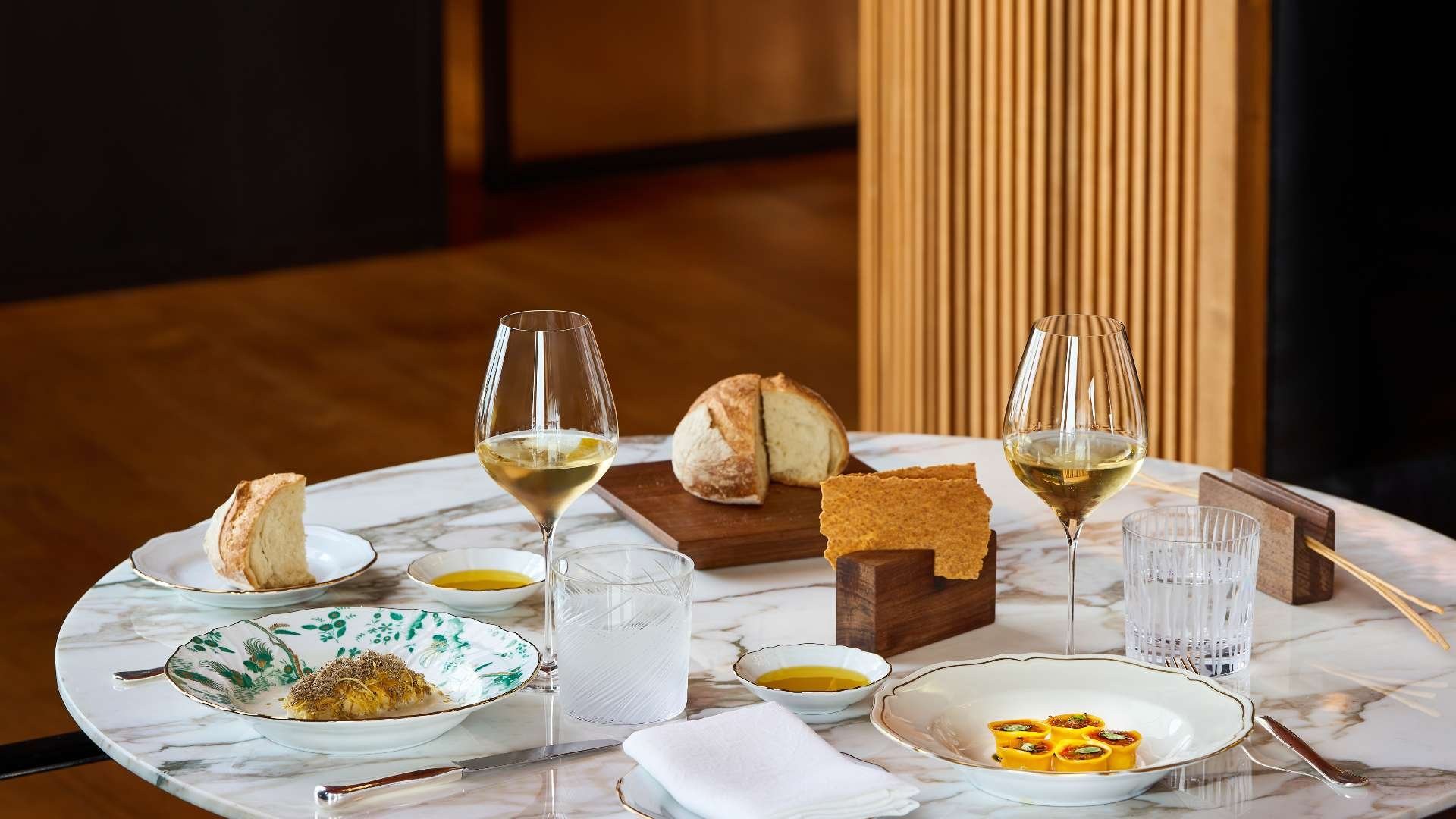
European contemporary, as a format, asks more of the diner than a carte blanche. The experience is structured; courses arrive in sequence with an internal logic the kitchen controls. At EHB, that structure is the primary communication between the kitchen and the table. You are not choosing a path through the menu so much as agreeing to follow one.
This progression model has defined serious European dining globally for two decades, from the Scandinavian rooms that codified it into a cultural export to the Asian addresses that have absorbed and adapted it. In Shanghai, the format lands differently than it does in Copenhagen or London, partly because the diner base is more accustomed to a shared-plate, self-directed relationship with food, and partly because European luxury in China has historically been read through wine lists and French names rather than through narrative sequencing. The restaurants that have made the progression model work here, including the two-Michelin-starred Taian Table, do so by grounding the sequence in something legible: a seasonal spine, an ingredient obsession, or a geographic argument that gives each course its position in the arc.
Michelin's assessment of a one-star house is specifically that it represents a high-quality kitchen worth a stop, and in a city where the guide maintains a fairly strict calibration, that reading applies directly here. What a single star does not yet signal is the kind of multi-visit, produce-obsessed distinction that drives the Bib Gourmand through to two and three stars; EHB is at the entry point of formal recognition, which means the meal carries ambition and execution in equal measure, but without the accumulated gravity of a longer decorated run.
The price tier, marked at ¥¥¥¥, confirms that the room prices against other Michelin-recognised European addresses in Shanghai rather than against the city's mid-range international options. That tier carries a practical implication: the meal is a significant spend, and the format expects the table's full attention for its duration. This is not a restaurant for a quick dinner before an evening elsewhere.
The Chang Ning Residential Address and What It Implies
Shanghai's dining geography tends to cluster recognition in a handful of districts. The Bund corridor supports the hotel dining rooms and panorama addresses, including Sir Elly's at the top of the Peninsula. The French Concession supports a high density of independent rooms at various price points, including The Pine. Jing'an and Huangpu host the large-format hotel restaurants alongside independent operators. Chang Ning, by contrast, is quieter. The residential character of Yu Yuan Lu means the restaurant is not sustained by walk-in foot traffic or by proximity to a hotel's captive audience. It is destination dining in a literal sense: you arrange the evening around the restaurant, not the other way around.
That model of destination dining within a residential address has precedent in Shanghai's Chinese fine-dining sector. Fu He Hui (Vegetarian), which holds two Michelin stars for its vegetarian tasting menu, operates on a similarly quiet residential footing in Changning, drawing a committed audience rather than a passing one. 102 House (Cantonese) follows a comparable logic. The pattern suggests that Shanghai's serious dining rooms are no longer dependent on the prestige-address premium; a well-executed concept in a low-traffic neighbourhood can build its own gravity over time.
European Contemporary in the Wider China Context
EHB's one-star position in Shanghai's European contemporary bracket connects it to a broader conversation playing out across China's major dining cities. In Macau, Chef Tam's Seasons holds Michelin recognition within a different cuisine register; in Beijing, Xin Rong Ji (Xinyuan South Road) anchors the high-end Chinese contemporary category; further afield, Ru Yuan in Hangzhou and Xin Rong Ji in Chengdu represent how regional Chinese cities are building their own serious dining tiers. The European contemporary format, however, remains concentrated in Shanghai and Beijing, where the international diner base and resident expatriate population provide a more established market for the format.
Internationally, the closest stylistic peer sets would include rooms like Zén in Singapore, which operates at the top of Southeast Asia's European contemporary bracket, and Schwarzer Adler in Hall in Tirol, which represents the European source tradition. What distinguishes the Shanghai context is that European contemporary here is a minority format competing within a city that has extraordinary depth in Chinese cuisine at every price tier. The choice to eat a sequenced European menu in Shanghai is an active editorial decision by the diner, and the restaurants that hold Michelin recognition in this format have earned it within that demanding context.
Planning the Visit
EHB holds a Michelin star for 2024, which means booking pressure has increased meaningfully since the recognition was confirmed. At this tier in Shanghai, the reservation window for a desirable table typically extends several weeks ahead, and weekend sittings fill faster than weekdays. The ¥¥¥¥ price bracket suggests a commitment in the range comparable to other single-star European rooms in the city. EHB's address at 1107 Yu Yuan Lu places it within Chang Ning District; the nearest metro access and specific transit options are best confirmed at time of booking. For context on what else the city's dining scene offers at adjacent price points and styles, see our full Shanghai restaurants guide, and for broader planning across accommodation and nightlife, our Shanghai hotels guide, bars guide, wineries guide, and experiences guide cover the full picture. For those extending across the region, decorated rooms in Guangzhou and Nanjing, including Imperial Treasure Fine Chinese Cuisine in Guangzhou and Dai Yuet Heen in Nanjing, offer further points of comparison within the China Michelin tier.
Frequently asked questions
Where exactly is EHB?
EHB is located at 1107 Yu Yuan Lu, Chang Ning Qu, Shang Hai Shi, China, 200336, Shanghai.
Is EHB focused on a specific cuisine style?
Is EHB Michelin-listed?
EHB has received recognition including: Michelin 1 Star (2024).
What dish is EHB famous for?
EHB's menu details are not published in publicly available channels, which is consistent with how several Michelin-starred tasting counters in Shanghai operate. The cuisine type is European contemporary, meaning the kitchen works within a structured sequence rather than a single signature plate. Booking ahead and arriving without fixed expectations is the practical approach at this price tier.
Is EHB expensive?
Pricing at EHB is listed as ¥¥¥¥.
How far ahead should I plan for EHB?
EHB received its Michelin one star for 2024, and booking pressure at this tier in Shanghai increases sharply after that recognition is confirmed. Comparable one-star tasting addresses in the city fill two to four weeks out on standard reservation windows. Contacting the restaurant directly as soon as dates are set is the safe approach.
What's the defining dish or idea at EHB?
The defining idea is structural rather than ingredient-led: European contemporary as a format delivers courses in deliberate sequence, asking the diner to follow a composed progression rather than order à la carte. EHB holds its Michelin star in that format, operating from a residential address on Yu Yuan Lu in Chang Ning rather than the hotel-dining corridors of the Bund, which signals a kitchen making its case through food alone.
Cost and Credentials
A short peer table to compare basics side-by-side.
| Venue | Cuisine | Price | Awards | Notes |
|---|---|---|---|---|
| EHBThis venue (the venue you are viewing) | Nordic Fusion Fine Dining | Not listed | 1 Michelin Star | Not listed |
| Fu He Hui | Modern Seasonal Vegetarian Fine Dining | $200–300 | 2 Michelin Stars · World's 50 Best #11 | Vegetarian |
| Ming Court | Cantonese with Shanghainese Influences | $30–50 | 1 Michelin Star · Black Pearl 1 Diamond | Cantonese |
| Polux | French Bistro | $30–50 | Michelin Bib Gourmand | French |
| Royal China Club | Cantonese Dim Sum | $100–150 | Michelin Plate · The Good Food Guide GFG Good | Chinese, Cantonese |
| Scarpetta | Refined Italian Pasta & Pizza | $50–100 | Michelin Plate · Wine Spectator Best of Award of Excellence | Italian |
Recognition history
Dated appearances from independent guides and award organizations, with the underlying list record or original source where available.
Michelin 1 Star
Michelin