Estiatorio Nostos
Our verdict
A Greek-named address in Lomas de Chapultepec, Estiatorio Nostos occupies a residential pocket of Miguel Hidalgo where European dining concepts have found steady footing among Mexico City's international restaurant set. The name signals Mediterranean intent in a city whose fine-dining scene tilts heavily toward modern Mexican, making it a counterpoint worth examining across both lunch and dinner service.

Pearl is the En Primeur Club membership app, where members save venues, book tables and use the concierge.
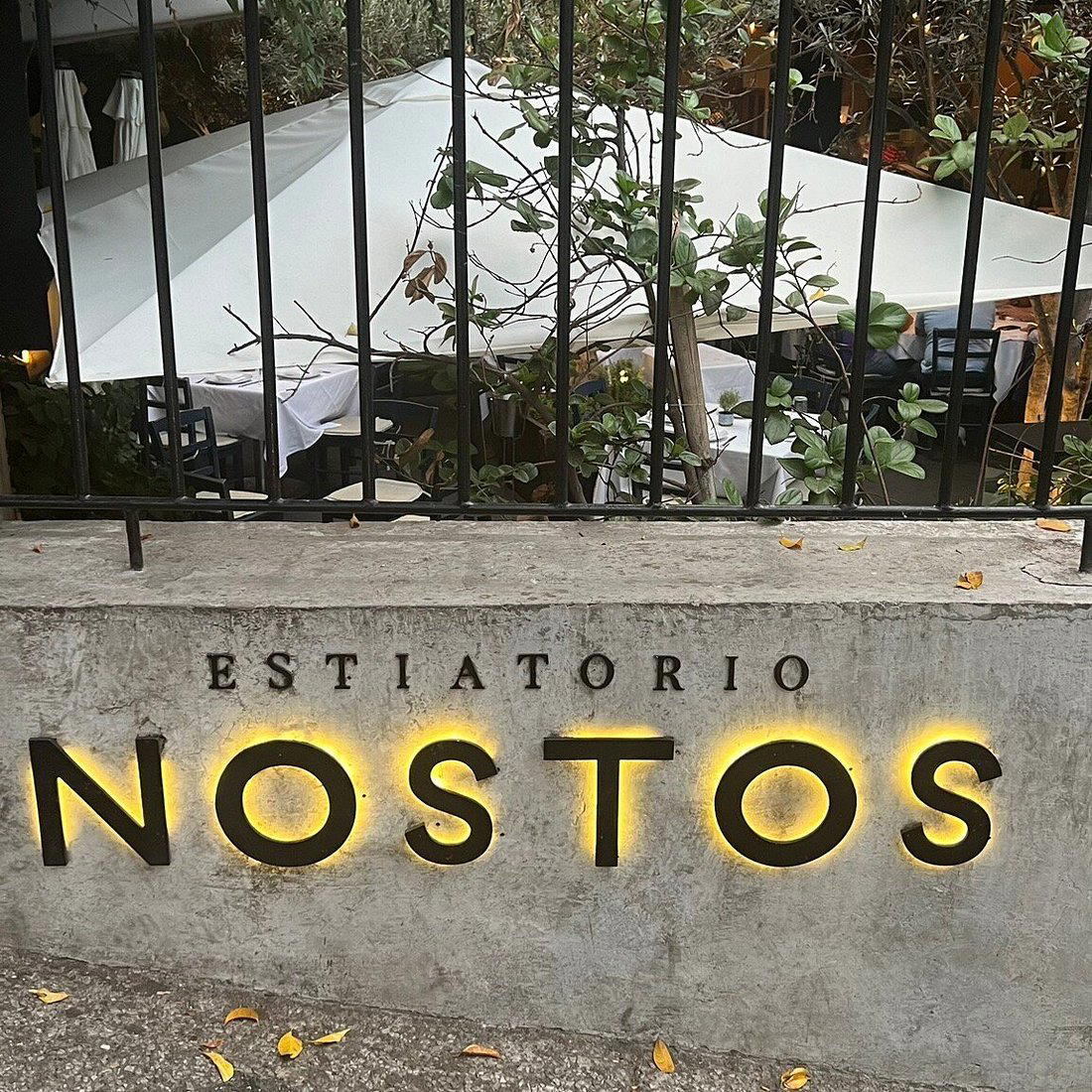
A Mediterranean Counterpoint in Lomas de Chapultepec
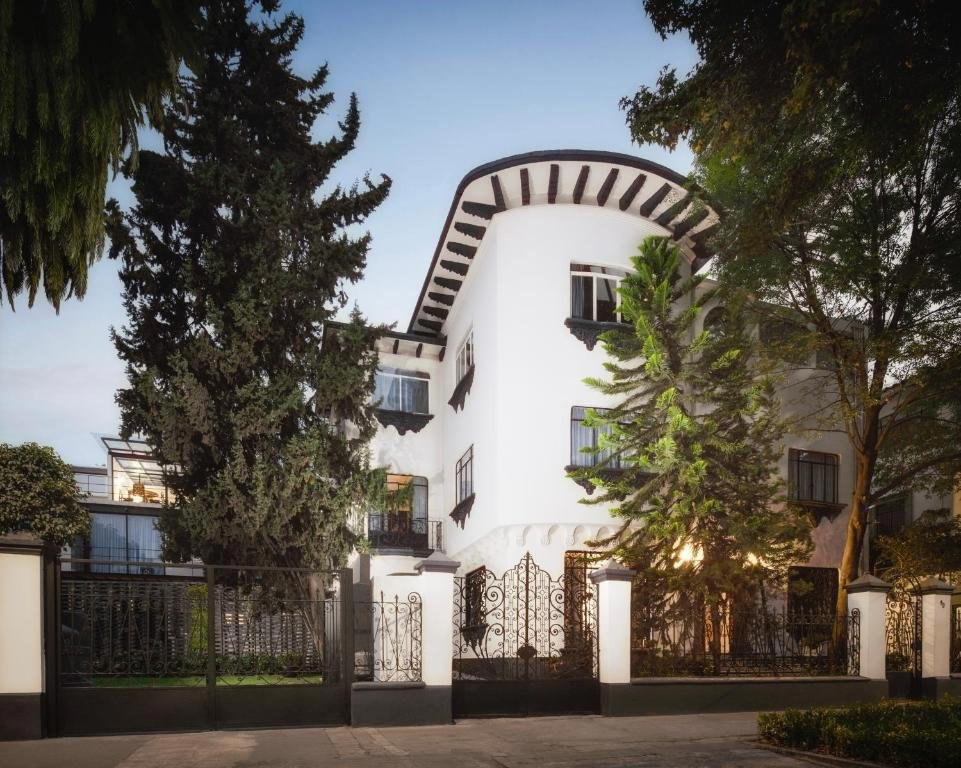
Mexico City's high-end dining conversation is dominated by the tasting-menu format and native-ingredient philosophy that defines addresses like Pujol and Quintonil. Against that backdrop, a Greek-named restaurant on Monte Athos 415 in Lomas de Chapultepec reads as a deliberate departure. Estiatorio Nostos occupies one of the city's quieter, more residential dining corridors, a neighbourhood where consulate buildings and old-money apartment blocks set the tone and where European concepts have historically found a receptive clientele. The word nostos is the Greek term for a homecoming voyage, the narrative arc underlying the Odyssey, and as a restaurant name it frames the experience around return and familiarity rather than novelty or spectacle.
That framing matters in a city where the competitive pressure to innovate is intense. Rosetta made European-inflected cooking feel rooted rather than imported. Sud 777 reframed creativity through a different geographic lens. Estiatorio Nostos plants its flag on Mediterranean specificity, Greek in name and, by implication, in culinary register.
Lomas de Chapultepec and the Midday Shift
The neighbourhood context shapes how lunch and dinner at an address like this function differently. Lomas de Chapultepec draws a corporate and diplomatic lunch crowd on weekdays, the kind of clientele that treats the midday meal as a working extension of professional life. In that context, a Mediterranean format, traditionally built around shared plates, olive oil, grilled proteins, and cold preparations, translates well. Shared meze-style eating maps comfortably onto the social dynamics of a business lunch: it distributes decision-making and keeps the table convivial without demanding the full commitment of a tasting menu.
Evening service in this part of the city shifts toward residents and destination diners who arrive by choice rather than proximity. The neighbourhood is not a nightlife district in the way that Roma Norte or Condesa are, so dinner here tends to be a considered, quieter affair. That divide, between the sociable pragmatism of lunch and the more deliberate register of dinner, is one of the defining rhythms of fine dining in residential Mexico City, and it applies with particular force to European-concept restaurants that rely on atmosphere rather than street-level foot traffic to draw their evening crowd.
For comparison, Em operates with a similar residential-neighbourhood logic in its own zone of the city, where dinner is an event and the midday service serves a different, more local purpose. The pattern is consistent enough across upscale Mexico City dining that it functions as a structural feature of the city's restaurant economy rather than a venue-specific quirk.
Greek Dining in a Mexican Fine-Dining Context
Greek cooking as a fine-dining format remains genuinely underrepresented in Latin America. The Mediterranean countries most translated into high-end restaurant concepts in the region have historically been France, Italy, and Spain, each with deep historical and immigration ties to Mexico and its neighbours. Greek cuisine, with its emphasis on fire, salt, fermentation, and quality raw material over technical complexity, occupies a different register: one that rewards sourcing discipline more than kitchen technique in the European tasting-menu sense.
That sourcing challenge is non-trivial in Mexico City. Importing Aegean seafood, aged feta, or specific olive oils adds cost and logistical complexity. How a restaurant in this category resolves that tension, whether through importation, local substitution, or creative reinterpretation, defines whether it reads as an authentic Mediterranean outpost or as a looser interpretation wearing Greek nomenclature. The estatorio format specifically implies a seafood-forward dining room with tablecloth service and a wine list weighted toward Greek producers, a format that has expanded across European and North American cities over the past decade as Greek fine dining found a commercial foothold outside Athens and Thessaloniki.
For broader context on where Mediterranean and European-inflected dining sits within Mexico's wider restaurant geography, addresses like Animalón in Valle de Guadalupe and Le Chique in Puerto Morelos show how European technique and local ingredient sourcing interact in different regional contexts across the country. The tension between imported framework and local material is one the Mexican fine-dining scene has worked through across multiple cuisine types, from KOLI Cocina de Origen in Monterrey to Levadura de Olla in Oaxaca.
Where It Sits in the City's Dining Hierarchy
Mexico City's restaurant scene is broad enough to support multiple tiers and cuisines simultaneously, from the global-recognition bracket occupied by tasting-menu destinations to neighbourhood bistros running on value and regularity. An estiatorio format in Lomas de Chapultepec most plausibly positions itself in the mid-to-upper tier of the city's European-concept category, priced above casual Mediterranean but below the full tasting-menu tier of the city's highest-profile addresses.
That bracket is also where European dining in Mexico City competes most directly for a clientele that has other options: Italian addressed by Rosetta, modern Mexican at multiple price points, and international fine dining across Roma, Polanco, and Condesa. A Greek-named address in a residential pocket of Miguel Hidalgo is not competing for the tourist-driven Zona Rosa crowd. It is more likely oriented toward repeat neighbourhood diners and the kind of international resident who carries familiarity with the estiatorio format from Athens, London, or New York.
For a broader survey of where Estiatorio Nostos sits within the city's wider dining options, our full Mexico City restaurants guide maps the key addresses across cuisine, neighbourhood, and price tier. Other European and internationally-oriented fine dining worth tracking across Mexico includes Lunario in El Porvenir, HA' in Playa del Carmen, Pangea in San Pedro Garza García, Olivea in Ensenada, Alcalde in Guadalajara, and Arca in Tulum. For reference points in how European fine dining of comparable ambition operates in North American cities, Le Bernardin in New York and Lazy Bear in San Francisco offer two different models of how precision and atmosphere interact at the high end.
Planning Your Visit
Address: Monte Athos 415, Lomas de Chapultepec, Miguel Hidalgo, 11000 Ciudad de México. Getting there: Lomas de Chapultepec is most accessible by taxi or ride-share from central Mexico City; public transit options are limited in this residential zone. Timing: The lunch-versus-dinner distinction in this neighbourhood is worth weighing: midday service here draws a local business crowd, while evenings tend toward a quieter, more residential dining rhythm. Dress: Lomas de Chapultepec's dining rooms generally observe a smart-casual standard; formal attire is not required but the neighbourhood's character skews conservative relative to Roma or Condesa.
Frequently asked questions
What's the address for Estiatorio Nostos?
Estiatorio Nostos is located at Monte Athos 415, Lomas de Chapultepec, Miguel Hidalgo, 11000 Ciudad de México, CDMX, Mexico, Mexico City.
Is Greek fine dining genuinely underrepresented in Mexico City, and how does Estiatorio Nostos fit that gap?
Greek cuisine as a formal dining format is among the least translated European traditions in Latin America, where French, Italian, and Spanish references have historically dominated the European-influenced tier of restaurant scenes, including Mexico City's. Estiatorio Nostos at Monte Athos 415 in Lomas de Chapultepec occupies a genuinely narrow category in CDMX: a venue operating in the estiatorio tradition within a city that has almost no comparable Greek reference points at the fine-dining level. That scarcity is context, not a marketing claim.
What should I eat at Estiatorio Nostos?
The estiatorio format, rooted in Greek tradition, centres on seafood, fire-grilled proteins, and cold vegetable preparations, dishes where technique is subordinate to ingredient quality. Given its address in Lomas de Chapultepec, a neighbourhood shaped by corporate lunch culture, the menu likely skews toward the kind of composed, shareable plates that define the format in Greece and in Greek restaurants internationally.
What's the best way to book Estiatorio Nostos?
No reservations platform or website is currently listed in EP Club's verified data for Estiatorio Nostos at Monte Athos 415, Lomas de Chapultepec. Calling or visiting directly is the most reliable approach for a venue of this neighbourhood profile. Lomas de Chapultepec restaurants at this tier tend to fill corporate midday slots quickly, so booking at least a few days ahead for lunch is prudent.
What's the defining dish or idea at Estiatorio Nostos?
The name nostos references the Greek concept of return and homecoming, which in practice means the estiatorio philosophy of restraint over novelty, quality ingredients prepared with minimal interference rather than tasting-menu theatrics. That positions Estiatorio Nostos as a counterpoint to the native-ingredient tasting format that dominates Mexico City's high-end dining conversation at addresses like Pujol. The defining idea is familiarity as a deliberate choice in a city that frequently prizes reinvention.
What if I have allergies at Estiatorio Nostos?
No phone number or website is currently verified in EP Club's data for this address, which limits remote pre-visit communication. Given that the estiatorio format relies heavily on seafood and olive oil as foundational ingredients, guests with shellfish, fish, or tree-nut sensitivities should flag this clearly when contacting the restaurant. Arriving early and speaking directly with front-of-house staff before being seated is the most practical safeguard at a venue where allergy documentation can change in advance. Check the venue's official channels for the latest details.
Nearby-ish Comparables
Comparable venues nearby, for context on price, style, and recognition.
| Venue | Cuisine | Price | Notes |
|---|---|---|---|
| Estiatorio NostosThis venue (the venue you are viewing) | Authentic Greek Seafood | $50–100 | Not listed |
| BARRIO NORTE | Uruguayan Steakhouse | $50–100 | Del Bosque |
| Ostería del Becco | Modern Italian Osteria | $50–100 | Los Morales Secc Palmas |
| Emilio | Spanish-Basque Cuisine with Mexican & French Influences | $50–100 | Polanco Chapultepec |
| La Imperial - Carso | Traditional Mexican Cantina | $20–30 | Ampl Granada |
| Cedrón | French Brasserie with Mexican Fusion | Not listed | Bosque de Chapultepec |
Continue exploring
More in Mexico City
Restaurants in Mexico City
All restaurants in Mexico City →
Bars in Mexico City
All bars in Mexico City →



Details
- Lively
- Elegant
- Sophisticated
- Date Night
- Special Occasion
- Business Dinner
- Open Kitchen
- Extensive Wine List
- A La Carte
- Small Plates
- Wine Program
- Pescatarian Friendly
Current opening hours
- Monday
- 12:30 PM–12:30 AM
- Tuesday
- 12:30 PM–12:30 AM
- Wednesday
- 12:30 PM–12:30 AM
- Thursday
- 12:30 PM–1:30 AM
- Friday
- 12:30 PM–1:30 AM
- Saturday
- 12:30 PM–1:30 AM
- Sunday
- 12:30–11 PM
Hours can change for holidays and private events. Hours as of .
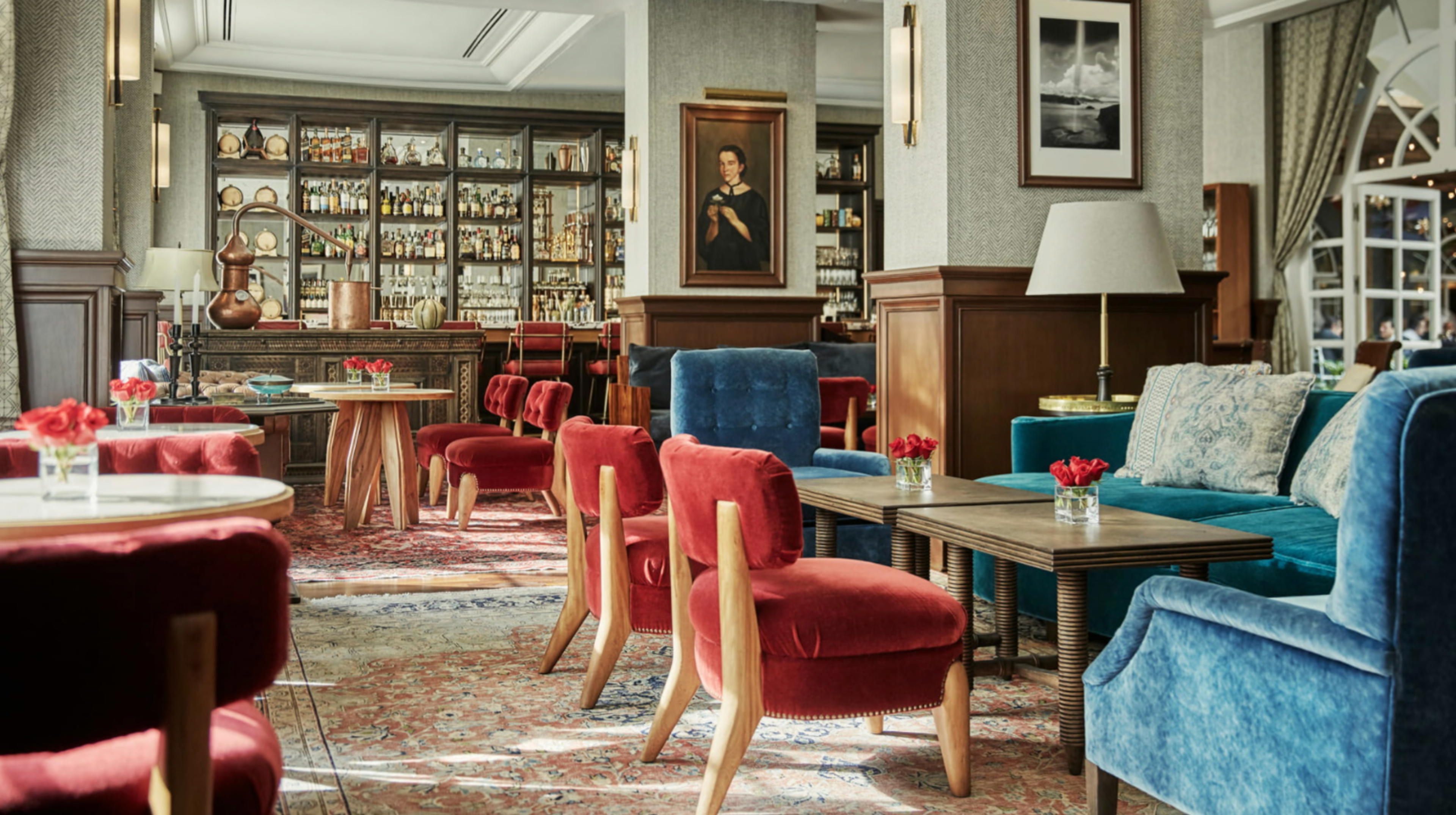
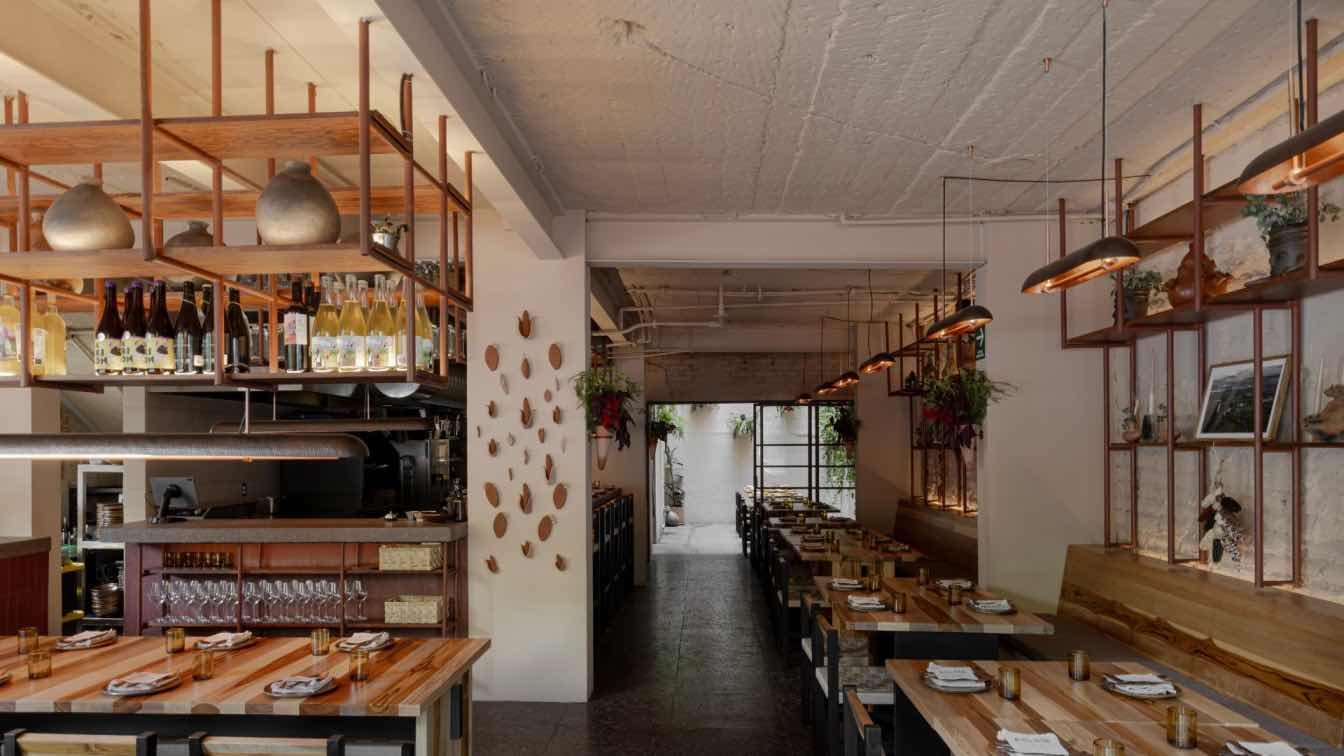
Lively and warm atmosphere with modern decor, nice lighting, and inviting setting praised by guests.