Emilio
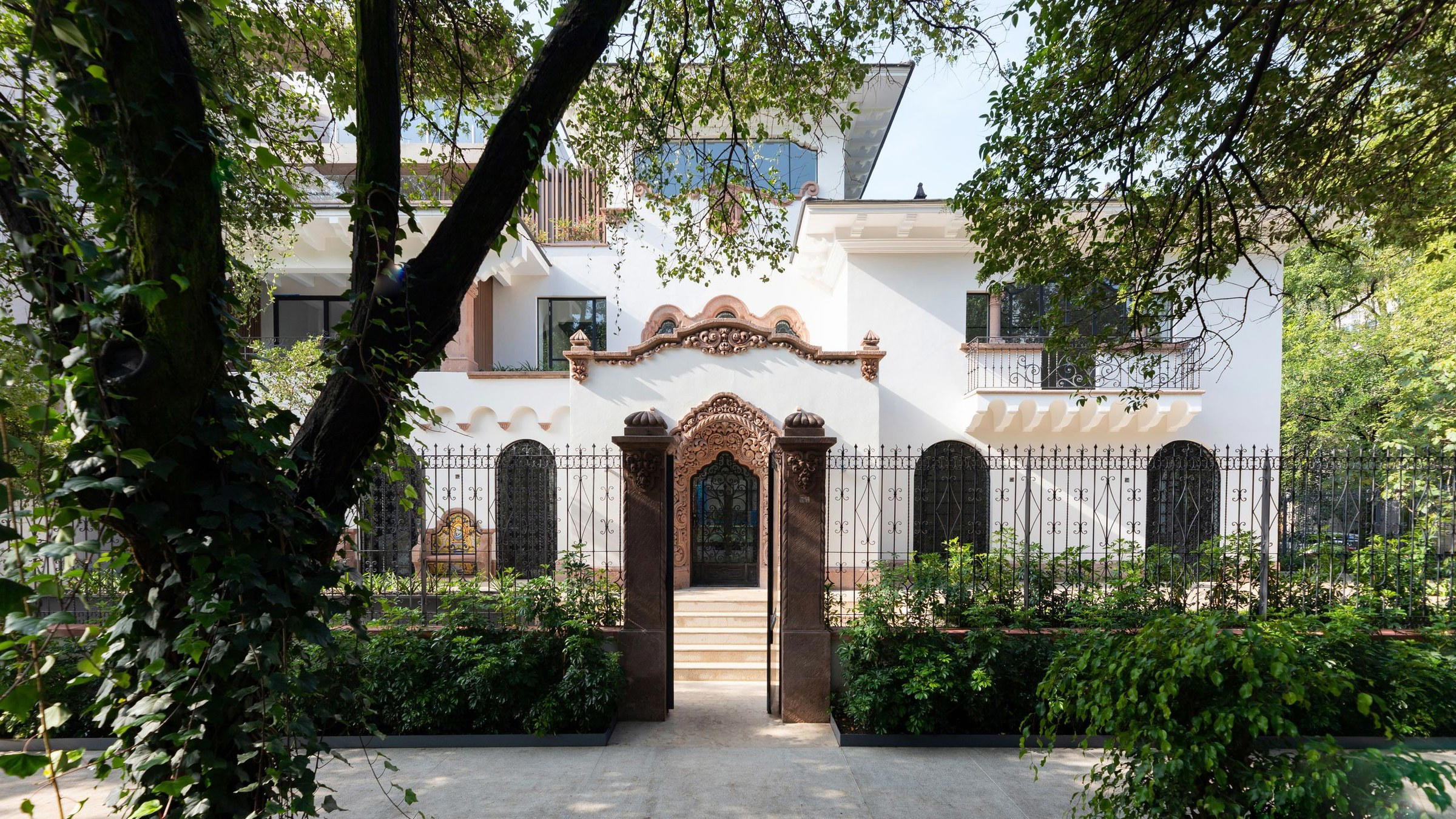
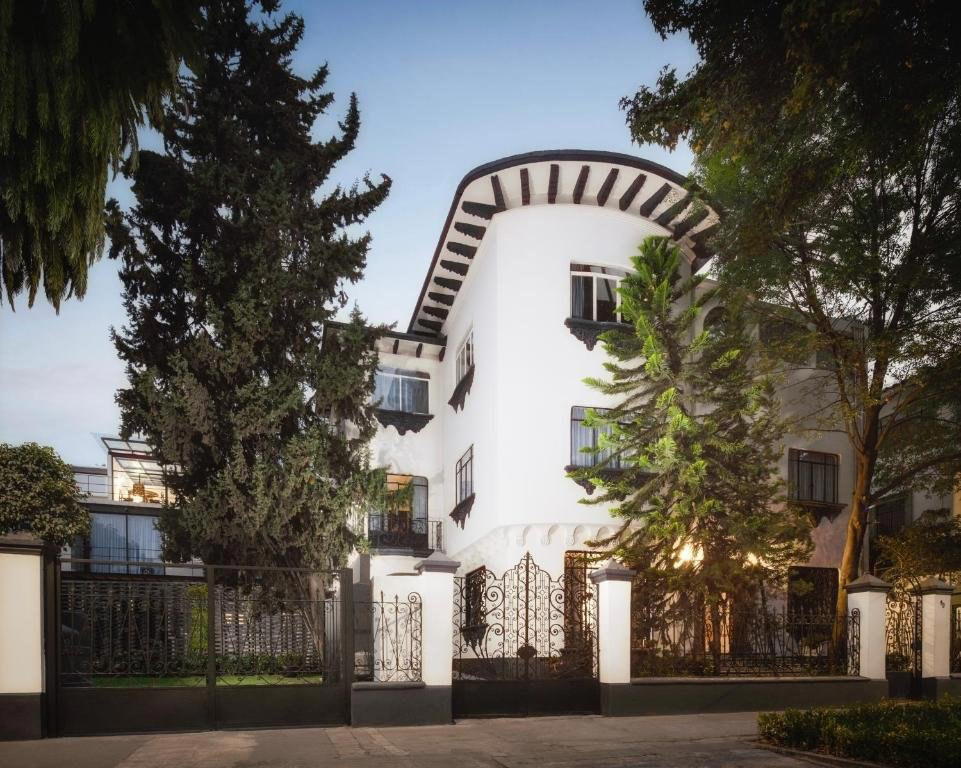
On Avenida Emilio Castelar in Polanco, Emilio occupies a quieter register than its neighbourhood peers, positioned along one of the district's tree-lined stretches that draws a local rather than tourist-heavy crowd. The restaurant sits in a part of Mexico City where design and setting increasingly carry as much weight as the plate, placing it alongside a generation of venues where physical space is a primary editorial statement.
Pearl is the En Primeur Club membership app — saves, bookings, and concierge access live there. Same editors, same standards.
- Address
- Av. Emilio Castelar 107, Polanco, Polanco IV Secc, Miguel Hidalgo, 11550 Ciudad de México, CDMX, Mexico
- Phone
- +525546282563
- Website
- emiliorest.com
- Directions
- Get directions
 Saves & bookings on Pearl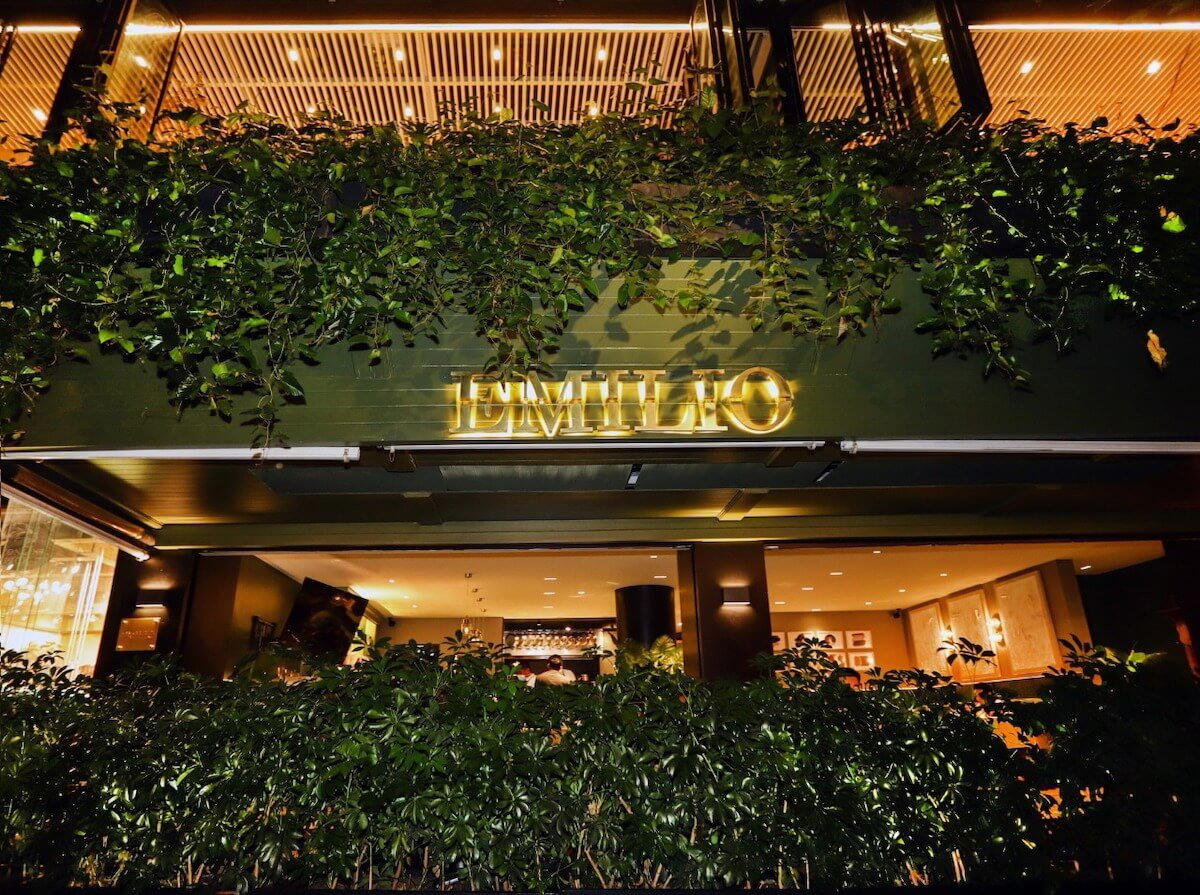
Polanco's Spatial Grammar
Mexico City's dining conversation in the 2020s has moved beyond questions of what's on the plate and into territory that feels more architectural. The neighbourhood of Polanco, specifically the grid anchored by Avenida Emilio Castelar and its cross streets, has become the city's clearest demonstration of this shift. Where Pujol and Quintonil built their reputations on tasting-menu rigour and conceptual depth, a newer cohort on these same streets has been asking a different question: what does the room itself communicate before a single dish arrives?
Emilio is a restaurant in Mexico City serving Spanish-Basque cuisine with Mexican and French influences, priced at about $65 per person. It operates in that context. The street it sits on is one of Polanco's quieter corridors, lined with mature trees that filter the afternoon light and give the block a pace distinct from the more trafficked sections of Presidente Masaryk a few minutes away. That positioning matters. Polanco has long hosted Mexico City's most expensive restaurant real estate, but not every address on the map performs at the same register. Emilio Castelar 107 belongs to the part of the neighbourhood that reads as residential-adjacent, where the entrance of a restaurant can feel like arriving at a private address rather than a commercial one.
The Room as Argument
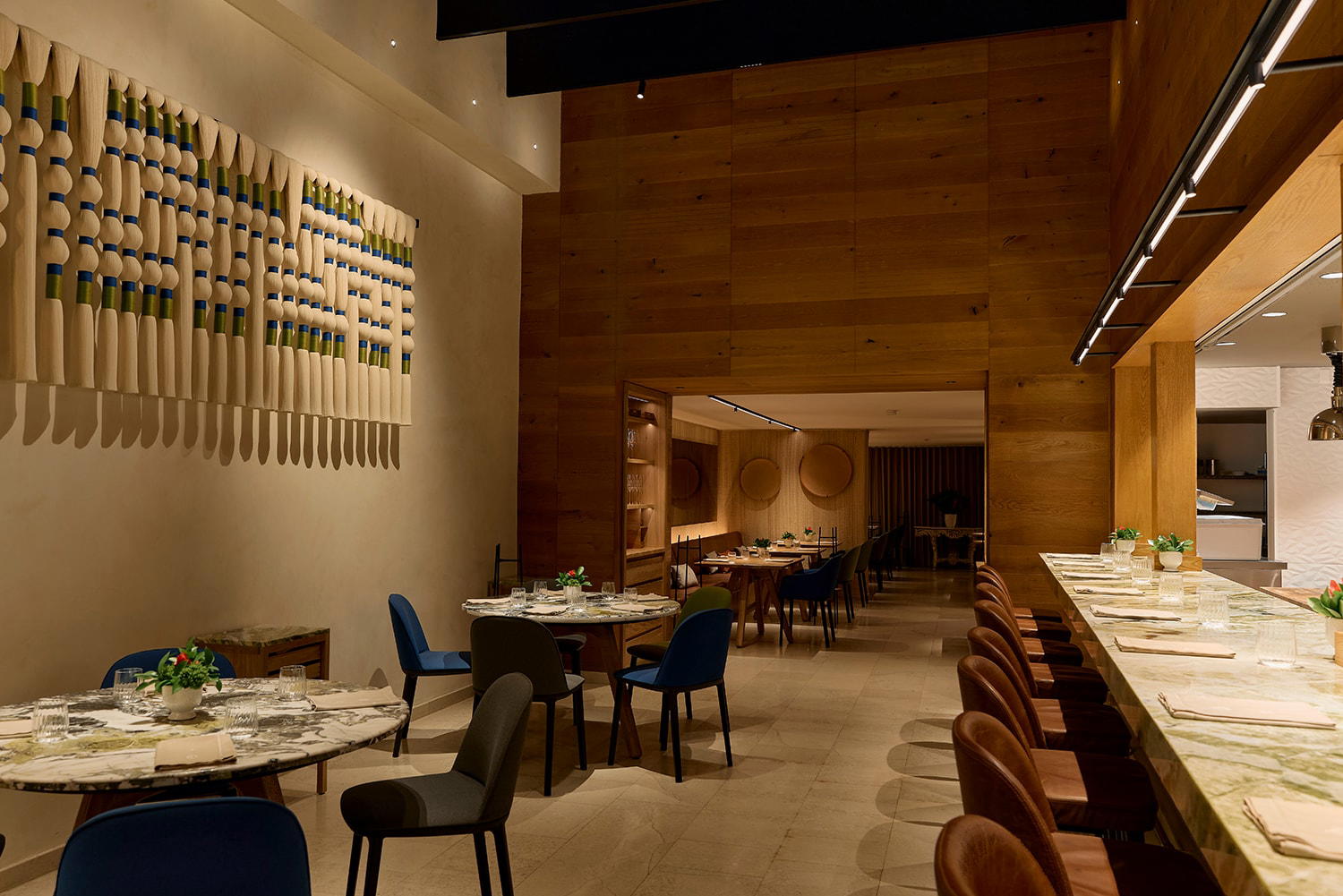
In cities where design has become a competitive signal, the physical container of a restaurant does real editorial work. Across Mexico City's mid-to-upper tier, this has played out in a consistent pattern: stripped-back materials, deliberate lighting that erases the boundary between interior and exterior, and seating configurations that prioritise sightlines and acoustic comfort over capacity. The approach owes something to a broader Latin American shift, visible in properties like Animalón in Valle de Guadalupe and Arca in Tulum, where the built environment is treated as inseparable from the dining proposition.
Polanco venues that play in this register tend to attract a local professional clientele who visit repeatedly rather than once, which changes how the space needs to perform. A room built for Instagram capture and a room built for a third visit on a Tuesday evening require different answers from an architect. The addresses along Emilio Castelar that have found traction with the neighbourhood's regulars have generally read the second brief more carefully.
Where Emilio Sits in the City's Competitive Map
Mexico City now runs among the more consequential restaurant scenes in the Western Hemisphere, with addresses at every price point capable of generating international attention. The upper tier, where Pujol and Quintonil compete with Latin America's 50 Best rankings and Michelin's expanding Mexican coverage, operates at a different altitude from the mid-market creative venues that have given the city much of its recent energy. Restaurants like Rosetta and Em occupy an interesting middle position: credentialed enough to attract serious diners, priced and formatted in ways that allow for regular use rather than occasion-only visits.
Emilio's address in Polanco places it in a neighbourhood where that spectrum plays out in close proximity. The area's dining density means a table here competes not just against the obvious names but against a rotating cast of well-resourced openings that treat the postcode as validation enough. Longevity in Polanco, without the insulation of a major award or a tasting-menu format that creates its own scarcity logic, requires a different kind of consistency, one rooted in how a room feels on the fortieth visit as much as the first.
For broader context on how Mexico's dining scene maps across regions and price points, venues like Alcalde in Guadalajara, KOLI Cocina de Origen in Monterrey, and Levadura de Olla in Oaxaca each represent distinct regional registers, a useful frame for understanding what makes the capital's version of this conversation specific to Polanco rather than transferable to any Mexican city with money and ambition.
The Polanco Dining Tradition in Practice
Polanco's position as Mexico City's de facto fine-dining district was consolidated through the 2010s, when international investment and a strong peso cycle brought global restaurant money into the neighbourhood. What followed was a version of the pattern visible in comparable districts elsewhere, Mayfair in London, the 8th arrondissement in Paris, where the concentration of high-spend clientele attracts more openings than the market can sustain at full occupancy, and the venues that survive are not always the ones with the strongest culinary argument.
The result, for a Polanco address in the mid-2020s, is a competitive environment where design, service consistency, and neighbourhood fit carry more weight than they would in a scene with fewer options. This is the context in which a restaurant on Emilio Castelar 107 operates: not against a single obvious peer, but against a district-wide expectation that the physical experience will meet a threshold that Mexican and international diners have been trained to expect by the neighbourhood's strongest performers.
Internationally, the design-led dining format has its clearest analogues in venues like Lazy Bear in San Francisco, where the room's configuration is part of the culinary argument, and in the European tradition represented by places like Le Bernardin in New York City, where spatial restraint signals seriousness of purpose. Mexico City's version of this instinct has become increasingly confident, and Polanco is where it's most legibly expressed.
For a fuller map of the capital's options across neighbourhoods and styles, venues in Roma, Condesa, and Juárez offer alternatives to the Polanco premium. Elsewhere in Mexico, HA' in Playa del Carmen, Le Chique in Puerto Morelos, Lunario in El Porvenir, Pangea in San Pedro Garza Garcia, and Olivea Farm to Table in Ensenada each represent the country's range beyond the capital's postcode logic. And for creative Mexican formats outside the city's centre of gravity, Sud 777 offers a useful comparison point for how ambition and neighbourhood identity intersect differently on the city's southern edge.
Planning a Visit
Emilio is located at Av. Emilio Castelar 107, Polanco IV Sección, Miguel Hidalgo, 11550 Ciudad de México, CDMX, Mexico. The restaurant follows a smart-casual dress code and reservations are essential.
In Context: Similar Options
Comparable venues nearby, for context on price, style, and recognition.
| Venue | Cuisine | Price | Notes |
|---|---|---|---|
| EmilioThis venue — the venue you are viewing | Spanish-Basque Cuisine with Mexican & French Influences | $$$ | Not listed |
| Terraza España | Authentic Spanish | $$ | San Ángel Inn |
| Asturiano | Traditional Spanish Asturian & Basque | $$ | Polanco Chapultepec |
| El Puntal del Norte | Basque Spanish Seafood | $$$ | Del Bosque |
| City Market Café | Spanish Tapas and Paella | $$ | Polanco Chapultepec |
| La Quilla - Rio Lerma | Traditional Catalan Cuisine | $$ | Juarez |
Continue exploring
More in Mexico City
Restaurants in Mexico City
Browse all →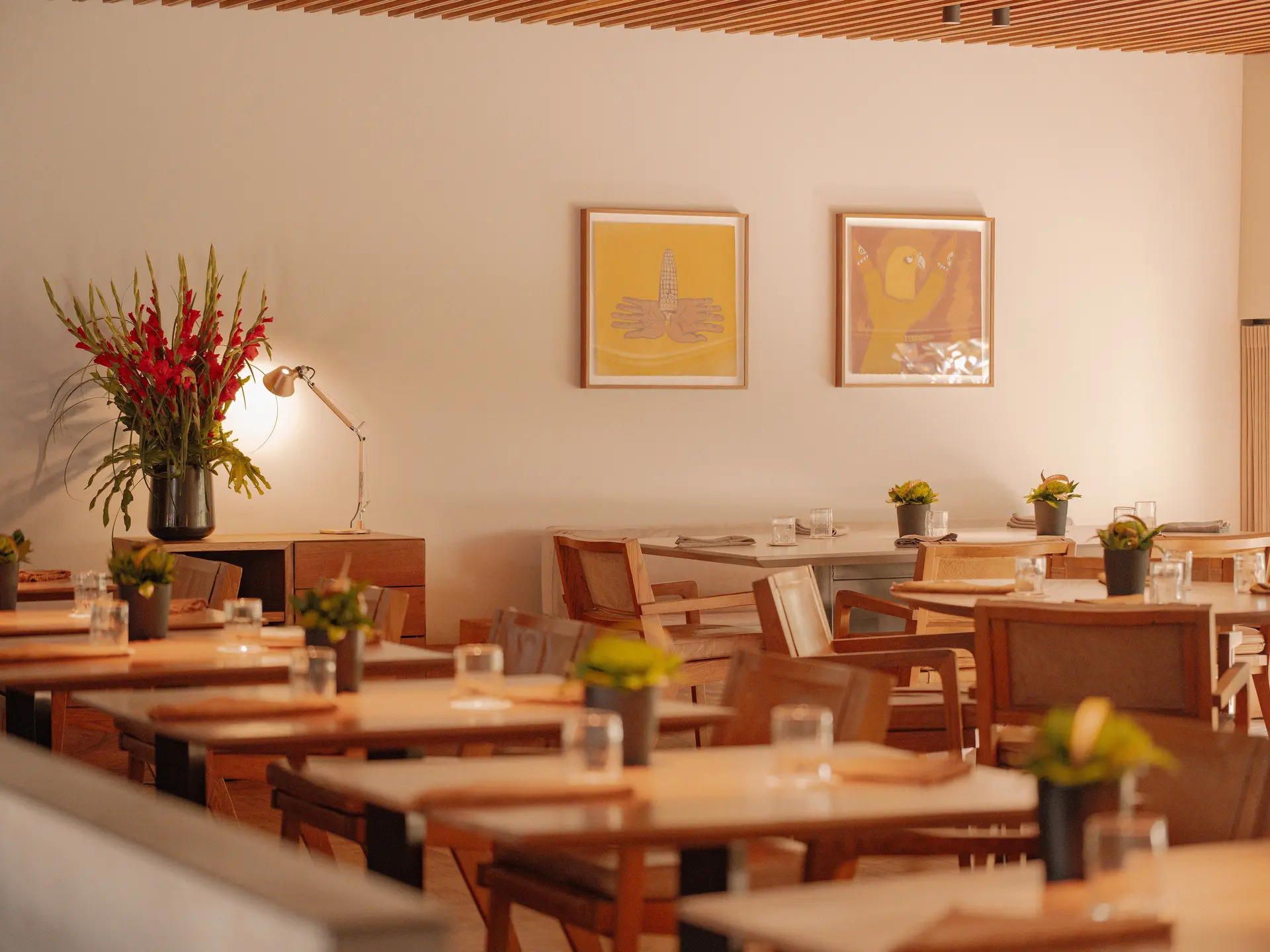
Bars in Mexico City
Browse all →
At a Glance
- Elegant
- Sophisticated
- Romantic
- Scenic
- Date Night
- Business Dinner
- Group Dining
- Celebration
- Special Occasion
- Terrace
- Open Kitchen
- Private Dining
- Extensive Wine List
- Craft Cocktails
- Beer Program
- Local Sourcing
- Street Scene
Current opening hours
- Monday
- 1 PM–12 AM
- Tuesday
- 1 PM–12 AM
- Wednesday
- 1 PM–12 AM
- Thursday
- 1 PM–12 AM
- Friday
- 1 PM–12 AM
- Saturday
- 8 AM–12 AM
- Sunday
- 8 AM–10 PM
Hours can change for holidays and private events. Last verified .
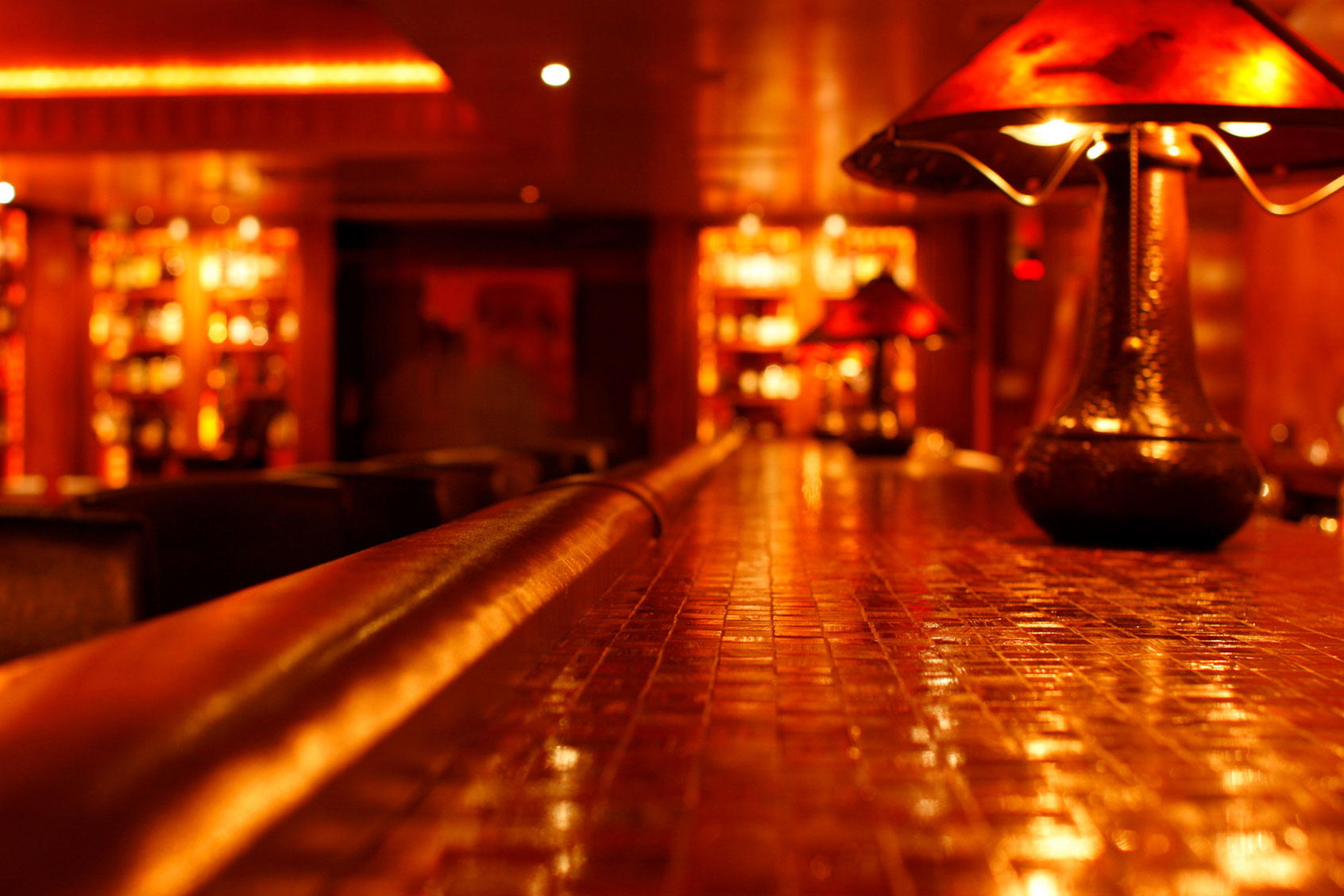
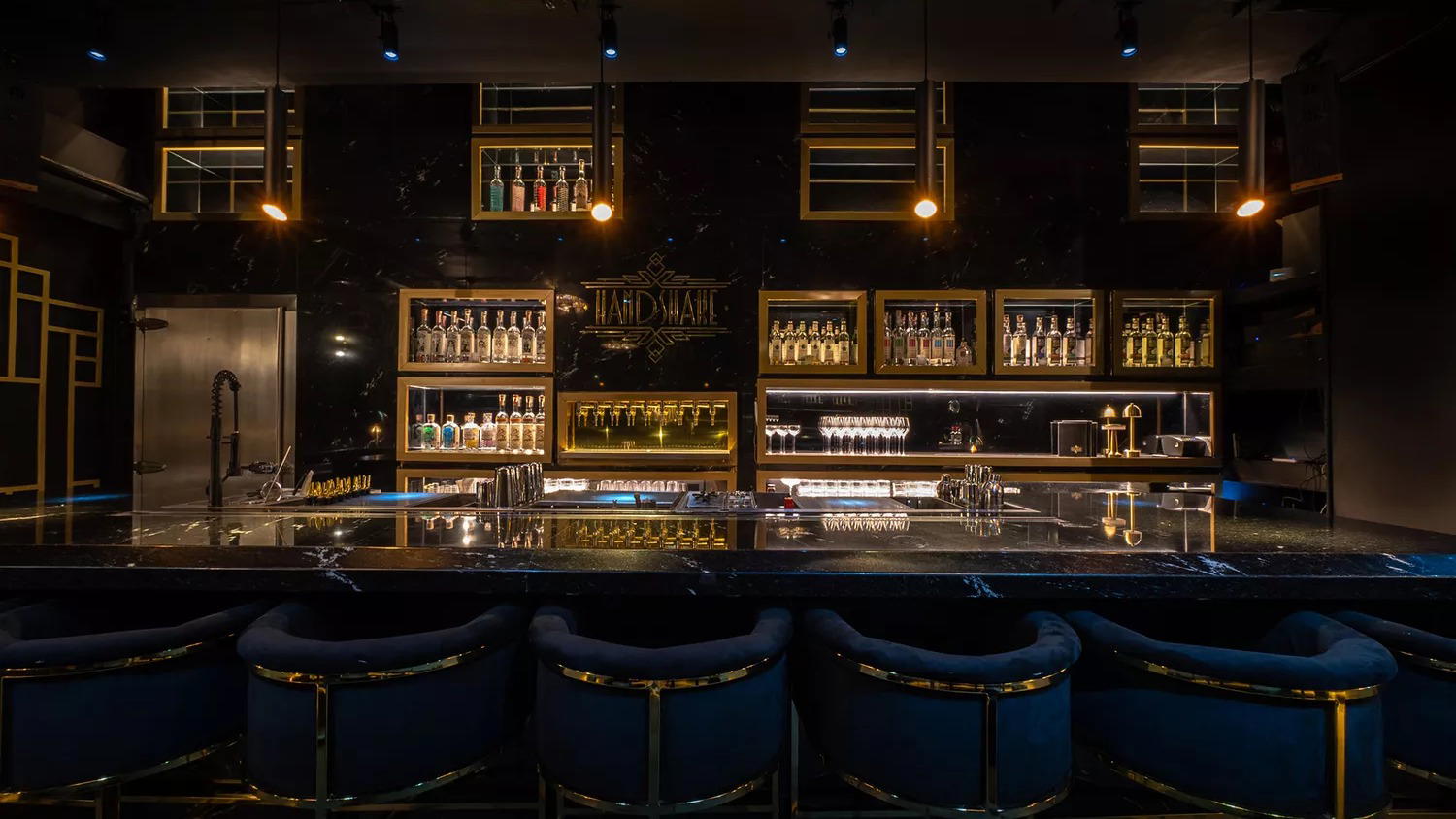
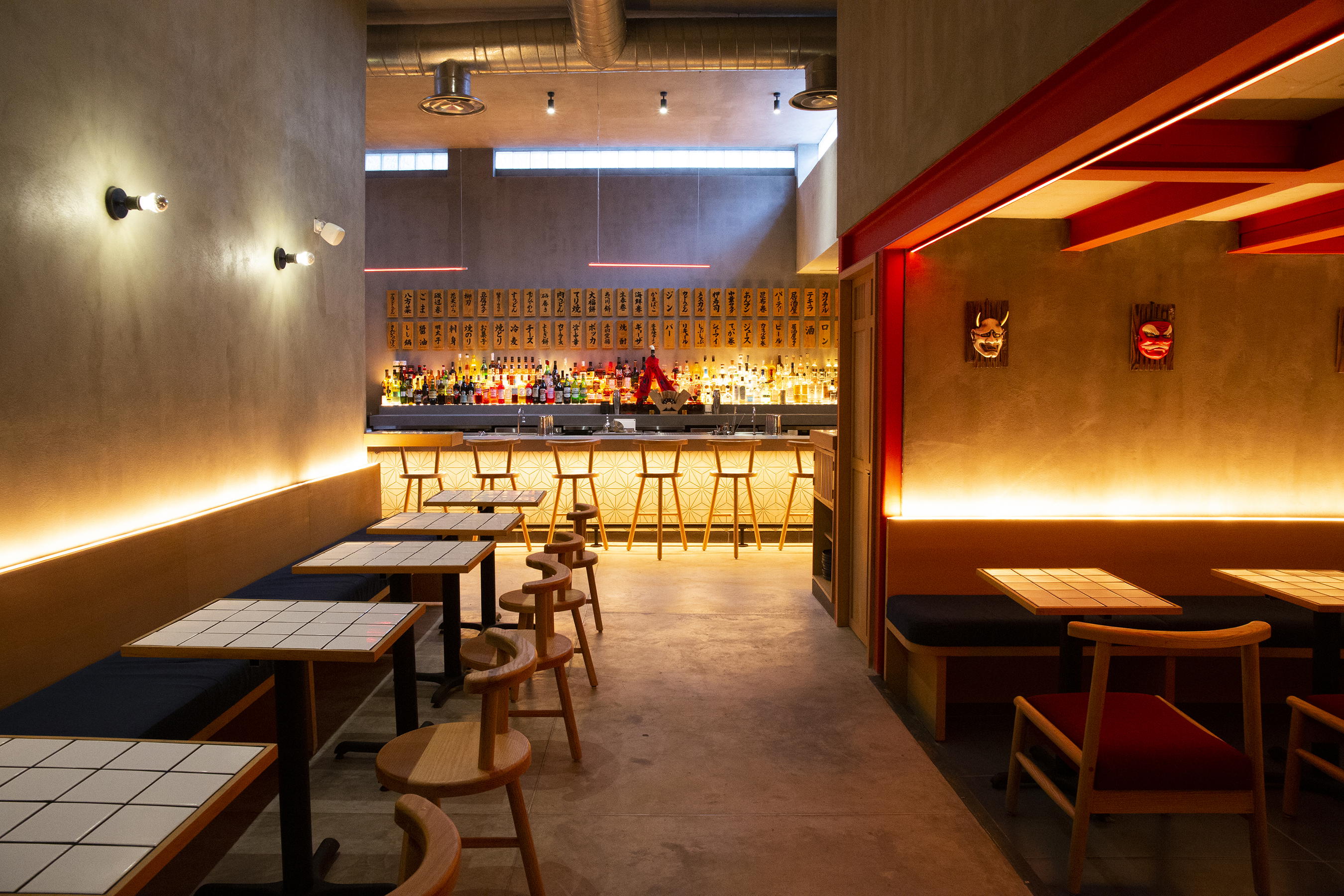
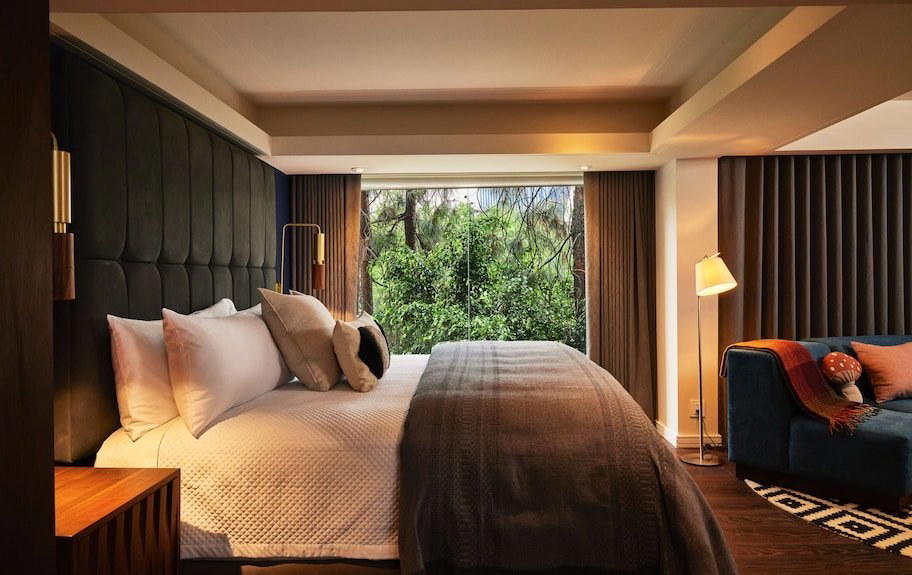
Elegant decor with a relaxed, inviting atmosphere that balances sophistication with comfort, enhanced by natural light from the terrace overlooking the street.