Our verdict
On Bécsi út in Budapest's III. district, Sushi Sei operates in a neighbourhood where Japanese dining remains a considered choice rather than a reflex one. The restaurant sits at a remove from the city's Michelin-tracked fine dining corridor, which gives it a different register: more local in cadence, less pressured by the expectations that cluster around the inner districts. For visitors building a wider picture of Budapest's dining scene, it offers a useful counterpoint.

Pearl is the En Primeur Club membership app, where members save venues, book tables and use the concierge.

Japanese Dining in Budapest's Outer Districts
Budapest's restaurant conversation concentrates heavily on the V. and VI. districts, where Michelin-starred addresses like Costes, Stand, and Babel set the critical benchmark for modern Hungarian and European cuisine. The III. district, by contrast, operates on a different frequency. Bécsi út runs north from the Danube through Óbuda, a neighbourhood shaped more by residential life than by dining tourism, and restaurants here answer to a local audience first. Sushi Sei, at number 58, sits inside that context: a Japanese restaurant in a part of the city where the category is thin enough that it holds genuine practical value for the district's residents.
That geographic remove from the inner-city fine dining belt shapes everything about how Sushi Sei functions. Japanese cuisine in Budapest more broadly occupies an interesting position. The city has seen Central European capitals develop increasingly confident Asian dining programmes over the past decade, but the category remains smaller and less differentiated here than in Vienna or Warsaw. A Japanese restaurant in Óbuda is not competing in the same conversation as Borkonyha Winekitchen or essência; it is serving a neighbourhood need, and that changes both the mood of the room and the expectations a visitor should carry in.
Lunch and Dinner: Two Different Propositions
In Japanese restaurants operating outside city-centre fine dining circuits, the gap between lunch and evening service tends to be more pronounced than in comparable European categories. Lunch formats across this tier typically lean toward value-oriented sets: fixed-price combinations that move through a kitchen efficiently and attract the office and residential crowd looking for something reliable in the middle of the day. Evening service shifts the pace, with à la carte ordering more common and a slightly longer dwell time expected from the room.
This lunch-dinner divide matters practically for anyone planning a visit to Sushi Sei. If you are coming from central Budapest specifically for this restaurant, an evening visit is the more considered choice: the room settles into a different register once the lunchtime rhythm drops, and the menu typically offers fuller range. For anyone already in Óbuda during the day, the lunchtime proposition is the more pragmatic option, likely representing better value per course than a dinner order of equivalent scope. The III. district's weekday rhythm means lunchtime trade here skews local, which gives the room an unreconstructed neighbourhood quality that Budapest's inner-district restaurants have largely traded away in exchange for a more international guest mix.
Japanese restaurants at this tier across Central Europe generally price their evening menus to reflect the cost of fresh fish supply chains that don't have the volume advantages of larger cities. Budapest is not a port city, and the logistics of fresh seafood delivery affect both price and availability in ways that a Tokyo or Osaka operation simply doesn't face. That structural reality is worth carrying into any reading of a Japanese restaurant in this city, regardless of the specific address.
Where Sushi Sei Sits in the Budapest Dining Picture
Budapest's most discussed Japanese and Asian-influenced addresses tend to cluster around the central districts, and the city's premium dining tier is overwhelmingly European in orientation. The Michelin-tracked cohort, which includes Costes and the broader constellation of modern Hungarian restaurants, operates at a price point and with a level of institutional recognition that positions them in a different competitive set entirely. Sushi Sei's location on Bécsi út places it in a neighbourhood tier that is more analogous to a solid local Japanese in an outer London borough or an arrondissement restaurant in Paris: useful, consistent, and evaluated against local standards rather than international benchmarks.
For visitors who have covered the inner-district dining circuit and want a sense of how Budapest eats away from the tourist and critic gaze, the III. district offers a different lens. Óbuda has its own restaurant culture, built around Hungarian staples and a handful of category specialists that serve the area's permanent population. Sushi Sei is one of those specialists. It is not a destination restaurant in the way that Babel or essência are destinations, but for a reader building a complete picture of how Budapest eats across all its districts, it belongs in the frame.
Readers interested in the broader Hungarian dining scene beyond Budapest will find useful context in regional addresses like Platán Gourmet in Tata, Pajta in Őriszentpéter, and Aranysárkány Vendéglő in Szentendre. For the city overview, our full Budapest restaurants guide maps the category across districts and price tiers.
Planning a Visit
The Bécsi út address is accessible from central Budapest via the number 17 tram, which runs along the Danube from the II. district north into Óbuda, or by the HÉV suburban rail to Árpád híd. By car or taxi from the centre, the journey runs roughly 20 to 25 minutes depending on traffic. The neighbourhood itself is low-key: expect a residential streetscape rather than a restaurant row, and plan accordingly for the hours immediately before and after your meal.
Contacting the restaurant directly before visiting is advisable, particularly if you are travelling from central Budapest specifically for this address. Walk-in availability is likely higher at lunch than in the evening, though this will vary by day of the week.
Is Sushi Sei in Budapest suitable for a special occasion dinner, or is it more of an everyday neighbourhood restaurant?
Sushi Sei's location on Bécsi út in Óbuda positions it firmly in the neighbourhood restaurant category rather than the occasion dining tier. Budapest's special occasion Japanese dining options, to the extent they exist, tend to sit closer to the city centre where guest expectations and kitchen investment align with celebratory use. For a genuinely significant occasion in Budapest, the Michelin-tracked cohort including Costes and Babel offers more institutional support for that kind of visit. Sushi Sei is better read as a consistent local option for residents of the III. district and for visitors who want to eat well in Óbuda without travelling back to the centre.
Frequently asked questions
How do I find Sushi Sei?
Sushi Sei is located at Budapest, Bécsi út 58, 1036 Hungary, Budapest.
Is Sushi Sei worth travelling from central Budapest to Óbuda for?
Sushi Sei's address at Bécsi út 58 in the III. district puts it well outside the restaurant cluster around Budapest's central V. and VI. districts. The number 17 tram connects the Danube corridor north into Óbuda, making the journey from central Budapest manageable. For diners already in the Óbuda or II. district area, it represents a local Japanese option without the competition for tables that defines downtown dining.
What's the best thing to order at Sushi Sei?
Japanese restaurants operating at this neighbourhood level in Budapest typically structure their offer around nigiri sets, maki rolls, and cooked options alongside raw preparations. Visiting with flexibility across the menu is a reasonable approach until more detailed records are available.
Do they take walk-ins at Sushi Sei?
No confirmed booking policy has been documented for Sushi Sei. Restaurants at this category in Budapest's III. district generally have more availability than their central counterparts in the V. and VI. districts, where demand is compressed into a smaller number of covers. Calling ahead remains the practical move for evening visits, particularly on weekends.
Nearby-ish Comparables
Comparable venues nearby, for context on price, style, and recognition.
| Venue | Cuisine | Price | Awards | Notes |
|---|---|---|---|---|
| Sushi SeiThis venue (the venue you are viewing) | Authentic Japanese Sushi & Sashimi | $30–50 | Not listed | Not listed |
| Tokio Budapest | Modern Japanese Sushi | Not listed | Star Wine List | Varhegy |
| LEO Rooftop | Modern International Small Plates | $30–50 | Not listed | Varhegy |
| M Restaurant | French-Hungarian Fusion | Not listed | Not listed | Terézváros |
| Robinson | Mediterranean Steakhouse with Hungarian Influences | $30–50 | Not listed | Városliget |
| Symbol | Traditional Hungarian with Swabian & Jewish Influences | Not listed | Not listed | Pasaret |
Continue exploring
More in Budapest
Restaurants in Budapest
All restaurants in Budapest →

Bars in Budapest
All bars in Budapest →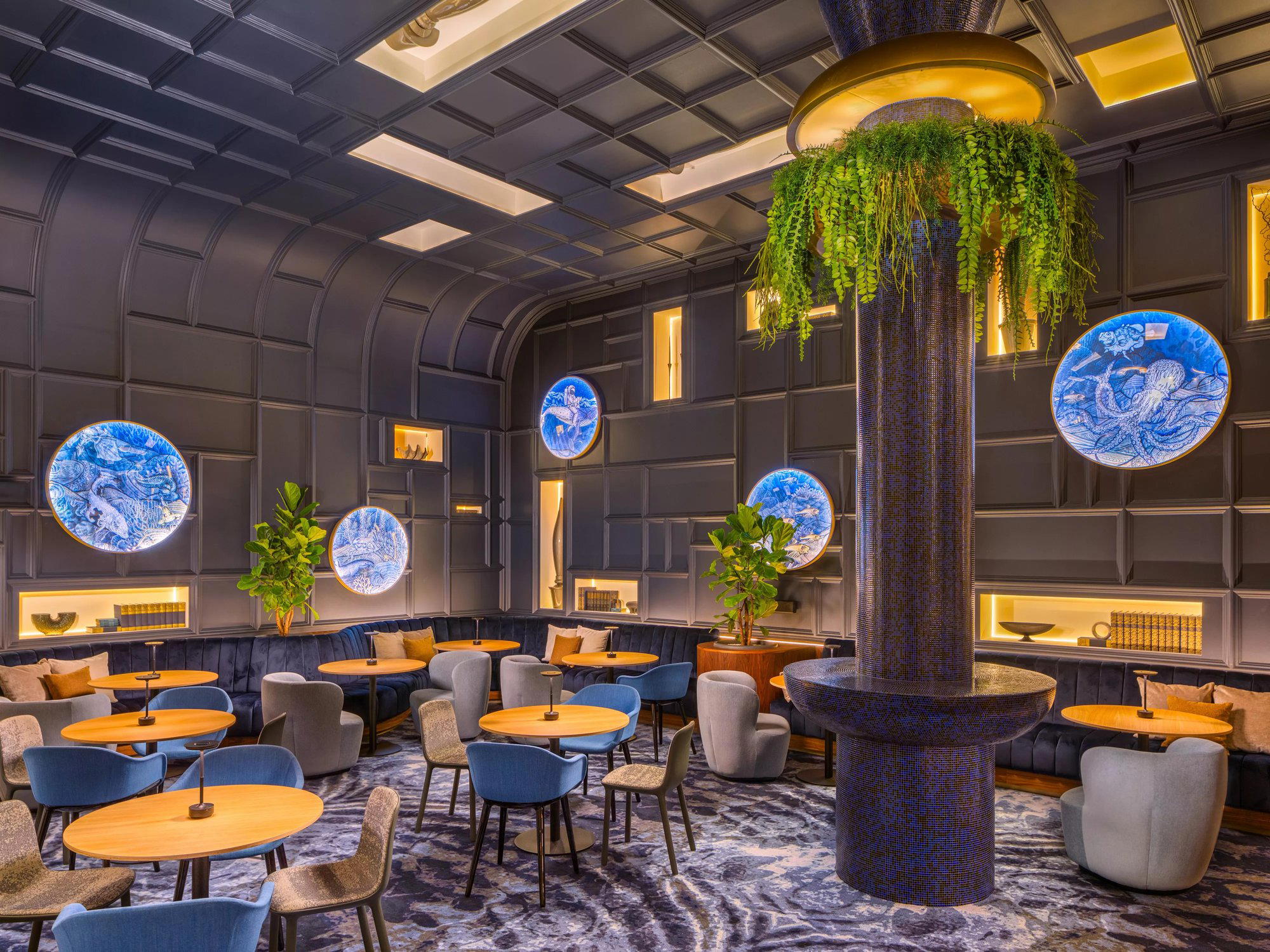

Details
- Elegant
- Modern
- Cozy
- Quiet
- Date Night
- Business Dinner
- Special Occasion
- Open Kitchen
- Private Dining
- Terrace
- Sake Program
- A La Carte
- Sake
- Vegetarian Friendly
- Vegan Options
- Gluten Free Options
Current opening hours
- Monday
- 12–10 PM
- Tuesday
- 12–10 PM
- Wednesday
- 12–10 PM
- Thursday
- 12–10 PM
- Friday
- 12–11 PM
- Saturday
- 12–11 PM
- Sunday
- 12–10 PM
Hours can change for holidays and private events. Hours as of .
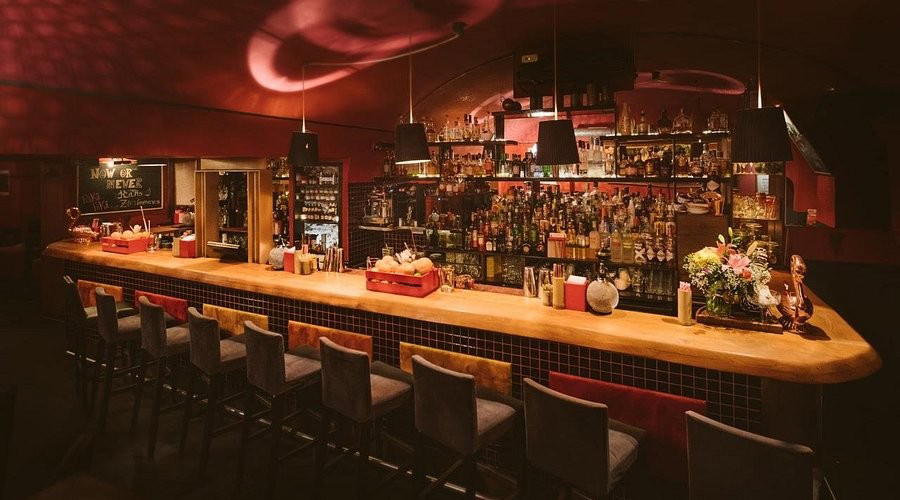
Elegant and relaxed atmosphere with modern interior design, spacious seating, and a calm, sophisticated dining environment.