Our verdict
On Nagymező utca, one of Budapest's most concentrated stretches of cultural venues, Apacuka occupies a position worth understanding in the context of Hungary's evolving dining scene. The address places it squarely in the VI. district, where the city's appetite for serious food and wine has grown considerably over the past decade. For those tracing Budapest's current restaurant generation, it belongs on the itinerary alongside the city's Michelin-recognised names.

Pearl is the En Primeur Club membership app, where members save venues, book tables and use the concierge.

Nagymező Utca and the VI. District's Dining Momentum
Budapest's VI. district has undergone a quiet but sustained transformation over the past decade. Nagymező utca, sometimes called the city's Broadway for its concentration of theatres and cultural venues, sits at the core of that shift. The street draws foot traffic from locals and visitors who have already absorbed the neighbourhood's theatre culture and are looking for somewhere to eat and drink with equivalent seriousness. Apacuka, at number 54-56, sits inside that current rather than apart from it.
This matters for context. The VI. district dining scene now spans a meaningful range, from neighbourhood bistros to addresses that compete for Michelin attention. Understanding where any given restaurant sits within that range is more useful than treating each venue in isolation. Apacuka's Nagymező address places it in an area where residents have grown accustomed to quality as a baseline, not a novelty.
The Wine Question in Budapest's Restaurant Culture
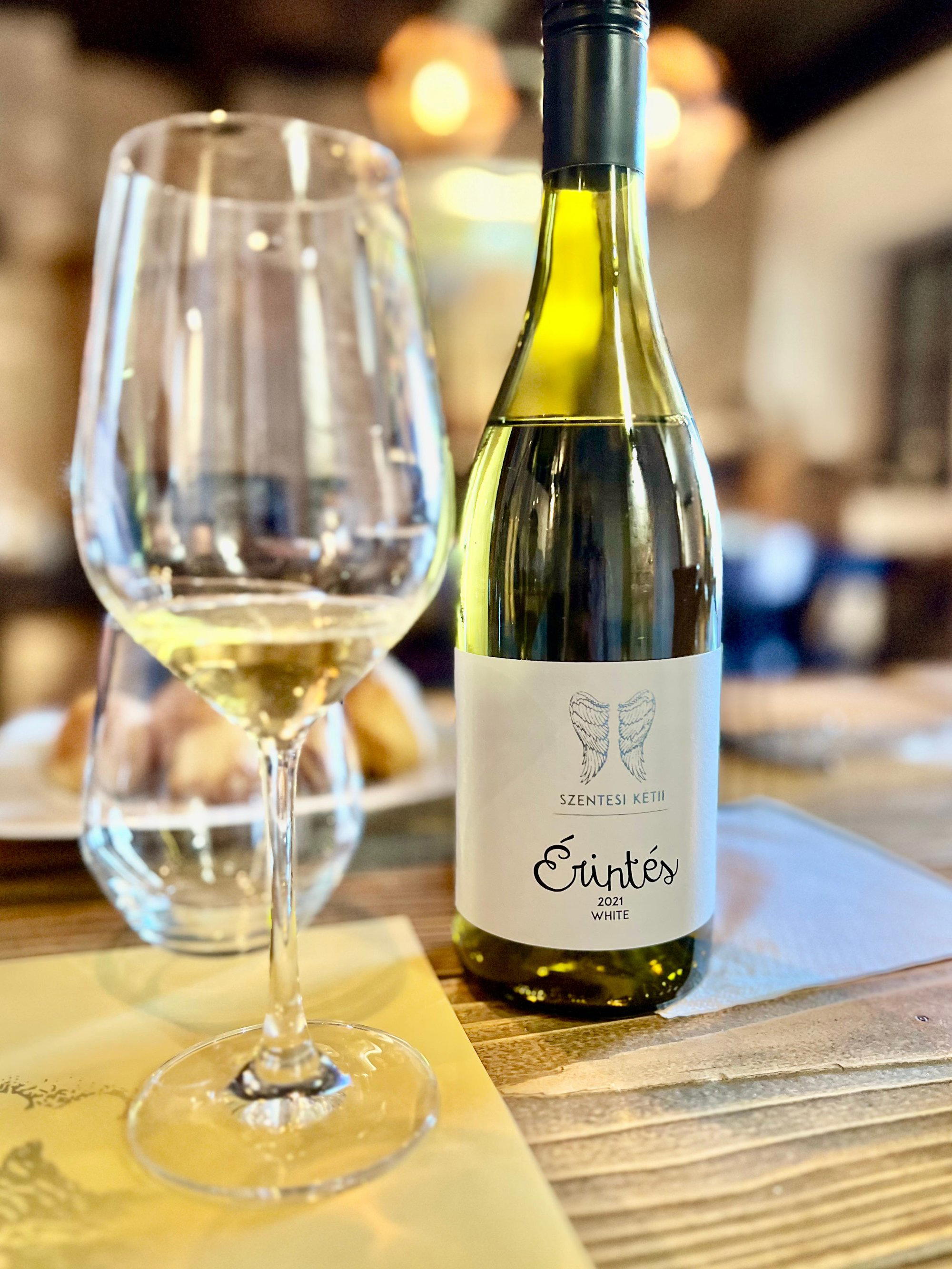
Hungary's wine story is one of the more underappreciated in Central Europe. The country produces across a wider range of styles and regions than most international visitors realise: Tokaj's oxidative and botrytised whites are the headline act, but Villány's Bordeaux-structured reds, Eger's Egri Bikavér, the volcanic whites of the Somló, and the increasingly serious output from Badacsony and Csopak form a national portfolio that rewards attention. At the better Budapest restaurants, the wine list has become one of the primary editorial statements a kitchen can make, a signal of how seriously the house takes its own context.
At addresses like Borkonyha Winekitchen (€€€ · Modern Cuisine), the wine program is structurally central rather than supplementary, the venue's name makes the priority explicit. That model, where the cellar and the kitchen operate as co-equal expressions of a philosophy, has influenced how other Budapest restaurants are assessed. A wine list in this city is now read as a curatorial argument, not just a beverage menu.
For visitors coming from markets where Hungarian wine remains a footnote, a Budapest restaurant with genuine cellar depth offers something you cannot easily replicate at home. The opportunity to drink Furmint with food, or to work through a flight of Villány Cabernet Franc at the table, changes the calculus of what a meal here can accomplish. This is the lens through which wine-forward Budapest restaurants are most usefully evaluated. For broader context on the regional producers that feed these lists, Sauska 48 in Villány and Petrányi Csopak in Csopak are worth understanding as source points for what ends up on Budapest tables.
Budapest's restaurant market has stratified noticeably. At the top tier sit the Michelin-starred addresses: Stand (€€€€ · Modern Cuisine), Babel (€€€€ · Modern Cuisine), and Costes (€€€€ · Modern Cuisine) anchor the formal end of the market, with tasting menus, sommelier-led service, and price points that reflect their position. essência (€€€€ · Modern Cuisine) adds another reference point in the fine dining bracket.
Below that tier, the mid-range has become more interesting. Restaurants operating at the €€-€€€ level are increasingly taking their food and wine programs seriously without the full apparatus of starred dining. This is where the city's most dynamic eating is currently happening, venues where the kitchen is technically capable, the list shows genuine curation, and the atmosphere carries less formality than a tasting-menu counter demands. Apacuka's Nagymező address suggests a positioning within this active middle tier, making it relevant to the same audience that reads Borkonyha Winekitchen as a benchmark.
For those building a broader Hungary itinerary, the contrast between Budapest's urban restaurant culture and the regional dining found at places like Platán Gourmet in Tata, Pajta in Őriszentpéter, or Hosszú Tányér in Hosszúhetény is instructive. The capital concentrates ambition and international reference; the countryside tends toward rootedness and local product. Apacuka, in a neighbourhood that balances cultural history with contemporary energy, sits at the urban end of that spectrum.
The Neighbourhood as Context
Nagymező utca operates differently from Budapest's other dining corridors. It does not have the tourist density of the Váci utca stretch, nor the exclusively local character of the outer districts. The VI. district attracts a mixed clientele of Budapest residents who live and work nearby, cultural visitors drawn by the theatre scene, and the kind of international traveller who has done the ruin bar circuit and is looking for the city's less choreographed eating. That audience tends to be wine-curious and open to venues that require some navigation rather than handing everything over in advance.
Nearby, the transition into the VII. district's Jewish Quarter adds further cultural layering. The area between Andrássy út and Király utca has become one of Budapest's most active zones for independent restaurants and bars, a useful circuit for an evening that moves between venues. Addresses like Teyföl in Szentendre and Kővirág in Köveskál draw on a similar appetite for thoughtful, less-branded eating, though they operate in very different geographical registers.
Planning a Visit
Nagymező utca 54-56 is walkable from the Oktogon metro stop on line M1, one of the oldest underground railway lines in continental Europe, the above-ground approach along Andrássy út is worth taking for orientation. The VI. district is dense enough that an evening here works as a standalone neighbourhood experience rather than requiring transport logistics between stops.
Budapest restaurant hours and formats have shifted across the post-2020 period more than most European cities, and checking current status avoids arriving at a venue operating different hours than expected. For a full picture of where Apacuka sits among the city's options, our full Budapest restaurants guide maps the market across price tiers and styles.
Those building a longer Hungary trip around serious eating and drinking will find useful anchors in Öreg Prés in Mór, Old Kőrössy Fish Restaurant in Szegedin, and Botanica in Dánszentmiklós, each of which operates in a different regional register from Budapest's urban concentration. Internationally, the model of wine-led, mid-format restaurants that Budapest is currently developing finds precedent in what Le Bernardin in New York City and Lazy Bear in San Francisco represent in their respective markets: a level of seriousness that does not require the full tasting-menu apparatus to be taken seriously.
Frequently asked questions
Where is Apacuka located?
Apacuka is located at Budapest, Nagymező u. 54-56, 1065 Hungary, Budapest.
Is Apacuka a good option for dinner near Oktogon in Budapest?
Nagymező utca 54-56 is walkable from the Oktogon metro stop on line M1, making Apacuka one of the more accessible sit-down options in the VI. district for anyone already in that part of Budapest. The street sits away from the concentrated tourist routes, so the dining room functions as a neighbourhood address rather than a destination venue. For travellers staying around Andrássy út or the inner VI. district, it represents a practical and locally grounded choice.
What do people recommend at Apacuka?
Given its position in Budapest's VI.
What's the best way to book Apacuka?
No phone number or website is currently listed for Apacuka at Budapest, Nagymező u. 54-56, 1065. Arriving in person during off-peak hours is a practical option for a venue of this neighbourhood scale in Budapest's VI. district.
What's the standout thing about Apacuka?
Apacuka's address on Nagymező utca places it at the centre of Budapest's most theatrically active street, a corridor that draws a local professional crowd rather than the tourist traffic concentrated around Váci utca. That positioning means the room tends to fill with Budapestians rather than visitors, which shapes both the pace of service and the menu logic. In a city where the gap between Michelin-starred dining and purely functional eating has historically been wide, venues at this address occupy a considered middle ground.
A Quick Peer Check
Comparable venues nearby, for context on price, style, and recognition.
| Venue | Cuisine | Price | Notes |
|---|---|---|---|
| ApacukaThis venue (the venue you are viewing) | Modern European Fun Dining | $20–30 | Not listed |
| Fióka | Modern European Small Plates with Hungarian Influences | $30–50 | Buda |
| Reiskorn Budapest | Pan-Asian Fusion | $20–30 | Varhegy |
| The Gangnam | Authentic Korean BBQ | Not listed | Varhegy |
| Szimply | Modern European Brunch | Not listed | Belvaros |
| Babka Budapest | Modern Middle Eastern Jewish | $20–30 | Újlipótváros |
Continue exploring
More in Budapest
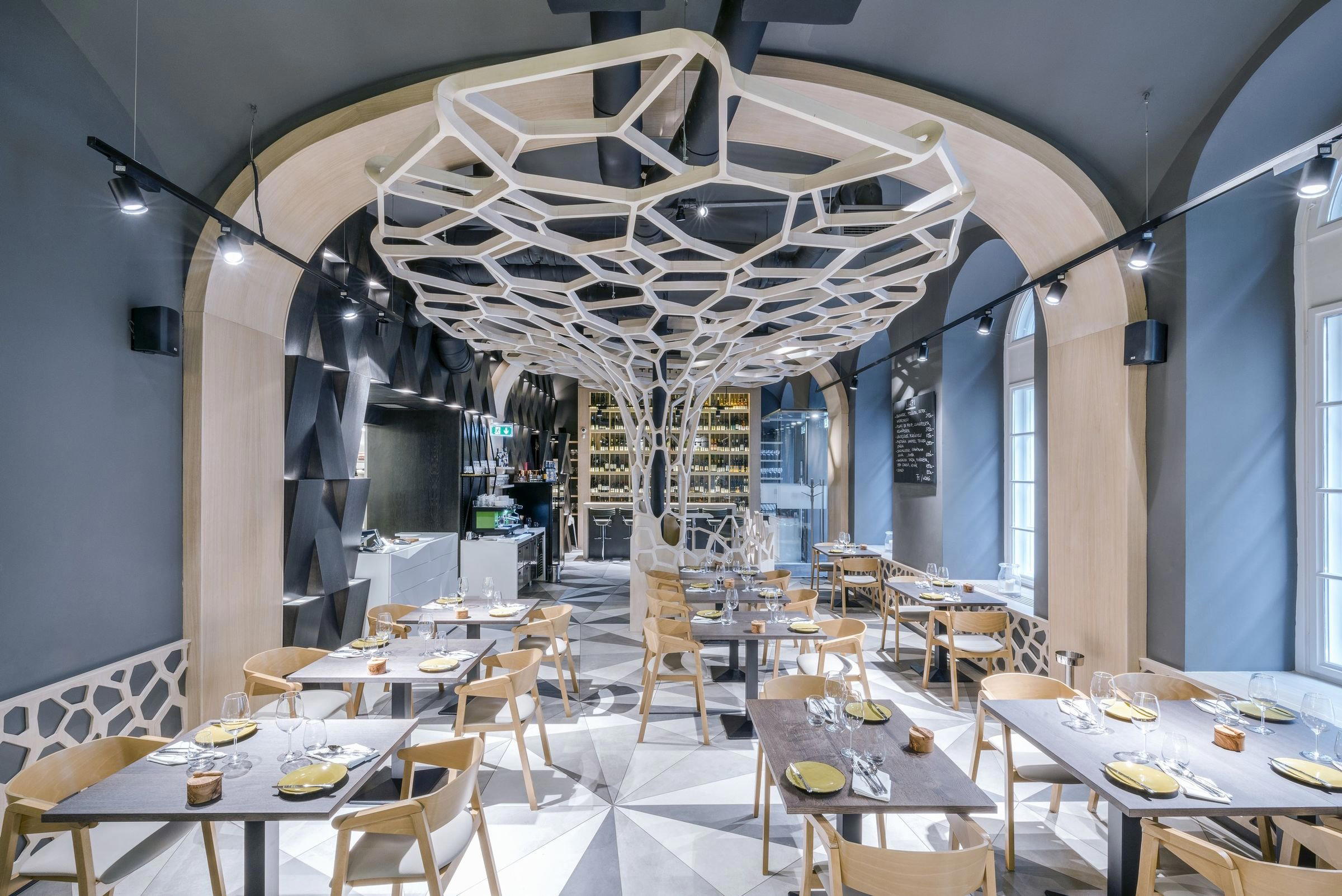
Restaurants in Budapest
All restaurants in Budapest →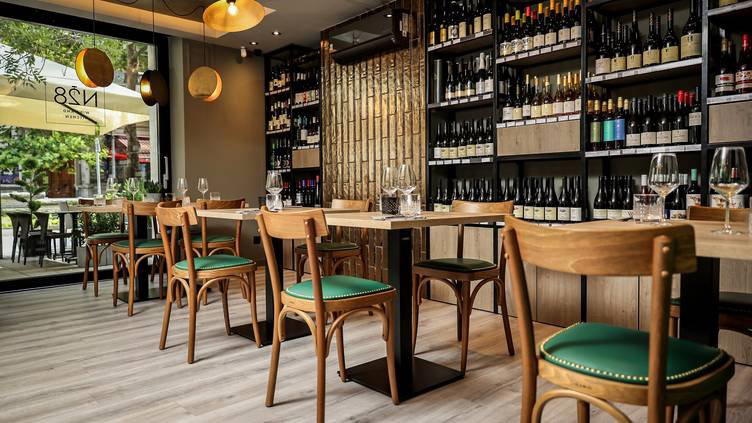
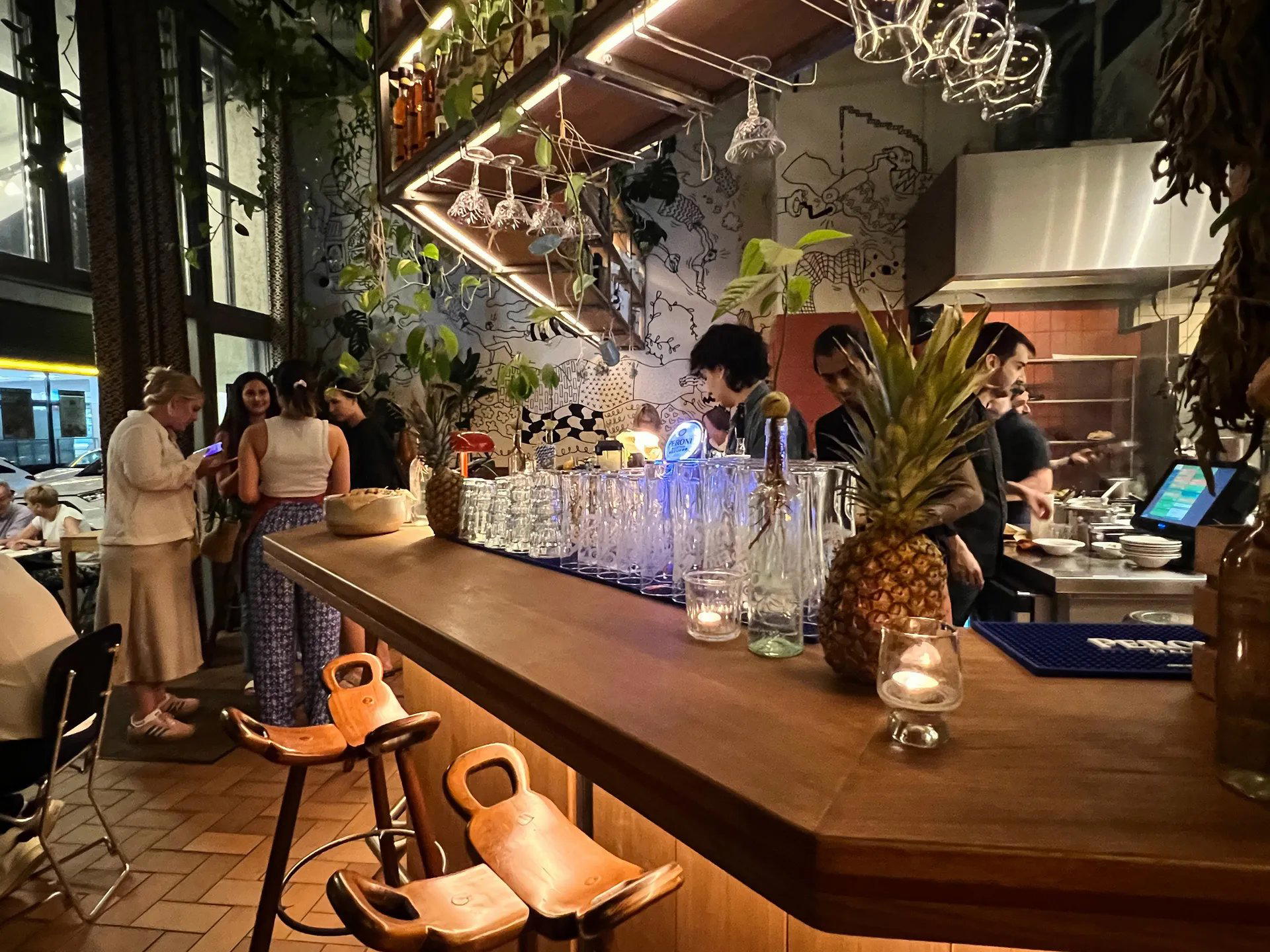
Bars in Budapest
All bars in Budapest →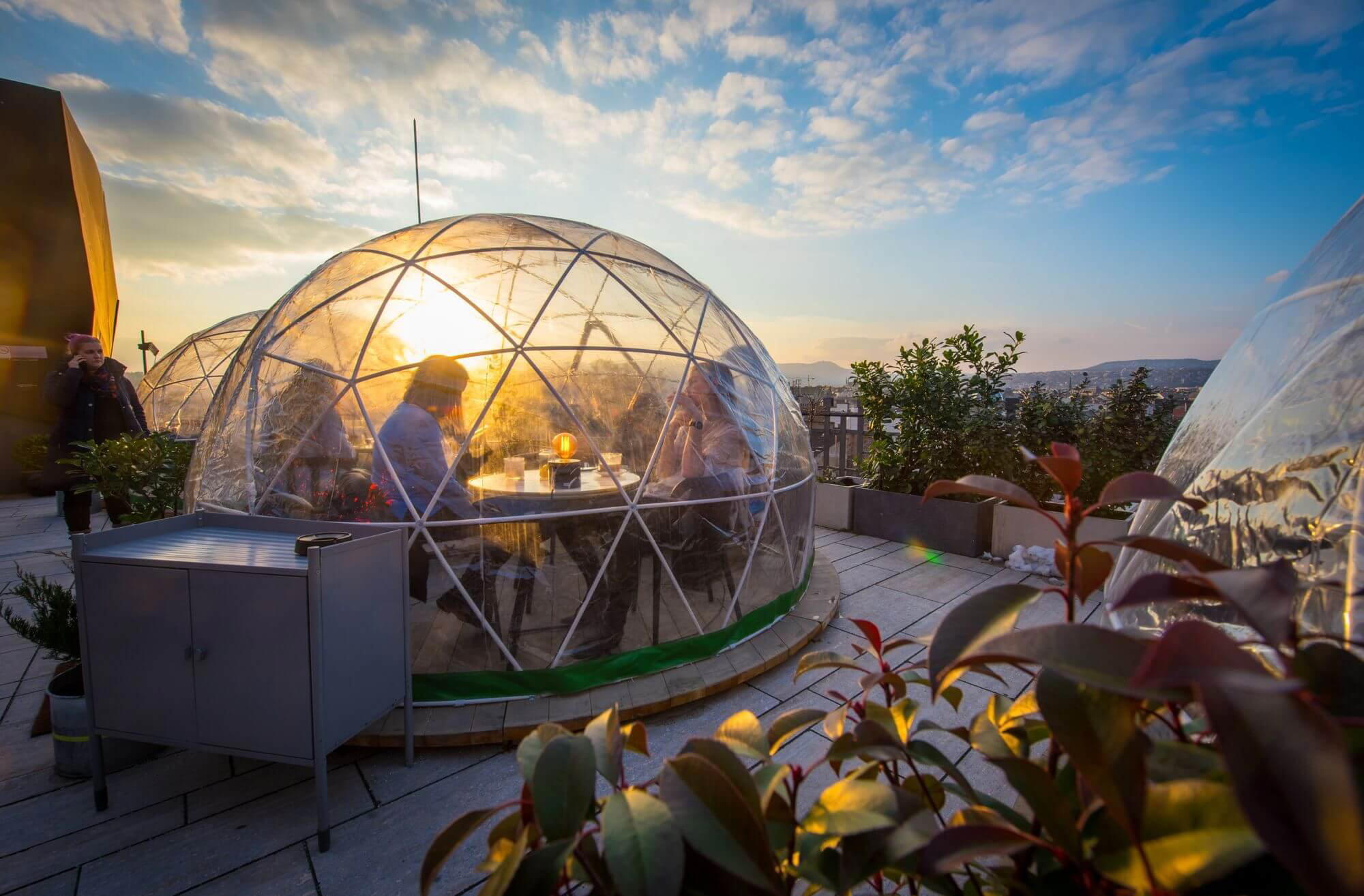

Details
- Cozy
- Intimate
- Date Night
- Group Dining
- Casual Hangout
- Terrace
- Courtyard
- Craft Cocktails
- Garden
- A La Carte
- Small Plates
- Wine
- Vegetarian Friendly
- Vegan Options
- Gluten Free Options
Current opening hours
- Monday
- 12 PM–12 AM
- Tuesday
- 12 PM–12 AM
- Wednesday
- 12 PM–12 AM
- Thursday
- 12 PM–12 AM
- Friday
- 12 PM–12 AM
- Saturday
- 12 PM–12 AM
- Sunday
- Closed
Hours can change for holidays and private events. Hours as of .
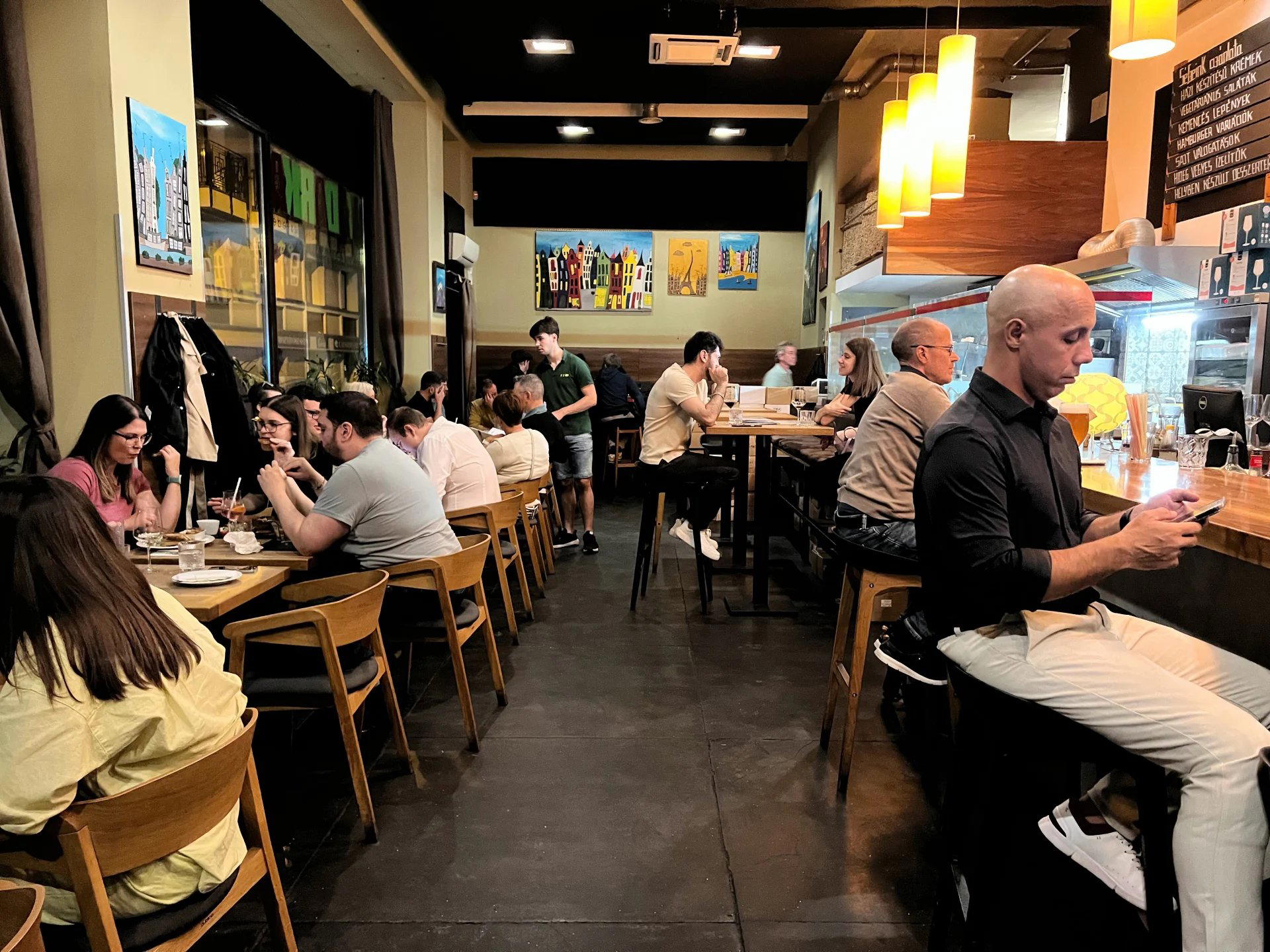
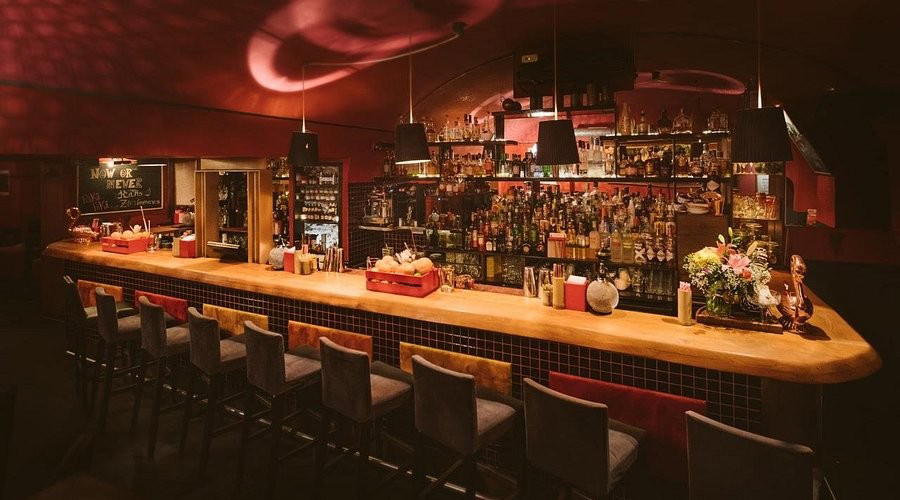
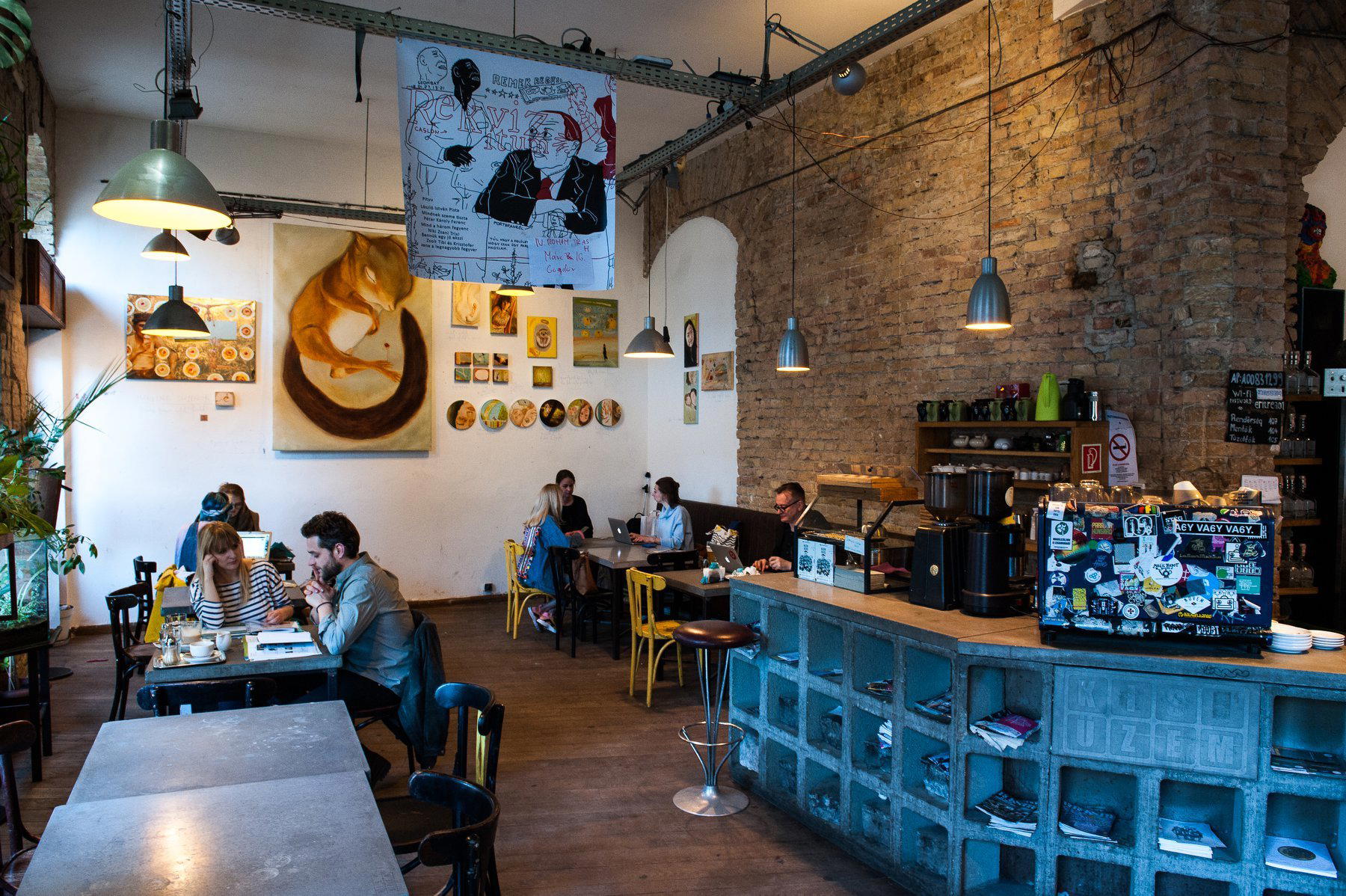
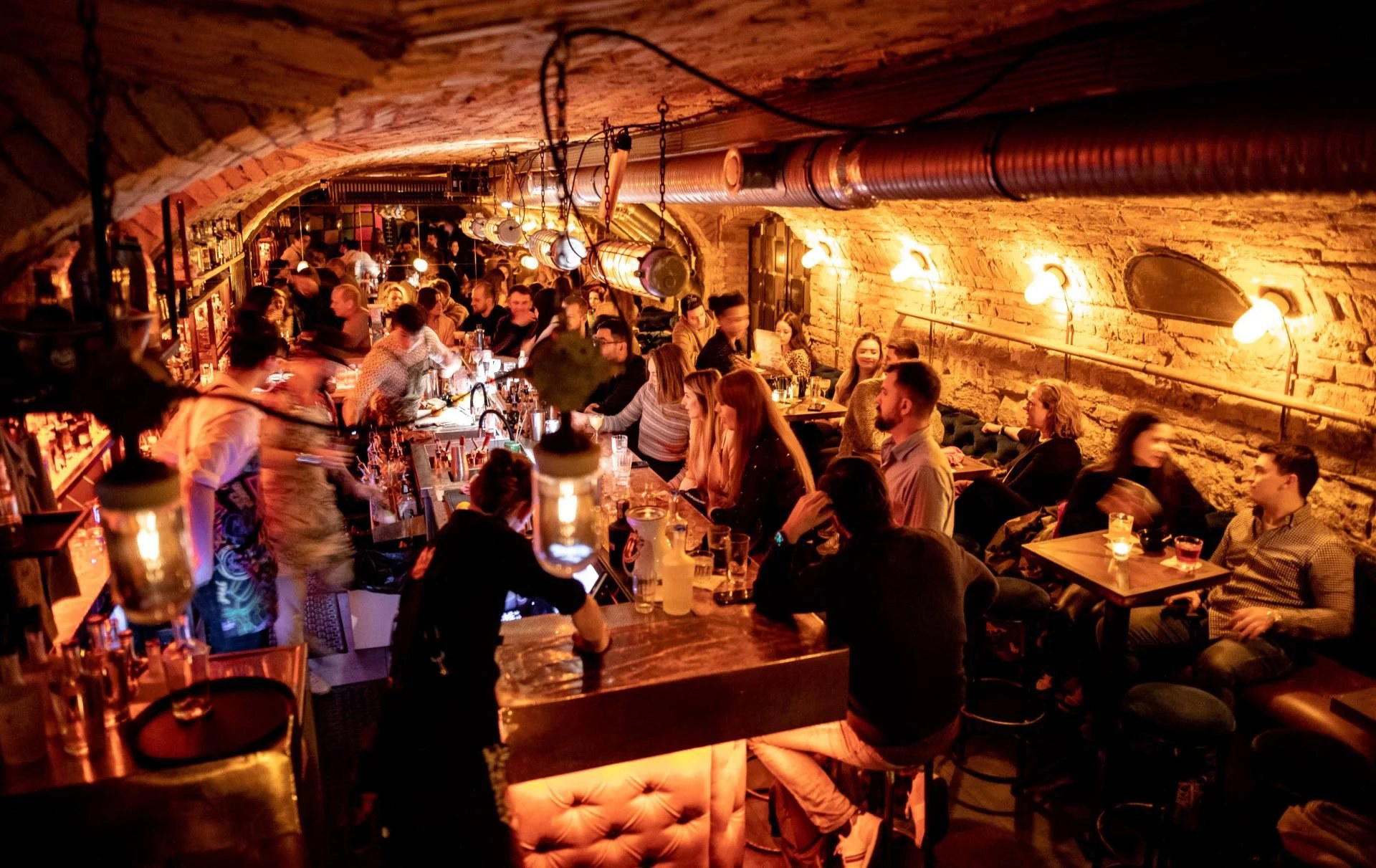
Relaxed and cozy courtyard atmosphere with string lights, blossoming oleanders, and a peaceful escape from urban bustle, praised for its pleasant and stylish setting.