Era Ora
Era Ora occupies a canal-facing address on Overgaden Neden Vandet in Copenhagen's Christianshavn quarter, where Italian fine dining has held ground for decades against the city's Nordic-forward restaurant culture. The dining room draws a loyal regular clientele whose repeat visits say more about consistency and depth than any single award. For those weighing Copenhagen's Italian options against the city's New Nordic dominance, Era Ora remains a reference point.
- Address
- Overgaden Neden Vandet 33B, 1414 København, Denmark
- Phone
- +45 32 54 06 93
- Website
- era-ora.dk
- Directions
- Get directions
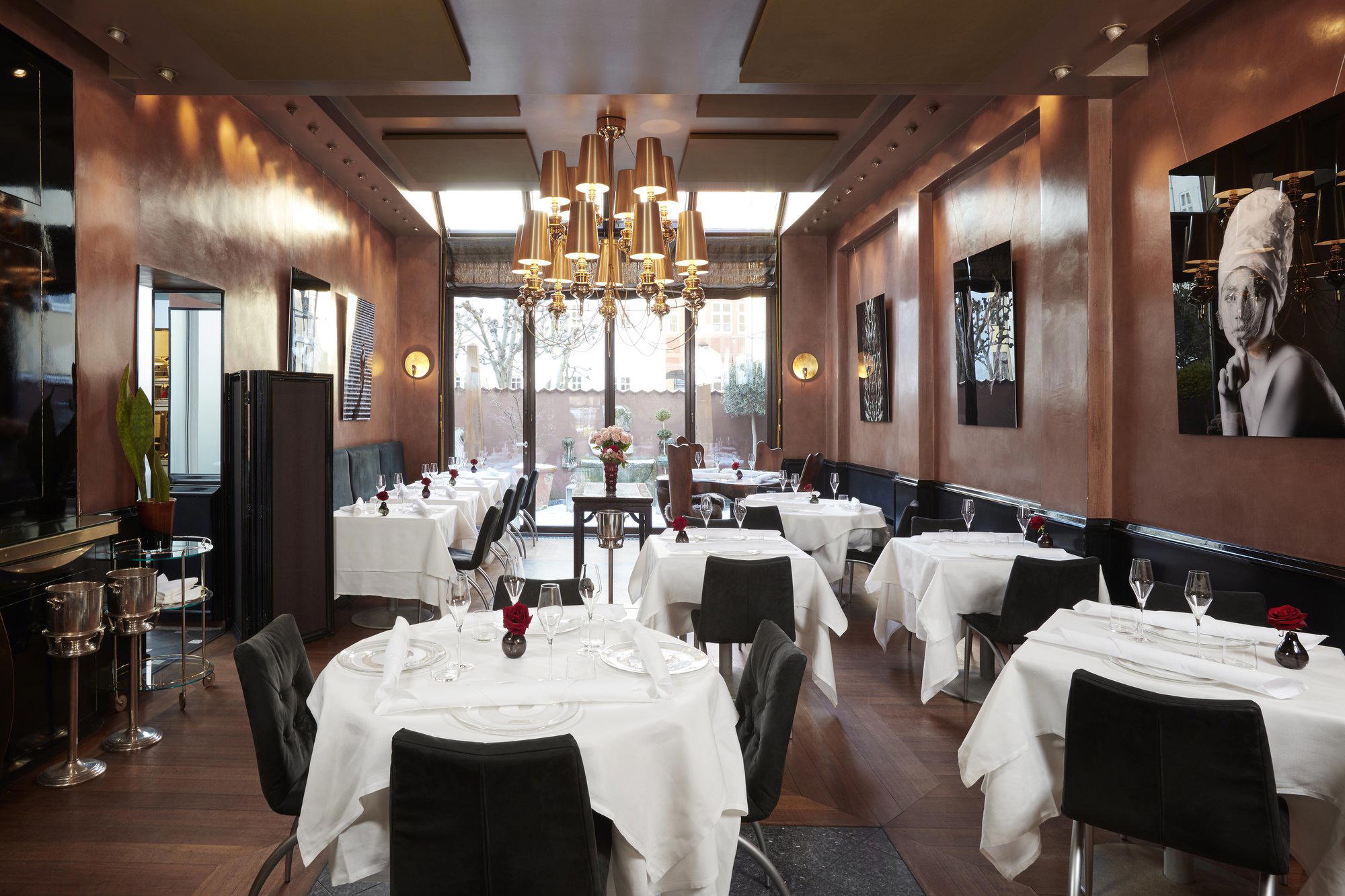
The Canal Side, the Cloth Napkins, and the Regulars Who Keep Coming Back
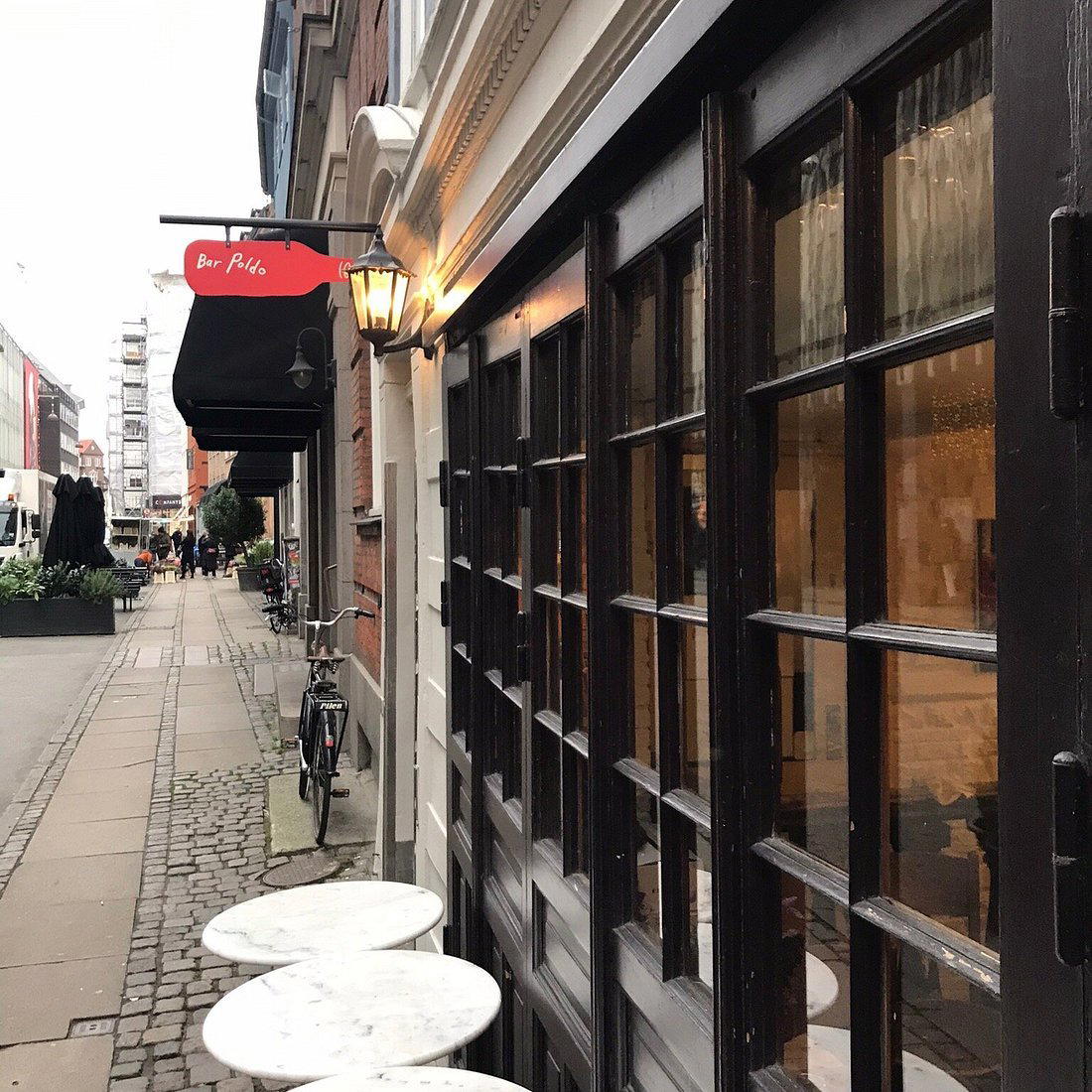
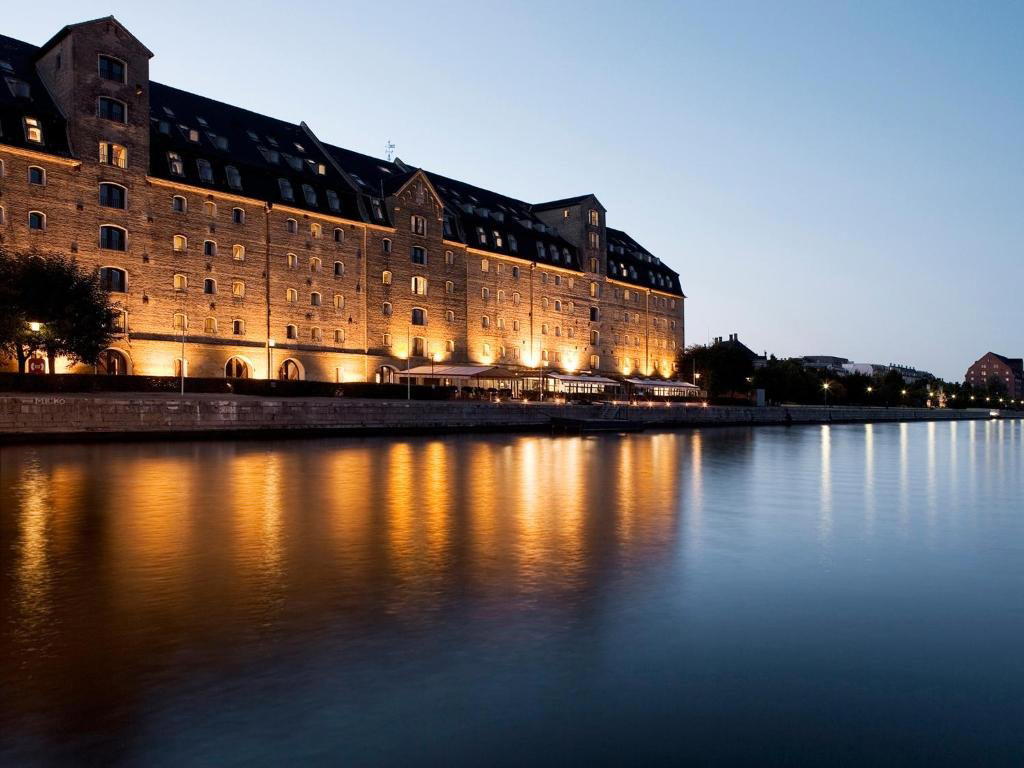
Christianshavn has its own rhythm inside Copenhagen. The canal at Overgaden Neden Vandet slows the city down; the low-slung buildings and water reflections give the neighbourhood a quieter register than the blocks around Strøget or the restaurant density of Vesterbro. Era Ora sits along this stretch, and the address itself signals something about the restaurant's relationship to the city: it is not positioned to catch foot traffic or tourist overflow. The people who dine here have, generally, been here before.
That regulars-led dynamic shapes the experience in ways that single-visit reviews tend to underweight. The pacing feels calibrated to guests who are not in a hurry and do not need the menu explained from first principles. The room operates with the settled confidence of a place that has run its format long enough that the format itself has become the point.
Italian Fine Dining in a New Nordic City
To understand Era Ora's position in Copenhagen, it helps to map the competitive field it operates against. The city's global dining reputation has been built almost entirely on Nordic produce and technique: Geranium and the influence of Noma pulled international attention toward foraged ingredients, fermentation, and a kind of deliberate locality that made Copenhagen synonymous with New Nordic. Alchemist extended that logic into something more theatrical; Kadeau and Koan represent the ongoing evolution of the form.
Era Ora does not operate in that register at all. Italian fine dining in a Nordic capital is a different proposition: it draws on a culinary tradition that predates New Nordic by centuries, competes on depth of wine knowledge and ingredient sourcing rather than conceptual novelty, and tends to attract a guest who is looking for something other than a manifesto. In Copenhagen specifically, that makes Era Ora something of a counterpoint to the dominant narrative, which is itself a kind of positioning. Regulars return not in spite of the restaurant's remove from trend cycles but partly because of it.
What the Regulars Know
The unwritten menu at any long-running fine dining restaurant is the one assembled from institutional knowledge: the sommelier who remembers your preferences without being asked, the kitchen's willingness to extend or compress a tasting format based on the table's rhythm, the dishes that appear on the regular menu as a matter of course but that returning guests navigate with more confidence than first-timers. These are the features of a dining relationship rather than a dining transaction.
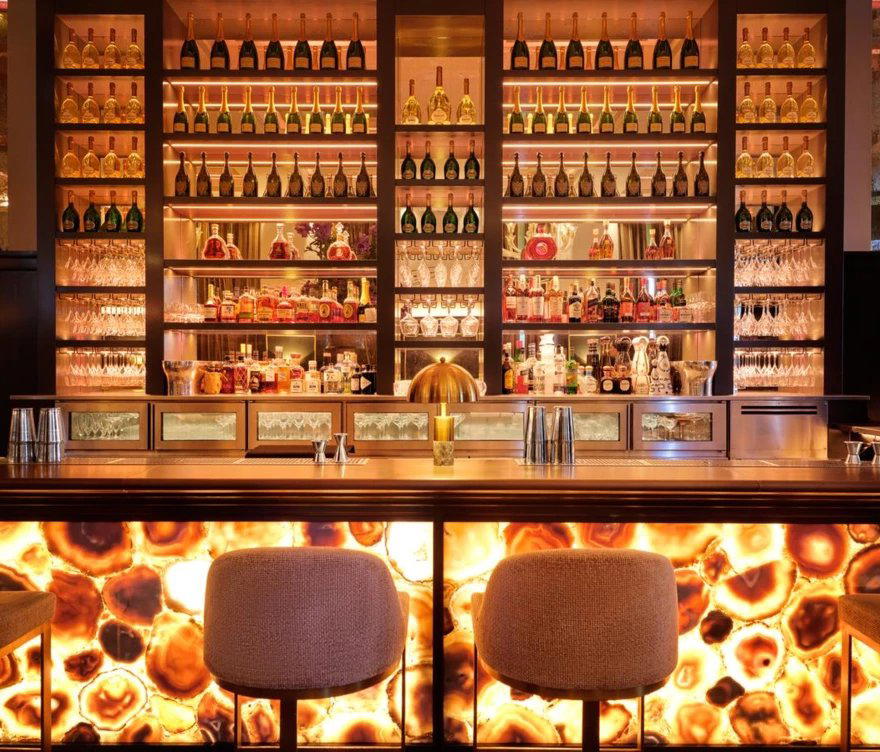
At a restaurant like Era Ora, where Italian regional cooking meets formal Scandinavian service culture, that relationship tends to centre on the wine list. Italian fine dining at this level in any European city prioritises the cellar as a core differentiator: Barolo, Brunello, and Amarone at age, Super Tuscans in depth, and the kind of range that rewards guests who arrive with specific regional preferences rather than a general request for red. A sommelier-led conversation about the wine direction before the food order is placed is standard practice in this tier, and it is the element of the experience that regulars most frequently return for.
The food itself follows the logic of northern Italian tradition interpreted for a Scandinavian context: pasta made in-house, protein courses built on sourcing rather than spectacle, and a pacing that treats the meal as the evening's primary activity rather than a prelude to something else. This is a format that rewards patience and penalises people who are looking for excitement in the conventional sense.
Christianshavn as Context
The neighbourhood matters here in a way it might not for a restaurant in a denser dining district. Christianshavn is one of Copenhagen's older quarters, and Overgaden Neden Vandet specifically runs along the canal that separates it from the rest of the city. The walk from the nearest metro station takes guests past the Church of Our Saviour's spire and along streets that feel residential rather than commercial. By the time you arrive at the restaurant's address, the city's more frenetic dining energy has been left behind.
This geographic remove is not incidental to the restaurant experience. It shapes who comes, how they arrive, and what they expect. Regulars plan around it; first-timers often discover that the journey itself recalibrates their expectations before they reach the door. For comparison, Copenhagen's other serious Italian or Mediterranean-inflected options tend to cluster in more central or more obviously fashionable locations. The restaurant's Christianshavn address is, in that sense, a statement about the kind of evening on offer.
For those building a broader Copenhagen itinerary, the city's Michelin-recognised options extend well beyond the capital: Jordnær in Gentofte, Frederikshøj in Aarhus, Henne Kirkeby Kro in Henne, Frederiksminde in Præstø, Ti Trin Ned in Fredericia, Dragsholm Slot Gourmet in Hørve, LYST in Vejle, Tri in Agger, Pearl by Paul Proffitt in Kruså, and Syttende in Sønderborg. The full picture is covered in our Copenhagen restaurants guide.
Planning a Visit
The restaurant sits at Overgaden Neden Vandet 33B in Christianshavn, reachable by metro to Christianshavn station followed by a short walk along the canal. The restaurant's format and longevity place it in the formal fine dining tier, where bookings should be made in advance and the evening should be treated as a three-hour commitment rather than a flexible one. Guests arriving with specific Italian wine interests are advised to signal those preferences when booking or on arrival, as the cellar depth at restaurants in this tier is leading navigated through conversation rather than the printed list alone. The restaurant is not a drop-in venue; it is the kind of place where the experience scales with the preparation you bring to it.
For international reference points, the format the restaurant occupies, long-running Italian fine dining with a serious cellar in a non-Italian city, sits in the same broad category as Le Bernardin in New York City in terms of institutional weight and repeat-guest culture, though the cuisine traditions differ considerably. The closest analogue in terms of format investment and regular-guest dynamics among American comparisons might be Lazy Bear in San Francisco, where the communal commitment to the format is itself part of what guests are buying.
Cuisine and Credentials
Comparable venues nearby, for context on price, style, and recognition.
| Venue | Cuisine | Price | Notes |
|---|---|---|---|
| Era OraThis venue — the venue you are viewing | Modern Italian Fine Dining | $$$$ | Not listed |
| Cecconi's Copenhagen | Northern Italian with Seafood | $$$$ | Indre By |
| Restaurant UVA | Modern Italian | $$$ | Indre By |
| Grønbech Churchill | Innovative Nordic Fine Dining | $$$$ | Indre By |
| Hos Fischer | Authentic Roman Trattoria | $$ | Østerbro |
| DILLON | Artisanal Italian Gelato | $$ | Østerbro |
Continue exploring
More in Copenhagen
Restaurants in Copenhagen
Browse all →
Bars in Copenhagen
Browse all →
At a Glance
- Romantic
- Elegant
- Sophisticated
- Intimate
- Classic
- Date Night
- Business Dinner
- Special Occasion
- Celebration
- Wine Cellar
- Historic Building
- Courtyard
- Terrace
- Extensive Wine List
- Sommelier Led
- Local Sourcing
- Waterfront
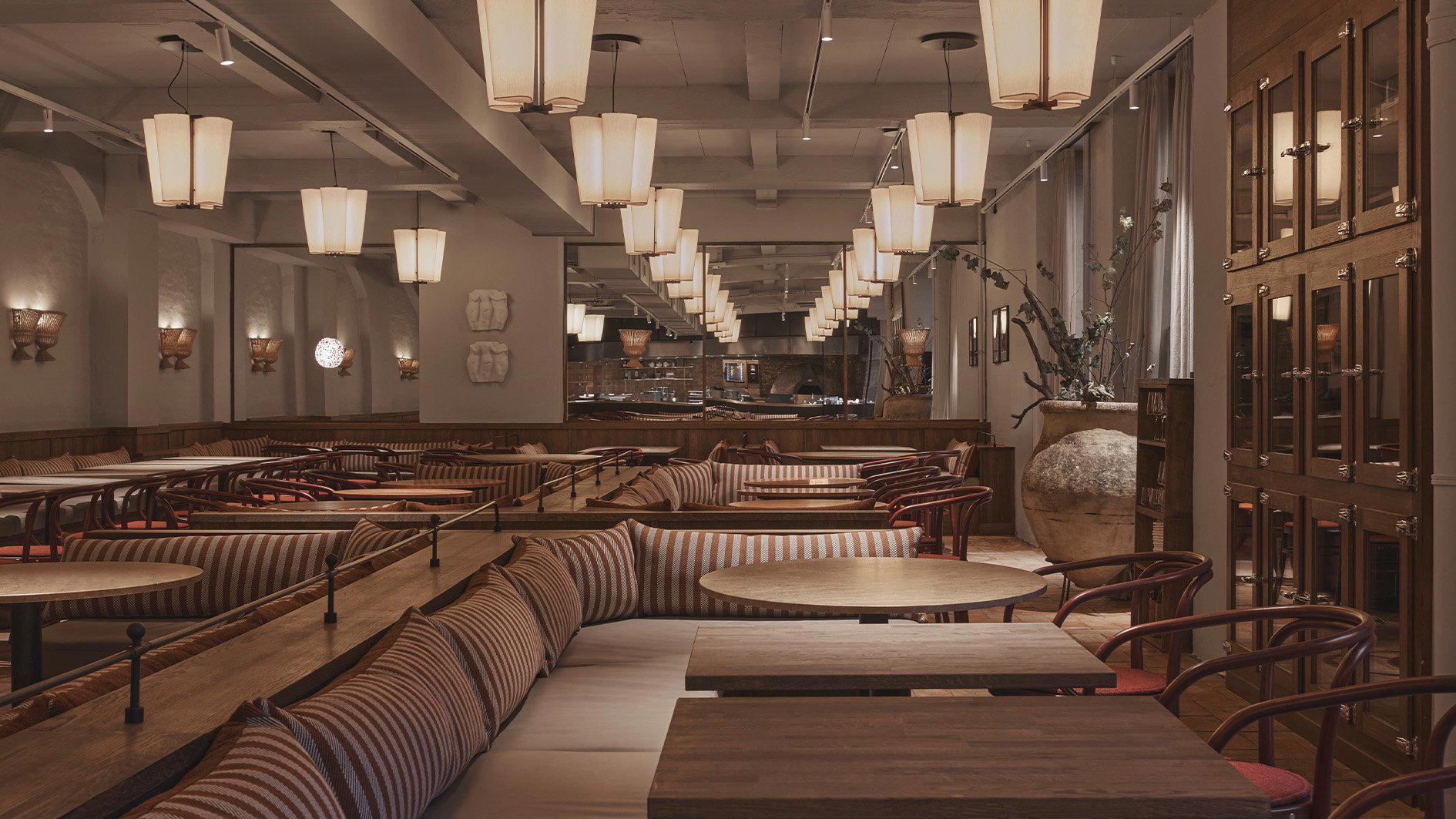
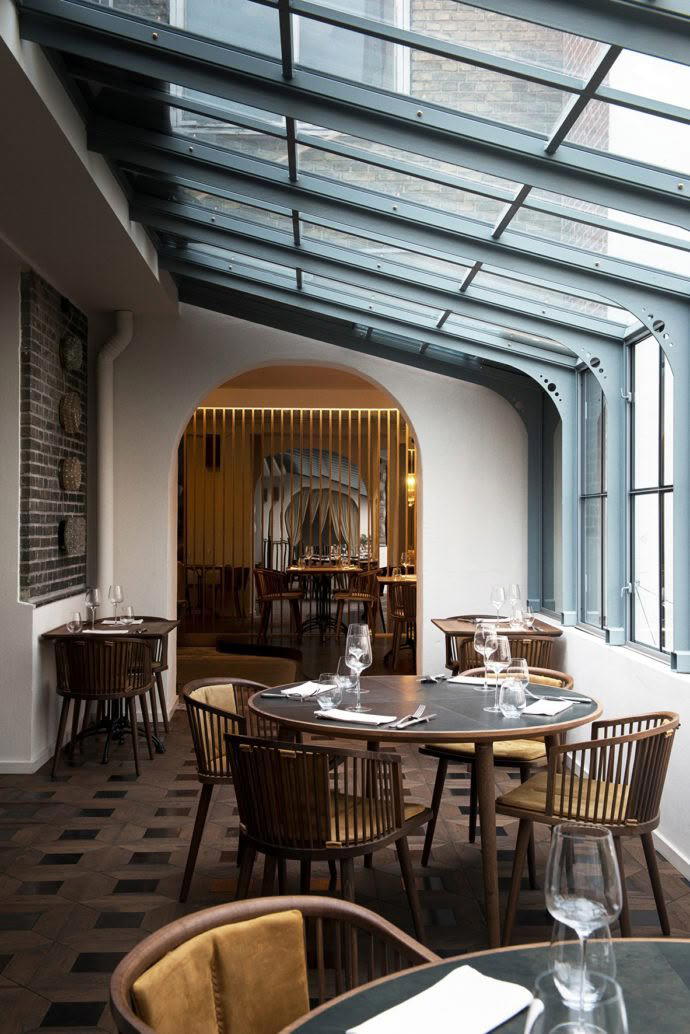
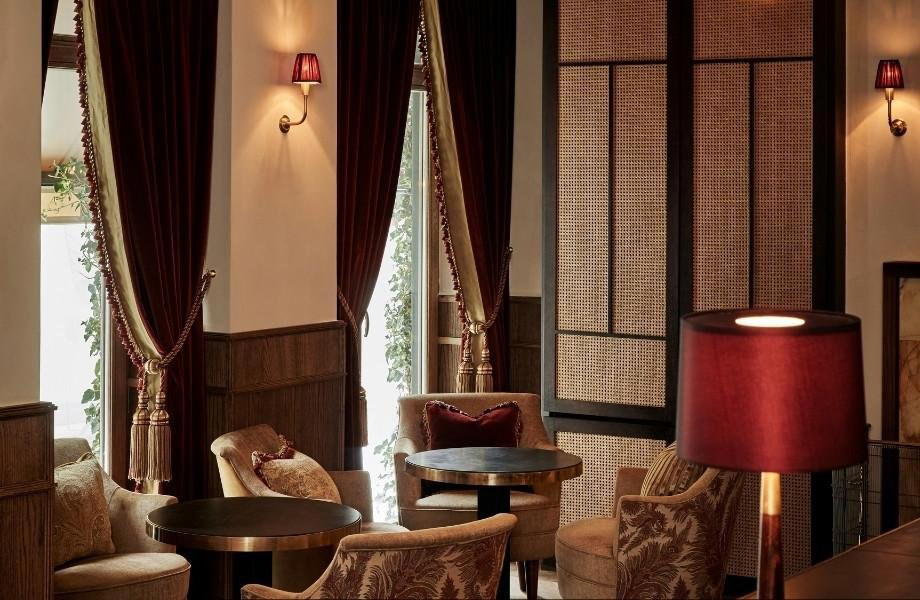
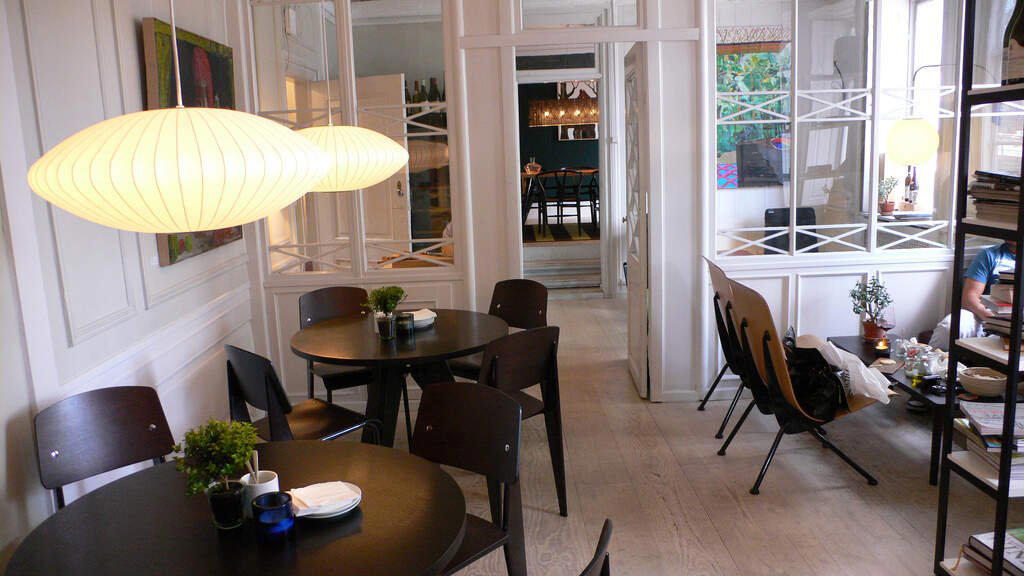
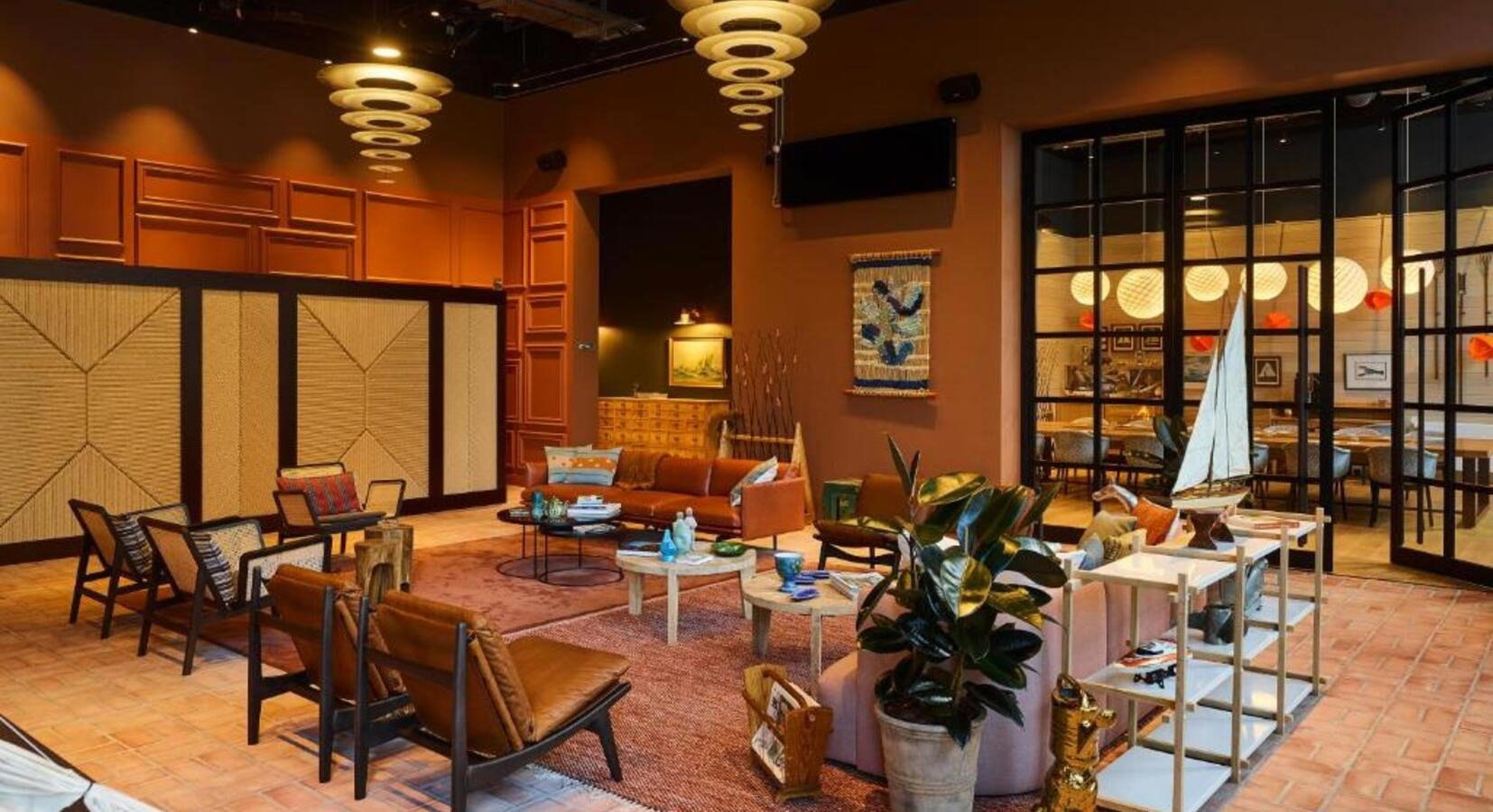
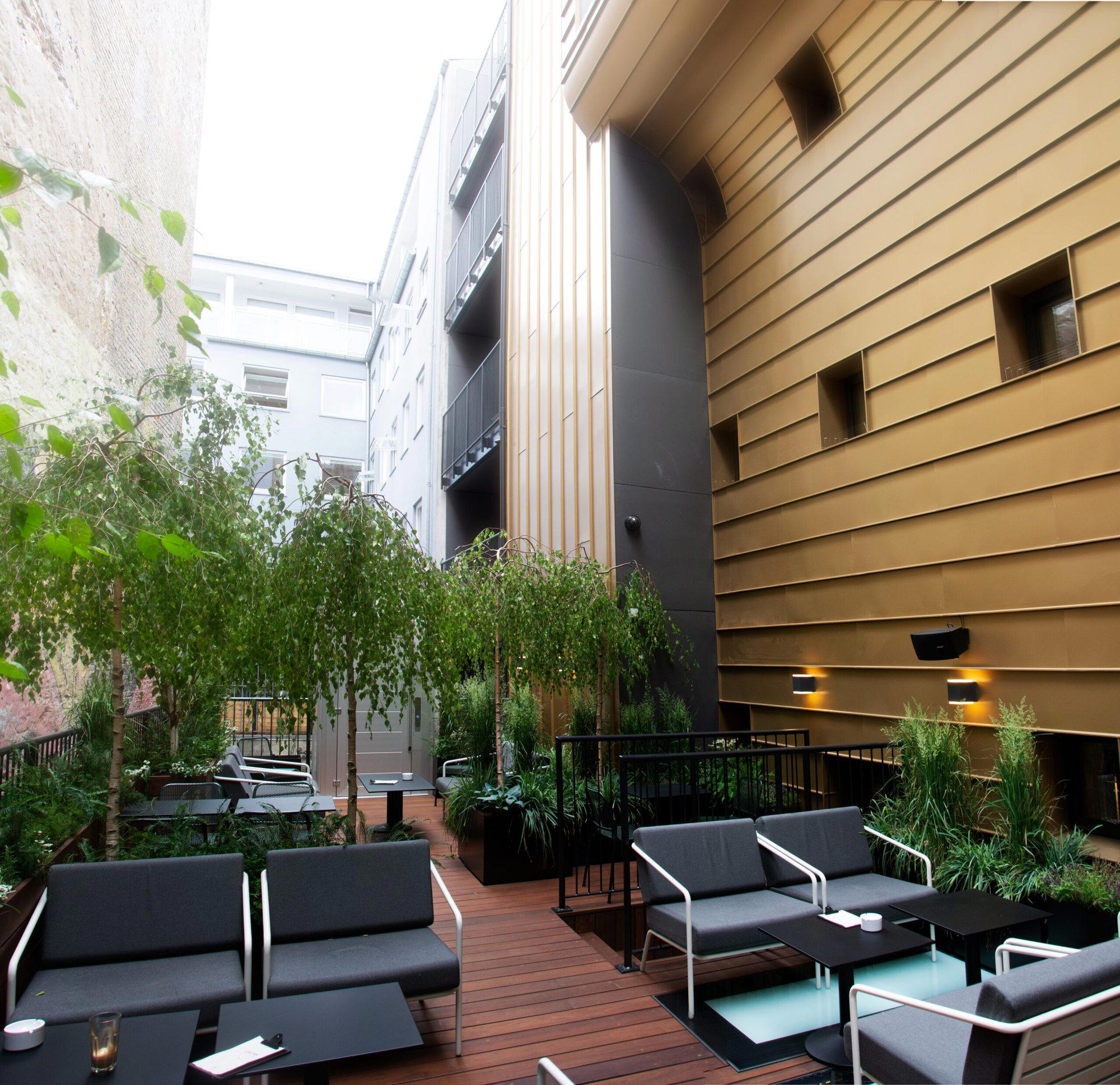
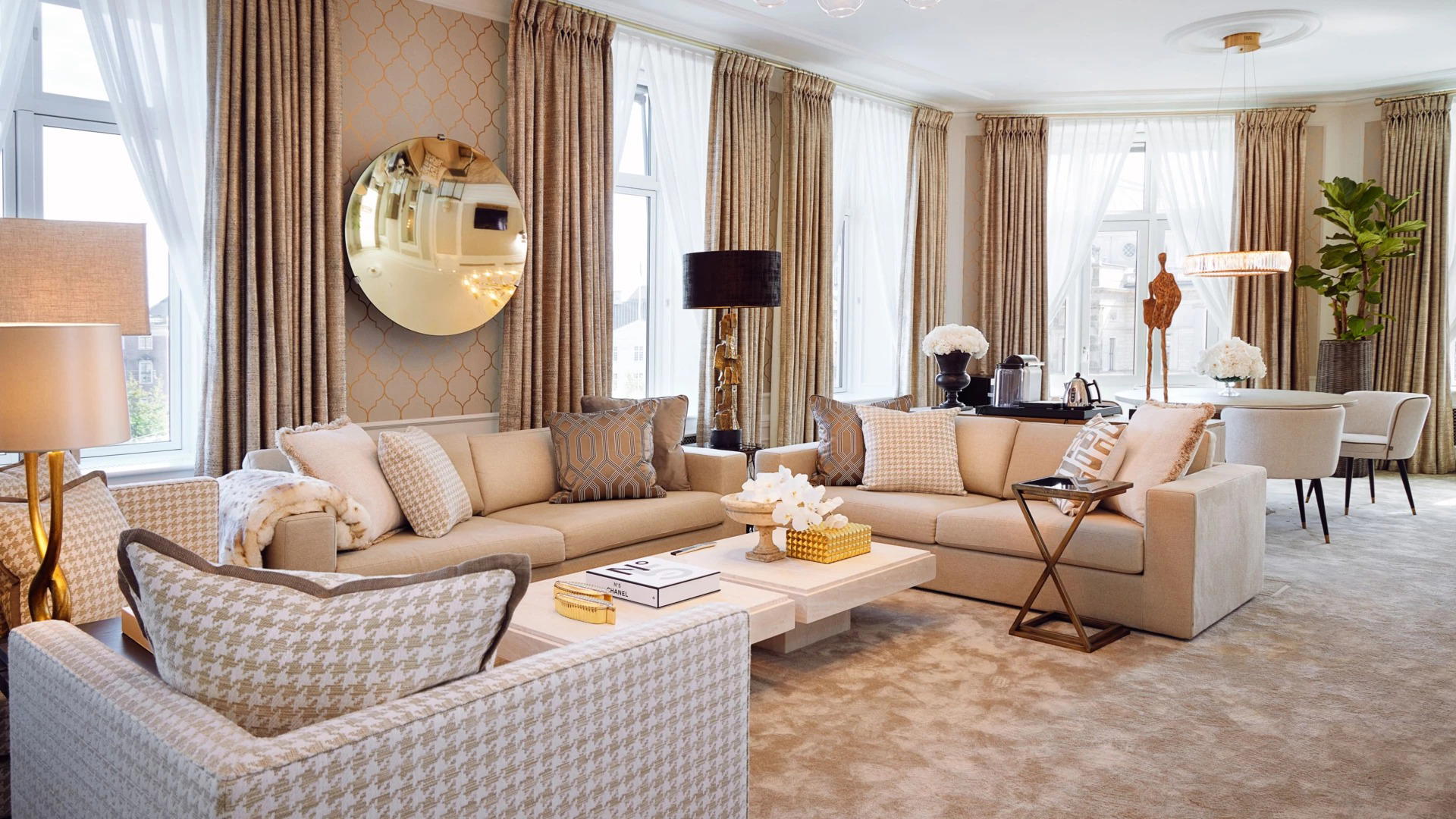
Warm terracotta walls with earthy Tuscan-inspired colors, high-ceilinged rooms decorated with moon-shaped lamps and Galileo Galilei lunar eclipse murals, creating a romantic and cosmic yet elegant atmosphere.