Grønbech Churchill
Our verdict
On Amaliegade, a short walk from the royal palace quarter, Grønbech Churchill occupies a considered position in Copenhagen's fine dining conversation, close in postcode to the grand institutional restaurants but operating with the quieter confidence of a place that earns its reputation through the plate rather than the press release. For visitors plotting a serious meal in the Danish capital, it belongs on the same planning list as the city's Michelin-decorated heavyweights.
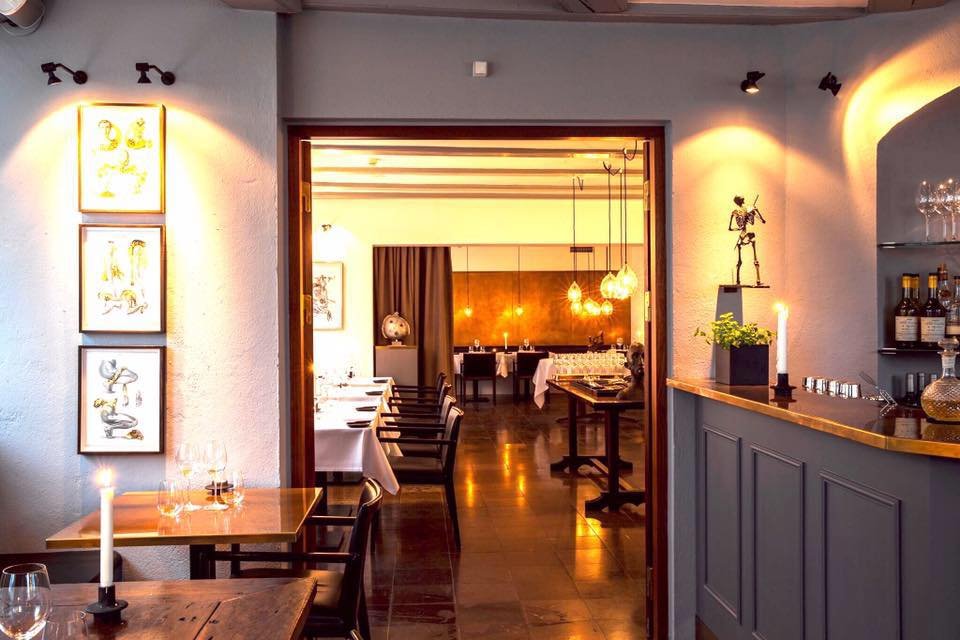
A Street That Sets Expectations
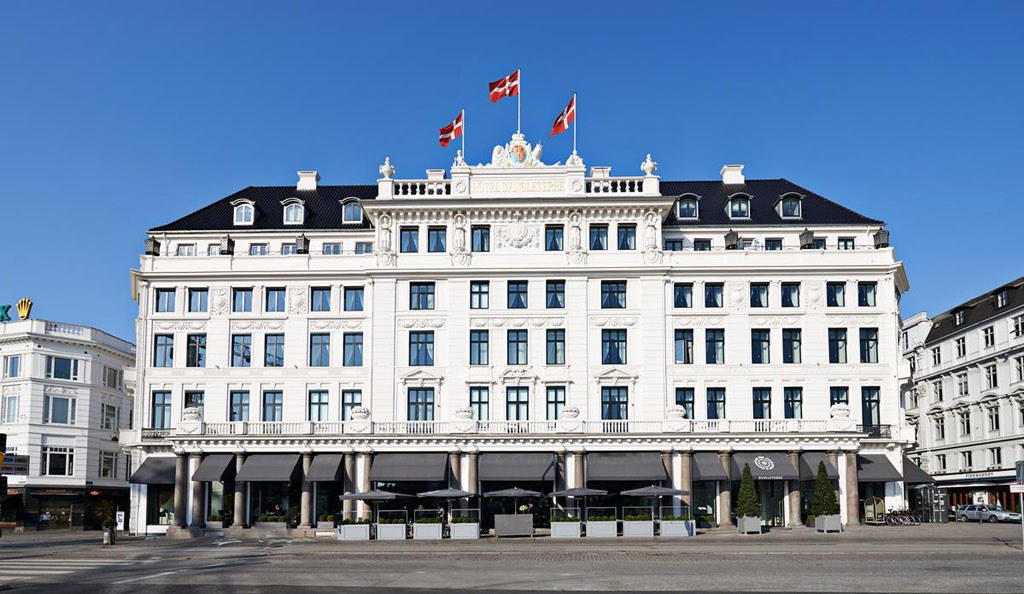
Amaliegade runs through one of Copenhagen's most composed corners: the neoclassical grid between Nyhavn's canal and the Amalienborg palace square, where the architecture is measured, the proportions generous, and the general atmosphere several degrees quieter than the tourist-facing waterfront a few hundred metres east. Restaurants that choose this address tend to share a certain sensibility, they are not competing for foot traffic. Grønbech Churchill, at number 49, fits that logic. The street signals intent before the door opens.
Copenhagen's fine dining scene has spent the past two decades under pressure to define itself against the long shadow of Noma and the generation of New Nordic kitchens that followed. The dominant critical narrative, foraged ingredients, fermented everything, austere plating on slate and bark, has been so thoroughly exported that it now reads almost as caricature abroad. What it obscures is the quieter, more classically grounded strand of Copenhagen cooking that has always run alongside it: kitchens more interested in the French and Nordic synthesis than in the manifesto, more focused on the discipline of sauce and heat than on the theatre of the forage. Grønbech Churchill belongs to that tradition.
Where the Cultural Roots Sit
Danish fine dining did not emerge from a culinary vacuum in 2004. The country has a long-standing culture of serious table craft, husmanskost traditions, a respect for cold-water fish and root vegetables, and a hospitality sensibility shaped by generations of formal European training. The post-Noma conversation sometimes obscures this, but the better Copenhagen kitchens have always drawn from both wells: the rigour of classical French technique and the specificity of Nordic produce.
That dual inheritance matters when reading a restaurant like Grønbech Churchill against its peers. Geranium, which holds three Michelin stars, represents the most technically demanding expression of this synthesis, multi-course, ingredient-obsessive, internationally recognised. Alchemist has taken the theatrical end of progressive Nordic to its logical extreme with its 50-course immersive format. Koan adds a Japanese kaiseki structure to the Nordic ingredient framework. Kadeau anchors its identity in Bornholm's seasonal produce. Each represents a distinct answer to the same broad question of what Danish fine dining should mean in 2025.
Grønbech Churchill's answer, from what is publicly documented about its positioning, appears to sit closer to the classical-formal end of that spectrum than to the progressive-experimental one, a kitchen where the point is the cooking, not the concept.
The Copenhagen Fine Dining Tier and Where This Kitchen Fits
The city's serious restaurant tier has become more stratified over the past decade. At one extreme sit the internationally booked destination restaurants, Geranium, Alchemist, where reservations are planned months out and per-head spend comfortably exceeds €300 with wine. Below that sits a dense, competitive middle tier of Michelin-starred and Michelin-adjacent tables where most of the city's serious cooking actually happens, week in and week out, for a narrower but loyal local and international clientele. Grønbech Churchill's Amaliegade address and the level of attention it draws places it in this middle-to-upper tier.
Beyond Copenhagen, the broader Danish fine dining picture extends into the regions with considerable depth. Jordnær in Gentofte, just north of the city, has earned a strong Michelin reputation. Further afield, Frederikshøj in Aarhus, Henne Kirkeby Kro on the west coast of Jutland, Frederiksminde in Præstø, Ti Trin Ned in Fredericia, Dragsholm Slot Gourmet, LYST in Vejle, Tri in Agger, Pearl by Paul Proffitt in Kruså, and Syttende in Sønderborg collectively demonstrate that serious Nordic cooking is not a Copenhagen monopoly. For visitors treating Denmark as a dining destination rather than just a city stop, the regional picture is worth the research. Our full Copenhagen restaurants guide maps the city tier in more detail.
Seasonal Timing and the Nordic Table
The rhythm of serious Nordic kitchens follows the agricultural and marine calendar more faithfully than almost any other European cooking tradition. The transition from late autumn's preserved and cured preparations into spring's first brassicas and coastal catches marks a genuine shift in what these kitchens can do, not a marketing gesture. Danish summer, from June through August, brings the most varied produce window: new-season vegetables, the North Sea in its most generous mood, daylight that runs well past 10pm and changes the entire character of an evening table. Autumn, by contrast, is game and root season, darker in every sense, when the cooking tends toward more weight and depth.
For a restaurant on Amaliegade, seasonal sensitivity is not optional, it is structurally built into what the Nordic kitchen tradition demands of its cooks. Visitors timing a Copenhagen trip around a serious meal should factor this in. A table in May or June, or again in September when autumn produce begins, will encounter the kitchen at its most expressive. Booking well in advance for those windows is standard practice across the city's serious restaurants.
Planning a Visit
Amaliegade 49 is direct to reach on foot from central Copenhagen: the route from Kongens Nytorv metro station takes under ten minutes through the palace quarter, past Amalienborg and down toward the waterfront. For visitors combining a meal here with the broader city, the address clusters naturally with an afternoon at the Design Museum or a walk along the Kastellet ramparts. The neighbourhood restaurant density is lower than in Vesterbro or the Latin Quarter, which means Grønbech Churchill is less likely to be stumbled upon by accident and more likely to be chosen deliberately by someone who already knows what they are looking for.
For comparative purposes internationally, the sensibility here maps onto what you find at a certain tier of European classical-Nordic hybrid kitchens, closer in spirit to the quiet authority of Le Bernardin in New York (in its commitment to craft over spectacle) than to the format-driven experiences at venues like Lazy Bear in San Francisco, though the cooking traditions are obviously distinct.
Frequently asked questions
What should I order at Grønbech Churchill?
Grønbech Churchill's menu is not publicly detailed in ways that make specific dish recommendations possible here, and named dishes change with season and kitchen direction in any serious Nordic kitchen. As a general principle at this address tier in Copenhagen, cold-water fish preparations and any dish built around preserved or fermented components are likely to show the kitchen's range most clearly. For current menu specifics, the restaurant's own communication channels are the reliable reference point. Cross-referencing with recent coverage in Danish food press will give the most accurate picture of where the kitchen is focused in the current season.
How hard is it to get a table at Grønbech Churchill?
In Copenhagen's serious restaurant tier, availability correlates closely with Michelin recognition and international media exposure. Restaurants at the decorated end of the spectrum, Geranium, Alchemist, book out months in advance and require planning on the order of a hotel reservation for a peak-season city. A restaurant of Grønbech Churchill's profile, positioned in the serious but less globally marketed tier, typically offers more realistic lead times, often four to six weeks for a standard weekend table, though peak season (June through August and the December holiday period) tightens that window considerably. Checking availability directly, and being flexible on day of week, gives the leading odds.
Is Grønbech Churchill suitable for a special occasion dinner, and how does it compare to Copenhagen's more theatrical fine dining formats?
Copenhagen's fine dining spectrum now runs from the intimate and technically focused to the overtly theatrical, Alchemist's 50-course immersive format and Koan's kaiseki-Nordic hybrid sit at the high-concept end, while a restaurant of Grønbech Churchill's address and apparent sensibility suggests a quieter, cooking-led experience more appropriate for a celebratory dinner where conversation matters as much as spectacle. The Amaliegade setting, away from the tourist-facing parts of the city, reinforces that positioning. For a special occasion where the focus is on the food and the table rather than the production, this profile of restaurant tends to deliver more reliably than high-concept formats built around theatrical effect.
Comparable Options
A compact comparison to help you place this venue among nearby peers.
| Venue | Cuisine | Price | Awards | Notes |
|---|---|---|---|---|
| Grønbech ChurchillThis venue (the venue you are viewing) | Innovative Nordic Fine Dining | Not listed | Not listed | Not listed |
| Geranium | Modern New Nordic Pescatarian | $500+ | 3 Michelin Stars · World's 50 Best #1 | New Nordic, Creative |
| Noma | New Nordic Fine Dining | $300–500 | 3 Michelin Stars · World's 50 Best #1 | Creative |
| Alchemist | Avant-Garde Molecular Gastronomy with Social Commentary | $500+ | 2 Michelin Stars · World's 50 Best #5 | Progressive, Creative |
| Koan | Modern Korean-Nordic Fine Dining | $300–500 | 2 Michelin Stars · World's 50 Best #91 | New Nordic, Kaiseki, Creative |
| a|o|c | Modern Scandinavian Fine Dining | $300–500 | 2 Michelin Stars · La Liste Top Restaurants | New Nordic, Mediterranean Small Plates, Creative |
Continue exploring
More in Copenhagen
Restaurants in Copenhagen
All restaurants in Copenhagen →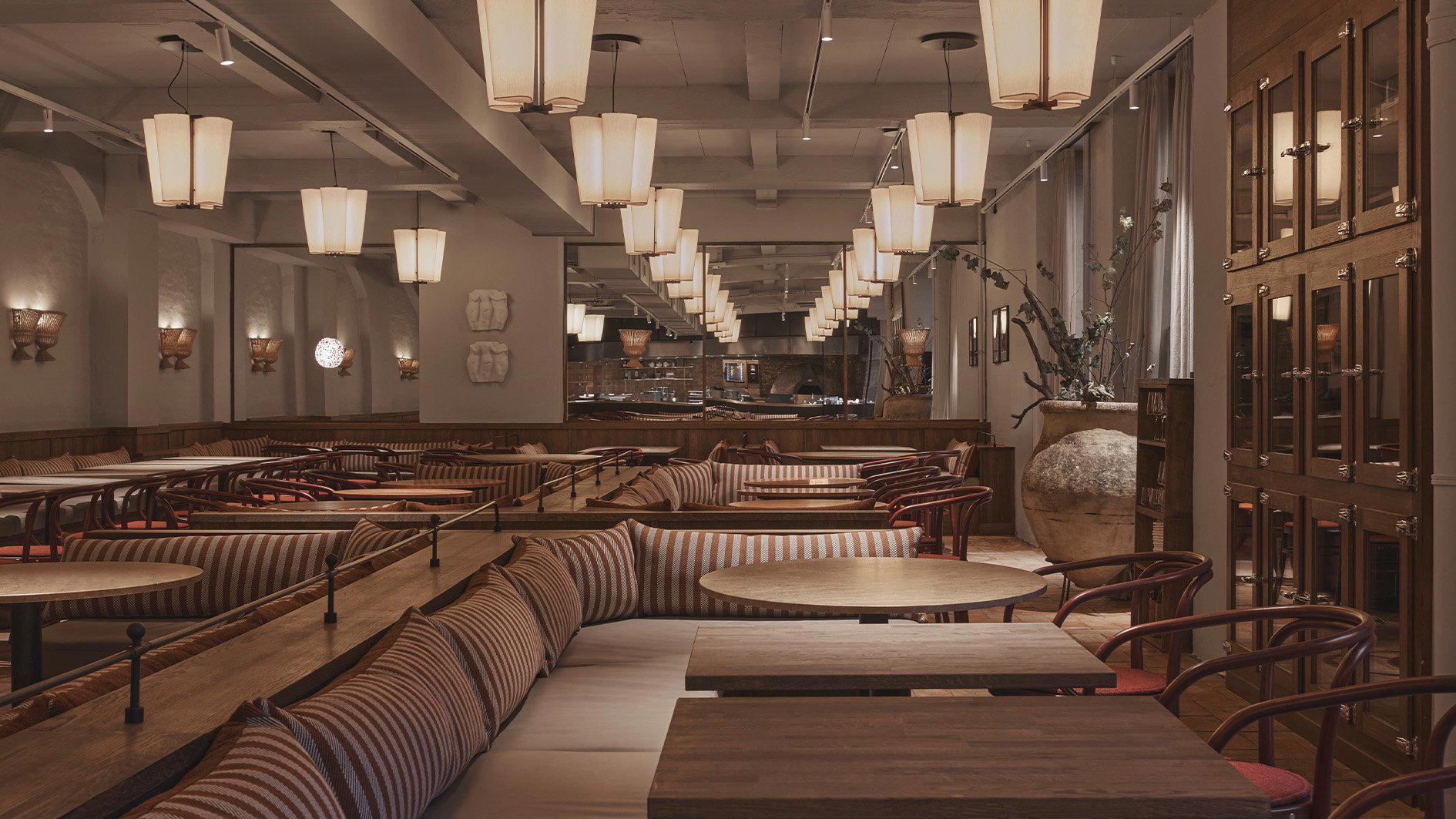
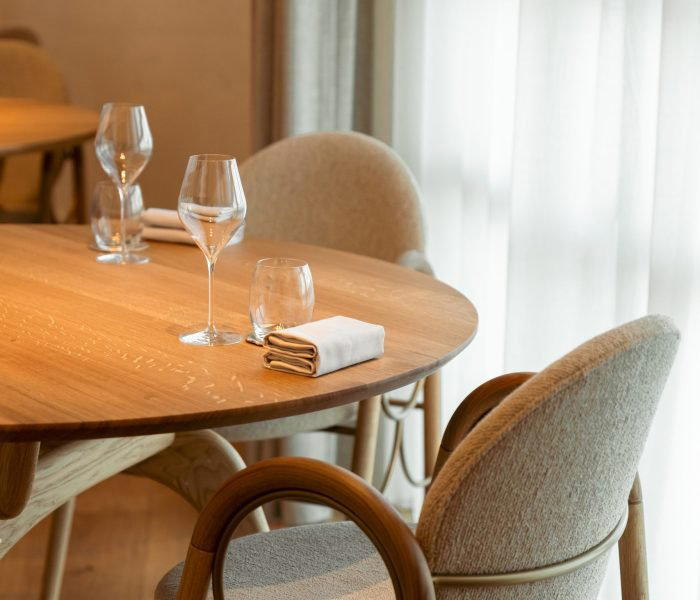
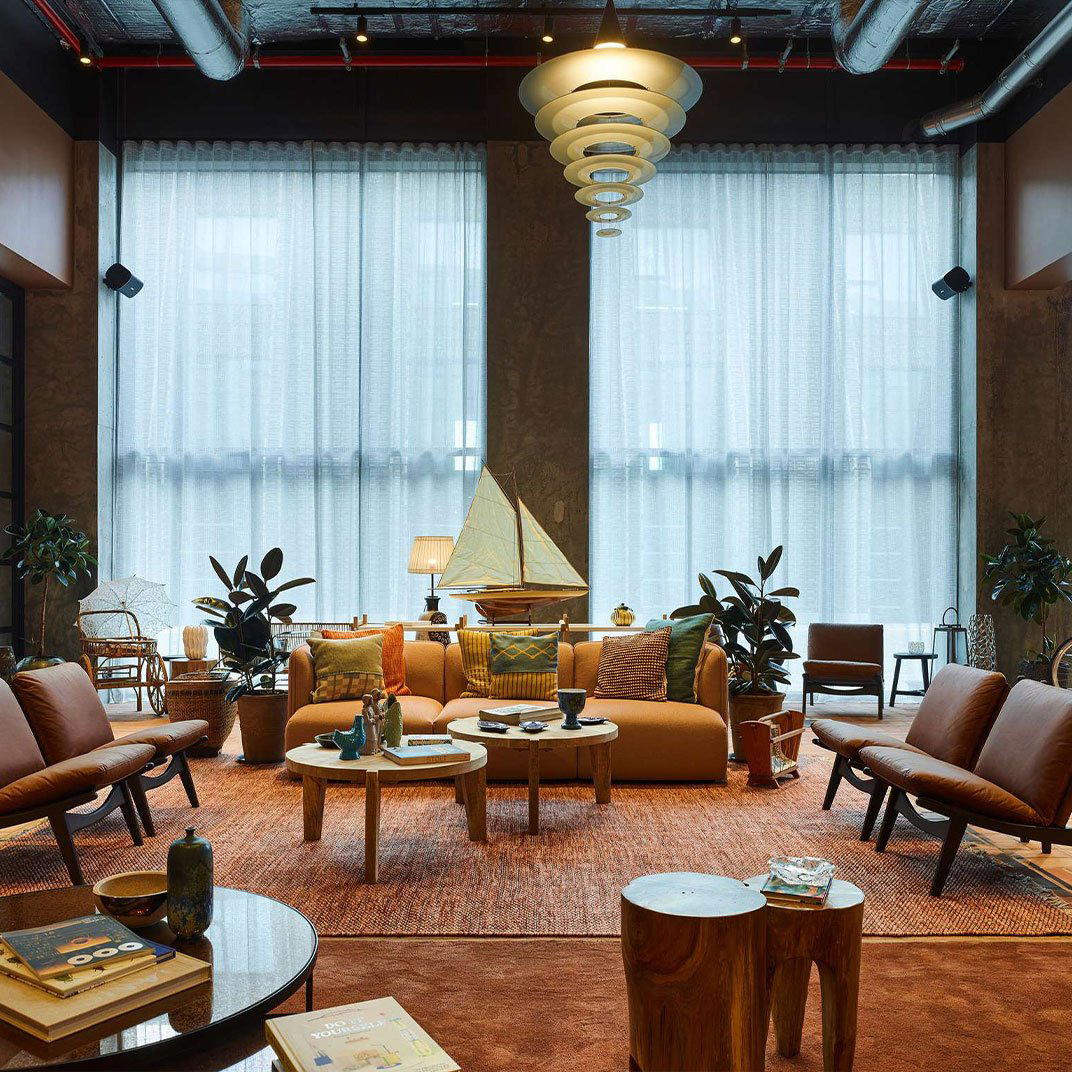
Bars in Copenhagen
All bars in Copenhagen →

Details
- Elegant
- Sophisticated
- Modern
- Special Occasion
- Open Kitchen
- Tasting Menu
- Vegetarian Friendly
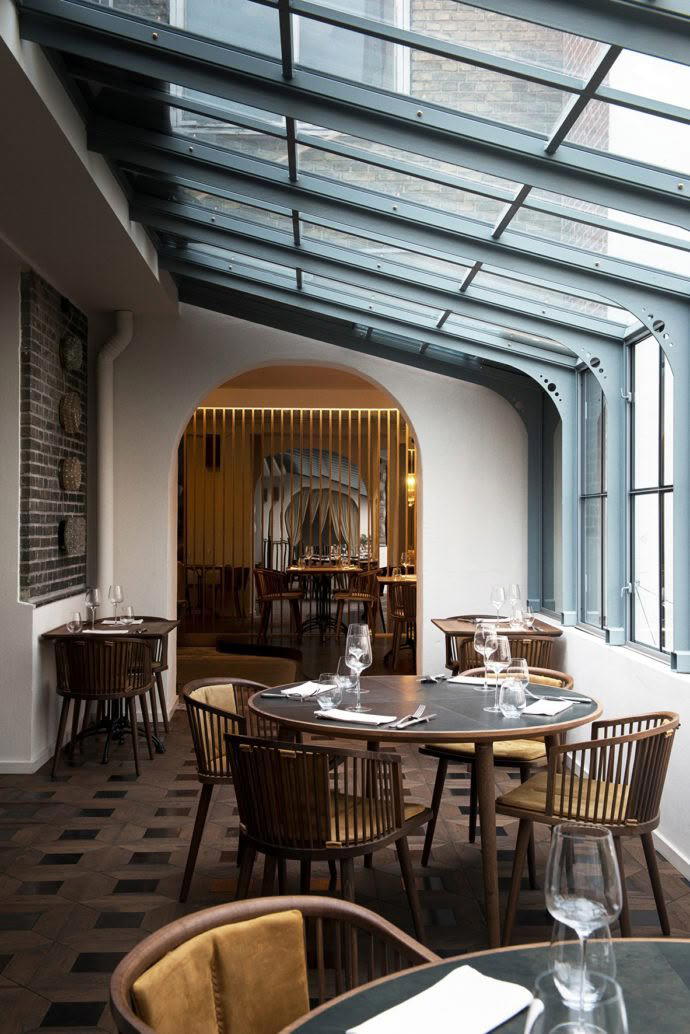
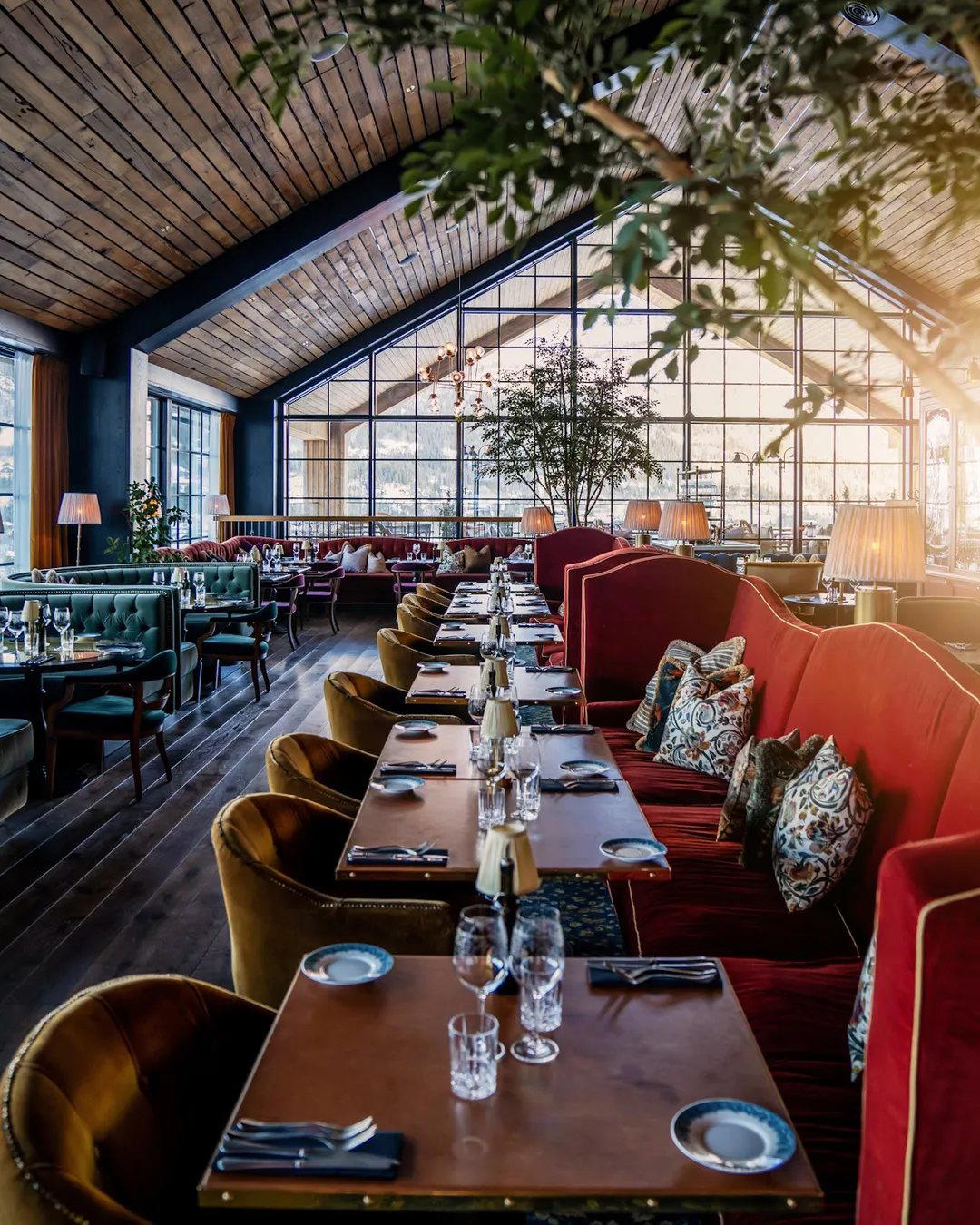
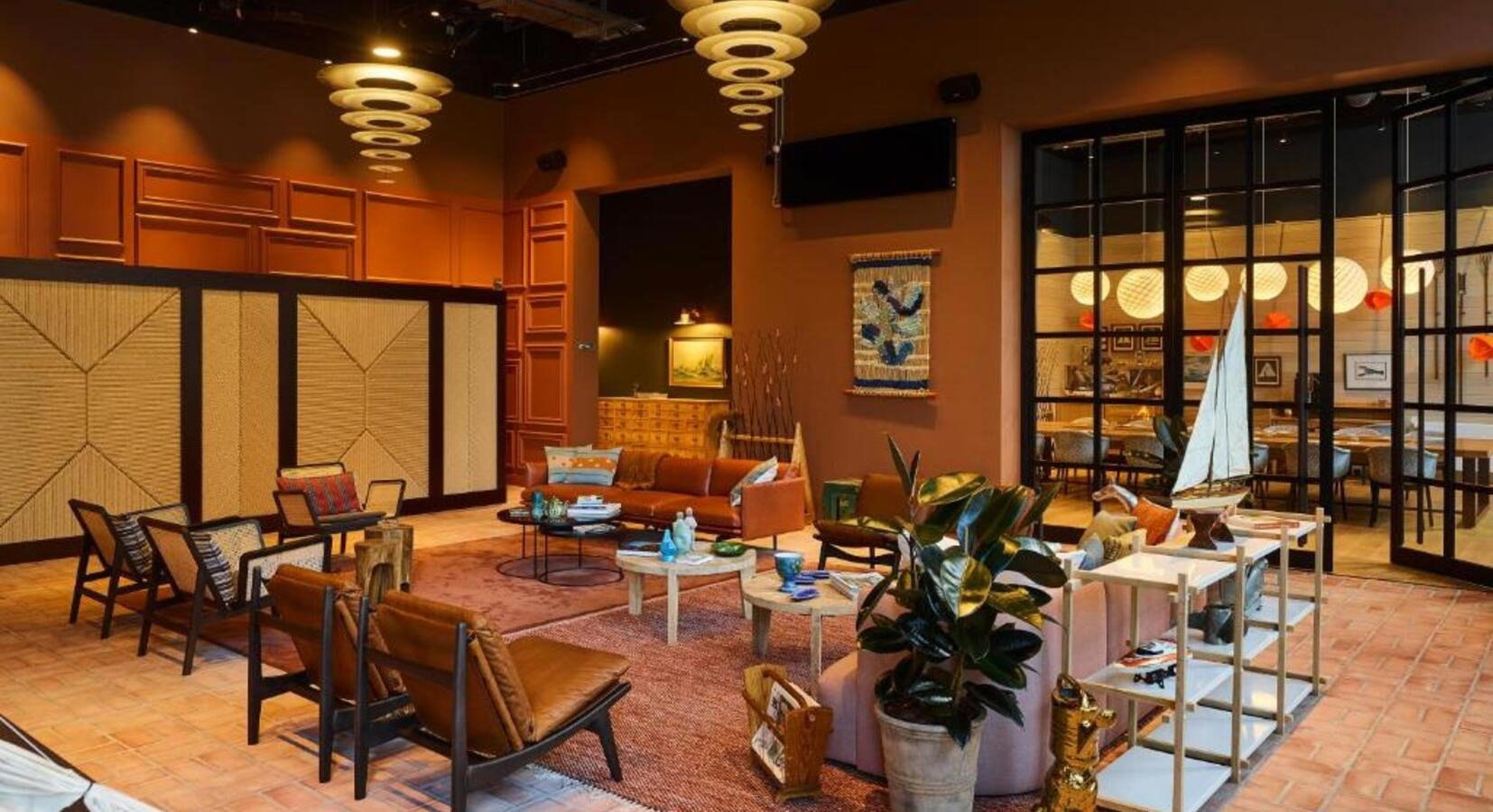
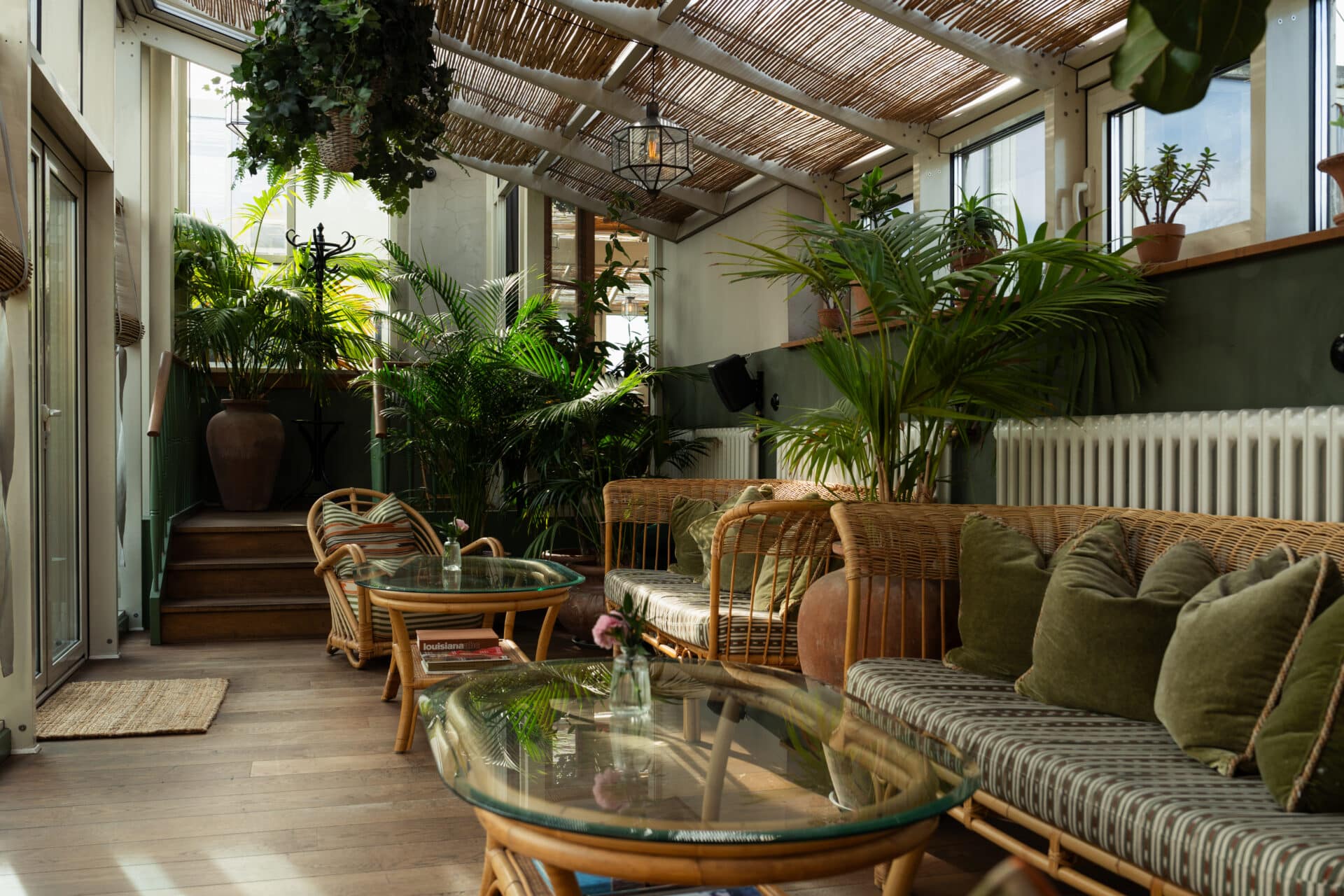
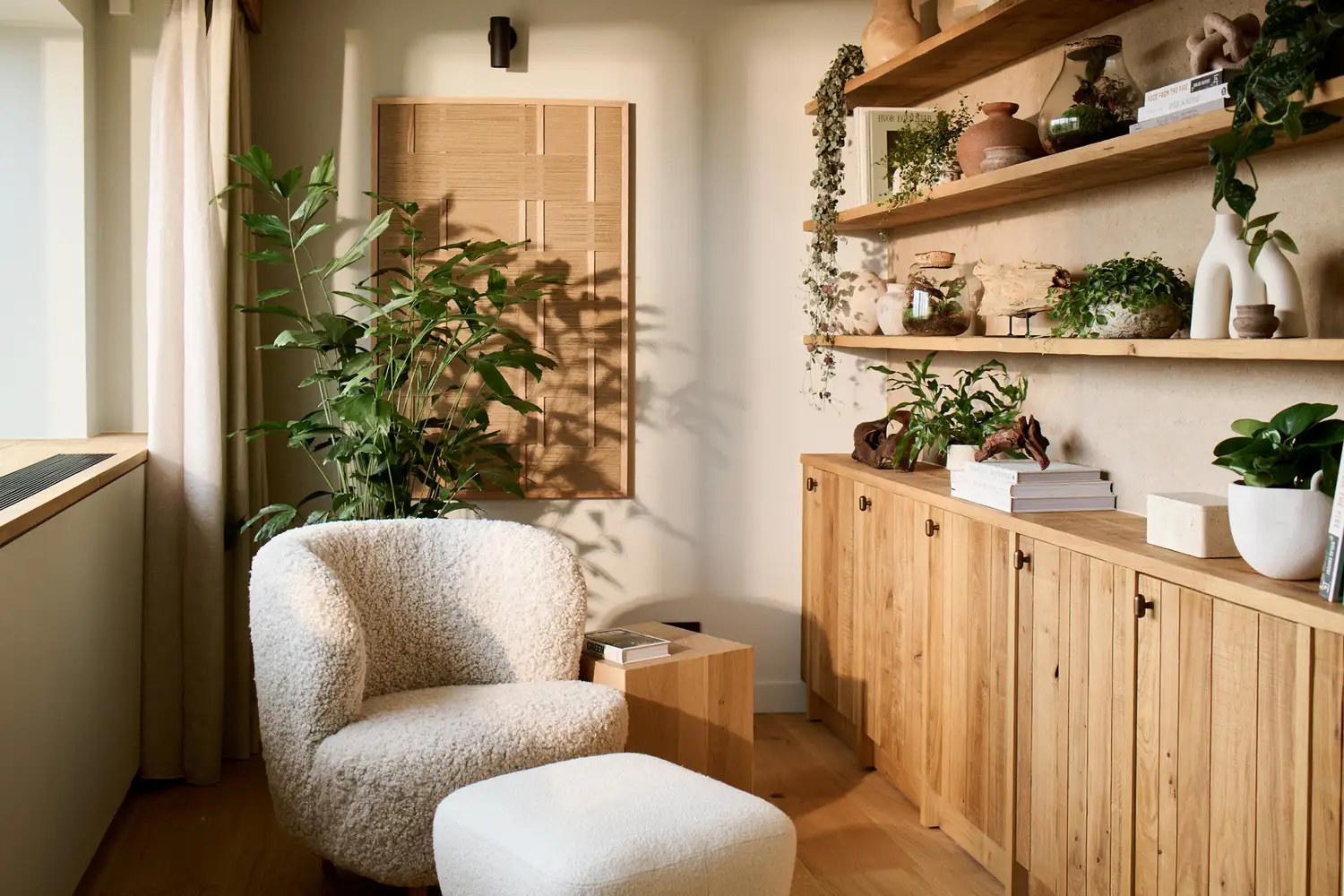
warm atmosphere with posh, elegant service in a visually sharp, modern setting.