
Epice places French cooking in Chiba’s quieter, reservation-led dining tier, with ingredient planning built around advance bookings rather than walk-in volume. Its Tabelog French EAST 100 selections in 2021, 2023, and 2025, 20-seat scale, and mid-to-high Chiba pricing make it a serious address for diners who want French technique without crossing into Tokyo for dinner.
Pearl is the En Primeur Club membership app — saves, bookings, and concierge access live there. Same editors, same standards.
- Address
- Japan, 〒260-0027 Chiba, Chuo Ward, Shindencho, 3−13 久和ビル3
- Phone
- +81 43-246-8878
- Website
- tabelog.com
 Saves & bookings on Pearl
Shindencho does not announce itself like a grand restaurant quarter. Around Keisei Chiba and the east side of JR Chiba Station, the rhythm is practical: office workers, local shoppers, small buildings, and restaurants built more on repeat custom than spectacle. In that setting, a compact French dining room must justify planning ahead, higher spend, and a slower meal in a city where casual izakaya, ramen, yakiniku, and station-adjacent dining cover much daily demand.
Epice belongs to Chiba’s smaller group of restaurants where sourcing discipline shapes the experience before the plate arrives. Its reservation-only format is not just a demand signal; it is part of the kitchen’s stated approach to ordering fresh ingredients for confirmed guests and reducing waste. For French cooking outside Tokyo’s central luxury circuit, ingredient control, portion planning, and a finite room can say more about seriousness than decorative language.
Chiba French dining, measured by sourcing rather than spectacle
French restaurants in regional Japanese cities sit between two pressures. They inherit a cuisine of sauces, sequence, wine, and course structure, but operate in markets where freshness, seasonality, and exact procurement are judged through a Japanese lens. The strongest versions do not imitate Parisian formality; they translate French technique into a local model: fewer seats, advance commitments, and menus planned tightly around what the kitchen buys.
That is the useful way to read Epice. The restaurant is listed in Tabelog French EAST 100 for 2025, with previous selections in 2023 and 2021, and carries a Tabelog score of 3.71. These are not Michelin claims, and should not be treated as such. They do, however, place Epice inside a recognized regional French category rather than the broader pool of neighborhood bistros. In Chiba, where serious destination dining is more dispersed than in Tokyo, that recognition helps separate a planned meal from a convenient one.
The price bracket also defines the decision. Dinner sits at JPY 10,000 to JPY 14,999, while lunch is listed at JPY 5,000 to JPY 5,999. That puts Epice above casual European dining in the city but below the heavier spend of Chiba’s upper sushi tier. Among local comparisons, EST! Prossimo operates in a lower everyday bracket, Le Coeur pushes higher for French, Takaoka occupies a premium sushi lane, and Private room Yakiniku GYU CHIBA overlaps the dinner spend through a different format. This is not a hierarchy, but a practical read on where the meal fits: French structure and wine without making the evening a Tokyo expedition.
For a wider read on the city’s dining range, Our full Chiba restaurants guide places it alongside other local references including BAMBOU, Bengal Tiger, Boushu En, Chinese Komugiko Ryori Senmonten Keisen, and Cinq au Pied. Together, they show Chiba’s stronger restaurants are not concentrated in one luxury district, but appear as individual specialists around station zones, residential pockets, and small commercial streets.
A small-room format that rewards advance commitment
The room count matters. Twenty seats, private rooms for two, semi-private space for four, and private use up to 20 people create a controlled scale rather than a high-turnover dining floor. That suits a cuisine where pacing and ingredient prep are central. It also explains the operational boundaries: reservations are required, cancellations after 6 PM two days before the reservation date incur the full course fee, and payment is requested as a single bill for the table. These are not quirks, but the mechanics of a kitchen buying and preparing against a known guest list.
The service signals point toward grown-up flexibility rather than rigid ceremony. Wine is the named drink focus, BYO drinks are accepted, celebrations can be arranged with a birthday plate, and the space is non-smoking. Children are welcome, but entry for children under elementary school age requires a phone reservation. That conditional openness is common in serious small restaurants in Japan: family use is possible, but the room’s scale and pacing require coordination.
Chiba’s wider travel context helps frame the choice. This is not a resort dining room, nor a hotel-driven restaurant where the room carries the occasion. Visitors building a broader itinerary can pair restaurant research with Our full Chiba hotels guide, Our full Chiba bars guide, Our full Chiba wineries guide, and Our full Chiba experiences guide. The better use case is a planned lunch or dinner around Chiba Station, not a spontaneous detour.
How to place it within a Japan dining itinerary
For travelers moving through Japan, Chiba often functions as a practical base near transport corridors, but its better restaurants reward a deliberate look. A meal here makes sense when the itinerary already includes Chiba city, Makuhari, or the bay-side business zones, and when French cooking is the desired counterpoint to sushi, tempura, or casual noodle meals. The value is not novelty, but how a small French restaurant in a regional Japanese city uses advance reservations and ingredient planning to tighten the dining experience.
That same planning mindset applies across Japan’s serious small restaurants, even when the cuisine changes. A traveler comparing categories might look from Chiba to -Grilled beef Sukiyaki- KAMAKURA TANUKIAN 鎌倉 たぬき庵 in Kamakura,. 鮪と炭火焼き うお炭 秋葉原店 in Tokyo,.cafe in Osaka,.know in Kumamoto, (Shoku) Vietnam in Kawasaki, and [Curry Senmon Ten] Maruyama Kyoju. in Sapporo. Outside Japan, the same editorial question follows venues such as Jōdo Saké Bar in Los Angeles and Onigiri Time in Pasadena: does the format support the food, or merely decorate it?
At Epice, the evidence points to format as substance. Recognition from Tabelog French EAST 100 gives the restaurant a regional quality marker; the 20-seat scale keeps the operation intimate; the reservation-only sourcing policy explains why planning is required; and pricing sits where diners should expect more than a casual bistro but less than a trophy-counter evening. For Chiba, that combination is its argument.
Quick Comparison
Comparable venues by cuisine and price in the same metro.
| Venue | Cuisine | Price | Awards | Notes |
|---|---|---|---|---|
| EpiceThis venue — the venue you are viewing | French | $$$ | , | |
| Private room Yakiniku GYU CHIBA | Private-room premium Yakiniku | $$$ | , | Chuo Ward |
| Boushu En | Yakiniku (Japanese BBQ) & Horumon | $$$ | , | Chuo Ward |
| Le Coeur | Seasonal French Fine Dining | $$$ | , | Chuo Ward |
| patisserie SATSUKI | Hotel patisserie & bakery | $$ | , | Kaihimmakuhari / Mihama-ku |
| Bengal Tiger | Modern Indian Fine Dining Course | $$ | , | Chuo-ku Matsunami |






At a Glance
- Cozy
- Sophisticated
- Romantic
- Intimate
- Elegant
- Hidden Gem
- Date Night
- Business Dinner
- Group Dining
- Family
- Celebration
- After Work
- Private Dining
- Design Destination
- Standalone
- Extensive Wine List
- Byob
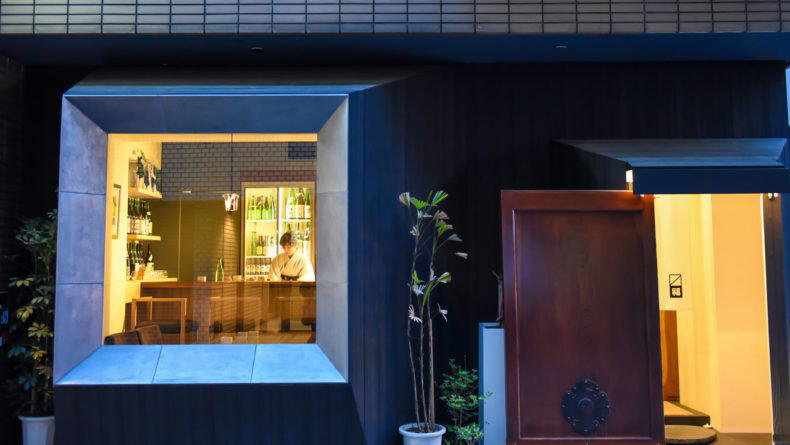
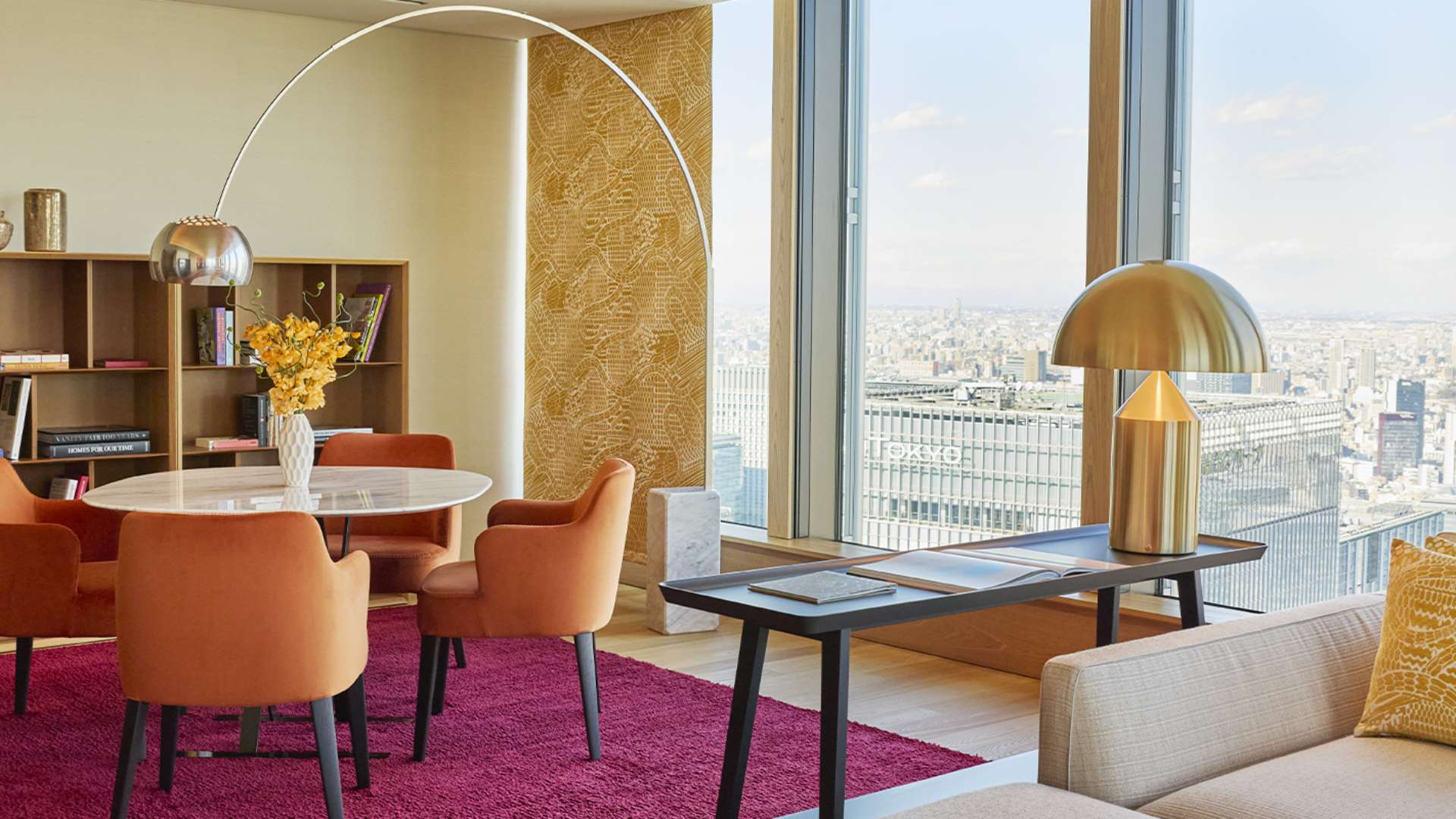
Relaxed and inviting French restaurant with a stylish, spacious interior designed for lingering over wine and dishes; reviews describe it as casual and charming.