Google: 4.2 · 5,763 reviews

On Maximilianstraße, Munich's most prestigious commercial address, Entry Removed holds a place among Europe's critically tracked Modern European restaurants, ranked #203 on the Opinionated About Dining Europe list in 2024. Under chef Benjamin Chmura, the kitchen operates in the company of Munich's Michelin-decorated fine dining tier, offering a reference point for serious dining on the Maxvorstadt-Altstadt axis.
 Discover on Pearl
Pearl is the En Primeur Club membership app — saves, bookings, and concierge access live there. Same editors, same standards.
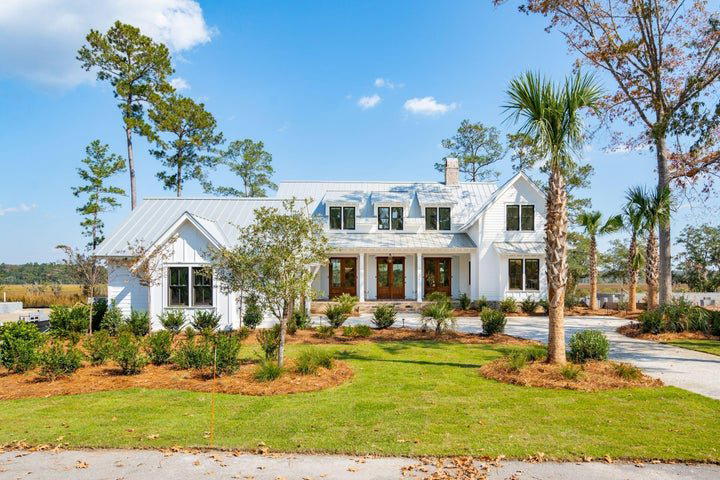
Maximilianstraße and the Fine Dining Address Question
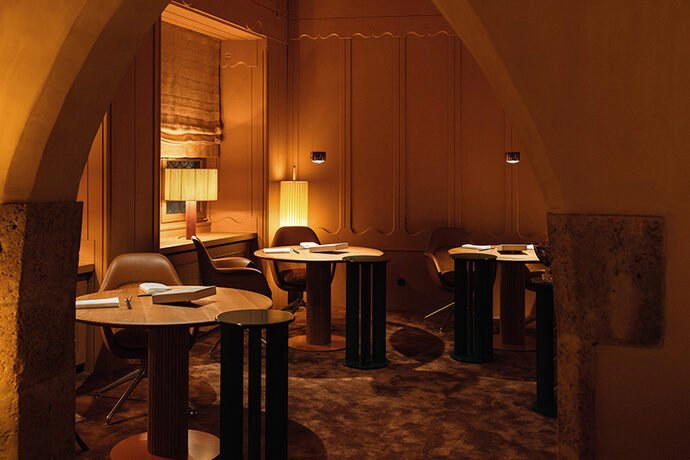
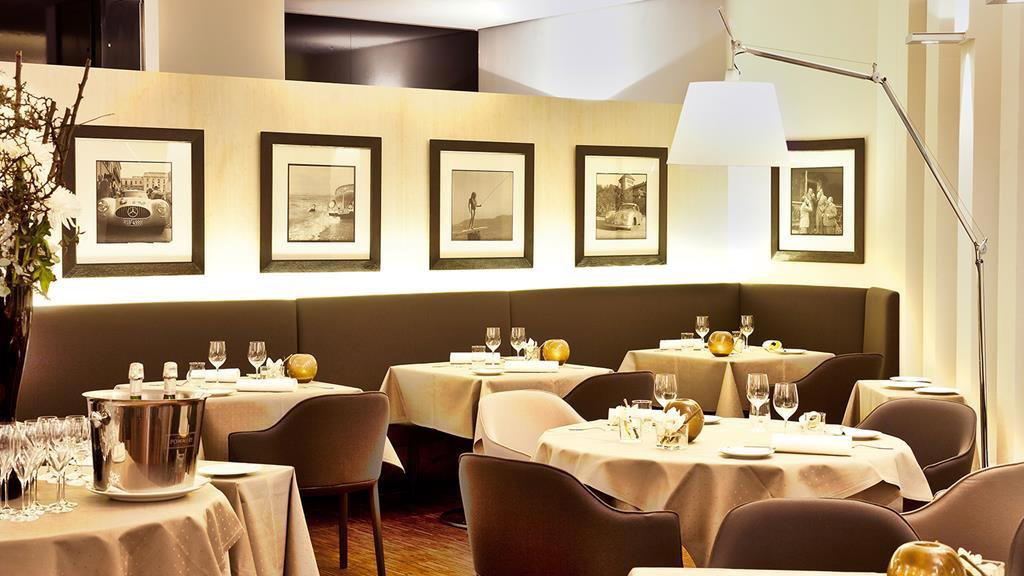
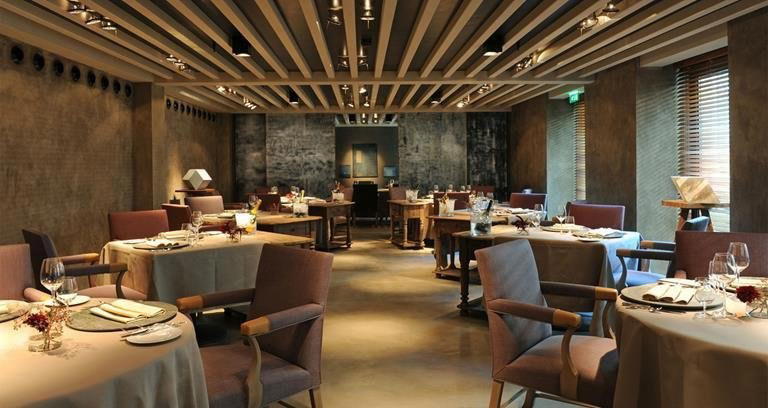
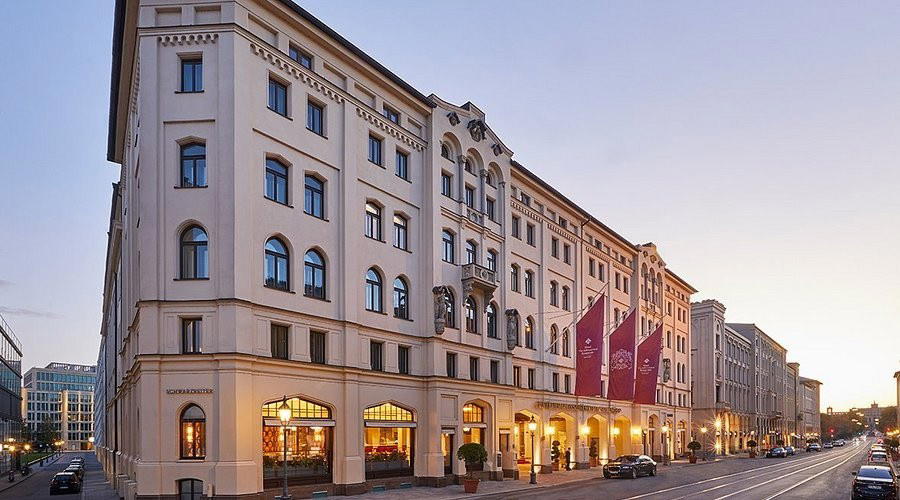
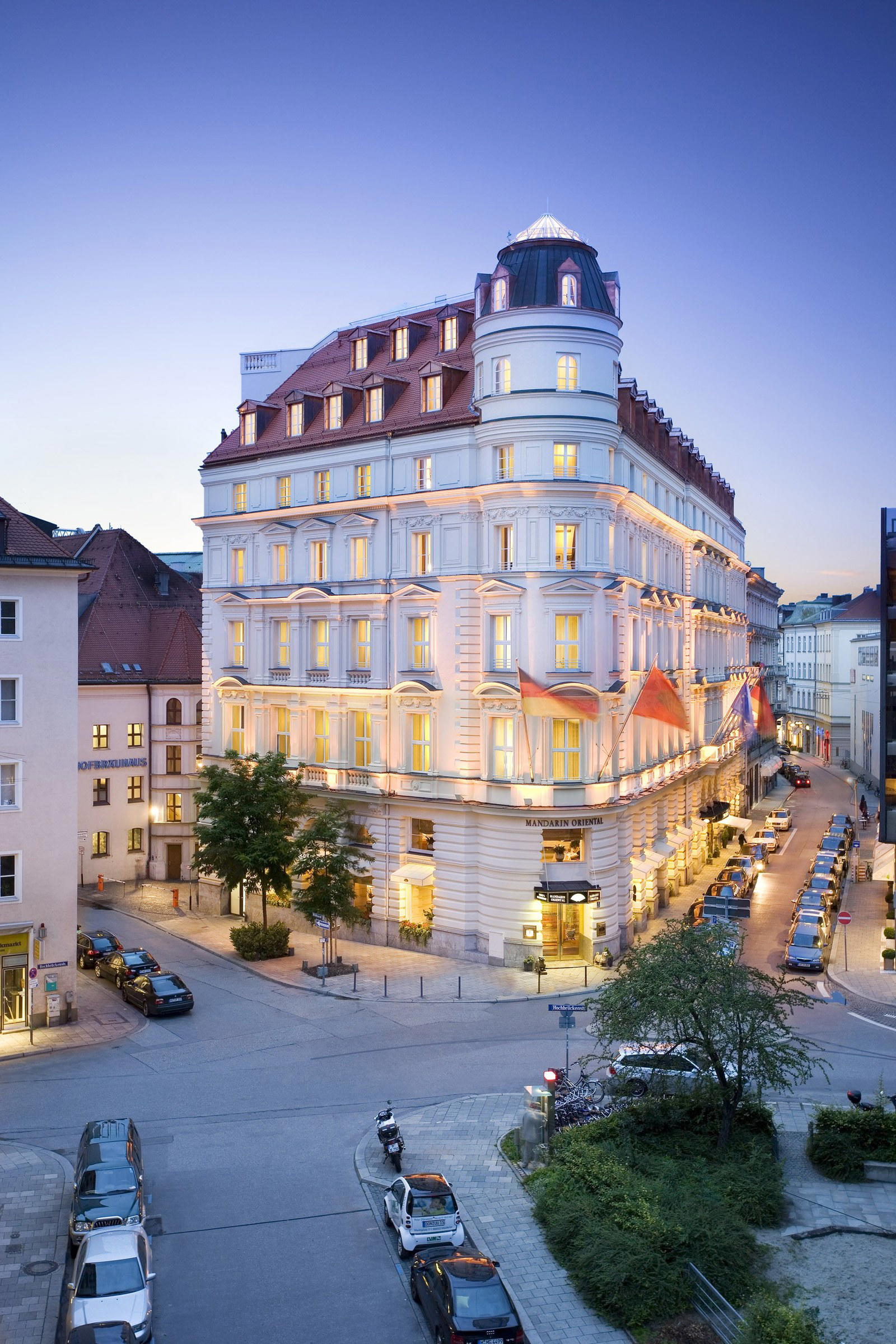
Maximilianstraße is not a street where restaurants open without intent. Munich's most architecturally deliberate boulevard, running from the Maximilianeum to the heart of the old city, has long anchored the luxury end of the city's commercial and hospitality life. The hotels are the city's grand names, the boutiques are European flagship tier, and the restaurants that take root here do so knowing they are competing in a peer set defined by the address itself. Entry Removed, at number 15, sits inside that context. The room's position on the street signals a certain kind of seriousness before the menu is even considered.
For visitors arriving from the direction of the Nationaltheater or walking east from Odeonsplatz, the Maximilianstraße approach is notably different from the Schwabing or Haidhausen dining scenes. This is not a neighbourhood of casual discovery. The fine dining here operates at a remove from the city's more relaxed registers, and that formality is part of the product.
Where Entry Removed Sits in Munich's Critical Tier
Munich's upper dining bracket is well-populated. Tohru in der Schreiberei holds three Michelin stars and operates a Modern German-Japanese format that has become one of the city's most discussed menus. Tantris carries two stars and a decades-long position as one of Germany's landmark French-influenced rooms. Alois at Dallmayr and Atelier each hold two Michelin stars and operate at the €€€€ tier. JAN works a creative format that has drawn sustained attention from the city's dining press.
Entry Removed's claim to critical attention comes through a different channel: its 2024 ranking on the Opinionated About Dining (OAD) Europe list, where it placed at #203. The OAD methodology aggregates assessments from a community of experienced diners and travelling critics rather than relying on a single inspector's visit, which means a ranking at this level reflects repeated positive experiences from a geographically spread, engaged audience. For a Modern European kitchen in a city already dense with starred competition, that placement carries weight. It positions the restaurant not as a Michelin aspirant performing for a single annual inspection, but as a room that sustains quality across a broad range of visits and visitors.
Across Germany more broadly, the fine dining tier includes rooms like Aqua in Wolfsburg, Schwarzwaldstube in Baiersbronn, and Vendôme in Bergisch Gladbach, all of which anchor their reputations in sustained critical consensus rather than a single metric. Entry Removed's OAD position places it in that same broader conversation about consistent quality at the upper end of the German dining market.
The Modern European Format and What It Means Here
Modern European is a classification that carries different meanings depending on the city. In London, it often describes a loosely technique-driven menu that draws on pan-European ingredients without committing to a single national tradition. In Munich, where the surrounding culinary culture is specific and deeply rooted, a Modern European designation often signals something more deliberate: a kitchen choosing to work outside the Bavarian idiom, positioning itself in a broader European dialogue rather than against local reference points.
Chef Benjamin Chmura leads the kitchen. At the level where OAD community recognition operates, a chef's name functions as a shorthand for a consistent kitchen voice rather than a personal narrative, and Chmura's association with the room is the relevant credential. The broader pattern in European fine dining has moved toward formats where the chef's technical training and sourcing relationships define the menu's character, and a Modern European classification at this address suggests a kitchen working within those parameters.
For comparison, Aulis London and La Rei Natura by Michelangelo Mammoliti in Serralunga d'Alba both operate Modern European formats that have attracted OAD and critical attention in their respective markets, suggesting that the classification, when applied rigorously, describes a kitchen with a defined point of view rather than a catch-all category.
Munich's Fine Dining Scene in 2024 and 2025
Germany's restaurant scene has seen considerable critical attention shift toward formats that combine technical rigour with a clearer sense of place. CODA Dessert Dining in Berlin and ES:SENZ in Grassau represent the breadth of that interest, from highly experimental urban formats to alpine-rooted seasonal kitchens. Restaurant Haerlin in Hamburg anchors the northern end of Germany's classical fine dining tradition. Munich sits at an interesting tension point: a city with strong Bavarian food identity and a simultaneous appetite for international fine dining formats, which means that restaurants operating in the Modern European register here are making a deliberate choice about their audience and ambitions.
The Google rating of 4.4 across 36,732 reviews is a data point worth reading carefully. A 4.4 at that volume is not a statistically marginal result; it reflects a broad, consistent pattern of positive experience across what is clearly a high-traffic venue. At the fine dining end of the scale, review volume at this level often indicates a room that manages the transition between critical recognition and wider accessibility without significant quality variance.
Planning a Visit
Entry Removed is located at Maximilianstraße 15, 80539 München, placing it within easy reach of the Lehel U-Bahn station and a short walk from the Hotel Vier Jahreszeiten Kempinski and the Bayerisches Nationalmuseum. The Maximilianstraße address means the surrounding area is well-served by the city's central transport links. Given the OAD ranking and the review volume, advance reservation planning is advisable; rooms at this level of critical recognition in Munich tend to operate at capacity during evening service, particularly on weekends and during the city's major event periods, including Oktoberfest in late September and early October. For visitors building an itinerary around Munich's serious dining options, cross-referencing with our full Munich restaurants guide gives a mapped view of the city's broader fine dining tier. Accommodation context is available through our Munich hotels guide, and for a full picture of the city's hospitality offering, our bars guide, wineries guide, and experiences guide cover the remaining categories.
Cuisine and Recognition
A small comparison set for context, based on the venues we track.
| Venue | Cuisine | Awards | Notes |
|---|---|---|---|
| Entry Removed | Modern European | Opinionated About Dining Top Restaurants in Europe Ranked #203 (2024) | This venue |
| Tantris | Modern French, French Contemporary | Michelin 2 Star | Modern French, French Contemporary, €€€€ |
| Tohru in der Schreiberei | Modern German - Japanese, Modern Cuisine | Michelin 3 Star | Modern German - Japanese, Modern Cuisine, €€€€ |
| Alois - Dallmayr Fine Dining | Creative | Michelin 2 Star | Creative, €€€€ |
| Atelier | Creative French | Michelin 2 Star | Creative French, €€€€ |
| Acquarello | Italian - Mediterranean, Italian | Michelin 1 Star | Italian - Mediterranean, Italian, €€€€ |
Continue exploring
More in Munich
More from Chef Benjamin Chmura
Browse all →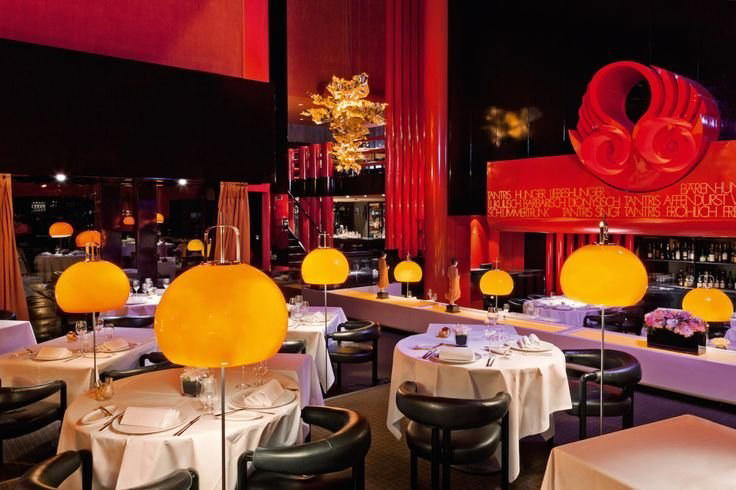
Restaurants in Munich
Browse all →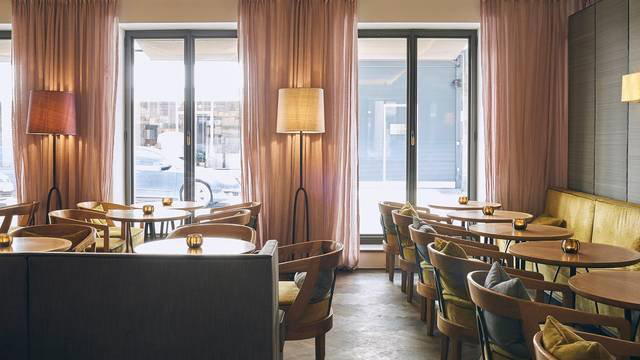
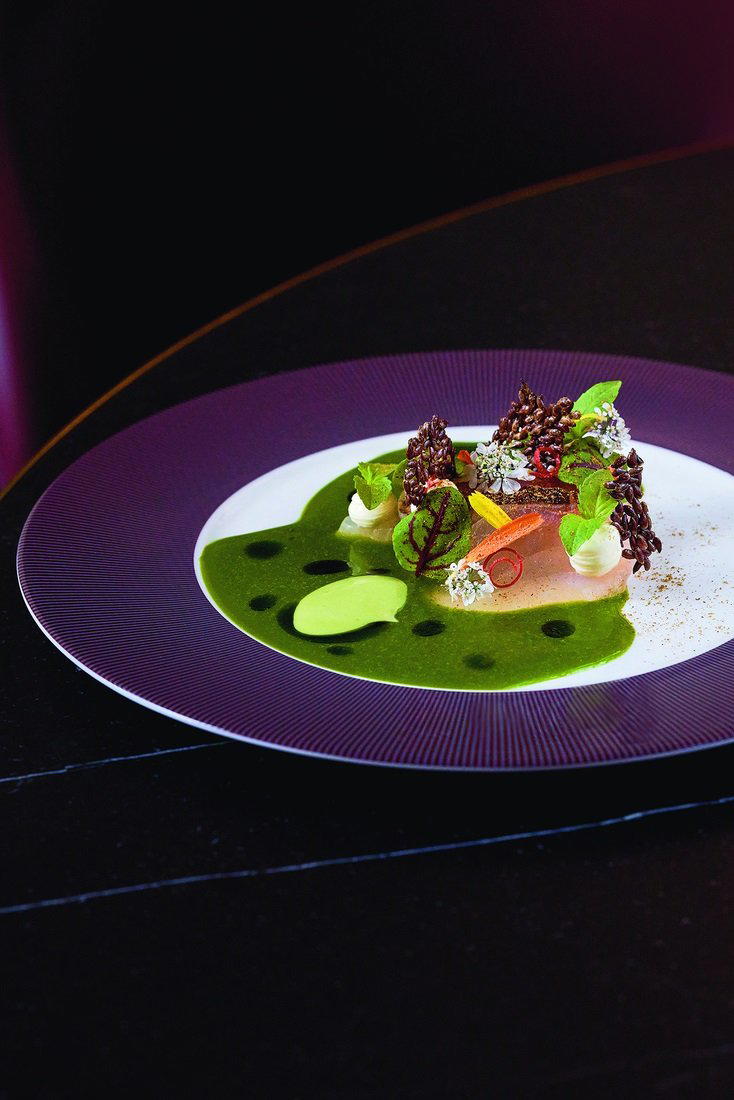
Bars in Munich
Browse all →
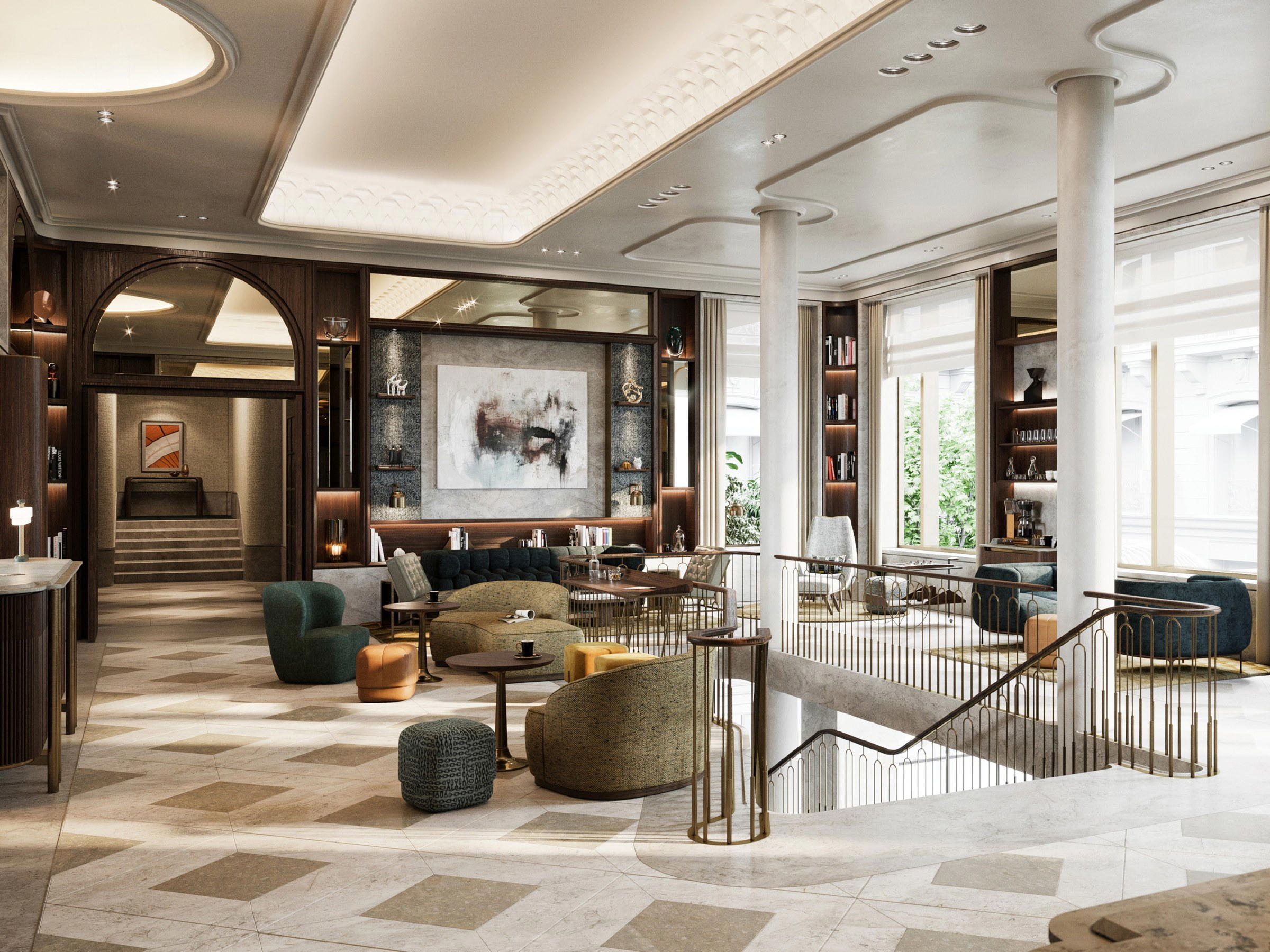
At a Glance
- Elegant
- Sophisticated
- Intimate
- Special Occasion
- Business Dinner
- Private Dining
- Extensive Wine List
- Sommelier Led
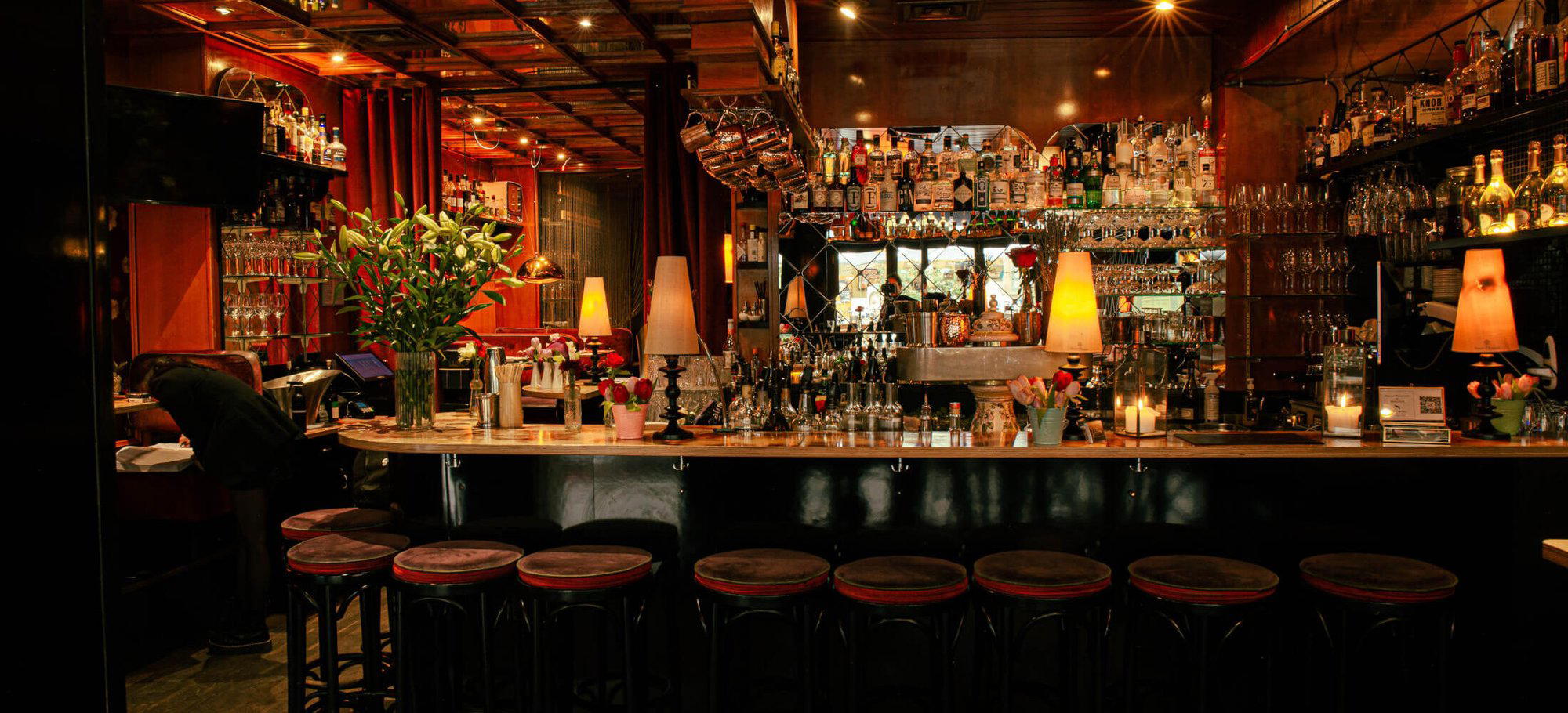
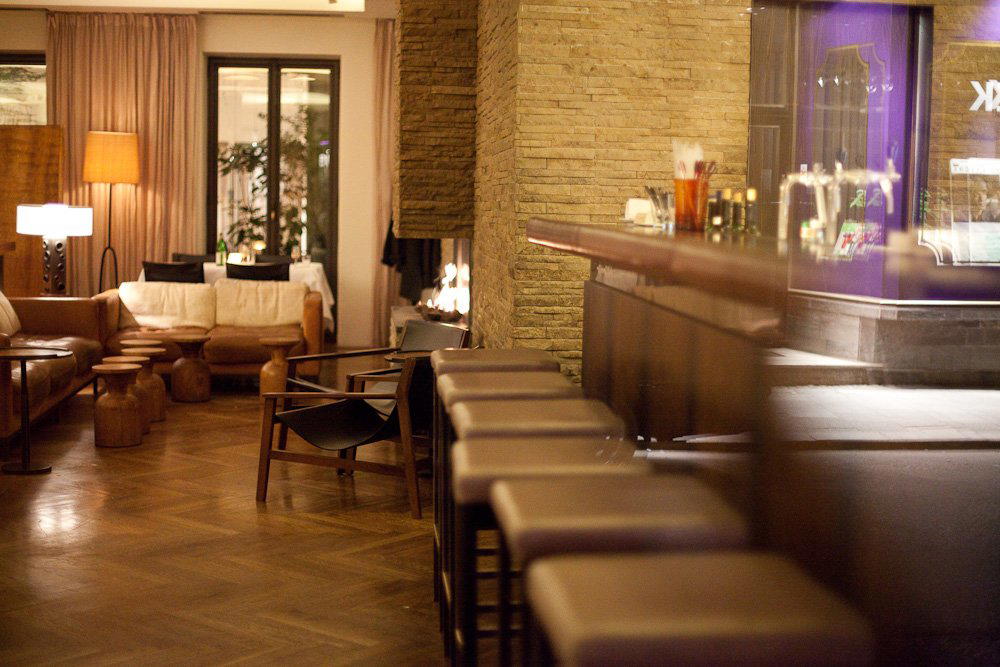
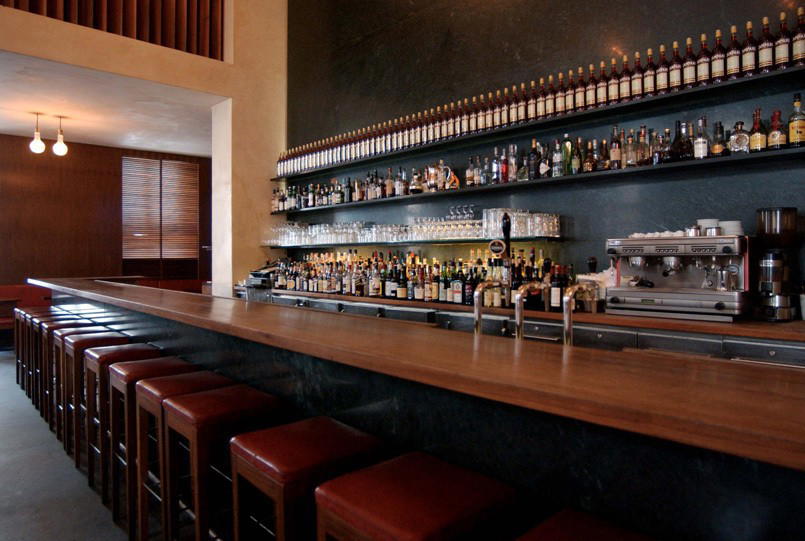
Unique blend of traditional and modern setting with pleasant, hospitable atmosphere, professional yet relaxed service, and gastronomic perfection.