
Tabelog 100
Our verdict
A serious Harajuku kissaten entry rather than a fashion-district pit stop, Enseigne d'angle Harajuku ten belongs to Tokyo’s older coffee-shop tradition: measured pacing, low intervention, and a room built for sitting rather than circulating. Its Tabelog Kissaten 100 selection in 2021 and 2022 gives it a useful signal in a category where reputation often travels by habit, not spectacle.

Pearl is the En Primeur Club membership app — saves, bookings, and concierge access live there. Same editors, same standards.
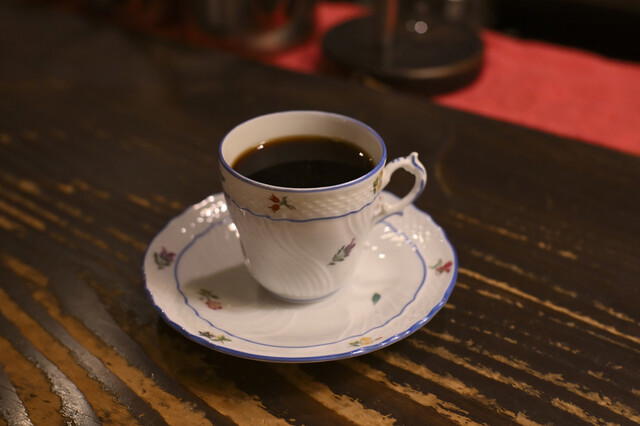
The menu
What to order
- Blend coffee (ネルドリップ)
- Café au lait
- Croque monsieur
- Cheesecake
Tokyo’s café culture often announces itself before the cup arrives: graphic interiors, queues built for social feeds, and sweets staged for the camera. The older kissaten tradition works in the opposite direction. It asks the room to slow down first, then lets a drink, a light order, and conversation carry the sequence. Enseigne d'angle Harajuku ten sits in that quieter register, closer to the Japanese coffee-house lineage than to the themed-café economy that now surrounds much of the city.
That distinction matters in Tokyo. The city compresses several eating cultures into close range: youth-driven cafés, quick ramen, curry counters, destination soba, and polished dining rooms. AFURI Harajuku represents the fast, efficient noodle end of the spectrum; Minoringo and CURRY UP sit in the casual curry lane; Takenoshita Soba occupies a specialist tier; Ristorante Hamasaki belongs to the more formal dining conversation. A kissaten has a different job. It is not built around novelty or ceremony, but around rhythm: order, pause, drink, linger, leave without feeling processed.
A kissaten rhythm in a city built for turnover
The Tabelog Hyakumeiten recognition in 2022 is the relevant trust signal here. Tabelog’s Hyakumeiten lists are not Michelin-style star systems; they function more like category recognition inside Japan’s own dining ecosystem. For kissaten, that matters because the category is often judged less by culinary fireworks than by consistency, atmosphere, and the way a room holds regular use. Enseigne d'angle Harajuku ten’s inclusion places it among coffee shops that local diners and reviewers treat as category references rather than interchangeable cafés.
The experience is best understood as a progression rather than a single order. In a contemporary Tokyo café, the decision often begins with what will photograph well. In a kissaten, the sequence begins with settling into the room. A drink sets the pace, a light order extends the stay, and the choice to linger turns the visit from refreshment into an interval. That arc is modest, but it is the point. The pleasure is in a room that does not rush to explain itself.
This is also why the venue’s appeal differs from Tokyo’s newer specialty-coffee bars. Third-wave coffee culture tends to foreground origin, roast profile, and barista technique. Kissaten culture carries a broader social role: part café, part refuge, part sitting room. The category can absorb solo readers, pairs of friends, and small pauses between errands without changing its operating logic. In Tokyo, where so many rooms are optimized for movement, that older tempo feels increasingly rare without needing to be treated as nostalgia.
The meal arc is small, deliberate, and better without overplanning
There is no need to approach a kissaten like a tasting menu, but the internal logic is similar in miniature. First comes the anchoring drink, then a simple food choice, then the decision to stay or move on. A good kissaten visit is not about exhausting the menu; it is about choosing enough to let the room do its work. The format rewards patience more than appetite, especially in the late morning or mid-afternoon gap when Tokyo’s dining rooms split between lunch queues and café traffic.
Compared with the broader Tokyo restaurant circuit, this is a low-stakes, high-context stop. Travellers using Our full Tokyo restaurants guide will find higher spend counters, specialist rooms, and destination dining elsewhere in the city. The reason to keep a kissaten like this on the map is different: it explains how Tokyo eats between meals. The city’s serious food culture is not only omakase and tasting menus; it is also the disciplined everyday formats that locals return to because they work.
Tokyo makes that contrast especially legible. A short eating day could move from a café pause here to ramen at AFURI Harajuku, curry in the orbit of CURRY UP or Minoringo, or a more structured meal at Takenoshita Soba or Ristorante Hamasaki. Readers comparing Tokyo’s casual dining layers may also find useful reference points in other Tokyo dining rooms, where the room, the format, or the everyday ritual may lead the experience. The stronger editorial lesson is not that one mode replaces another; it is that Tokyo’s casual category contains multiple kinds of seriousness.
How to place it in a Tokyo day
For travellers building a day around Tokyo, this is a useful hinge rather than a main event. It can sit before a longer lunch, after cultural time, or between shopping and an early dinner. The room’s kissaten identity makes it particularly well suited to solo time and unhurried conversation, a different proposition from larger-format dining or nightlife planning. For broader itineraries, pair it with the city guides for Tokyo hotels, Tokyo bars, Tokyo wineries, and Tokyo experiences to keep the day balanced rather than overbooked.
The comparison pool inside Tokyo is wide. For a more food-forward casual circuit, consider other Tokyo dining rooms that lean into quick service, grilled formats, curry counters, or specialist everyday formats. Outside Tokyo, the Japanese casual spectrum widens through everyday cafés, casual counters, specialist comfort-food rooms, and regional dining formats. For readers tracking how Japanese formats travel abroad, overseas examples show a different export logic: Japanese food culture translated through local dining habits rather than maintained as an everyday Tokyo room.
The editorial call is simple: use this as a corrective to the over-designed side of Tokyo café culture. Enseigne d'angle Harajuku ten is strongest when treated as a pause with cultural weight, not a checklist stop. Its value lies in the way it preserves the kissaten sequence in a city that increasingly rewards speed, novelty, and visual impact.
Frequently asked questions
What's the address for Enseigne d'angle Harajuku ten?
Tokyo.
What should I budget for a meal at Enseigne d'angle Harajuku ten?
Pricing at Enseigne d'angle Harajuku ten is listed as JPY 1,000 - JPY 1,999 JPY 1,000 - JPY 1,999 View spending breakdown.
What are the opening hours for Enseigne d'angle Harajuku ten?
Opening hours for Enseigne d'angle Harajuku ten are not provided here.
What is Enseigne d'angle Harajuku ten known for?
Enseigne d'angle Harajuku ten is known as a Kissa (Japanese coffee shop) and Cafe in Tokyo, with Tabelog Hyakumeiten recognition in 2022.
Fast Comparison
Comparable venues by cuisine and price in the same metro.
| Venue | Cuisine | Price | Awards | Notes |
|---|---|---|---|---|
| Enseigne d'angle Harajuku tenThis venue (the venue you are viewing) | Classic Japanese kissaten & coffeehouse | $10–20 | Tabelog 100 | Not listed |
| Yakiniku Horumon Kinju | Japanese Yakiniku BBQ | $50–100 | Tabelog 100 #45 | Minato |
| 波濤 | Edomae Omakase | $200–300 | Not listed | Shinjuku |
| Garak | Udon & Izakaya | $30–50 | Tabelog 100 #93 | Chiyoda |
| Maruyama | Creative Japanese–French Izakaya | $30–50 | Tabelog 100 #97 | Ōta |
| Yashima | Traditional Unagi (eel) restaurant | $30–50 | Tabelog 100 #10 | Taitō |
Recognition history
Dated appearances from independent guides and award organizations, with the underlying list record or original source where available.
Tabelog 100
Tabelog · Tabelog 100 - Kissaten - 2026
Full recognition history (2 entries)
Tabelog 100 #2 · No. 2
Tabelog · Tabelog 100 - Kissaten - 2022
Continue exploring
More in Tokyo
Restaurants in Tokyo
All restaurants in Tokyo →
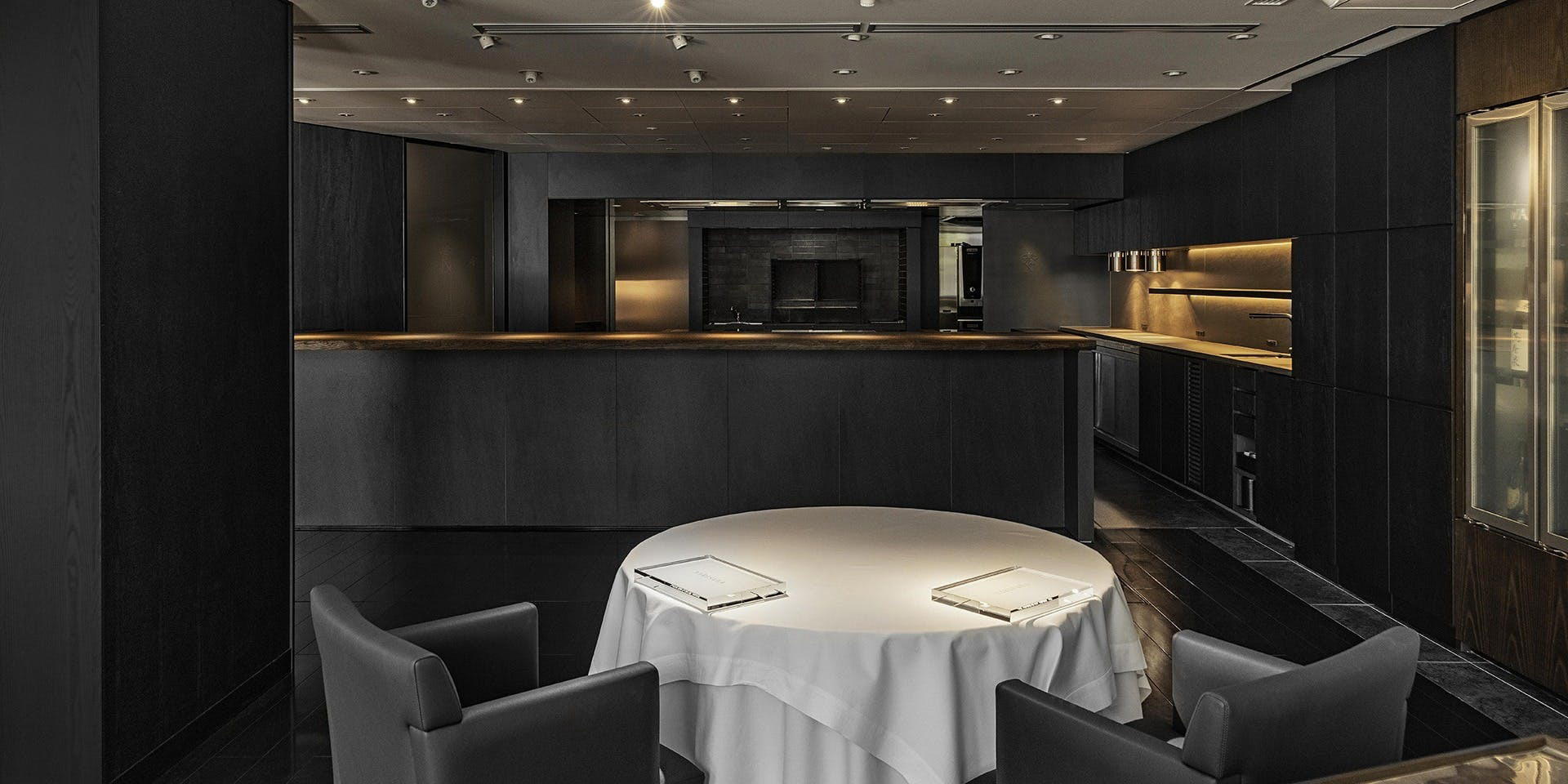



Bars in Tokyo
All bars in Tokyo →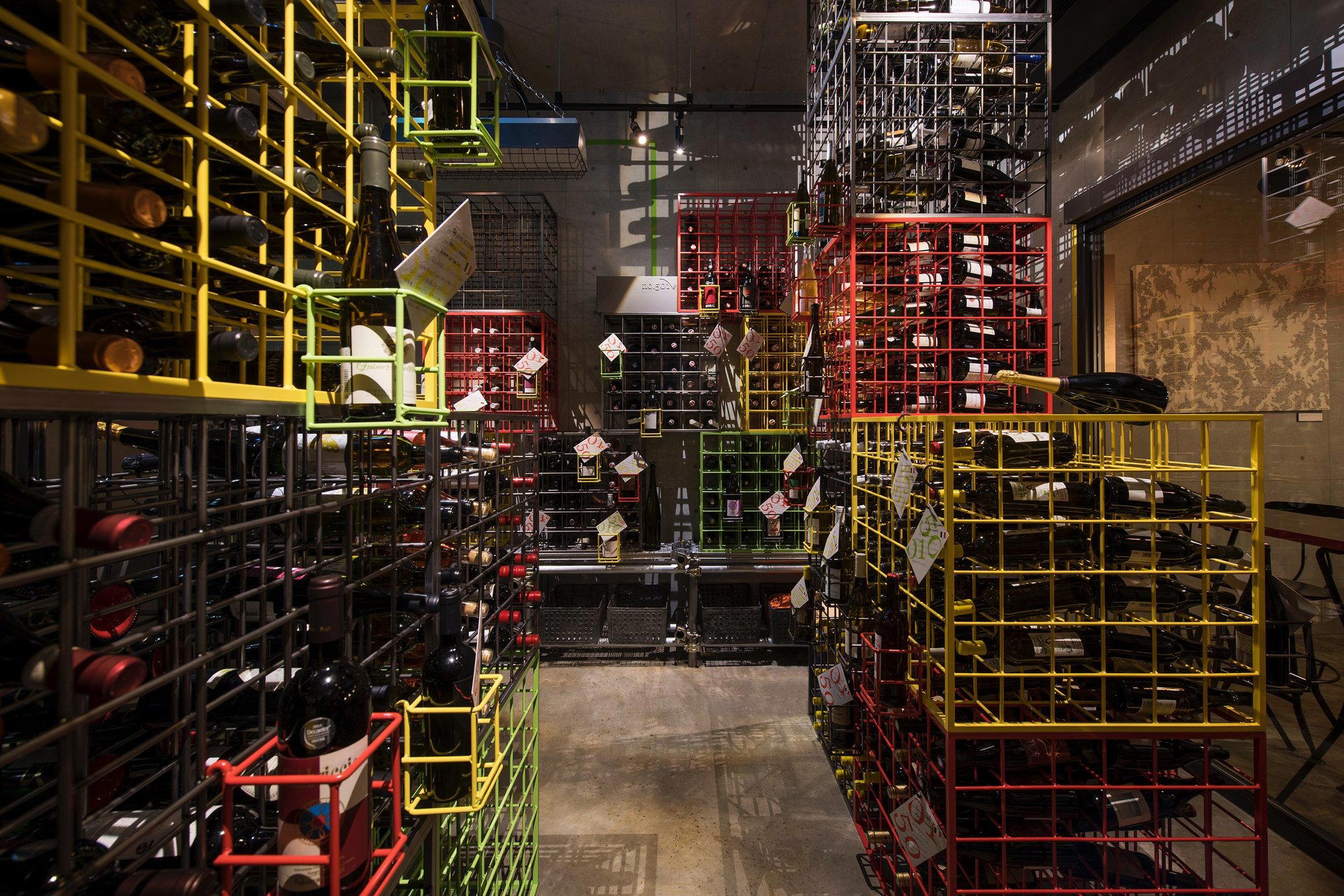




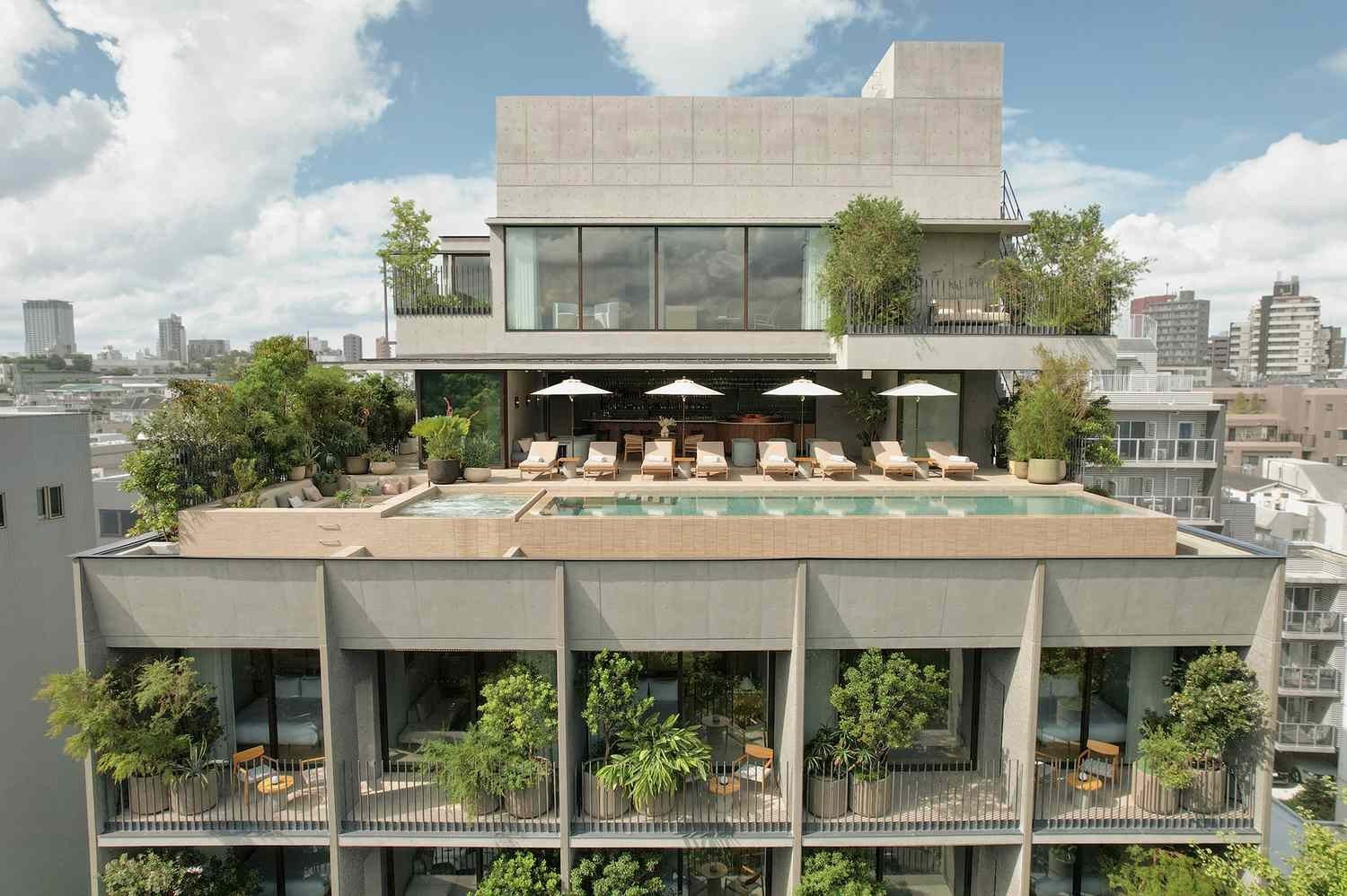

Details
- Classic
- Cozy
- Quiet
- Intimate
- Solo
- Casual Hangout
- After Work
- Late Night
- Date Night
- Design Destination
- Standalone
- Historic Building
- A La Carte
- Counter Dining
- Coffee
- Espresso Drinks
Current opening hours
- Monday
- 10 AM–9 PM
- Tuesday
- Closed
- Wednesday
- 10 AM–9 PM
- Thursday
- 10 AM–9 PM
- Friday
- 10 AM–9 PM
- Saturday
- 10 AM–9 PM
- Sunday
- 10 AM–9 PM
Hours can change for holidays and private events. Last verified .
Calm and nostalgic with low lighting, antique decor, classical cafe styling, and a quietly relaxing atmosphere that feels far removed from the busy Harajuku streets above.