Enrico Caruso
Enrico Caruso sits in Coyoacán's Parque San Andrés district, a neighbourhood where colonial-era street life and a deeply local dining culture make for a different entry point into Mexico City's restaurant scene than the Polanco corridor. The address places it inside one of the capital's most historically textured residential quarters, away from the concentrated fine-dining cluster further north.
Pearl is the En Primeur Club membership app — saves, bookings, and concierge access live there. Same editors, same standards.
- Address
- Virginia 332, Parque San Andrés, Coyoacán, 04040 Ciudad de México, CDMX, Mexico
- Phone
- +525634361127
- Website
- opentable.com
- Directions
- Get directions
 Saves & bookings on Pearl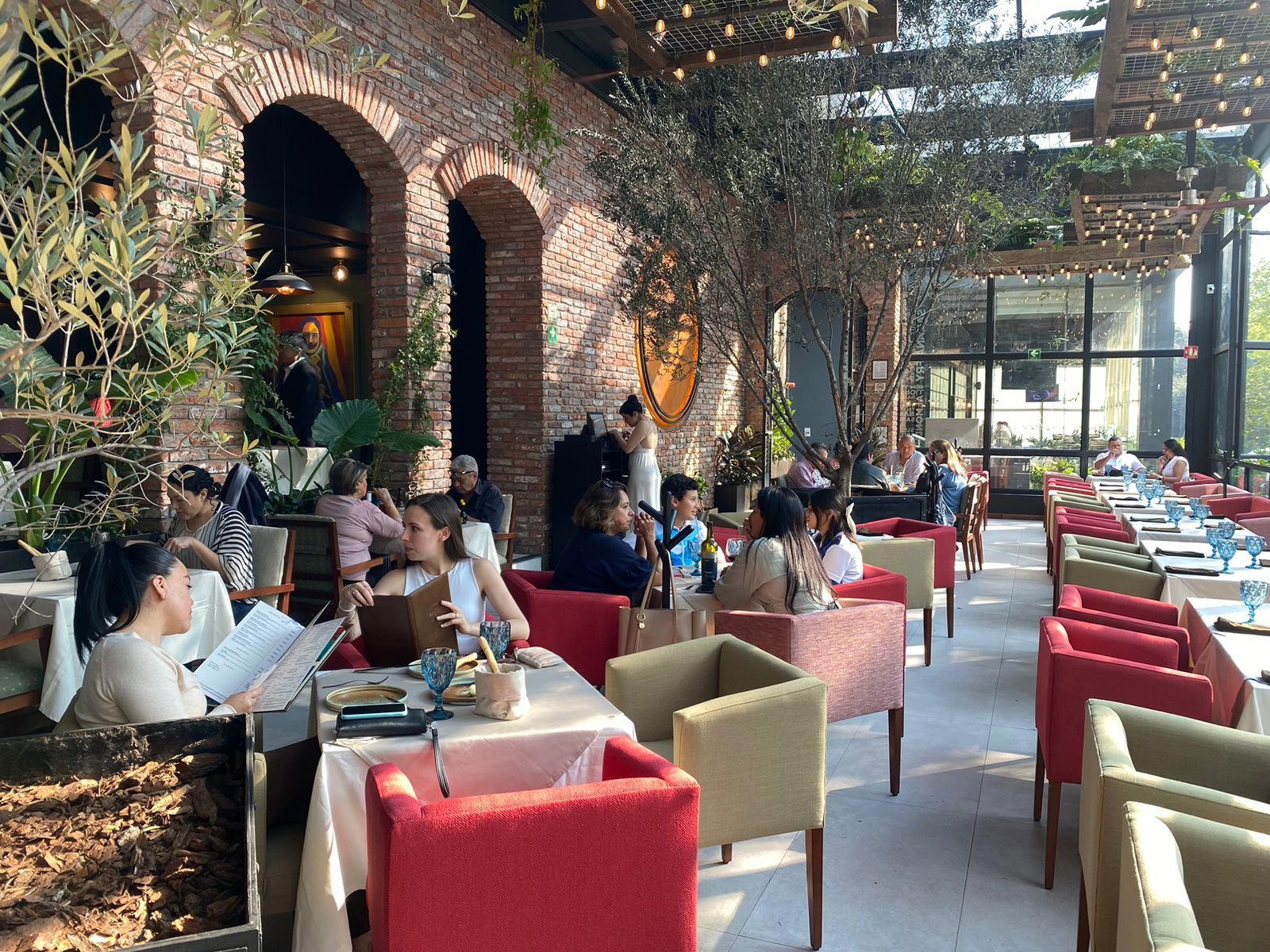
Coyoacán and the Case for Dining South of the Centro
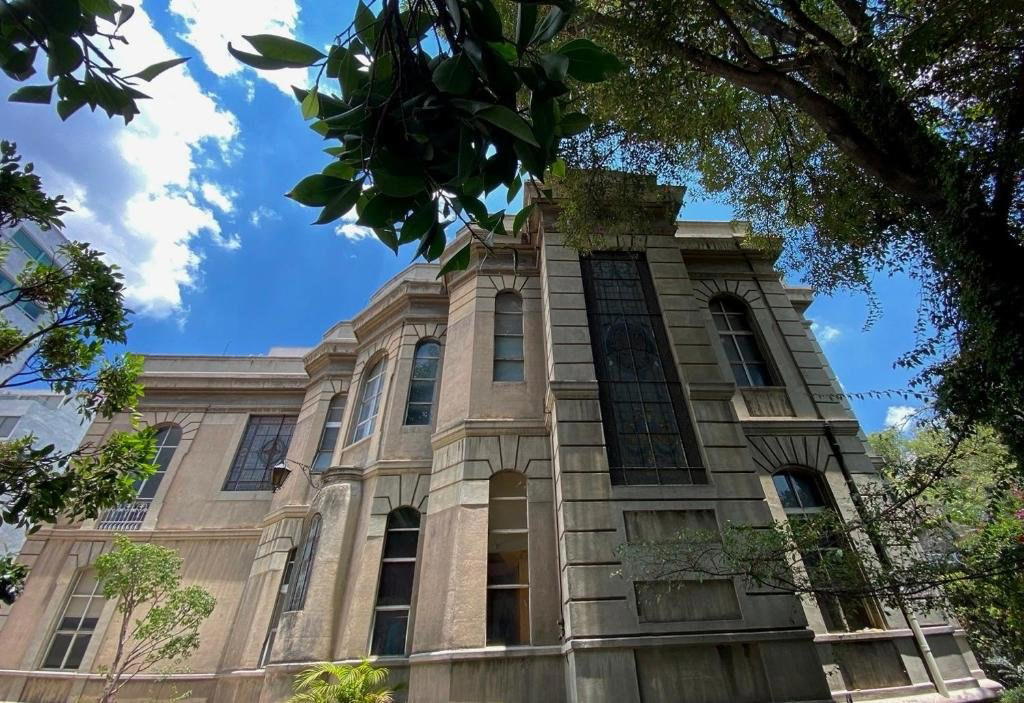
Mexico City's restaurant conversation tends to collapse into a few postcodes: Polanco, Roma Norte, Condesa. That gravitational pull is understandable given the concentration of recognised names in those neighbourhoods, where venues like Pujol and Quintonil operate at the upper tier of contemporary Mexican cooking. But Coyoacán has always maintained a parallel dining identity, one grounded in the neighbourhood's function as a residential and intellectual district. The streets around Parque San Andrés, where Enrico Caruso sits at Virginia 332, carry that character clearly: low-rise colonial buildings, pedestrian pace, and a food culture that feeds actual residents as much as destination diners.
That context matters when reading any restaurant in this part of the city. Coyoacán venues do not typically compete on the same visibility metrics as their northern counterparts.
Italian Naming in a Mexican Setting: What the Frame Signals
The name Enrico Caruso, referencing the early-twentieth-century Neapolitan tenor, places the venue in a long tradition of Italian-named restaurants operating in Latin American cities. That tradition is not incidental. Mexico City has had a documented Italian immigrant presence since the nineteenth century, and Italian culinary influence filtered into the capital's restaurant culture decades before the current wave of European-trained Mexican chefs brought technique back from Paris, Copenhagen, and San Sebastián. A name like Enrico Caruso signals something specific: a sensibility oriented toward European classical cooking, or at minimum a romantic register that positions the dining room as a place for occasion and atmosphere rather than casual grazing.
This framing connects to a broader pattern visible across Mexican fine dining. The country's restaurant scene has split between two dominant approaches: venues that foreground indigenous ingredients and pre-Hispanic culinary logic, as seen at places like Em and, in a different register, Levadura de Olla in Oaxaca, and venues that operate from a European technical framework applied to Mexican produce. The restaurant's naming convention suggests an affinity with the latter mode, though the Coyoacán address places it closer to neighbourhood institution than to the high-concept tasting-menu format.
The Intersection of Imported Method and Local Product
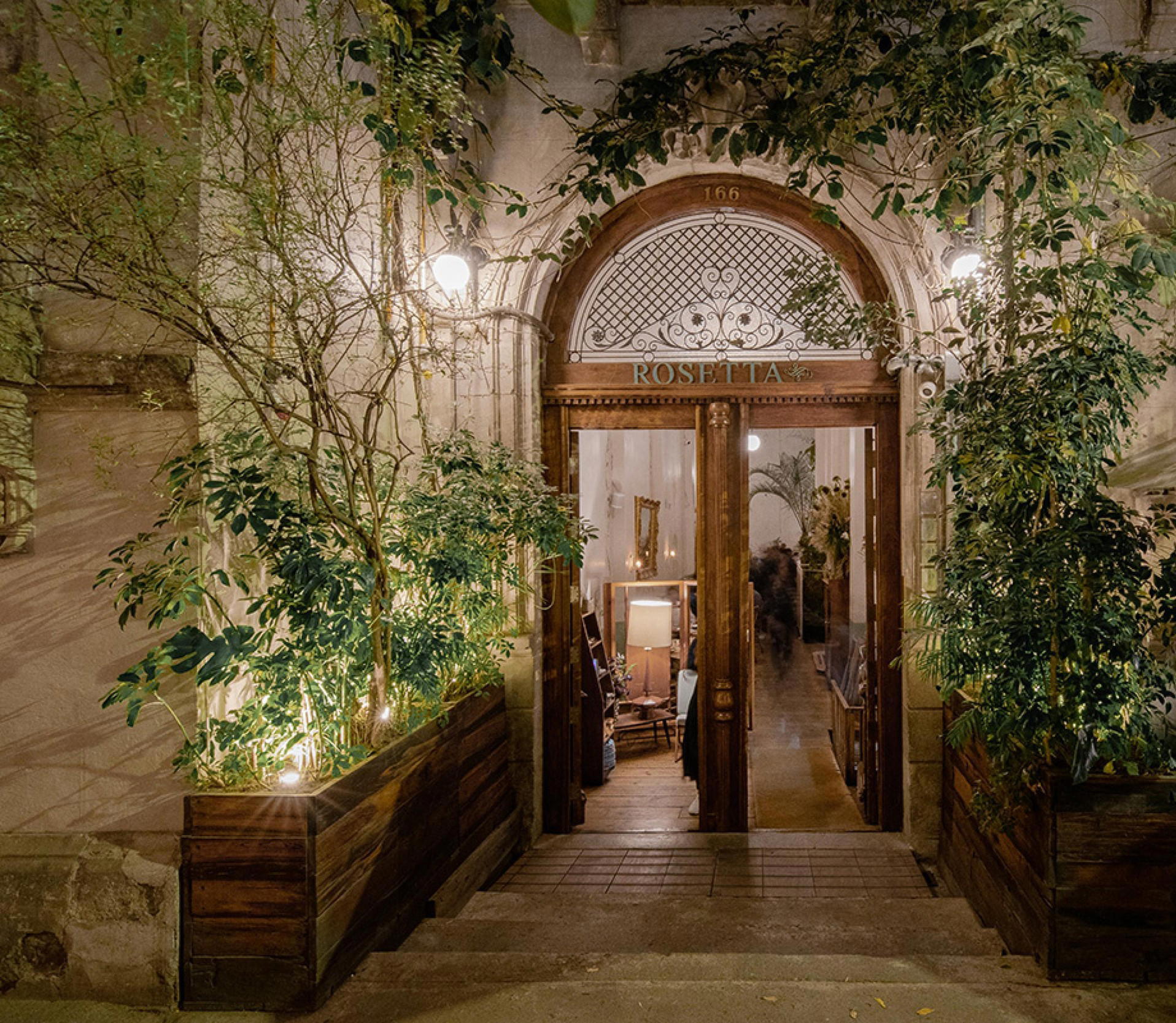
Across Mexico's more serious kitchens, the productive tension between imported culinary technique and indigenous ingredients has become the defining editorial story of the past decade. At Sud 777, that intersection produces a format where European cooking grammar is applied to hyperlocal seasonal sourcing. At Rosetta, Italian tradition is filtered through Mexican produce with enough fidelity to both sides that the result reads as genuinely hybrid rather than pastiche. The question any Italian-named restaurant in Mexico City has to answer, implicitly or explicitly, is where it sits on that spectrum.
Outside the capital, the same question generates different answers depending on region. Animalón in Valle de Guadalupe and Olivea Farm to Table in Ensenada resolve it through Baja California's wine-country terroir. Alcalde in Guadalajara and KOLI in Monterrey take regional specificity as their primary frame. The heterogeneity of those approaches is part of what makes Mexico's restaurant scene substantive rather than monolithic. The restaurant occupies a different node of this network: a Coyoacán address that prioritises neighbourhood embeddedness over national conversation.
Parque San Andrés as Dining Context
The Parque San Andrés district functions as a quieter residential extension of Coyoacán's more tourist-trafficked centre. The market, the jardin, and the Frida Kahlo Museum draw the bulk of day-visit traffic, but the streets further into the colonia operate on a different rhythm. Dinner here tends to be later, slower, and more local in composition than at venues positioned near metro stations or major hotel clusters. For visitors staying in Roma or Condesa, the commute to this part of the city is manageable but requires intention: Coyoacán is not a neighbourhood you pass through. You go there deliberately.
That deliberateness filters the dining room composition. Venues in this part of the city tend to attract a mix of local regulars and visitors who already know what they are looking for, which tends to produce a different room energy than the more transient, tourism-adjacent traffic that circulates through Polanco.
Situating Enrico Caruso in the Broader Mexican Restaurant Circuit
For visitors building a serious itinerary across Mexico, the restaurant functions as a Coyoacán anchor point rather than a destination that competes directly with the tasting-menu circuit. That circuit runs from Mexico City's leading tables through to Le Chique in Puerto Morelos, HA' in Playa del Carmen, Arca in Tulum, Lunario in El Porvenir, and Pangea in San Pedro Garza García. These venues self-consciously position within an international conversation that includes references like Le Bernardin in New York and Lazy Bear in San Francisco. The restaurant does not appear in that conversation, which is neither a criticism nor a gap, it reflects a different function and a different relationship to the neighbourhood it serves.
Cuisine Context
Comparable venues nearby, for context on price, style, and recognition.
| Venue | Cuisine | Price | Notes |
|---|---|---|---|
| Enrico CarusoThis venue — the venue you are viewing | Classic Italian Ristorante | $$$ | Not listed |
| Cortile | Modern Italian-Mediterranean with Wood-Fired Pizza | $$$ | Pedregal de San Jeronimo |
| Auguri Kosher Trattoria | Kosher Italian Trattoria with Fusion Elements | $$$ | Del Bosque |
| Negroni Arcos Bosques | Rustic Italian Trattoria | $$$ | Cooperativa Palo Alto |
| Fornería del Becco | Authentic Neapolitan Pizza and Italian | $$$ | Jardines en la Montaña |
| Farina Duraznos | Casual Italian Pizza | $$$ | Bosques de Las Lomas |
Continue exploring
More in Mexico City
Restaurants in Mexico City
Browse all →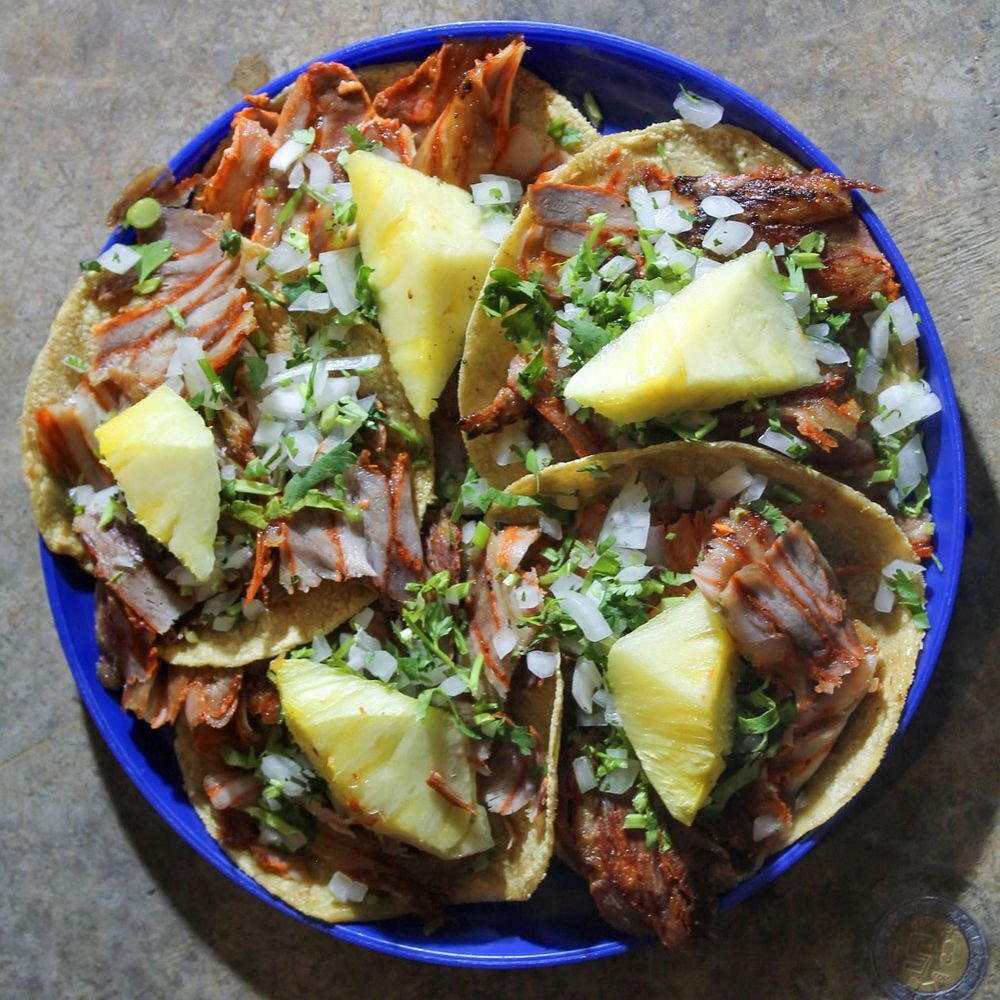
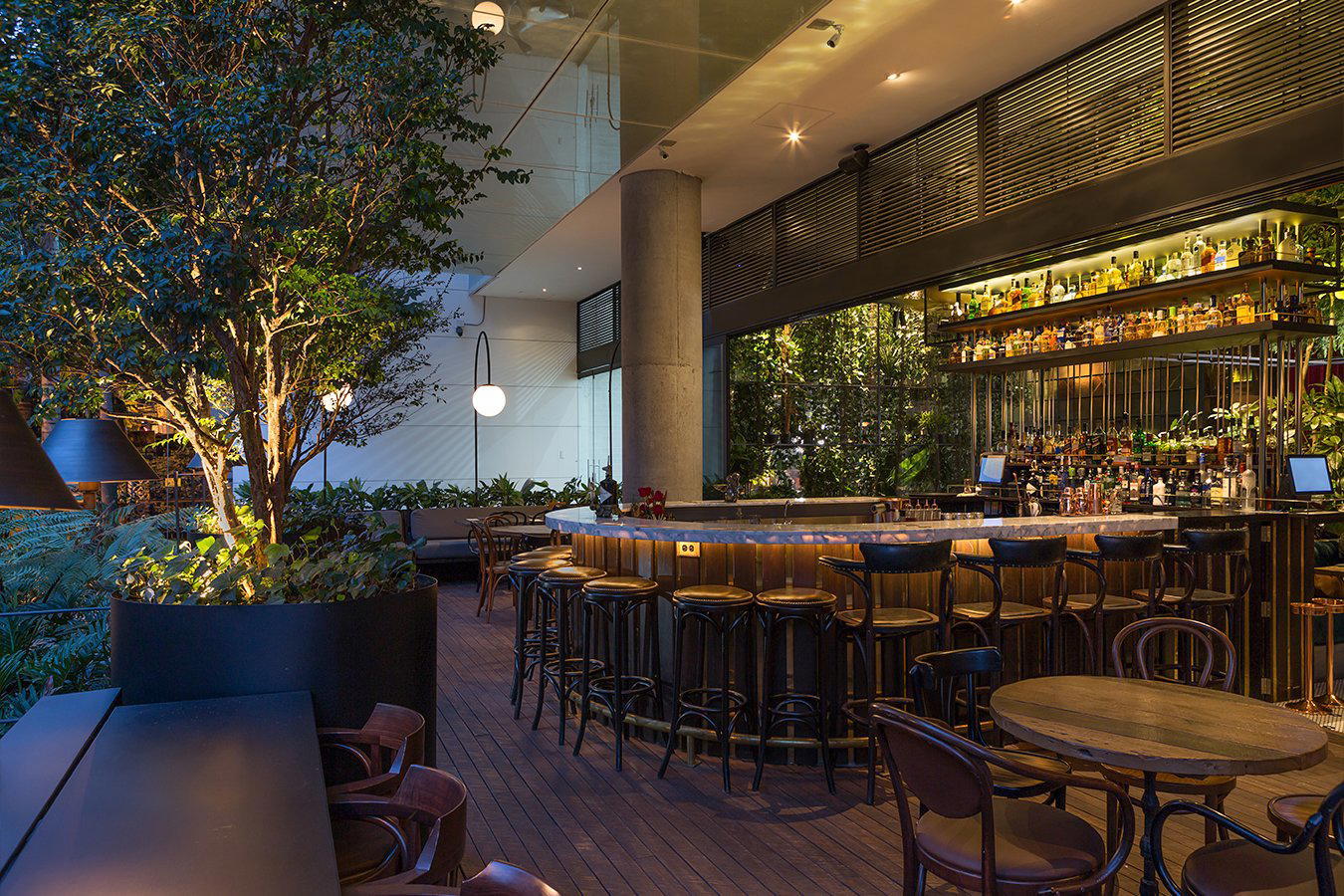
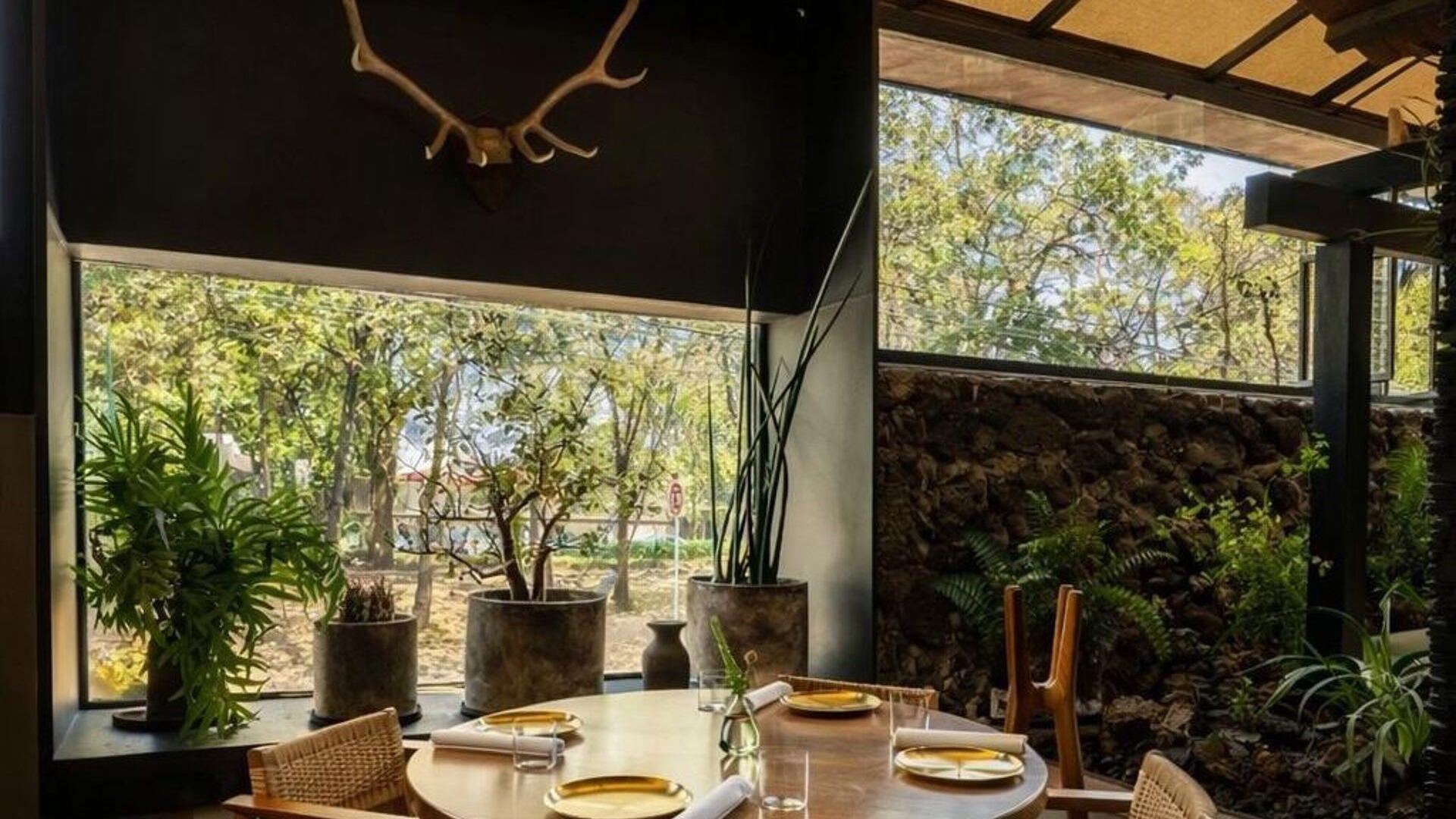
Bars in Mexico City
Browse all →

At a Glance
- Romantic
- Elegant
- Intimate
- Sophisticated
- Date Night
- Special Occasion
- Group Dining
- Open Kitchen
- Craft Cocktails
Current opening hours
- Monday
- 11 AM–10 PM
- Tuesday
- 1–10 PM
- Wednesday
- 1–10 PM
- Thursday
- 1–10 PM
- Friday
- 1–11 PM
- Saturday
- 9 AM–11 PM
- Sunday
- 9 AM–8 PM
Hours can change for holidays and private events. Last verified .
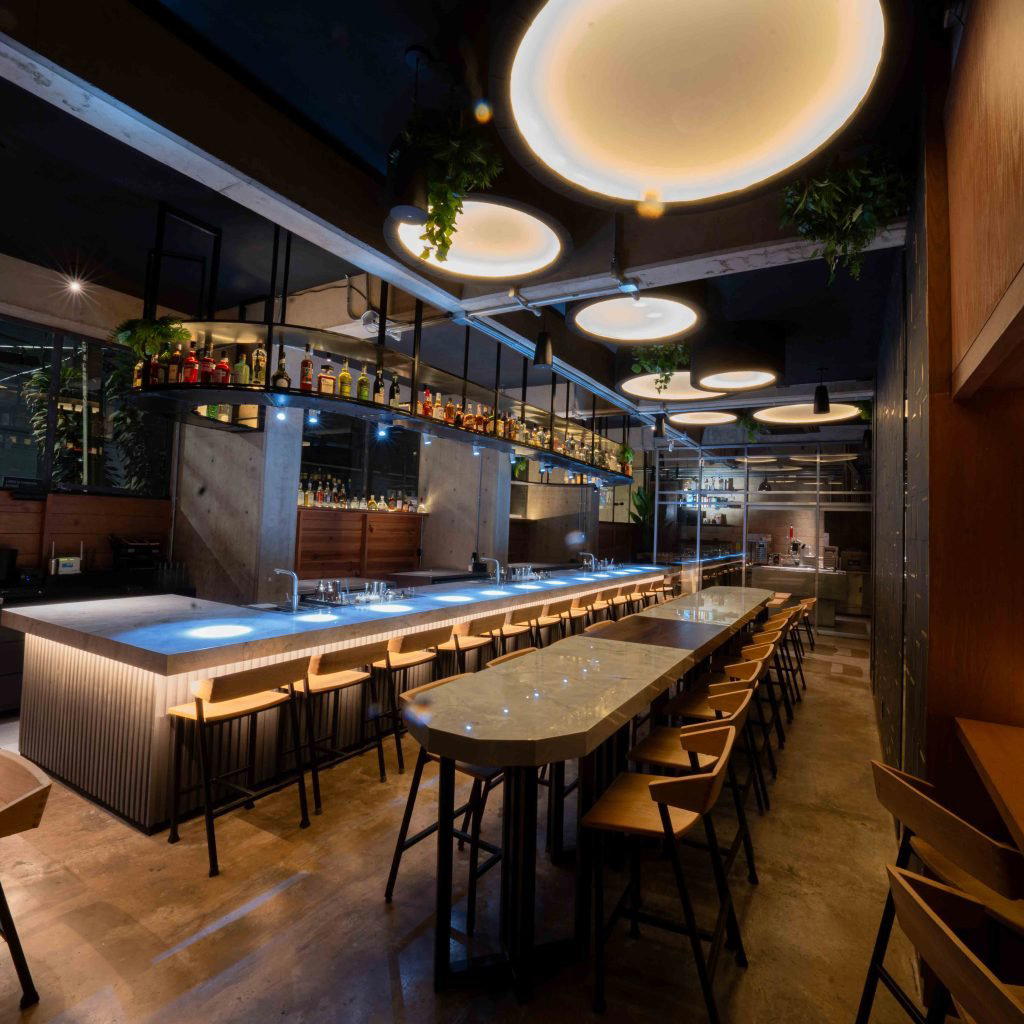
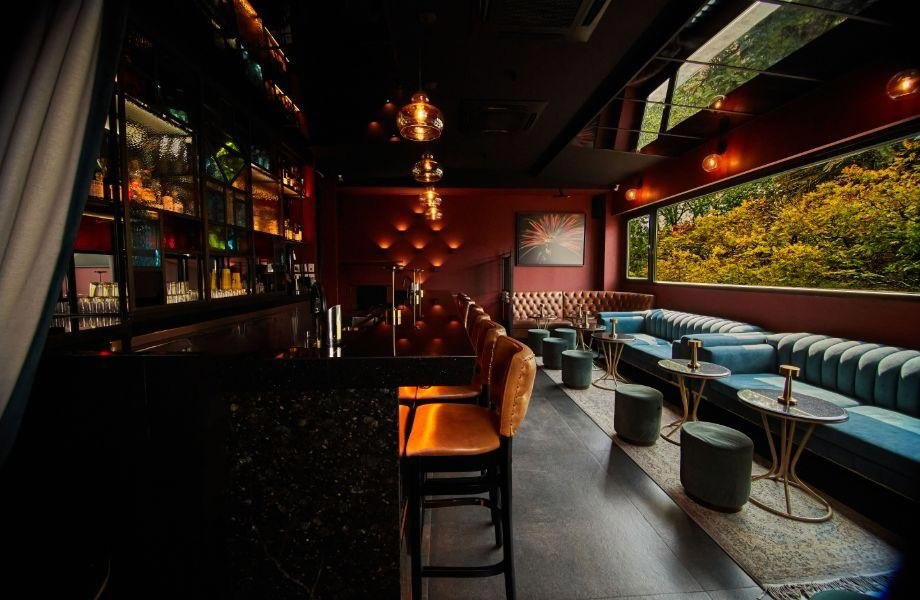
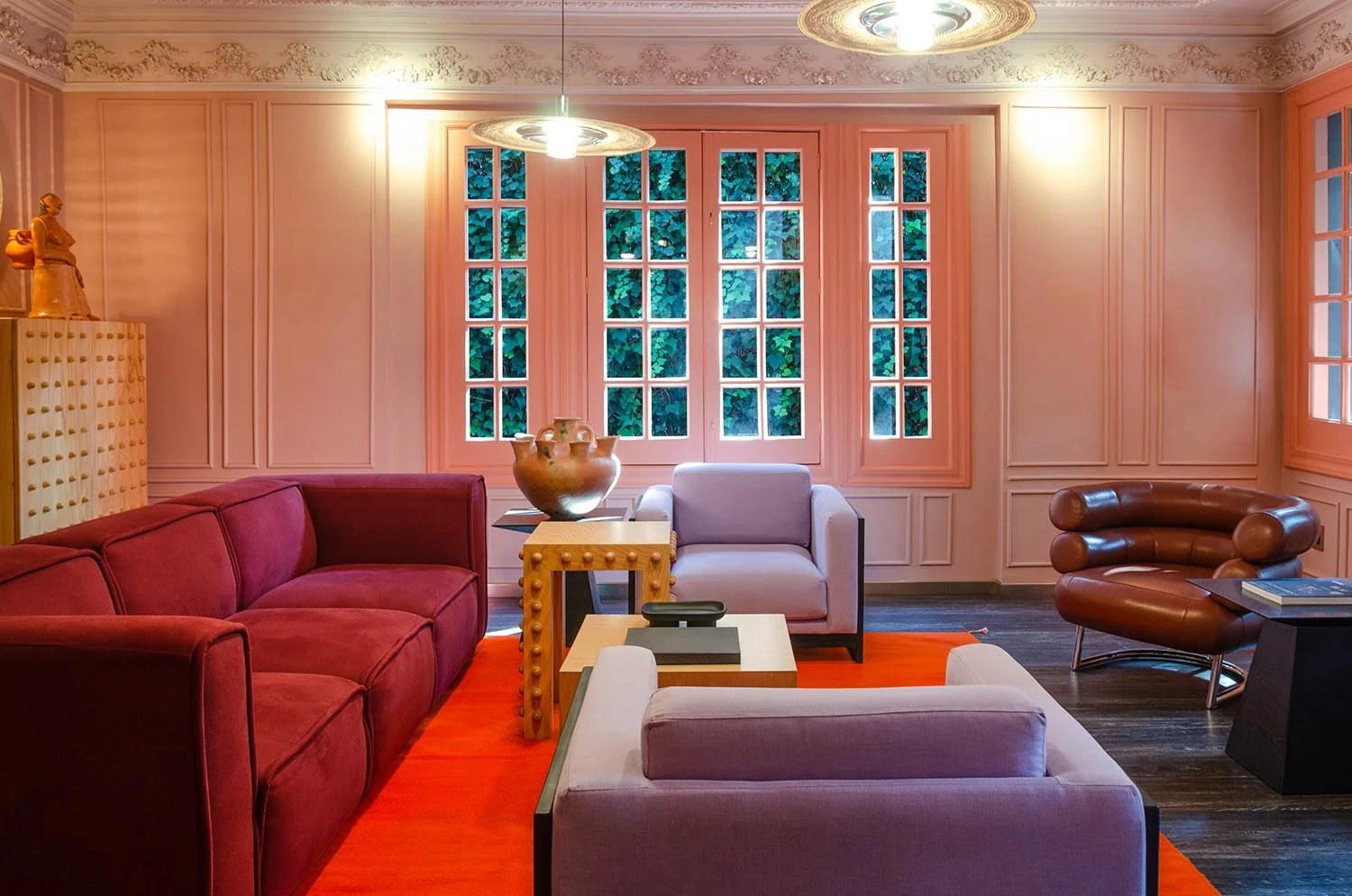
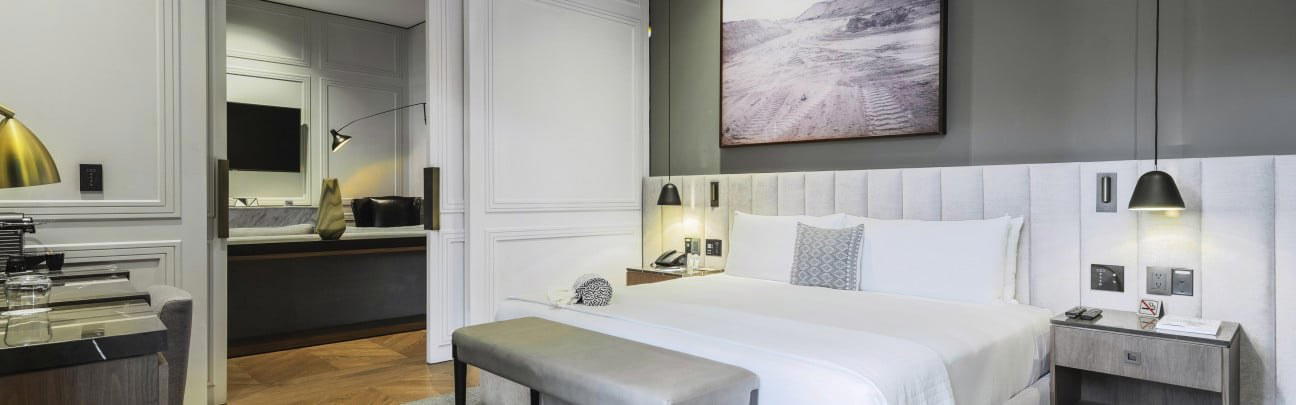
Moderate noise level with elegant spaces and beautiful lounges ideal for dates and celebrations.