
Michelin Plate
Our verdict
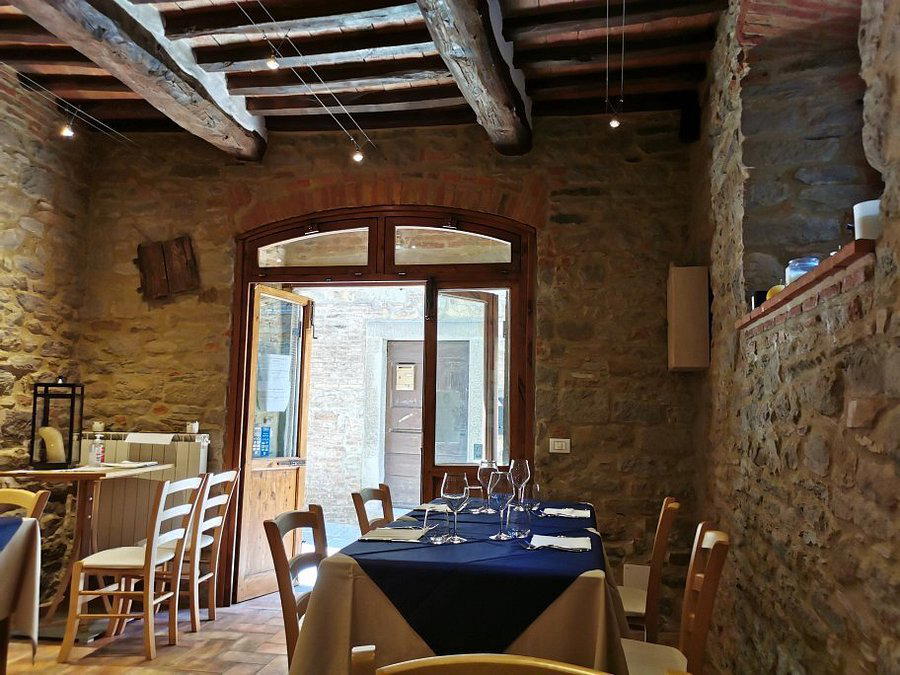
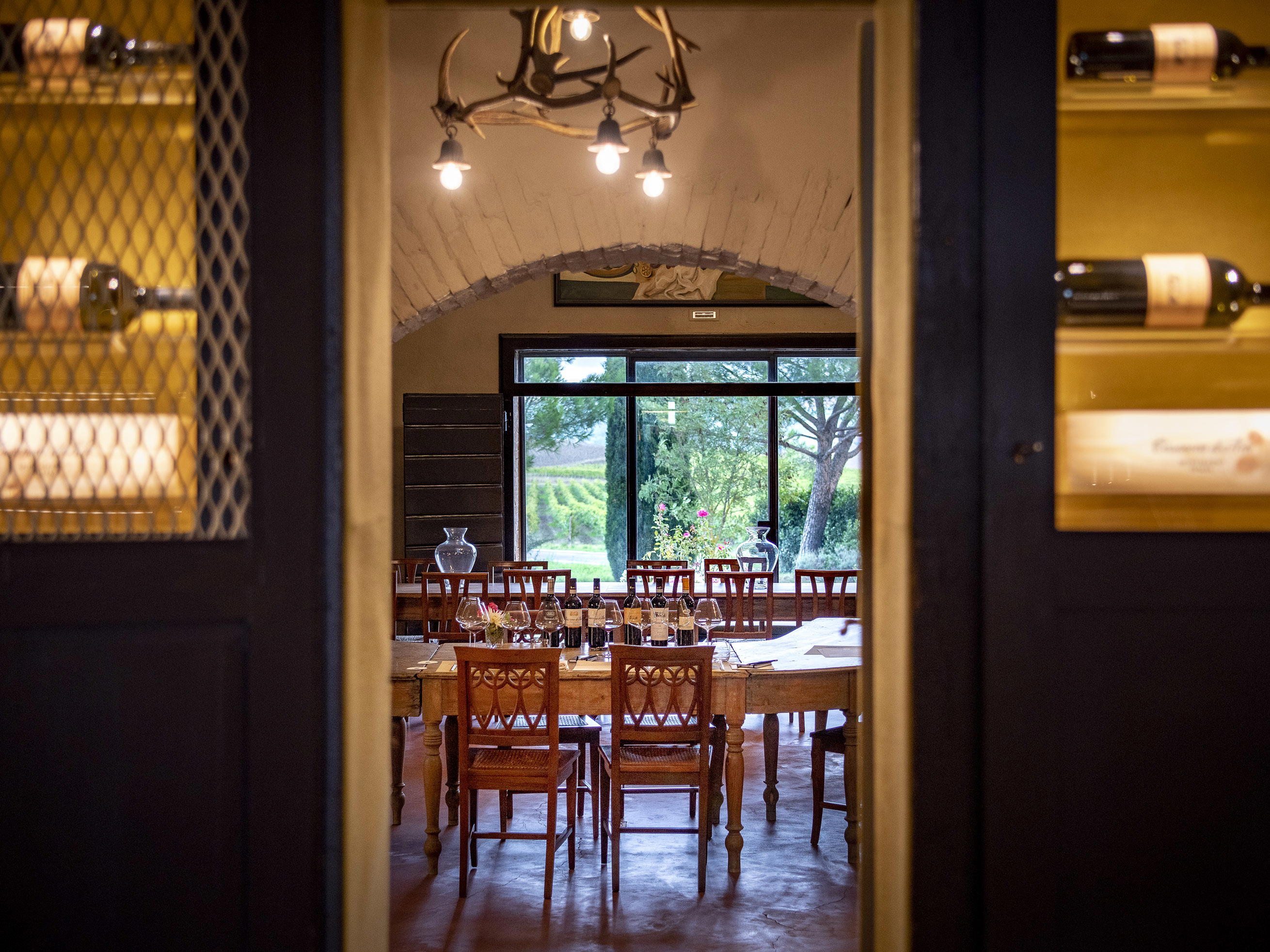
A restored farmhouse at the foot of Cortona, Enoteca Meucci holds consecutive Michelin Plate recognition (2024 and 2025) and operates across two distinct formats: a ground-floor wine bar stocked with local produce, and a first-floor restaurant running a seasonal Tuscan menu. The outdoor terrace makes it a strong warm-weather destination in the Val di Chiana.

Pearl is the En Primeur Club membership app, where members save venues, book tables and use the concierge.
Farmhouse Cooking and the Cortona Table
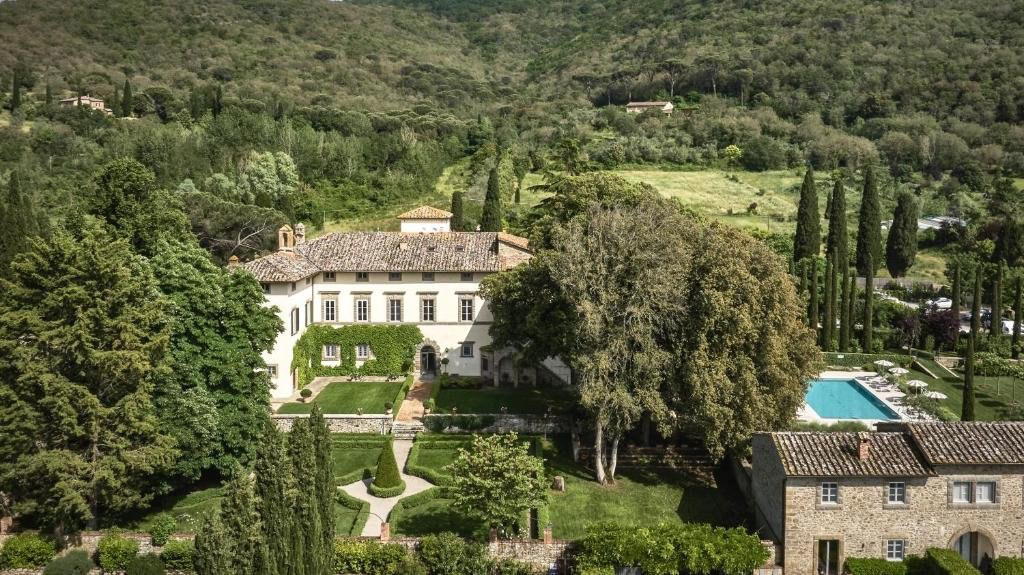
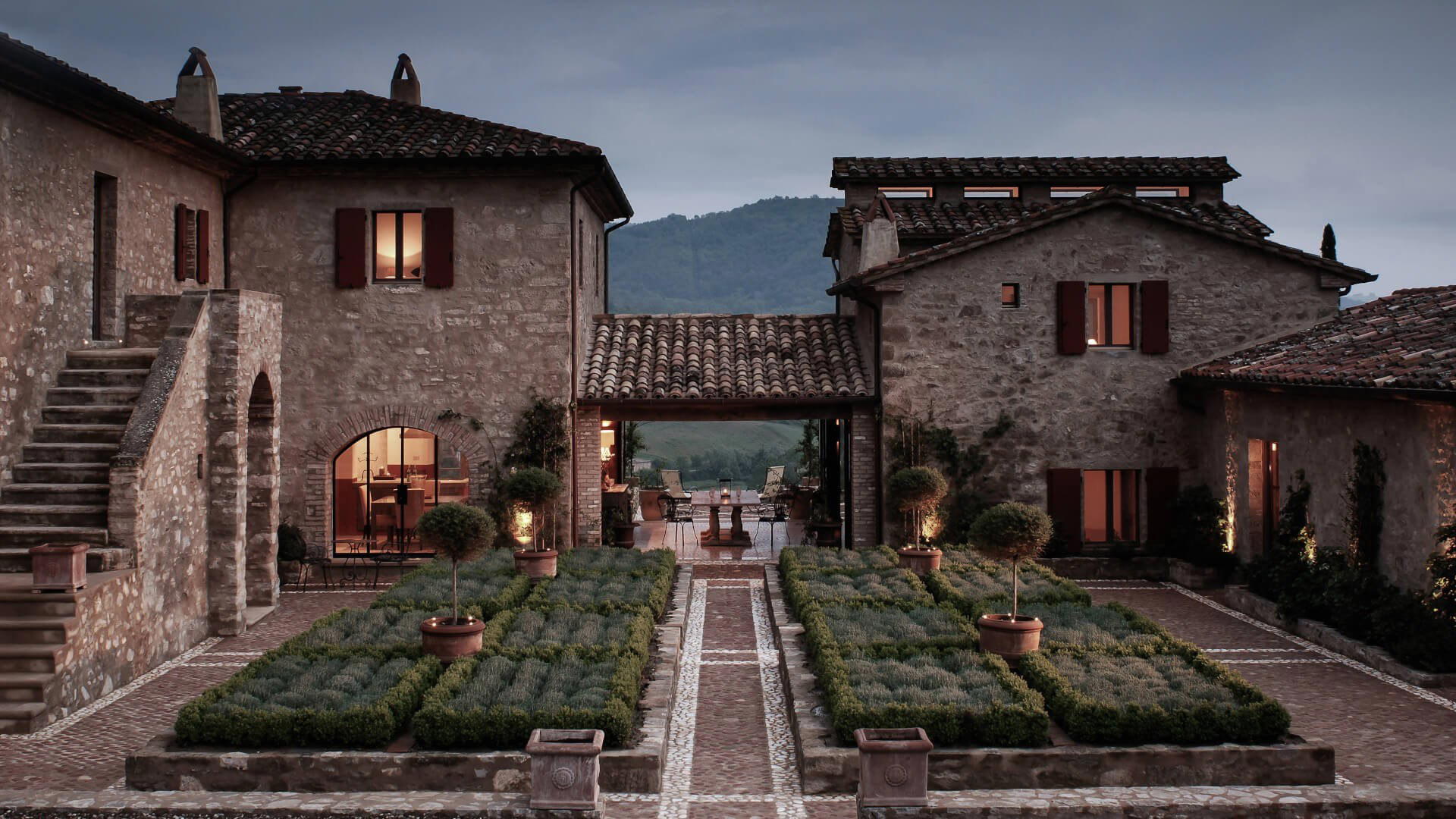
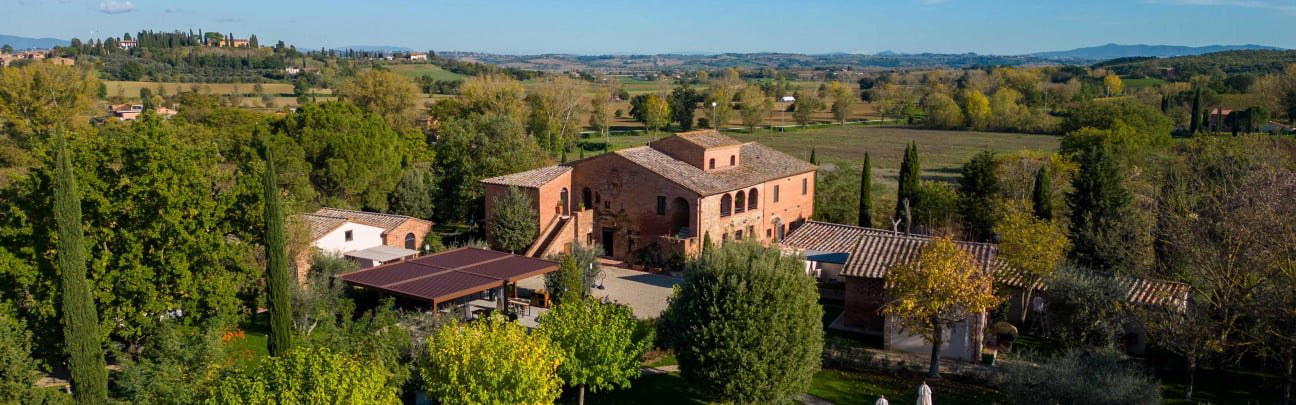
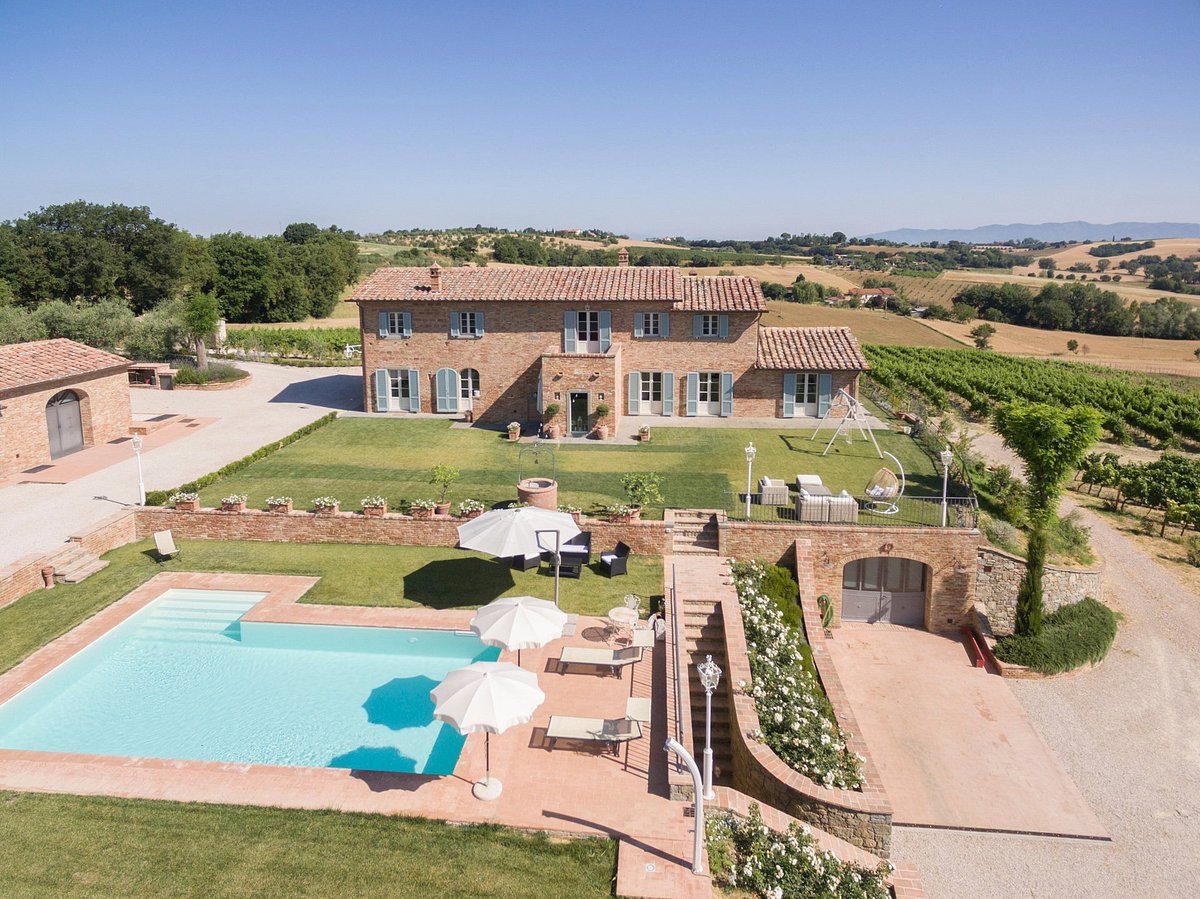
The approach to serious Tuscan dining in the hilltowns of the Val di Chiana tends to follow a particular logic: the older the building, the more direct the food. Cortona's restaurant culture sits within that pattern. Its better tables occupy converted farmhouses and medieval palazzi, and the cooking rarely strays far from the seasonal rhythms of Chianina cattle, wild boar, fresh porcini, and the black truffle that surfaces across the broader Arezzo province each autumn. Enoteca Meucci, in the locality of Riccio just below the city walls, fits squarely into this model. The setting is a restored farmhouse, and the kitchen works a traditional menu with seasonal adjustment rather than conceptual reinvention.
That approach positions the restaurant within a specific tier of Cortona dining. Il Falconiere holds a Michelin star and operates at a higher price point with stronger wine program infrastructure. Osteria del Teatro and Locanda del Molino share the mid-range (€€) bracket with Enoteca Meucci and address a similar audience: visitors and locals who want the substance of Tuscan regional cooking without the formality of a starred room. La Bucaccia pitches at the entry price tier with a tighter format. The Michelin Plate, awarded in both 2024 and 2025, signals consistent kitchen standards without the ceremony of a star: Michelin's way of noting that a restaurant cooks well and honestly, which in Tuscany is not a small thing to say given the density of the competition.
Two Formats Under One Roof
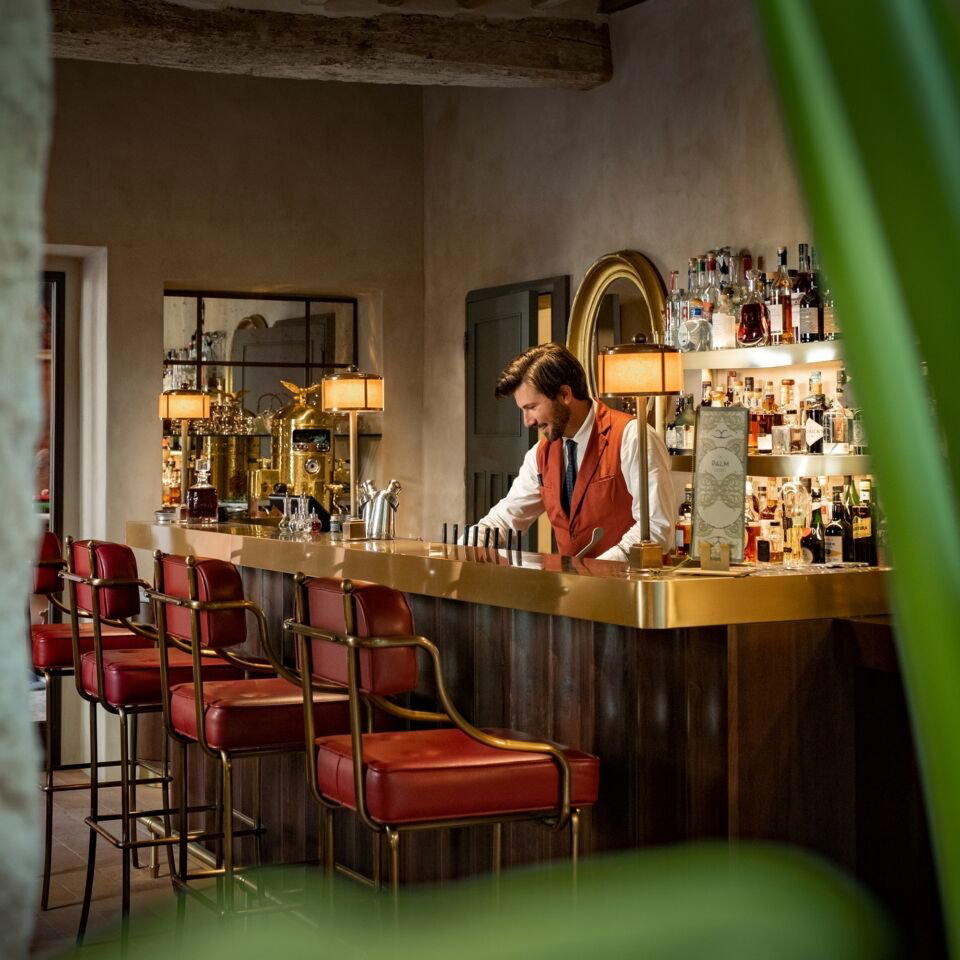
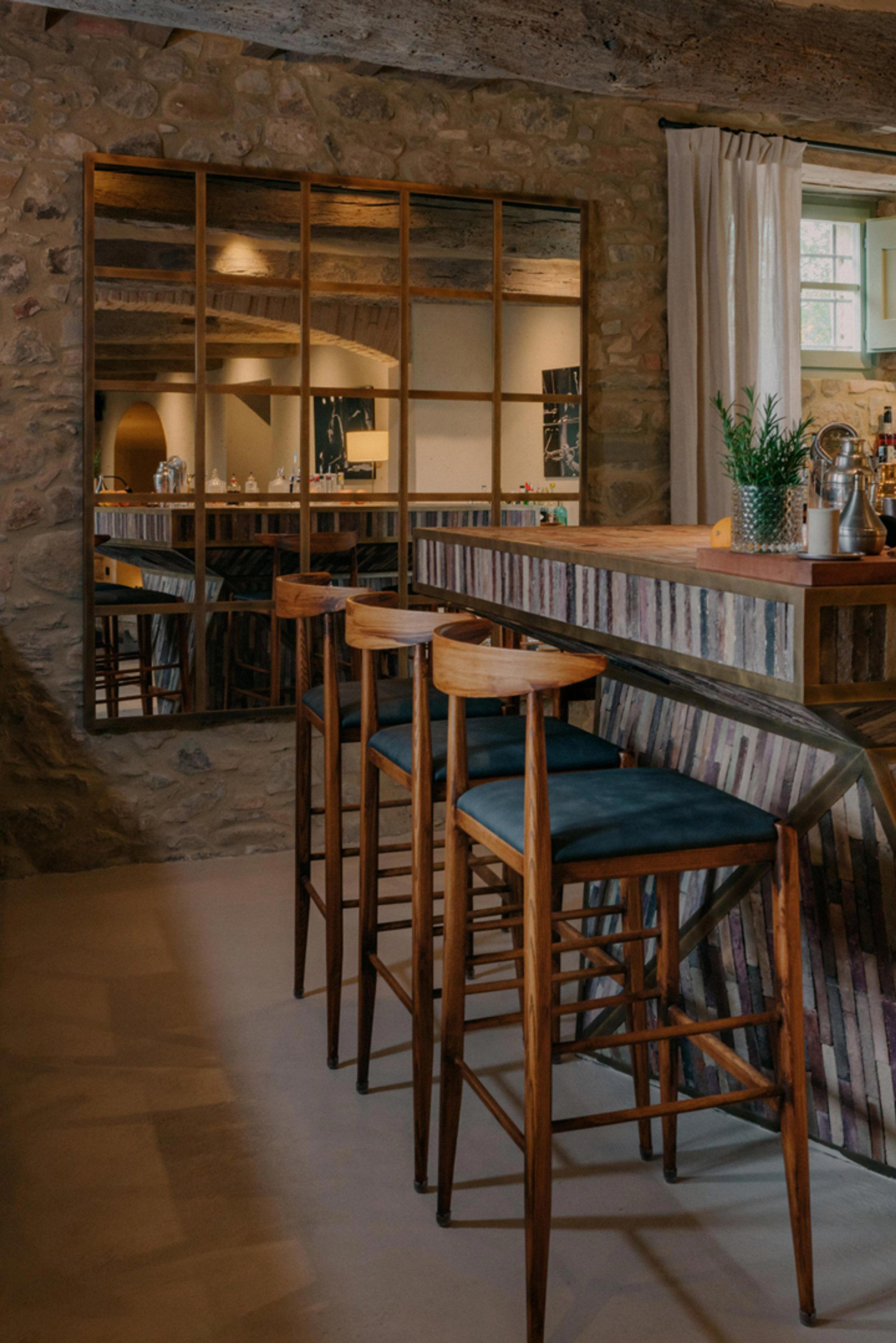
What separates Enoteca Meucci from a direct trattoria is its structural split. The ground floor operates as a wine bar, a format common in Tuscany's smaller hill towns where the enoteca tradition predates the modern restaurant by several centuries. Here, aperitifs and locally sourced food products sit alongside a wine offer drawn from the region. The Cortona DOC, established in 1999 and covering Syrah, Sangiovese, and the white varieties Grechetto and Chardonnay, provides the dominant reference point for any serious local wine list, and the Val di Chiana's proximity to the larger Vino Nobile di Montepulciano and Brunello zones means a competent enoteca in this area carries real depth if it chooses to.
The restaurant proper occupies the first floor, where the menu shifts the register from casual browsing to a full-service seasonal kitchen. The format mirrors how the broader Tuscan agriturismo and farmhouse dining culture has evolved over the past two decades: keeping informality in the bones of the space while bringing genuine culinary discipline to the plate. This is a more demanding balance than it appears. The risk in Tuscan hilltown restaurants is formulaic cooking sold on setting alone, particularly in towns with strong tourism flows like Cortona. Consecutive Michelin Plate recognition across 2024 and 2025 suggests the kitchen has not fallen into that trap.
The Cultural Grammar of Tuscan Seasonal Cooking
Understanding what a menu described as "traditional yet constantly evolving with a focus on seasonal ingredients" actually means in this context requires some unpacking of Tuscan culinary grammar. Tradition in the Val di Chiana is relatively specific. The Chianina breed, one of the oldest cattle breeds in the world and the source of the bistecca alla fiorentina at its most authoritative, is raised in the valley below Cortona. Wild boar ragu appears across autumn menus throughout the region. Hand-rolled pici, the thick Sienese pasta that has spread across southern Tuscany, tends to arrive with game sauces, local pecorino, or simple aglione, the oversized garlic native to the Val di Chiana. These are not arbitrary dishes: they are a coherent regional lexicon built over centuries of specific agricultural practice.
The phrase "constantly evolving" within that framework usually signals responsiveness to what arrives in the kitchen rather than structural menu change. A cook working in this idiom adjusts for the season, for what the local supplier brings that week, and for the particular stage of any given ingredient. That is a different kind of evolution from the tasting-menu modernism practiced at addresses like Osteria Francescana in Modena or Le Calandre in Rubano, but it demands an equivalent attentiveness. The regional Tuscan restaurants that sustain Michelin recognition over multiple years, such as Caino in Montemerano and L'Asinello in Castelnuovo Berardenga, tend to share that quality of seasonal alertness within a traditional frame.
Setting and Timing
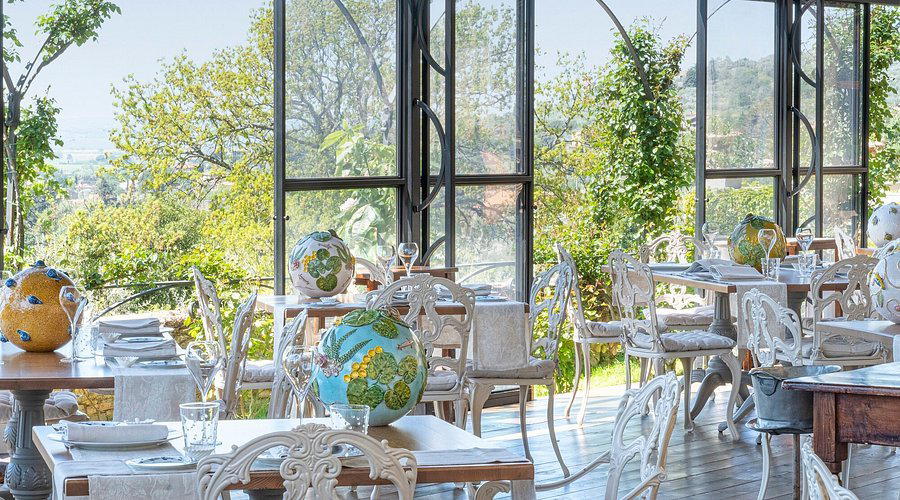
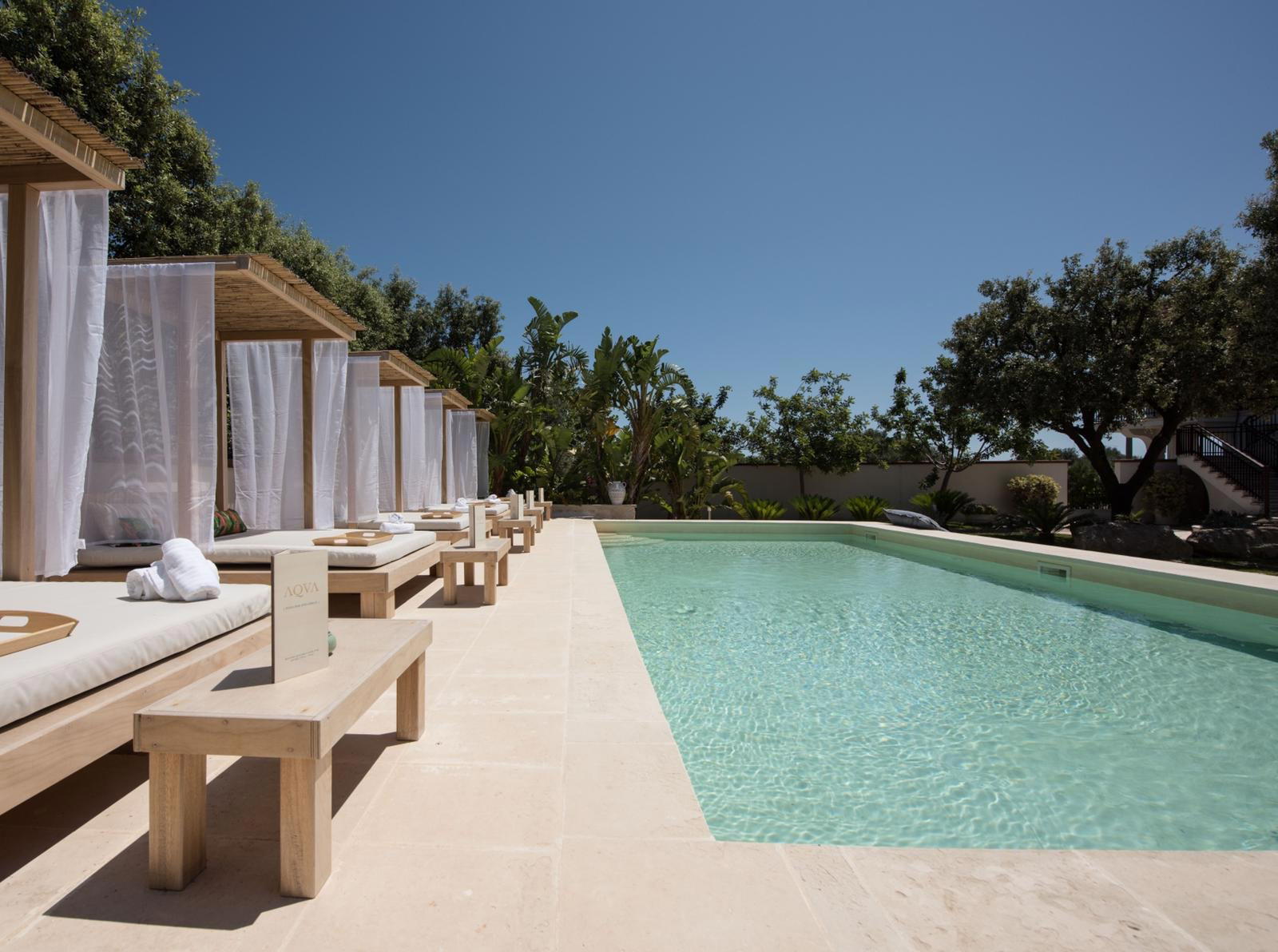
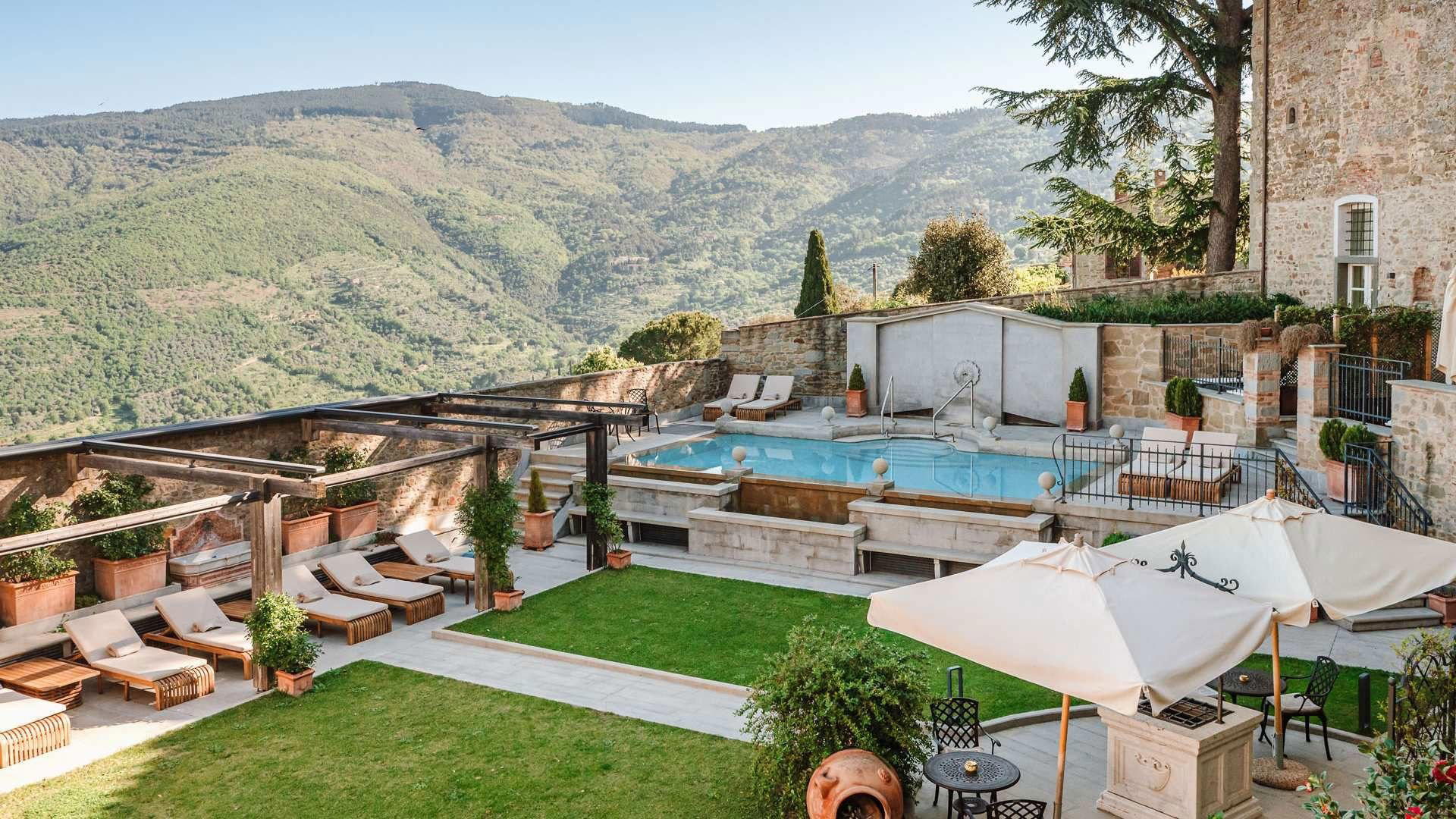
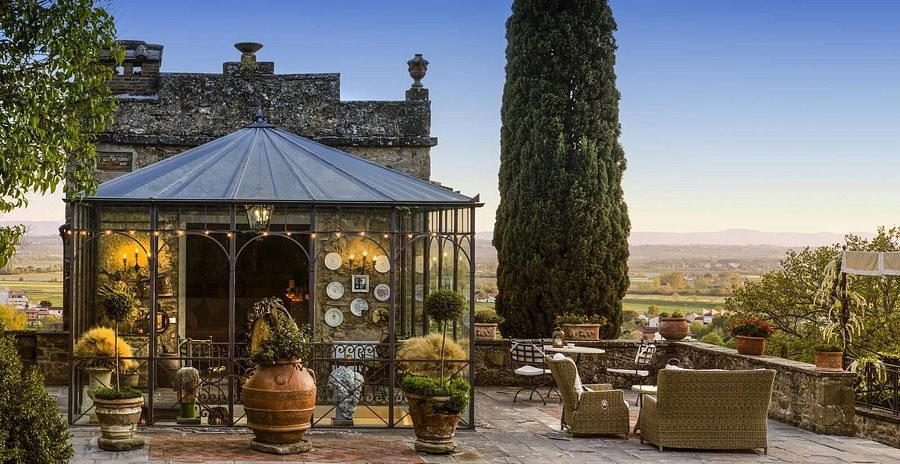
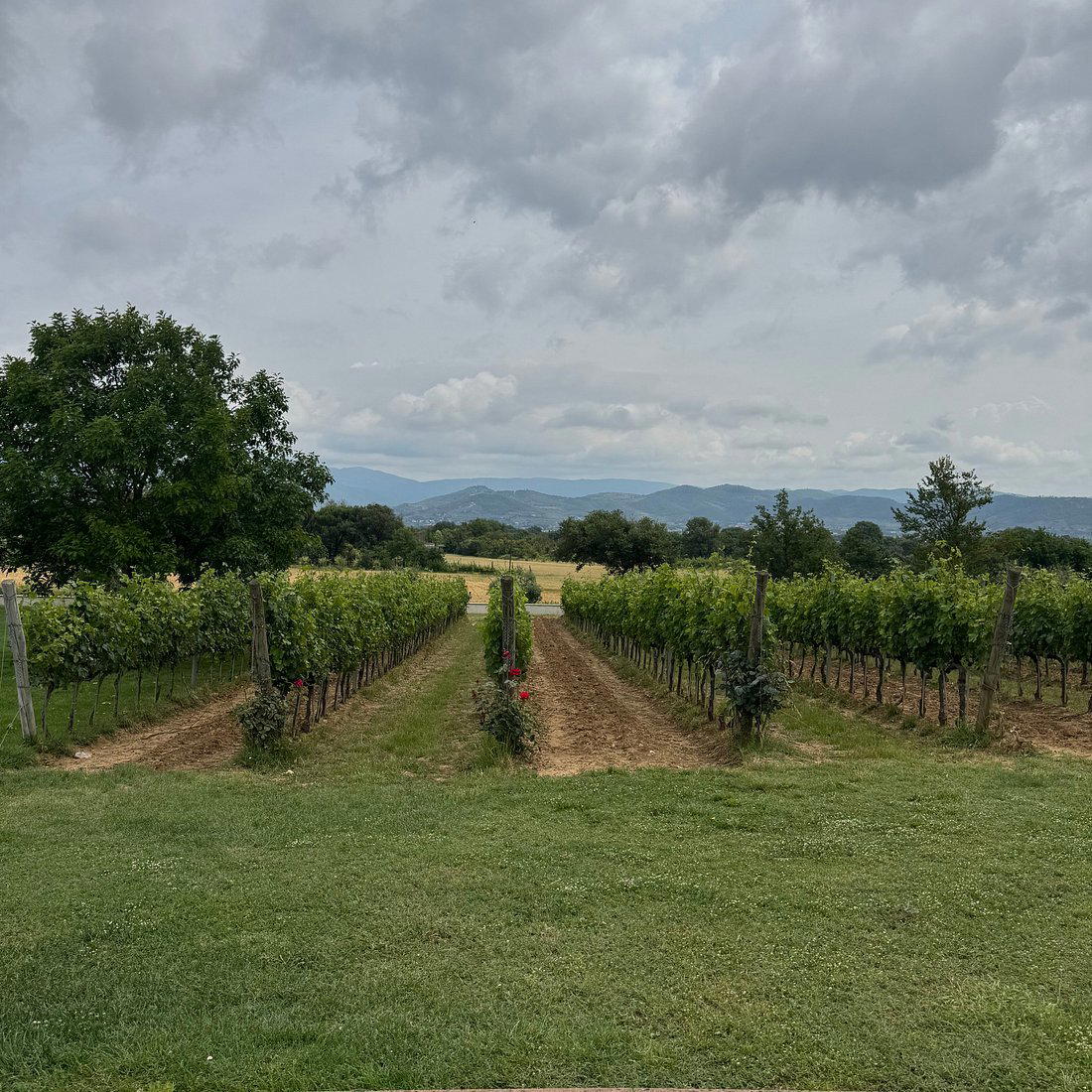
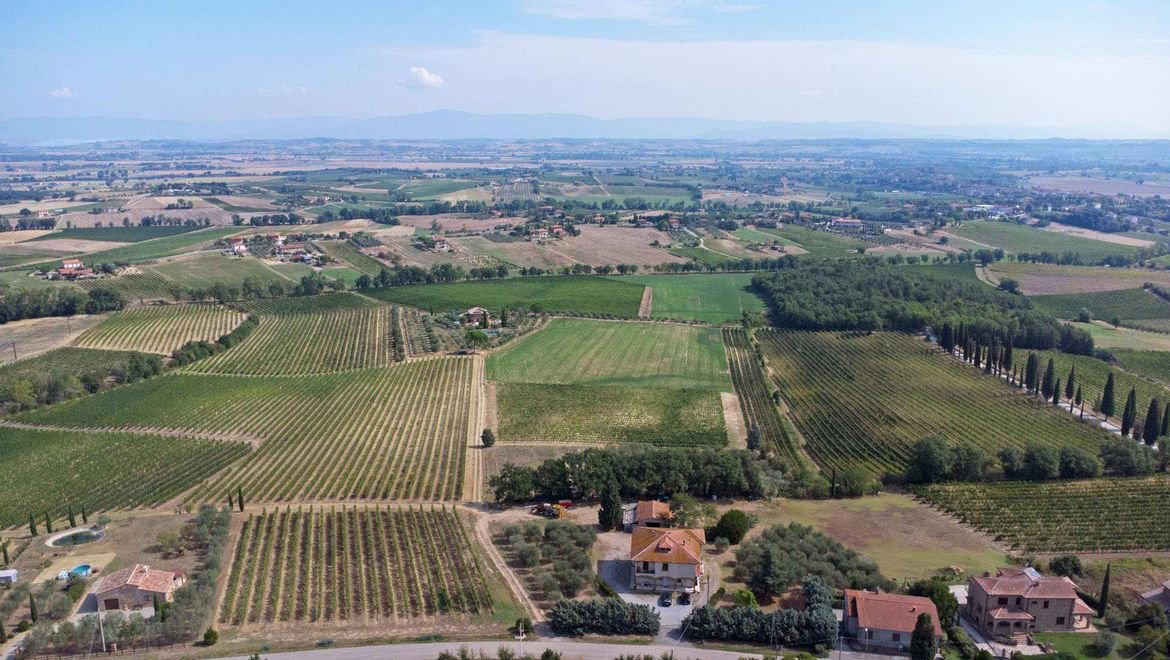
The farmhouse location at Riccio, below the old city walls, means the outdoor dining space functions as a significant asset in the warmer months. Cortona's position on a steep hillside above the Val di Chiana gives the surrounding area long views across the valley toward Umbria, and an evening table outside a converted farmhouse in this zone, in late May through September, captures one of the more persuasive arguments for agriturismo-style dining in central Italy. For visitors using Cortona as a base for the wider Arezzo province, the restaurant sits outside the town center, which means arriving by car is the practical choice.
Wine bar format on the ground floor also makes Enoteca Meucci a workable stop independent of a full dinner booking. Aperitivo culture in Tuscany's smaller towns is less codified than in northern Italy, but a serious enoteca in this area will typically offer a selection that reflects the local DOC alongside broader Tuscan and Italian references. The food produce available to purchase connects to a wider pattern of Cortona as a market for quality regional products, alongside addresses like C ucina.
For visitors building an itinerary around Cortona's table, the full picture runs wider than any single address. Our full Cortona restaurants guide maps the range across price tiers and formats. The region's accommodation and drinking scenes are covered in our Cortona hotels guide, bars guide, and wineries guide, with cultural programming in our Cortona experiences guide. For the wider Italian fine dining reference, Enoteca Pinchiorri in Florence, Enrico Bartolini in Milan, Dal Pescatore in Runate, and Atelier Moessmer Norbert Niederkofler in Brunico provide the national context within which Cortona's mid-tier Michelin Plate restaurants operate.
What to Order at Enoteca Meucci
What the cuisine type, setting, and regional context suggest is a kitchen grounded in Val di Chiana ingredients: expect the seasonal menu to reflect whatever is current in the broader Tuscan agricultural cycle, anchored by pasta formats native to the Siena-Arezzo corridor and meat from the valley below. The wine bar on the ground floor is the natural starting point for any visit, with local Cortona DOC wines providing the most direct expression of the surrounding territory. Booking ahead is advisable, particularly for the first-floor restaurant and for outdoor terrace tables between June and August.
Frequently asked questions
What awards or recognition does Enoteca Meucci have?
Enoteca Meucci has received recognition including: Occupying a restored farmhouse at the foot of Cortona, this restaurant has two different dining areas: a wine bar on the ground floor where you can enjoy excellent aperitifs or buy local food produce, and a restaurant on the first floor tha….
What should I eat at Enoteca Meucci?
The menu follows a traditional Tuscan framework driven by seasonal produce, which in the Val di Chiana context means dishes built around what the surrounding farmland and nearby markets supply at any given time. Expect the kind of cooking that shifts with the calendar rather than holding to a fixed card year-round. The dual-format setup is worth noting: the ground-floor wine bar stocks local food produce alongside aperitifs, so arriving early to graze on regional goods before heading upstairs to the restaurant is a practical approach. The Michelin Plate recognition in both 2024 and 2025 confirms the kitchen is cooking at a level worth sitting down for.
What price level is Enoteca Meucci?
Pricing at Enoteca Meucci is listed as €€.
Where is Enoteca Meucci in Cortona?
Enoteca Meucci is located at Loc, Località Riccio, 71, 52044 Cortona AR, Italy, Cortona.
Budget and Context
| Venue | Cuisine | Price | Awards |
|---|---|---|---|
| Enoteca MeucciThis venue (the venue you are viewing) | Modern Tuscan | $50–100 | Michelin Plate |
| La Bucaccia | Traditional Tuscan Trattoria | $50–100 | Michelin Bib Gourmand |
| Il Falconiere | Michelin-Starred Tuscan Fine Dining | $100–150 | 1 Michelin Star · Relais Chateaux Award |
| C ucina | Tuscan Italian Trattoria & Pizzeria | $50–100 | Michelin Plate · Wine Spectator Award of Excellence |
| Locanda del Molino | Traditional Tuscan Trattoria | $30–50 | Michelin Plate |
| Osteria del Teatro | Traditional Tuscan with Modern Refinement | $50–100 | Michelin Plate |
Recognition history
Dated appearances from independent guides and award organizations, with the underlying list record or original source where available.
Michelin Plate
Michelin
Full recognition history (3 entries)
Michelin Plate
Michelin
Michelin Plate
Michelin
Continue exploring
More in Cortona
Restaurants in Cortona
All restaurants in Cortona →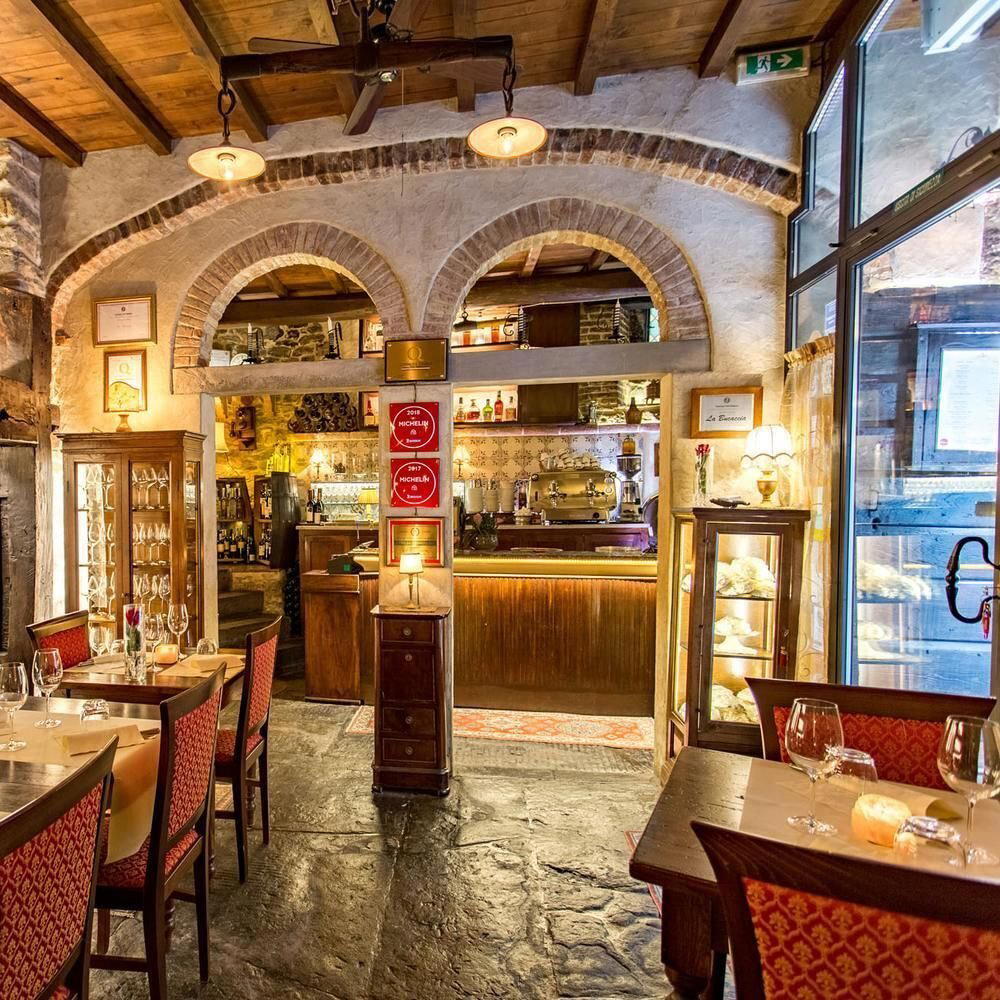
Bars in Cortona
All bars in Cortona →
Enoteca Meucci
The wine
- Wine program
- Deep wine list
- Extensive wine list
Details
- Rustic
- Elegant
- Cozy
- Romantic
- Intimate
- Date Night
- Special Occasion
- Historic Building
- Terrace
- Wine Cellar
- Extensive Wine List
- Local Sourcing
- Vineyard
- Garden
- Tasting Menu
- Wine
- Vegetarian Friendly
Current opening hours
- Monday
- Closed
- Tuesday
- 9 AM–11:30 PM
- Wednesday
- 9 AM–11 PM
- Thursday
- 9 AM–11 PM
- Friday
- 9 AM–11 PM
- Saturday
- 9 AM–11 PM
- Sunday
- 9 AM–11 PM
Hours can change for holidays and private events. Last verified .
Inviting and warm dining rooms in traditional Tuscan style with a personal touch, featuring rustic charm and romantic atmosphere.