El Rey Taquiza Artesanal
On Mission Street in the heart of San Francisco's Latino Cultural District, El Rey Taquiza Artesanal represents the artisanal taquiza tradition that distinguishes the corridor's most serious taco operations from casual fast-food counters. The address at 2491 Mission St places it in one of the city's most food-dense stretches, where competition is immediate and regulars are loyal.
Pearl is the En Primeur Club membership app — saves, bookings, and concierge access live there. Same editors, same standards.
- Address
- 2491 Mission St, San Francisco, CA 94110
- Phone
- (415) 796-2139
- Website
- elreytaquiza.com
- Directions
- Get directions
 Saves & bookings on Pearl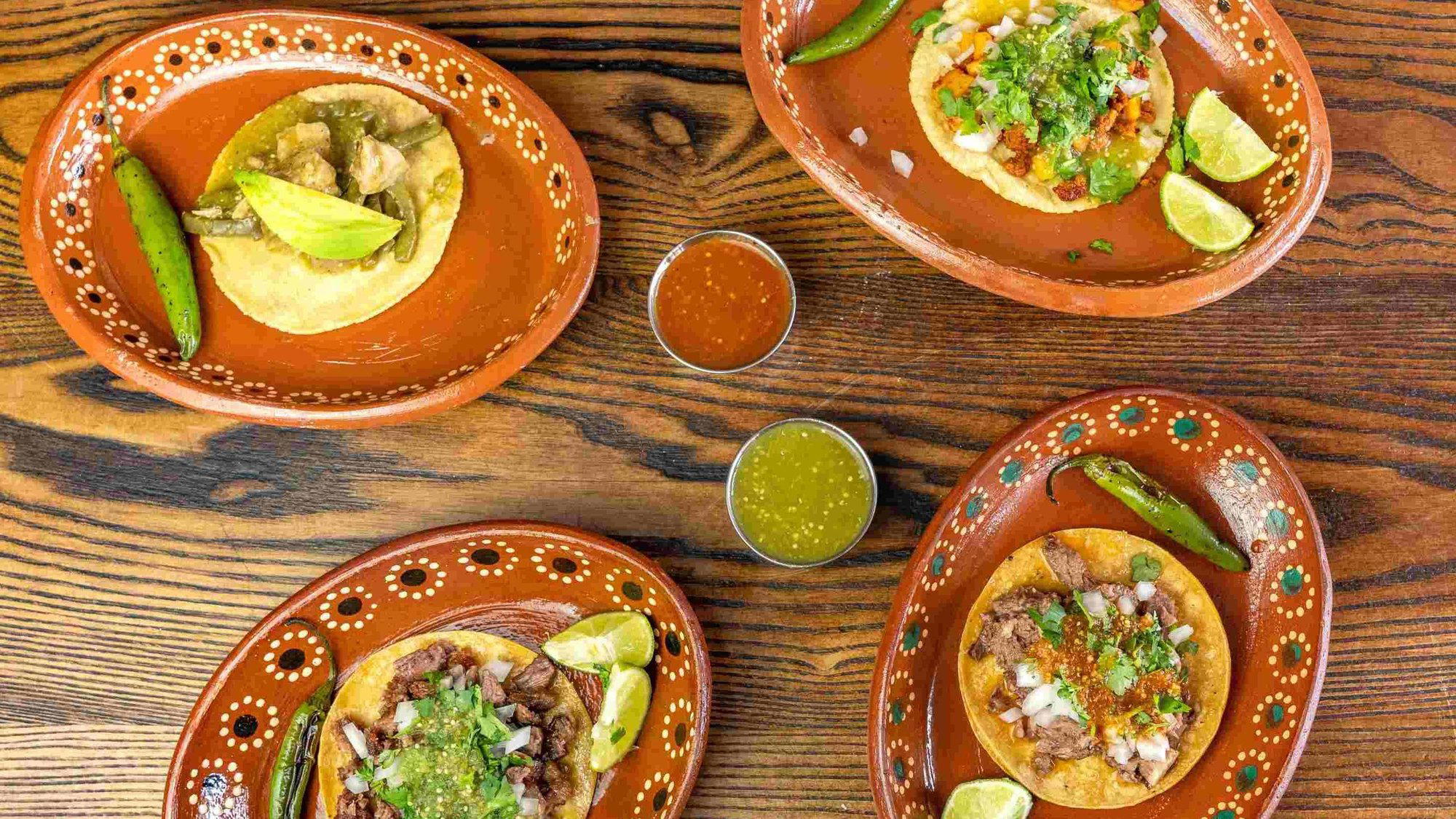
Mission Street and the Taquiza Tradition
Mission Street between 20th and 25th does not need atmosphere engineering. The sidewalks carry it already: the smell of carnitas rendering somewhere close, the cumbia leaking from a doorway, the queue that forms without announcement outside the counters people trust. El Rey Taquiza Artesanal is an Authentic Mexican Taqueria at 2491 Mission St, San Francisco, with. El Rey Taquiza Artesanal occupies this corridor at 2491 Mission St, a stretch that has functioned as a working-class Mexican food destination for decades and that now operates in a city where the taco conversation sits in permanent tension between deep-rooted community tradition and the gentrification pressures reshaping the neighborhood block by block.
The term taquiza carries specific weight in Mexican culinary tradition. It describes a format built around assembly and repetition at volume, with each element prepared to order from a mise en place that rewards the kitchen's ability to hold quality across a service. The artesanal qualifier signals a commitment to made-from-scratch components rather than the pre-processed proteins that define the faster, cheaper end of the spectrum. On Mission Street, that distinction matters because the competition is real and the customers are knowledgeable. A taquiza that does not execute well does not survive in this zip code.
What Mission Street Means for a Taco Counter
San Francisco's dining scene is frequently discussed in terms of its Michelin-decorated restaurants, and the city does carry genuine concentration at the leading end. Atelier Crenn holds three Michelin stars. Benu and Quince sit in the same tier. Lazy Bear and Saison define what ambitious progressive American cooking looks like in Northern California. These venues operate in a different economy, where a tasting menu at $$$$ price points serves a narrow and deliberate audience.
The Mission operates differently. Here, the authority of a restaurant is established not through press releases but through the consistency of the food and the loyalty of the people who live within walking distance. A taquiza counter on Mission Street faces scrutiny from a customer base that grew up eating this food, that knows the difference between refried beans made in-house and those that come from a can, and that will not return if the tortillas fall short. The pressure is horizontal rather than vertical, and it produces a kind of quality that operates outside the Michelin framework entirely.
For visitors arriving from outside the city and accustomed to the broader San Francisco restaurant geography, this requires a recalibration. The comparison class for El Rey Taquiza Artesanal is not The French Laundry in Napa or Single Thread Farm in Healdsburg. The relevant frame is the density of serious taco operations along this specific corridor, where proximity and repetition set the standard.
The Latino Cultural District Context
The Mission District was formally designated San Francisco's Latino Cultural District in 2014, a recognition of a community character that had been built over generations and that was already under displacement pressure from the tech-economy housing crisis. That designation does not freeze the neighborhood in amber, but it does create a lens through which food businesses operate with particular visibility. A taquiza counter here is not operating in a culinary vacuum. It sits inside a web of community expectation, cultural identity, and economic reality that shapes what gets made and how.
The artisanal taco format has become contested in American food media, with frequent debate about authenticity, appropriation, and price access. On Mission Street, that debate resolves in a more direct way: the places that earn a following earn it through the food. The technique of the taquizero, the sourcing of the proteins, the freshness of the tortilla, and the construction of the salsas are what create loyalty. These are the elements that separate the operations worth a special trip from the ones that serve a functional neighborhood purpose but no more.
Where El Rey Sits in the Broader San Francisco Picture
San Francisco's restaurant diversity is one of its structural strengths. The city supports everything from the hyper-technical tasting menus at Le Bernardin-tier ambition to the deeply affordable street-adjacent counters of the Mission.
Within that range, the Mission taquiza occupies a category that the fine dining infrastructure of San Francisco cannot replicate. The cooking at Atomix in New York or Alinea in Chicago operates at a different scale of intention and investment. So does 8½ Otto e Mezzo Bombana in Hong Kong or Providence in Los Angeles. The point is not comparison but complementarity. A visit to San Francisco that covers only the Michelin tier misses the food culture that the Mission has been building since before the city's current dining reputation existed. The taquiza format, executed at the artisanal level, is part of what makes San Francisco's food scene broader and more honest than its starred restaurant list alone suggests.
It is also worth noting the seasonal dimension of Mission Street food culture. The corridor is most alive in the warmer months, when outdoor seating and street activity amplify the experience of eating at a counter like this. Lining up in October or March, when the fog sits low over the neighborhood, is a different proposition from a summer evening when the street runs warm until late. Both versions are real; neither is wrong. But if timing is flexible, the summer months reduce the barrier to the sidewalk-adjacent eating that this format was built around.
Bring cash, expect to queue, and arrive with a working knowledge of what you want rather than a plan to browse. The operations that earn a loyal following in this neighborhood are structured for people who know what they are doing, and they reward that preparation.
Know Before You Go
Neighbourhood: Mission District, Latino Cultural District
Price range: $15 per person
Hours: Mon: 11:30 AM-7 PM; Tue: 11:30 AM-10 PM; Wed: 11:30 AM-10 PM; Thu: 11:30 AM-10 PM; Fri: 10:30 AM-1:30 AM; Sat: 10:30 AM-1:30 AM; Sun: 11:30 AM-9 PM
Booking: Walk-in friendly
Getting there: Mission St is served by BART and multiple Muni lines
Leading timing: Summer months for outdoor sidewalk eating; arrive early in service to avoid queues and ensure availability of all proteins
Comparable Options
Comparable venues nearby, for context on price, style, and recognition.
| Venue | Cuisine | Price | Notes |
|---|---|---|---|
| El Rey Taquiza ArtesanalThis venue — the venue you are viewing | Authentic Mexican Taqueria | $$ | Not listed |
| La Canasta | Authentic Mexican Taqueria | $$ | Marina |
| Nopalito To-Go Window | Authentic Mexican To-Go | $$ | Mission |
| Garaje | Mexican Taqueria | $$ | Financial District/South Beach |
| Taquería El Farolito | Authentic Mexican Taqueria | $ | Mission |
| Gordo Taqueria | Authentic Mexican Tacos & Burritos | $ | Golden Gate Park |
Continue exploring
More in San Francisco
Restaurants in San Francisco
Browse all →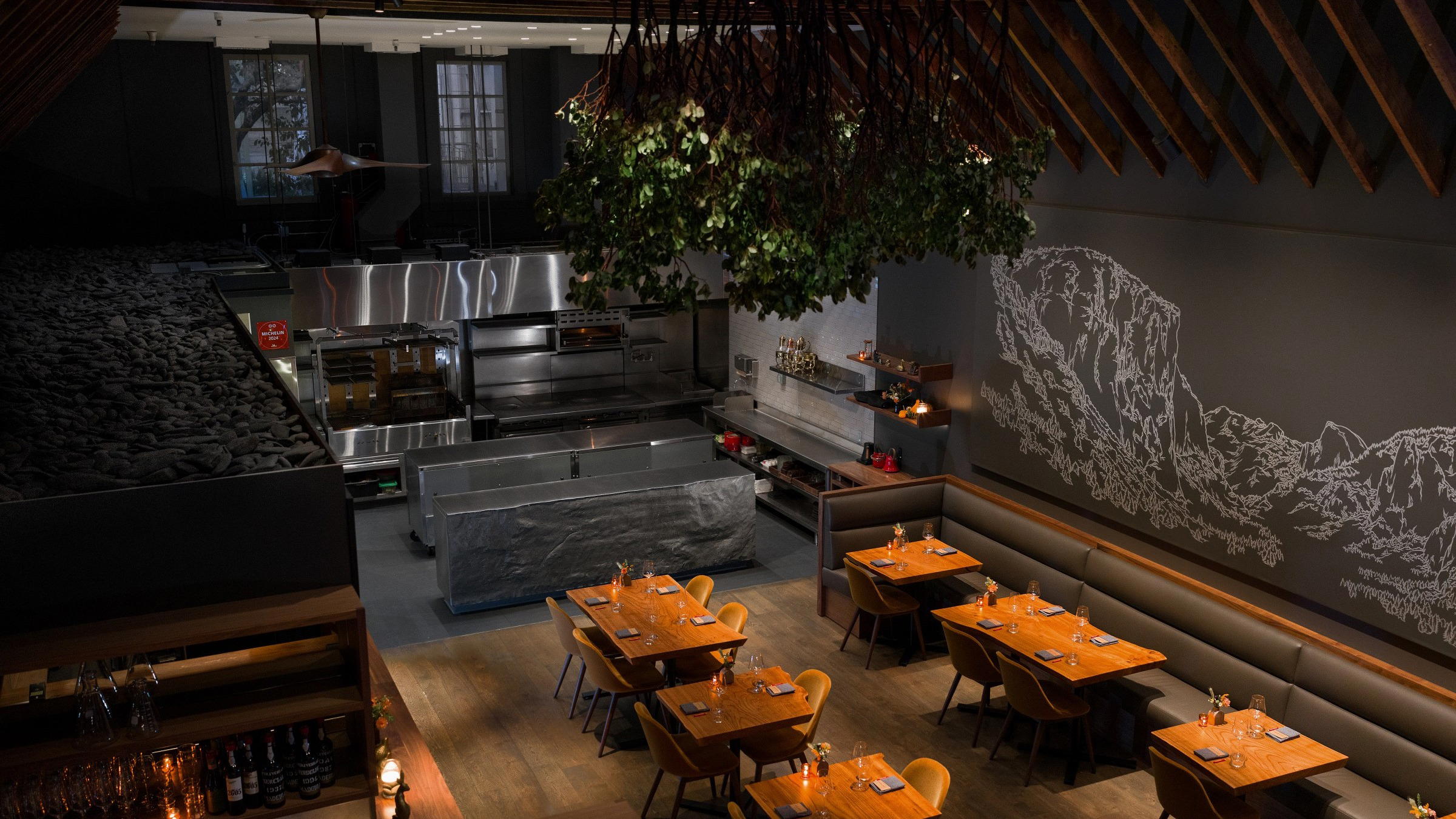
Bars in San Francisco
Browse all →
Hotels in San Francisco
Browse all →
At a Glance
- Lively
- Trendy
- Energetic
- Late Night
- Casual Hangout
- Group Dining
- Open Kitchen
- Beer Program
Current opening hours
- Monday
- 11:30 AM–7 PM
- Tuesday
- 11:30 AM–10 PM
- Wednesday
- 11:30 AM–10 PM
- Thursday
- 11:30 AM–10 PM
- Friday
- 10:30 AM–1:30 AM
- Saturday
- 10:30 AM–1:30 AM
- Sunday
- 11:30 AM–9 PM
Hours can change for holidays and private events. Last verified .
Spacious interior with TVs for karaoke, Mexican city travel posters, lively atmosphere from big groups at the salsa bar and full bar.