Gordo Taqueria
Gordo Taqueria has held its ground on 9th Avenue in San Francisco's Inner Sunset for decades, operating in a neighborhood defined more by fog and local loyalty than culinary tourism. In a city where taqueria culture runs deep alongside the fine-dining circuit of Michelin-starred rooms, Gordo represents the other end of the spectrum: high-frequency, neighborhood-embedded, and built on repetition rather than reinvention.
Pearl is the En Primeur Club membership app — saves, bookings, and concierge access live there. Same editors, same standards.
- Address
- 1239 9th Ave, San Francisco, CA 94122
- Phone
- +14155666011
- Website
- gordotaqueria.co
- Directions
- Get directions
 Saves & bookings on Pearl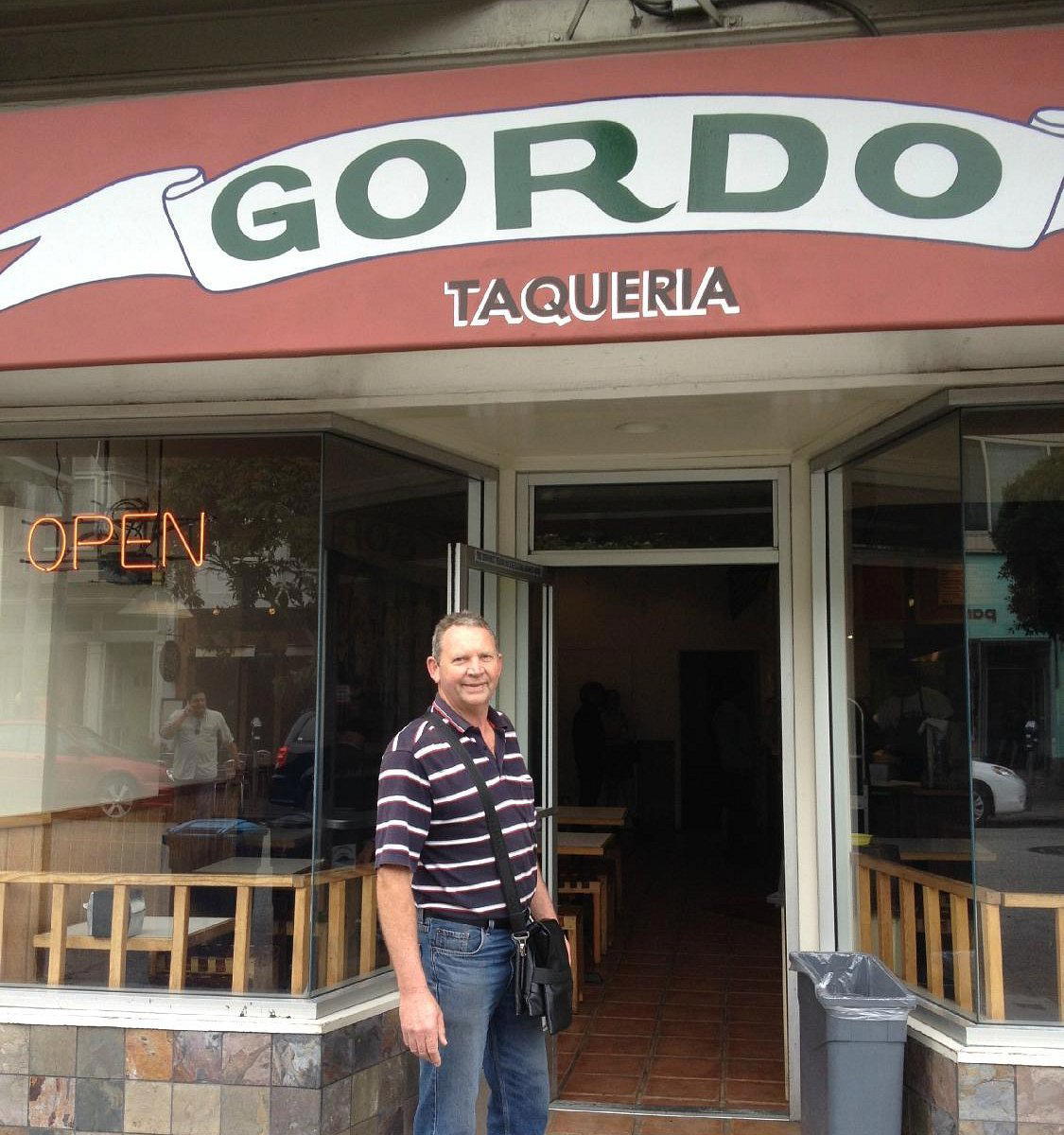
The Inner Sunset and the Taqueria That Stayed
San Francisco's relationship with the taqueria is longer and more layered than its celebrated fine-dining scene suggests. While the city's upper tier has produced rooms like Lazy Bear, Atelier Crenn, and Benu, the taqueria has been feeding the city's neighborhoods with a consistency those $$$$ rooms rarely attempt. On 9th Avenue in the Inner Sunset, Gordo Taqueria sits at 1239 9th Ave, San Francisco, CA 94122. The neighborhood runs on routine: the same coffee order, the same lunch spot, the same taqueria counter that has remained in place while the city's dining conversation has moved repeatedly around it.
That kind of embedded presence carries its own form of authority. In a food city where reputation is typically tracked through awards cycles, chef lineage, and press coverage, the taqueria occupies a different register entirely. It earns its standing through repetition and local trust, not through the approval mechanisms that shape the competitive sets of Quince or Saison. Those are different propositions, aimed at different decisions. Gordo is the place you go because it is there, it works, and it does not require a booking strategy.
Sourcing and the Taqueria Format's Environmental Calculus
The broader taqueria format, when operating at neighborhood scale, tends to carry a lower environmental footprint per transaction than multi-course tasting menus. Shorter menus mean tighter inventory management, faster ingredient turnover, and less speculative ordering. The Cal-Mex tradition that anchors most Bay Area taquerias draws on a relatively short supply chain compared to kitchens sourcing hyperlocal or internationally. That structural simplicity does not guarantee ethical sourcing, but it does reduce several categories of food waste that larger, more complex menus generate by design.
Places like Blue Hill at Stone Barns in Tarrytown have built entire identities around farm integration and waste reduction. SingleThread Farm in Healdsburg operates its own farm, cutting the sourcing chain to near-zero. At the other end of the American dining spectrum, Smyth in Chicago and Providence in Los Angeles have each committed to sourcing frameworks that prioritize traceability. The taqueria does not typically frame itself in those terms. But a high-turnover, short-menu operation serving a local neighborhood achieves some of the same environmental outcomes through operational logic rather than declared philosophy.
Gordo's position on 9th Avenue means its primary customer base arrives on foot or by transit, without the car-dependent patterns that characterize suburban dining. The Inner Sunset's density supports that model: the restaurant functions as a neighborhood utility, not a destination that generates dedicated travel. That distinction matters when you start calculating the full carbon arithmetic of a dining experience.
San Francisco's Taqueria Tradition as Context
The Mission District established the template. San Francisco's taqueria culture is most closely identified with that neighborhood and its decades-long role as the city's densest concentration of Mexican and Cal-Mex cooking. The Inner Sunset version, including Gordo, operates in a different register: smaller, quieter, more embedded in a residential neighborhood than in a destination corridor. That geographic distinction shapes everything from the pace of service to the customer relationship.
Across American cities, the neighborhood taqueria occupies a structural position that no amount of fine-dining expansion can replace. In New York, Atomix and Le Bernardin anchor the upper end of a dining ecosystem that still depends on the street-level, neighborhood-embedded operation. The same holds in San Francisco. The $$$$ rooms operate at one frequency; the taqueria operates at another. Both are necessary. Neither is a substitute for the other.
That distinction has become sharper post-pandemic, as the cost of maintaining a full-service restaurant in San Francisco increased significantly. Several mid-tier rooms closed during and after 2020, compressing the middle of the market. What remained more durable, in many neighborhoods, were the high-efficiency, low-overhead formats: the taqueria, the counter-service spot, the operation built around repetition rather than theatrical service. Gordo's 9th Avenue address places it in that durable tier.
Placing Gordo in the Broader American Dining Conversation
The French Laundry in Napa, Addison in San Diego, The Inn at Little Washington, and Frasca Food and Wine in Boulder each represent a carefully constructed dining proposition with extensive press coverage and formal recognition. Emeril's in New Orleans occupies a different tier of cultural recognition. Atelier Moessmer Norbert Niederkofler in Brunico represents European fine dining's current sustainability-forward commitment, where seasonal and regional sourcing are built into the Michelin-starred proposition explicitly.
The taqueria does not compete with any of those rooms. It operates in a parallel system, evaluated on different criteria: speed, consistency, value per transaction, and neighborhood integration. In that system, long-operating taquerias in established neighborhoods accumulate a form of reputational equity that has little to do with formal recognition and everything to do with daily decision-making by local residents. That is a different kind of track record, and it is not a lesser one.
Understanding where the neighborhood operation sits relative to the city's Michelin tier helps frame the full range of what San Francisco's food culture actually contains.
Planning Your Visit
Gordo Taqueria is located at 1239 9th Avenue in the Inner Sunset. The neighborhood is accessible by MUNI's N-Judah line, which runs along Judah Street one block south of 9th Avenue. No booking is required or available for this format; the operation runs as walk-in counter service. The Inner Sunset's restaurant density means that 9th Avenue itself offers several adjacent options, making it a reasonable base for an afternoon or early evening in the neighborhood.
Cuisine Lens
Comparable venues nearby, for context on price, style, and recognition.
| Venue | Cuisine | Price | Notes |
|---|---|---|---|
| Gordo TaqueriaThis venue — the venue you are viewing | Authentic Mexican Tacos & Burritos | $ | Not listed |
| La Canasta | Authentic Mexican Taqueria | $$ | Marina |
| Garaje | Mexican Taqueria | $$ | Financial District/South Beach |
| Tommy's Mexican Restaurant | Traditional Yucatecan Mexican | $$ | Outer Richmond |
| Tahona Mercado | Mexican Mezcal Market & Torta Spot | $$ | Nob Hill |
| Angelina's Deli Cafe | American Deli Cafe | $ | Outer Richmond |
Continue exploring
More in San Francisco
Restaurants in San Francisco
Browse all →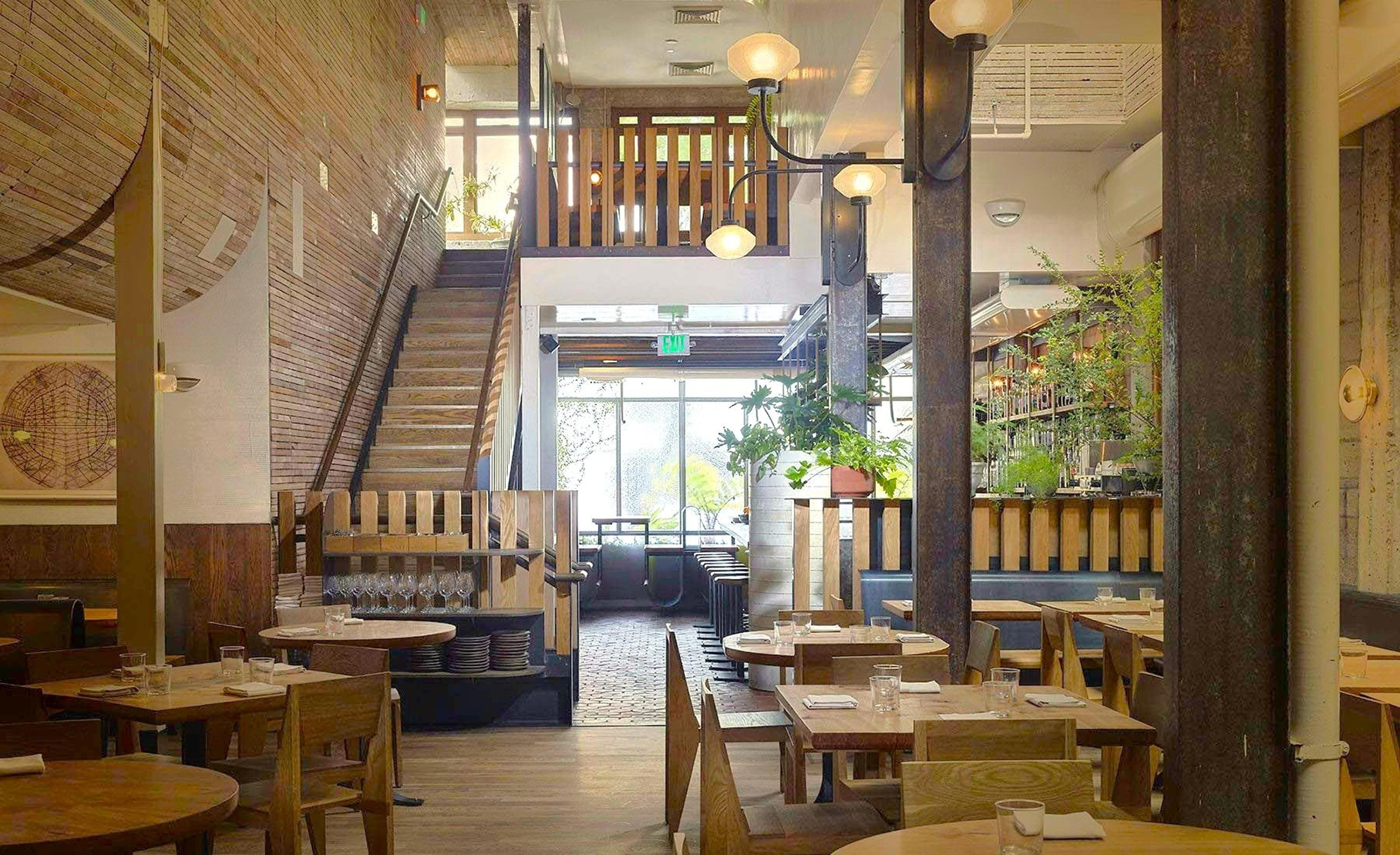
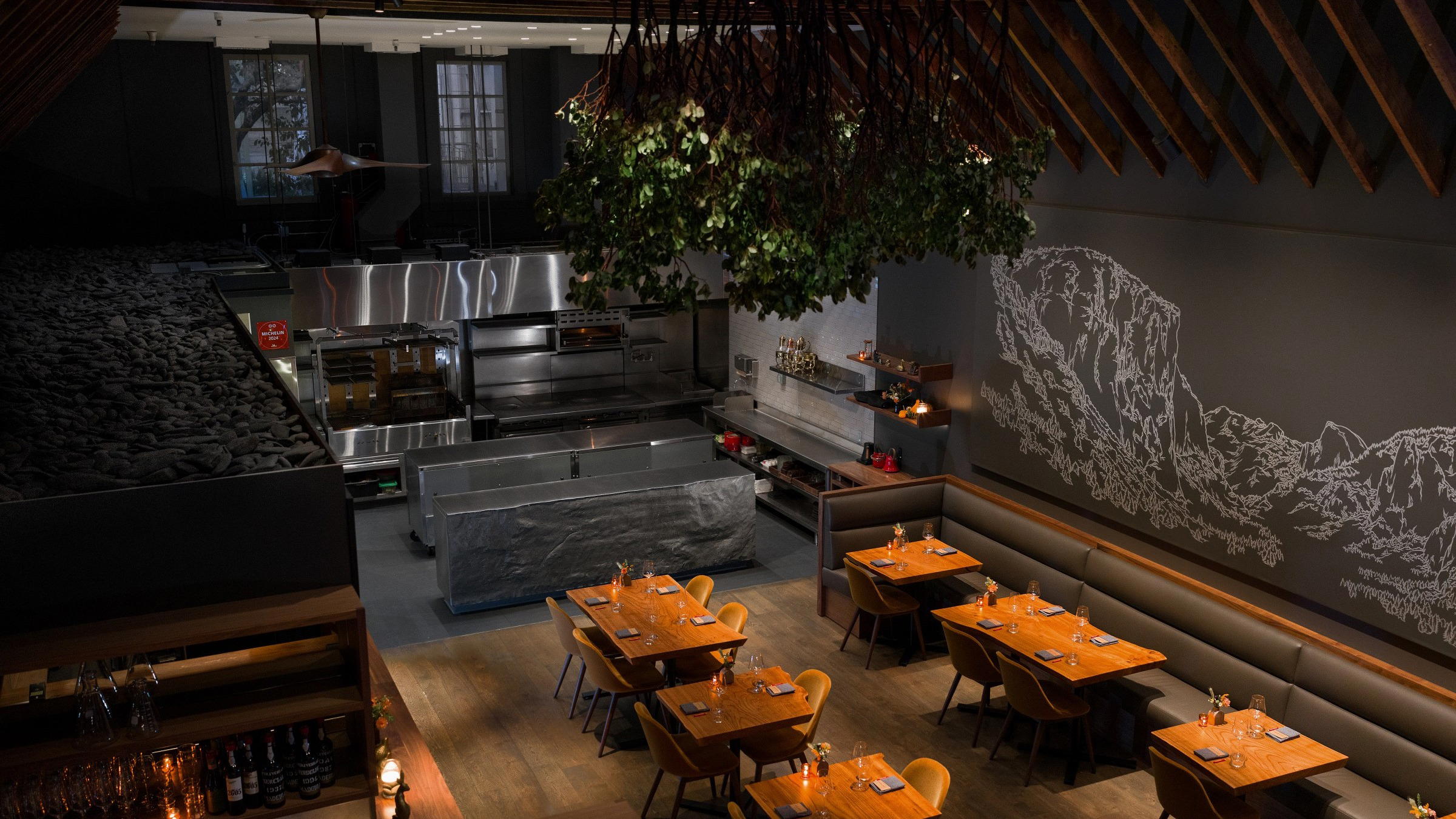
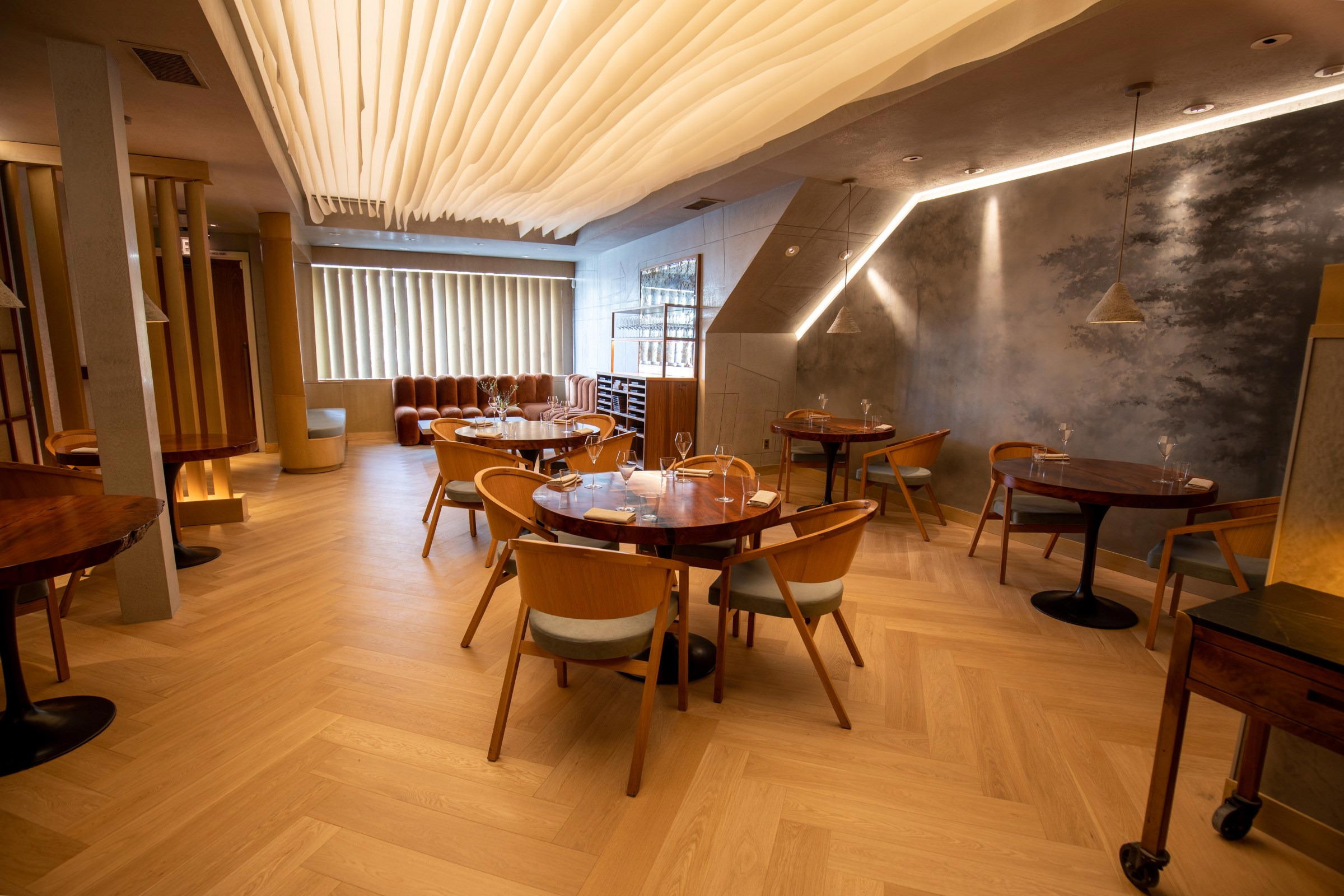
Bars in San Francisco
Browse all →
Hotels in San Francisco
Browse all →
At a Glance
- Casual
- Rustic
- Casual Hangout
- Solo
- Family
- Group Dining
- After Work
- Open Kitchen
- Standalone
Current opening hours
- Monday
- 10 AM–9 PM
- Tuesday
- 10 AM–9 PM
- Wednesday
- 10 AM–9 PM
- Thursday
- 10 AM–10 PM
- Friday
- 10 AM–10 PM
- Saturday
- 10 AM–10 PM
- Sunday
- 10 AM–9 PM
Hours can change for holidays and private events. Last verified .
Simple, no-frills neighborhood spot with a casual dining area; nothing fancy but welcoming and focused on quality food.