La Canasta
Our verdict
La Canasta occupies a quiet stretch of Buchanan Street in San Francisco's Cow Hollow, where the neighborhood's residential calm gives the space an unhurried quality rare in the city's dining scene. The address places it within easy reach of the Marina District's more established restaurant corridor, making it a natural stop for those working through San Francisco's broader dining geography.

The menu
What to order
- Tamales
Buchanan Street and the Architecture of Restraint
Cow Hollow has always occupied an interesting position in San Francisco's dining map. It sits between the Marina District's louder, more commercial strip and the quieter residential pockets that push up toward Pacific Heights, and restaurants that take root here tend to inherit the neighborhood's character: less performative than SoMa or the Mission, more rooted in the rhythms of a block where people actually live. The physical address at 3006 Buchanan Street places La Canasta squarely in that zone, on a stretch where the street-level experience is shaped more by the building scale and tree canopy than by signage competition.
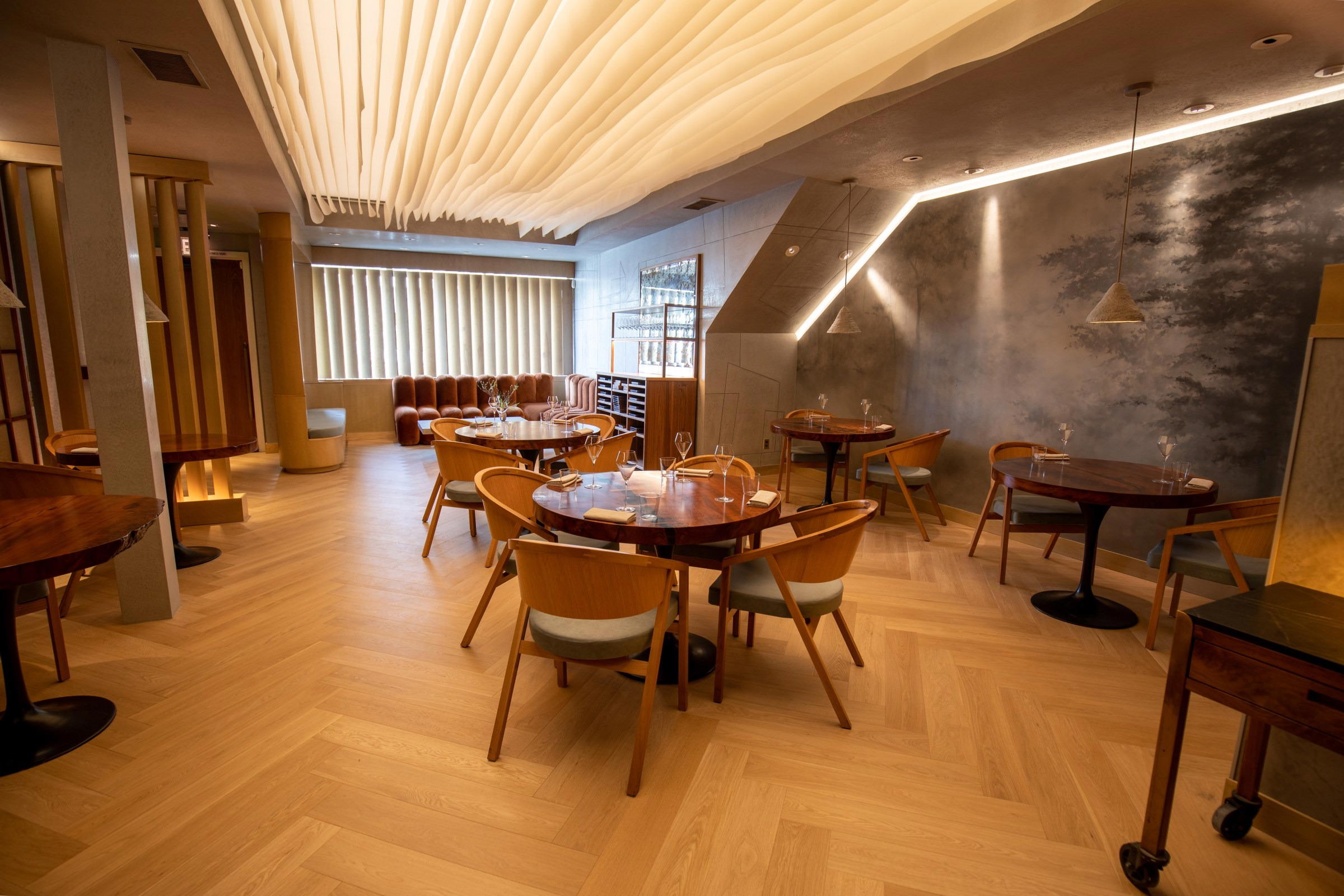
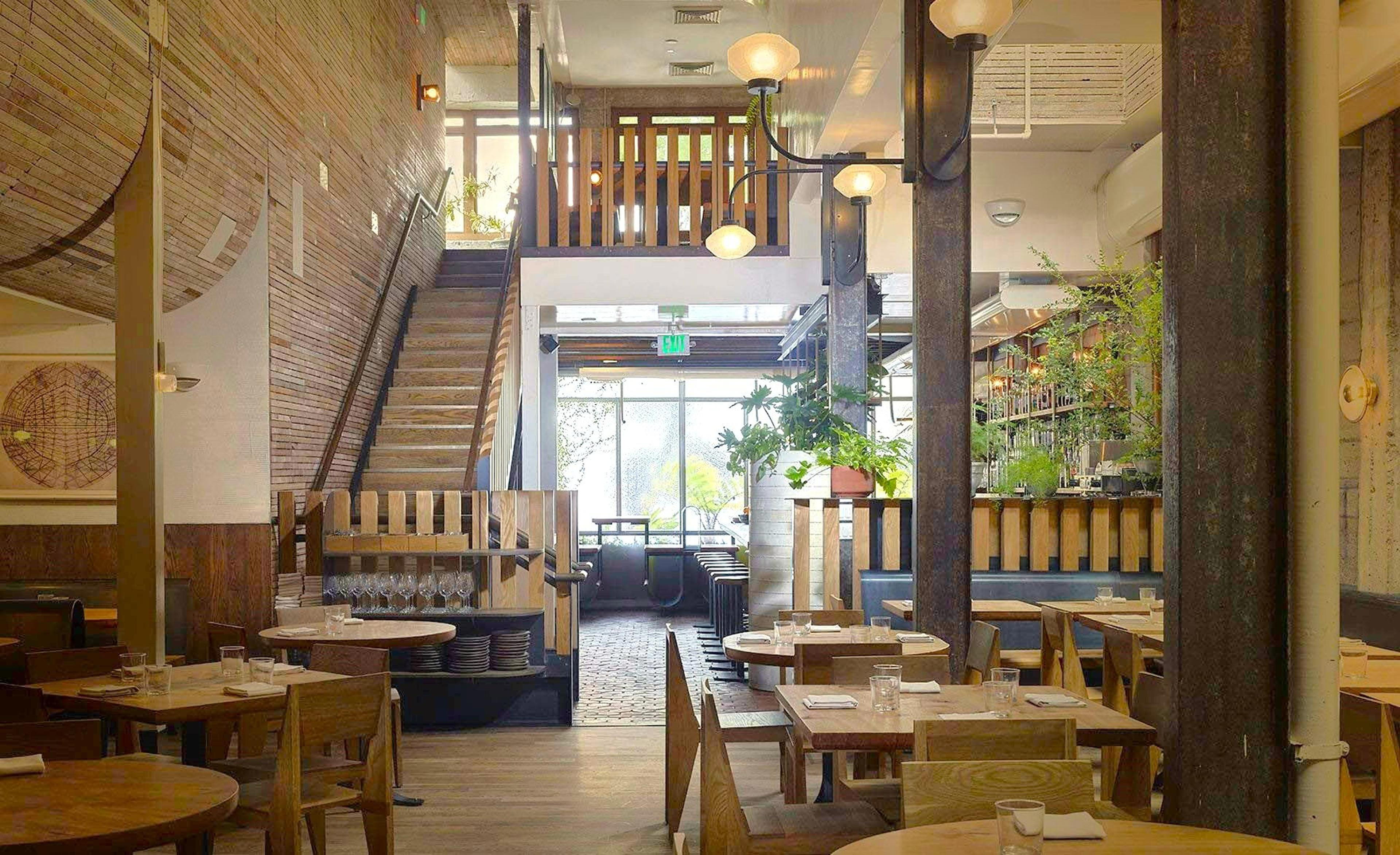
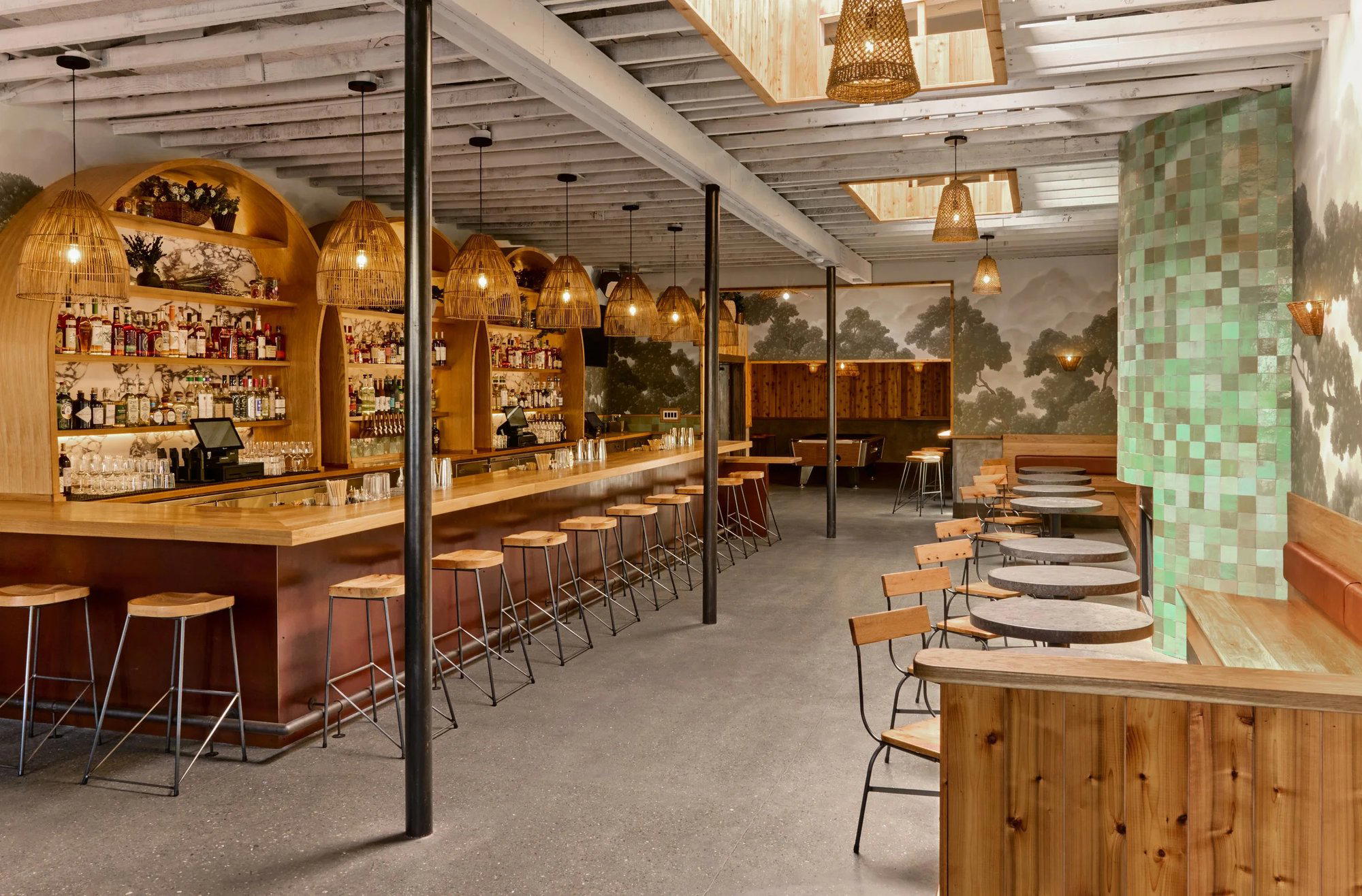
That environmental context matters because it shapes what a dining room can plausibly be. Venues on streets like Buchanan tend toward interiors that read as extensions of the neighborhood rather than departures from it. The design logic of spaces in this part of the city has historically favored material warmth over spectacle, wood, plaster, glass that lets in the diffuse fog-filtered light San Francisco does better than almost any American city. Whether La Canasta follows that grammar precisely requires a visit to confirm, but the address signals a particular kind of spatial ambition: contained, considered, calibrated for a guest who is already at ease.
Where Cow Hollow Sits in the City's Dining Architecture
San Francisco's restaurant geography has stratified sharply over the past decade. At the upper end, a cluster of tasting-menu destinations Lazy Bear, Atelier Crenn, Benu, Quince, and Saison, each operate at the $$$$ price tier with formal tasting formats and Michelin recognition to match. These are venues that compete nationally against The French Laundry in Napa, Single Thread Farm in Healdsburg, and further afield against Alinea in Chicago or Le Bernardin in New York City.
La Canasta does not sit in that tier, at least not by the signals available. The Cow Hollow address and the neighborhood's residential lean suggest a different competitive set: the kind of local anchor that a neighborhood returns to rather than reserves months in advance. That positioning is not a concession. Some of the most interesting dining in any American city happens in exactly this register, think of what Bacchanalia in Atlanta did for years as a neighborhood-rooted fine dining address before it became a national reference point, or the way Providence in Los Angeles built its reputation from a mid-city location that required diners to seek it out deliberately. Geography and ambition are not the same thing.
The Design Logic of a Neighborhood Room
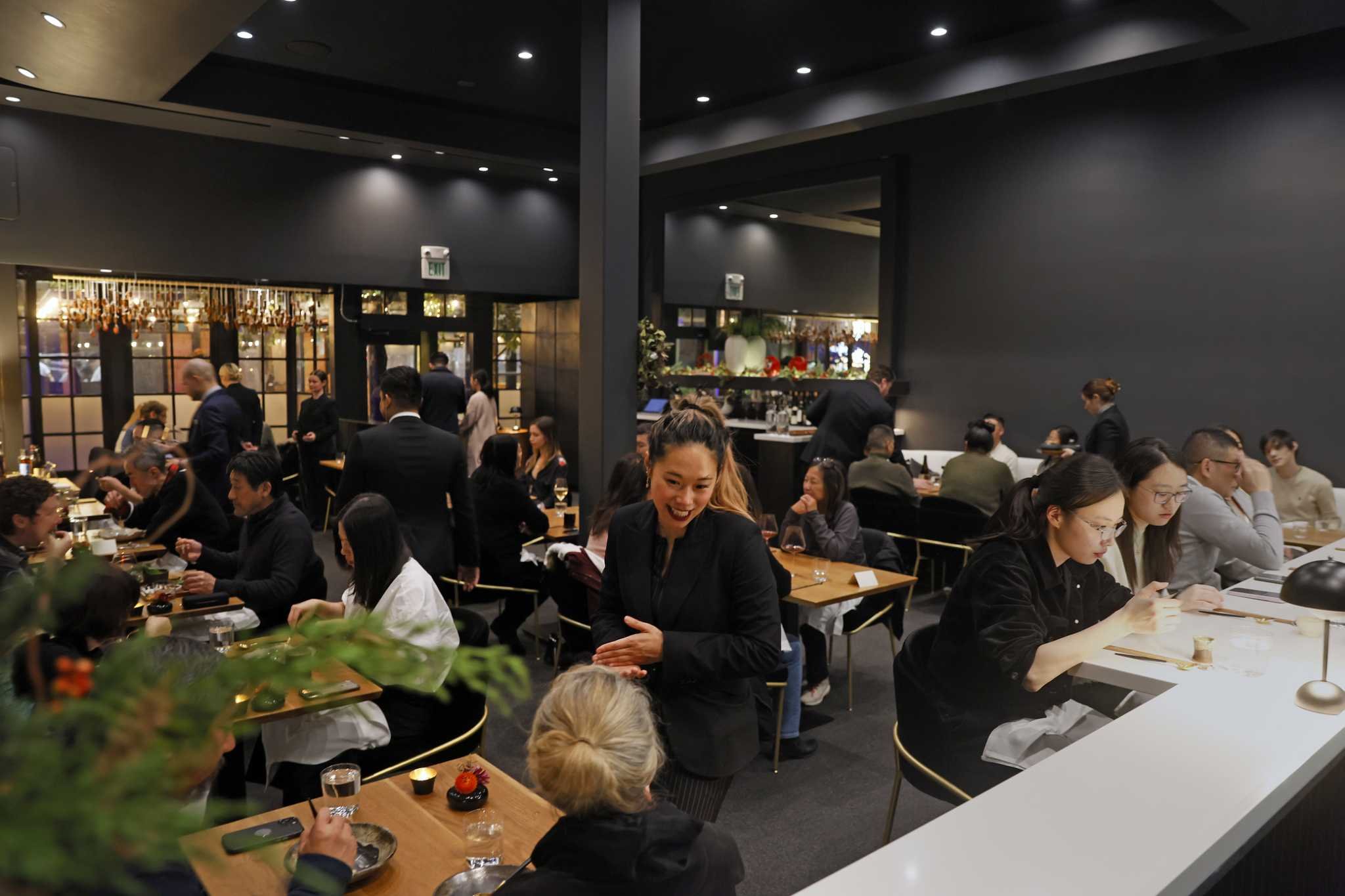
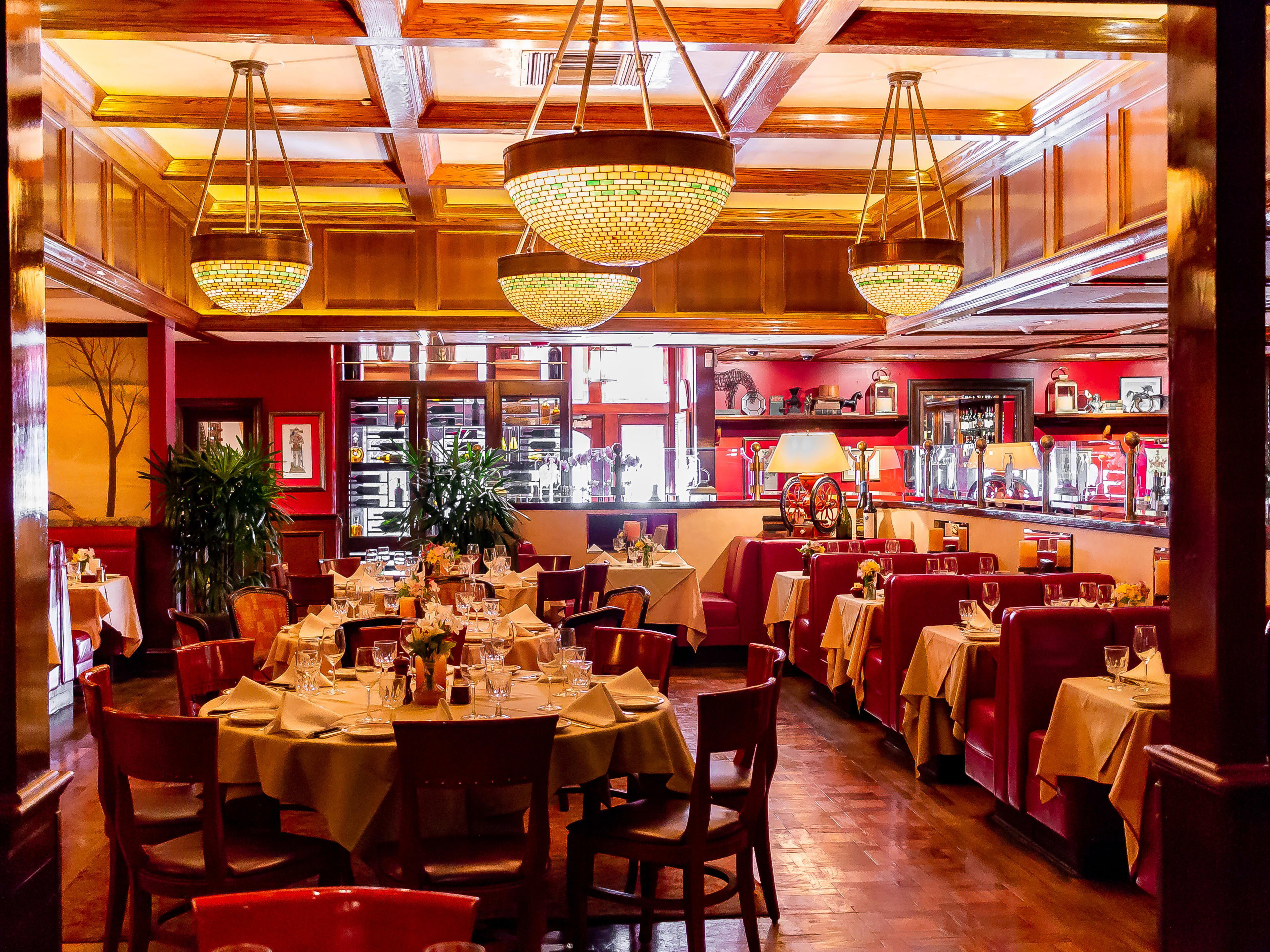
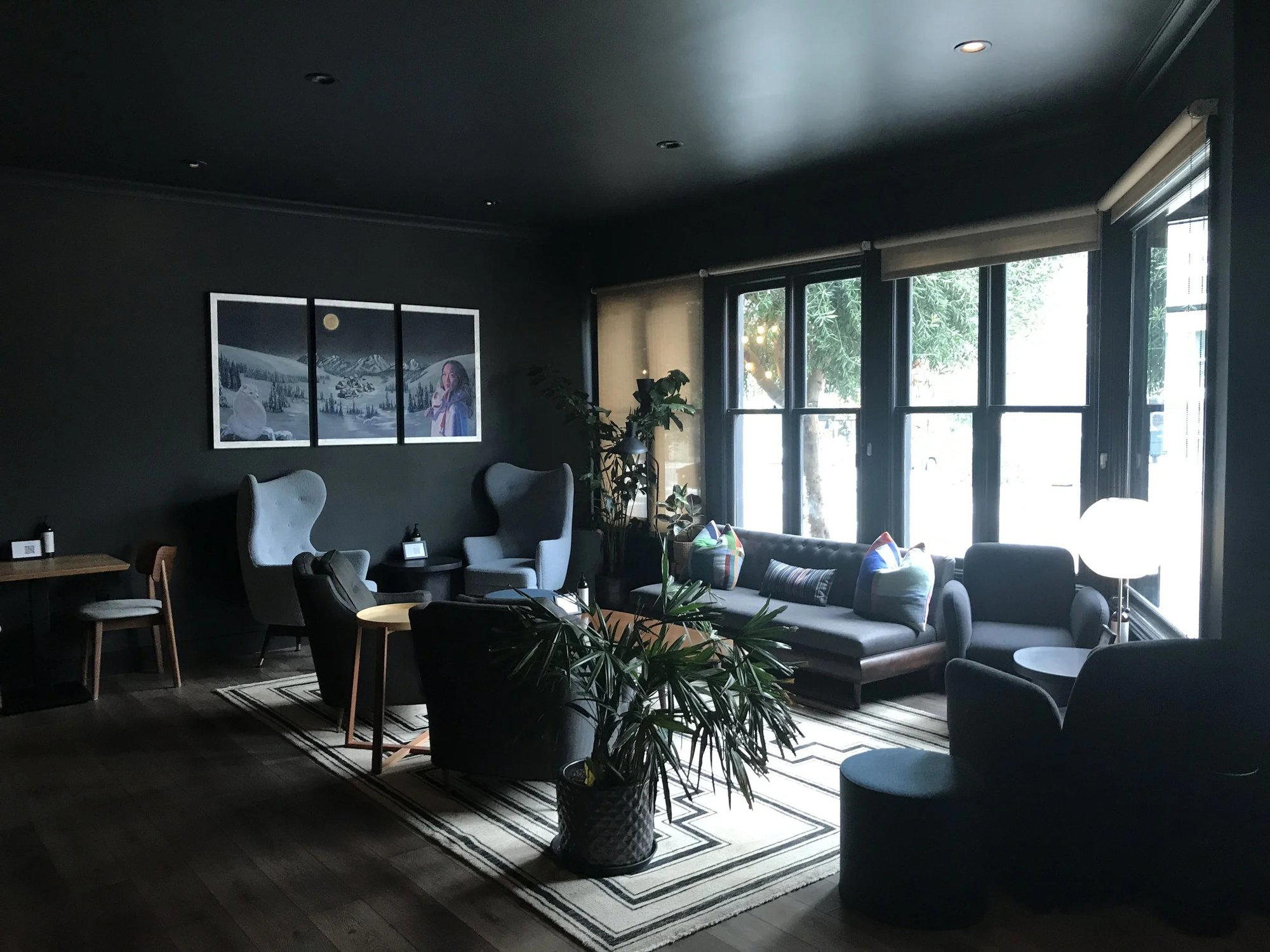
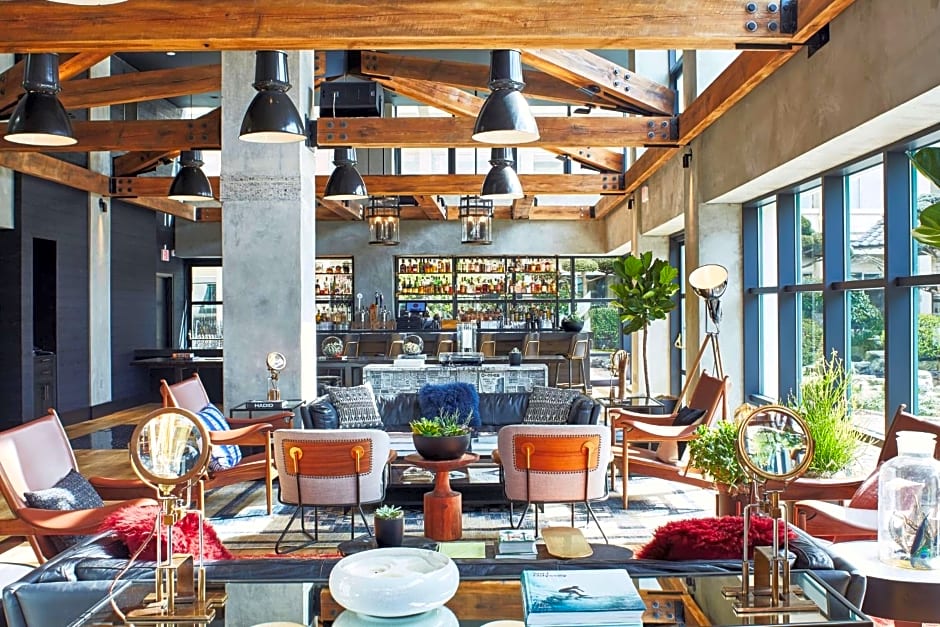
The interior design of a restaurant in a building like those on Buchanan Street tends to be constrained by the physical container, narrower footprints, lower ceilings, street-facing windows that let in pedestrian light rather than panoramic views. That constraint can be generative. The most thoughtful rooms in San Francisco's mid-scale dining tier use those limits to create intimacy: tables close enough that a dining room feels animated by conversation, but not so compressed that privacy disappears.
Spatial design in this context tends to be cumulative rather than dramatic. The choices that define a room, seat height, table material, the finish on the wall behind the bar, whether natural light is diffused or blocked, add up to an atmosphere that either supports the food or competes with it. At addresses like this one, the seasonal light shift matters more than most guests consciously register: the long afternoons of a San Francisco summer, when fog holds off until early evening, produce a very different dining environment than the grey compression of February, when the room has to carry the mood entirely on its own terms. That seasonal calibration is worth factoring into when you visit.
Placing La Canasta Against the Broader California Dining Map
California's neighborhood restaurant tradition has produced some of the country's most durable dining addresses. The pattern recurs across the state's major cities: a contained room, a focused menu, a guest base that is partly local and partly destination-driven because word of mouth eventually travels. Addison in San Diego built toward national recognition from a similarly unconventional footprint. Blue Hill at Stone Barns in Tarrytown became a reference point for farm-sourcing long before the format became standard. In each case, the physical setting was secondary to the coherence of the program.
San Francisco's position as a food city has always been partly defined by this tradition of the serious neighborhood room. The city's relatively small geography, roughly seven miles by seven miles, means that venues in Cow Hollow, the Richmond, or Noe Valley are never truly remote from the dining center of gravity. A short cab or BART ride from downtown puts Buchanan Street within reach of visitors staying in the city's core hotel districts. For guests planning a broader California circuit that includes The French Laundry north in Napa or Providence south in Los Angeles, La Canasta's Cow Hollow address fits cleanly into an itinerary without requiring a detour. Our full San Francisco restaurants guide maps the city's dining geography in more detail, including how neighborhoods like Cow Hollow relate to the broader dining circuit.
Beyond California, the neighborhood-anchor format has parallels at venues like Emeril's in New Orleans, The Inn at Little Washington, and internationally at destinations like 8½ Otto e Mezzo Bombana in Hong Kong and Atomix in New York City, all cases where a contained physical format supports rather than limits the ambition of the program.
Know Before You Go
- Address: 3006 Buchanan St, San Francisco, CA 94123
- Neighborhood: Cow Hollow, between the Marina District and Pacific Heights
- Price range: Not confirmed; verify before visiting
- Getting there: Accessible from downtown San Francisco via cab or rideshare; street parking available on Buchanan and adjacent blocks
- Seasonal note: San Francisco's fog season (June through August) affects evening light and outdoor comfort; interior dining remains consistent year-round
Frequently asked questions
What part of town is La Canasta in?
La Canasta is located at 3006 Buchanan St, San Francisco, CA 94123, San Francisco.
What kind of neighborhood is La Canasta in, and does it affect the dining experience?
La Canasta sits at 3006 Buchanan St in Cow Hollow, a San Francisco district that sits between the Marina's more commercial restaurant row and the quieter, residential streets heading toward Pacific Heights. The neighborhood tends to attract a local repeat-visitor crowd rather than destination diners, which shapes the room's atmosphere and pacing in ways that differ meaningfully from comparable San Francisco addresses further downtown or in SoMa.
What should I order at La Canasta?
The venue data on file does not specify current menu offerings for La Canasta at 3006 Buchanan St. Given Cow Hollow's positioning between the Marina's more casual strip and the city's serious tasting-menu circuit, neighborhood rooms here tend to anchor around a focused, repeatable menu rather than elaborate seasonal rotations. Check directly with the restaurant for current dishes before visiting.
How far ahead should I plan for La Canasta?
No confirmed booking window is documented for La Canasta. Cow Hollow neighborhood rooms at this address type typically draw regulars who book a week or two out for weekend sittings, though walk-in availability varies. Contacting the restaurant directly at 3006 Buchanan St, San Francisco, remains the most reliable approach.
What's the standout thing about La Canasta?
La Canasta occupies a Buchanan Street address in Cow Hollow, a part of San Francisco that filters out the Marina District's louder commercial energy without reaching the self-conscious seriousness of the city's tasting-menu tier. That positioning, neither casual nor ceremonial, is itself the defining quality: a neighborhood room operating in a register most San Francisco dining skips.
Is La Canasta allergy-friendly?
No allergen or dietary accommodation data is on file for La Canasta. Standard practice for a San Francisco neighborhood restaurant is to field these requests at the time of booking or on arrival, so calling ahead to the Buchanan Street location before your visit is the practical approach.
Comparable Options
| Venue | Cuisine | Price | Awards | Notes |
|---|---|---|---|---|
| La CanastaThis venue (the venue you are viewing) | Authentic Mexican Taqueria | Not listed | Not listed | Not listed |
| Lazy Bear | Modern American Tasting Menu | Not listed | 2 Michelin Stars · World's 50 Best #25 | Progressive American, Contemporary |
| Atelier Crenn | Contemporary French Fine Dining | $300–500 | 3 Michelin Stars · World's 50 Best #44 | Modern French, Contemporary |
| Benu | Modern Asian Fusion Fine Dining | $150–200 | 3 Michelin Stars · World's 50 Best #33 | French - Chinese, Asian |
| Quince | Contemporary Californian | $300–500 | 3 Michelin Stars · World's 50 Best #48 | Italian, Contemporary |
| Saison | Modern Fire-Forward Fine Dining | $300–500 | 2 Michelin Stars · World's 50 Best #22 | Progressive American, Californian |