El Meson
Our verdict
El Meson occupies a quiet address on Hauser Plads in Copenhagen's inner city, sitting at an angle to the capital's dominant New Nordic conversation. The address alone signals a different orientation: a Latin-rooted dining tradition operating in a city where Scandinavian restraint sets the default register. For visitors calibrating their Copenhagen itinerary beyond the tasting-menu circuit, El Meson offers a distinct counterpoint.

Pearl is the En Primeur Club membership app — saves, bookings, and concierge access live there. Same editors, same standards.
- Address
- Hauser Pl. 12, 1127 København K, Denmark
- Phone
- +4533119131
- Hours
- Mon–Sat 12–11 PMSun Closed
- Website
- elmeson.dk
- Directions
- Get directions
- Booking
- Book on the venue's website
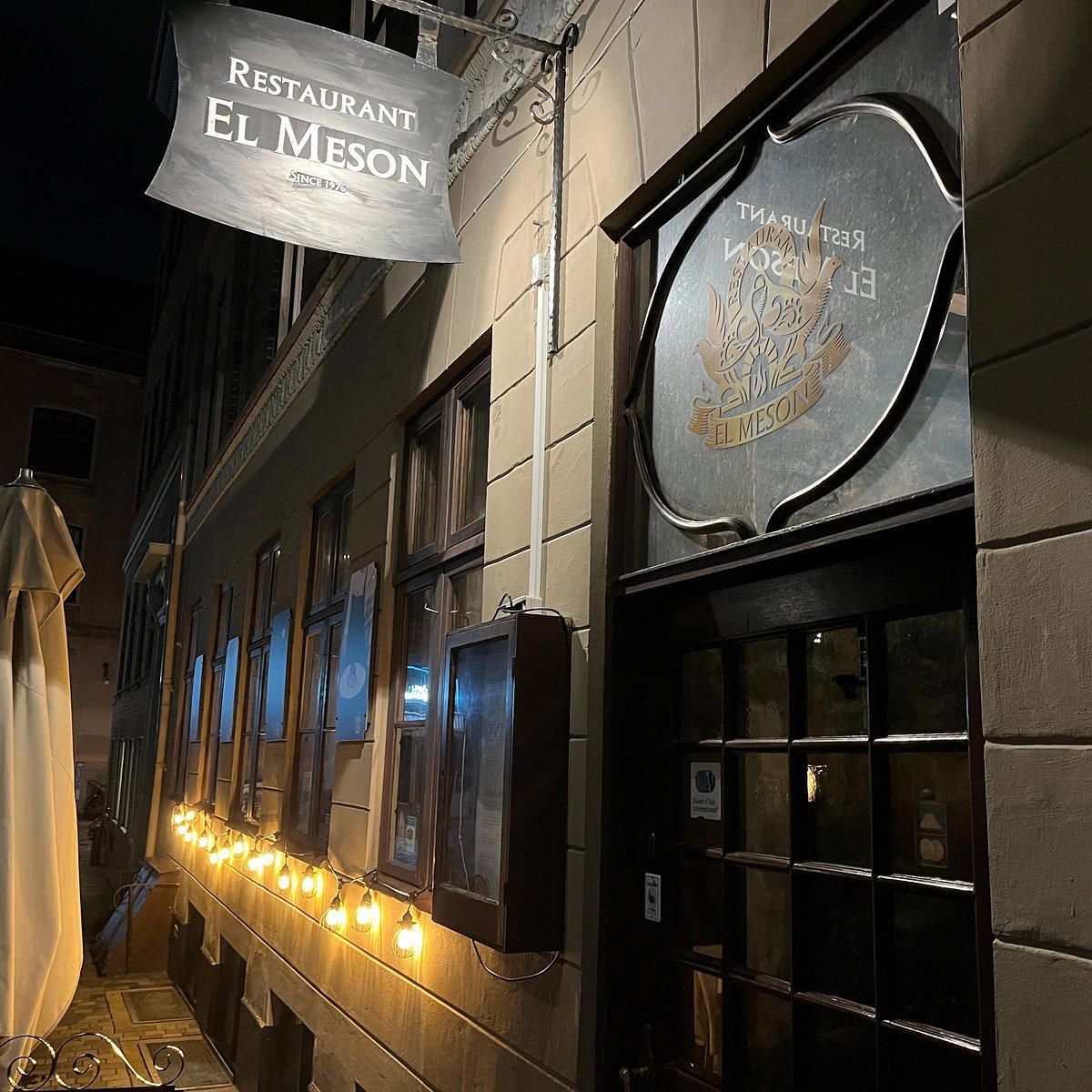
A Different Register on Hauser Plads
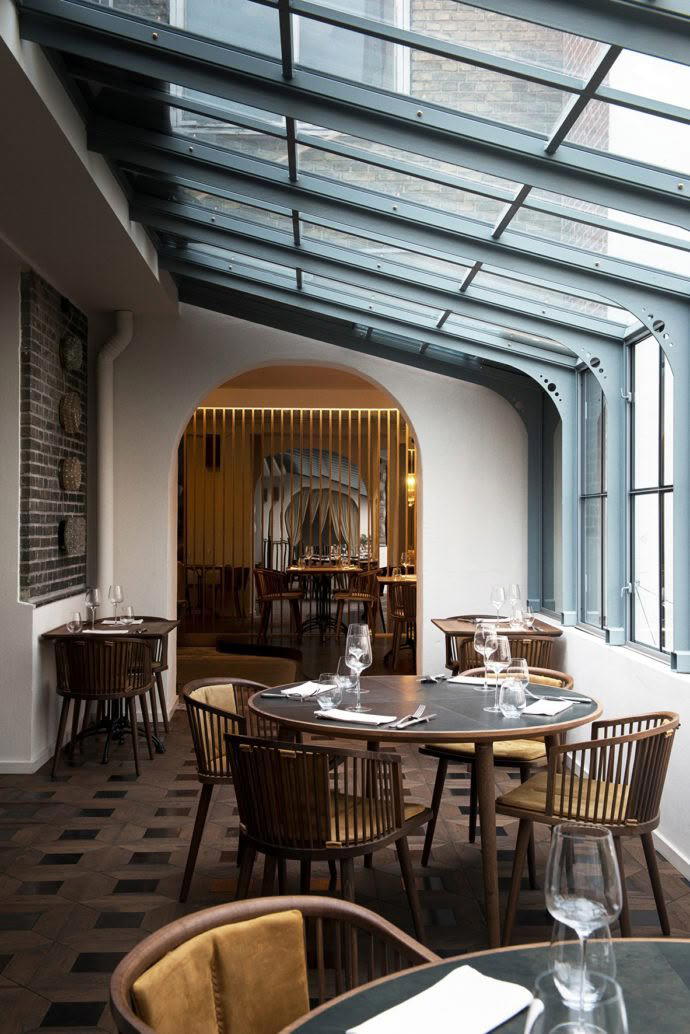
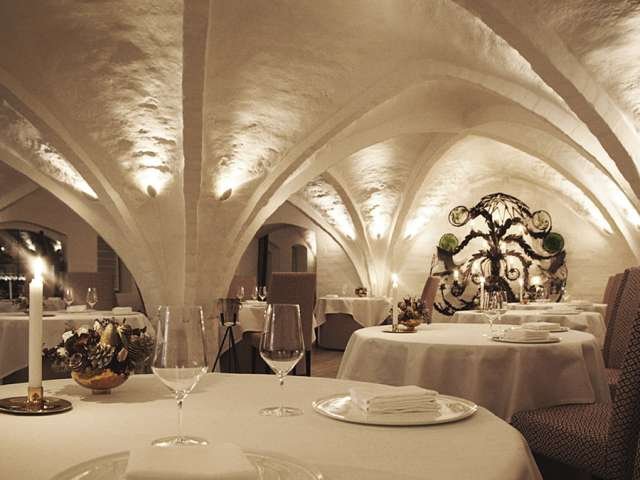
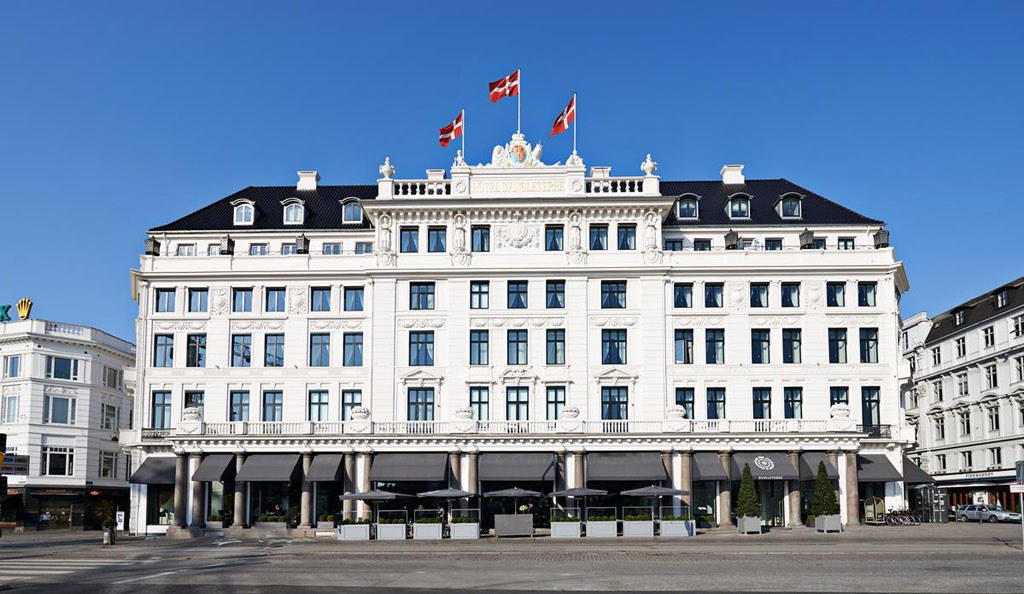
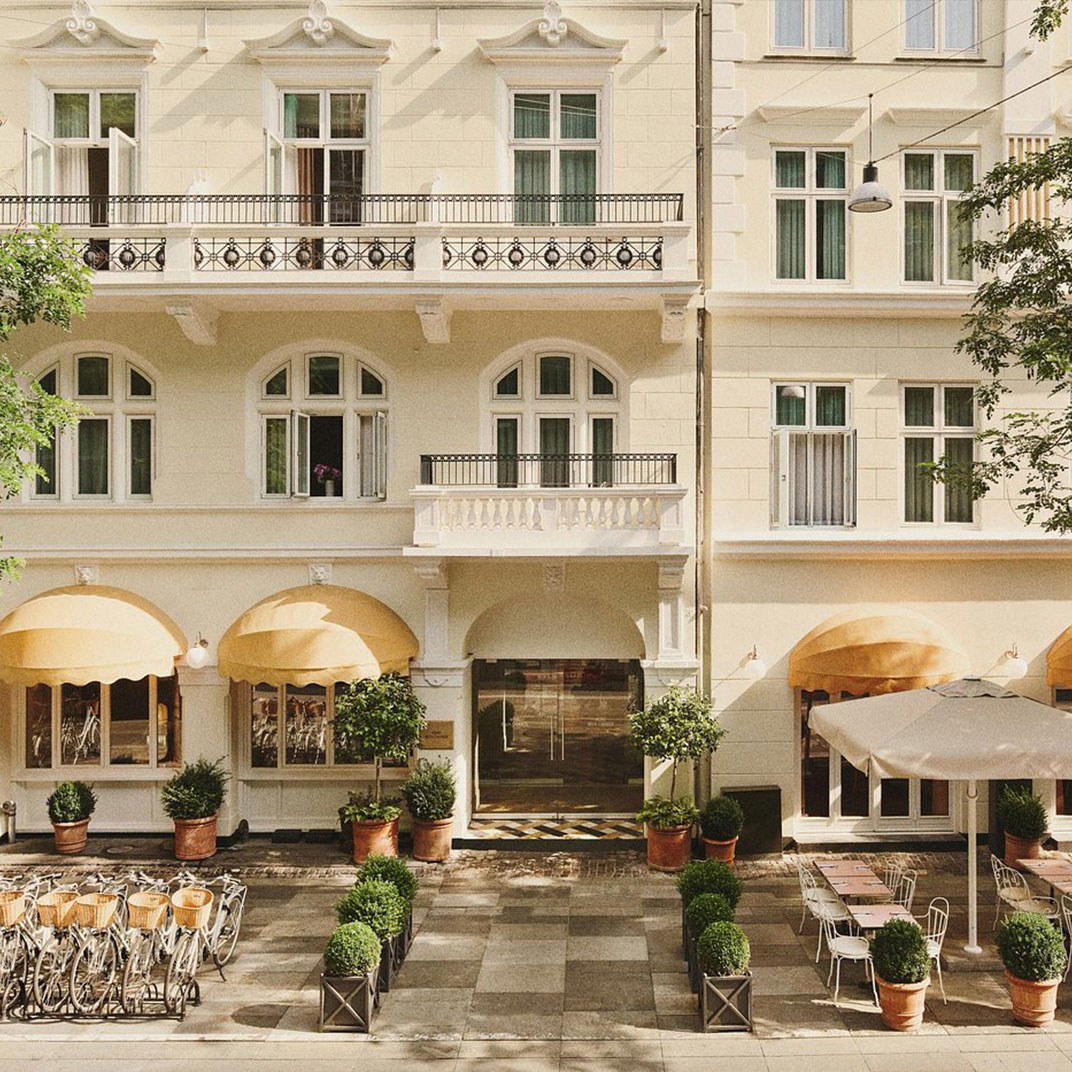
Hauser Plads is one of those Copenhagen squares that locals use and tourists mostly pass through. The street-level scale is residential, the pace unhurried, and the dining rooms along it tend toward the quietly purposeful rather than the theatrically designed. El Meson sits at number 12, and the address itself frames the experience before you reach the door: this is not the part of the city where restaurants compete on spectacle or tasting-menu ambition. It is a neighbourhood where the meal is expected to hold its own on substance.
That context matters in a city where the dominant conversation around restaurant culture has been shaped for two decades by the New Nordic movement. The venues that define Copenhagen's international reputation, from Geranium and Noma to Alchemist and Koan, have built their identities around Nordic ingredients, Scandinavian pacing, and a particular intellectual seriousness about what regional cuisine means. El Meson draws from a different source: a Latin-European tradition in which the architecture of the meal, the sequencing of dishes, the role of bread and wine and conversation, is structured by its own longstanding customs.
The Ritual of the Meal
What defines Latin-rooted dining traditions, whether Spanish, Mexican, or broadly Iberian in reference, is less about any single dish than about how the meal moves. The rhythm is social before it is gastronomic. Sharing is built into the format. The table is a sustained setting, not a sequence of courses to be completed. In cities where tasting menus have become the prestige format, restaurants that operate inside this older social contract can feel almost countercultural, even when the food is entirely direct.
This is the tradition El Meson operates within. The meal here is organised around the logic of gathering: dishes arrive to be shared or to anchor a table rather than to punctuate a solo progression. The pacing follows conversation rather than a kitchen timer. For diners accustomed to the discipline of a Nordic omakase or the theatrical staging of a progressive tasting menu, the shift in register requires a small recalibration. The point is not to impress in any single moment but to sustain a table across time.
Copenhagen has grown a sophisticated audience for this kind of dining. The city's hospitality culture is well-travelled and has absorbed enough of the world's dining traditions that a Latin-register restaurant on a quiet inner-city square is neither exotic nor out of place. What it offers is a counterpoint to the city's dominant format, and that counterpoint has its own value in an itinerary built around contrast.
Where El Meson Sits in the Copenhagen Picture
The Copenhagen restaurant scene at its highest tier is dense with Michelin recognition and editorial attention. Kadeau and Koan represent the city's continued investment in New Nordic and fusion-adjacent formats, while Alchemist operates in a category of its own as a multi-sensory production. El Meson does not compete in that tier and does not appear to try. Its position on Hauser Plads, its neighbourhood scale, and its Latin-rooted format place it in a different competitive set: restaurants where the dining ritual itself, rather than the chef's CV or the kitchen's technique, is the primary draw.
That positioning is not a concession. Across European cities, the most durable neighbourhood restaurants are often those that have resisted the pressure to reformat themselves as tasting-menu operations. They survive because they serve a function that prestige dining cannot: the long lunch, the weekly table, the dinner that does not require a three-month advance booking or a dress code decision. For Copenhagen visitors building an itinerary that includes the full range, from Michelin-recognised temples to the kind of room where you linger without ceremony, El Meson belongs in the second category.
Denmark's broader dining geography, from Jordnær in Gentofte to Frederikshøj in Aarhus, Henne Kirkeby Kro, Frederiksminde in Præstø, Ti Trin Ned in Fredericia, Dragsholm Slot Gourmet in Hørve, LYST in Vejle, Tri in Agger, Pearl by Paul Proffitt in Kruså, and Syttende in Sønderborg, skews heavily toward Nordic formats and Scandinavian ingredient logic. A Spanish or Latin-register room in central Copenhagen reads, within that context, as a deliberate alternative rather than a gap in the market. For more on how Copenhagen's dining scene fits together, see our full Copenhagen restaurants guide.
What the Address Tells You
Restaurant addresses do more editorial work than they are usually given credit for. An inner-city square like Hauser Plads, a short walk from the Latin Quarter and Nørreport, puts El Meson in the kind of location that Copenhagen residents use rather than one that tourists seek out as a destination in itself. That distinction shapes the room's energy. The clientele at a neighbourhood square restaurant is, more often than not, a mix of regulars and visitors who found the place through a recommendation rather than a headline. The dynamic is less performative than at a destination address, and the meal tends to settle into its own pace more easily as a result.
For comparison, think of how neighbourhood restaurants in comparable European cities, the trattorias off Rome's Campo de' Fiori circuit, the tapas rooms two streets behind Barcelona's Passeig de Gràcia, the bistros on Paris's unfashionable left-bank side streets, carry their authority not through awards or press cycles but through consistency, neighbourhood loyalty, and the direct competence of a room that knows what it is. El Meson's Hauser Plads address suggests a similar operating logic. The dining ritual here is not a performance of ambition. It is a meal, conducted at a pace that the table sets rather than the kitchen.
Internationally, restaurants with Latin-rooted dining rituals that have built durable reputations in non-Latin cities, places like Le Bernardin in New York City or format-defining rooms like Lazy Bear in San Francisco, tend to succeed by committing fully to their own logic rather than adapting to the host city's dominant register. The ones that endure are those where the meal's internal rhythm is legible and consistent, where a diner returning after a year finds the same pacing, the same structure, the same sense that the room has a point of view about how an evening should go.
Know Before You Go
- Address: Hauser Pl. 12, 1127 København K, Denmark
- Neighbourhood: Inner city, close to the Latin Quarter and Nørreport station
- Website: Not listed — verify current opening times before visiting
- Price range:
- What's the overall feel of El Meson?
- If you arrive expecting the intellectual rigour of Copenhagen's Michelin-recognised tasting-menu rooms, recalibrate: El Meson operates in a quieter, more social register.
- What should I order at El Meson?
- Do I need a reservation for El Meson?
- Book ahead for dinner, particularly mid-week and on weekends, when Copenhagen's inner-city rooms at this scale fill quickly. Walk-in availability is more realistic for lunch. In a city where the high-demand tasting-menu rooms operate on booking windows of weeks to months, a neighbourhood room like this one is comparatively accessible, but confirmed reservations remain the sensible approach.
- What's the signature at El Meson?
- How does El Meson fit into a broader Copenhagen dining itinerary?
- Copenhagen's dining scene is dense at its upper tier with New Nordic and progressive formats, from Geranium and Noma to Alchemist and Kadeau. El Meson's Latin-rooted format and neighbourhood-square address make it a logical complement rather than a competitor to those rooms: a place to build an evening around conversation and a slower pace, rather than around a kitchen's technical programme. Pairing it with one of the city's higher-intensity tasting-menu experiences over a multi-day visit gives the itinerary useful range.
Frequently asked questions
Is El Meson child-friendly?
El Meson sits on Hauser Plads, a residential-scale Copenhagen square with an unhurried pace that generally suits families. Latin dining traditions tend toward communal, table-sharing formats where younger guests are welcomed rather than accommodated as an exception. check the venue's official channels to confirm current seating arrangements and any practical details.
What's the overall feel of El Meson?
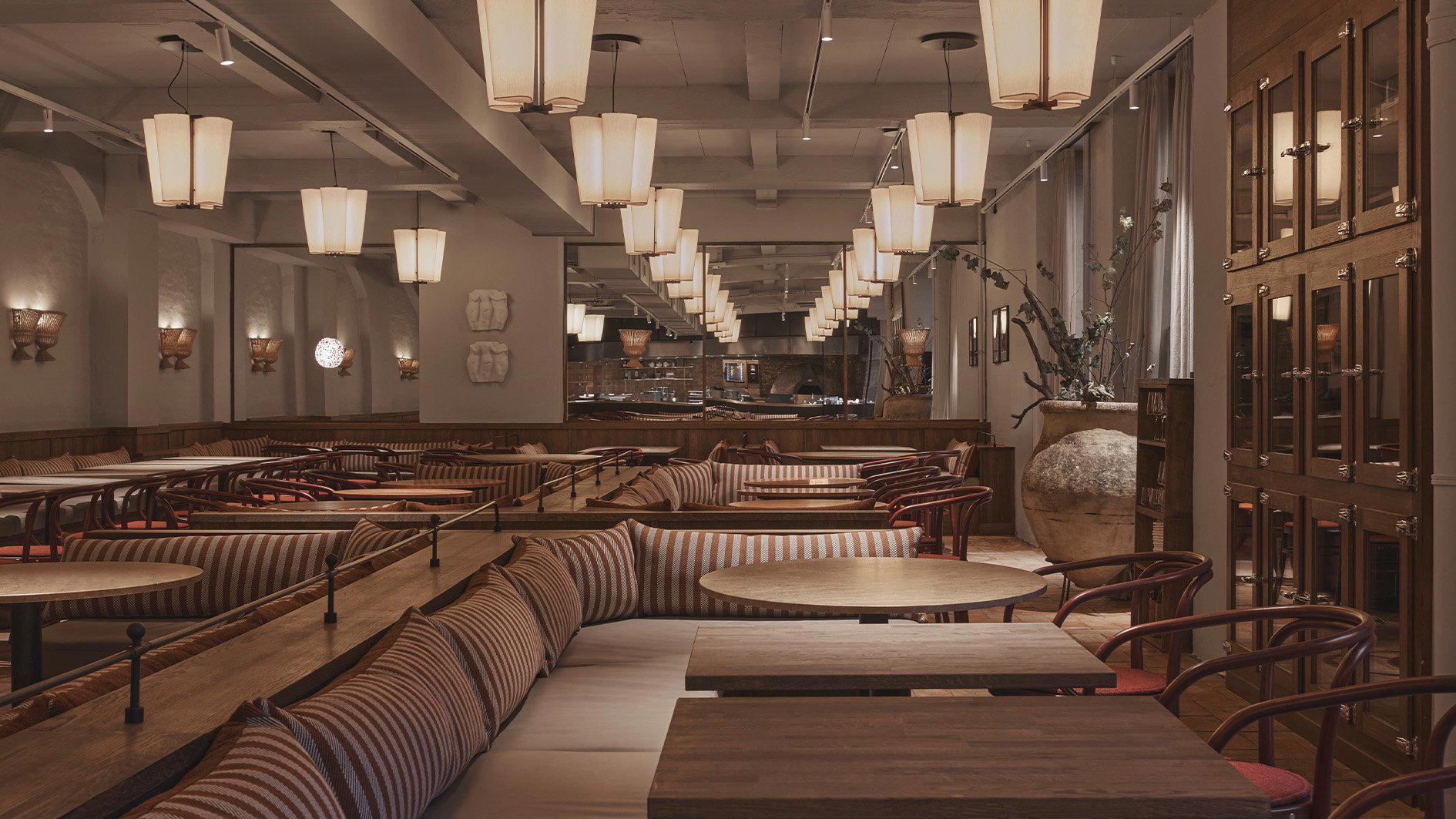
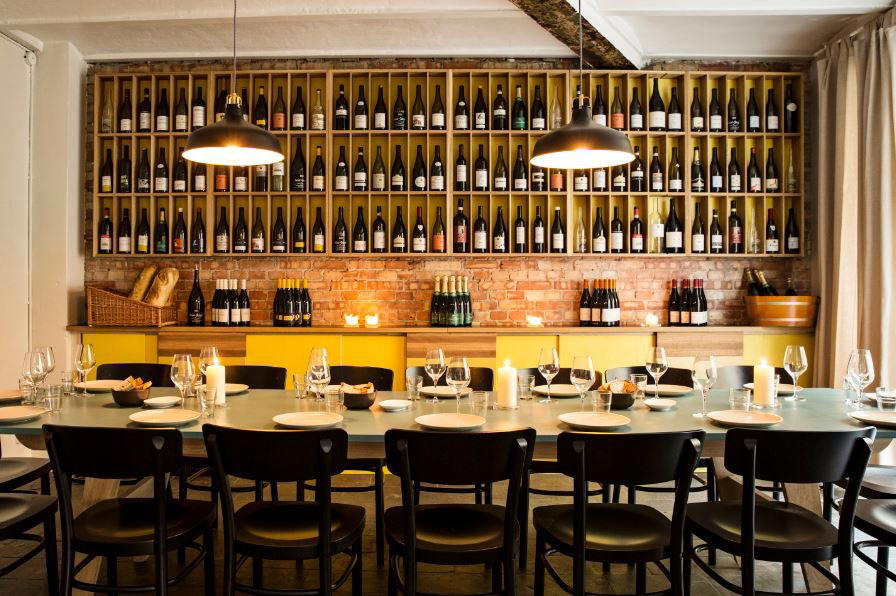
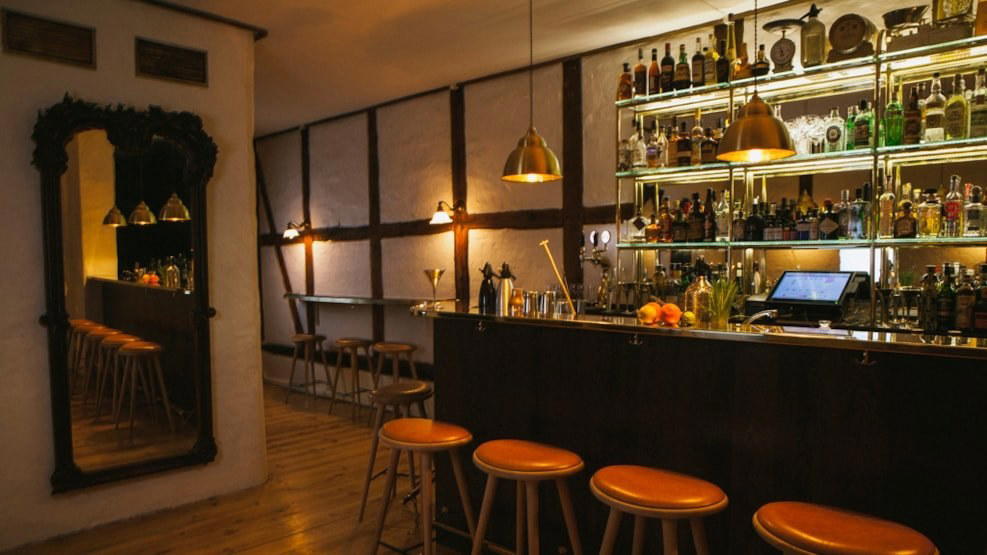
The address on Hauser Plads 12 sets the register before you walk through the door — a quiet inner-city square used more by locals than tourists, with street-level scale that reads residential rather than destination strip. Inside, the reference points of Latin-rooted dining traditions shape the pace: meals here are structured around the table as an event, not a transaction. It sits at a noticeably different frequency from the Michelin-dense tier that dominates Copenhagen's higher-profile dining conversation.
How does El Meson compare to other Latin or Spanish restaurants in Copenhagen?
Copenhagen's Spanish and Latin dining options are sparse relative to the city's depth in Nordic and New Nordic cuisine, which gives El Meson at Hauser Plads 12 a clear positional role for that specific register. While the city's critical and award attention concentrates heavily on Scandinavian-led kitchens, El Meson addresses an underserved tradition: Iberian and Latin table culture with an unhurried, neighbourhood-rooted pace. For visitors specifically seeking that alternative to the dominant Nordic format, the address on the edge of the Latin Quarter is a practical and deliberate choice.
What should I order at El Meson?
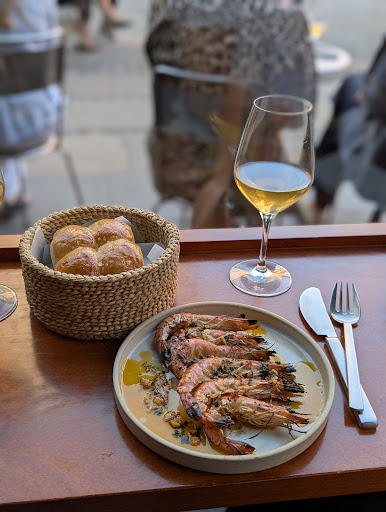
El Meson draws from Latin and Iberian dining traditions where the sequence of the meal — shared plates, pacing, the progression from cold to warm — matters as much as any single dish. Ordering broadly across the menu and sharing is consistent with how these traditions are designed to be eaten. Specific current dishes are best confirmed with the venue at time of booking.
Where do I go for El Meson?
El Meson is located at Hauser Pl. 12, 1127 København K, Denmark, Copenhagen.
Do I need a reservation for El Meson?
Hauser Plads is not a high-footfall tourist corridor, which means El Meson operates in a neighbourhood context rather than a queue-driven one. That said, Copenhagen's dining culture supports booking ahead even for mid-tier venues, and a reservation ensures you're not dependent on walk-in availability. Reach out to the restaurant directly to confirm their current booking process.
What's the signature at El Meson?
The signature here is less about a single dish and more about format: Latin-rooted dining traditions built around the ritual of the table — shared plates, deliberate pacing, and a communal structure that distinguishes El Meson from Copenhagen's more individually plated, Nordic-led fine dining norm. Within that frame, the kitchen's Iberian and broadly Latin references define the food's identity.
Reputation Context
Comparable venues nearby, for context on price, style, and recognition.
| Venue | Cuisine | Price | Awards | Notes |
|---|---|---|---|---|
| El MesonThis venue — the venue you are viewing | Authentic Spanish Tapas | $20–30 | Not listed | Not listed |
| SWITCH | Not listed | Not listed | Falstaff Bar - 89 Falstaff Points | Indre By |
| Kanal-Caféen | Traditional Danish Smørrebrød | $20–30 | Not listed | Indre By |
| Told & Snaps | Traditional Danish Smørrebrød | $20–30 | White Guide Denmark Restaurants - Fine Level | Indre By |
| Khun Juk | Authentic Thai | $30–50 | Not listed | Indre By |
| Figo | Italian Wine Bar | Not listed | Not listed | Indre By |