

A Michelin Plate-recognised institution on the Costa del Maresme, El Hogar Gallego has built its reputation on fish sourced from the Atlantic port of Cambados and the auction quays at Blanes, Palamós, and Arenys de Mar. The kitchen keeps intervention minimal, grilling and salt-baking over technique, letting provenance carry the meal. At the €€€ price tier, it sits well above the coastal tourist trade and alongside serious seafood houses in the region.
Pearl is the En Primeur Club membership app — saves, bookings, and concierge access live there. Same editors, same standards.
- Address
- Carrer de les Ànimes, 73, 08370 Calella, Barcelona, Spain
- Phone
- +34 937 66 20 27
- Website
- elhogargallego.cat
- Directions
- Get directions
 Saves & bookings on Pearl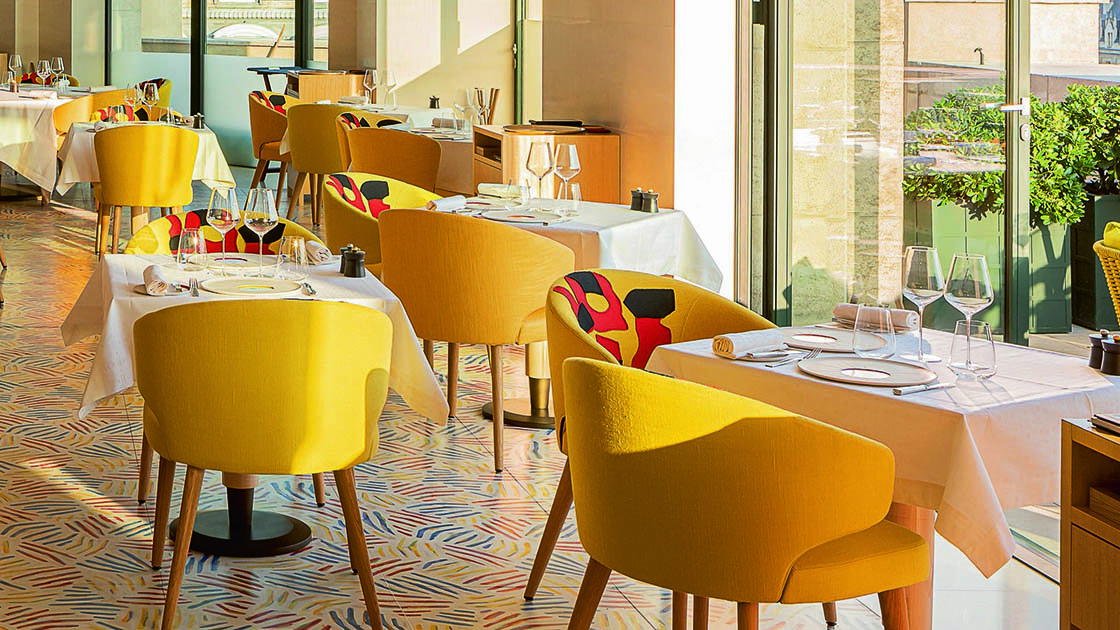
Where the Catch Comes First
Along the Costa del Maresme, the fishing ports are not decorative. Blanes, Palamós, and Arenys de Mar run daily auctions where restaurant buyers compete for the day's haul before dawn has fully broken. El Hogar Gallego, on Carrer de les Ànimes in Calella, has been drawing from these same quays for many years, long enough to earn the label "institution" in the region, a designation it holds Michelin Plate recognition. The restaurant also sources from Cambados, on the Galician Atlantic coast, pulling shellfish from waters that have supplied Spain's leading seafood tables for generations. That dual Atlantic-Mediterranean sourcing is not a marketing position; it is the operational logic the kitchen is built around.
The Maresme coast sits between Barcelona and the Girona border, a stretch better known for its strawberry fields and commuter towns than for destination dining. That relative anonymity, compared to the gastronomic noise generated by El Celler de Can Roca in Girona or Cocina Hermanos Torres in Barcelona, makes El Hogar Gallego's longevity more telling. It has not survived on tourism traffic alone. It has survived because the locals, who know which fish is fresh and who can tell the difference between a properly grilled turbot and a reheated one, keep returning.
The Sourcing Logic Behind the Menu
Spanish seafood restaurants operate across a wide spectrum, from the avant-garde marine cuisine of Aponiente in El Puerto de Santa María, where Ángel León treats the ocean as a larder of undiscovered ingredients, to direct fish-and-grill houses where the cooking is a delivery mechanism for the catch. El Hogar Gallego sits firmly in the latter tradition, and that is not a limitation, it is a philosophy with its own discipline.
Cooking simply is harder than it looks. Grilling fish correctly requires knowledge of the catch's fat content, thickness, and resting time. Salt-baking demands judgment on timing and crust thickness to preserve moisture without over-salting. These are techniques that amplify quality rather than add to it, which means the sourcing must be sound before the kitchen can succeed. The Palamós prawn, for example, is among the more sought-after crustaceans on the Catalan coast, and the Arenys de Mar auction supplies particularly active fish markets on the western Mediterranean. A kitchen that draws from both has made a commitment in its supply chain that the cooking then has to honour.
The à la carte format, which is extensive by the standards of destination seafood restaurants, reflects the breadth of what the daily supply allows. Rice dishes and meat options appear alongside the fish, giving the menu a Spanish generalism rather than a focused tasting structure. The rice dishes, in particular, are a Catalan and Valencian tradition worth noting, suquet de peix, the coastal fishermen's stew built on fish stock and potatoes, belongs to the same culinary family. Whether the restaurant's version is faithful to that tradition is something a visit must determine, but its presence on the menu is a signal of regional rootedness rather than a concession to non-fish eaters.
The Maresme Seafood Tradition in Context
The Maresme has historically been a working coast rather than a gastronomic showcase. Its fishing ports fed Barcelona's La Boqueria market before they fed restaurant kitchens, and the region's culinary identity remained largely local and unpublicised while the Basque Country and Catalonia's interior built international reputations. Restaurants like Arzak in San Sebastián, Mugaritz in Errenteria, and Martin Berasategui in Lasarte - Oria drew international attention northward. Azurmendi in Larrabetzu, DiverXO in Madrid, Quique Dacosta in Dénia, Ricard Camarena in València, and Atrio in Cáceres all occupy a different creative and commercial register, tasting menus, wine programs, international press cycles.
The restaurant operates at a distance from all of that. Its Michelin Plate, a recognition for good cooking without the three-star theatrics, places it in a cohort of honest, sourcing-led restaurants that the guide values precisely because they are not chasing stars.
For reference, similar sourcing-led approaches along other Mediterranean and Atlantic coasts can be found at Gambero Rosso in Marina di Gioiosa Ionica and Alici Restaurant on the Amalfi Coast, kitchens where the proximity to the catch defines the cooking more than any single technique or chef philosophy.
Planning Your Visit
The restaurant is located at Carrer de les Ànimes, 73, in Calella, a town on the Maresme coast accessible by the R1 Rodalies train line from Barcelona Sants, a journey of roughly 55 minutes. The price tier sits at €€€, which in the context of the Maresme places it above the coastal seafood bar trade and in line with serious fish restaurants. At that price point, it is worth arriving with a clear appetite for the fish and shellfish rather than the meat options, which play a supporting role on the menu. Booking ahead for weekend lunch is advisable.
Quick Comparison
Comparable venues nearby, for context on price, style, and recognition.
| Venue | Cuisine | Price | Awards | Notes |
|---|---|---|---|---|
| El Hogar GallegoThis venue — the venue you are viewing | Galician Seafood | $$$ | Michelin Plate | Not listed |
| Restaurant Can Boleta Raíces | Mediterranean Gourmet with Catalan Roots | $$$ | Not listed | Calella |
| Mas Albereda | Modern Catalan | $$$ | Michelin Plate | Sant Julià de Vilatorta |
| Windsor | Modern Catalan | $$$ | Michelin Plate | la Dreta de l'Eixample |
| Ten's | Modern Spanish Tapas | $$$ | Michelin Plate | Sant Pere, Santa Caterina i la Ribera |
| Compartir Barcelona | Modern Catalan Sharing | $$$ | Michelin Plate | la Dreta de l'Eixample |
Recognition history
Dated appearances from independent guides and award organizations, with the underlying list record or original source where available.
Macarfi 7.4 Food Rating
Macarfi
Michelin Plate
Michelin
Michelin Plate
Michelin
Michelin Plate
Michelin
Continue exploring
More in Calella
Restaurants in Calella
Browse all →
Bars in Calella
Browse all →
Hotels in Calella
Browse all →
Wineries in Calella
Browse all →

At a Glance
- Classic
- Rustic
- Special Occasion
- Family
- Group Dining
- Open Kitchen
- Extensive Wine List
- Local Sourcing
Current opening hours
- Monday
- Closed
- Tuesday
- 9 AM–4 PM
- Wednesday
- 9 AM–4 PM
- Thursday
- 9 AM–4 PM, 8–10:30 PM
- Friday
- 9 AM–4 PM, 8–10:30 PM
- Saturday
- 9 AM–4 PM, 8–10:30 PM
- Sunday
- 9 AM–4 PM
Hours can change for holidays and private events. Last verified .
Classic, traditional Spanish decor with wooden elements creating a cozy yet somewhat old-fashioned atmosphere.