El Duque


Michelin Plate · Macarfi 7.1 Food Rating
Our verdict
A Michelin Plate-recognised family restaurant in the hilltop town of Medina-Sidonia, El Duque centres its à la carte around the livestock, game, and confectionery traditions that have defined this corner of Cádiz province for centuries. The asador-style dining room, tapas bar at the entrance, and a price point that stays firmly in the single-euro bracket make it a dependable reference point for traditional Andalusian cooking at its most honest.

Pearl is the En Primeur Club membership app — saves, bookings, and concierge access live there. Same editors, same standards.
- Address
- Av. del Mar, 10, 11170 Medina-Sidonia, Cádiz, Spain
- Phone
- +34 956 41 00 40
- Hours
- Mon ClosedTue–Thu 9 AM–11 PMFri 9 AM–11:30 PMSat 10 AM–11:30 PMSun 10 AM–5 PM
- Website
- elduquedemedina.es
- Directions
- Get directions
- Booking
- Book on CoverManager
The menu
What to order
- Partridge pate
- Ox tail stew
- Loin in butter
- Alfajor dessert
Where the Pastures of Cádiz Province End Up on the Plate
In the arc of Spanish fine dining, attention clusters at the coasts and the northern cities: the tidal laboratories of Aponiente in El Puerto de Santa María, the decades-deep creative programmes at Arzak in San Sebastián or El Celler de Can Roca in Girona, the spectacle of DiverXO in Madrid. The inland towns of Cádiz province operate on a different register entirely. Medina-Sidonia sits on a limestone ridge above the surrounding plain, its streets whitewashed and narrow, its weekly market still turning on the rhythms of the surrounding dehesa — the oak-studded pasture that feeds the goats, cattle, and game birds that define the local table. El Duque, on Avenida del Mar, holds a Michelin Plate for 2025, which positions it as a kitchen whose technique and consistency Michelin's inspectors consider worth noting, without the ceremony or price structure of its starred counterparts. The single-euro price range confirms that commitment: this is cooking rooted in sourcing and tradition, not tasting menus or tableside theatre. The goats that graze the scrubland around Medina-Sidonia produce shoulders and legs that respond well to slow roasting, and the region's cattle yield oxtail whose collagen-rich connective tissue makes long, wine-dark stews the natural endpoint. El Duque's à la carte reflects this geography directly. Roast shoulder of goat and oxtail stew appear as load-bearing dishes, not novelties. The stuffed partridge points to the same landscape: partridge is hunted widely across Andalusia's lowland estates, and game cookery here carries the same weight that lamb does further north in Castile. This is the editorial point worth making about ingredient sourcing in a town like Medina-Sidonia: proximity is structural. The supply chain is short not because the kitchen has adopted a philosophy, but because the land surrounding the town has always produced in a particular way, and the recipes evolved around that output.
The à la carte also includes fish dishes and a set of more contemporary-style plates, which acknowledges that Cádiz province's Atlantic coast lies within reach and that the kitchen is not entirely locked into a single register. For sourcing context, that coast, from Conil de la Frontera to Tarifa and beyond, produces some of the finest tuna, anchovies, and shellfish in the country. Whether those coastal ingredients are foregrounded in El Duque's fish section is worth investigating on arrival; the menu's flexibility at this price point suggests a kitchen responsive to what is available rather than one committed to a fixed identity.
The Confectionery Tradition of Medina-Sidonia
Medina-Sidonia holds a specific and historically documented position in Spanish confectionery. The town's Moorish legacy, filtered through centuries of convent production, produced a set of sweets, alfajores, amarguillos, tortas pardas, that remain closely identified with the area and are still made by local producers. Alfajores here are distinct from the South American versions: the Andalusian original is denser, spiced with cinnamon, clove, and sesame, with honey as a binding agent. Amarguillos are bitter-almond biscuits, firm and fragrant. Tortas pardas are darker, richer rounds with a texture that sits somewhere between a biscuit and a pastry. El Duque includes these on the menu, which situates the meal within a longer tradition of place-specific eating that extends beyond the main courses. At a price point that removes financial friction from the decision, ordering the dessert course to access this category of baking is a direct call.
The Room: Tapas Bar and Asador Dining Room
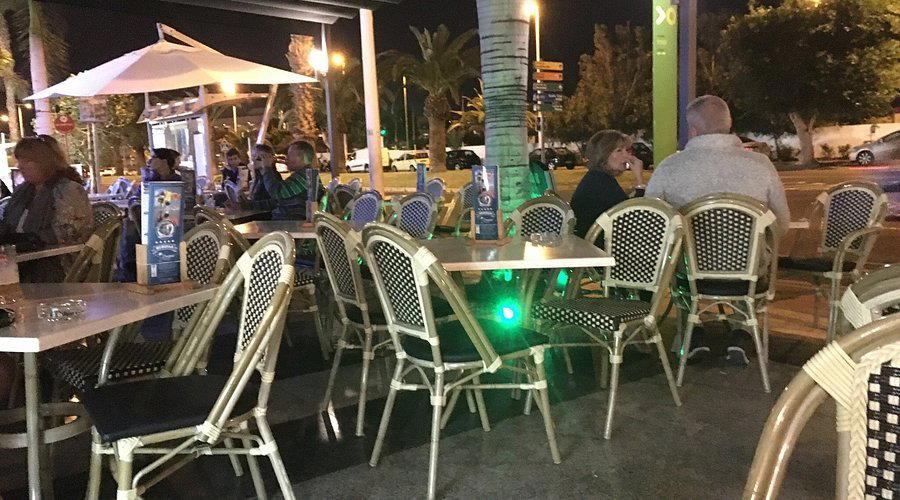
Approaching El Duque on Avenida del Mar, the structure of the venue is legible from the entrance: a bar area at the front accommodates the kind of standing or short-order tapas culture that operates as the default social format in Andalusian towns. A few tables for tapas-style dining sit adjacent to the bar, functional rather than decorative. Further in, the asador-style dining room opens up behind large windows that bring natural light into the space. The effect is utilitarian in the better sense of that word: a room designed for eating without distraction, with the brightness that comes from windows rather than the atmosphere-engineering of more self-conscious interiors.
Planning Your Visit
El Duque is located at Av. del Mar, 10, in the centre of Medina-Sidonia, a hilltop town in Cádiz province roughly equidistant between Jerez de la Frontera and the Atlantic coast around Conil. For visitors spending more time in the area, see our full Medina-Sidonia restaurants guide, our Medina-Sidonia hotels guide, and our Medina-Sidonia experiences guide. For bars and wine in the region, the Medina-Sidonia bars guide and wineries guide cover the broader scene.
For those mapping a broader Andalusian or Spanish itinerary, the contrast between El Duque and the starred end of the Spanish spectrum is instructive. The three-star creative programmes at Azurmendi in Larrabetzu, Cocina Hermanos Torres in Barcelona, Martin Berasategui in Lasarte-Oria, Mugaritz in Errenteria, Quique Dacosta in Dénia, and Ricard Camarena in València represent one pole of Spanish gastronomy. El Duque, alongside addresses like Atrio in Cáceres, Auberge Grand'Maison in Mûr-de-Bretagne, and Auga in Gijón, represents something equally coherent and considerably harder to replicate: traditional cooking that stays close to its source material and charges accordingly.
Frequently asked questions
How much does it cost to eat at El Duque?
Pricing at El Duque is listed as €.
Fast Comparison
| Venue | Cuisine | Price | Awards |
|---|---|---|---|
| El DuqueThis venue — the venue you are viewing | Traditional Andalusian Spanish | $20–30 | Michelin Plate · Macarfi 7.1 Food Rating |
| Aponiente | Progressive - Seafood, Creative | Not listed | Michelin 3 Star |
| Arzak | Modern Basque, Creative | Not listed | Michelin 3 Star |
| DiverXO | Progressive - Asian, Creative | Not listed | Michelin 3 Star |
| El Celler de Can Roca | Progressive Spanish, Creative | Not listed | Michelin 3 Star |
| Quique Dacosta | Creative | Not listed | Michelin 3 Star |
Recognition history
Dated appearances from independent guides and award organizations, with the underlying list record or original source where available.
Michelin Plate
Michelin
Macarfi 7.1 Food Rating
Macarfi
Full recognition history (3 entries)
Michelin Plate
Michelin
Continue exploring
More in Medina-Sidonia
Restaurants in Medina-Sidonia
Browse all →
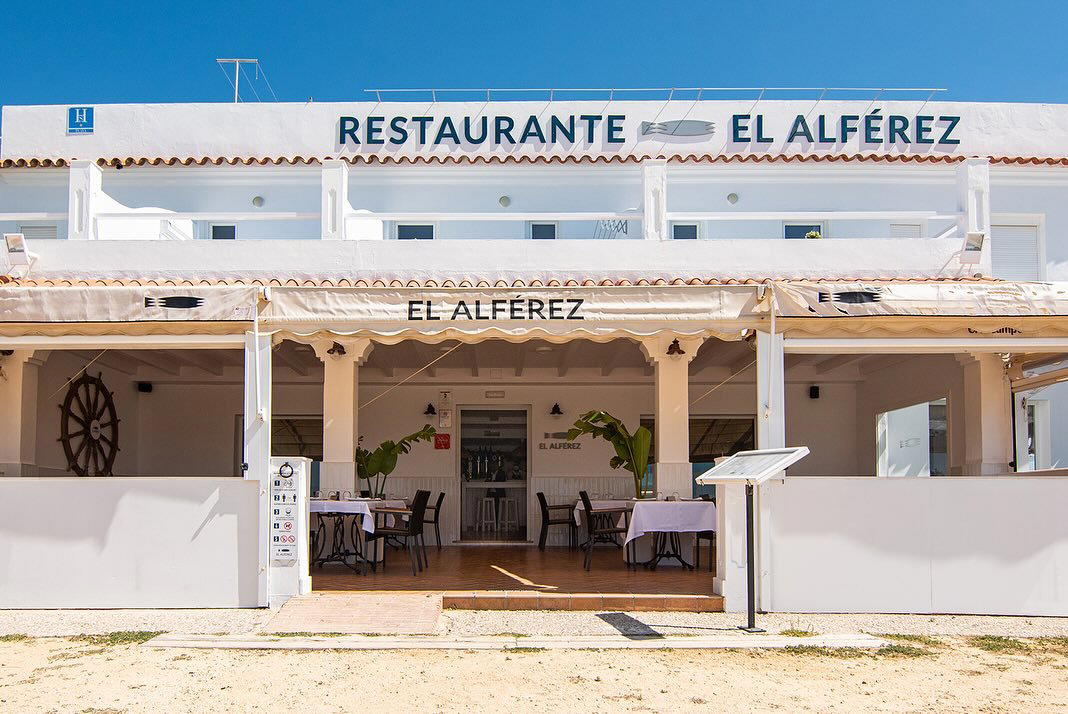
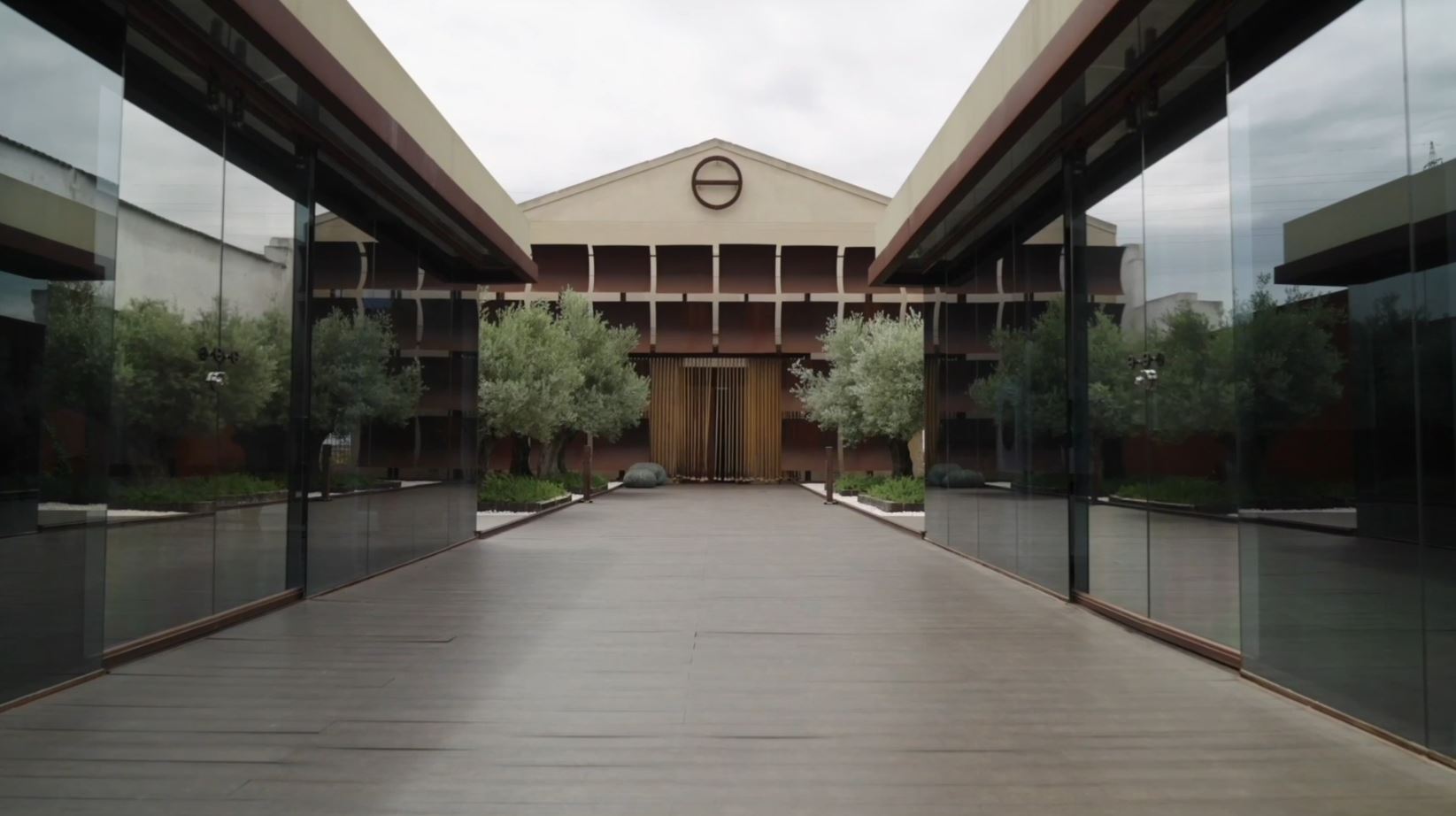
Bars in Medina-Sidonia
Browse all →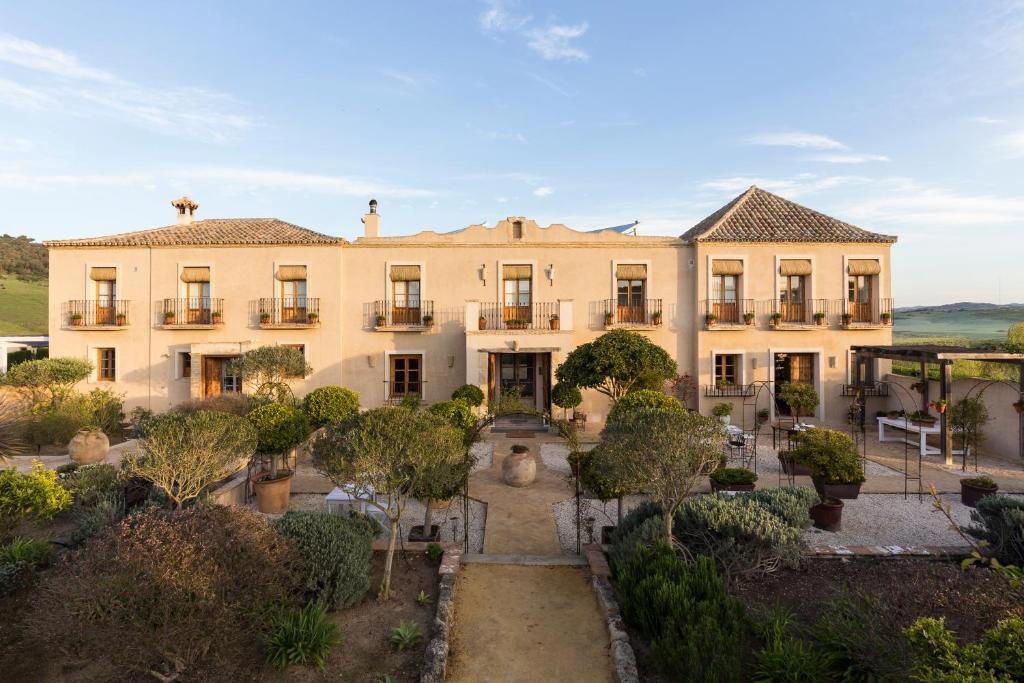
Hotels in Medina-Sidonia
Browse all →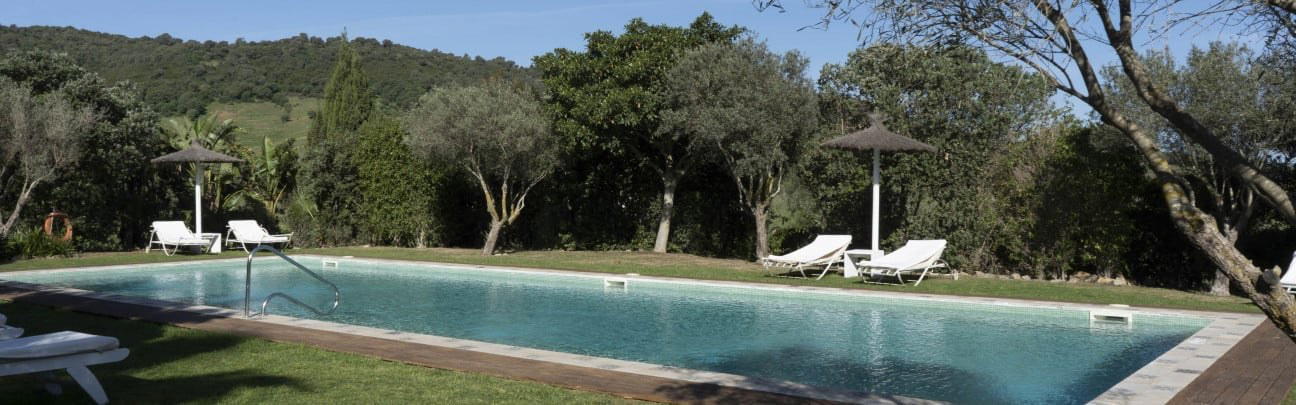
El Duque
The wine
- Wine program
- Curated wine list
- Extensive wine list
Details
- Rustic
- Cozy
- Classic
- Family
- Group Dining
- Special Occasion
- Historic Building
- Terrace
- Extensive Wine List
- Local Sourcing
- Street Scene
- A La Carte
- Small Plates
- Vegetarian Friendly
- Gluten Free Options
- Vegan Options
Current opening hours
- Monday
- Closed
- Tuesday
- 9 AM–11 PM
- Wednesday
- 9 AM–11 PM
- Thursday
- 9 AM–11 PM
- Friday
- 9 AM–11:30 PM
- Saturday
- 10 AM–11:30 PM
- Sunday
- 10 AM–5 PM
Hours can change for holidays and private events. Last verified .
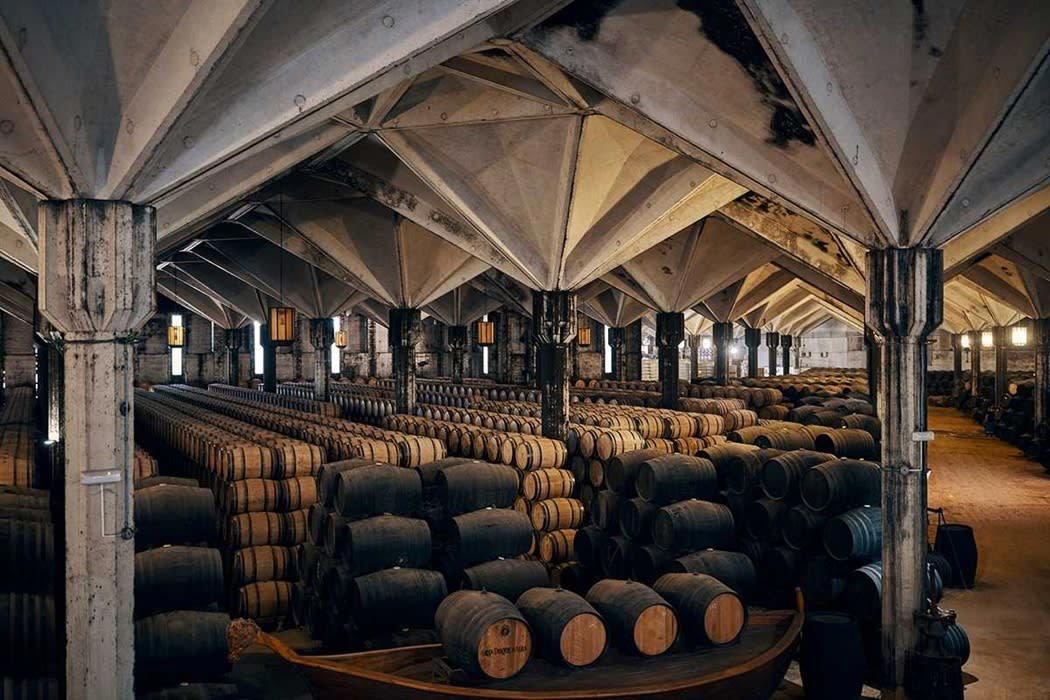
Warm and welcoming atmosphere with a traditional asador-style dining room featuring large windows, historical memorabilia, and a cozy bar area.