El Alférez


El Alférez belongs to the coastal side of Vejer de la Frontera’s dining map, where Cádiz produce, Atlantic fish and a less formal rhythm matter more than urban tasting-menu theatre. Its 1 Sol recognition in the 2026 Guía Repsol places it in a serious regional bracket without pulling it away from the ingredient-led logic of the coast.
Pearl is the En Primeur Club membership app — saves, bookings, and concierge access live there. Same editors, same standards.
- Address
- P.º Marítimo, 11159 Playa, Cádiz, Spain
- Phone
- +34 626 58 08 95
- Website
- restauranteelalferez.com
- Directions
- Get directions
 Saves & bookings on Pearl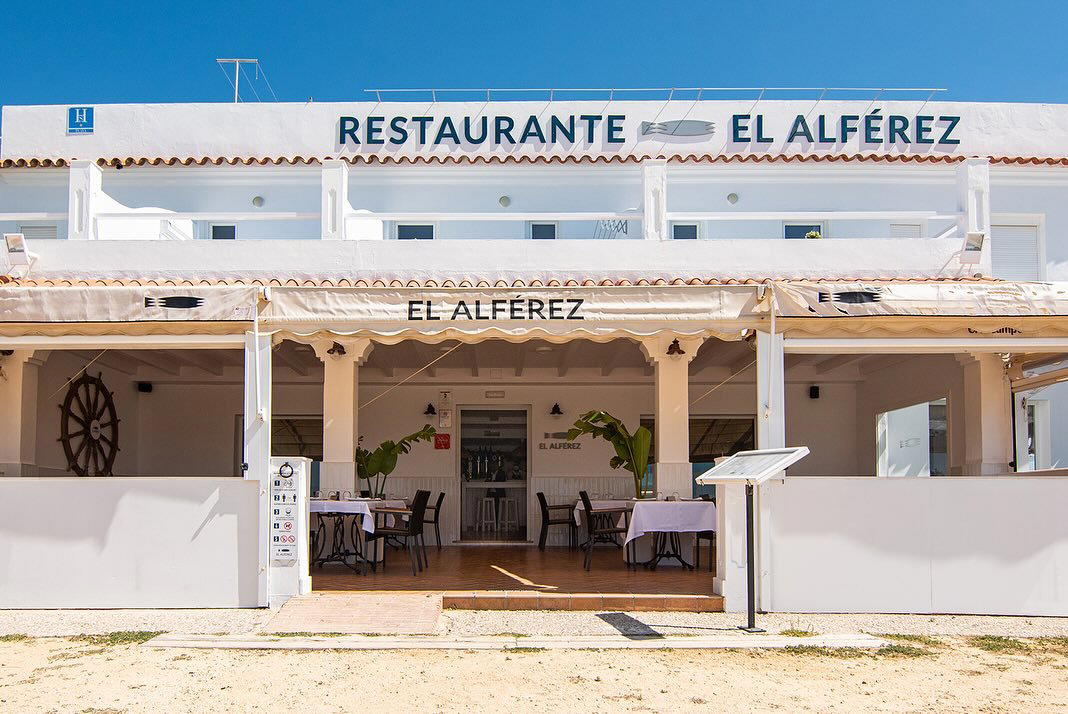
The approach to El Alférez begins with Vejer de la Frontera rather than the whitewashed hill town image that dominates postcards. This is Cádiz province country: Atlantic influence, local appetite, and a food culture shaped by market supply and the short distance between town and surrounding coast. In this part of Andalusia, the smarter restaurants do not need to dress local product in ceremony. They need to buy well, handle the kitchen cleanly and understand when restraint says more than technique.
That is the useful frame for reading El Alférez. Its 1 Sol in the 2026 Guía Repsol places it among restaurants that have moved beyond local convenience into national recognition, but the context remains regional rather than metropolitan. Vejer de la Frontera has become a compact dining base for travellers splitting time between hill-town Andalusia and the Cádiz coast. The stronger tables here tend to have clear identities: meals at Castillería, other Vejer de la Frontera dining rooms, and Casa la Siesta Restaurant. El Alférez sits within that local conversation, where the value of the meal depends heavily on sourcing, timing and a sense of place.
Cádiz cooking is measured by supply, not performance
The province’s food grammar is direct: local market culture, disciplined frying, rice traditions, produce handled with minimal interference, and vegetables that reflect the agricultural belt behind the coast. The point is not rustic nostalgia. Cádiz has a specific pantry, and restaurants that understand it can feel more precise than places with longer menus and louder ambitions.
El Alférez reads strongest within that ingredient-first tradition. The emphasis here is best understood through the restaurant’s recognised standard rather than through unverified biography or spectacle. Diners are effectively asking three questions: does the kitchen understand the region, does it respect texture and timing, and does the room allow the meal to keep the easy cadence that suits Vejer de la Frontera? A Repsol Sol is useful here because it signals that the restaurant has been assessed beyond neighbourhood loyalty, while still remaining part of a regional food culture built on product rather than performance.
That makes the comparison set important. Cooking Almadraba, Arohaz and Yoko Barbate each give travellers other reference points in the wider Cádiz conversation. Against those references, El Alférez is better understood as an Andalusian address with recognised regional credibility, not as a city-style destination restaurant transplanted into a different setting.
Where Vejer's hill-town dining meets the shoreline
Vejer can be misleading if treated as a single dining scene. The town has the visual drama, but the surrounding area supplies a different rhythm: lunches can stretch longer, menus often follow local supply, and geography matters. The town’s appeal for serious eaters is precisely this layered personality. One day can be built around white-village lanes and grills; another around the broader Cádiz setting, where the province sets the pace.
El Alférez benefits from that Vejer de la Frontera identity. It gives travellers a reason to think beyond a single postcard version of the town while staying within the local orbit. For readers building a wider itinerary, our full Vejer de la Frontera restaurants guide is the natural starting point, while the broader trip often needs context from our full Vejer de la Frontera hotels guide, our full Vejer de la Frontera bars guide, our full Vejer de la Frontera wineries guide and our full Vejer de la Frontera experiences guide. In this part of Andalusia, the restaurant decision is rarely isolated; it is tied to daily rhythm, driving routes and how much of the day is being given to lunch.
The national comparison is also clarifying. Spain’s regional restaurants increasingly compete on locality rather than grand format. A compact address in Cádiz does not need to resemble big-city dining rooms elsewhere in Spain to be relevant. The better question is whether it expresses its place with discipline. That same regional logic runs through different Spanish addresses, each making more sense when read through local supply and local appetite rather than a single national template.
How to place it in a Cádiz itinerary
El Alférez is a stronger choice when the meal is allowed to follow the day instead of being squeezed between sightseeing and late-night plans. The appeal is clearest for travellers who care about ingredient provenance, regional recognition and the Cádiz habit of letting local supply set the agenda. It is less useful to frame the restaurant through an invented chef narrative or an assumed tasting format; the reliable signals point instead to a product-led restaurant whose credibility comes from place, category and Repsol recognition.
For a Vejer stay, the smart move is to treat the restaurant as part of the area’s wider dining circuit. Pairing it with other local meals on another day gives a more accurate view of how this corner of Cádiz eats: inland appetite, Atlantic influence, and contemporary cooking threading through both. Travellers extending beyond Spain can read the contrast against ingredient-focused formats in other countries, where restraint also depends on sourcing, though the culinary grammar is entirely different. The editorial case for El Alférez is not maximalism. It is a recognised Cádiz table in a town where different appetites meet, and where knowing how to time a Vejer de la Frontera meal changes the experience.
Fast Comparison
Comparable venues by cuisine and price in the same metro.
| Venue | Cuisine | Price |
|---|---|---|
| Arohaz | Contemporary | €€ |
| Cooking Almadraba | Seafood | €€€ |
| Castillería | Meats and Grills | €€ |
| Yoko Barbate | Japanese | €€€ |
Recognition history
Dated appearances from independent guides and award organizations, with the underlying list record or original source where available.
Guía Repsol 1 Sol
Guía Repsol
Michelin Plate
Michelin
Michelin Plate
Michelin
Michelin Plate
Michelin
Continue exploring
More in Vejer de la Frontera
Restaurants in Vejer de la Frontera
Browse all →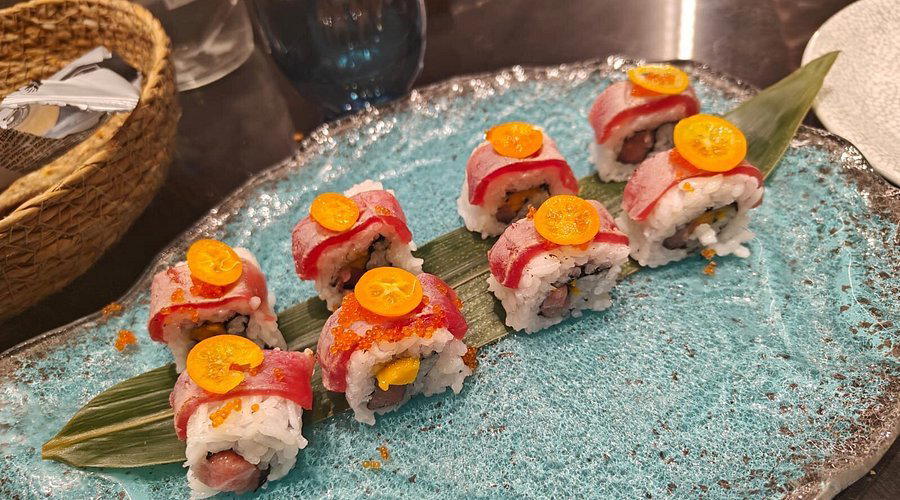
Bars in Vejer de la Frontera
Browse all →
Hotels in Vejer de la Frontera
Browse all →
At a Glance
- Scenic
- Rustic
- Cozy
- Romantic
- Date Night
- Family
- Group Dining
- Casual Hangout
- Celebration
- Waterfront
- Terrace
- Standalone
- Local Sourcing
- Waterfront
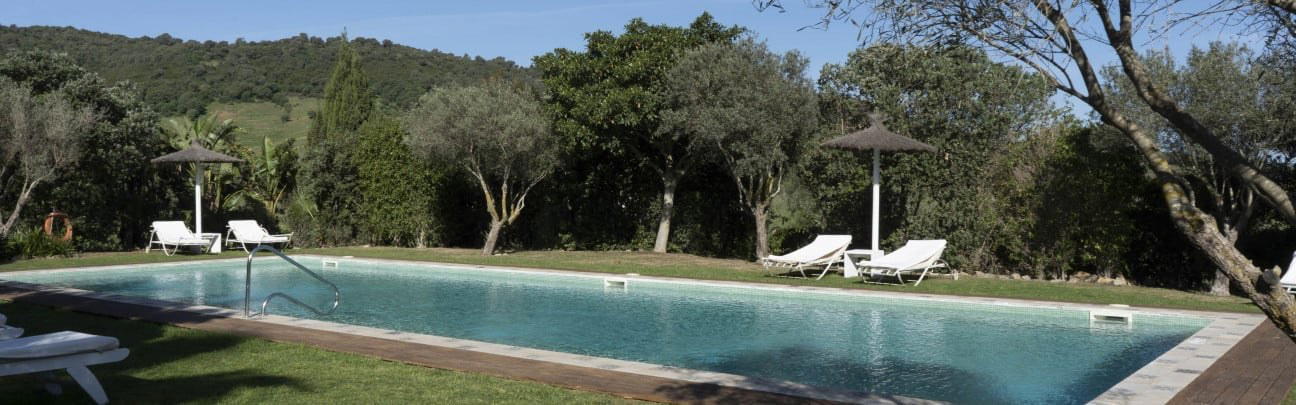
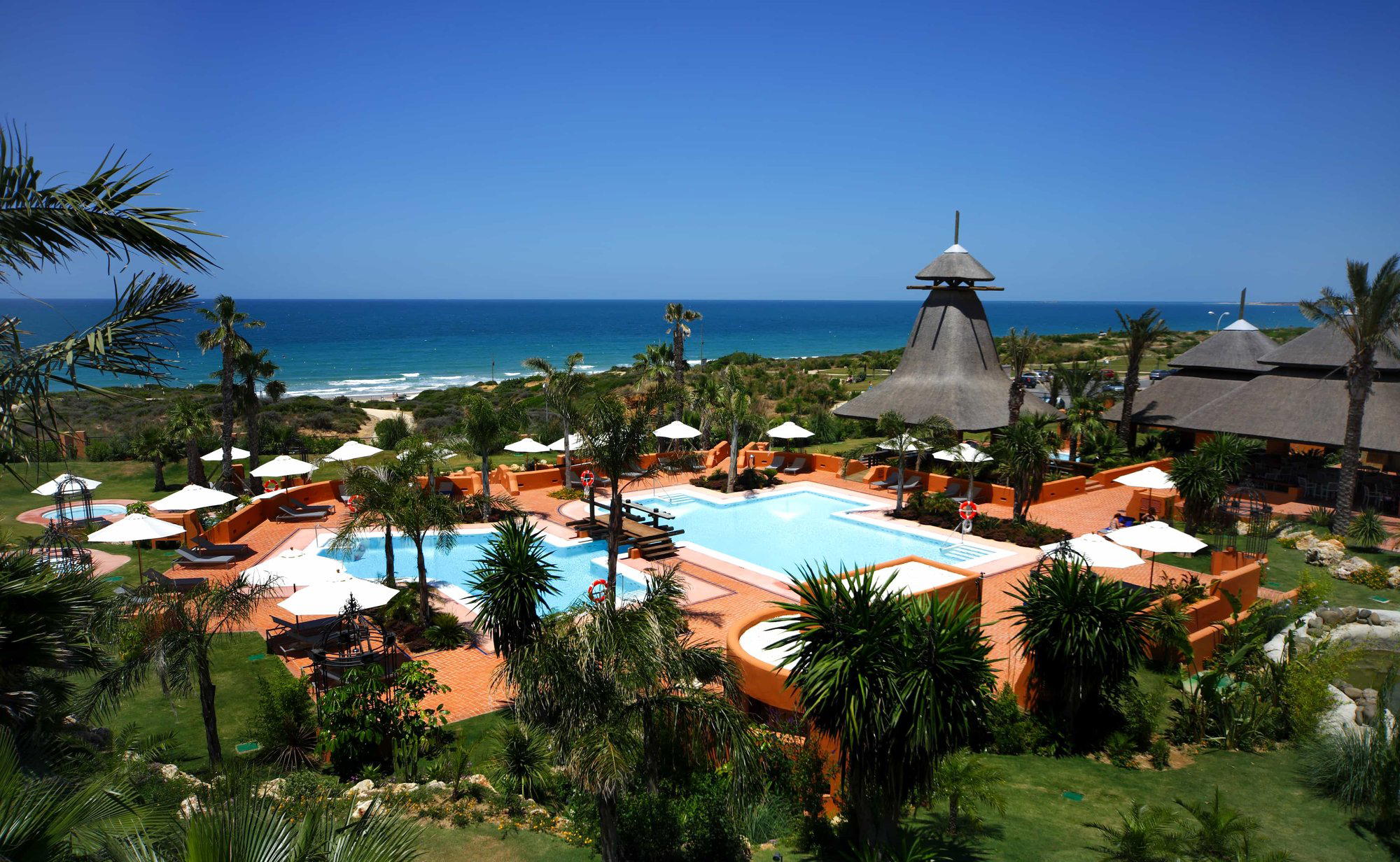
Reviews and guides describe a relaxed, beachside setting with a pleasant terrace, combining the ease of eating right by the sea with a quietly elegant, family-run atmosphere focused on traditional maritime cuisine.
Know Before You Go
- Reservations
- Recommended
- Dress code
- Casual
- Getting there
- P.º Marítimo, 11159 Playa, Cádiz, Spain